
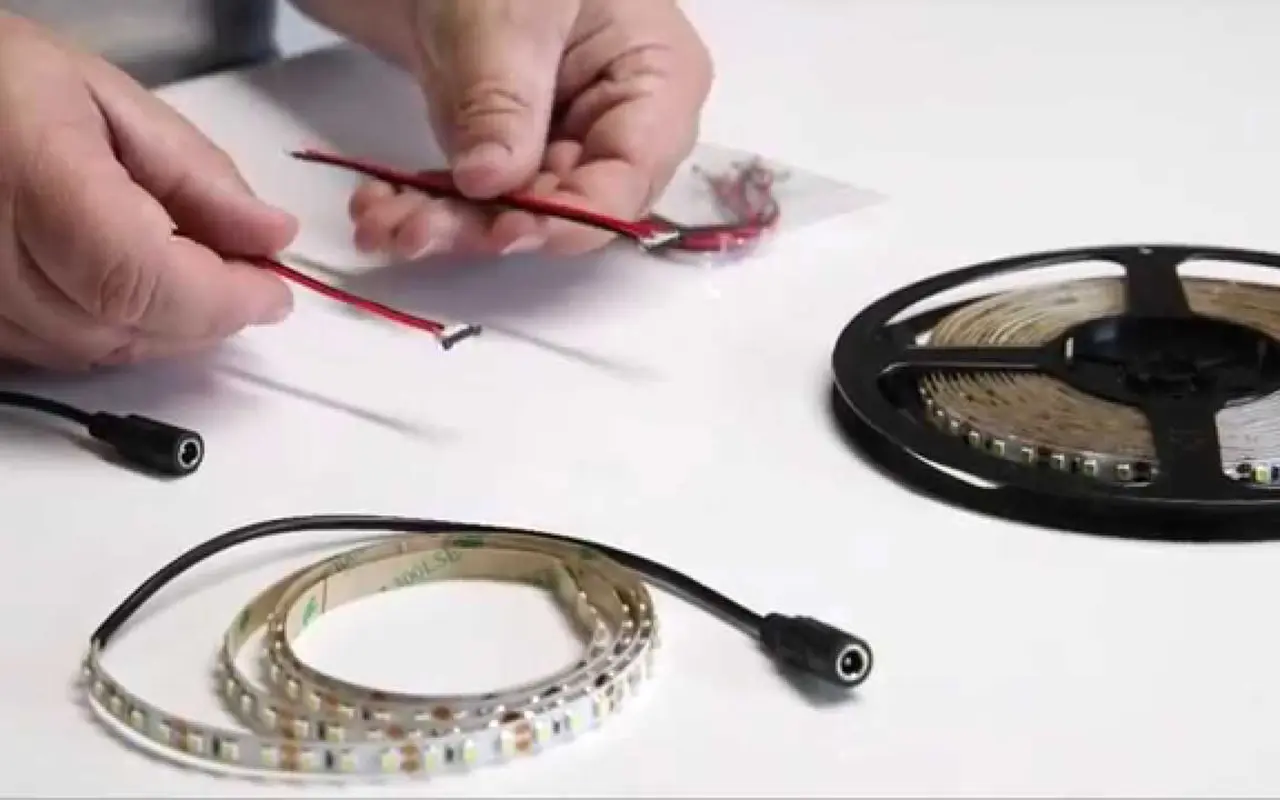
Are you looking to create an impressive lighting display but unsure how many LED strips you can connect together without compromising their performance? Fear not, as we’re here to illuminate the path to a successful LED strip installation, ensuring your project glows without a hitch.
The number of LED strips you can connect in sequence depends on their power requirements and the capacity of your power source. Generally, linking two to three strips directly is safe, but for longer chains, consider power amplifiers or separate circuits.
Stick with us as we delve into the intricacies of LED strip connections, offering you practical insights and expert advice to amplify your lighting project’s impact and efficiency.
LED Strip Basics: Building Your Foundation
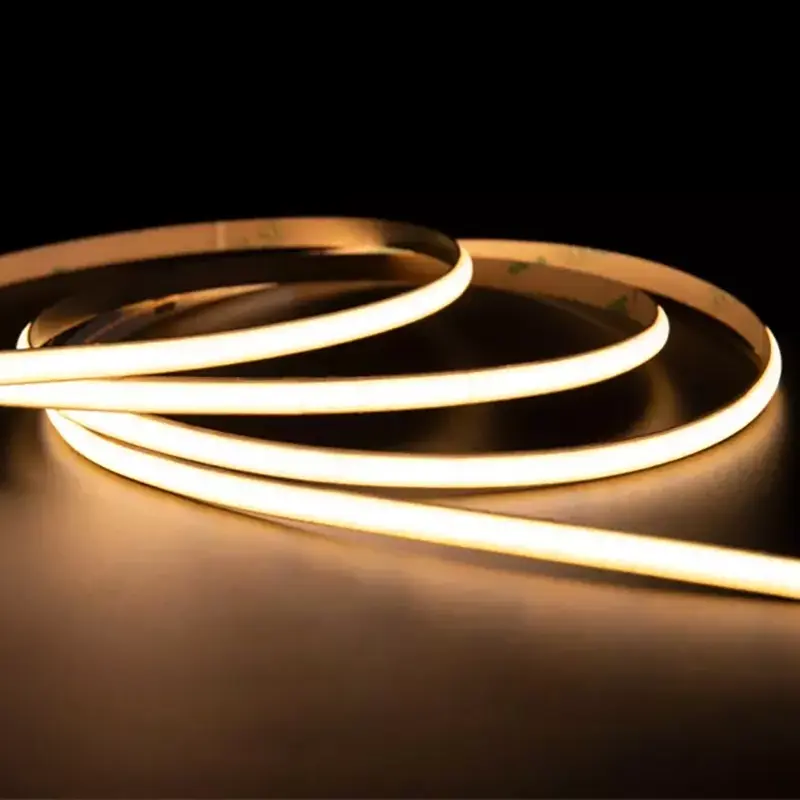
Embarking on your LED strip lighting project begins with a solid understanding of the different types of LED strips available on the market. This foundational knowledge is crucial to selecting the right product for your specific needs and ensuring the longevity and success of your lighting setup.
Types and Specifications
LED strip lights come in an array of types, each suited for different applications and environments. Warm white and cool white LED strips provide different shades of white light and are perfect for creating ambiance. RGB strips, which can produce a spectrum of colors, are ideal for dynamic lighting setups that require color-changing capabilities. Addressable RGB strips offer even more customization, allowing you to control the color and brightness of each individual LED. Understanding these variations is key to crafting a lighting experience that aligns with your vision.
Voltage Variations
Voltage is a critical factor in the world of LED strips. Most strips operate on low voltage, typically 12V or 24V, which makes them safe for residential use. However, selecting the wrong voltage can lead to inefficient operation or damage to your LED strips. It’s important to match the voltage of your LED strips with your power supply and any controllers or dimmers you plan to use. This ensures that your lighting system functions correctly and efficiently without risking damage or unnecessary power consumption.
Power Consumption Insights
Power consumption is another vital consideration when working with LED strips. It affects not only the energy efficiency of your setup but also its safety and capacity for expansion. Understanding the wattage per meter or foot of your LED strips allows you to calculate the total power draw of your installation. This information is crucial for selecting the right power supply and determining how many strips you can safely connect together. By gaining insights into the power consumption of your LED strips, you can make informed decisions that optimize performance and ensure the safety of your lighting project.
Power Requirement Calculations: Ensuring Adequacy
Calculating the power requirements of your LED strip installation is essential to ensure its performance and longevity. This process involves understanding the total power draw of your strips and selecting a power supply that can handle this demand efficiently.
Amperage Assessment
To prevent overloading your system, you must accurately assess the amperage your LED strips will draw. This involves adding up the current draw (in amperes) of all the strips you plan to connect. Ensuring that the total amperage is within the capacity of your power supply prevents overheating and potential damage. Understanding amperage is also crucial when expanding your installation, as it helps you determine how many strips can be added without exceeding the power supply’s limits.
Choosing the Correct Power Supply
Selecting an appropriate power supply is a critical step in your LED strip project. The power supply must provide the correct voltage and sufficient amperage to support your strips’ total power draw. It’s advisable to choose a power supply with a slightly higher amperage rating than required to ensure it can handle any additional load without strain. Moreover, considering a power supply with built-in protection features, such as short-circuit and overload protection, can further safeguard your installation. This section will guide you through the key considerations and help you select a power supply that ensures the efficiency, safety, and reliability of your LED lighting system.
Expert Installation Techniques: Connecting with Confidence
Mastering the art of LED strip installation is crucial for achieving a professional and durable setup. Proper connection techniques not only ensure the longevity of your lighting but also prevent potential failures and maintenance hassles down the line.
Connector Types and Usage
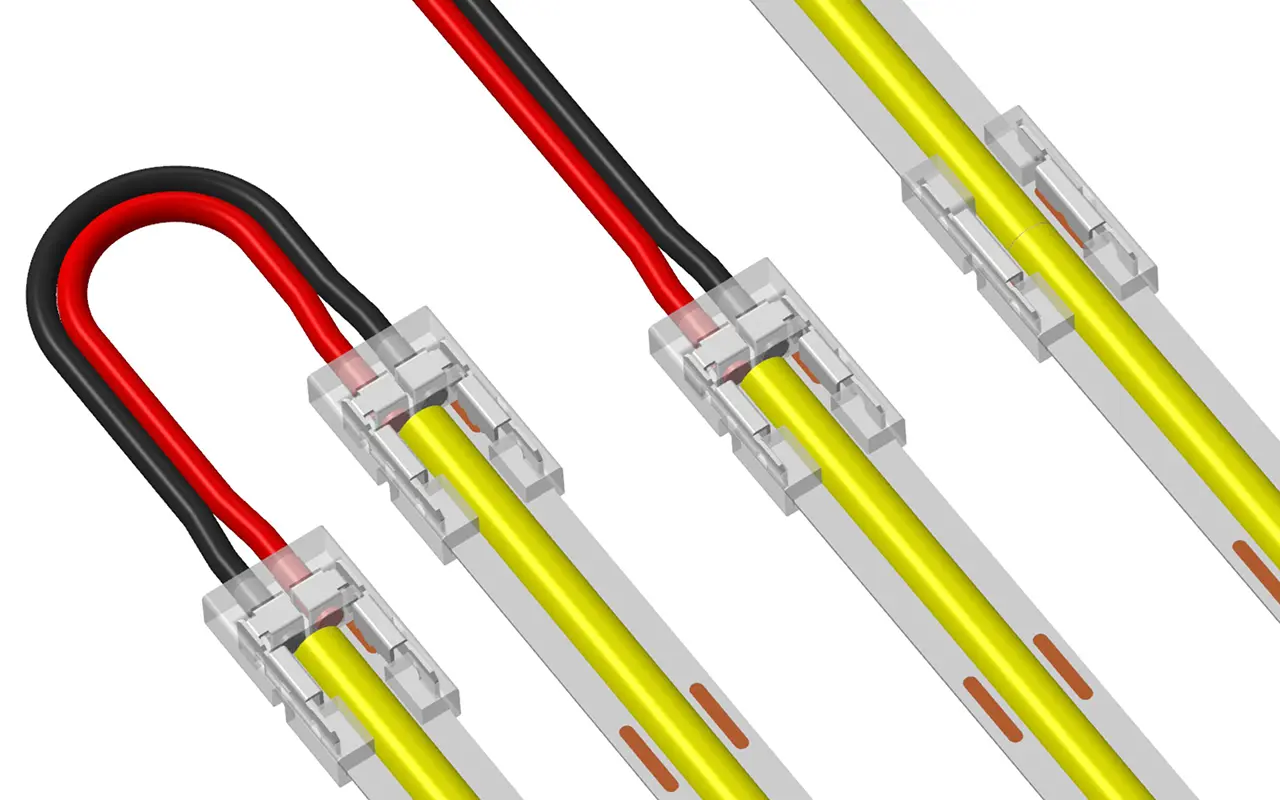
The type of connector you choose plays a pivotal role in the success of your LED strip installation. Gapless pin connectors are ideal for creating seamless connections between strip segments, especially useful in visible areas where aesthetics are important. Jumper cord connectors, on the other hand, offer flexibility for corners or curved surfaces, allowing you to navigate tricky angles with ease. Understanding the specific application and environment of your LED setup will guide you in selecting the most suitable connector type to ensure both functionality and visual appeal.
Soldering for Secure Connections
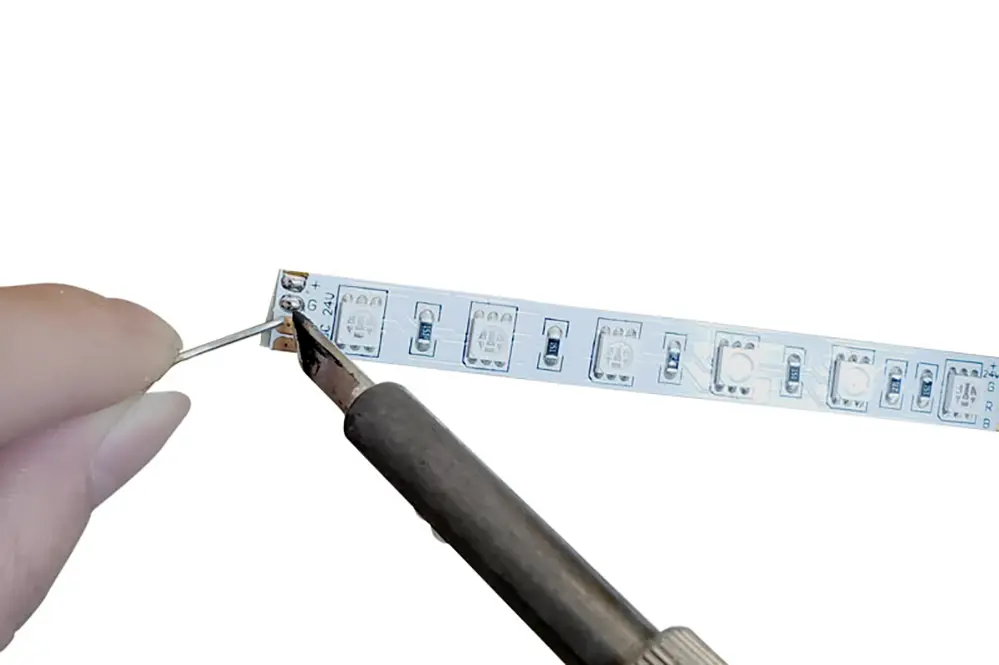
For those seeking a more permanent and reliable connection, soldering is the go-to method. This technique requires precision and patience but results in robust and enduring connections that withstand environmental stress and movement. Proper soldering involves cleaning the contact points, applying the right amount of solder, and ensuring a solid bond without overheating the components. While it may seem daunting at first, mastering soldering can significantly elevate the quality and reliability of your LED installations.
Troubleshooting Tips
Even with meticulous planning and execution, you may encounter issues with your LED strip lighting. Common problems include flickering, uneven brightness, or complete failure to light up. Effective troubleshooting starts with checking connections for looseness or damage, ensuring power supplies are adequately rated and functioning, and verifying that controllers and dimmers are compatible and correctly configured. By methodically isolating and addressing these potential issues, you can swiftly rectify common LED strip problems and maintain the brilliance of your lighting setup.
Amplifiers and Repeaters: Extending Your Reach
In larger installations, the signal strength and power can diminish over long distances, leading to dimming or inconsistent lighting. Employing amplifiers and repeaters strategically can overcome these limitations, ensuring your LED strips shine brightly and uniformly throughout the installation.
When to Use Amplifiers
Amplifiers become essential when you extend LED strip lengths beyond the manufacturer’s recommended maximum. They boost the signal to prevent voltage drop, ensuring consistent color and brightness across all strip sections. Understanding when and how to integrate amplifiers can make or break the success of extensive LED lighting projects, preserving the intended visual impact across expansive spaces.
Integrating Repeaters Effectively
Repeaters serve a similar purpose to amplifiers but are typically used to regenerate the signal in data-driven (e.g., addressable or RGB) LED strips. They help maintain the integrity of the control signal, allowing for precise color and pattern reproduction over longer distances. Correctly positioning and configuring repeaters is crucial for avoiding latency and ensuring that dynamic lighting effects remain synchronized and impactful, regardless of the installation size.
Connection Methods Compared: Finding the Best Fit
The approach you select for connecting your LED strips can significantly influence the ease of installation, longevity, and performance of your lighting. Understanding the strengths and weaknesses of various connection methods will empower you to make informed decisions that align with your project goals.
Connector vs. Soldering
When deciding between using connectors and soldering, consider the specific needs of your project. Connectors offer a user-friendly, solder-free solution ideal for quick and temporary installations or for those less experienced with soldering. They allow for flexibility and easy adjustments or repairs. However, connectors might not provide as reliable a connection as soldering, potentially leading to issues with conductivity over time.
In contrast, soldering creates a more permanent and stable connection, reducing the risk of connection failure. While it requires more skill and tools, soldering ensures a solid electrical bond and is less susceptible to being loosened by movement or environmental factors. If your installation is in a hard-to-reach area or a place where it will remain undisturbed, soldering is often the preferred choice for its durability and reliability.
Evaluating Connection Quality
Regardless of the method chosen, ensuring the quality of your connections is crucial for the longevity and efficiency of your LED lighting. For connectors, ensure they are fully seated and secure, with no exposed wires or loose fittings. For soldered joints, check for a clean, shiny solder flow without any cold joints or excess solder that could cause short circuits.
Benefits of Extended Connections: Maximizing Your Impact
Connecting multiple LED strips can transform a space, providing enhanced illumination and the flexibility to customize lighting as needed. Learn how extended connections can elevate your lighting design.
Lighting Uniformity
One significant advantage of connecting multiple LED strips is achieving uniform lighting across expansive or irregular areas. Properly connected LED strips can eliminate inconsistencies, providing smooth, even lighting that enhances the aesthetics and functionality of a space. This is particularly beneficial in settings like under-cabinet kitchen lighting, retail displays, or any area where consistent lighting is crucial.
Customizable Lengths
The ability to connect multiple LED strips also offers unparalleled customization, allowing you to tailor lighting to specific lengths and configurations. Whether you’re accentuating architectural features, creating ambient lighting, or highlighting displays, the flexibility of extended LED strip connections ensures you can adapt your lighting to meet any design requirement.
Unified Power Solutions: Managing Multiple Strips
Effectively powering multiple LED strips from a single source requires strategic planning to ensure balanced loads and consistent voltage across all sections.
Load Balancing Techniques
When connecting multiple LED strips, it’s essential to balance the load across all strips to prevent overloading and ensure even lighting. Utilizing parallel connections is a common strategy to distribute power evenly, ensuring each strip receives an identical voltage level. A table or diagram can illustrate optimal wiring configurations, helping you visualize how to achieve effective load balancing in your installation.
Voltage Consistency Checks
Maintaining voltage consistency is key to preventing brightness variations across connected LED strips. Regularly monitor voltage levels, especially at the end of long runs or where multiple strips converge, to identify and address any drops. Ensuring consistent voltage helps achieve uniform brightness and color, enhancing the overall quality of your LED lighting.
Conclusion
Embracing the versatility of LED strip lighting can significantly enhance both the ambiance and functionality of any space. By understanding essential connection principles, accurately calculating power needs, and implementing effective installation techniques, you can create an impactful, efficient, and durable LED lighting setup. Whether you’re aiming for subtle accent lighting or vibrant, dynamic displays, the knowledge and skills you develop in connecting LED strips will empower you to bring your creative visions to life.
Elevate your lighting projects with Unitop, a leader in China’s LED manufacturing, renowned for top-tier LED strip lights and LED neon flex. For any inquiries or specialized needs, trust Unitop’s industry-leading expertise. Contact us now and experience the pinnacle of LED innovation and quality with Unitop, where your lighting visions become reality.

Tom is now the Sales Manager of Unitop (China) Co., Limited. He has been in the LED Lighting industry ever since 2005. He is an expert in sales & marketing, and factory management. He likes bodybuilding, and he is also a crazy Apple Fan! He is a hard-working guy and loves to learn and try new things.
Email: tom@unitopledstrip.com WhatsApp: +86-18680307140




Leave a Reply
Want to join the discussion?Feel free to contribute!