

Picture walking down a bustling urban avenue at twilight. The radiant glow of neon signs hits your retina—each a microcosm of vivid hues, evoking a sense of nostalgia and allure that’s impossible to ignore. When considering adorning your space with one of these luminous wonders, the price tag brings you back to Earth. “Why so expensive?” you wonder.
Here, we aim to unravel the intricacies behind neon signs’ steep price points, starting with their enduring emotional appeal, visual richness, and craftsmanship that turns glass and gas into glowing art.
Understanding the Neon Sign Phenomenon
Emotional Allure and Visual Impact
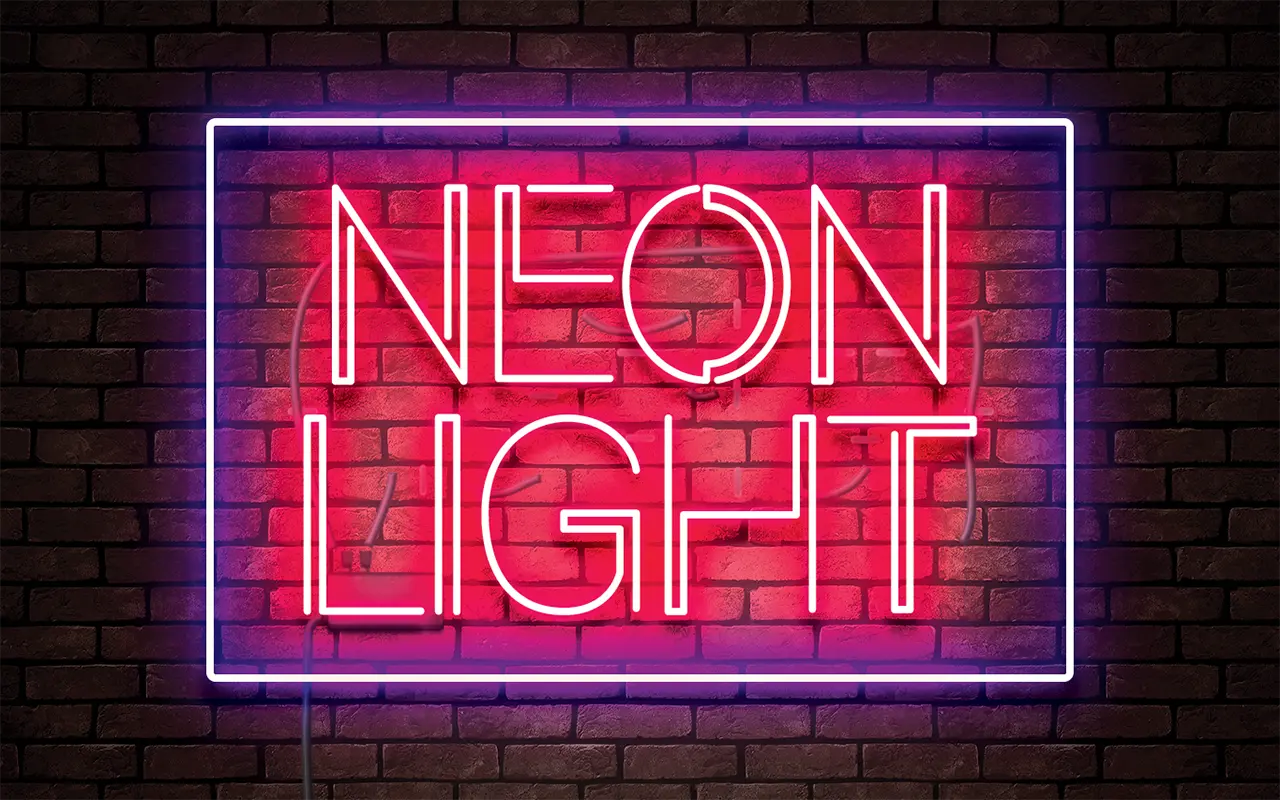
Neon signs are far more than mere tools for business promotion or aesthetic decoration. They tap into a deeply ingrained emotional palette, an amalgamation of warmth, nostalgia, and a dash of rebellion. Neon offers a tactile, “real-world” experience that the pixelated glow of a screen can never approximate. This elusive “X-factor” has sustained the market for neon, even in our era of technological bombardment.
Historical Context
Invented by Georges Claude in 1910, neon signs quickly became the luminous quills writing the stories of nighttime cityscapes. These glowing billboards revolutionized how businesses caught the eye, becoming a staple of Americana by mid-century. Nowadays, the aesthetic flexibility of neon allows it to occupy spaces from boho-chic coffee shops to the lobbies of cutting-edge tech companies, creating a cultural dialogue that spans across periods and design movements.
Latest Trends in Neon Signage
Gone are the days when neon was just a matter of “Open” or “Closed” signs. Contemporary neon art explores new heights—innovative scripts, dynamic color changes, and interactive elements. Furthermore, advances in neon technology are paving the way for lighter and more energy-efficient models, making them adaptable to modern sustainability standards.
Why People Still Choose Neon Over Alternatives
Visual Appeal
The brilliance of neon is not just literal; it’s also metaphorical. Unlike other forms of lighting that can go unnoticed, neon has a captivating luminosity that commands attention. It’s particularly effective in low-light conditions, enabling businesses to assert their presence even when the sun dips below the horizon.
Emotional Connection
Neon resonates deeply with collective cultural memories. Whether it’s the electric blues and reds you associate with old-school diners or the soft pinks and greens reminiscent of 80s Miami nightlife, neon manages to evoke a bygone era while remaining perpetually contemporary. This duality of old and new is what creates its emotional richness.
Brand Enhancement Possibilities
A custom neon sign can serve as a unique identifier in a world cluttered with cookie-cutter branding. The options for customization are virtually limitless—fonts, colors, shapes, sizes, messages—allowing a brand to capture its essence in a way that is both eye-catching and memorable. This is why many businesses see neon not as an expense but as an investment in their identity.
Key Elements That Make Neon Signs Expensive
The Handcrafted Nature of Neon Signs
Role of Skilled Artisans
Creating a neon sign isn’t just an industrial process—it’s an art form. Behind each radiant display lies the expertise of artisans who have devoted years to mastering their craft. These individuals are not mere workers; they are craftsmen and artists. They imbue each piece with a unique personality, ensuring that no two neon signs are identical, thus adding to the overall expense.
Time-consuming Process of Glass Bending
Every curve, every angle in a neon sign, results from meticulous manual labor. Skilled artisans use torches to heat the glass tubes, bending them to match intricate design schematics. This is a delicate, time-consuming process requiring complete focus. One mistake and the whole tube could shatter. Each minute spent perfecting these details contributes to the total cost.
Customization Options
Customized neon signs are often even more expensive, as they demand extra time and unique design expertise. This level of personalization requires precise planning, mock-ups, and revisions, escalating labor and material costs.
Material Costs: More Than Just Glass and Gas
Price of Raw Materials Like Glass and Neon or Argon Gas
You might think it’s just glass and gas, but the type of glass and gas matters. High-quality borosilicate glass tubes and noble gases like neon and argon are essential for a premium product. These materials come with a price tag passed on to the consumer.
Metals Used in Electrodes
The electrodes in neon signs often include rare metals like nickel and iron. These metals are chosen for their durability and performance, but they also come at a cost. Their addition can significantly drive up the price of a neon sign.
Special Coatings for Color Variety
To achieve a spectrum of vibrant colors, phosphor coatings are applied to the inner walls of the glass tubes. This not only adds another layer of complexity to the creation process but also increases the cost of raw materials. And remember, applying these coatings with precision also demands expertise.
Labor: The High Price of Specialization
Hours Invested Per Sign
Artisans invest numerous hours crafting each neon sign, from the initial design stage to the final assembly. Some signs can take days or weeks to complete, depending on the complexity. This labor commitment is a significant cost factor.
Specialized Labor and Training
The industry relies on a highly specialized workforce. An artisan must undergo rigorous training, often spanning years, to master the various facets of neon sign creation—design, glass bending, gas filling, and electrical assembly. This level of skill comes at a premium, raising labor costs.
Why Cutting Corners Won’t Work
It’s tempting to think cheaper materials or faster labor could cut costs, but the reality is different. Subpar materials result in dull, fragile signs that may require frequent repairs. Unskilled labor can lead to defects, diminishing the sign’s longevity and visual impact. In essence, cutting corners compromises quality, something neither businesses nor aficionados are willing to sacrifice.
Operational Aspects: Running Your Neon Sign
Energy Bills: What It Takes to Keep Them Glowing
Neon Lights Cost for Average Electricity Consumption
While visually stunning, neon signs demand their share of electrical power. A neon sign can average consume around 50-150 watts per hour, depending on its size and complexity. This makes them less energy-efficient than their LED counterparts, which usually run between 10-30 watts per hour.
Long-term Cost Analysis
It’s not just about the upfront cost; it’s about the lifetime cost of ownership. Those kilowatt-hours can accumulate quickly if you’re a business operating your neon sign around the clock. Over a year, the electricity bills for running a neon sign can add a noticeable amount to your operational expenses, especially if you own multiple characters.
Regulatory Hurdles: Navigating Safety Standards
National and Local Regulations
Neon signs must adhere to various safety and environmental regulations that can differ from jurisdiction to jurisdiction. From electrical safety codes to guidelines on hazardous materials, compliance is essential. Some areas have aesthetic policies that limit brightness or color to preserve a particular neighborhood character.
Environmental and Safety Compliance Costs
Meeting safety and environmental standards requires specialized materials and construction methods, translating to higher manufacturing costs. Certifications like UL (Underwriters Laboratories) or ETL (Electrical Testing Labs) may also be necessary, adding to the overall cost of your neon sign.
Additional Expenditures
Installation and Maintenance Costs
Professional Installation Costs
When installing your neon sign, DIY might not cut it. The fragile nature of glass tubes and electrical wiring usually necessitates hiring professionals. Installation services can range from a few hundred to a couple thousand dollars, depending on the sign’s complexity and the installer’s expertise.
Maintenance and Potential Repair Costs
While neon signs are generally durable, they’re not immune to wear and tear. Over time, gas might leak, or electrodes may wear out. These issues necessitate routine maintenance, which will add to your ongoing costs. When neon sign repair cost is needed, they can be pricey, especially if parts like glass tubes need replacing.
Design Complexity and Size
How Design Intricacies Affect Price
Complexity is a cost multiplier. Signs featuring intricate fonts, numerous colors, or detailed graphics will consume more time, materials, and specialized labor, significantly inflating the price tag.
The Cost Scaling Based on Size and Features
A larger canvas demands more. Larger neon signs require more glass, more gas, and more electrical components. Add advanced features like animation or variable lighting, and you’re looking at a considerable uptick in materials and labor costs, leading to a pricier end product.
Value Proposition: Making the Expense Worthwhile
Longevity Compared to Alternatives
Lifespan of Neon Signs
One of the key selling points for neon signs is their impressive lifespan. When appropriately cared for, a quality neon sign can shine bright for up to 20 years. Compared to LED alternatives that often max out at around 50,000 hours, a neon sign can rack up more than 100,000 hours of operation, cementing its status as a long-term investment.
Value Over Time
Investing in a neon sign might seem steep at first glance. However, the longevity and its unique aesthetic appeal often translate into a higher return on investment (ROI) over time. Neon’s visual and emotional impact can elevate brand visibility, attract customers, and create a memorable experience, justifying its upfront costs over the long run.
Are There Affordable Alternatives?
LED Neon Signs
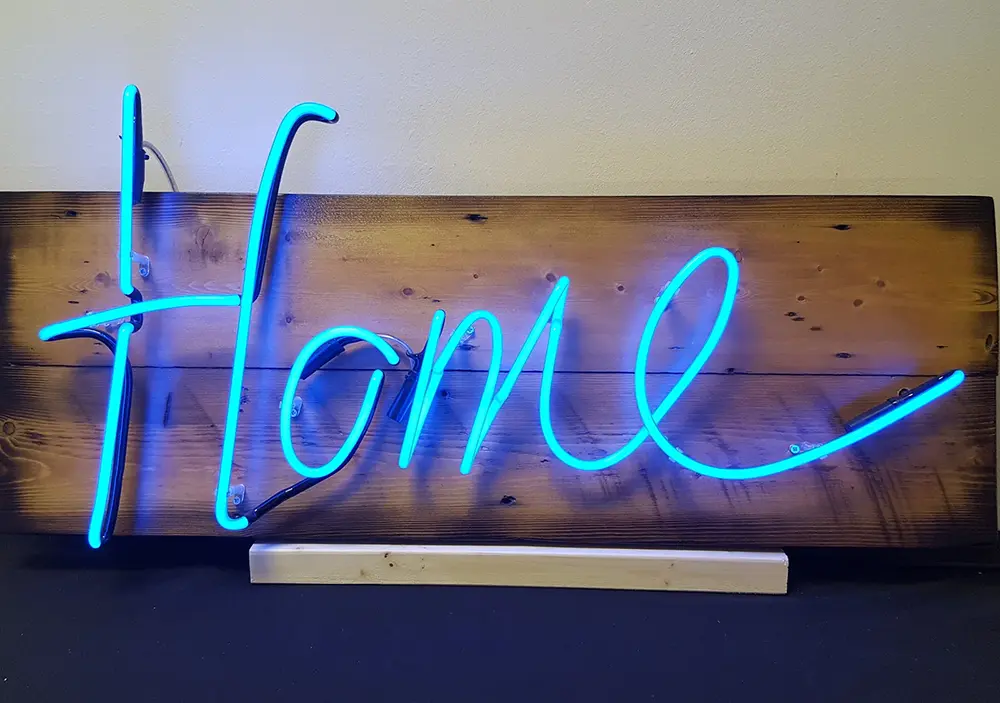
LED neon signs have emerged as a more budget-friendly alternative. These signs are not only cheaper upfront but also boast superior energy efficiency. However, what they gain in operational savings, they lose aesthetic value. Simply put, LED signs cannot replicate the luminous, ethereal glow that only real neon can produce.
Pros and Cons of Alternative Options
While LEDs offer economic advantages and ease of maintenance, they fall short of replicating the vintage charm of neon. LED signs might be more suitable for businesses looking for a functional, budget-friendly option. However, if you’re aiming to capture neon’s emotive ambiance, then LED signs might leave you feeling underwhelmed.
Frequently Asked Questions (FAQs)
Are neon signs costly to operate?
While more expensive to run than LEDs, the difference in operational costs is often offset by neon signs’ longevity and aesthetic value.
How do you maintain a neon sign?
Routine checks for gas leaks and electrode wear, along with occasional professional servicing, can significantly extend the life of your neon sign.
Where to buy affordable neon signs?
Various online platforms and specialty stores offer budget-friendly neon signs, but be wary of quality when choosing cheaper options.
Conclusion: Is the High Cost Justified?
In sum, neon signs carry a high price tag for a reason. Several factors contribute to their overall cost, from artisan craftsmanship and premium materials to operational costs and regulatory compliance. However, when you factor in their long-lasting performance and the unparalleled emotional and visual impact they offer, the initial investment often proves worth the expense.
So, the next time you find yourself transfixed by the glowing allure of a neon sign, you’ll appreciate its visual splendor and understand the actual value—and cost—of that mesmerizing glow.
In conclusion, the allure and value of neon signs are undeniable, but options like LED neon flex offer a compelling alternative. If you’re navigating this luminous landscape and have further questions, don’t hesitate to contact Unitop, one of China’s leading LED strip lights and LED neon flex manufacturers. With our expertise and cutting-edge products, we’re here to illuminate your choices. Contact us today to light up your world the smart way.
Related Articles

Tom is now the Sales Manager of Unitop (China) Co., Limited. He has been in the LED Lighting industry ever since 2005. He is an expert in sales & marketing, and factory management. He likes bodybuilding, and he is also a crazy Apple Fan! He is a hard-working guy and loves to learn and try new things.
Email: tom@unitopledstrip.com WhatsApp: +86-18680307140



Leave a Reply
Want to join the discussion?Feel free to contribute!