

Studying under the right light is crucial. Have you ever wondered what color light helps you focus? and best LED color for studying? This well-researched guide will lead you to the perfect choice, impacting your focus, productivity, and overall well-being.
The optimal color LED light for studying is a cool white(4000-4500K) or bluish-white spectrum. It encourages alertness and concentration and enhances the study experience.
It’s more than just choosing a color. Discover the science, technology, and health effects of LED lights. Get customization tips for studying.
Why Color Matters: The Science of Studying Under LED Lights
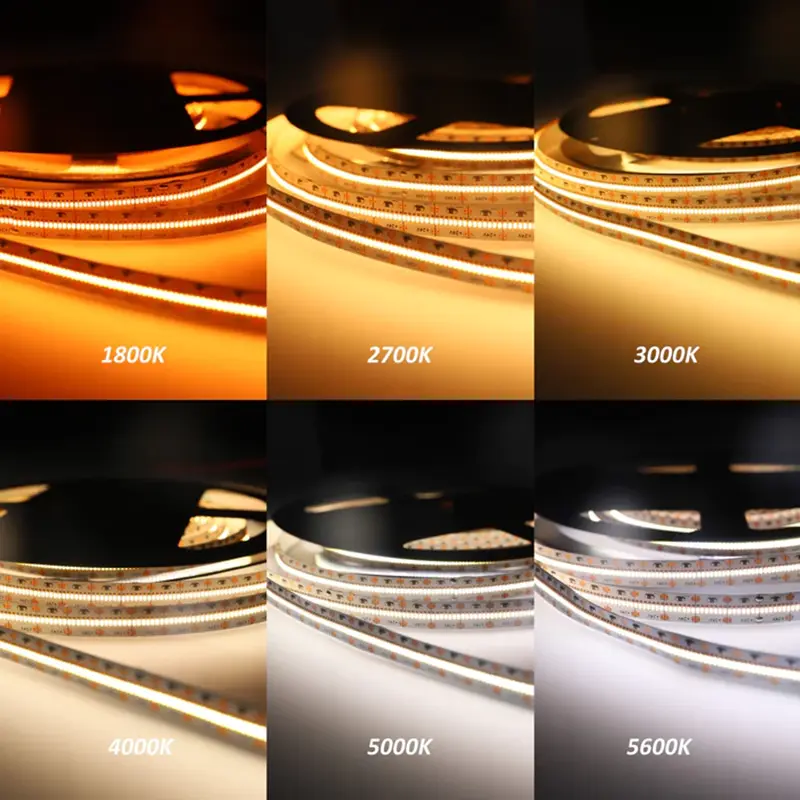
Understanding the Effect: Delve into how cool white LED lights affect alertness.
Color is far more influential in our lives than most people realize. LED lights are important when studying because of their cool white spectrum. The color range, from 5500K to 6500K, not only lights up a space but also boosts alertness and focus.
But how does this work exactly? Research shows that cool white light stimulates the production of serotonin. This neurotransmitter leads to increased focus and a more awake feeling. This effect is used in different professional settings, like offices and medical facilities, to improve productivity and focus.
But it doesn’t stop there. Cool white LED lights also enhance mental clarity. Many students feel more interested in school when they study under these lights. They also find complex materials easier to understand. Creating a setting that matches how the brain reacts to light helps studying work better.
Warm vs. Cool Colors: Compare relaxation and focus-driven colors.
The fight between warm and cool colors isn’t just about preference. It has psychological effects. Warm colors, such as yellows and oranges, promote relaxation and comfort. These colors are often associated with a cozy, welcoming ambiance. However, while they may be perfect for your living room, there might be better choices for a study area.
On the other hand, cool colors like blues and whites foster concentration. They act like a cognitive signal, directing the brain to alertness and readiness. This helps in reducing distractions and allows for more focused study sessions.
The colors in libraries and study areas contribute to the calm and focused feeling. To make a good place to focus and learn, choose calm colors, thoughtful furniture, and proper lighting. Color has a magical quality. Understanding this can improve your study sessions and make them more productive.
The LED Spectrum: Color Temperature, CRI, and Efficiency
Is White Color Temperature Good For Studying?
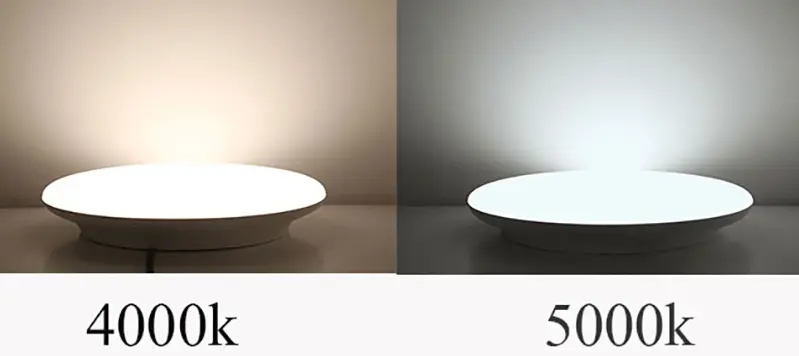
White color temperature is very important when studying. For a peaceful and focused study area, it’s best to have a temperature between 4000-4500K. But why is this range so crucial?
The color temperatures imitate daylight, making things bright without straining the eyes. It helps the reader or student focus for a long time without getting tired. This color temperature range is often used in schools, universities, and workspaces.
This color temperature keeps your body’s rhythm consistent. You know when to focus and when to relax. Aligning your study habits with natural rhythms is a subtle yet powerful tool.
What Color Rendering Index (CRI) for Studying Is?
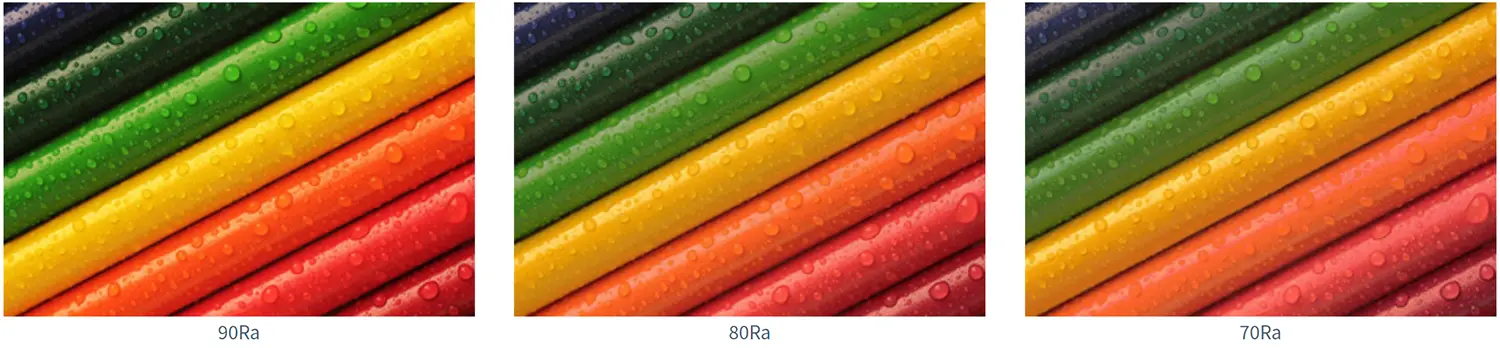
The CRI, or Color Rendering Index, may seem like technical jargon for lighting experts. Still, its significance in a study environment is profound. The measure ranges from 0 to 100. It shows how accurately a light source reveals colors compared to natural daylight.
For studying, a CRI of 80 and above is generally recommended. With this CRI level, you can see reading materials in their true colors. This makes comprehension easier. When you look at a graph or a picture book, a high CRI makes the colors look real and clear. This helps you understand them better.
Choosing a light that has the right CRI can make reading easier and more enjoyable. It’s a small detail, but it’s important for creating the perfect study environment.
Warm Light vs. Cool Light: Advantages and Disadvantages
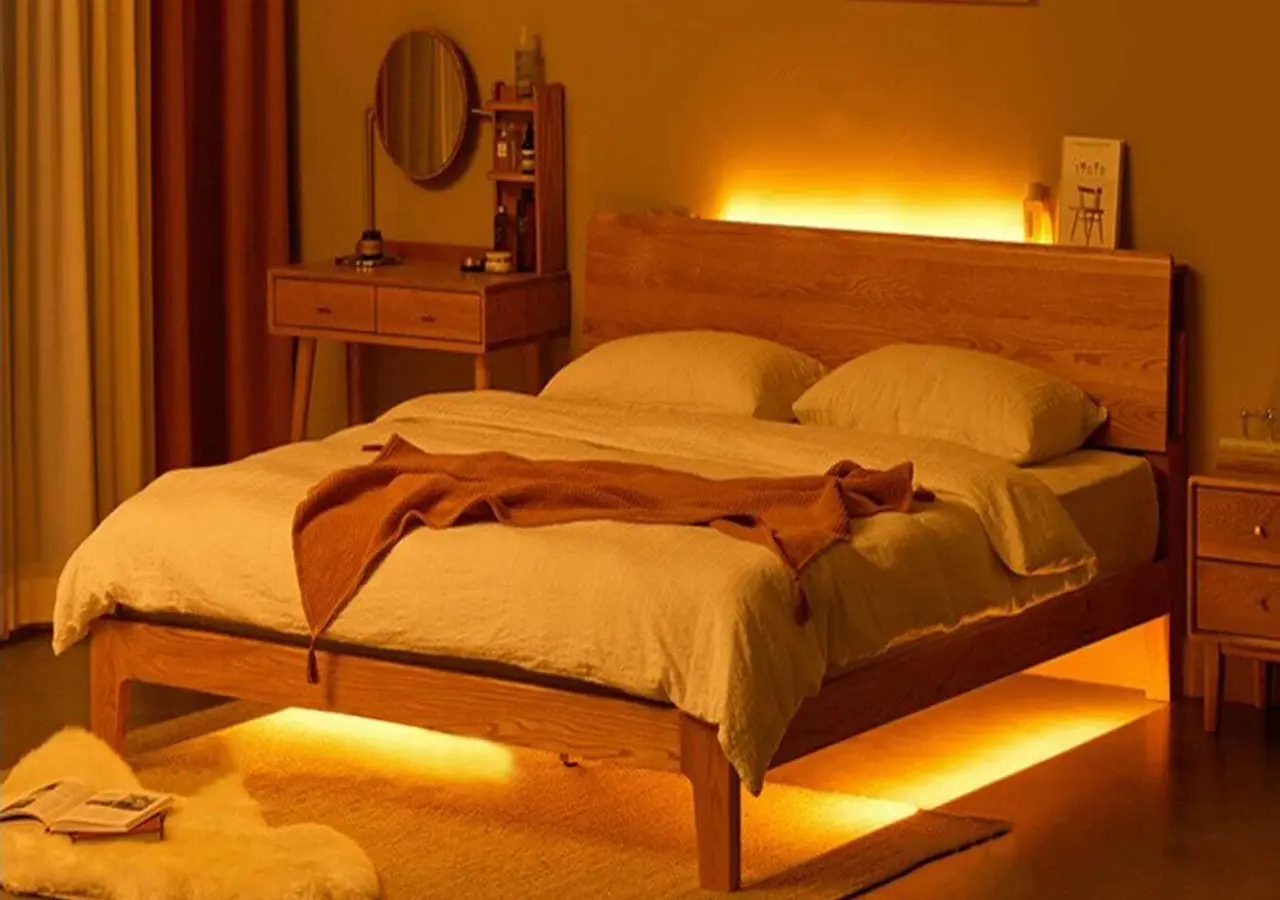
The choice between warm and cool light goes beyond personal preference. Bright, bluish-white light stimulates the mind and helps with thinking and problem-solving. It’s energizing and helps keep the mind sharp, particularly during long study sessions.
Warm light, on the other hand, may induce relaxation and comfort. It’s calming and good for relaxing after a long day or reading for fun. But it may not be the best for serious studying.
However, it’s not to say that warm light doesn’t have its place. Warm light is a good choice when you need to relax and think creatively. To study better at night, use both warm and cool light. It helps you focus and feel less stressed.
To make studying better, you can use warm or cool lights based on how they affect you. Knowing the effects can help create a good study environment that suits your needs.
Choosing the Best Light for Studying: A Comprehensive Guide
Brightness, Adjustability, Energy Efficiency: Key factors to consider.
Selecting the perfect LED light for studying goes beyond picking a bulb from the shelf. Understanding how brightness, adjustability, and energy efficiency affect your study environment is important.
Brightness: Brightness is essential in a study setting. Too dim, you’ll strain your eyes; too bright, create glare and discomfort. You can adjust the brightness of LED lights to fit your needs. Look for LED bulbs or lamps with a lumen range that fits your room’s size and study preferences.
Adjustability: To create the perfect study environment, you can adjust the brightness, color, and direction of the light. To improve your study area, use lights that can be dimmed, adjusted lamps, or smart lights controlled by your phone. You can make a personalized setting that matches how you study and what feels comfortable for you.
Energy Efficiency: Sustainability is essential in today’s world, and LED lights are at the forefront of energy-efficient technology. When selecting LED lights, compare the energy ratings (perhaps provided in a table displaying different LED lights’ efficiency rates). High-efficiency LED lights reduce electricity bills and contribute to a greener planet. It’s a decision that not only benefits you but also the environment.
Specifics for LED Strip Lights: Best colors and how they can improve study habits.
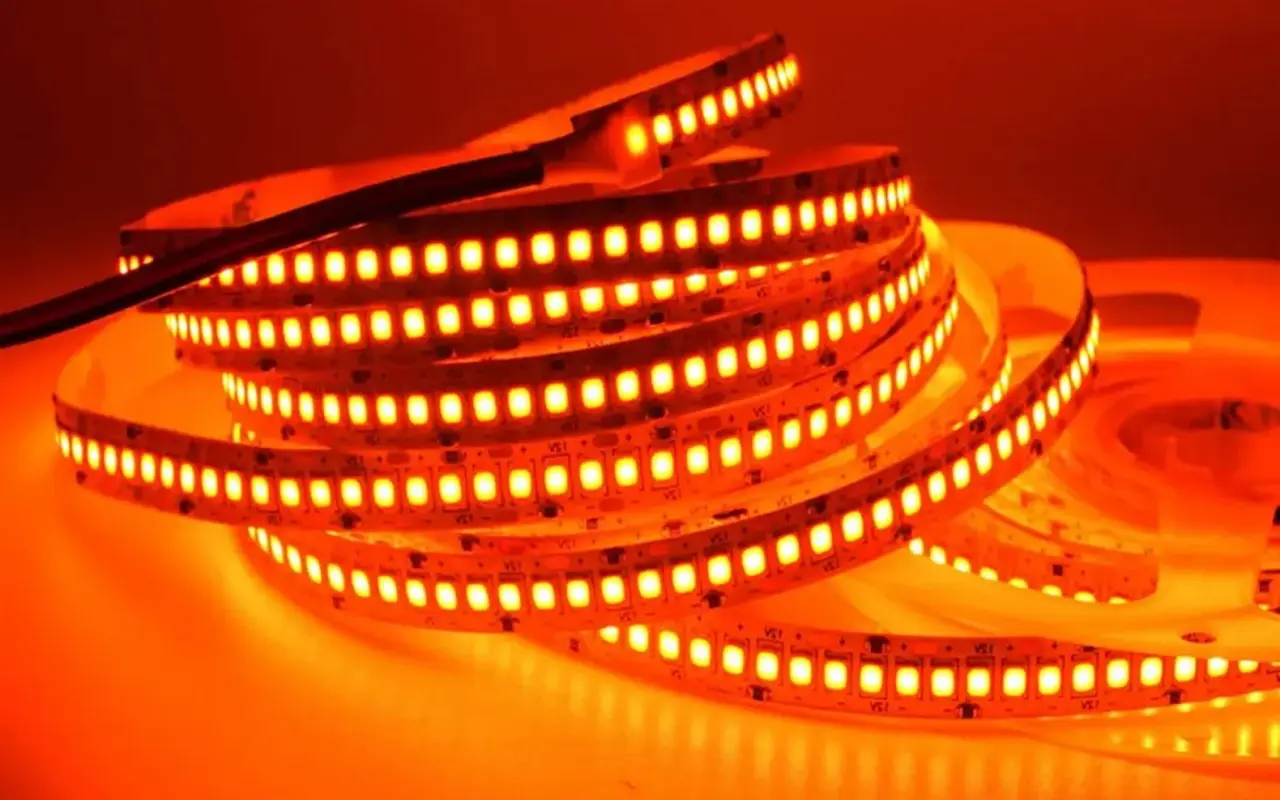
LED strip lights are not just decorations, they can also help you study better. The colors and functions you choose for lights can make a real difference. Use them under shelves, around desks, or as accent lighting.
Cool Whites: Cool whites are the champions of concentration. Choosing LED strips in cool white shades (around 4000-4500K) can improve your focus. These colors make a lively atmosphere, great for reading, writing, or any mentally demanding task.
Customization: LED strip lights often come with options for customization, such as remote control or smartphone app control. Utilize these features to set different modes for various study activities. You can choose a cool white mode for studying or a warm and cool blend for thinking creatively. The choice is yours.
Placement and Design: Consider how and where you’ll place the LED strips. Align them with your room’s aesthetics without compromising on functionality. To make your study space look better, you can put lights in specific spots or create a cozy feeling.
LED strip lights combine beauty and function, allowing you to create a special study area.
Impact on Health: How LED Light Colors Affect Your Well-being
Eye Strain, Sleep Patterns, Overall Wellness: The right color choice positively impacts health.
The connection between light and health is more profound than most realize. Using the wrong color temperature or brightness can really mess up your eyes and sleep. It’s not merely about comfort; it’s about overall wellness.
Eye Strain: Constant exposure to inappropriate lighting can cause eye strain. Symptoms include dry eyes, headaches, or even blurred vision. To reduce these effects, select LED lights with adjustable brightness and a high CRI.
Sleep Patterns: Cool white LED lights, especially during daytime study, help maintain the body’s natural circadian rhythm. If you study late at night, use warmer colors to tell your body it’s time to relax. Understanding these dynamics can significantly enhance your sleep quality.
Overall Wellness: The perfect balance of brightness, color temperature, and adjustability creates an environment conducive to productivity and relaxation. It goes beyond just studying. It impacts your mental well-being, stress levels, and overall life balance. You’re not just choosing a light; you’re shaping a lifestyle.
Tech Innovations: The Future of LED Lights in Study Spaces
The age of conventional bulbs has given way to the era of intelligent lighting. The rise of smart LED lights is changing the way we light our study spaces. They are evolving quickly to meet different needs.
Smart Controls: Imagine adjusting the brightness or changing the color temperature of your study light with just a swipe on your phone. With smart LED lights, this is a reality. You can control these lights with your smartphone, tablet, or even by using voice commands. Smart home systems can also integrate them. Personalizing your study environment has never been more convenient.
Mood Settings: Your study sessions vary, and your lighting should too. Smart LED lights enable you to create and save different mood settings. Preparing for exams? Set a cool, intense focus mode. Engaging in creative thinking? Shift to a softer, inspiring ambiance. The power to create the perfect study atmosphere lies at your fingertips.
Sustainability: Technology is not just about comfort; it’s also about responsibility. The new generation of LED lights comes with energy-saving features that minimize wastage. Motion sensors, daylight harvesting, and adaptive brightness save energy by using it only when needed. This is a leap toward a sustainable future where technology harmonizes with nature.
Your Personalized Guide: Creating the Ideal Study Environment
Warm White, Natural White, Cool White: How to design the perfect study space.
Your study space is personal, a haven where you nurture ideas and cultivate knowledge. When choosing the type of light for your study area, consider warm White, natural White, or cool White. This choice affects your learning experience.
Warm White (2700-3000K): If you prefer a cozy, inviting atmosphere, warm White is your go-to color. It’s calming and conducive to contemplation and creative pursuits. Pair it with soft furnishings for a nurturing study environment.
Natural White (3500-4000K): Mimicking the glow of natural daylight, this shade falls between warm and cool. It’s balanced, neither too stimulating nor too relaxing, perfect for a variety of study activities.
Cool White (4000-4500K): Need to stay sharp and focused? Cool White keeps you alert and attentive. This color is great for studying and tasks that need focus. It promotes productivity.
Other Colors and Innovations: RGB+ Warm White, White+ RGB+ Warm White.
With advancing technology, LED lighting has transcended beyond basic shades. Innovations like RGB+ Warm White and White+ RGB+ Warm White open up a world of customization.
RGB+ Warm White: Combine the full spectrum of RGB colors with warm White to create distinctive moods. There are so many possibilities. You can choose a bright color for brainstorming or a calm color for reflection.
White+ RGB+ Warm White: This innovation takes customization a step further, allowing you to blend cool and warm whites with RGB colors. Customize your study area down to the smallest details, including lighting that suits your mood, task, and decor.
Best Led Light Colors for Different Situations: Studying, Reading, Sleeping, Relaxing
Lighting isn’t just about visibility; it’s an influential element in our daily activities. The right LED light color can significantly affect how we study, read, sleep, and relax.
Studying: For focused study sessions, cool White is the ideal choice. Its crisp and clear illumination promotes concentration and reduces fatigue.
Reading: Natural White provides a balanced, gentle illumination on the eyes, perfect for prolonged reading without strain.
Sleeping: Transitioning to warm White as bedtime approaches helps signal the body to prepare for sleep. Subtle, warm lighting complements nighttime rituals, encouraging a peaceful slumber.
Relaxing: A blend of warm and natural whites creates a soothing environment. It’s the setting for unwinding, meditating, or simply enjoying a calm moment.
Frequently Asked Questions
What color LED lights are good for studying?
Cool white LED lights in the range of 4000-4500K are great for studying. They create a lively atmosphere that mimics daylight to help you concentrate and avoid eye strain.
Is yellow or white light better for studying?
White light is generally preferred for studying as it fosters alertness and focus. Yellow light is warm and relaxing, while white light is better for focusing on schoolwork.
What is the best light brightness for studying?
The best brightness for studying depends on what you like and the task you’re doing. Adjustable LED lights with dimming features allow you to tune the brightness to your comfort level. A well-illuminated space without being overly bright can enhance your study efficiency.
How can smart LED lights enhance my study experience?
Smart LED lights provide personalized control over brightness, color temperature, and mood settings. You can adjust the lighting to suit your study needs, like getting ready for a test or being creative. These new ideas make studying easier and more convenient. They create the perfect place to learn.
Can the wrong color LED light affect my health?
Yes, incorrect lighting can lead to eye strain and even disrupt sleep patterns. Choosing the right color temperature is important. For studying, cool white can help. It reduces adverse effects and promotes well-being.
What are the benefits of using LED strip lights in a study space?
LED strip lights are a nice and useful way to light up a study area. Opting for cool white colors can enhance concentration and make studying more effective. They also add a modern aesthetic touch to your study environment.
How does the choice of LED light color influence relaxation and sleep?
Warm White LED lights can induce relaxation and prepare the body for sleep. In the evening, warm colors can help you sleep better by making you feel calm.
What are RGB+ Warm White and White+ RGB+ Warm White in LED lighting?
These innovations allow more customization in LED lighting. RGB+ Warm White mixes RGB colors with warm White. White+ RGB+ Warm White combines cool and warm whites with RGB. You can use these options to adjust your lighting for different moods, tasks, or designs.
How can I create a sustainable study environment with LED lights?
Choosing energy-efficient LED lights that have motion sensors and adaptive brightness can reduce energy waste. These new ideas help you save energy and create a study area that is better for the environment.
How can LED lights enhance reading, sleeping, and relaxation in addition to studying?
The right LED light colors play a vital role in various daily activities. Natural White is great for reading. Warm white helps with sleep and relaxation. Cool white is good for studying. Using different colors of LED lights can enhance daily experiences by creating environments that match specific activities.
Conclusion
Selecting the right LED light color for studying goes beyond aesthetics. It affects concentration, well-being, and overall study experience. To improve your study sessions, choose a cool white or bluish-white light. Consider brightness, adjustability, and CRI. Use LED technology to make a study environment that fits your needs.
Discover the incredible brightness of LED lighting with Unitop. We are a leading Chinese manufacturer of LED strip lights and LED neon flex. Unitop commits to innovation and quality. It is your best option for improving study areas and more. Have questions or unique requirements? Contact us today, and let Unitop illuminate your world with expertise and excellence.
Related Article:

Tom is now the Sales Manager of Unitop (China) Co., Limited. He has been in the LED Lighting industry ever since 2005. He is an expert in sales & marketing, and factory management. He likes bodybuilding, and he is also a crazy Apple Fan! He is a hard-working guy and loves to learn and try new things.
Email: tom@unitopledstrip.com WhatsApp: +86-18680307140




Leave a Reply
Want to join the discussion?Feel free to contribute!