
Navigating the eco-friendly disposal of LED strip lights can seem like a maze, but you’re not alone on this journey. With our expertise, you’ll find clarity and confidence, ensuring your LED strip lights are disposed of responsibly.
Dispose of LED strip lights by identifying recyclable components, preparing them for disposal, and finding local recycling or disposal centers capable of handling electronic waste responsibly.
Dive deeper with us as we explore comprehensive strategies and practical advice. From recycling options to innovative repurposing ideas, we’ve got insights that will not only enlighten but also empower you to make environmentally conscious disposal decisions. Join us to uncover how simple actions can contribute to a larger, sustainable impact.
Introduction to LED Strip Lights
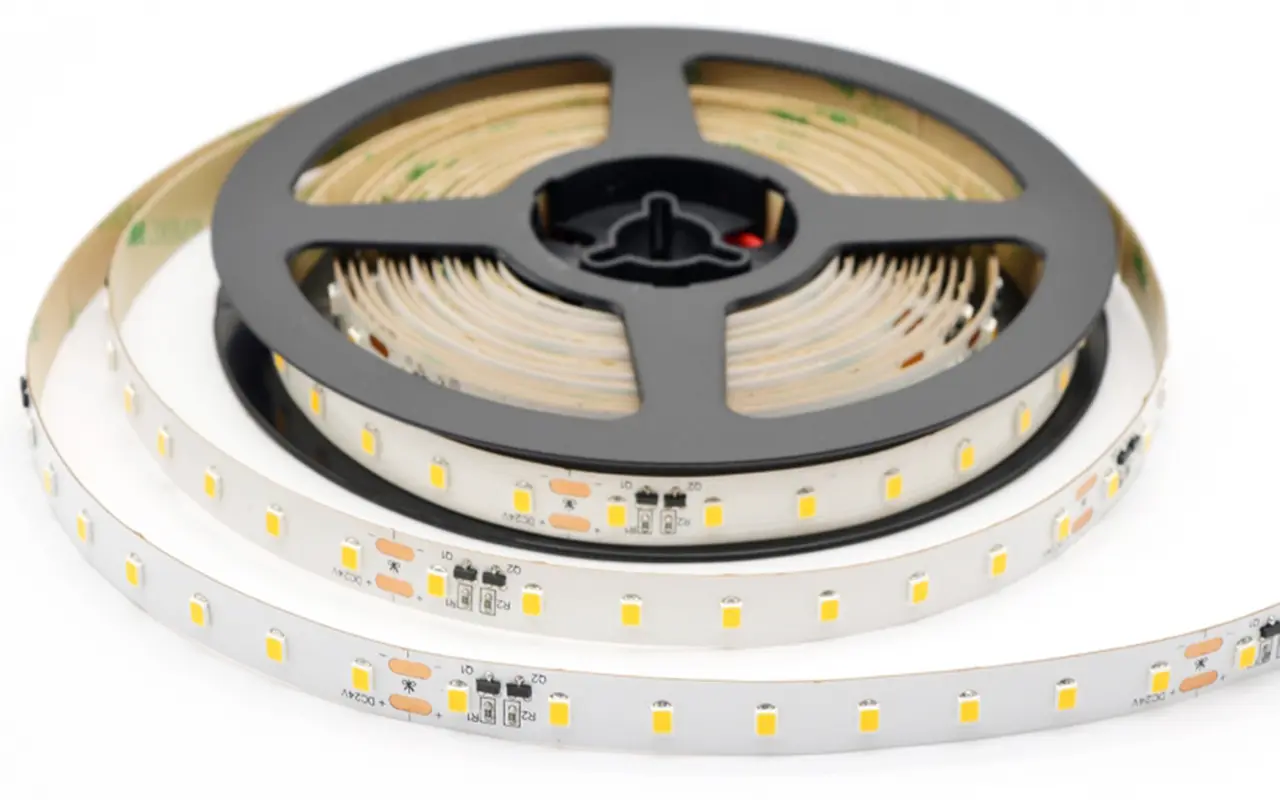
Understanding the fundamentals of LED strip lights is key to appreciating their value and the necessity of their proper disposal. These lighting solutions, while innovative and beneficial, have a lifecycle that, when ended, needs consideration for environmental implications.
What Are LED Strip Lights and How Do They Function?
LED strip lights are essentially a series of light-emitting diodes (LEDs) placed closely on a flexible circuit board. When powered, these diodes emit light, a process made possible by the movement of electrons in semiconductor material. The versatility of these lights is evident in their ability to bend around corners and fit into spaces no traditional light could, powered simply through a connection to an electrical source.
These strips can be cut to specific lengths, making them incredibly adaptable for various applications, from accent lighting in homes to intricate designs in commercial spaces.
Moreover, their functionality extends beyond mere illumination; they offer a plethora of lighting options in terms of color, brightness, and even control methods, enabling users to create the perfect ambiance for any setting.
Benefits of Using LED Strip Lights
The advantages of LED strip lights extend far beyond their flexibility and aesthetic appeal. Their energy efficiency is perhaps one of the most significant benefits, consuming less electricity compared to traditional lighting options, thus offering substantial savings on energy bills. This efficiency also translates to a longer lifespan, reducing the need for frequent replacements and, consequently, less waste.
Moreover, their low heat emission enhances safety, particularly in environments where heat sensitivity is a concern. The compact nature of LED strip lights allows for their application in confined or hard-to-reach areas without the worry of heat accumulation that could pose a fire risk.
Their environmental benefit also extends to their construction, as they do not contain harmful substances like mercury, often found in other types of lighting. This aspect not only makes them safer to use but also less hazardous when it comes to disposal.
Why Is Proper Disposal Important?
While LED strip lights are less harmful than other lighting technologies, their proper disposal is vital to prevent potential environmental damage. These lights consist of various components, including metals and plastic, that could be harmful if not disposed of correctly. Incorrect disposal methods could lead to the leaching of toxic substances into the soil and waterways, contributing to pollution and harm to wildlife.
Furthermore, many components of LED strip lights are recyclable. Proper disposal ensures that valuable materials such as copper found in the circuit boards and sometimes rare elements used in the LEDs themselves are recovered and reused, thereby conserving resources and reducing the need to extract raw materials.
In essence, the responsible disposal of LED strip lights not only mitigates adverse environmental impacts but also aligns with broader sustainability goals, emphasizing the reuse and recycling of materials and promoting a circular economy in the electronics sector.
Step-by-Step Guide to Disposing of LED Strip Lights
Proper disposal of LED strip lights involves a few critical steps to ensure that these items do not end up contributing to environmental degradation. By following a structured approach, you can ensure that the recyclable parts of LED strip lights are processed correctly, reducing waste and promoting resource conservation.
Identifying Recyclable Components of LED Strip Lights
The first step in the disposal process is identifying which components of your LED strip lights can be recycled. The LED chips themselves, along with various metals used in the circuitry, are typically recyclable. It’s crucial to recognize that while plastic housing might not always be recyclable, electronic parts are often.
Understanding the materials in your LED strip lights is essential for effective recycling. For instance, the printed circuit board (PCB) in your LED strip is often made of copper, a valuable material that can be recovered and reused. By dismantling your LED strip lights carefully, you can help ensure that these metals are properly recycled, reducing the need for virgin materials in new products.
Preparing Your LED Strip Lights for Disposal
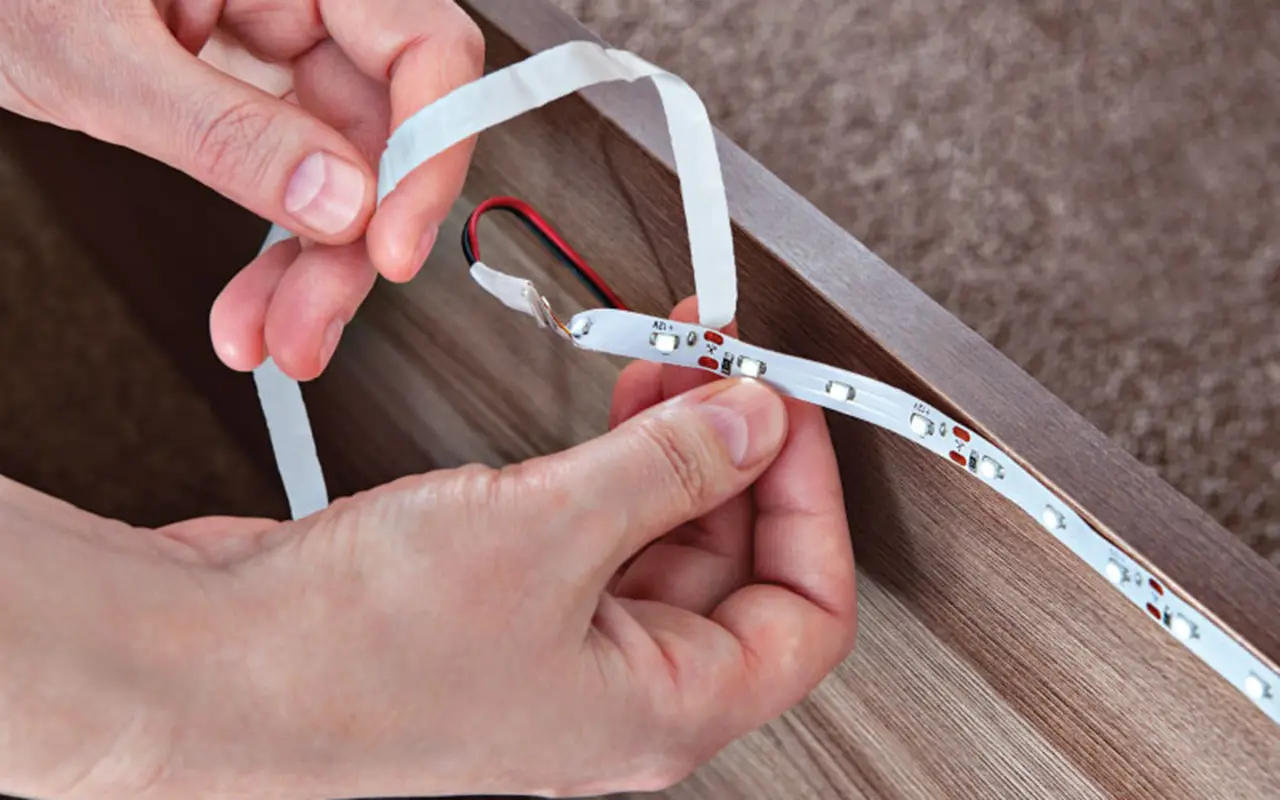
Once you’ve identified the recyclable components, the next step is to prepare your LED strip lights for disposal. This process typically involves removing the LED strips from their installed location and detaching any power sources. If the strips are attached with adhesive backing or clips, these should be gently removed to access the recyclable parts.
It’s also vital to segregate the recyclable components from those that cannot be recycled. For example, some LED strips might have non-recyclable adhesives or coverings that should be disposed of separately. Ensuring that recyclable materials are free from contaminants or non-recyclable attachments is key to facilitating the recycling process.
Finding Local Recycling or Disposal Centers
The final step in disposing of your LED strip lights is to find appropriate local recycling or disposal centers. Many municipalities offer electronic waste recycling services,
and there are often specialized facilities that accept LED lighting products. Contacting your local waste management authority can provide you with information on where and how to recycle your LED strip lights.
In addition to local resources, several online databases and tools can help you locate the nearest e-waste recycling facility. These resources often provide detailed information on the types of materials accepted and any specific preparation required for recycling electronic items.
By taking the time to identify recyclable components, prepare your LED strip lights for recycling, and locate the appropriate disposal facilities, you contribute significantly to environmental conservation efforts. Moreover, your actions help promote the responsible management of electronic waste, setting a positive example for others to follow.
Responsible Disposal Methods
When it comes to disposing of LED strip lights, the goal is to ensure that these items do not harm the environment or waste valuable resources. Various responsible disposal methods not only facilitate this objective but also contribute to a more sustainable cycle of electronic product use and disposal.
Recycling LED Strip Lights
Recycling is a cornerstone of responsible disposal for LED strip lights. Engaging with recycling programs can significantly reduce the environmental impact of your waste. These programs are designed to recover and reuse materials from your old LED strips, thereby reducing the need for new raw materials and decreasing the overall carbon footprint.
When you choose to recycle LED strip lights, you are contributing to a process that can recover metals, plastics, and other materials for future use. Recycling facilities have specialized equipment to safely dismantle these lights and extract valuable components that can be melted down and repurposed. This process not only conserves resources but also prevents harmful substances from contaminating soil and groundwater.
To recycle your LED strip lights effectively, it’s essential to ensure that they are clean and free from any attachments that might interfere with the recycling process. Some facilities may have specific guidelines on how to prepare your lights for recycling, so it’s always a good idea to check in advance.
Participating in Manufacturer Take-Back Programs
Many LED strip light manufacturers recognize their role in promoting environmental sustainability and offer take-back programs. These initiatives allow you to return your used or obsolete LED strip lights directly to the manufacturer or a designated collection point, ensuring that they are disposed of responsibly.
Manufacturer take-back programs typically have the infrastructure to process returned products efficiently and in an environmentally friendly manner. By leveraging these programs, you ensure that your LED strip lights are recycled or disposed of according to industry best practices and environmental regulations.
These programs not only facilitate proper disposal but also reflect the manufacturer’s commitment to environmental stewardship and product lifecycle management. Participating in such programs can also enhance brand loyalty among consumers who value corporate responsibility.
Utilizing Community E-Waste Events for Disposal
Community e-waste events offer a convenient and responsible way to dispose of electronic waste, including LED strip lights. These events are typically organized by local municipalities, environmental organizations, or waste management companies and are designed to collect a variety of electronic items for proper recycling and disposal.
By participating in community e-waste events, you can ensure that your LED strip lights are handled by professionals who understand how to dispose of them safely and responsibly. These events often provide an accessible and straightforward way for community members to contribute to local sustainability efforts and prevent electronic waste from ending up in landfills.
Furthermore, community e-waste events can raise awareness about the importance of proper electronic waste disposal and encourage more people to adopt responsible disposal practices. They serve as a collective action towards reducing electronic waste and promoting a cleaner, more sustainable environment.
Alternative Solutions: Reuse and Repurpose
While recycling is a crucial aspect of responsible LED strip light disposal, reusing and repurposing present additional opportunities to minimize waste. By thinking creatively and considering the potential for extending the life of these products, you can contribute to a more sustainable and resource-efficient world.
Creative Ideas for Repurposing LED Strip Lights
Repurposing functional LED strip lights can be both a fun and eco-friendly endeavor. Whether you have segments left over from a previous project or have replaced older strips with new ones, there are numerous ways to breathe new life into these versatile lights.
For instance, consider using LED strip lights to create ambient lighting in less frequented areas of your home, such as under bed frames or behind television sets, where they can add a subtle, decorative glow without requiring full brightness. Alternatively, they can be used in crafting projects, integrated into artworks, or used to add a unique touch to furniture or shelving.
Garden lighting is another area where repurposed LED strips can shine—pun intended. They can illuminate pathways, highlight garden features, or provide gentle lighting for outdoor seating areas. Just ensure that the LED strips are suitable for outdoor use or are adequately protected from the elements.
Moreover, educational institutions like schools or universities often welcome donations of such items for their arts and technology programs. Offering your LED strips for educational purposes not only avoids waste but also supports learning and innovation.
Donating Functional LED Strip Lights
A donation is a powerful form of reuse that can significantly extend the lifecycle of LED strip lights while benefiting communities. If your LED strip lights are still in good working condition but no longer needed, consider donating them to organizations that could use them.
Local charities, schools, community centers, and non-profit organizations often appreciate donations of functional electronic items. LED strip lights can be particularly useful for organizations that host events, develop educational programs, or create community-oriented art projects.
When donating, it’s important to ensure that the LED strip lights are in good condition and include any necessary components or instructions. Providing this information can help the receiving organization make the most of your donation, whether for practical use, educational purposes, or creative projects.
By repurposing or donating your LED strip lights, you not only prevent unnecessary waste but also contribute to a culture of sustainability and community support. These actions demonstrate a commitment to the environment and can inspire others to consider alternative solutions for their unwanted items.
Understanding Local Regulations and Resources
Comprehending and complying with local regulations is essential for the responsible disposal of LED strip lights. It is important not just for legal adherence but also for ensuring that your efforts contribute positively to environmental conservation. By understanding the specific protocols in your area, you can optimize the disposal process and ensure that it meets the established standards.
Navigating Local Waste Management Protocols
Every municipality has unique waste management protocols that its residents must follow, especially when it comes to disposing of electronic waste. These regulations are put in place to minimize the local environmental impact and ensure that hazardous materials are not improperly handled.
To navigate these protocols, start by visiting your local government’s website or contacting the waste management department directly. They can provide detailed information on how to properly dispose of LED strip lights and other electronic waste. Additionally, they might offer guidance on the segregation, packaging, and transport of e-waste to facilitate its proper treatment and recycling.
Understanding these protocols can sometimes be challenging, but it’s crucial to ensure that your disposal efforts do not inadvertently harm the environment or incur penalties.
Local waste management policies might change, so staying informed about the latest requirements is essential for ongoing compliance.
Resources for Finding Local Disposal Information
Fortunately, several resources can help you find the most appropriate disposal and recycling channels within your community. Beyond your municipality’s waste management department, there are online platforms and databases dedicated to providing up-to-date information on e-waste disposal.
Websites such as Earth911 or the Environmental Protection Agency (EPA) offer search tools where you can enter your ZIP code to find nearby recycling centers that accept LED strip lights. These resources often provide additional details, such as the types of materials accepted, operating hours, and any specific preparation required for your e-waste.
Local environmental organizations and advocacy groups can also be valuable resources. They often conduct awareness campaigns and initiatives to promote proper e-waste disposal and might organize events or provide information on local recycling options.
By leveraging these resources, you can ensure that your disposal actions are not only responsible but also supported by the best available local information, thereby reinforcing your commitment to environmentally sound practices.
Preventative Measures and Future Considerations
The lifecycle of an LED strip light doesn’t start at its installation or end at its disposal. By making informed choices at the purchasing stage and staying updated on best disposal practices, you can significantly contribute to environmental sustainability.
Reducing Waste by Choosing Long-lasting LED Products
Selecting high-quality LED strip lights is a crucial step in minimizing waste. The market is saturated with options, and it can be tempting to opt for cheaper, lower-quality alternatives. However, investing in durable LED strips can extend the lifespan of your lighting solutions, significantly reducing the frequency of disposal and the subsequent environmental impact.
When choosing LED strip lights, consider factors like warranty length, brand reputation, and user reviews to gauge product longevity. Moreover, look for certifications or ratings that attest to the product’s durability and energy efficiency. By prioritizing quality, you not only enjoy better lighting but also contribute to a cycle of reduced electronic waste.
Moreover, educating yourself about the technological advancements in LED products can guide you toward more sustainable choices. Innovations often lead to more energy-efficient and longer-lasting products, which, while they might come at a premium, offer savings and environmental benefits in the long run.
Staying Informed About Sustainable Disposal Practices
The landscape of electronic waste disposal is continually evolving, with new technologies, regulations, and best practices emerging. Staying informed about these developments is key to ensuring that your disposal methods remain effective and environmentally friendly.
Regularly consulting authoritative sources, such as environmental agencies, waste management organizations, or reputable environmental blogs and publications, can keep you updated on the best practices for disposing of LED strip lights and other e-waste. Additionally, engaging with community recycling programs or environmental groups can provide valuable insights and support in adopting sustainable disposal practices.
Understanding the specific disposal guidelines in your area is also crucial, as regulations can vary significantly by region or country. By familiarizing yourself with local policies and available resources, you can ensure that your disposal methods comply with regulations and contribute to local sustainability efforts.
By choosing durable LED products and staying informed about sustainable disposal practices, you can play an active role in reducing waste and promoting environmental sustainability. These preventative measures not only benefit the planet but also offer a more cost-effective and responsible approach to using and disposing of LED lighting.
FAQs
Are all components of LED strip lights recyclable?
Not all components are recyclable. While the LED chips and some metals can be recycled, certain plastics and adhesives might not be. It’s important to disassemble and sort the materials according to local recycling guidelines.
How do I find a local recycling center for my LED strip lights?
You can search for nearby e-waste recycling facilities online or contact your local waste management authority for specific recommendations tailored to LED strip light disposal.
Can I just throw my old LED strip lights in the trash?
Disposing of LED strip lights in the trash is not recommended due to their electronic components. Proper recycling helps prevent potential environmental harm.
Are LED strip lights hazardous waste?
While LED strip lights are not classified as hazardous waste, they contain materials that can be harmful if not disposed of properly. Recycling or using take-back programs is advised.
How can I ensure that my LED strip lights are recycled properly?
To ensure proper recycling, remove any non-recyclable components and deliver your LED strip lights to a facility that accepts e-waste or participates in manufacturer take-back programs.
What should I do with functional LED strip lights that I no longer need?
Consider donating functional LED strip lights to organizations, schools, or individuals who can use them, or look for creative ways to repurpose them in your home or community.
How can repurposing LED strip lights benefit the environment?
Repurposing extends the life of the LED strip lights, reducing waste and the demand for new resources, thereby contributing to a more sustainable and eco-friendly world.
Why is it important to follow local regulations when disposing of LED strip lights?
Local regulations ensure that disposal practices align with your community’s environmental standards and help minimize the negative impact on the local ecosystem.
Can participating in community e-waste events make a difference?
Absolutely! Community e-waste events facilitate responsible disposal, raise awareness about electronic waste, and encourage community involvement in environmental conservation.
What are the long-term benefits of responsibly disposing of LED strip lights?
Responsible disposal promotes resource conservation, reduces pollution, supports recycling industries, and contributes to the overall health of our planet for future generations.
Conclusion
In summarizing our journey through the proper disposal of LED strip lights, we underscore the pivotal role such responsible practices play in nurturing our planet’s well-being.
Adopting eco-friendly methods transcends mere regulatory compliance, evolving into a powerful communal commitment to sustainability. By engaging in thoughtful disposal, recycling, and repurposing of LED strips, we not only champion environmental health but also inspire a ripple effect of sustainable habits across communities. Thus, as we each embrace and advocate for these practices, we contribute to a legacy of environmental stewardship, ensuring a flourishing, greener future for generations to come.
In our journey toward sustainable living and responsible disposal of LED strip lights, it’s essential to partner with industry leaders who share our commitment to the environment. Unitop, one of China’s premier manufacturers of LED strip lights and LED neon flex, stands at the forefront of innovation and eco-conscious manufacturing. With a steadfast dedication to quality and environmental stewardship, Unitop not only offers superior LED solutions but also supports consumers in adopting more sustainable practices. If you have any further questions or specific requirements, don’t hesitate to reach out.

Tom is now the Sales Manager of Unitop (China) Co., Limited. He has been in the LED Lighting industry ever since 2005. He is an expert in sales & marketing, and factory management. He likes bodybuilding, and he is also a crazy Apple Fan! He is a hard-working guy and loves to learn and try new things.
Email: tom@unitopledstrip.com WhatsApp: +86-18680307140




Leave a Reply
Want to join the discussion?Feel free to contribute!