
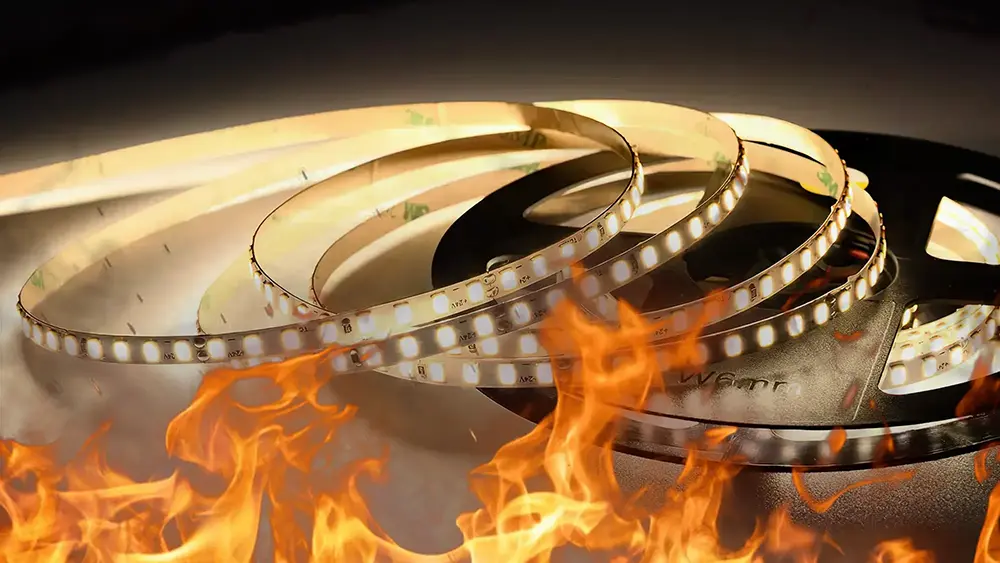
Are you concerned about LED strip lights and their temperature? Take a deep breath—we have all the scientific nuggets and safety guidelines you could hope for.
LED strip lights do get warm, but they are generally safe and not hot enough to start fires. They are cooler than traditional lights.
In this article, we will discover the reasons why LED strip lights create heat and how to use them safely. Also, learn what sets them apart from other lights.
Let’s dive right in!
Understanding Why LED Strip Lights Get Warm

LED strip lights heat up, but there’s no cause for panic. All electrical devices create heat because of electrical resistance in the wiring. However, these LED strips are built with superior engineering, specifically for heat management. To prevent fires, they use materials like aluminum and copper that are good at getting rid of heat.
Normally, a good LED strip light stays at a safe temperature of 30-40°C (86-104°F). The range can change because of the LED’s voltage, current, and how well it cools down.
What makes LED strip lights a go-to choice for many is their stellar energy efficiency. LEDs are not like incandescent bulbs because they convert more electricity into usable light. This efficiency reduces wasteful heat generation, making them a cooler and safer alternative.
Lighting experts often say that LEDs are a thermal engineering masterpiece. They stay cool even after being used for a long time.” You don’t get this level of safety with traditional light sources.
Not all LEDs are created equal. While top-tier LED strips excel in heat management, bargain-bin options can be lacking. The low-quality LEDs often need to improve how they release heat, which makes them riskier. Thus, your brand and product choice can make a marked difference in safety and efficiency. Always check reviews and certifications before making a purchase.
Safety Protocols for LED Strip Lights
The adage “better safe than sorry” has never rung truer regarding LED strip lights. Ensuring your LED lights are safe involves more than just plugging them in and hoping for the best. Here’s a definitive checklist to guide you:
Choose certified LED strip lights: This guarantees they meet strict safety standards set by recognized authorities like the UL (Underwriters Laboratories). Don’t cut corners here; insist on certified LEDs to mitigate risks.
Ventilate the Installation Area: Good airflow is crucial for optimal LED performance. When you install the strips, especially in small spaces, make sure the area has good airflow. This will help spread out any heat that is produced.
Don’t cover the LED strip lights: Covering them traps heat, which disrupts their thermal management. Avoid installing them under rugs or furniture that can obstruct airflow.
Do LED Strip Lights Impact Room Temperature?
Concerned that LED strip lights might crank up your room’s thermostat? You can breathe easily. LEDs produce such a small amount of heat that you won’t even notice it in the room temperature. LED bulbs don’t make your room feel too hot, unlike incandescent or halogen bulbs. These materials work well in places that need certain temperatures, like museums or computer centers. It’s important to keep the temperature steady in these places.
Longevity Concerns: How Heat Affects LED Lifespan?
Regarding LED strip lights, longevity, and temperature are intimately connected. Elevated heat levels can indeed abbreviate an LED’s lifespan. If you use good LED strip lights that handle heat and install them properly, they won’t break early. Properly managing heat helps LEDs last longer by reducing the risk of damage.
How LED Strip Lights Compare to Traditional Lights?
LED strip lights and traditional bulbs, like incandescent or CFLs, are very different in energy efficiency and heat safety. Old bulbs are like ovens, producing heat. LEDs are eco-friendly and groundbreaking. They convert much more electrical energy into light, producing less waste heat. That’s not only good for your pocketbook but also the environment.
Frequently Asked Questions About LED Strip Lights and Heat
Let’s tackle some of the most frequently asked questions about heat and LED strip lights. These are your quick go-to responses for everyday concerns:
What’s the Average Operating Temperature for LED Strip Lights?
While your LED strip lights can warm up a bit during operation, you can expect them to stabilize at a cozy 30-40°C (86-104°F). This temperature is well below the danger zone for most materials and surfaces.
How Do LED Strip Lights Differ from Traditional Bulbs in Heat Generation?
In the grand scheme of lighting, LED strip lights are the cool kids on the block. LEDs are different from incandescent bulbs because they don’t waste energy as heat. Instead, they convert more electricity into visible light. So, you’re less likely to feel like you’re living in a furnace.
Do Heat Sinks Really Make a Difference for LED Strip Lights?
Absolutely! Heat sinks are the unsung heroes of LED longevity. LED strip lights stay cool because they absorb and spread heat, so they don’t get damaged. Think of them as your LED’s cooling system.
Can Using a Dimmer Reduce the Heat Output of My LED Strip Lights?
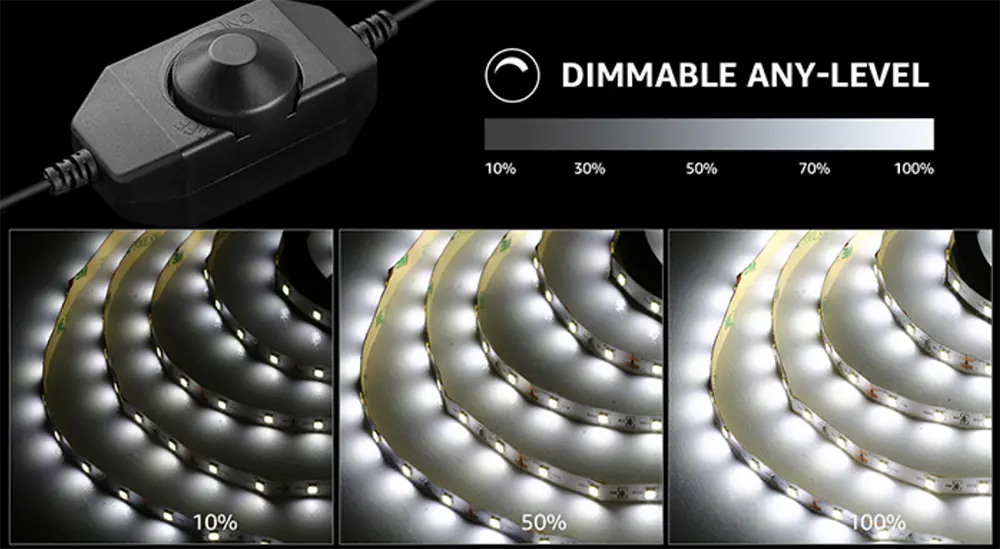
Yes, it can! Dimmers give you control over the brightness and influence the heat your LED strips emit. Lowering the brightness often equals lower heat—a win-win for mood and safety.
What Factors Can Influence the Heat Output of LED Strip Lights?
Room temperature, LED strip quality, and use duration can all play a part. If you wear your strips in a hot attic for a long time, they will be warmer than if you kept them in a cool basement briefly.
Are There Any Safety Certifications I Should Look for When Buying LED Strips?
Most definitely. Always keep an eye out for safety certifications like CE, RoHS, or UL when making a purchase. These indicate the product has passed rigorous safety and quality tests.
Can LED Strip Lights Impact My Home’s Overall Temperature?
The impact is negligible. LEDs produce very little heat, unlike traditional light sources that can make a room very hot.
How Do I Ensure Proper Ventilation for My LED Strip Lights?
Keep the installation area free from any materials that could restrict airflow. This will help your LEDs “breathe,” ensuring better heat dispersion.
What Are the Risks of Buying Low-Quality LED Strip Lights?
A penny saved is a penny earned, but not when it comes to LED strip lights. If you choose low-quality options, they might not have good heat management. This could make you more likely to overheat or have a fire.
Can I Install LED Strip Lights Myself, or Should I Hire a Professional?
For most basic installations, DIY should be fine. If the setup is complicated or you lack confidence, hire a certified electrician for safety.
How to Minimize Heat Impact with LED Strip Lights?
Are you looking for ways to reduce heat when using LED strip lights? Look no further. Here are expert-approved strategies to guarantee you’re making the safest choices:
Heat Sinks: These devices absorb and disperse the heat away from the LED lights. They are particularly useful when the strips are kept on for extended periods.
Dimmers: Investing in a dimmer allows you to adjust the LED strip light brightness to your liking and helps control the heat emitted.
Quality Over Cost: Opt for reputable brands that invest in heat management technologies. While they might cost more initially, these bulbs offer peace of mind and save money in the long term by preventing early LED failures.
Closing Thoughts: The Final Word on LED Strip Lights and Heat
We have thoroughly studied LED strip lights and heat. It is clear that LEDs are the safest and most efficient lighting option available now. They have made big improvements in managing heat and safety, surpassing incandescent and fluorescent options. Let this be your nudge if you’ve been wavering about making the switch. LEDs bring aesthetic appeal and ensure your space remains cool and risk-free.
Illuminate your surroundings with LED strip lighting to enjoy its safe and stylish benefits.
In summary, LED strip lights are safe and energy-efficient when handled with care. If you want to switch to LEDs, Unitop is a top Chinese manufacturer. We specialize in LED strip lights and LED neon flex. We have unmatched expertise and will be here to guide you every step of the way. Do you have questions or specific requirements? Don’t hesitate to contact us immediately to light up your life safely and efficiently.
Related Article

Tom is now the Sales Manager of Unitop (China) Co., Limited. He has been in the LED Lighting industry ever since 2005. He is an expert in sales & marketing, and factory management. He likes bodybuilding, and he is also a crazy Apple Fan! He is a hard-working guy and loves to learn and try new things.
Email: tom@unitopledstrip.com WhatsApp: +86-18680307140




Leave a Reply
Want to join the discussion?Feel free to contribute!