
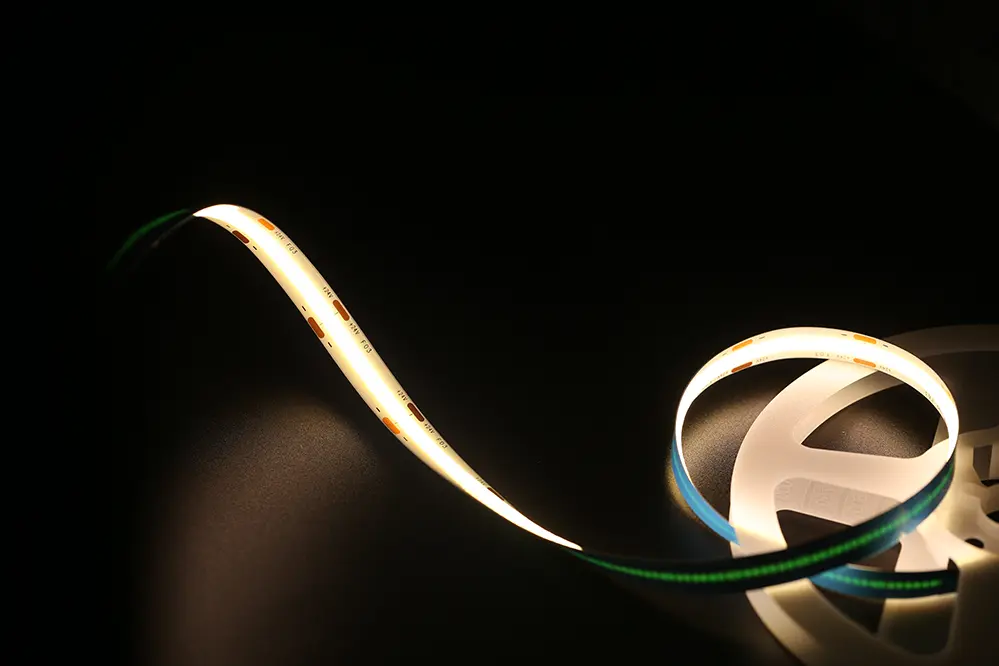
Are you pondering the possibility of overlapping your LED strip lights for a more dynamic lighting effect? Rest assured, you’re about to embark on a journey that blends safety with aesthetics. Our expert guide illuminates the path to successful and safe LED strip light overlapping.
Yes, LED strip lights can safely overlap when key factors such as heat management, light distribution, and the use of suitable adhesives are properly considered. This ensures both aesthetic enhancement and safety in your lighting projects.
Join us as we delve deeper into the art of overlapping LED strip lights. You’ll discover essential tips and creative ideas that bring together style, safety, and functionality, transforming your space into a beautifully lit haven.
Essential Factors for Safe Overlapping
- Heat Dissipation and Safety Measures: When overlapping LED strips, heat management is paramount. Excessive heat can shorten the lifespan of LEDs and pose safety risks. Incorporate strategies like spacing LEDs appropriately and using heat sinks or aluminum channels for better heat dissipation. Regularly inspect for signs of overheating and ensure your setup is compliant with electrical safety standards.
- Balancing Brightness and Light Effects: Adjusting brightness levels when overlapping LED strips is crucial to avoid harsh or uneven lighting. Utilize dimmers and controllers to fine-tune brightness, creating a more balanced and visually appealing effect. Be mindful of how overlapping layers impact overall light output and adjust accordingly to maintain a consistent ambiance.
- Choosing the Right Adhesive for Overlapping: The adhesive used in overlapping LED strips must withstand both the weight of multiple layers and varying environmental conditions. Opt for high-quality, durable adhesives designed for lighting installations. Consider the surface material and ensure it is clean and suitable for adhesive application. In environments where adhesives may fail, mechanical fasteners can provide additional security.
Creative Applications and Design Tips
- Innovative Design Ideas for Overlapping: Overlapping LED strips offer a canvas for creativity. Experiment with layering lights to create depth or use colored LEDs for dramatic effects. Consider backlighting translucent materials or creating hidden light sources for a more subtle, sophisticated look.
- Adjusting Color Temperatures and Intensities: Play with color temperatures to set different moods. Warmer tones can evoke coziness, while cooler tones are ideal for task-oriented spaces. Integrate RGB LED strips for dynamic color-changing capabilities. Use controllers to adjust intensities and colors, matching them with the room’s purpose and aesthetic.
- Techniques for Seamless Overlap Integration: Achieving a seamless look with overlapped LED strips requires careful planning. Use diffusers to soften light edges and blend layers. Pay attention to the alignment of strips and the continuity of light to avoid disjointed appearances. Strategically hide wiring and connectors to maintain a clean, professional finish.
Technical Aspects of Overlapping LED Strips
- Electrical Load Considerations: Assess the total electrical load when overlapping LED strips to prevent overloading your power source. Calculate the combined wattage and ensure your power supply can handle the additional load. Consider using a separate power source or an amplifier for larger installations.
- Wiring Tips for Safe and Efficient Overlapping: Proper wiring is crucial for safety and functionality. Use quality connectors and ensure secure connections to avoid shorts and voltage drops. Follow wiring diagrams accurately and keep wiring organized to simplify troubleshooting and maintenance.
- Ensuring Longevity in Overlapped LED Strip Lighting: Longevity in overlapped LED lighting relies on choosing high-quality strips and components. Regular maintenance, such as cleaning and checking for wear and tear, will prolong their lifespan. Consider environmental factors like humidity and temperature that may affect the longevity of your LED strips.
Overlapping in Various Environments
- Indoor vs. Outdoor Overlapping: Key Differences
Indoor and outdoor LED strip installations have distinct challenges. Outdoor setups require weatherproofing and more robust mounting solutions. Indoor installations offer more flexibility but still need consideration for ambient lighting and interior design compatibility. - Addressing Humidity and Wet Conditions
In humid or wet environments, like bathrooms or outdoors, select LED strips with higher IP ratings for moisture resistance. Ensure all connections and power sources are properly sealed against moisture ingress. - Custom Overlapping Solutions for Unique Spaces
Tailoring overlapping LED strip installations to unique spaces demands creativity and technical know-how. In unconventional spaces, like curved walls or irregular surfaces, flexible LED strips and custom-length connectors can provide a perfect fit. Consider professional assistance for complex installations to ensure both aesthetics and safety.
Creative Applications and Design Ideas for Series-Connected LED Strips
Series-connected LED strips are a versatile tool in the hands of a creative designer. They offer a unique opportunity to blend functionality with aesthetic appeal. Envision a bedroom where these strips line the perimeter, creating a cozy and inviting ambiance that adjusts with your mood or time of day. In commercial spaces, series-connected LED strips can be used to create eye-catching displays, guiding customer focus to key products or areas.
The beauty of series-connected LED strips lies in their flexibility. They can be used in outdoor settings to create a mesmerizing patio or garden atmosphere, enhancing both visibility and ambiance. Innovative designers are even integrating these strips into furniture or along staircases, providing a futuristic touch to everyday objects. The key is to envision LED strips not just as a source of light but as an integral part of the design narrative.
Troubleshooting Common Overlapping Issues
Overlapping LED strips, while visually striking, can sometimes present challenges. Brightness inconsistency is another common issue, where overlapped sections appear brighter. This can often be resolved by adjusting the angle of overlap or using diffusers to soften and evenly distribute the light.
In cases where color mismatch is a concern, particularly in spaces where accurate color representation is key, like art studios or retail displays, it’s essential to select LED strips with a high Color Rendering Index (CRI). This ensures that colors appear natural and consistent across all overlapped sections.
Another issue can be the physical bulk of overlapping strips. In tight spaces, too many layers can look bulky or impede functionality. This calls for careful planning of the overlap, considering the space constraints and desired aesthetic effect. In some cases, using slimmer LED strip models or strategically planning the overlap can mitigate this issue.
By understanding these common overlapping issues and their solutions, users can confidently create more complex and visually appealing LED strip installations, turning ordinary spaces into extraordinary ones.
DIY vs. Professional Installation Explored
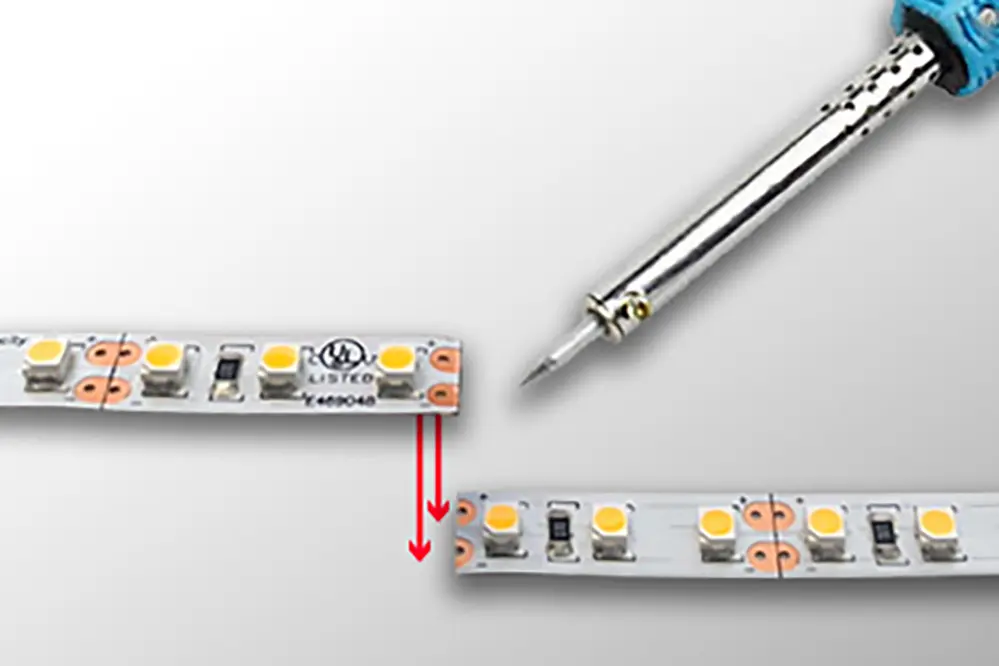
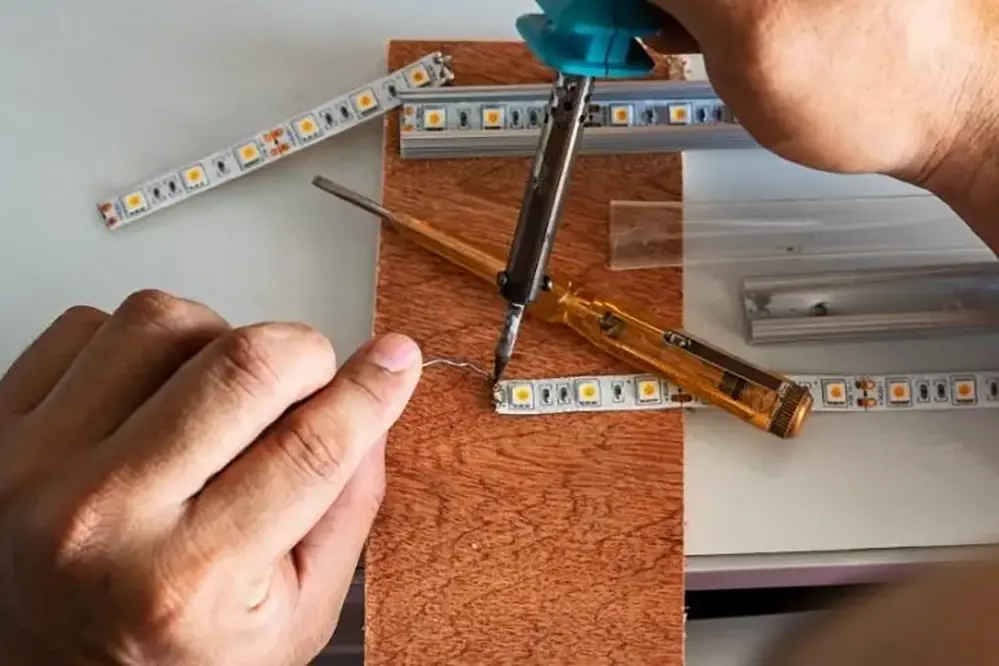
The decision between DIY and professional installation of overlapped LED strips depends on various factors, including the complexity of the project and personal expertise. For DIY enthusiasts, the process of installing these strips can be a fulfilling challenge. It offers the freedom to customize every aspect of the installation, from choosing the right kind of LED strip to deciding on the pattern of overlap. Online tutorials and communities can offer valuable guidance and inspiration.
However, professional installation comes with its own set of advantages, especially for intricate designs or large spaces. Professionals can ensure optimal placement and secure installation, and they bring expertise in electrical safety and design principles. For those seeking perfection and durability without the hassle of DIY, investing in professional services is a wise decision. It’s important to consider the time and potential frustration saved by relying on experts.
Future Trends in LED Strip Lighting
The future of LED strip lighting is shaping up to be an exciting blend of technology, design, and sustainability. Innovations are likely to focus on enhancing user interaction and reducing environmental impact. Imagine LED strips that are not only energy-efficient but also made from recycled materials, contributing to a greener planet.
Future LED strips might feature even more advanced integration capabilities, such as reacting to entertainment systems for an immersive movie or gaming experience or syncing with biometric devices for health and wellness applications. The focus will be on creating lighting solutions that are not just functional but also contribute to the well-being and lifestyle of the users. As technology advances, expect to see LED strips that are smarter, more versatile, and more in tune with the needs of modern living.
Understanding LED Strip Specifications in Depth
When selecting LED strip lights, understanding their specifications is key to ensuring they meet your project’s needs. Brightness, measured in lumens, should be chosen based on the intended use of the lights – higher lumens for task lighting areas and lower for ambient lighting. The color temperature, measured in Kelvin, helps set the mood of the space. Warmer temperatures (lower Kelvin) create a cozy, inviting atmosphere, while cooler temperatures (higher Kelvin) are ideal for concentration and focus.
The Color Rendering Index (CRI) is particularly important in spaces where color accuracy is crucial, such as in art studios or retail spaces where true color representation is key to the experience. Additionally, the IP rating is an important consideration for any installation exposed to elements or moisture, ensuring longevity and safety. Lastly, understanding voltage requirements and dimming capabilities is essential for seamless integration into existing electrical systems and for creating dynamic lighting effects.
Avoiding Installation Pitfalls for Optimal Results
To ensure a successful installation of LED strip lights, it’s important to avoid common pitfalls. Overloading the power supply is a frequent issue, which can be prevented by accurately calculating the total wattage of the LED strips and using a power supply that can handle this load with a margin for safety.
Proper installation techniques are crucial for both safety and aesthetics. This includes ensuring even lighting distribution, avoiding visible hotspots or dark areas, and securely attaching the strips to prevent sagging or detachment over time. Adherence to safety standards, such as using the correct voltage and ensuring all components are compatible, is non-negotiable. Additionally, maintaining color consistency is important, especially when using multiple strips or adding to an existing setup. Selecting strips from the same manufacturer or batch can help avoid noticeable differences in color or brightness.
By addressing these aspects, your LED strip installation will not only be visually appealing but also reliable and safe, enhancing your space with the perfect blend of light and design.
FAQs
Q: Can overlapping LED strip lights cause overheating?
A: Overlapping LED strip lights can potentially cause overheating if not managed correctly. Ensure proper heat dissipation techniques are used, like spacing and using heat sinks.
Q: Is it possible to synchronize overlapped LED strip lights with music?
A: Yes, many smart LED strips offer synchronization features with music, creating dynamic lighting effects that enhance the atmosphere of any party or event.
Q: How do I ensure even lighting when overlapping LED strips?
A: To achieve even lighting, maintain consistent spacing when overlapping and use strips with similar brightness and color temperature. Dimmers can help adjust the intensity for uniformity.
Q: Can I integrate overlapped LED strips into my existing smart home system?
A: Absolutely! Many modern LED strips are designed for smart home integration, allowing you to control them with existing systems for a seamless experience.
Q: Are there specific types of adhesives recommended for overlapping LED strips?
A: Yes, it’s best to use strong, durable adhesives designed for lighting installations. In challenging environments, additional mounting clips can provide extra security.
Q: What should I do if my LED strips start flickering after overlapping?
A: Flickering post-overlapping could be due to a loose connection or power supply issues. Check connections and ensure your power source can handle the load of the additional strips.
Q: Can I cut and reattach LED strip lights for custom overlapping designs?
A: Yes, LED strips are designed to be cut at specific intervals and reconnected for custom installations. Make sure to follow manufacturer guidelines for cutting and reattaching.
Q: What are the challenges of overlapping LED strips in outdoor environments?
A: For outdoor installations, consider weather-resistant LED strips with higher IP ratings. Proper sealing of connections and robust mounting are crucial to withstand weather elements.
Q: How do overlapping LED strips impact their overall lifespan?
A: Properly managed overlapping should not significantly impact the lifespan of LED strips. However, overheating and excessive bending or stretching can shorten their longevity.
Q: Are there eco-friendly options available for overlapping LED strips?
A: Yes, the market offers eco-friendly LED strip options with lower energy consumption and sustainable materials, which are perfect for environmentally conscious overlapping projects.
Conclusion
In summary, effectively overlapping LED strip lights is an artful blend of technique and creativity, transforming any space with functionality and brilliance. Embracing proper installation methods, imaginative design, and technical expertise ensures that your lighting project is not only visually stunning but also durable and safe.
Unitop, as one of China’s premier manufacturers of LED strip lights and LED neon flex, stands at the forefront of this innovation. If you have further questions or specific requirements, don’t hesitate to contact Unitop. Their professional expertise in the LED industry is unmatched, ready to illuminate your space with style and innovation.

Tom is now the Sales Manager of Unitop (China) Co., Limited. He has been in the LED Lighting industry ever since 2005. He is an expert in sales & marketing, and factory management. He likes bodybuilding, and he is also a crazy Apple Fan! He is a hard-working guy and loves to learn and try new things.
Email: tom@unitopledstrip.com WhatsApp: +86-18680307140



Leave a Reply
Want to join the discussion?Feel free to contribute!