

Lighting is more than just illumination—it’s an art. LED strip lights offer versatility, but their brightness can sometimes be harsh. That’s where diffusion techniques come in, softening the light and creating a warm, even glow. Mastering these techniques can make all the difference in achieving a professional, polished lighting setup.
Light diffusion is essential to avoid harsh shadows and bright spots, whether you’re designing ambient home lighting or stylish displays in stores. You can transform raw LED light into a smooth, appealing effect with the right materials, like diffusers or layering methods.
This blog will cover key LED strip diffusion techniques, from common issues like glare to practical, budget-friendly DIY solutions. These methods can elevate your lighting projects, whether you’re a pro or just starting.
Understanding Light Diffusion
Basic Ideas of Light Diffusion
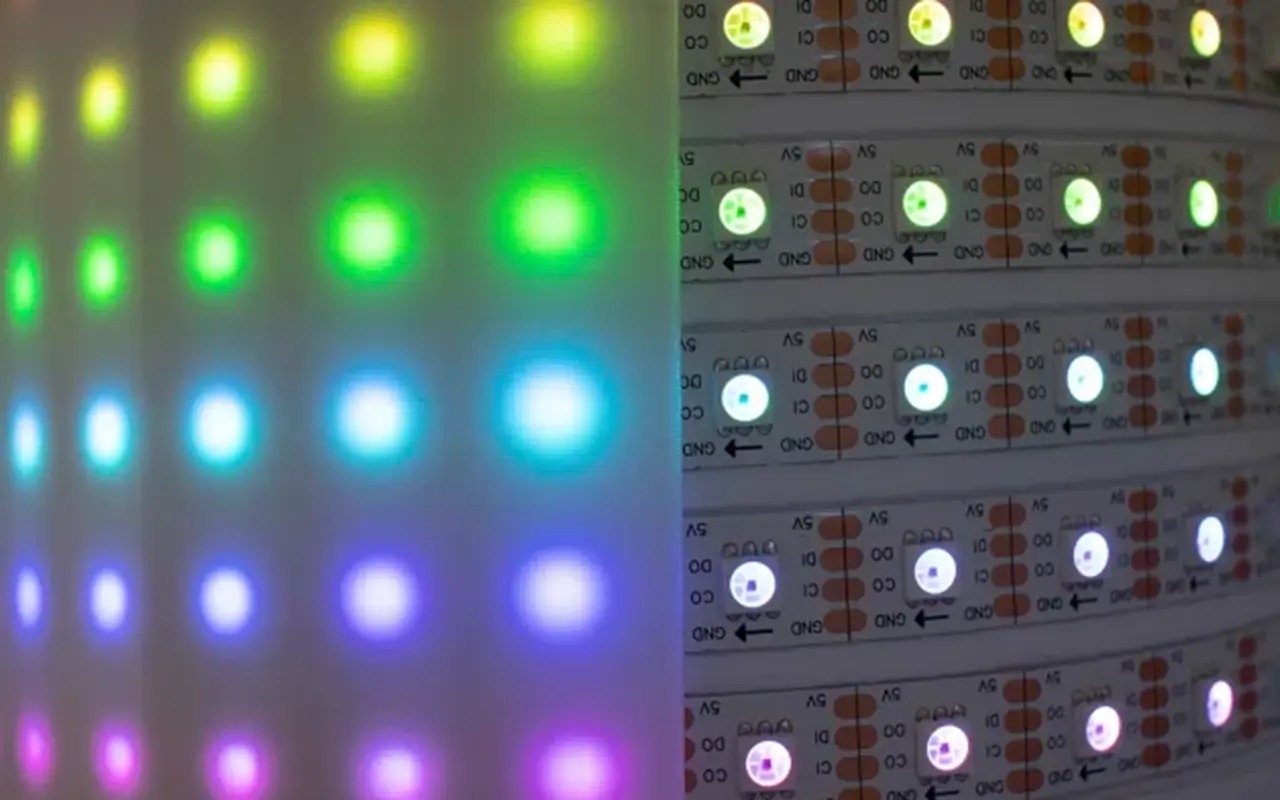
Light diffusion spreads light to make it even. Big particles in diffusers create more haze. Small particles let more light through. This helps make soft, even lighting. LED diffuser sheets scatter light on the surface, not inside. This makes them work better, with about 92% efficiency. They are better than regular LED diffusers.
Diffusion is key in LED use. It widens viewing angles and makes colors look smooth. It hides individual pixels on screens like LCDs and LED panels. Good diffusion gives a nice look without bright spots or uneven light.
Common Problems in Light Diffusion
Uneven lighting can be a problem with LEDs. Wrong spacing or materials cause this issue. Correct alignment and choosing the right materials help spread light evenly. Trying different diffusers can give the best results.
Glare happens when light focuses too much in one spot. This can hurt your eyes and look bad. Using barriers or double layers helps fix this problem. Adding layers or changing distances between LEDs and diffusers improves light quality and reduces glare.
Materials and Ways to Soften LED Strips
Plastic and Metal Holders
Benefits of Using Holders
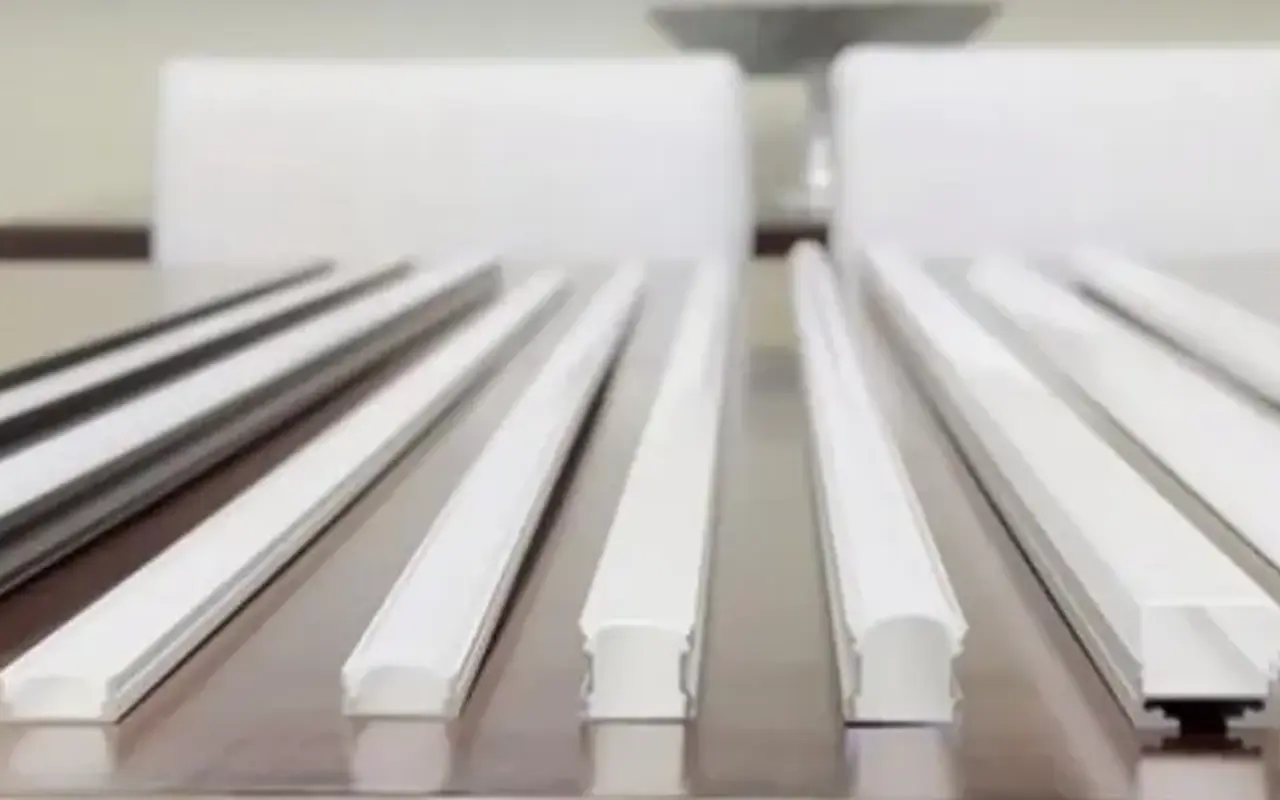
Plastic and metal holders help spread light from LED strips. They protect LEDs and make them look nicer. Aluminum Channels with Diffusers work well for certain LED types. Choose shallow or deep holders based on how bright you want the light. Holders make light even, cut down glare, and improve quality. Using these holders keeps the setup neat and makes LEDs last longer.
Setup Tips
Setting up holders right is key for good light spreading. First, measure the LED strip length and cut the holder to match. Fix the holder with clips or sticky tape. Put the LED strip inside evenly. Add the cover to finish it up. For best results, keep the LED strip centered in the holder. This helps spread light evenly across.
Clear Plastic Sheets
Good Things About Clear Plastic Sheets
Clear plastic sheets are great for softening LED lights because they let a lot of light through without showing spots. The acrylic Sheet looks cool, especially when lit from the side with clear plastic. It’s strong but not heavy, so it works in many places. These sheets make LEDs look nice by giving off smooth, even light.
Where to Use Them
You can use clear plastic sheets at home or in stores. At home, they add soft lighting in living rooms and kitchens. Stores use them to show off products better. Event planners use them for nice mood lighting at parties or shows. These sheets are good for both useful and pretty lighting needs.
DIY Stuff
Frosted Shower Curtains
Frosted shower curtains are cheap ways to soften LED lights. They spread light well, making it gentle on the eyes. The see-through material lets light spread evenly around a room. You can easily cut them for custom projects too! This DIY way gives you pro-looking lights without spending much money.
Other Home Items
Many things at home can soften LED lights well too! Bedsheets, pillowcases, or baking paperwork nicely by making lights softer and less glaringly bright! Even using plastic tubes as frosted covers is simple yet effective! Trying different stuff helps find what works best for your space’s needs since each thing spreads light differently allowing changes based on what’s needed most!
Advanced Diffusion Techniques
Using Barriers
Types of Barriers
Barriers help spread light from LED strips. Different materials can be used as barriers. Common ones are frosted glass, see-through plastics, and special films. Each type changes how light spreads. The frosted glass looks classic and spreads light well. See-through plastics are strong and bendable. Special films make cool lighting effects.
Enhancing Light Quality
To make better light, place barriers smartly. Good spots for barriers cut down glare and spread light evenly. The barrier material changes the final look of the light. Frosted glass softens bright lights, making them cozy. See-through plastics spread light over big spaces evenly. Special films change the way light looks for different uses.
Double Diffusion Methods
Layering Techniques
Layering means using more than one diffuser for great results. This makes the light softer and even all over. Start with one diffuser to scatter the first light bits. Add another layer to smooth out the rest of the light quality. Layers together stop bright spots and make a nice glow.
Achieving Softer Light
To get softer lights, pick layering stuff carefully like acrylic sheets or frosted films work best here! Put layers at different distances from LEDs so that they gradually soften into a gentle shine!
Helpful Tips for Picking the Best Diffusion Method
Thinking About Money
To save money on LED light diffusion, be creative. Use things from home as diffusers. Frosted shower curtains, bedsheets, and baking paperwork well. These are cheap ways to make lights look professional. Try different things to find what works best for you.
It’s important to get good quality without spending too much. PMMA diffusers are great and use less power. They work well inside homes. Spending a bit more can make your lights better overall. Think about how long they will last when looking at prices.
The Lighting You Want
Soft Room Lighting
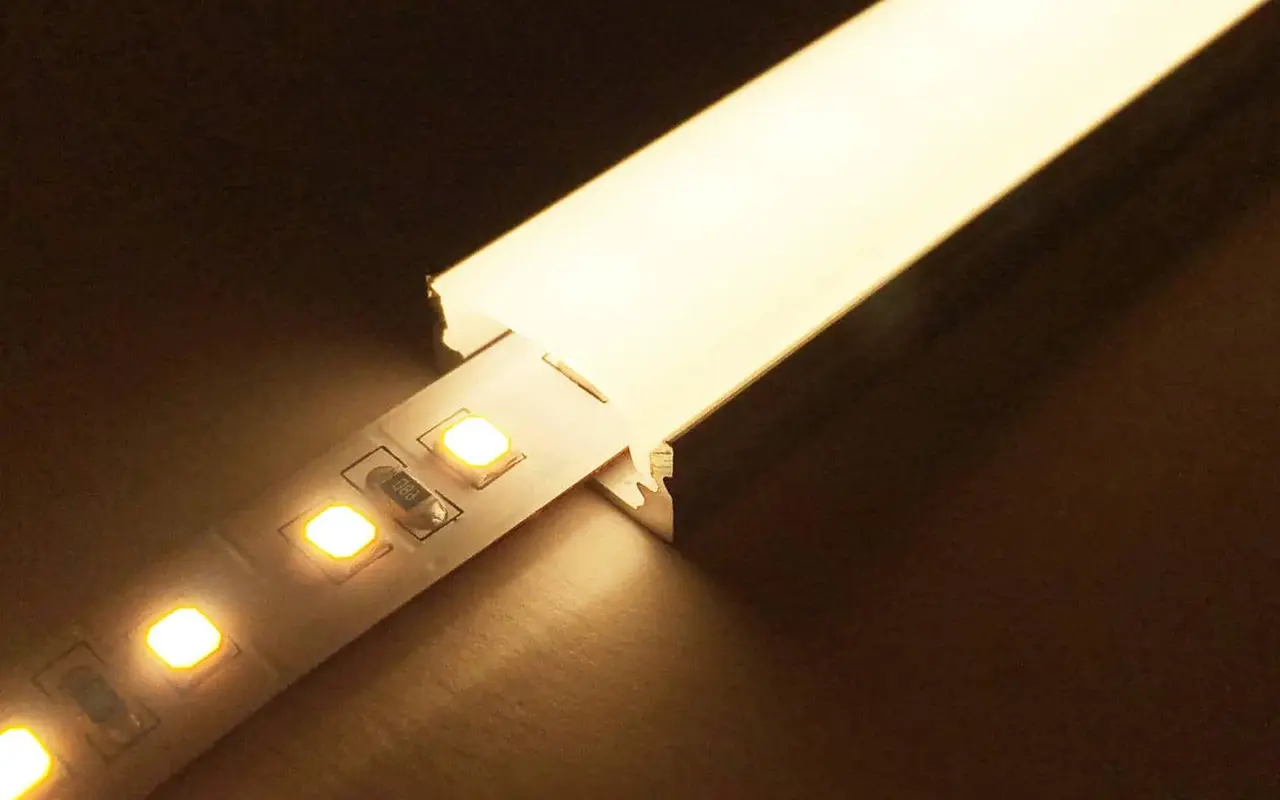
To make soft room lighting, use diffusers that spread light evenly. Acrylic sheets and frosted films are good choices. They give a warm glow that makes rooms feel nice. Put the diffuser in the right spot from the LED strip for best results.
Bright Work Lighting
For bright work lighting, you need focused light. Clear plastic sheets or shallow channels with flat diffusers are best here. They keep it bright but cut down glare. Install them right so light hits where you need it most.
FAQs
1. What is LED strip diffusion, and why is it important?
LED strip diffusion is the process of softening and spreading light emitted from LED strips to create a more uniform and visually appealing effect. It’s important because it reduces harsh glare, eliminates bright spots, and makes the lighting easier on the eyes, enhancing both functionality and aesthetics in any space.
2. How do I achieve even lighting with LED strips?
To achieve even lighting, ensure proper spacing of the LEDs and use appropriate diffusers like frosted acrylic sheets or plastic holders. You can also experiment with double diffusion techniques, layering diffusers to smooth out the light and reduce hotspots.
3. What are the best materials to diffuse LED strip lights?
Some of the best materials for diffusing LED strip lights include frosted acrylic sheets, aluminum channels with diffusers, and even DIY options like frosted shower curtains. These materials help scatter the light evenly, soften the brightness, and reduce glare.
4. Can I use household items to diffuse LED strip lights?
Yes, household items like frosted shower curtains, baking paper, or even pillowcases can be used as inexpensive and effective DIY diffusers. These items work well to soften light without needing to invest in specialized materials.
5. What causes bright spots or glare in LED strip lighting?
Bright spots or glare usually occur due to improper spacing of the LED strips or using the wrong diffuser material. To fix this, try increasing the distance between the LED strip and the diffuser or using a double diffusion setup to scatter the light more evenly.
6. How can I make LED strip lights softer for home lighting?
To create softer lighting, use frosted films or acrylic sheets as diffusers. Place these materials a few inches away from the LED strip to allow the light to spread evenly and produce a warm, cozy glow perfect for home environments.
7. What’s the difference between clear and frosted diffusers for LED strips?
Clear diffusers let more light through but may still show individual LED points, whereas frosted diffusers scatter light more effectively, providing a smoother, more diffused lighting effect. Frosted options are ideal for softening the light and reducing glare.
8. What is double diffusion, and how can it improve my lighting?
Double diffusion involves layering two diffusers to enhance the light quality. The first diffuser scatters the light, while the second layer softens it further, eliminating bright spots and providing a consistent, even glow across the illuminated area.
9. Are aluminum channels necessary for LED strip installations?
Aluminum channels are not strictly necessary, but they are highly recommended. They help protect the LED strips, enhance light diffusion, and improve the overall appearance of the installation. Plus, they make the lights last longer by preventing overheating.
10. How can I reduce glare in LED strip lights used for workspaces?
To reduce glare in workspaces, use shallow channels with flat diffusers to soften the brightness without sacrificing light intensity. Ensure that the diffuser is properly aligned and positioned to create a balanced light distribution that’s easy on the eyes.
Conclusion
In conclusion, mastering LED strip diffusion techniques can transform any lighting project into a professional, polished display. Whether you’re looking to create soft ambient lighting or bright, focused workspaces, the right materials and methods make all the difference.
For those seeking high-quality LED solutions, Unitop stands as one of China’s leading manufacturers of LED strip lights and LED neon flex, offering top-tier products that meet the highest industry standards. If you have further questions or specific lighting needs, don’t hesitate to contact us. Let Unitop’s expertise help you achieve your lighting goals with precision and style.

Tom is now the Sales Manager of Unitop (China) Co., Limited. He has been in the LED Lighting industry ever since 2005. He is an expert in sales & marketing, and factory management. He likes bodybuilding, and he is also a crazy Apple Fan! He is a hard-working guy and loves to learn and try new things.
Email: tom@unitopledstrip.com WhatsApp: +86-18680307140



Leave a Reply
Want to join the discussion?Feel free to contribute!