
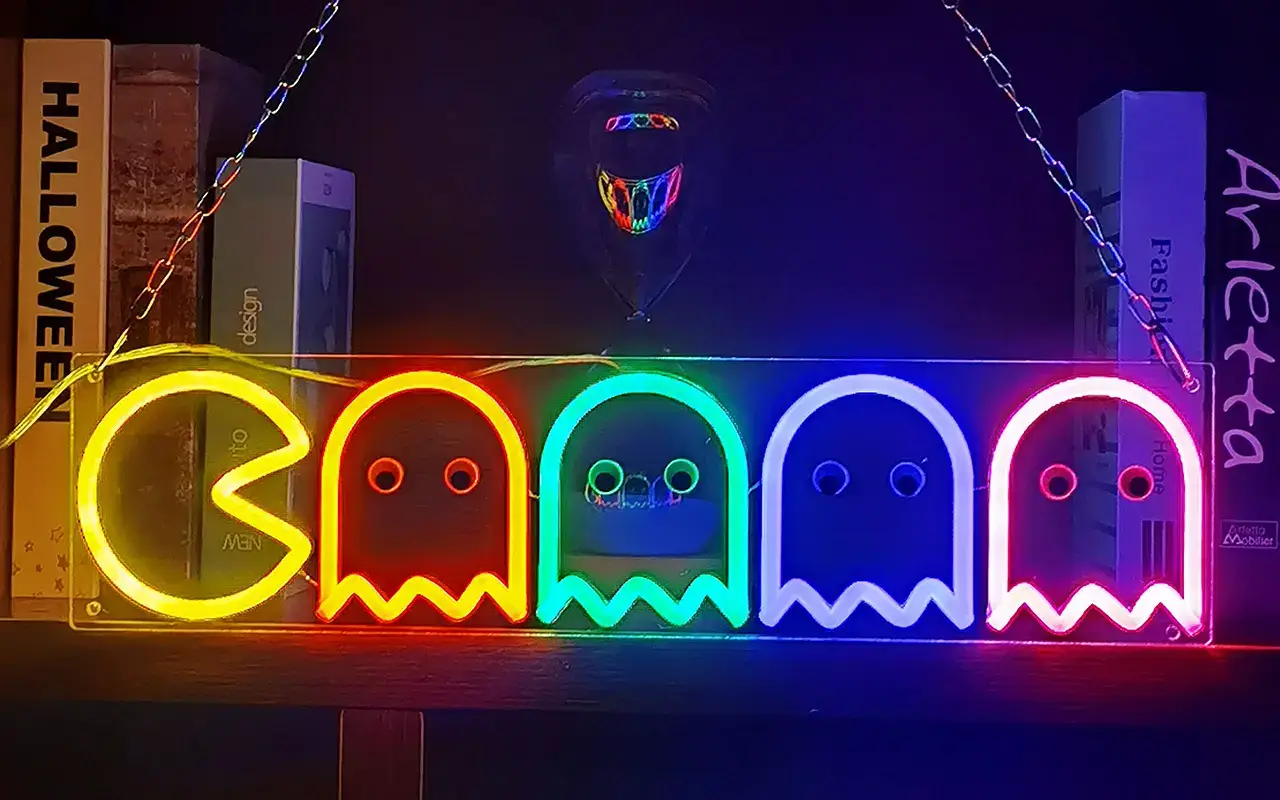
When it comes to illuminating your business or jazzing up your interior design, the illumination options at your disposal are abundant. However, deciding between traditional neon and LED neon signs is not just a matter of aesthetics; it carries significant implications for your energy bills, design flexibility, and even safety protocols. So, before you hang up that ‘Open’ sign or decorate your new hipster cafe, it’s crucial to understand the core differences between these two popular lighting solutions.
This blog post will delve into all you need to know, comparing neon and LED neon signs from various angles, such as historical context, materials, science and technology, and much more.
History and Evolution
The Inception of Traditional Neon Signs
The history of neon signs dates back to the 1900s when French engineer Georges Claude discovered the technique of applying electrical discharge to sealed neon gas tubes. The result was a breathtaking display of light that took over urban landscapes by storm. Picture Times Square in the 1950s or the vintage diners across America; these places became landmarks mainly due to their captivating neon signs. This lighting option introduced a new way for businesses to catch the eye of potential customers, making it a crucial advertising tool for the better part of the 20th century. However, despite their nostalgic allure, traditional neon signs have drawbacks, especially regarding energy consumption and maintenance costs.
The Rise of LED Neon Signs
Fast-forward to the 21st century, technological advances have introduced LED neon signs as a compelling alternative to traditional neon. These modern marvels of lighting technology started gaining traction in the early 2000s, serving as a greener and more durable solution for businesses and consumers alike. Unlike their traditional counterparts, LED neon signs don’t use gas or glass, reducing their environmental impact and risk of breakage. Beyond just energy efficiency and durability, LED neon signs also offer unmatched design flexibility. With the ability to be programmed for various visual effects and color choices, they’ve quickly become the go-to option for businesses and designers looking for more versatile lighting solutions.
Materials and Components
What Neon Signs Are Made Of
Traditional neon signs are hand-crafted works of art, each consisting of carefully bent glass tubes filled with noble gases, most commonly neon. But that’s not all; these tubes are sealed with metal electrodes at each end, creating a closed circuit. While the aesthetic of Glass and the luminosity of neon gas offer a nostalgic allure, these materials come with drawbacks. Glass is inherently fragile, making traditional neon signs more susceptible to breakage. In addition, the weight and complexity of the components make them cumbersome to install and maintain.
What LED Neon Signs Are Made Of
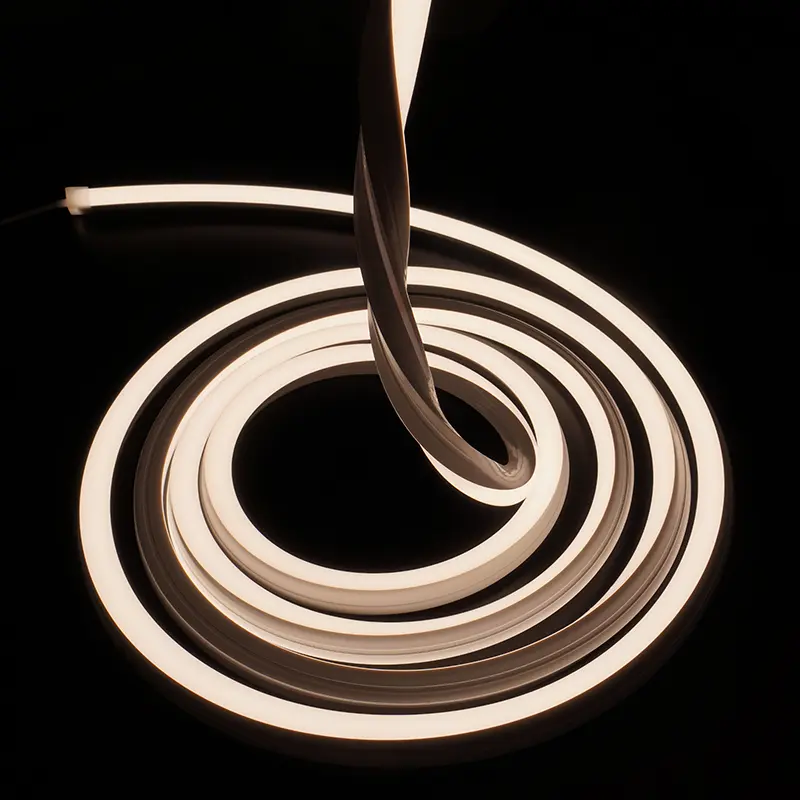
LED neon signs, on the other hand, are a technological leap forward. Instead of Glass, these signs are fabricated from durable, flexible plastic tubing. Light light-emitting diodes (LEDs) are embedded within this tubing, serving as the light source. This construction allows for a more lightweight design far less fragile than Glass. The plastic used is often UV-resistant, reducing the risk of color fading over time, and it can be easily molded into a plethora of shapes and designs, making it a versatile option for modern signage needs.
The Science and Technology
How Neon Signs Work
The science behind traditional neon signs is rooted in the ionization of neon gas within the sealed glass tubes. When an electric current flows through the gas via the electrodes, the gas atoms become ionized, releasing photons as they return to their ground state. This process produces the signature glow of a neon sign. While visually captivating, this method of illumination could be more energy-efficient. The ionization process consumes significant amounts of electricity, making operating in the long run costlier.
How LED Neon Signs Work
In contrast, LED neon signs employ semiconductor technology to produce light. When an electric current passes through the semiconductor material, electrons recombine with holes, releasing energy as photons, which we perceive as light. This technology is highly energy-efficient and offers consistent luminosity across the length of the sign, making LEDs a cost-effective and reliable light source. Moreover, using semiconductors allows for precise control over the light output, including color and intensity, further adding to their versatility.
Aesthetics and Design Flexibility

Neon Signs
Traditional neon signs have a unique aesthetic appeal that conjures a sense of nostalgia and retro charm. They emit a warm, diffused light synonymous with classic Americana. However, the design limitations are significant. The glass tubes can only be bent to certain degrees, constraining the complexity of the design. Moreover, the color options are relatively limited, restricted by the types of gases and phosphor coatings that can be used.
LED Neon Signs
LED neon signs break these barriers by offering unprecedented design flexibility. The range of colors available is practically limitless, thanks to RGB LEDs that can be programmed to display an entire spectrum. The flexibility of the plastic tubing also allows for intricate designs, complex lettering, and even animated sequences. This makes LED neon signs a go-to choice for businesses and designers looking to make a bold, modern statement with their signage.
Running Costs and Energy Efficiency
Neon Signs
Traditional neon signs can drain your resources when considering the long-term costs of signage. Consuming an average of 20 watts per linear foot, they demand significant electrical power. This wattage quickly adds up, especially for larger installations, leading to an inflated utility bill. It’s not just about the dollar signs on your energy bill; it’s also about the environmental toll contributing to a larger carbon footprint.
LED Neon Signs
In contrast, LED neon signs are designed with energy conservation in mind. These modern marvels can function on just 1.2 watts per foot, translating into considerable energy and cost savings over time. This efficiency makes LED neon signs a financially and environmentally sound investment. Moreover, their lower energy consumption also reduces heat output, contributing to a safer working environment.
Durability, Maintenance, and Lifespan
Neon Signs
Regarding durability, traditional neon signs can be a gamble. Built with glass tubes susceptible to breakage, they require careful handling and frequent maintenance. Their typical lifespan is around 30,000 hours, which might sound substantial but pales compared to modern alternatives. Maintenance costs can also become a concern, given the materials’ delicacy.
LED Neon Signs
LED neon signs drastically outperform their traditional counterparts in durability and lifespan. With a robust lifespan extending over 100,000 hours, these signs outlast traditional neon considerably. LED neon signs are built from sturdy, shatterproof materials and eliminate the frequent maintenance calls plaguing traditional neon installations. Thus, they are virtually maintenance-free and stand as a more durable option.
Safety and Environmental Impact
Neon Signs
While traditional neon signs have a nostalgic charm, they come with many safety and environmental concerns. Operating at high voltages, these signs present an electrical hazard, especially if improperly installed or maintained. Additionally, they contain gases that, while not immediately hazardous, contribute to environmental degradation if wrongly disposed of.
LED Neon Signs
The LED alternative addresses many of these concerns, starting with safety. Operating at low voltages, they minimize electrical risks, making them safer for residential and commercial settings. Additionally, the materials used in LED neon signs are generally recyclable and don’t contain harmful gases, aligning with a more sustainable and eco-conscious ethos.
Versatility and Ideal Use-Cases
Neon Signs
Traditional neon signs shine best in indoor settings. Whether it’s a retro-themed restaurant, a vintage clothing store, or a cocktail bar, these signs lend an inimitable atmosphere. However, their utility can be restricted. They are generally not designed for outdoor use, so you’ll need to limit your creativity to interior spaces. This may hinder businesses looking to make a more prominent external statement.
LED Neon Signs
LED neon signs break free from these limitations. Their materials’ durability and low heat output make them ideal candidates for indoor and outdoor displays. LED neon signs offer a comprehensive range of applications, from lighting up a trendy cafe to adding flair to an outdoor music festival. Their versatility adds a valuable layer of flexibility to your design arsenal.
Installation and Setup
Traditional Neon Signs
Remember to consider the complexities of installing traditional neon signs. This is not a plug-and-play situation. Specialized skills are often required to mount and electrify these signs safely. You’ll need specific tools; in some cases, you might have to hire a professional installer. This increases the time commitment and adds to the overall project cost.
LED Neon Signs
Convenience reigns supreme when it comes to LED neon signs. Most modern beauties come as easy-to-install DIY kits with all the necessary components. This not only saves time but also cuts down on installation costs. Even if you need to be more handy, these kits are designed to make the process straightforward and pain-free.
Common Pitfalls and What to Avoid
Neon Signs
If you opt for traditional neon signs, caution is key. Their fragility makes them prone to breakage, so you’ll want to avoid high-traffic areas where accidents are more likely. Also, remember that these signs require specialized electrical setups to accommodate their high voltages, making DIY installation risky for those without technical know-how.
LED Neon Signs
LED neon signs may be more durable but not entirely foolproof. One of the most common mistakes is over-bending the flexible tubing. This could damage the embedded LEDs, affecting the sign’s appearance and functionality. Therefore, always read the manufacturer’s guidelines carefully before shaping these signs.
Real-World Examples and Case Studies
Cafes and Restaurants
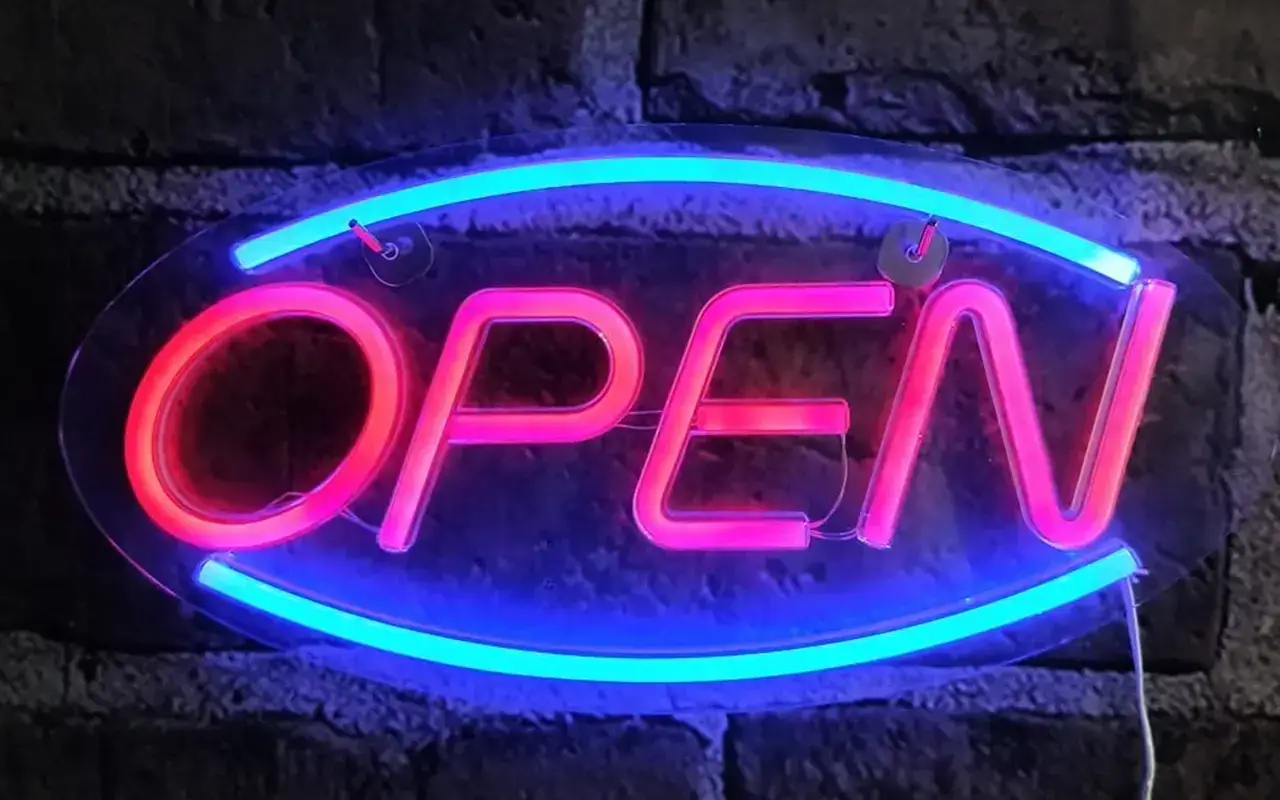
While traditional neon signs were once the staple of cozy diners and retro cafes, today’s establishments often opt for LED neon. They lend the desired ambiance and are easier to customize, ensuring brand consistency. For example, the ‘Open 24/7’ LED neon sign you see in modern cafes is not just a statement but an energy-efficient one.
Corporate Offices
In corporate settings, LED neon signs add a modern twist to traditional office design. Companies like Google and Amazon employ these signs to highlight department names and motivational quotes, proving the signs’ design flexibility and low maintenance requirements.
Frequently Asked Questions
Why are LED Neon Signs Considered More Energy-Efficient?
At a glance, the energy-efficient nature of LED neon signs is a headline-grabbing feature, but why? Traditional neon signs consume about 20 watts per foot. That’s nearly the power usage of a small kitchen appliance! However, LEDs can operate on just 1.2 watts per foot, like a gentle sip of electricity. Over time, this translates to massive energy savings. Moreover, LEDs convert most of their energy into light rather than wasting it as heat. This makes them a prime choice for businesses looking to reduce their carbon footprint.
Are LED Neon Signs as Durable as They Say?
Durability is another point that LED neon signs have in their favor. Think of traditional neon signs as antique glassware: beautiful but fragile. LED neon signs, on the other hand, are like your favorite travel mug—built to last. With a lifespan of over 100,000 hours, these signs outlast traditional neon signs, which cap out at around 30,000 hours. Plus, LED neon signs are constructed from flexible, durable plastic, making them less prone to breakage.
Can LED Neon Signs Work Outdoors?
Yes, LED neon signs aren’t just confined to the indoors; they have a weather-resistant nature that allows them to thrive outdoors. Traditional neon signs rarely make it outside due to their fragility and susceptibility to the elements. LEDs are the go-anywhere, do-anything signs that broaden your options for where you can install your signage.
Is DIY Installation Possible with LED Neon Signs?
You bet! Installing a traditional neon sign could be an elaborate event involving a small army of skilled workers. LED neon signs simplify this process dramatically. Many come with DIY kits that include all the hardware you’ll need for installation. This not only saves you money but also gives you the satisfaction of installing your own sign.
What Are the Creative Limitations of Traditional Neon Signs?
If you’ve ever gazed at a traditional neon sign and wondered why the designs seem relatively straightforward, it’s due to the limitations of glass bending techniques. Traditional neon signs can offer a classic feel but are often confined to more detailed designs and a limited color range. With LED neon, you’re only limited by your imagination. They accommodate intricate patterns and various colors, allowing for endless creative possibilities.
Are LED Neon Signs Safe?
Safety is a concern we can’t afford to overlook. Traditional neon signs operate at high voltages and contain gases that could be harmful if the Glass is broken. LED neon signs run on much lower voltages. They are less prone to breakage, eliminating many safety risks associated with traditional neon.
How Customizable Are LED Neon Signs?
In a word, highly. LED neon signs offer unparalleled design flexibility. They can be cut into any shape, from words to intricate design elements. Whether you’re a business looking to encapsulate your brand’s aesthetic or a homeowner seeking to add a personal touch to your living space, LED neon can deliver.
How Eco-Friendly Are LED Neon Signs?
As more businesses and consumers focus on sustainability, LED neon signs stand out for their eco-friendly qualities. They not only consume less energy but are also recyclable. On the contrary, traditional neon signs contain gases that can harm the environment if disposed of incorrectly.
Do LED Neon Signs Look as Good as Real Neon?
LED neon signs have come a long way in mimicking the look and feel of real neon. While purists may argue that nothing can replicate the warm glow of a traditional neon sign, LED technology has advanced enough to offer a very similar aesthetic experience. Plus, the variety of available colors and designs more than makeup for any minor differences in the glow.
What’s the Best Choice for My Business, Neon or LED Neon?
This often boils down to what you value most. Suppose you’re after the authentic retro aesthetic and willing to pay higher energy and maintenance costs; traditional neon signs could be your pick. However, if you’re looking for a long-lasting, cost-effective, and customizable option that aligns with modern sustainability goals, LED neon is the obvious choice.
Conclusion
As we wrap up, it becomes abundantly clear that LED neon signs are the future of illuminated signage. They offer a trifecta of advantages—energy efficiency, design versatility, and longevity—that traditional neon signs struggle to compete with. Whether you’re a small business owner or a corporate magnate, your signage choice will impact your aesthetic and bottom line. LED neon signs are the luminous, eco-friendly choice in a world increasingly leaning toward sustainability.
As we chart a course toward a more eco-conscious and efficient future, it’s clear that LED neon signs hold the reins. If you’re seeking cutting-edge, high-quality LED solutions, look no further than Unitop, one of China’s leading LED strip lights and LED neon flex manufacturers. Our expertise is unmatched in the LED industry. Don’t hesitate to contact us immediately for any further inquiries or custom requirements. Trust Unitop for illuminating your path forward.
Related Articles

Tom is now the Sales Manager of Unitop (China) Co., Limited. He has been in the LED Lighting industry ever since 2005. He is an expert in sales & marketing, and factory management. He likes bodybuilding, and he is also a crazy Apple Fan! He is a hard-working guy and loves to learn and try new things.
Email: tom@unitopledstrip.com WhatsApp: +86-18680307140




Leave a Reply
Want to join the discussion?Feel free to contribute!