
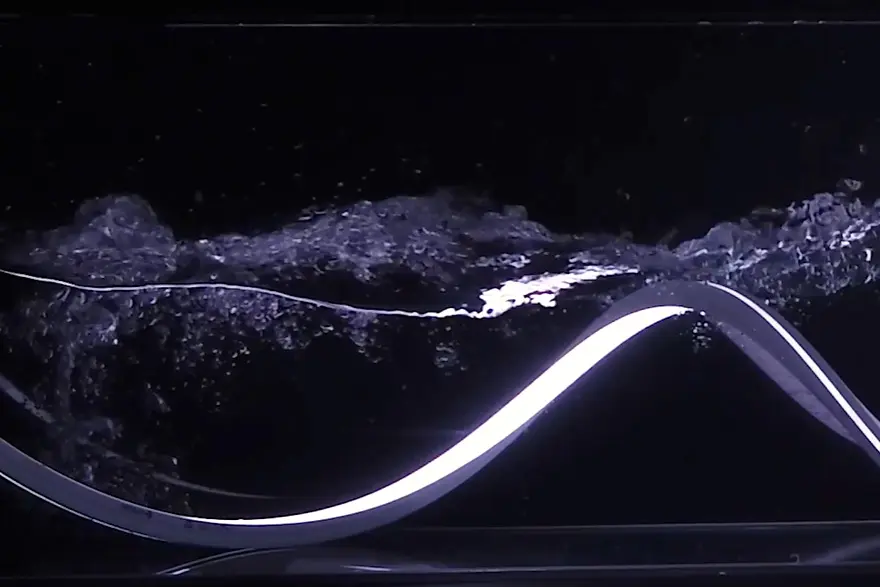
Have you ever stood perplexed in the lighting aisle, wondering whether to choose weatherproof or waterproof fixtures for your outdoor project? You’re not alone. This guide is designed to dissolve your doubts and arm you with the knowledge to make the best choice for your needs.
The key difference between weatherproof and waterproof materials lies in their level of protection against water. Weatherproof items resist mild conditions like rain or splashes, while waterproof items can withstand complete submersion without incurring damage.
Continue reading to unravel the intricate details of weatherproof and waterproof materials. This article will guide you through their distinct characteristics and applications and how to select the right one for your specific requirements.
Is weatherproof the same as waterproof?
You might wonder, “is weatherproof waterproof?”. The answer is NO.
“Weatherproof” and “waterproof” are related but not identical terms. Weatherproof items are designed to resist weather elements like wind and rain, making them suitable for outdoor use to a certain extent. Waterproof items, however, are made to be completely impervious to water, capable of withstanding submersion or heavy rain without allowing water to penetrate. So, while all waterproof items are inherently weatherproof, not all weatherproof items are fully waterproof.
Defining Weatherproof and Waterproof Materials
Weatherproof materials are not just about resisting a drizzle or a windy day. They encapsulate a range of protective measures against varying degrees of environmental exposure. This could mean a special coating that guards against the harmful UV rays that can degrade colors and materials over time. It also implies a certain robustness against fluctuating temperatures, ensuring the material doesn’t crack in the cold or warp in the heat.
On the other hand, waterproof materials are engineered with a more rigorous standard in mind. Think of them as the heavy-duty armor in the battle against water damage. These materials often undergo meticulous sealing processes and are crafted with substances that repel water at a molecular level. The integrity of waterproof materials is such that they can be completely immersed in water – often up to specific depths and for a designated duration – without permeation. This makes them ideal for applications where constant contact with water is a given, such as in marine environments or submerged lighting.
Real-World Applications and Use Cases
In practical terms, the distinction between weatherproof and waterproof materials can be the deciding factor in the longevity and efficacy of a product. For example, consider a set of outdoor string lights. They can adorn your garden or patio, twinkling through rainy and windy nights if they are weatherproof. However, if you plan to install lights around your pool or in a fountain, weatherproof lights won’t suffice – you need waterproof lights that can endure prolonged submersion.
Similarly, weatherproof materials can protect against the elements to a certain extent in the construction of outdoor digital signage. But waterproof materials become essential in areas prone to flooding or in marine settings, where signs need to withstand not just splashes but complete water immersion. This differentiation is crucial for ensuring the safety, functionality, and durability of products used in various outdoor and aquatic environments.
Identifying and Choosing the Right Material
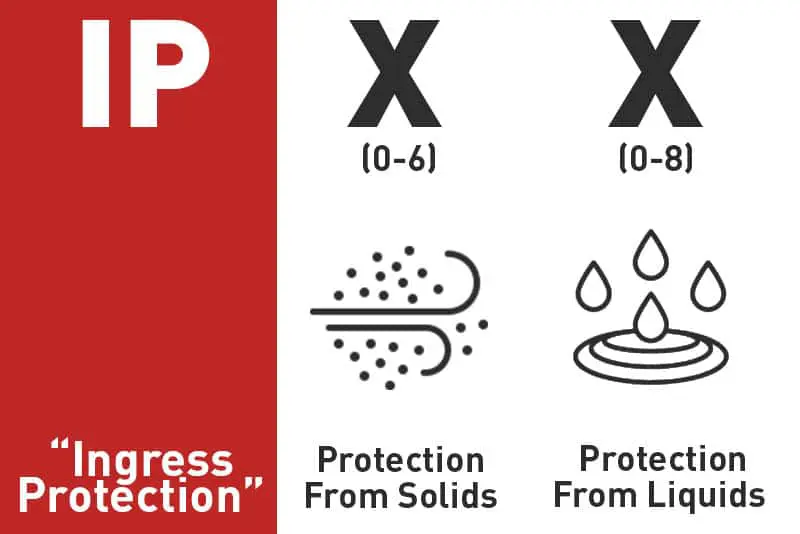
Identifying whether a product is weatherproof or waterproof hinges on understanding and interpreting the IP (Ingress Protection) rating system. This system provides a clear, numerical method to assess a material’s level of protection. An IP65 rating, for instance, signifies that the product is completely dust-tight and can handle low-pressure water jets from any direction, making it a viable option for general outdoor use. However, for scenarios involving complete or prolonged submersion in water, an IP67 or IP68 rating is necessary. These ratings indicate a much higher degree of protection, assuring that the product can function underwater for extended periods without any risk of damage.
Understanding these ratings not only helps in making an informed decision but also in setting realistic expectations about the performance and durability of the product in specific environments. This knowledge is particularly valuable for professionals in architecture, landscaping, and outdoor design, where the right choice of materials can significantly impact the success and sustainability of a project.
Weatherproof vs Waterproof:Advantages and Disadvantages Explored
Weatherproof materials offer a practical and cost-effective solution for standard outdoor applications. They’re typically more budget-friendly and can effectively shield against everyday weather elements like rain, wind, and sun exposure. This makes them a popular choice for residential outdoor fixtures, like garden lights and patio furniture, where extreme conditions are not a regular concern. However, their limitation lies in their inability to withstand prolonged or intense water exposure. Continuous soaking or submersion can breach their protective barriers, leading to potential damage over time.
On the flip side, waterproof materials come with the assurance of complete water resistance. This level of protection is particularly crucial in environments where water is a constant factor, such as in marine applications, pool lighting, or outdoor areas prone to heavy rain and flooding. The trade-off, however, is in their cost. Waterproof materials often require more advanced technology and materials to achieve their high level of protection, which is reflected in their price. Additionally, their installation can be more complex, necessitating specialized knowledge and tools to ensure their waterproof qualities are fully realized and maintained.
Maintenance and Care Guidelines
Regular maintenance is key to extending the life of weatherproof and waterproof products. This includes routine inspections of weatherproof items for cracks, peeling, or other signs of wear that could compromise their protective qualities. Simple actions like cleaning off accumulated dirt and debris can prevent deterioration and maintain their integrity.
Waterproof materials, while robust, also require diligent care. Regular checks of seals and gaskets are essential to ensure they remain watertight. Over time, these components can degrade, especially under constant exposure to water and chemicals, like in a pool environment. Replacing worn parts promptly can prevent leaks and maintain the product’s waterproof effectiveness. Additionally, understanding the specific care instructions for each product, such as avoiding certain cleaning agents that could damage waterproof coatings, is crucial for their upkeep.
Demystifying Common Myths
One prevalent myth is the interchangeable use of weatherproof and waterproof, leading to misconceptions about their capabilities. This misunderstanding can result in the misuse of materials, potentially causing damage to the product or even safety hazards. For instance, using a weatherproof product in a setting that requires waterproof protection could lead to electrical failures or other water damage. It’s vital to recognize that while all waterproof materials are inherently weatherproof, the reverse is not true.
Insights from Industry Experts
Industry professionals underscore the necessity of selecting the appropriate material for the specific environment it will encounter. This decision should be informed by factors such as the area’s typical weather conditions, the potential for water exposure, and the intended longevity of the product. Experts often suggest consulting with specialists when in doubt, as they can provide valuable insights based on experience and knowledge of the latest materials and technologies.
Comparative Analysis of Weatherproof and Waterproof
A detailed comparison of weatherproof and waterproof materials reveals distinct construction, capabilities, and cost differences. Weatherproof products are generally designed to handle milder weather conditions and have lower IP ratings, reflecting their moderate level of protection against elements. This is often sufficient for typical outdoor applications and comes with the advantage of being more affordable. With higher IP ratings, waterproof products indicate a greater capacity to withstand water immersion and harsher environmental conditions. These materials often employ advanced sealing techniques and more durable materials, contributing to their higher cost but providing superior protection in demanding environments.
Making an Informed Decision
Deciding between weatherproof and waterproof materials involves a careful assessment of the specific conditions the product will face. Weatherproof materials can be an adequate and cost-effective choice for general outdoor use where occasional rain or splashing is the extent of water exposure. However, in scenarios where products will be exposed to constant or heavy water, such as in marine environments, near bodies of water, or in areas with frequent heavy rain, the comprehensive protection offered by waterproof materials becomes essential. Budget considerations also play a role in balancing the need for protection with the available investment.
FAQs
Can weatherproof materials become waterproof with additional treatments?
Weatherproof materials cannot be made completely waterproof through treatments. While certain coatings can enhance their water resistance, they won’t match the inherent properties of materials designed to be waterproof.
Are waterproof products always more expensive than weatherproof ones?
Generally, yes. Waterproof products usually require more advanced technology and materials, contributing to a higher cost than weatherproof products.
How do I check the IP rating of a product?
The IP rating is typically listed in the product specifications or on its packaging. Look for a rating like IP65 or IP67, which indicates protection against water and dust.
Can weatherproof products be used indoors?
Yes, weatherproof products can be used indoors, especially in areas prone to dampness or splashing water, like bathrooms or kitchens.
Do all waterproof products have the same depth and duration of submersion capabilities?
No, the depth and duration of submersion a waterproof product can withstand vary based on its IP rating and design. Always check the specific rating and manufacturer’s guidelines for precise information.
How often should weatherproof and waterproof products be maintained?
Regular maintenance is recommended, but the frequency depends on the product and its exposure to elements. Monthly checks are a good practice, with more frequent inspections in harsh conditions.
Can I paint over weatherproof materials to match my décor?
While some weatherproof materials can be painted, it’s essential to use the right type of paint that doesn’t compromise the material’s weather-resistant properties.
Are there eco-friendly options for weatherproof and waterproof materials?
Yes, there are eco-friendly options available. Look for products made with sustainable materials and eco-friendly manufacturing processes.
Can waterproof products withstand chemicals like chlorine in pools?
Many waterproof products are designed to resist chemicals like chlorine. Still, it’s important to verify this capability in the product specifications for your specific use case.
Is hiring a professional to install waterproof products necessary?
While some waterproof products can be installed DIY, professional installation is recommended for complex setups or products that require precise sealing to maintain their waterproof properties.
Conclusion
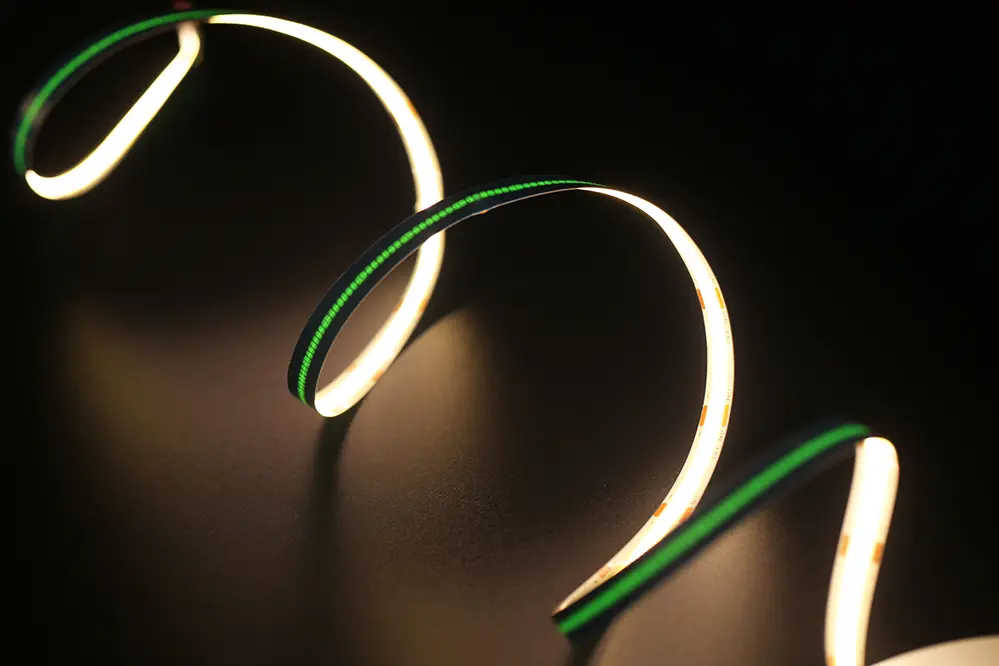
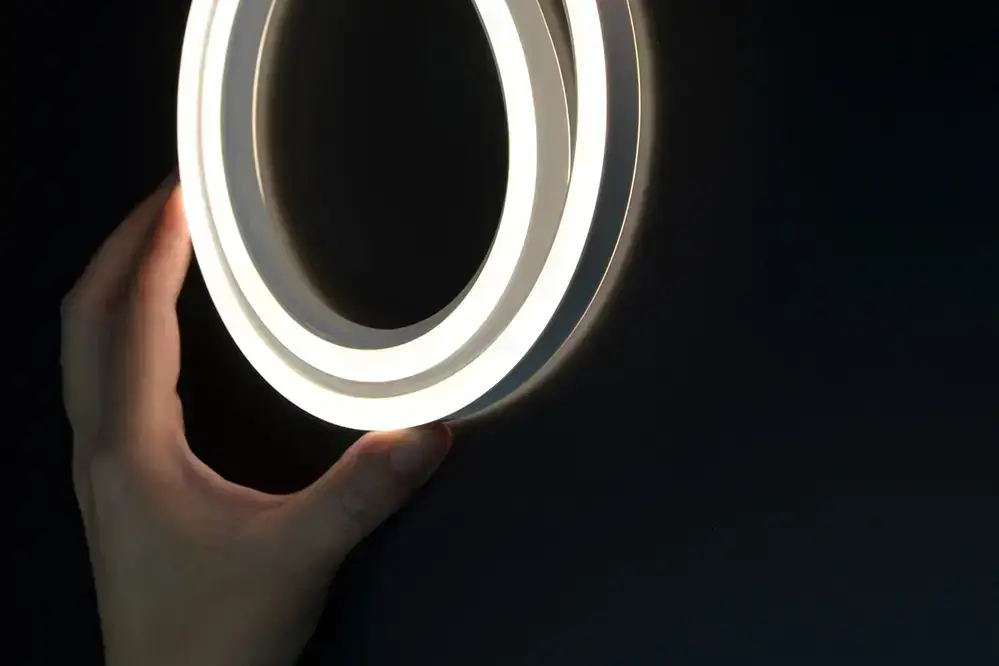
In conclusion, understanding the differences between weatherproof and waterproof materials is crucial for any lighting project, particularly when it involves LED strip lights or LED neon flex. Unitop stands out as one of China’s leading manufacturers in this realm, offering a vast range of high-quality LED lighting solutions. Renowned for our expertise and innovation in the LED industry, we at Unitop are committed to delivering products that meet the highest durability and performance standards. Whether you’re navigating the choices between weatherproof and waterproof options or have specific requirements for your lighting project, our team is here to provide expert guidance and support. Don’t hesitate to contact us immediately for any queries or needs – we’re here to illuminate your path with professional solutions and exceptional service.

Tom is now the Sales Manager of Unitop (China) Co., Limited. He has been in the LED Lighting industry ever since 2005. He is an expert in sales & marketing, and factory management. He likes bodybuilding, and he is also a crazy Apple Fan! He is a hard-working guy and loves to learn and try new things.
Email: tom@unitopledstrip.com WhatsApp: +86-18680307140



Leave a Reply
Want to join the discussion?Feel free to contribute!