

Concerned about UV rays and radiation from LED lights? You’re not alone. People often wonder about the risks of LED technology. We will explore the facts and reveal the truth.
LED lights emit a little UV radiation, but it’s usually very small compared to other lights. Modern LEDs are designed to minimize UV emissions, making them safe for typical usage.
Stick with us as we explore the intricacies of LED lights and their connection to UV rays and radiation. We can provide all the information you need, from how the technology works to staying safe.
What are LED Lights and How Do They Work?
LEDs are modern marvels of lighting technology. They emit light and are highly advanced. But what makes them so special? LEDs use semiconductor materials instead of filaments to produce light. When electricity flows through a semiconductor, it raises the energy level of electrons. This makes them give off light. They call this process electroluminescence. LED technology is based on it. It provides efficient and versatile lighting solutions.
LED lights are becoming more and more popular worldwide. They make up 60% of the market share. In the United States alone, the sale of LED bulbs surpassed 450 million units in 2020. LEDs are the best lighting option for homes, businesses, streets, and art projects. They offer high efficiency and design flexibility. Experts expect the global LED market to reach USD 127.04 billion by 2027. People have great confidence in this technology.
LEDs are very bright, efficient, and safe from UV rays. They are revolutionary. How does this work? It starts with the phosphor inside the LED lamp. The LED’s semiconductor emits light in the blue and UV ranges. The lamp’s phosphor coating turns it into a wide range of light that we can see, while blocking UV radiation. The design of modern LEDs has changed lighting technology. It reduces UV risks and improves efficiency without compromise.
Health Canada and the World Health Organization both say that LEDs have low UV risks. As stated by Health Canada, “Exposure to UV radiation from LEDs does not pose a risk to human health when used as intended.” Dr. James Roberts, a renowned physicist, adds, “With well-engineered designs, LEDs are not only energy-efficient but also safer in terms of UV emissions. They’re the future of lighting.”
LED technology isn’t uniform. It’s rich with variations in wavelengths, designs, and specialized applications. Regular LEDs are made to reduce UV emissions. However, black lights, used in theater, emit UV rays in the 385–400 nm range. Horticultural LEDs are another example, tailored for agricultural purposes with different light spectra.
Museums around the world are using LED lights. They protect valuable artifacts from UV damage and color fading. The Van Gogh Museum in Amsterdam and the Smithsonian in Washington, D.C. use LEDs to display and protect art. Car makers are also using LED headlights because they are efficient and emit less UV light. This shows how LED technology is changing our world.
UV Rays and Radiation Briefed
UV Rays Explained:
UV rays, short for ultraviolet radiation, are more than just an invisible menace. Ultraviolet light is an important part of the electromagnetic spectrum. The violet part of visible light is located past it. Divided into three categories—UVA, UVB, and UVC—these rays have different effects on our health and environment.
1. UVA (320–400 nm): Accounting for about 95% of the UV radiation that reaches the Earth’s surface, UVA rays penetrate the skin more deeply than UVB rays. UV rays mainly age skin cells and can indirectly harm DNA. Regular exposure can lead to premature aging and an increased risk of skin cancer.
2. UVB (280–320 nm): These rays are responsible for direct DNA damage and are the primary cause of sunburn. They are important in causing skin cancer and other skin problems.
3. UVC (100–280 nm): The most dangerous form of UV radiation, UVC rays, are completely absorbed by the Earth’s atmosphere and do not reach the surface. Artificial sources, such as germicidal lamps, can generate UVC rays.
UV rays can cause health issues like cataracts and skin cancer. They also damage materials and fade colors in artworks. To understand why LED lights are better, it’s important to know about the UV spectrum.
Radiation Explained:
Radiation is a term that often evokes concern, but what is it exactly? Radiation is energy that travels through space or a material medium. We can classify it into two main categories.
1. Ionizing Radiation: This includes X-rays, gamma rays, and some ultraviolet rays. Ionizing radiation carries enough energy to detach electrons from atoms, creating ions. It can damage living tissue and DNA, leading to health problems.
2. Non-Ionizing Radiation: Comprising radio waves, microwaves, visible light, and certain UV rays, non-ionizing radiation doesn’t have enough energy to ionize atoms. It’s generally considered harmless at regular exposure levels.
We encounter radiation every day from sunlight and household appliances. Distinguishing between harmful and benign forms of radiation is crucial for our well-being.
Do LED Lights Emit UV Rays and Radiation?
Do LEDs Emit UV Rays?
Do LED lights emit UV rays? Yes, but there’s more to the story. Standard LEDs can produce a minuscule amount of UV radiation. LED lamps have phosphors that turn UV radiation into visible white light. This change reduces the UV emissions a lot, making them very small and safe.
Why is this important? For individuals with specific UV-sensitive conditions or applications where UV exposure must be minimized (such as art galleries or manufacturing environments), LEDs offer a reassuring solution. Their new lighting technology significantly reduces UV emissions to almost zero levels.
Do LEDs Emit Radiation?
LEDs, like other electrical devices, emit electromagnetic radiation, which is a broad term. But is this cause for concern? LEDs are often talked about for UV radiation, but it’s already known to be minimal.
The electromagnetic radiation that LEDs emit falls under the non-ionizing category. This means it can’t harm living tissues or change the structure of materials. This radiation is not risky because it is low in frequency and intensity.
The concerns around LED radiation are often more about misunderstandings and misconceptions than fact-based risks. LEDs are safe and efficient lights when designed properly and meet safety standards. They dispel fears and provide accurate information.
Health and Safety Concerns: UV Rays and Radiation from LED Lights
Health Problems Associated with UV Lighting:
Extreme exposure to UV radiation is more than just a discomforting sunburn on a sunny day. It’s a pervasive issue that can lead to severe health problems. Let’s explore the multifaceted health concerns related to UV lighting:
Sunburn and Skin Damage: UVB rays can cause immediate harm by triggering sunburn and long-term effects like premature aging, wrinkles, and skin discoloration.
Eye Problems: Prolonged exposure to UV radiation can lead to cataracts, macular degeneration, and other eye disorders. Protection from UV rays is essential not only for the skin but also for eye health.
Skin Cancer: Both UVA and UVB rays contribute to the development of various skin cancers, including melanoma, basal cell carcinoma, and squamous cell carcinoma.
Weakening of the Immune System: Perhaps surprisingly, UV radiation can also suppress the immune system. It can decrease the skin’s immune response, making the body more susceptible to infections and diseases.
Other Conditions: UV rays can exacerbate existing skin conditions, such as lupus, and may also lead to photokeratitis, a painful inflammation of the eye.
Given these concerns, the type of lighting used in homes, offices, and commercial spaces should be chosen with care.
Does UV Radiation from LEDs Endanger Health?
Does LED radiation pose a health risk, given the harmful effects of UV radiation? Generally not. Here’s why:
Low Emission Levels: The UV radiation emitted from LED lights is notably lower compared to other sources like compact fluorescent lamps (CFLs). The phosphors in LED lamps convert UV radiation into benign visible light.
Safety Regulations: LED products typically comply with stringent safety regulations, ensuring that any UV emissions are well below dangerous levels.
Sensitive Individuals: While generally safe for the majority of users, those with specific UV-sensitive conditions or heightened sensitivities may still need to take extra precautions. Consulting with a medical professional or using specialized LED products can mitigate these concerns.
Comparing Light Sources: UV Radiation in LEDs, Halogens, and More
UV Radiation and Halogen:
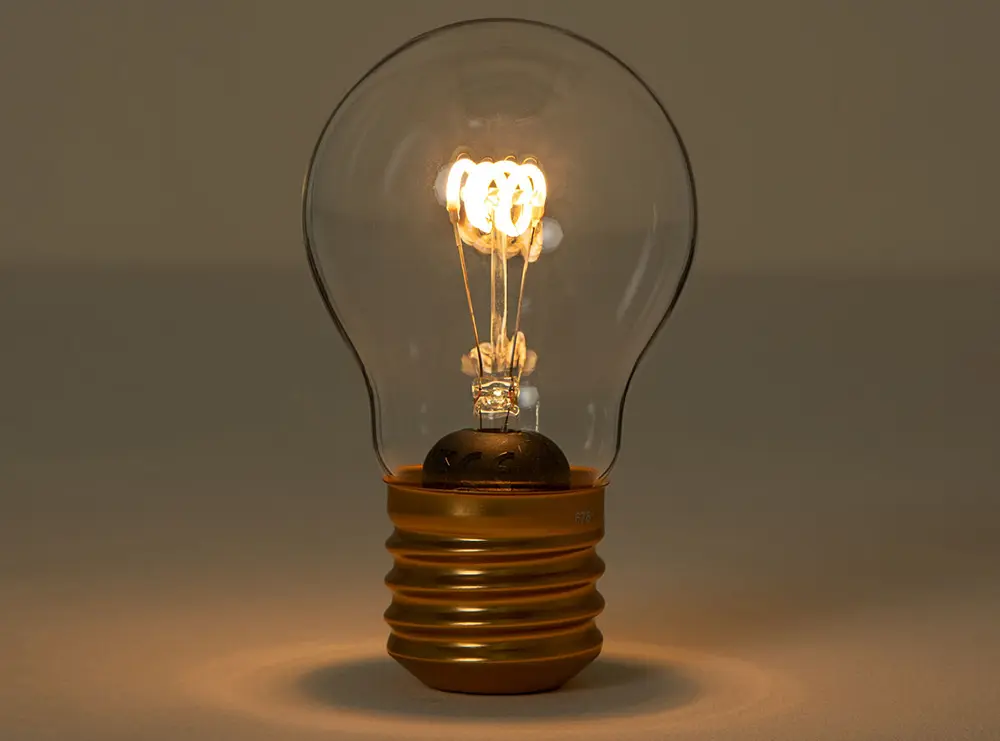
Halogen bulbs used to be popular because they give off bright light, but they have a hidden problem. They actually give off more UV radiation than LEDs. The emission can harm sensitive surfaces such as paintings, fabrics, and even skin. Let’s delve into this comparison:
UV Emissions in Halogen Bulbs: Unlike LEDs, halogen bulbs don’t have a mechanism to convert UV rays into visible light. This results in higher UV emissions, potentially causing harm to sensitive materials.
Use in Sensitive Environments: In places like museums, art galleries, or homes with valuable artifacts, the use of halogen bulbs can lead to the gradual degradation of colors and material integrity.
Health Considerations: Prolonged exposure to halogen lighting may pose skin and eye health risks, particularly for individuals working in environments with intense halogen lighting.
Types Of Lights Emitting UV Rays:
Lighting has changed over time, and there are many options to choose from today. Various light bulbs, like halogens, CFLs, incandescents, and LEDs, give off different amounts of UV light.
Halogens: As mentioned above, halogens emit more UV radiation, making them a less desirable option for UV-sensitive applications.
CFLs: Compact Fluorescent Lamps also emit UV rays, but typically less than halogens. They can be a cause for concern in specific situations.
Incandescent Bulbs: These traditional bulbs emit minimal UV rays but are inefficient in terms of energy consumption.
LEDs: Standing out as one of the safest options, LEDs emit negligible UV rays. For those worried about UV rays, energy efficiency, and the environment, they are an ideal choice.
The landscape of lighting is vast and diverse. By understanding different light sources, especially UV radiation, consumers can make informed choices. LEDs are popular because they are safe, efficient, and innovative.
Choosing the Right LED Lights: A Buyer’s Guide
Guidance on Selection:
LED lights can be confusing because there are so many choices. However, the journey to choosing the right LED lights doesn’t have to be complex. Here’s a comprehensive guide to facilitate your decision:
1. Efficiency: Consider the lumens-to-watts ratio to gauge the light output against energy consumption. Higher efficiency translates to more brightness for less power.
2. Longevity: LED lights are known for their long lifespan. Make sure to check the warranty and how long it is expected to last before buying.
3. Cost-Effectiveness: While initial costs might be higher, the long-term savings in energy bills make LEDs an economically wise choice. Compare different brands and models to find a cost-efficient option.
4. UV Emissions: As our focus is on UV radiation, make sure to select LEDs with low UV emissions. Certifications and compliance with safety standards can be strong indicators of quality in this regard.
5. Color and Brightness: LEDs come in various color temperatures and brightness levels. Choose the best combination for the space that fits the atmosphere and needs.
6. Manufacturer Reputation: Opt for reputable manufacturers that adhere to quality and safety standards. Reading customer reviews and seeking professional advice can further guide your choice.
7. Special Features: Some LEDs offer dimmable functions, remote control, and compatibility with smart home systems. Consider these features if they align with your needs.
Advantages of LED Lighting
Benefits and Features:
LED lighting isn’t just a trend; it’s a revolution in illumination. LED lights offer many advantages that appeal to both consumers and businesses.
1. Energy Efficiency: LEDs consume significantly less energy compared to traditional lighting solutions, translating to considerable savings on electricity bills.
2. Long Life: With lifespans often exceeding 25,000 hours, the need for frequent replacements is minimized, reducing maintenance costs.
3. Low Heat Generation: Unlike halogen or incandescent bulbs, LEDs produce minimal heat, making them safer and more comfortable in various settings.
4. Easy Control and Maintenance: Advanced LED systems enable seamless control over brightness, color, and even synchronization with music or other devices. Maintenance is generally straightforward and hassle-free.
5. Environmental Friendliness: LEDs are free of toxic materials like mercury and are highly recyclable, contributing to a reduction in carbon footprint.
6. Design Flexibility: Their compact design allows for creativity in lighting schemes, whether it’s accent lighting in a home or an intricate display in a commercial space.
7. Minimal UV Emissions: As we’ve covered, the low UV emissions in LEDs make them a safe option, protecting both health and sensitive materials.
Myths and Facts: Unveiling the Truth about LED Lights and UV Emissions
In the ever-evolving field of LED technology, misconceptions can arise. Here we’ll debunk some common myths:
1. Myth: LEDs Emit Dangerous Levels of UV Rays. Fact: Standard LEDs emit negligible amounts of UV rays, often converted into visible light by phosphors within the lamp.
2. Myth: LEDs Are Expensive and Not Worth the Investment. Fact: While upfront costs might be higher, the long-term savings and benefits far outweigh the initial investment.
3. Myth: LEDs Provide Harsh and Unnatural Light. Fact: Modern LEDs are available in a wide range of color temperatures, allowing for natural and pleasant lighting experiences.
4. Myth: LEDs Are Difficult to Install and Maintain. Fact: Many LEDs are designed for easy installation and require minimal maintenance, making them user-friendly.
The Future of LED Technology: What to Expect
As we peer into the horizon, the future of LED technology seems to glow with promise. Here’s what we might expect:
1. Enhanced Efficiency: Research and development are likely to push the boundaries of energy efficiency, making LEDs even more appealing to energy-conscious consumers.
2. UV and Radiation Safety: Continued emphasis on UV and radiation safety will lead to more refined designs, reducing UV emissions even further.
3. Integration with Smart Technology: The marriage of LEDs with smart home systems and IoT will offer unparalleled control and customization in lighting solutions.
4. Sustainability Focus: Expect to see innovations aimed at making LEDs more sustainable, both in terms of materials used and recycling processes.
5. Creative Design Possibilities: Designers and manufacturers will continue to explore the versatility of LEDs, creating unique and artistic lighting solutions.
6. Affordability: As technology progresses, the cost of high-quality LEDs is expected to decrease, making them accessible to a broader audience.
FAQs
Why are LED lights considered a safe choice regarding UV emissions?
LEDs emit negligible amounts of UV rays, making them a safe option for most users. LED lamps use phosphors to convert UV rays into white light, reducing harmful exposure. Reputable brands adhere to strict safety standards, further ensuring their reliability.
What makes LEDs more energy-efficient compared to traditional lighting options?
LEDs have a higher lumens-to-watts ratio, delivering more brightness for less power. These lights save energy. They can convert electricity into light energy with advanced design.
I’ve heard that LED lights last a long time. Is that true?
Absolutely! LEDs are known for their impressive lifespan, often exceeding 25,000 hours. They require fewer replacements, saving both time and money in the long run.
Can LED lights be used creatively for various design purposes?
LEDs are great because they are small and have many uses. They can be designed in many ways. The creative possibilities are almost endless, from home lighting to commercial displays.
Are LED lights harmful to paintings and other sensitive materials?
LED lights are favored by museums because they emit less UV radiation, safeguarding paintings. They’re a trusted choice for preserving the integrity of precious artifacts.
How do I choose the right LED lights for my home or office?
When choosing, look at efficiency, longevity, UV emissions, color, brightness, reputation, and features. Find LED lights that fit your space and requirements by aligning them with your needs.
Do LEDs contribute to environmental sustainability?
Indeed, LEDs are free of toxic materials like mercury and are highly recyclable. LED lights use less energy and have a longer lifespan, which helps the environment.
Are LED lights more expensive than traditional bulbs? What’s the cost-benefit?
LEDs may cost more at first, but they save energy and require less maintenance. Their long life and efficiency translate to a wise investment over time.
What innovations can we expect in LED technology in the future?
The future shines bright with LEDs! Expect advancements in energy efficiency, UV safety, integration with smart technology, sustainable practices, creative design possibilities, and increased affordability.
I’m concerned about UV radiation from lights. How do LEDs compare to halogens and CFLs in terms of UV emissions?
LEDs are a safer choice for UV emissions. They emit less UV radiation than halogens or CFLs. The design and safety features of these products reduce UV risks, so they are often chosen for UV-sensitive applications.
Conclusion
LED lights have completely changed the way we see and understand lighting. They have had a profound impact, both in a literal and symbolic sense. The UV emissions are very low. The innovation keeps improving their safety and efficiency. Embracing LEDs is not just an energy-wise decision; it’s also a healthy choice.
Unitop is a Chinese manufacturer that makes LED lights. Their innovative strip lights and neon flex have gained them recognition. We aim to offer you top-notch lighting solutions with advanced technology. Have further questions or unique requirements? Contact us immediately. Trust in Unitop’s expertise, and let us illuminate your world.

Tom is now the Sales Manager of Unitop (China) Co., Limited. He has been in the LED Lighting industry ever since 2005. He is an expert in sales & marketing, and factory management. He likes bodybuilding, and he is also a crazy Apple Fan! He is a hard-working guy and loves to learn and try new things.
Email: tom@unitopledstrip.com WhatsApp: +86-18680307140



Leave a Reply
Want to join the discussion?Feel free to contribute!