
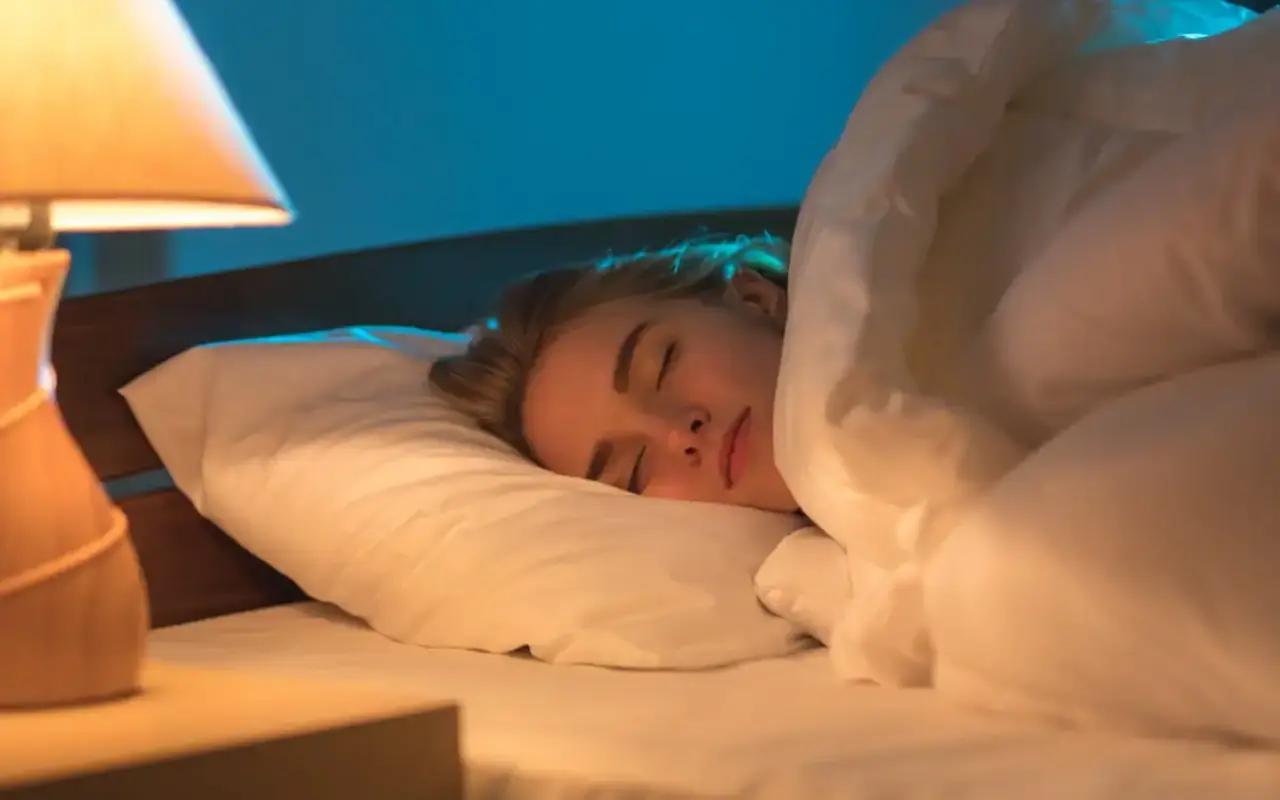
Are you concerned about the impact of LED lights on your sleep? You might wonder, ‘Is it bad to sleep with LED lights on?’ Given the widespread use of LED lights for bedroom, it’s crucial to understand its effects on our sleep. In this post, we’ll explore a new study that examines the safety of sleeping with LED lights.
It’s physically safe to sleep with LED lights on as long as the wires aren’t pinched. However, sleeping with LED lights on can cause sleep disruption because the light wavelengths can suppress melatonin production, increase sleep latency, disrupt REM sleep, and cause overstimulation.
The information continues! We researched extensively and analyzed the data to give expert insights and conclusions. Keep reading to learn more.
Understanding the Effects of Sleeping With Lights On
Introduction to LED Lights:
LED lights are all the rage for modern lighting solutions. A lot of people are switching from regular bulbs to LEDs in their homes, especially in the bedroom. This is because LEDs are energy efficient and look good. But this everyday use in bedrooms brings to light their potential effects on our sleep.
High-Frequency Waves and Sleep Quality:
Excessive use of LED lights can affect sleep quality due to their high-frequency wave. This wave can reduce melatonin, a sleep hormone, and disturb sleep patterns.
Research on Melatonin Production:
Research shows that too much LED light can affect sleep, and melatonin is involved. The U.S. National Institute of Occupational Safety and Health did a study. They found that if you’re exposed to something for a long time, it can hurt your eyes forever. It is important to choose LED lights carefully. Consider color temperature and brightness to minimize negative effects.
Reasoning and Understanding:
The connection between color temperature, brightness, and sleep is more than just theoretical. LED lights can disrupt sleep patterns, according to multiple studies. Blue light from LED bulbs can make it harder to fall asleep or stay asleep. This is because it reduces melatonin production.
Expert Opinions and Warnings:
Sleep experts and eye doctors warn against improper use of LED lights in the bedroom. During sleep, it’s important to use LED lights moderately and be cautious. Avoid bright, cool-colored lights that have more blue wavelengths.
Nuances and Individual Reactions:
It’s important to understand how people react to LED lights while sleeping. Some might feel calm, while others might have trouble sleeping. How sensitive a person is to light, their sleep habits, and the type of LED lights they choose can all affect them. This underscores the importance of personalization in selecting and using bedroom LED lights.
Choosing the Right LED Lights for Better Sleep
Diverse Effects of Different LEDs:
LED lights are not all equal. Different lights affect sleep differently, influenced by color, temperature, brightness, and quality. Certain LEDs emit soothing colors that don’t disrupt melatonin, improving sleep quality.
Guidelines for Selecting LED Lights:
When selecting LED lights for the bedroom, it’s essential to consider several factors. The brightness should be adjustable to suit different times and activities. Choose warm colors for a relaxing atmosphere. The quality of the bulb matters. Higher-quality LEDs emit consistent light and cause fewer disturbances.
Real-Life Success Stories:
Choosing the right LED lights in your bedroom can bring relief and make a big difference. There are many stories about better sleep and shorter time to fall asleep. By combining what you like with what you learn, you can find a good balance between LED lights and your sleep.
Debunking Common Myths About Sleeping with LED Lights

The Clash Between Belief and Science:
What people think about LED lights and sleep doesn’t always match up with science. Misunderstandings, lack of information, or exaggerating facts can lead to misconceptions. Let’s explore common myths and disprove them using evidence-based reasoning.
Myth 1: LED Lights Always Disrupt Sleep
Many people think LED lights always disturb sleep, but it’s more complicated than that. LED lights that emit a lot of blue light may disrupt melatonin production. However, LEDs with warmer colors may not cause the same disruption. Proper selection based on color, temperature, and quality can mitigate potential sleep disruptions.
Myth 2: All LED Lights are Harmful to the Eyes
Another common misconception is that LED lights are universally harmful to the eyes. Bright LEDs can cause discomfort if you’re around them for a long time, but not all LEDs do. Quality, brightness, and duration of exposure play a role. To protect your eyes, follow usage guidelines and use LEDs that minimize blue light.
Quotes from Experts: Is It OK to Sleep With LED Lights On?
Experts in sleep science and optometry have clarified some misconceptions about LED lights. According to sleep experts, the impact of LED lights on sleep can vary based on personal preferences and usage. Expert eye doctors make sure that LED lights are safe for the eyes when chosen and used correctly.
Data and Evidence: The Real Effects
Evidence supports the proper usage of LED lights and refutes some exaggerated claims. LED lights typically do not disturb sleep or damage eyes, but brightness and color can have an impact. Studies from respected organizations, such as the American Academy of Sleep Medicine and the American Optometric Association, support these findings.
Conversational Style: Understanding Made Easy
Understanding the real effects of LED lights can be simple. Engaging explanations and relatable examples can make it clear. For instance, think of the blue light from an LED as a cup of coffee late at night – it might keep you awake. Warm-colored LEDs are like soothing herbal tea. They won’t disrupt your sleep.
Key Insights:
If we understand how LED lights affect sleep, we can use them without harming our well-being. To safely use LED lights and promote good sleep, we must understand that not all LEDs are the same. We should follow expert guidelines for using LEDs. Consumers can make better choices when they know what’s true and what’s not. They can choose what fits them best. It’s about finding the right balance, not avoiding LEDs altogether.
Risks and Health Concerns of Sleeping With LED Lights On
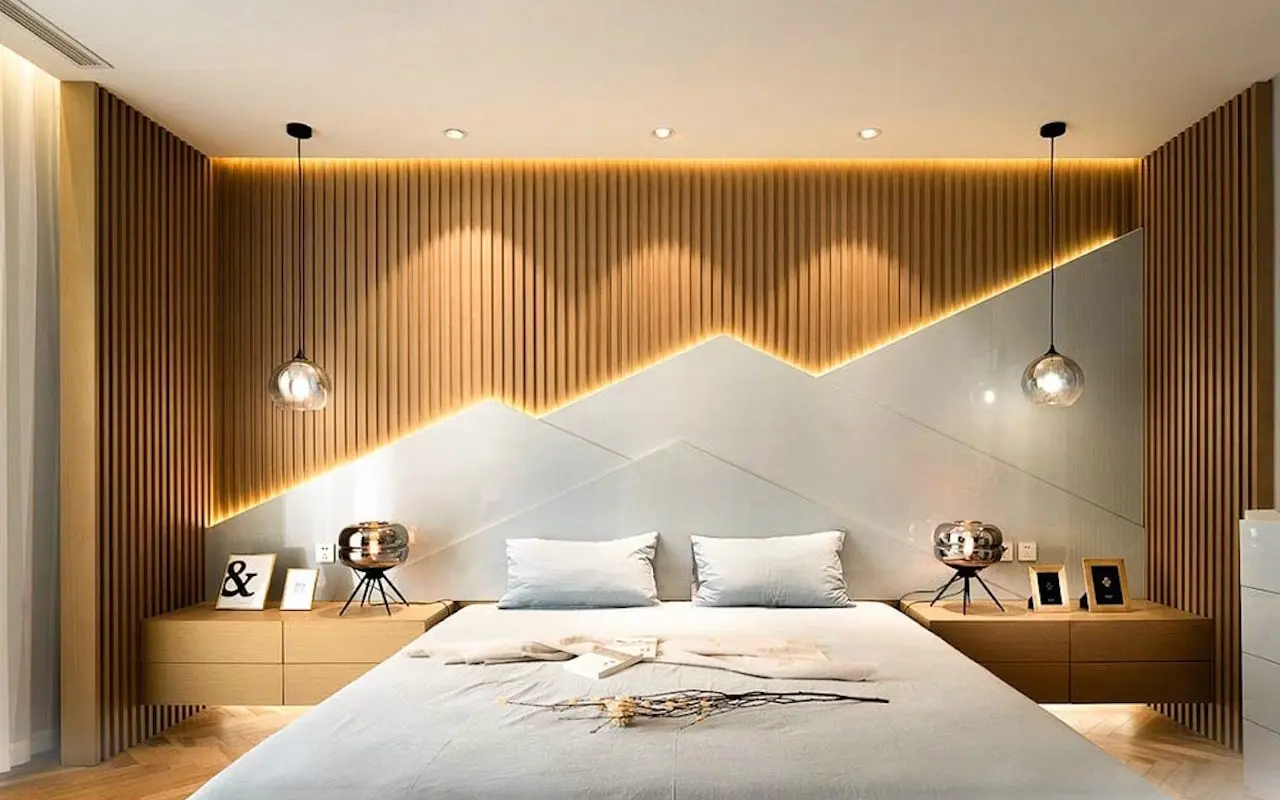
6 Risks of Sleeping With LED Lights On
Sleep Latency: LED Lights May Affect How Quickly You Fall Asleep
LED lights that have a high color temperature can trick the brain into believing it is still daytime. This can mess up the natural sleep cycle. This can delay sleep onset and lead to difficulty falling asleep promptly.
Melatonin Secretion: They May Suppress the Production of Sleep Hormone Melatonin
Studies have shown that bright LED lights, especially blue ones, can reduce melatonin. This important hormone controls sleep. When it’s suppressed, it can cause problems with sleep and insomnia.
REM Sleep: Affecting the Vital Stage of Deep Sleep
Exposure to LED lights can interfere with the REM (Rapid Eye Movement) stage of sleep. This is an important time to restore your mind. Disturbances can affect your memory and thinking.
Metabolic and Cardiovascular Health: Possibly Leading to Long-term Health Problems
Constant exposure to inappropriate LED lighting at night may affect metabolic functions. To fully understand the long-term implications, more research needs to be conducted. Some studies suggest that it is linked to obesity and cardiovascular issues.
Alertness at Night: Causing Overstimulation and Restlessness
LED lights, especially those with blue hues, can cause heightened nighttime alerts. This can be helpful during the day, but it can make it hard to relax and sleep.
Mood Disorders: Including Effects on People with Depression or Anxiety Disorders
LED lights can make mood disorders like depression or anxiety worse if you’re around them for a long time. Properly selecting and using LED lighting is crucial for individuals with these conditions.
Safety Measures and Precautions
LED Strip Lights Safety: Ensuring Proper Installation and Care
LED strip lights are popular for creating ambient lighting. However, if you install them incorrectly, you may encounter electrical issues. Always follow manufacturer guidelines for installation and maintenance to ensure safety.
Power Consumption: Being Mindful of Energy Use
While LED lights are energy-efficient, excessive use can still generate higher electricity bills. Understanding the power consumption of your LED lights helps in managing energy costs.
Fire Hazards: Recognizing and Mitigating Any Potential Fire Risks
Low-quality LED lights or faulty wiring can pose a fire risk. To reduce the risk, pick good products and get help from a professional for installation.
What Color LED Light Is Best For Sleeping?
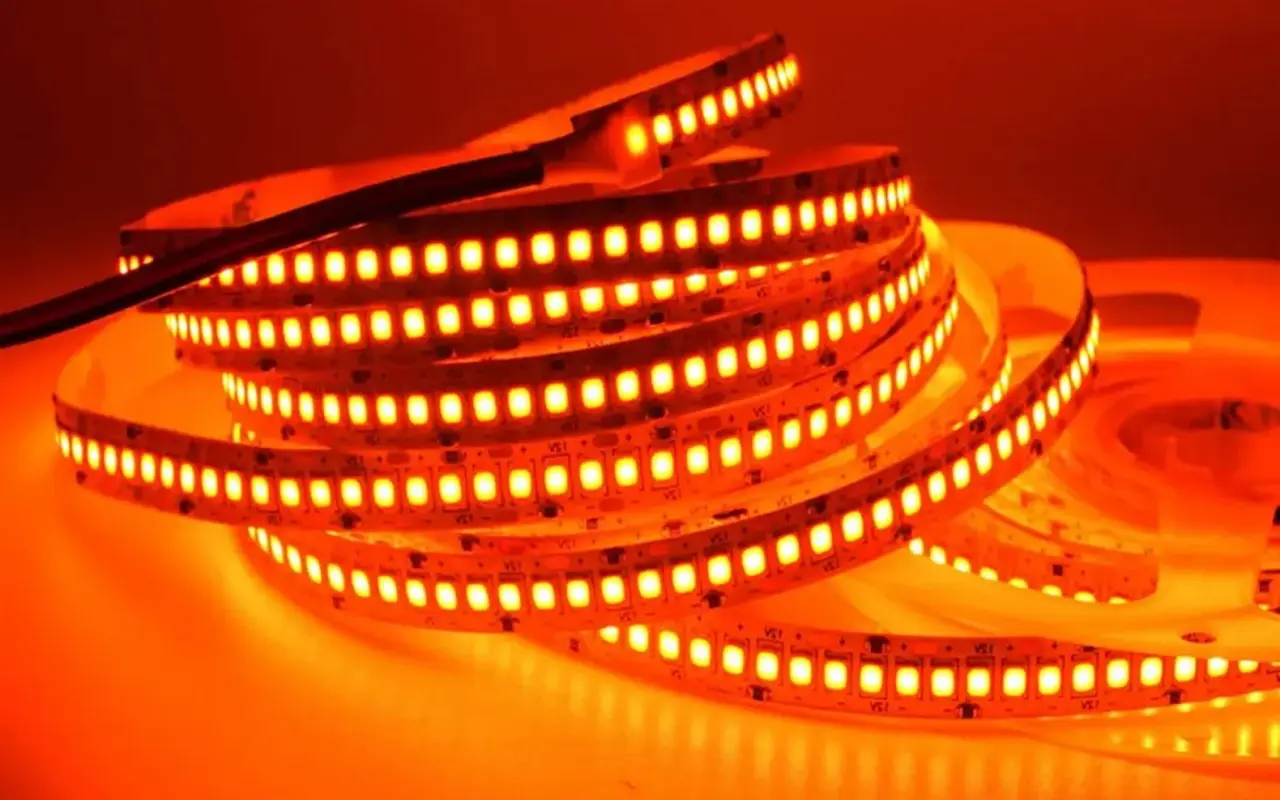
Color Temperature Significantly Influences Sleep Quality
The color temperature of LED lights plays a critical role in sleep quality. Lower color temperatures emit a warm glow that helps you relax. Higher temperatures may stimulate you.
Warm, Cool, Low Color Temperature: Each has Different Effects on Sleep Quality
Warm colors are relaxing and conducive to sleep. Cool colors, especially those emitting blue light, can suppress melatonin and hinder sleep. For bedrooms, it is usually recommended to use lower color temperatures, like 2,700K to 3,000K.
Best and Worst Colors for Sleep: Insights into Which Colors to Embrace or Avoid
Use warm colors like soft white or amber for sleep. Avoid cool whites or blues because they can disrupt sleep patterns. People have different preferences. Trying different colors can help you find the right balance.
Practical Tips for a Restful Night with LED Lights
You can tailor choices in LED lights and their usage for better sleep. To improve sleep quality, choose LED lights that match your needs and preferences.
Choose LED lights that you can change to fit your preferred brightness and color for sleep.
Consider dimmer switches or timers to decrease light as bedtime approaches gradually.
Consult with lighting professionals or refer to reputable sources for bedroom-specific LED products.
The Misconceptions of Health Problems from Sleeping with LED Lights On
Eye, Skin, and Mental Problems: Understanding the Actual Risks
Misunderstandings regarding the health risks of LED lights abound. Properly chosen and used LED lights pose minimal risks to eyes, skin, or mental health. However, inappropriate choices and misuse can lead to problems.
Exposure Issues and Myths: Separating Fact from Fiction
LEDs can have different brightness, color temperature, and quality, causing exposure issues. Proper understanding and selection can dispel many myths.
Conclusion: Can You Sleep With LED Lights On
Sleeping with LED lights on need not be a cause for concern if approached with knowledge and care. To find a balance between comfort and happiness, understand the effects and make wise choices. To safely use LED lights, we must think about what we like and use them responsibly.
Unitop, a top Chinese manufacturer of LED lights, is improving sleep with advanced lighting options. Unitop is dedicated to providing new and high-quality products, using their years of industry knowledge. Don’t hesitate to póngase en contacto con nosotros for any further questions or customized requirements. Experience improved sleep with Unitop’s LED solutions that combine quality and innovation.
Artículo relacionado:

Tom es ahora el Director de Ventas de Unitop (China) S.L.. Ha estado en el Iluminación LED industria desde 2005. Es experto en ventas y marketing, y en gestión de fábricas. Le gusta el culturismo, ¡y también es un fan loco de Apple! Es un tipo muy trabajador y le encanta aprender y probar cosas nuevas.
Correo electrónico: tom@unitopledstrip.com WhatsApp: +86-18680307140




Dejar un comentario
¿Quieres unirte a la conversación?Siéntete libre de contribuir!