
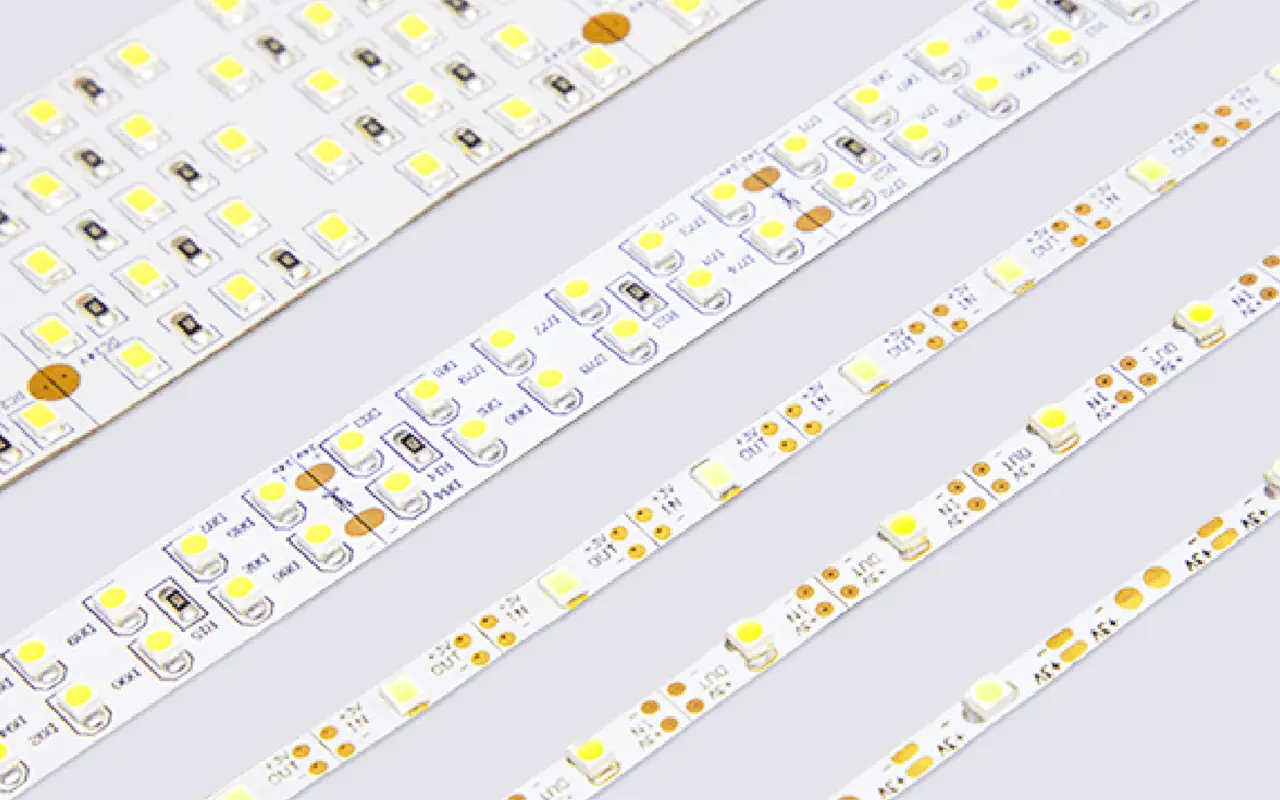
Amidst the frustration of a lighting project, what width of strip LEDs are available? In such matters concerning desired ambiance and functionality, the width of the strips makes all the difference in the selection of LED strips. With so many widths available, understanding your options can make quite the difference between a shining project and one that falls flat.
A proper selection of width is more than just an aesthetic issue. Still, it is also highly influential in brightness, energy efficiency, and installation flexibility. Users need to be more aware of the importance of this specification in developing typical mistakes in lighting design. By understanding the subtlety of the different LED strip widths, you can optimize your solution for your practical and aesthetic needs.
Below are some of the different widths and applications of LED strips, how to choose what you want for your projects, and more. Whether it be a home renovation, a commercial installation, or an outdoor lighting scheme, knowing these things will empower you to make an informed decision. So, let’s get started in this world of LED strip widths and illuminate your options!
Common LED Strip Widths Explained
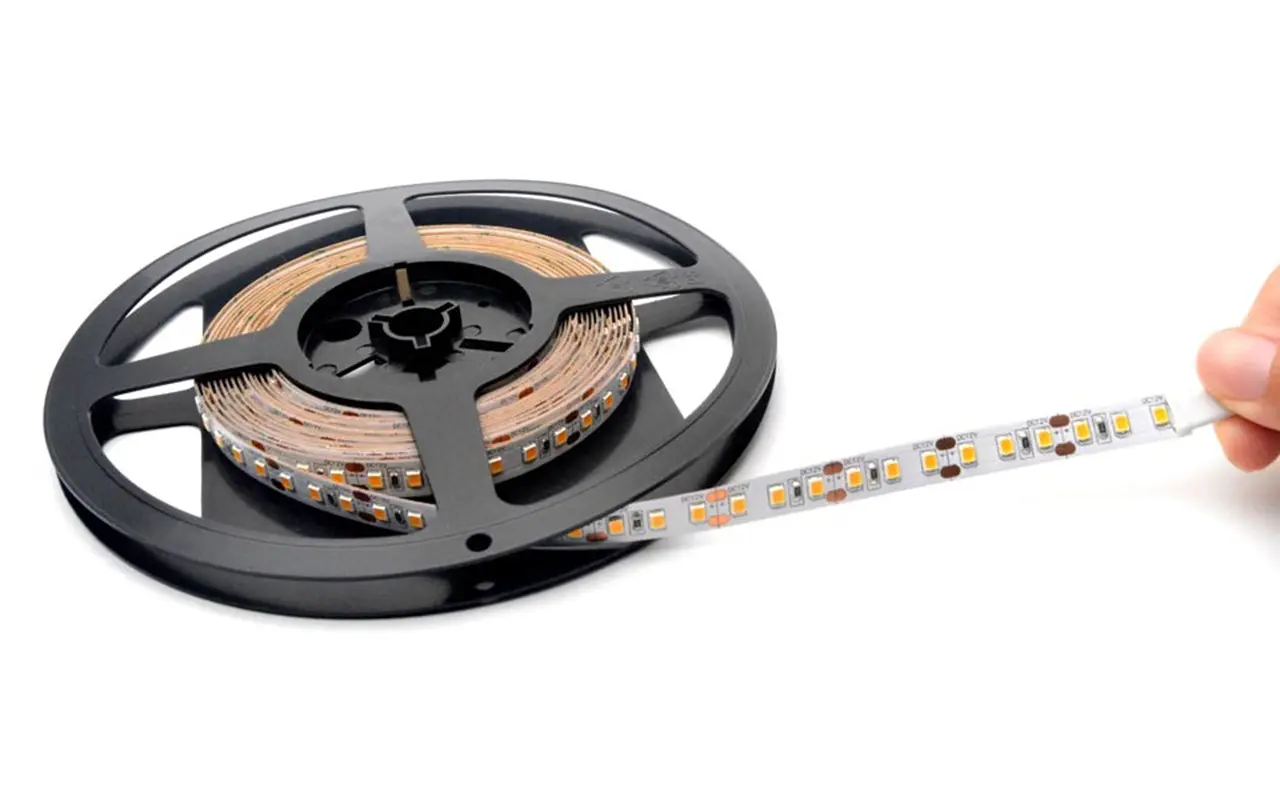
The 8mm LED Strip-Slim Profile for Places Where Space Is Scarce
The 8mm width of an LED strip fits in narrow, inconspicuous areas perfectly according to the emerging needs in under-cabinet or furniture lighting. Such a small width would meet the purpose of subtle lighting without intruding into the available space. Such a width of an application can get very creative and squeeze inside cabinets or along staircases where there is little room for illumination. The low visibility of a strip enhances the lighting effect without removing the overall decor. It has remained a favorite among designers, where a seamless look is needed.
10mm LED Strip: Versatility and Popularity Combined
The 10mm width combines brightness with flexibility and has become popular for several projects. In addition, the width is used in residential and commercial applications, providing an all-around solution to different lighting needs. Be it accent lighting within the home or functional lighting in retail stores; the 10mm strip adapts effortlessly to the environment of use. This versatility also extends to color options, with many on offer having RGB and tunable white variants that let users customize the lighting of their choice.
The 12mm LED Strip: Brightness and Optimal Visibility
The 12mm width increases its visibility and brightness, making it suitable for applications needing higher amounts of light. In general, it will be applied in locations that regard quality and quantity of light as valuable, such as presentation and publicity use in shop window displays and light boxes. This width allows for a higher LED density, brightness, and uniform light distribution. The strips of 12mm can serve effectively in architectural lighting, where the integration of aesthetic appeal with functionality is important in bringing out the highlights and creating points of interest.
Wider Strips-15mm and above-perfect for larger areas.
Wider strips are normally meant for expansive spaces, usually 15mm and above. They come big in brightness, and their purpose is for larger applications to realize the intended effect in the best way possible, such as event venues or large commercial installations. The increased width allows more LEDs and helps better dissipate the heat, a factor important in preventing overheating during extended use. Hence, they become good enough for professional setups where consistency in performance and reliability is considered paramount.
Factors Affecting Your Choice of Width
Project Specifications and Requirements
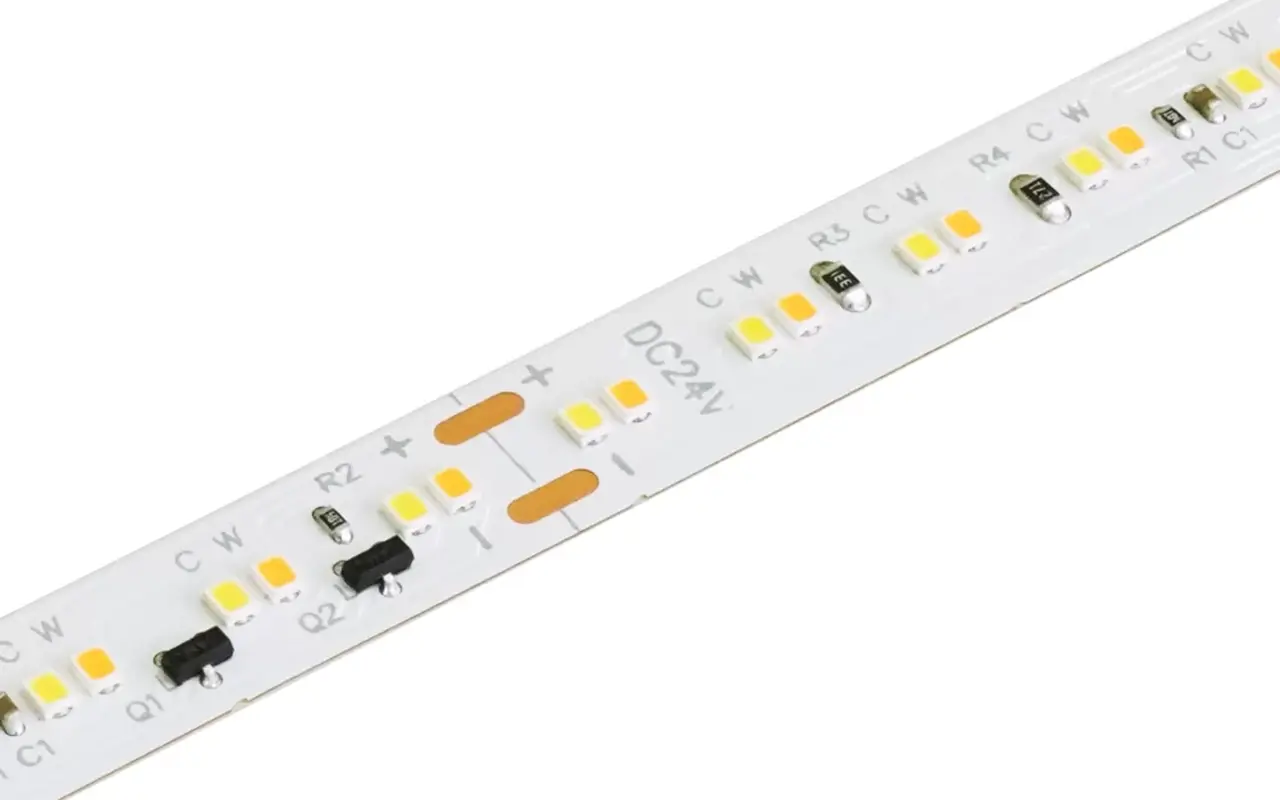
Carefully choose the width before selecting your LED strip. The most important aspects to consider will be whether it’s ambient lighting, task lighting, or decorative effect, plus the brightness level needed, which is sometimes expressed in lumens. Understand the environment; areas with ceilings that are too high may require wider strips to ensure proper illumination. Moreover, the LED strips should be compatible with lighting systems and electrical specifications to ensure smooth integration. Careful consideration will assure you that the chosen width enhances both the functional and decorative elements in your design for the maximum overall performance of your lighting solution.
Space Limitations: How to Measure for the Right Fit
Accurate measurement of the available space is important in selecting the correct strip width. First, one determines where the strip will be installed: under cabinets, along walls, or around architectural features. Capture exact dimensions using measuring tapes or calipers, paying proper attention to any anomaly in the space that may affect installation. Wherever possible, account for installation methods that could take up additional space, such as mounting clips or adhesive backing. Check for any obstructions, like furniture or moldings, that may interfere with the placement of LED strips. The width should come out per the available space to avoid complications at the fitting time, giving a polished finish.
Aesthetic Considerations: Complementing Your Design Style
The width of the LED strip must be distinct from but support your overall design philosophy and, hence, the coherent visual narrative. Consider how the selected width functions about the decoration elements already at work, for instance. A thin strip of 8mm fits into a modern minimalist environment, adding subdued class without fussiness. A more substantial strip would become a focal point in a traditional or eclectic design, drawing the eye and ramping up the visual impact. Color temperature is another aesthetic consideration: the warmer the temperature, the cozier the atmosphere, but cooler temperatures tend to be modern. LED strip widths and styles can be planned thoughtfully in your design to make the lighting functional and integral to the room’s ambiance.
Performance Characteristics of Different Widths
LED Density: How It Relates to Width
Another important factor in LED strips, directly connected to the width, is the density of LEDs. Wider strips can hold more LEDs, meaning the light will be brighter and even throughout the strip’s length. This is important in applications that call for consistent lighting, such as photography studios, display cases, or art galleries, where an uneven light distribution might distort color and detail. The decision on the density of the LEDs also has to consider energy consumption, for even though strips of higher densities may need more wattage, they provide even better performances in terms of light. A strip choice should, therefore, be guided by a specific need for one’s project to strike some balance between brightness and practical use of energy.
Width’s Impact on Brightness and Efficiency
Wider strips are usually brighter because of the increased LED density, hence their ability to produce more light in wider areas. While this is often a desired outcome, brightness has to be balanced with energy efficiency. The higher the lumen output, the better the visibility, although at significantly higher energy consumption if not managed properly. The selection of energy-efficient options, such as those manufactured by advanced LED technologies, provides all the brightness at minimal power costs. The performance will be further enhanced by introducing dimmable strips or smart lighting controls that can tune lighting for the time of day or specific needs, making the lighting solutions bright yet efficient.
Width Factor: Heat Management
Width starts to become important when considering heat management. A wider strip naturally has a greater surface area and can dissipate heat more effectively. This is crucial in installations that run for extended periods, as high heat might result in poor performance and shorten the life span of an LED. Good heat management greatly diminishes the possibility of overheating, which may lead to color shifts, reduced brightness, or even strip failure. For applications requiring continuous operation, such as commercial use or outdoor displays, wider strips are available to give one peace of mind in knowing they would better withstand the demands put upon them without hindrance to performance or safety.
Applications for Various Widths
Best Uses for 8mm LED Strip in Home Decor
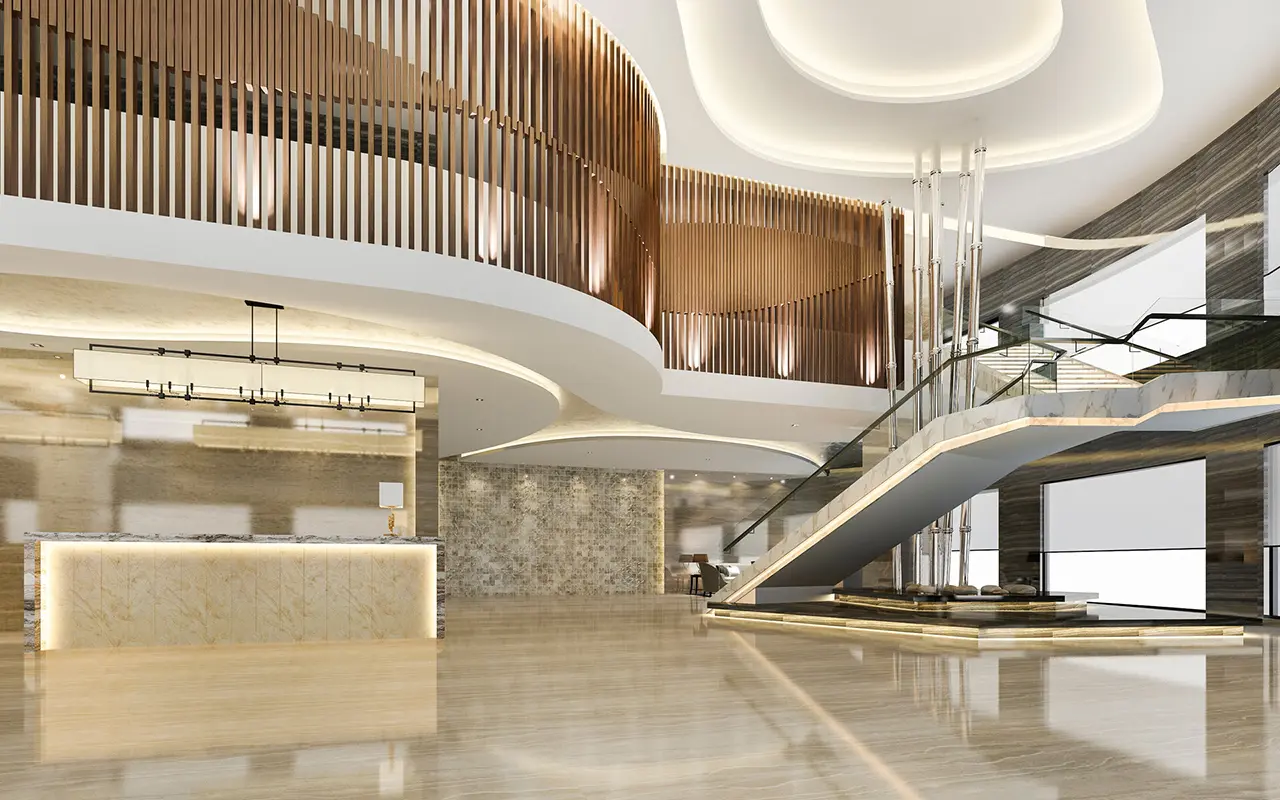
The 8mm LED strip is great for accent lighting in such places as on shelves and under furniture, adding ambiance to a room without overwhelming it. Perfectly carved out for soft highlights around mirrors and pieces of artwork, they create an inviting atmosphere.
Applications of 10mm Strips in Commercial Spaces
10mm strips have a wide range of commercial applications in display cases, signage, and general illumination. Their size is balanced to be adaptable in various settings; businesses can create captivating displays that attract customers yet provide adequate lighting.
Using 12mm Strips for Outdoor Lighting Solutions
12mm strips work fantastic outdoors, offering good brightness for garden patios, decks, and pathways. Their visibility makes them safe, therefore acting to add some aesthetic appeal to the outdoors. Many 12mm options are weatherproof, meaning they can be quite resilient for outdoor use.
When to Use Wider LED Strips for Maximum Impact
Wider strips are suitable for event spaces and retail environments in which maximum effect is imperative. The brightness level is good enough to create a dramatic effect that forms the center of attraction. For instance, wide strips can outline areas, guide customers, and set up a pulsating atmosphere in a nightclub or huge retail outlet.
Measurement Techniques for LED Strip Widths
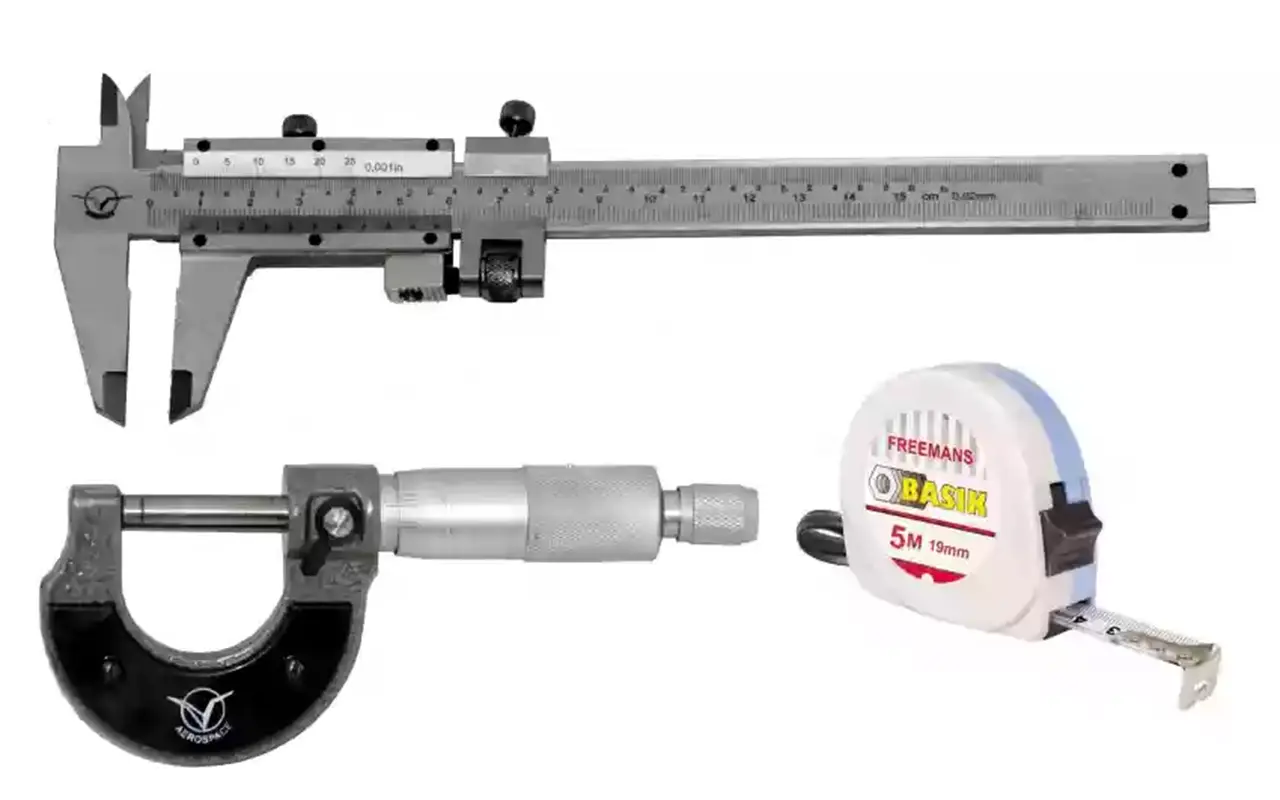
Tools for Accurate Measurement
Measuring tools are used to get the specific width measurements of LED strips to provide an accurate reading. Calipers, measuring tapes, and rulers will give you the accuracy you need to fit perfectly during the installation of the lights. For instance, digital calipers provide better precision and ease of handling as you can measure both width and depth easily. A measuring tape can be very effective for larger installations where flexibility and reach become important. Additionally, it helps to use a straightedge or level to contextualize the installation space further, ensuring that all pertinent measurements are accounted for. Taking the time to measure properly saves one from any complications during the project, such as misalignment or insufficient coverage.
Step-by-Step Guide on Measuring LED Strip Width
1. Prepare Tools: Take a ruler, caliper, or measuring tape for measurement. Ensure your tools are in good condition and give clear readings.
2. Mark Installation Area: Decide where the strip will be fixed. Whether under the cabinets, along walls, or around furniture, it’s good to have a mental image of the final look.
3. Width measurement: Very carefully measure the space available for the strip. First, mark the boundaries where the strip shall sit. Measure across, from edge to edge, noting any variations in width that might be important for the installation.
4. Compatibility Check: Ensure the width will work for the project. Remember what strip LED has been chosen and whether its dimensions will fit the space in which it is placed. Take the measurements against sample strips to better understand their look and feel after installation.
Common Measurement Mistakes to Avoid
Avoid some very common mistakes that lead to measuring inaccuracies. One common mistake is one-time measurement; always make several measurements on various points for reliability. Besides, pay great attention to the installation details that may show surface irregularities or other obstacles to fit the strip properly. For example, if there are moldings or hilly walls in the place where you want to install it, consider these while measuring. Another mistake people tend to make is not considering the mounting method’s width; using adhesive backing or mounting clips can affect the effect of the strip’s available space. Taking the time to double-check your measurements and considering all variables can result in a much smoother installation process that will get your LED strips up and operating optimally, enhancing your space as desired.
Frequently Asked Questions About LED Strip Widths
Q: What is the width at which LED strips are available?
A: The 8mm to 12mm strip is standard in various widths. Wider versions, such as 15mm and over, are available for those applications that require them, providing choices for various lighting applications.
Q: What thinnest LED strip can be bought?
A: Yes, the thinnest available in the market can be as low as 4mm in width. Such ultra-slim designs come in handy in installations where one requires minimum visibility.
Q: Can the width of LED strips be determined according to my customs?
A: Most manufacturers make custom-made LED strips; hence, you can decide how wide you want them. Therefore, you will perfectly fit your project with the right size.
Q: What is the best possible use of an 8mm LED strip?
A: The 8mm LED strips are well-suited for under-cabinet lighting in a kitchen and shelving accent lights or as a subtle highlight on furniture because their thin size easily conceals them from view in any setting.
Q: Is strip width a factor in brightness?
A: Wider strips have more LEDs per meter. This adds to brightness and helps in the uniform dispersal of light. Your choice of width will lead to an increase in the overall brightness of a space.
Q: Are wider LED strip lights better at dissipating heat?
A: Yes, wider strips can dissipate heat better, preventing overheating. This attribute augments the performance while increasing the life span of LED lighting.
Q: Can I mix different widths of LED strips in one project?
A: Absolutely! Mixing different widths adds innovative ways to design and play with dynamic lighting expressions. Just ensure that the brightness levels complement each other.
Q: What is the most commonly used width for LED strips?
A: The most used width is 10mm, which is the most versatile. The uses of this width vary from home decoration to commercial use.
Q: How do I measure the right width of LED strips?
A: When measuring LED strips, the available space is to be measured using a ruler or caliper to determine where the strip is supposed to fit. It should not have any obstruction, and the width of such a strip must fit comfortably.
Q: What should I look for when buying LED strips?
A: While purchasing LED strips, there are a few deciding factors on which one should pay adequate attention: width of the strip, type of LED, brightness, and efficiency. This will give you an exact selection for your lighting project.
Conclusión
A deeper understanding of the widths available for LED strips is essential in their successful application to lighting design. Each width serves different functions, from subtle accent lighting to powerful illumination in voluminous areas. Avail yourself of the possibilities LED strip lighting has in store for creating novel and engaging environments. The right width can make any space sensational for residential or commercial purposes.
In every project, aesthetic or functional requirements depend on the right choice of the width of the LED strip: from compact 8mm to more spacious widths, there is a solution that will fit every requirement. Unitop is proud to stand as one of China’s leading Tira de luz LED y Flexo de neón LED manufacturers, the epitome of innovation and quality in the lighting field. Do not hesitate to póngase en contacto con nosotros for further information or if you have special requirements. We would be pleased to work with you and bring your projects to light using the best LED technology and know-how.

Tom es ahora el Director de Ventas de Unitop (China) S.L.. Ha estado en el Iluminación LED industria desde 2005. Es experto en ventas y marketing, y en gestión de fábricas. Le gusta el culturismo, ¡y también es un fan loco de Apple! Es un tipo muy trabajador y le encanta aprender y probar cosas nuevas.
Correo electrónico: tom@unitopledstrip.com WhatsApp: +86-18680307140




Dejar un comentario
¿Quieres unirte a la conversación?Siéntete libre de contribuir!