
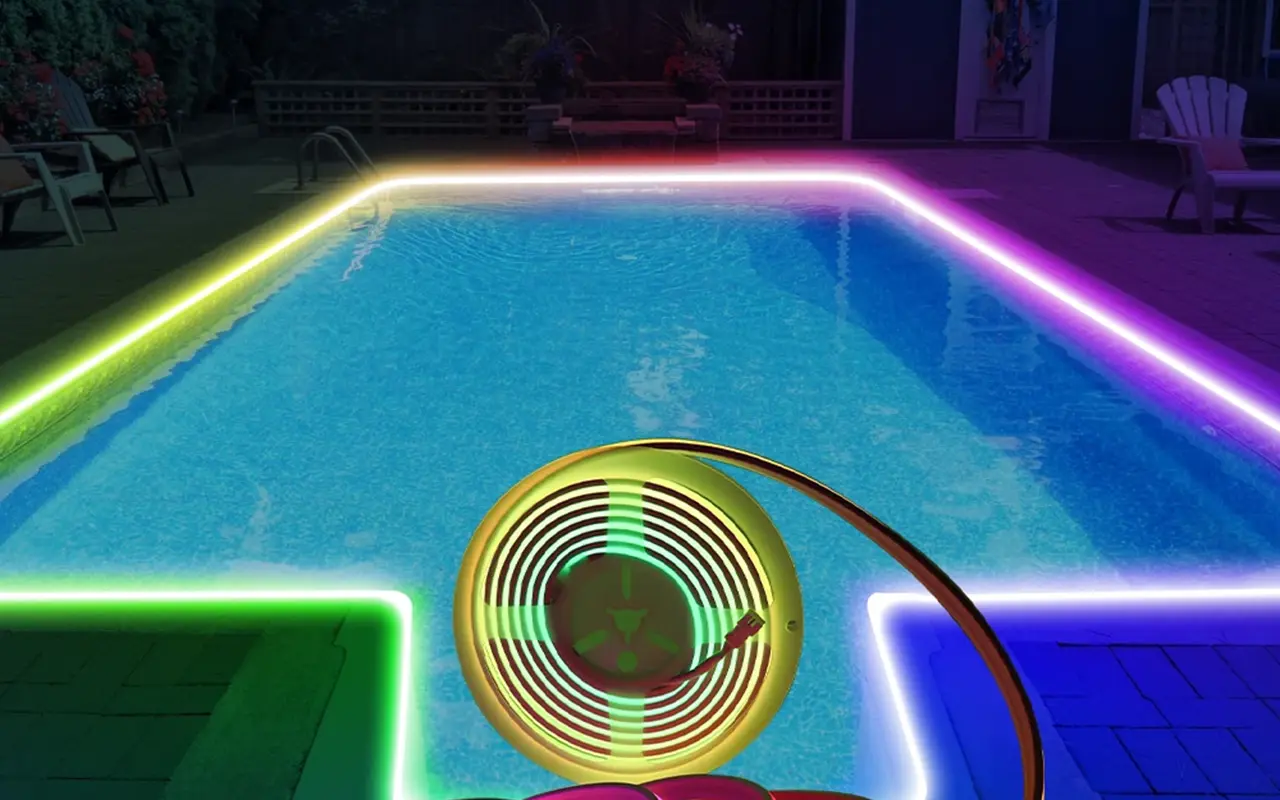
In the vibrant spectrum of LED lighting, the path to selecting the ideal LED strip can often seem obscured by an array of IP ratings and a flurry of technical terms. However, the key to navigating this landscape lies in a clear understanding of how functionality, environment, and the protective assurances offered by each IP rating converge to safeguard your LED lighting projects. It’s about striking a balance, ensuring that the chosen lighting not only meets aesthetic requirements but also withstands the specific conditions of its intended setting.
At the helm of this exploratory journey is Tom, a seasoned navigator of the LED industry’s ever-changing terrain. Since 2005, Tom has been at the forefront of lighting innovation, casting a glow on countless projects with his expertise in LED technology. His profound insights into the mechanics and applications of LED strips have set a high standard in the field, earning him recognition as a beacon of quality and innovation.
This comprehensive guide demystifies the world of IP ratings for LED strips, ranging from IP20 to IP68. It presents a rich repository of knowledge designed to shed light on the distinct levels of protection against the elements offered by each rating. By dissecting the specifics of how these ratings guard against dust and moisture, the blog ensures that your lighting project remains luminous and resilient, no matter the weather conditions.
Are you prepared to enlighten your understanding of LED strip lighting and navigate the intricacies of IP ratings? With the guidance of Tom’s seasoned expertise, we’re about to embark on an illuminating journey into the heart of IP-rated LED lighting. Let’s dive into this adventure without further ado and discover how to make informed choices that will make your lighting projects shine with unmatched brilliance. Let’s get started right away!
Decoding IP Ratings: Understanding Protection Levels
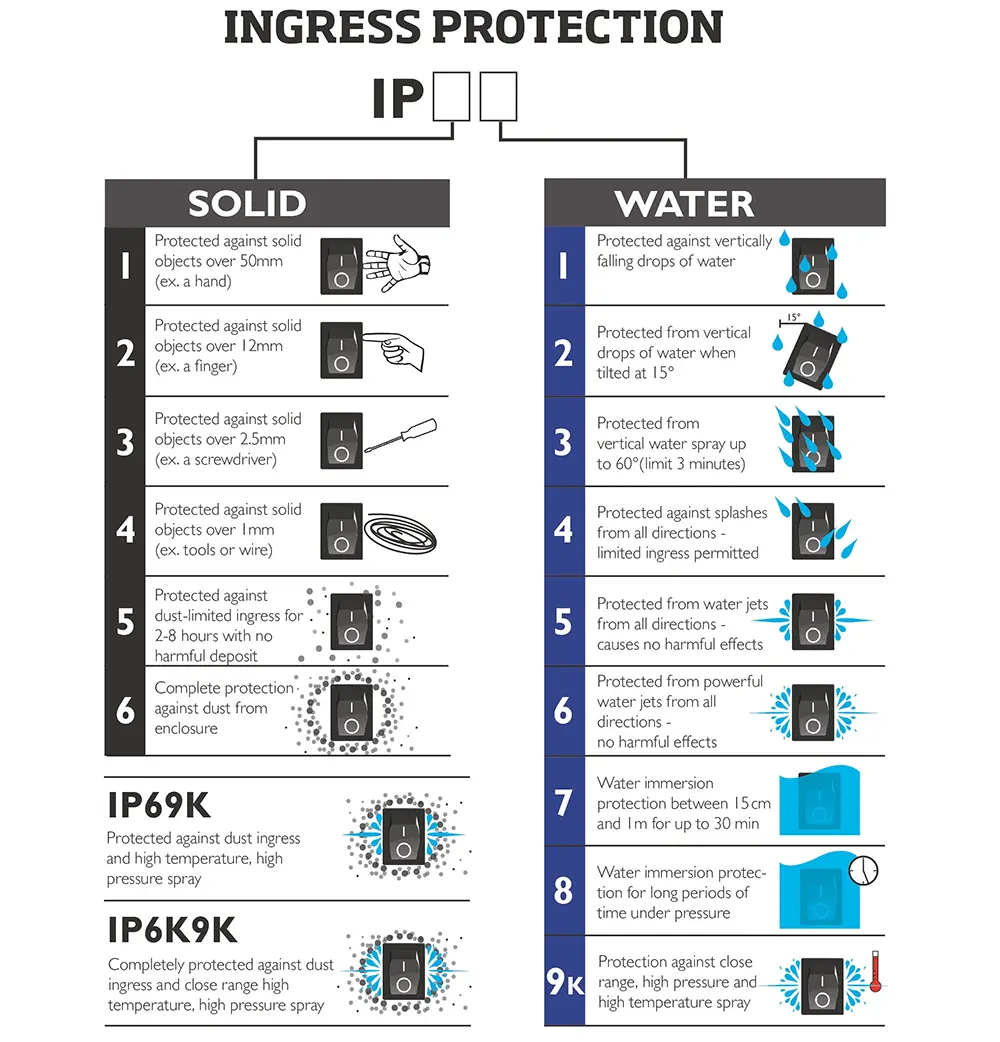
In the ever-evolving landscape of LED lighting, navigating the specifics of IP (Ingress Protection) ratings becomes paramount for anyone embarking on a lighting project. These ratings serve as a compass, guiding users through the selection process by providing critical information about how well an LED strip is shielded against environmental factors like dust and water. The crux of understanding these ratings lies in their ability to offer a glimpse into the level of protection each LED strip possesses, ensuring that your choice is in perfect harmony with the demands of your project’s environment.
What Do IP Ratings Mean? An Easy Explanation
Diving into the heart of the IP rating system, we encounter a straightforward yet insightful two-digit code beginning with “IP.” This acronym stands for Ingress Protection, acting as a badge of durability and functionality for LED strips. It’s a testament to their designed resilience against both solid objects and liquids. The first digit in this code varies from 0 to 6, signaling the degree of protection from solid intrusions — ranging from larger objects to microscopic dust particles. A “6” in this position indicates that the LED strip is dust-tight, fully safeguarding it from any particulate ingress.
Transitioning to the second digit, which fluctuates between 0 and 8, we get a clear picture of the strip’s moisture resistance. It stretches from having no water resistance at all to being capable of withstanding prolonged submersion under water. An “8” in this slot is particularly noteworthy, denoting the LED strip’s ability to remain submerged indefinitely, making it an ideal candidate for permanent outdoor or underwater lighting solutions.
Armed with the knowledge of what each number represents within the IP rating system, you’re better equipped to navigate the array of options available. This understanding enables a more tailored approach to selecting LED strips, ensuring that your choice not only adds aesthetic value to your space but also stands up to the environmental challenges it may face. Whether you’re lighting up a cozy, moisture-free indoor area or braving the great outdoors, understanding the intricacies of IP ratings is key to securing a lighting solution that perfectly aligns with your project’s needs.
Detailed Comparison: IP20, IP65, IP67, and IP68 LED Strips
Selecting the perfect LED strip lighting for your project requires a nuanced understanding of IP ratings, each denoting a specific level of protection against environmental elements like dust and moisture. This understanding is crucial, as it not only affects the durability and functionality of the LED strips but also determines their suitability for various applications. Let’s explore the distinct features, advantages, disadvantages, and ideal use cases for IP20, IP65, IP67, and IP68-rated LED strips, providing a clearer picture for your next project.
IP20 LED Strips: Perfect for Dry Indoor Environments
Characteristics and Suitable Applications
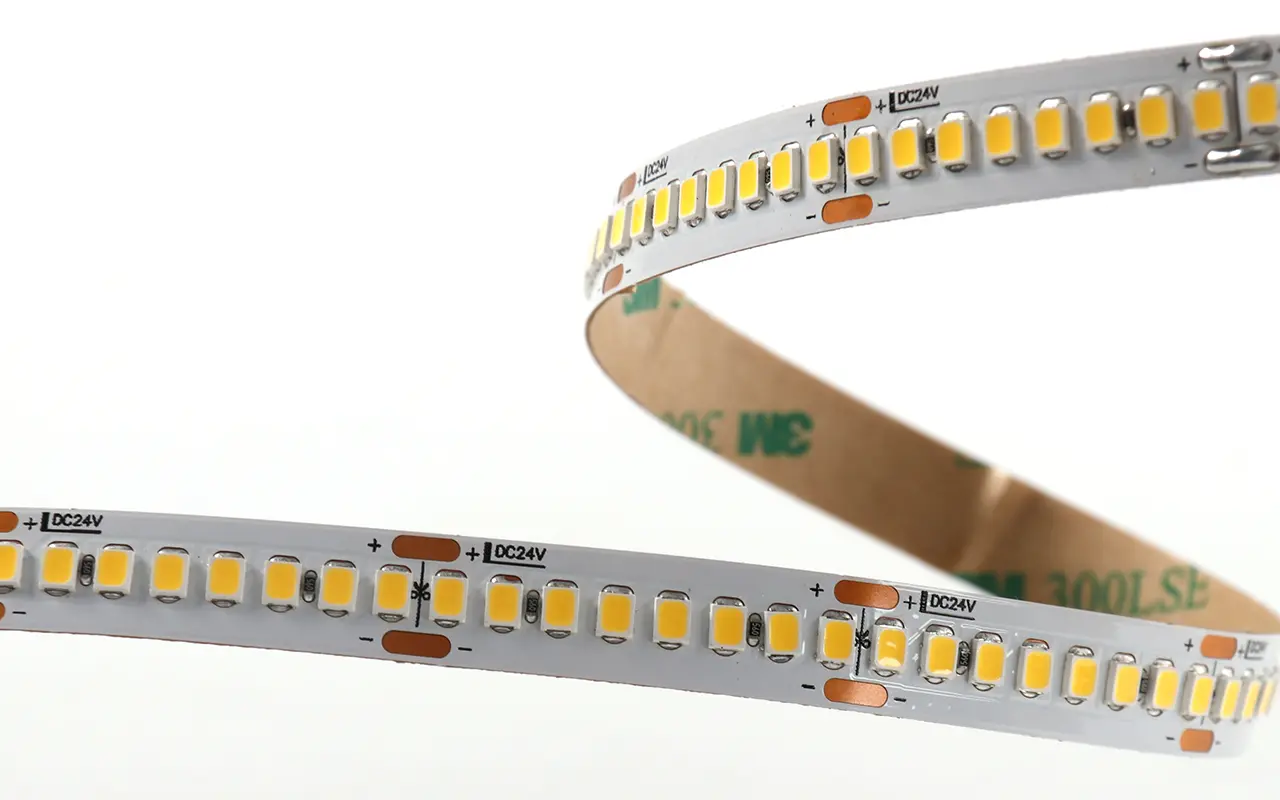
IP20 LED strips are synonymous with simplicity and efficiency in environments where moisture is a non-issue. These strips shine in their unadulterated luminosity, which is ideal for interior applications where ambiance is paramount. The lack of moisture protection, far from being a drawback, allows these strips to offer brighter and more direct light output, enhancing indoor spaces with minimal effort.
Feature Comparison:
IP20 strips are distinguished by their total absence of water protection, making them significantly easier to install and ideal for indoor use. Their versatility shines through in applications such as under-cabinet kitchen lighting, accent lighting in living rooms, or backlighting for televisions and monitors.
Advantages and Disadvantages Analysis:
The main advantage of IP20 LED strips lies in their uncomplicated design and ease of installation, inviting creativity without the need for specialized tools—however, their inability to withstand moisture limits their use in environments where water exposure is unlikely.
Usage Scenario or Application Field:
Ideal for enhancing home interiors, IP20 LED strips excel in adding warmth and depth to spaces, highlighting architectural features, or providing task lighting without the complexity of waterproofing considerations.
IP65 LED Strips: Versatile and Water-Resistant
Characteristics and Suitable Applications:
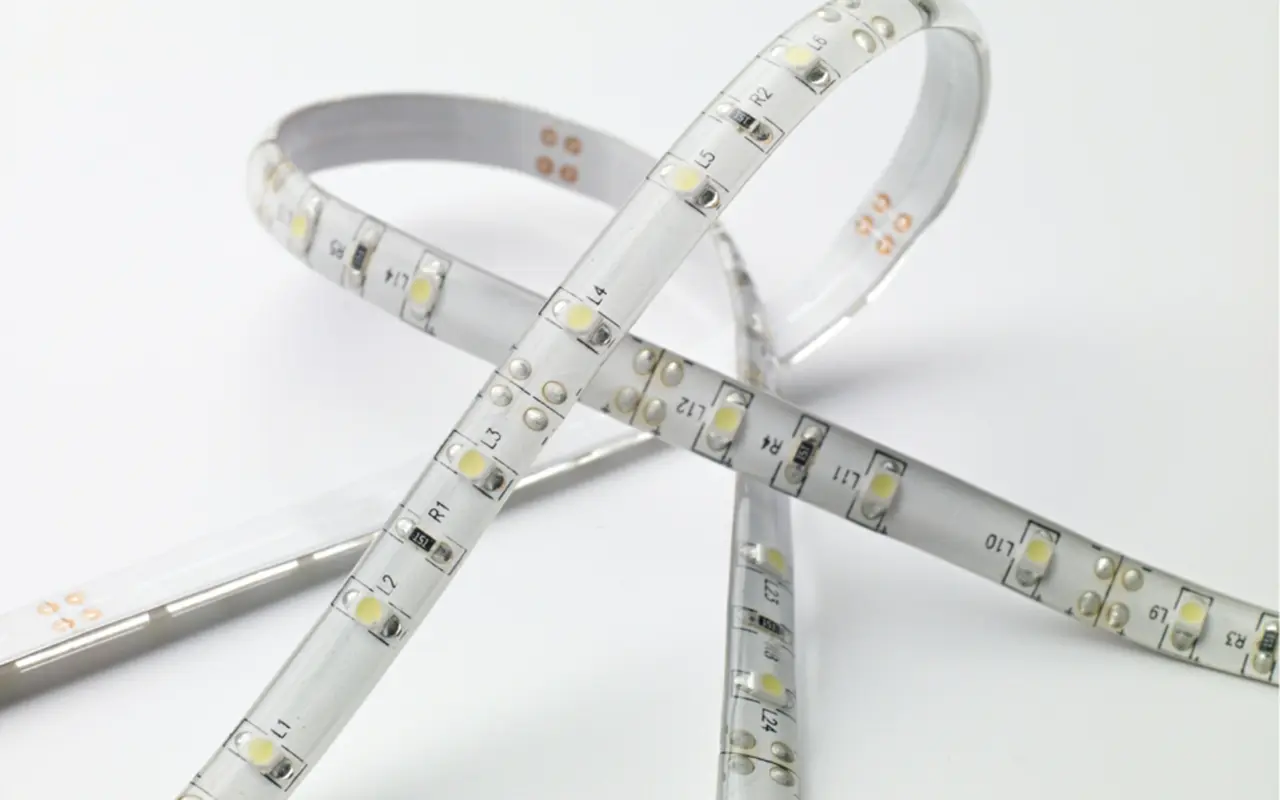
By marking a step up in protection, IP65-rated LED strips offer a resilient solution for areas prone to dampness. With encased in a silicone coating, these strips fend off low-pressure water jets from any direction, broadening their applicability to outdoor spaces and moist indoor areas like bathrooms and kitchens.
Feature Comparison:
The silicone coating of IP65 strips not only provides water resistance but also maintains flexibility, enabling creative installations in environments where exposure to water is periodic.
Advantages and Disadvantages Analysis:
IP65 strips balance water resistance with installation flexibility, making them suitable for a wide range of settings. The primary disadvantage is the need for careful sealing at cut points to maintain water resistance.
Usage Scenario or Application Field:
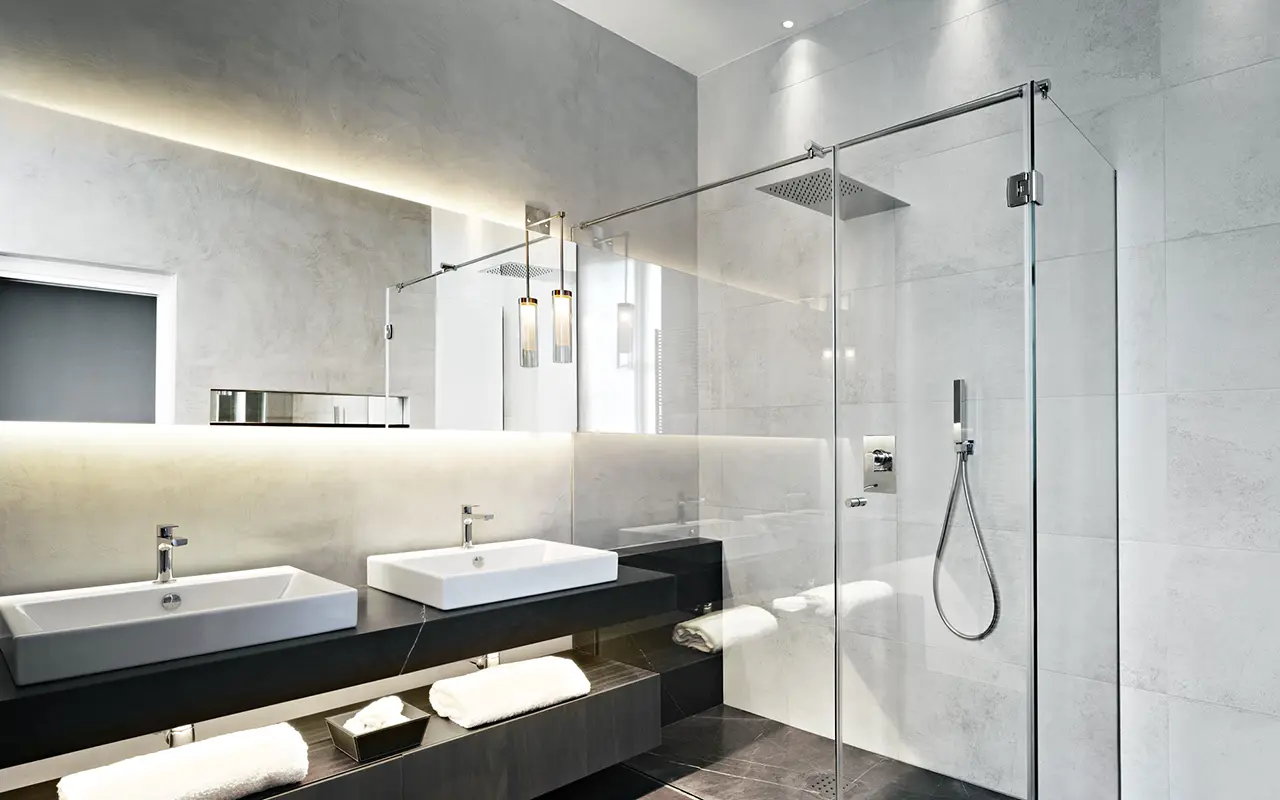
From garden lighting to bathroom ambiance, IP65 LED strips adapt to both outdoor and indoor settings where occasional splashing or humidity is a factor without compromising on light quality or installation versatility.
IP67 LED Strips: Fully Waterproof for Short-Term Immersion
Characteristics and Suitable Applications:
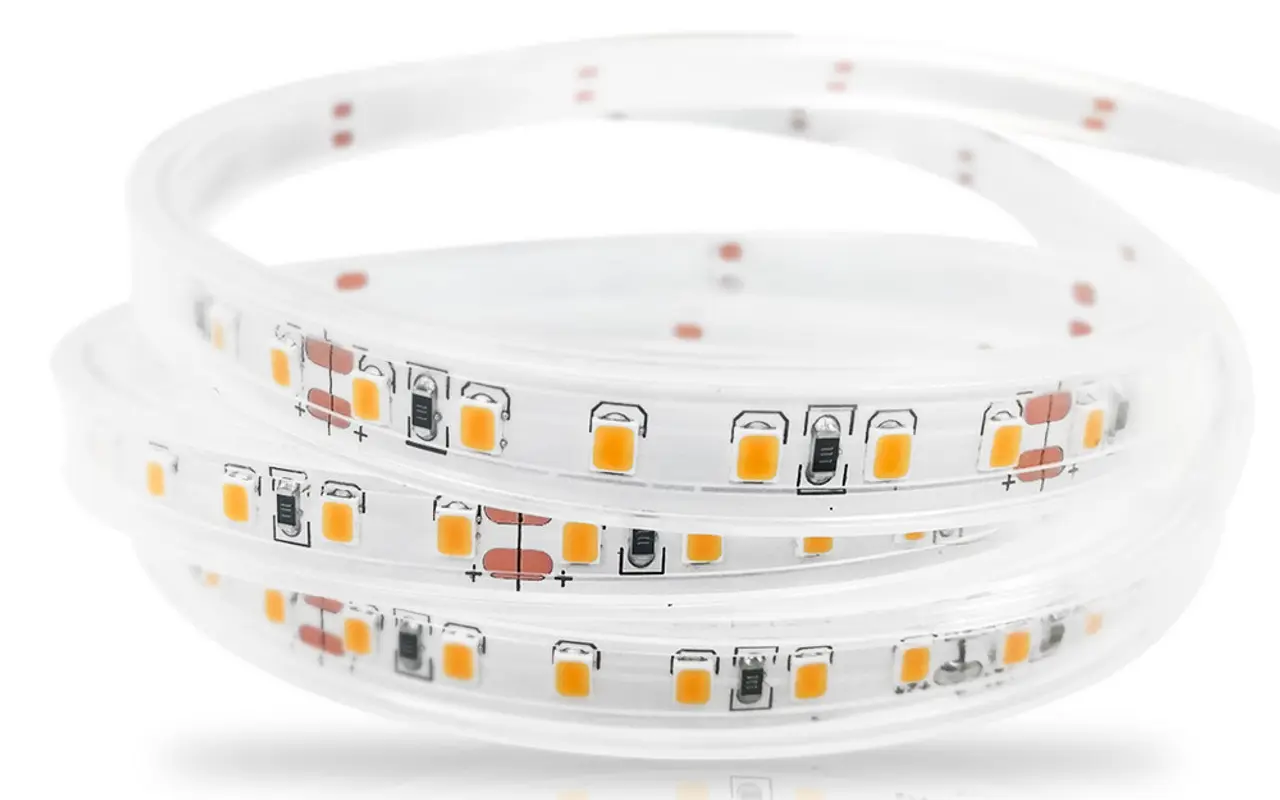
IP67-rated strips elevate lighting solutions to include full waterproof capabilities that are suitable for temporary immersion. This makes them adept for use in outdoor landscapes, pool areas, and other settings where short-term submersion or high moisture levels are anticipated.
Feature Comparison:
Distinguished by their comprehensive sealing, IP67 strips can withstand temporary immersion, a feature that sets them apart from lower IP ratings and expands their use in more demanding environments.
Advantages and Disadvantages Analysis:
The robust construction of IP67 LED strips offers peace of mind in moisture-rich environments. However, their sealing can limit flexibility and necessitate additional considerations during installation.
Usage Scenario or Application Field:
IP67 strips are the go-to for outdoor and bathroom lighting where the likelihood of temporary water immersion exists, offering reliable and durable illumination even in challenging conditions.
IP68 LED Strips: Superior Protection for Continuous Submersion
Characteristics and Suitable Applications:
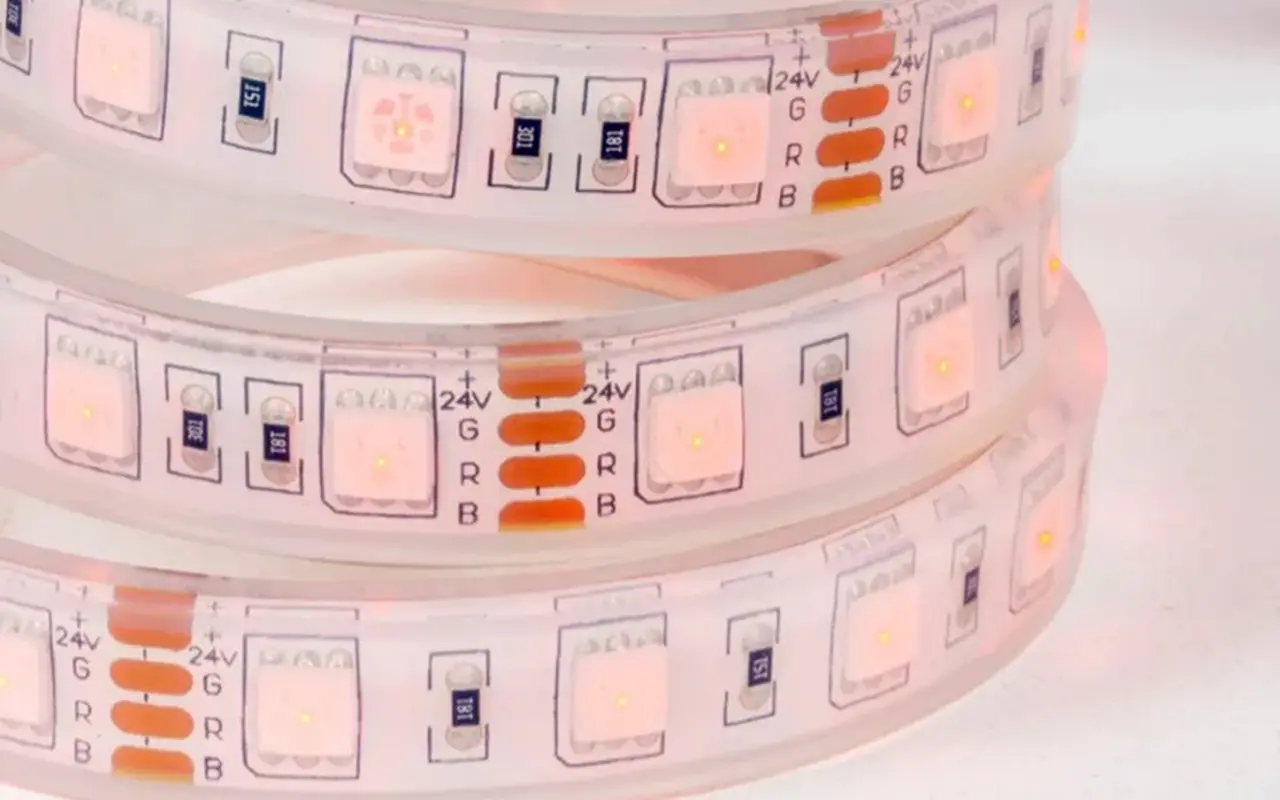
At the zenith of protection, IP68-rated LED strips are meticulously engineered to withstand continuous submersion, making them unparalleled for underwater applications in ponds, pools, and fountains.
Feature Comparison:
Fully encapsulated in high-grade silicone, IP68 strips can be submerged indefinitely, surpassing the capabilities of all other IP ratings for water and dust protection.
Advantages and Disadvantages Analysis:
Their unmatched durability and protection against continuous submersion make IP68 strips ideal for the most demanding applications. The main drawback is the potential for increased installation complexity due to their encapsulation.
Usage Scenario or Application Field:
IP68 LED strips excel in permanent outdoor or underwater settings, where their ability to endure the rigors of submersion without compromise is essential, offering vibrant, reliable lighting beneath the surface.
Each IP rating serves a specific purpose, tailored to various environmental conditions and installation needs. From the basic dust protection of IP20 LED strips to the advanced water-resistant capabilities of IP68 options, understanding these ratings ensures that your lighting project achieves both aesthetic and functional excellence, regardless of the setting.
Selecting the Right IP Rating for Your LED Project
Choosing the ideal IP rating for your LED lighting project is a nuanced process that extends beyond simple number matching. It’s about deeply understanding the environment where the lighting will be installed and how various elements—like moisture and dust—will interact with the lighting system. Selecting the appropriate IP rating is crucial for ensuring the longevity, efficiency, and safety of your lighting solutions. With a strategic approach, you can confidently navigate this decision-making process.
Indoor vs. Outdoor Applications
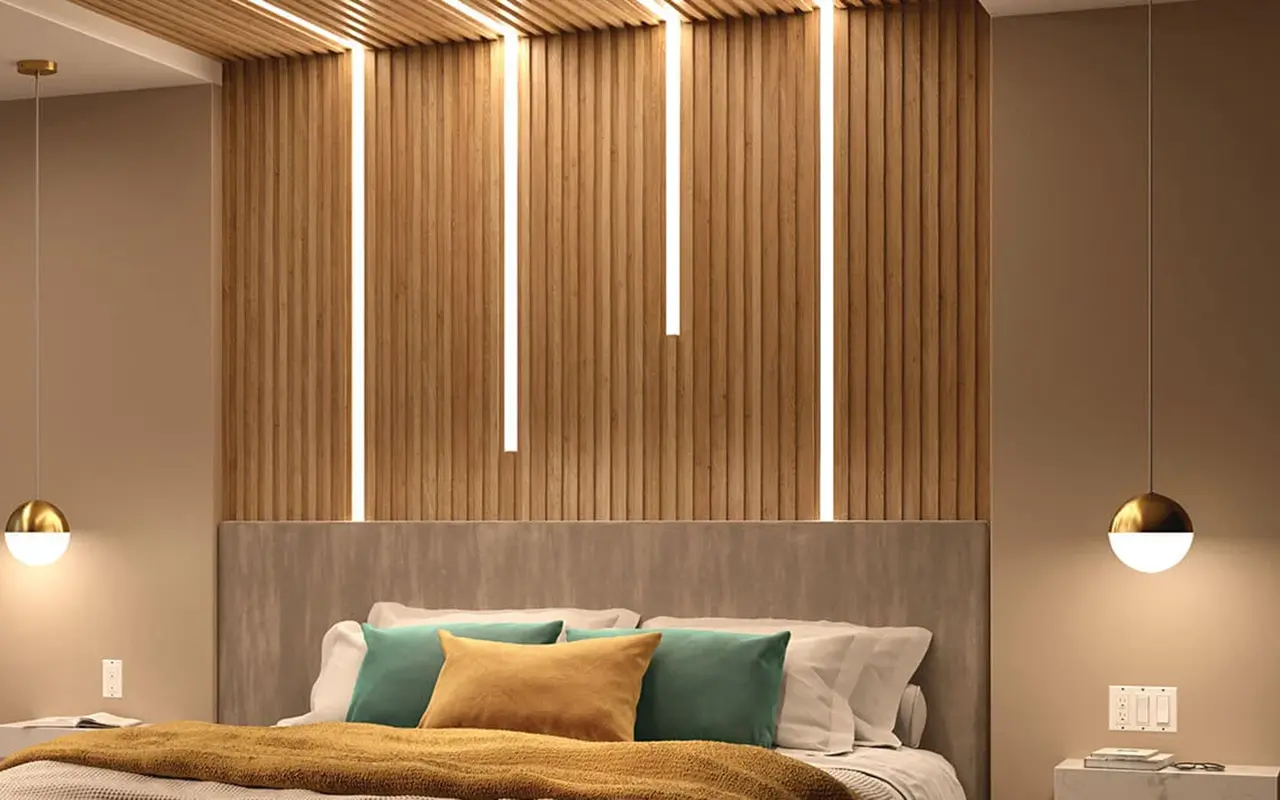
In indoor settings, where the environmental conditions are controlled, and exposure to harsh elements is minimal, IP20-rated LED strips often meet the requirements efficiently. These scenarios typically include accent lighting or decorative purposes where the risk of moisture or dust intrusion is low.
Contrastingly, outdoor applications require a heightened level of protection due to increased exposure to elements like rain and dust. Graphs showing the durability of IP65 and higher-rated LED strips in various outdoor conditions can highlight their effectiveness in providing the necessary defense against environmental challenges.
Moisture-Heavy Environments

For areas with significant water exposure—such as bathrooms, kitchens, and pool areas—charts comparing the performance of IP67 and IP68-rated LED strips can illustrate their capability to withstand conditions ranging from heavy splashing to continuous submersion. This visual comparison underscores the importance of selecting higher IP ratings to ensure continuous protection in moisture-intensive environments.
Dust and Particulate Exposure
In settings where dust and particulates are a concern, data visualizations showcasing the efficacy of IP6X-rated strips in preventing dust ingress can be invaluable. Such visuals can demonstrate how these ratings preserve lighting performance by keeping dust at bay, making them ideal for workshops, garages, and industrial areas.
Additional Considerations
Lastly, weighing the balance between protection needs and practical aspects of installation and maintenance is crucial. Graphs illustrating the correlation between higher IP ratings and factors like rigidity and installation complexity can provide insightful perspectives. These visuals help in determining the most suitable IP rating that harmonizes protective requirements with ease of installation and upkeep.
By meticulously evaluating environmental conditions, potential exposure risks, and practical installation factors—and aided by graphical data insights—you’re empowered to choose an IP rating that surpasses the mere needs of your project, ensuring your LED lighting solutions are both aesthetically pleasing and enduringly resilient.
Installation and Care: Maximizing the Lifespan of Your IP-Rated LED Strips
Proper installation and meticulous maintenance are the keystones to ensuring the longevity and optimal performance of your LED strip lighting. From the adaptable IP65 strips that brighten your garden to the formidable IP68 variants that illuminate your swimming pool, the correct installation techniques and care protocols are paramount. This guide outlines essential practices to ensure your LED lighting endures and continues to enhance your spaces beautifully.
Buenas prácticas de instalación
Assessing the Environment
Before you embark on the installation journey, a thorough evaluation of the environment is crucial. For installations in outdoor or moisture-rich areas, selecting LED strips with an appropriate IP rating is essential to combat the environmental challenges they’ll face. An IP65 rating may suffice for areas sheltered from direct rain, such as under eaves, while IP68-rated lighting is indispensable for applications involving full submersion.
Preparing the Surface
The longevity of LED strips heavily depends on the initial surface preparation. Ensuring that the installation surface is clean, dry, and smooth guarantees the adhesive backing of the LED strips adhere effectively. Cleaning the surface with a mild solution to remove grease or dirt, followed by thorough drying, sets the stage for a successful installation. For uneven surfaces, mounting channels can provide a secure and level foundation for the strips.
Measuring and Cutting
Accurate measurement of the intended installation area is vital. Cutting the LED strips should be done strictly at the marked cut points to maintain the integrity of the circuitry. This step requires precision, as it accounts for the entire area to be illuminated, including any corners or curves that might necessitate additional length.
Waterproof Connections
For LED strips with an IP rating of 65 or higher, ensuring that connections and terminations preserve the strip’s water resistance is non-negotiable. Employing waterproof connectors and adhering to the manufacturer’s guidelines are critical to establishing secure, watertight connections that uphold the strip’s protective rating.
Mantenimiento y cuidado
Regular Cleaning
Regular cleaning is advised to maintain the luminosity and efficiency of your LED strips and to remove accumulated dust and debris. For IP65-rated strips and higher, a damp cloth can be utilized, with caution to dry any moisture before reactivation thoroughly. This maintenance step prevents the degradation of the strip’s brightness and protective capabilities.
Inspección de daños
Periodic inspections for signs of damage, particularly in installations within high-traffic areas or accessible to children and pets, are prudent. Attention should be directed towards any compromise to the waterproof coating or housing, with prompt replacement of affected sections to ensure continued protection against environmental elements.
Testing Water Resistance
Especially relevant for IP67 and IP68-rated strips, periodic verification of water resistance is a proactive measure to avert unforeseen malfunctions. This is especially crucial for strips employed in aquatic settings or exposed to the elements, where the probability of water ingress is elevated.
Reapplying Adhesive
The adhesive backing of LED strips may diminish in adherence over time, affected by temperature variations or exposure to moisture. Should the strips begin to detach or sag, securing them with mounting clips or a suitable adhesive restores their stability and presentation.
Adhering to these foundational installation and care instructions not only secures your LED strips in their rightful place but also ensures they continue to perform and dazzle for the long haul. Proper installation lays the groundwork for success, while diligent maintenance safeguards your investment, allowing you to revel in the dynamic illumination of your spaces for years to come.
IP Ratings Explained: FAQs
Can IP20 LED strips be used in kitchens or bathrooms?
IP20 LED strips are not recommended for use in kitchens or bathrooms due to their lack of moisture protection. These environments often expose lighting to splashes or high humidity, for which a higher IP rating like IP65 or above is better suited.
How do IP67 LED strips differ from IP68 in terms of water immersion?
IP67 LED strips are designed to withstand temporary immersion in water up to 1 meter deep for up to 30 minutes. In contrast, IP68 LED strips can endure continuous submersion in water beyond 1 meter, often with specified conditions such as pressure levels. This makes IP68 strips ideal for permanent outdoor or underwater installations.
Is there a significant price difference between IP65, IP67, and IP68 LED strips?
Generally, the price increases with the IP rating due to the required enhanced protective materials and manufacturing processes. IP68 LED strips, offering the highest level of protection, are typically more expensive than IP65 and IP67 strips. However, the cost is justified by their durability and suitability for challenging environments.
Can IP65 LED strips be used outdoors in all weather conditions?
Yes, IP65 LED strips are designed to be water-resistant against low-pressure jets from any direction, making them suitable for outdoor conditions, including rain and snow. However, they cannot be submerged in water, which is a crucial distinction for certain outdoor applications.
Are IP-rated LED strips more difficult to install?
The installation complexity can increase slightly with higher IP ratings due to the additional protective layers. However, manufacturers often provide compatible accessories and comprehensive guides to facilitate installation. Planning and preparation can mitigate these challenges, ensuring a smooth installation process.
How do I maintain and clean my IP-rated LED strips?
Maintenance varies by IP rating. IP65 and above can be gently wiped with a damp cloth for cleaning. Avoid using harsh chemicals on any LED strip. For IP20 strips, ensure they are switched off before dusting to avoid any damage.
Can I cut IP-rated LED strips to fit my space?
Yes, most LED strips, regardless of IP rating, can be cut at designated points along the strip. However, cutting IP67 and IP68 strips requires re-sealing the cut ends to maintain the integrity of their water protection.
How long do IP-rated LED strips last?
The lifespan of an LED strip is influenced by its operating environment and quality. Generally, LED strips can last between 25,000 to 50,000 hours. Higher IP ratings offer additional protection that can contribute to a longer lifespan, especially in challenging conditions.
Do higher IP-rated LED strips consume more energy?
The IP rating itself does not directly affect energy consumption. Energy usage is more closely related to the LED strip’s voltage, wattage per meter, and overall length. Regardless of IP rating, choosing LED strips with energy efficiency in mind is advisable.
Can I use a dimmer with IP65, IP67, or IP68 LED strips?
Yes, you can use dimmers with these IP-rated LED strips, provided the dimmer is compatible with the strip’s voltage and power requirements. Ensure that any additional control gear is also appropriately rated for the installation environment.
Wrapping Up: Navigating the World of IP-Rated LED Strips
In our exploration of the IP-rated LED strip world, we’ve unearthed the critical importance of these ratings in guiding the selection process for your lighting projects. It’s become evident that understanding the protection levels offered by each IP rating is not merely a technical exercise but a fundamental step in ensuring that your choice of LED Strip or LED neon flex meets the environmental demands and aesthetic aspirations of your project. The journey from IP20 through to IP68 LED strips reveals a spectrum of protection levels designed to cater to varying degrees of exposure to dust and water, underscoring the necessity of choosing the correct IP rating to secure both the beauty and durability of your lighting installations.
Unitop emerges as a beacon in this realm, heralding a legacy of excellence as one of China’s leading manufacturers in the LED lighting industry. Our dedication to crafting high-quality, durable Tiras de luces LED y Flexo de neón LED has solidified our reputation as a reliable partner in realizing your lighting dreams. Boasting a vast selection of IP-rated lighting solutions, Unitop stands ready to cast your spaces in the perfect light, ensuring that your lighting not only meets but exceeds expectations.
As we conclude this guide, let Unitop be your first port of call for any queries or bespoke requirements you might have regarding LED strip lights. Our expertise is at your disposal, inviting you to explore the possibilities that lie in enhancing your projects with our range of IP-rated LED lighting options. Together with Unitop, embark on a journey to illuminate your world, one LED strip at a time, assured by the unmatched quality and innovative flair that is quintessentially Unitop.

Tom es ahora el Director de Ventas de Unitop (China) S.L.. Ha estado en el Iluminación LED industria desde 2005. Es experto en ventas y marketing, y en gestión de fábricas. Le gusta el culturismo, ¡y también es un fan loco de Apple! Es un tipo muy trabajador y le encanta aprender y probar cosas nuevas.
Correo electrónico: tom@unitopledstrip.com WhatsApp: +86-18680307140



Dejar un comentario
¿Quieres unirte a la conversación?Siéntete libre de contribuir!