
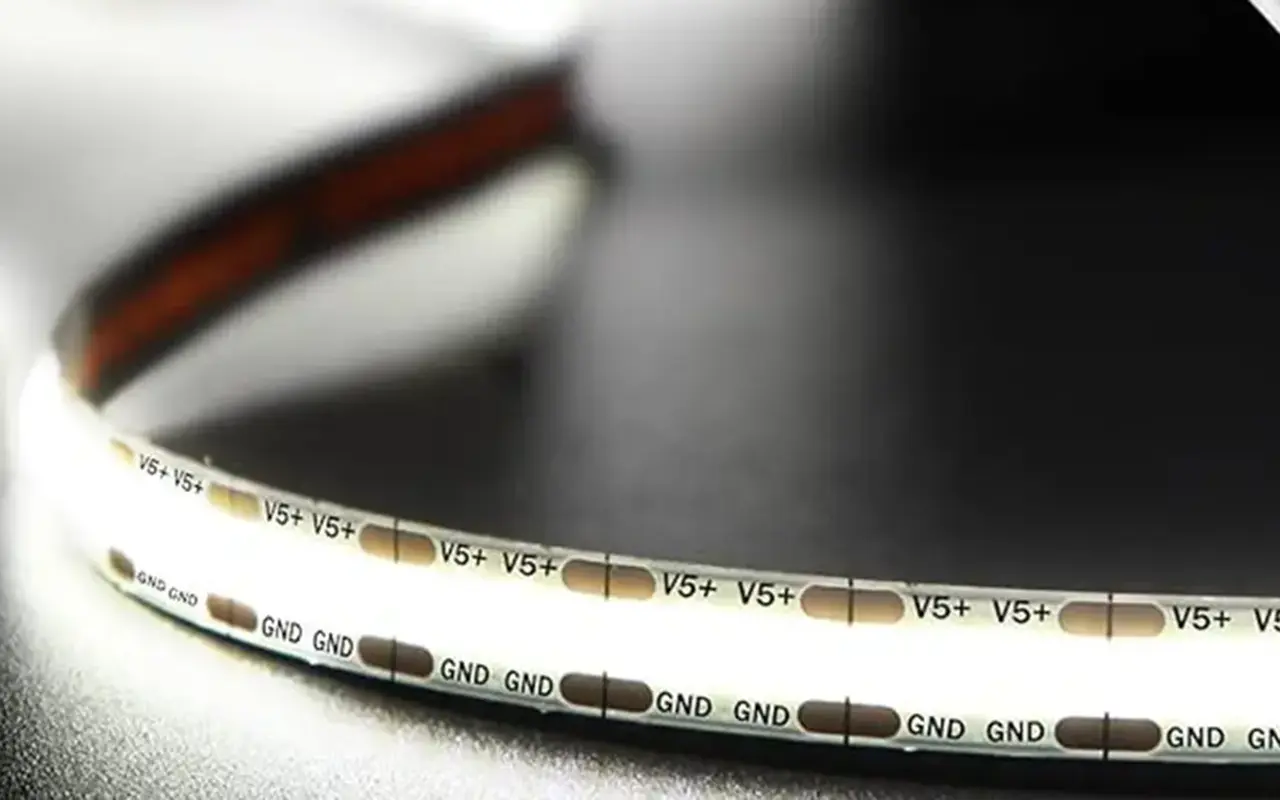
Navigating the world of LED lighting can be tricky, especially when selecting the right power supply. If you’re questioning whether you can run a 5V LED strip on a 12V power supply, we’re here to help. Our guide will clarify the risks and offer safe alternatives.
Running a 5V LED strip on a 12V power supply is not advisable. This mismatch can cause the LEDs to overheat, leading to immediate damage or failure. It’s essential to match the power supply voltage with the LED strip to ensure safe operation and extend the lifespan of your lighting system.
Curious about what can happen if you mix up your voltages? Continue reading to understand the full impact and discover safe solutions to brighten your LED strips.
Understanding Voltage Compatibility: Why It’s Crucial for LED Strips
The Dangers of Using the Wrong Voltage
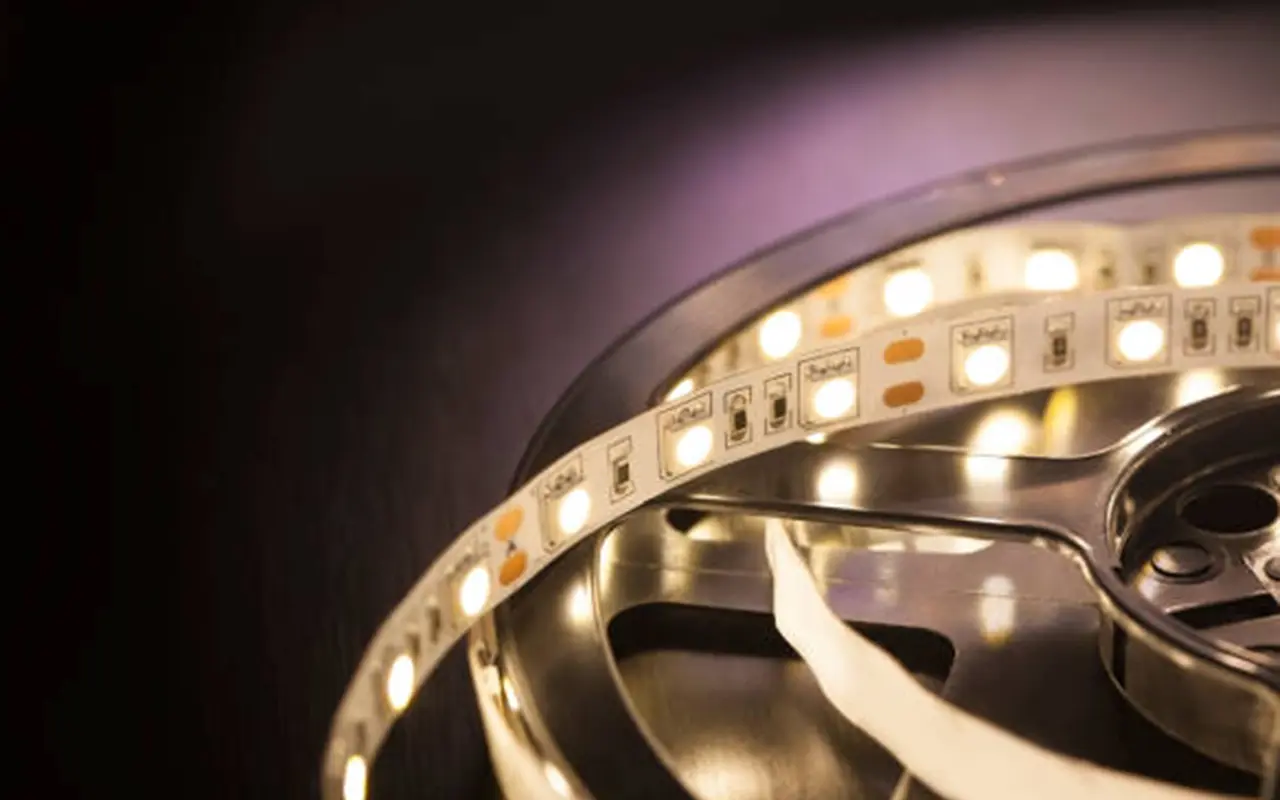
Voltage compatibility is the cornerstone of a well-functioning LED lighting system. The results can be catastrophic when you run a 5V LED strip on a 12V power supply. The primary danger lies in overcurrent—an excessive flow of electricity that the LED strip’s delicate components aren’t designed to handle. This overcurrent generates heat rapidly, leading to overheating that can cause the LED strip to malfunction or even fail.
Overheating is not just a minor inconvenience; it poses serious risks, including potential burnouts and electrical fires. The LEDs may become damaged beyond repair, and the circuit board could be compromised. In an enclosed space, the heat generated by this mismatch can accumulate, further increasing the fire risk. Understanding these risks is essential for anyone looking to avoid costly mistakes and ensure the longevity of their LED installation.
How Voltage Mismatch Affects LED Performance
The performance of an LED strip is directly tied to the voltage it receives. When the voltage doesn’t match the strip’s specifications, its ability to function optimally is severely compromised. Overvoltage forces the LEDs to operate under conditions not designed for, leading to inefficiencies such as flickering or dimming. These symptoms are the LED’s way of signaling that something is wrong.
But the problems don’t end there. The strain of overvoltage accelerates the degradation of the LEDs, shortening their lifespan significantly. What might seem like a small issue—using a 12V power supply on a 5V strip—can quickly escalate into a situation where the LED strip fails altogether. This not only results in a loss of investment but also diminishes the overall reliability of your lighting setup. By ensuring voltage compatibility, you maintain consistent brightness, prolong the lifespan of your LEDs, and avoid the pitfalls of degraded performance.
Common Misconceptions About Voltage and LED Strips
Several misconceptions about voltage and LED strips persist in the DIY community. One of the most common is the belief that a higher voltage can somehow improve the performance of the LED strip. This couldn’t be further from the truth. In reality, overvoltage stresses the LEDs, leading to rapid degradation and, ultimately, failure.
Another widespread misconception is that resistors can be used to drop the voltage from 12V to 5V safely. While resistors can limit current, they are not designed to regulate voltage in a precise manner that would protect an LED strip from overvoltage. Relying on resistors as a solution introduces additional instability into the circuit, making them unreliable for voltage regulation. Dispelling these myths is crucial to protecting your investment and ensuring the longevity of your LED strips.
What Happens When You Connect a 5V LED Strip to a 12V Power Supply?
Immediate Consequences: Overheating and Damage
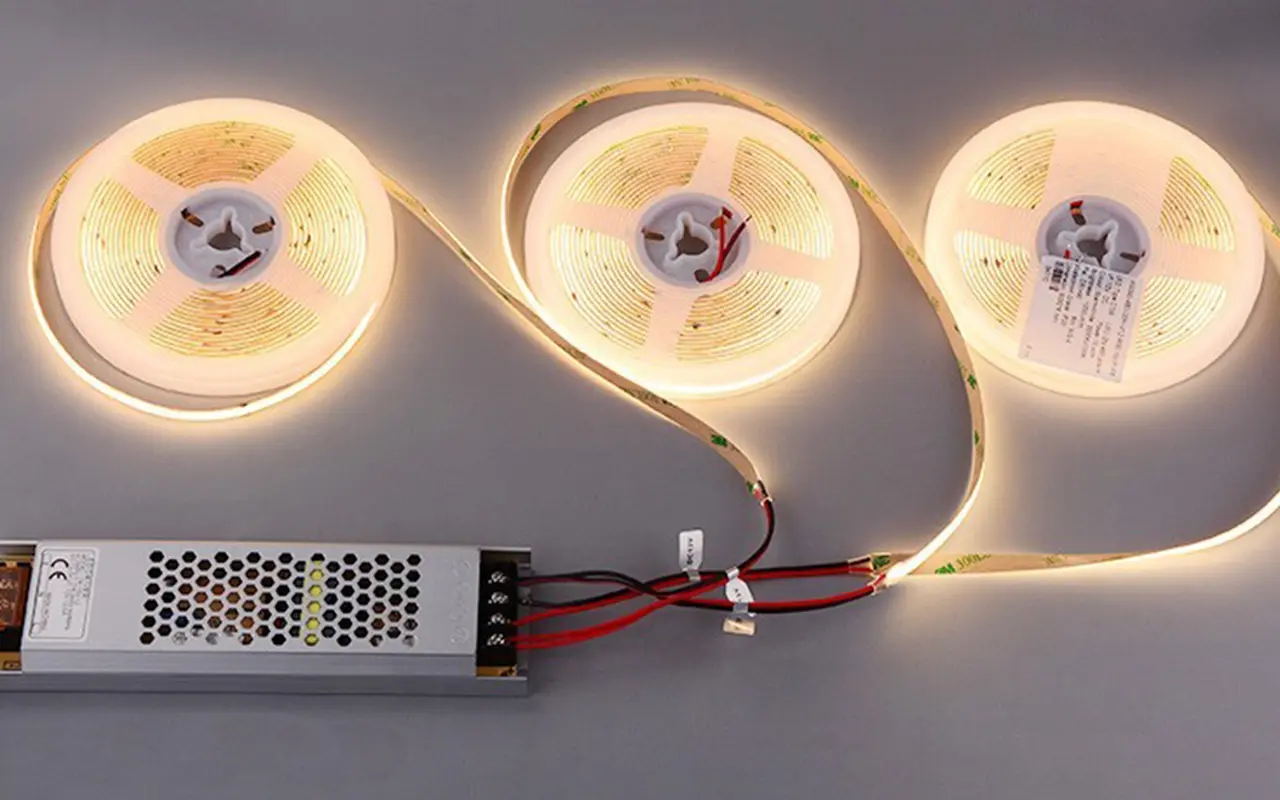
When you connect a 5V LED strip to a 12V power supply, the consequences are immediate and severe. The excess voltage surges through the LEDs, forcing them to draw more current than they are designed to handle. This results in rapid overheating, which can instantly damage the LEDs and other components.
Overheating is particularly dangerous because it can lead to a chain reaction of failures within the LED strip. The solder joints may melt, the plastic housing could deform, and the LEDs might burn out. In extreme cases, this overheating can ignite surrounding materials, leading to a fire. The damage caused by such a mismatch is often irreversible, necessitating the replacement of the entire LED strip and, potentially, the power supply.
Long-Term Effects: Decreased Lifespan and Performance
Even if your 5V LED strip appears to work initially when connected to a 12V power supply, long-term damage is inevitable. The continuous exposure to overvoltage places ongoing stress on the LEDs, significantly reducing their operational lifespan. Over time, you’ll notice symptoms like flickering, dimming, and inconsistent light output—clear signs that the LEDs are deteriorating.
This irreversible degradation will eventually lead to the complete failure of the LED strip. Instead of enjoying a reliable, long-lasting lighting solution, you’ll be faced with the need for costly replacements. By matching the power supply voltage to the LED strip’s specifications from the outset, you can avoid these long-term issues and ensure consistent, high-quality lighting for years.
Real-World Examples of Voltage Mismatch Failures
The consequences of voltage mismatch are not just theoretical—they play out in real-world scenarios with alarming frequency. Consider the case of a commercial lighting installation where a contractor mistakenly connected a series of 5V LED strips to a 12V power supply. Initially, the lights seemed to work fine, but the LEDs began to flicker and fail within weeks. The entire installation, meant to last several years, had to be redone at a significant cost.
Another example involves a DIY enthusiast who attempted to power a 5V LED strip with a 12V supply in a home automation project. The result was an immediate burnout of the LEDs and damage to the power supply. The homeowner not only had to replace the LED strip but also had to invest in a new power supply, doubling the cost of the project. These examples underscore the importance of understanding and respecting voltage requirements in LED installations.
Safe and Effective Alternatives for Powering 5V LED Strips
Using a Step-Down Converter for Voltage Regulation
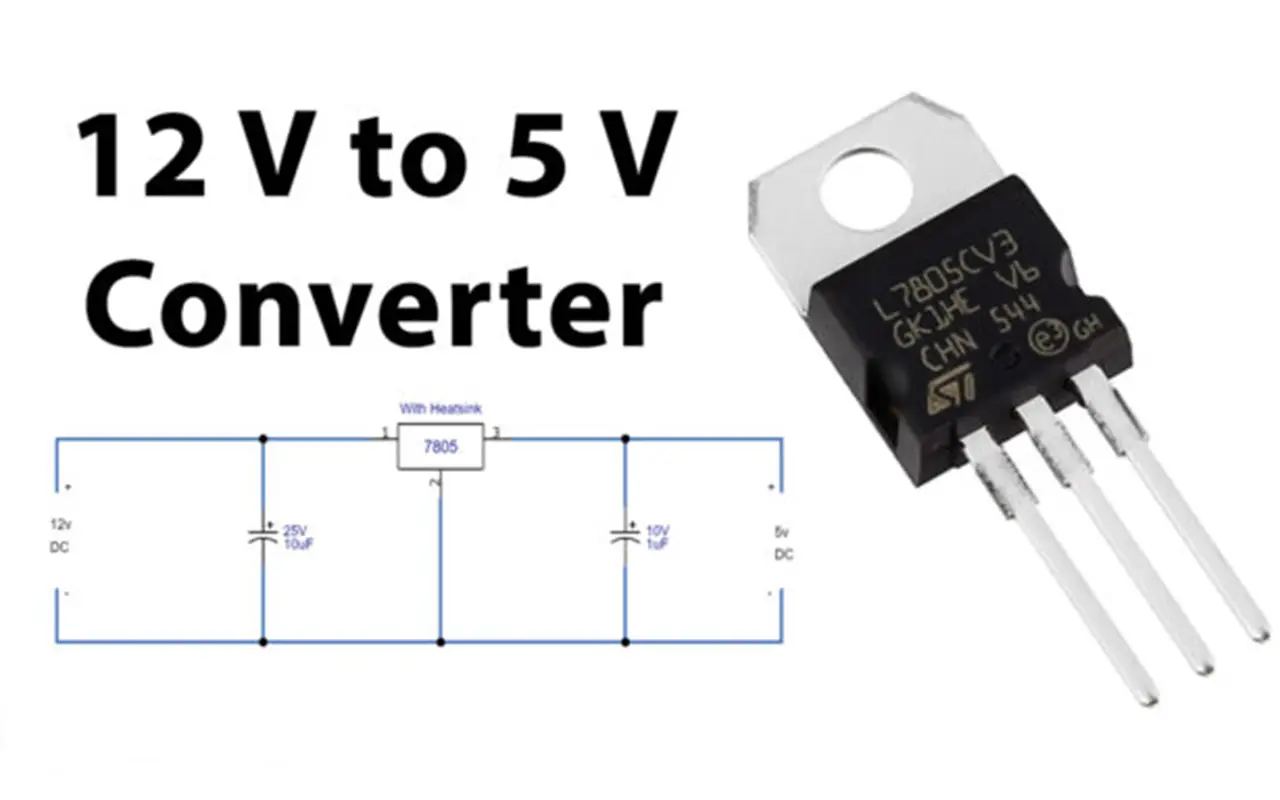
If you have a 12V power supply but need to power a 5V LED strip, a step-down converter offers a safe and effective solution. Also known as a buck converter, this device reduces the higher input voltage to a lower, stable output voltage that matches the LED strip’s requirements. By incorporating a step-down converter into your setup, you can prevent the dangers associated with overvoltage and ensure that your LED strip receives the precise 5V it needs.
Step-down converters work by adjusting the duty cycle of the input voltage, effectively “chopping” the 12V down to a consistent 5V output. These converters are highly efficient, often achieving conversion efficiencies of over 90%. This means that very little energy is lost as heat, which is crucial for maintaining the longevity and performance of your LED strip. Additionally, many step-down converters come with built-in protections such as overcurrent and thermal shutdown, further safeguarding your LED strip from potential damage.
Choosing the Right 5V Power Supply
While a step-down converter is viable, the best and most straightforward approach is using a power supply specifically designed to deliver 5V. Selecting the right 5V power supply involves considering factors such as wattage, current capacity, and the specific requirements of your LED strip.
When choosing a power supply, ensure that it has a wattage rating at least 20% higher than the total wattage required by the LED strip. This margin helps prevent the power supply from overloading, which could lead to overheating and reduced lifespan. Additionally, the power supply should provide a stable 5V output, free from voltage fluctuations that could compromise the performance of the LEDs.
Another consideration is the environment in which the power supply will be used. If the LED strip is installed in an outdoor or humid location, it’s essential to select a power supply with an appropriate IP rating to protect it from moisture and dust. Ensure that the power supply has adequate ventilation for indoor installations to prevent overheating. By carefully selecting a power supply that meets these criteria, you can ensure the safe and reliable operation of your 5V LED strip.
Can Resistors Be Used to Manage Voltage?
Some may suggest using resistors to reduce the voltage from 12V to 5V, but this approach is fraught with pitfalls. While resistors can limit current, they are not designed to regulate voltage precisely and stable. Using resistors in this way can lead to inconsistent voltage levels, which can cause flickering, dimming, and eventual damage to the LED strip.
Resistors work by converting excess electrical energy into heat, which is then dissipated into the surrounding environment. This method could be more efficient and can result in significant energy loss and the risk of overheating. Moreover, resistors are not adjustable, meaning they cannot compensate for input voltage fluctuations or load changes. This lack of adaptability makes them unreliable for voltage regulation in LED applications.
In contrast, dedicated voltage regulation devices such as step-down or buck converters provide a much safer and more effective solution. These devices are specifically engineered to deliver a stable, precise output voltage, ensuring that your LED strip operates within its designed parameters. By avoiding resistors and opting for proper voltage regulation, you can protect your LED strip from the dangers of overvoltage and ensure long-term reliability.
Practical Tips for Ensuring Voltage Compatibility in LED Projects
How to Avoid Common Voltage Mismatch Mistakes
Avoiding voltage mismatches in your LED projects requires a careful and systematic approach. The first and most crucial step is to verify the voltage requirements of your LED strip before connecting it to any power supply. Always refer to the manufacturer’s specifications, which provide the necessary information regarding the appropriate voltage and current levels for the strip.
Another common mistake is assuming that all power supplies are interchangeable. Even if a power supply has the correct wattage or current capacity, it must also provide the correct voltage. Using a multimeter to check the output voltage of your power supply before making any connections is a simple yet effective way to prevent voltage mismatch. Additionally, consider labeling your power supplies and LED strips with their respective voltages to ensure everything is clear during installation.
When in doubt, consult with an expert or use online resources to double-check the compatibility of your components. By taking these precautions, you can avoid the costly and potentially hazardous consequences of voltage mismatch and ensure a safe and successful LED installation.
The Role of Power Supply Quality in LED Longevity
The quality of your power supply plays a pivotal role in the longevity and performance of your LED strips. A high-quality power supply provides stable voltage and current, free from fluctuations that can stress the LEDs and shorten their lifespan. In contrast, a low-quality power supply may introduce electrical noise, voltage spikes, and other issues that can lead to premature failure of the LED strip.
Investing in a reputable power supply brand is one of the best ways to ensure that your LEDs receive the consistent power they need to operate efficiently. Look for power supplies with built-in protections such as overvoltage, overcurrent, and thermal shutdown. These features protect your LEDs and extend the life of the power supply itself.
Another consideration is the power supply’s efficiency rating. High-efficiency power supplies convert more input energy into usable power, reducing waste and minimizing heat generation. This efficiency is crucial in large installations where a single supply powers multiple LED strips. By choosing a high-quality, efficient power supply, you can maximize the performance and longevity of your LED lighting setup.
When to Use Voltage Converters in Your LED Installations
Voltage converters, such as step-down or buck converters, are invaluable tools in situations where the available power supply voltage does not match the requirements of your LED strip. These converters allow you to adapt your power supply to the specific needs of your LEDs, ensuring safe and efficient operation.
Use voltage converters when you have a power supply that provides a higher voltage than your LED strip needs. For example, if you have a 12V power supply but need to power a 5V LED strip, a step-down converter can safely reduce the voltage to the appropriate level. Voltage converters are also useful in projects where a single supply powers multiple LED strips with different voltage requirements. By incorporating converters into your setup, you can maintain voltage compatibility across all components, avoiding the risks associated with overvoltage.
When selecting a voltage converter, ensure that it is rated for your LED strip’s current and power requirements. Additionally, look for converters with high efficiency and built-in protection features to safeguard your LEDs from potential damage. By using voltage converters judiciously, you can achieve flexibility in your LED installations while maintaining the safety and reliability of your lighting system.
Frequently Asked Questions About LED Power Supplies
Q: Can I safely use a 12V power supply for a 5V LED strip?
A: No, using a 12V power supply for a 5V LED strip is unsafe. The higher voltage will push too much current through the LEDs, causing them to overheat, potentially leading to immediate failure or even posing a fire hazard.
Q: What happens if I accidentally connect a 5V LED strip to a 12V power source?
A: If you connect a 5V LED strip to a 12V power source, the LEDs will likely overheat and burn out quickly. It’s crucial to disconnect the power immediately to prevent further damage or potential safety risks.
Q: Are there any solutions to run a 5V LED strip with a 12V power supply?
A: You can use a step-down converter or a DC-DC buck converter to reduce the 12V supply to 5V. These devices safely lower the voltage, allowing you to use a 12V power source with your 5V LED strip.
Q: Can I use resistors to reduce the voltage from 12V to 5V for my LED strip?
A: While resistors can reduce current, they are not a reliable solution for dropping voltage from 12V to 5V. A more stable and efficient method is to use a step-down converter, which ensures the correct and safe voltage output for your LEDs.
Q: Why is it important to match the voltage of the power supply to the LED strip?
A: Matching the voltage is crucial because LEDs are sensitive to voltage variations. Using the wrong voltage can lead to overheating, reduced lifespan, or even catastrophic failure of the LED strip, compromising performance and safety.
Q: What are the long-term effects of running a 5V LED strip on a 12V supply?
A: Running a 5V LED strip on a 12V supply will drastically reduce the lifespan of the LEDs. Continuous exposure to overvoltage can cause permanent damage, resulting in flickering, color shifts, and eventual failure of the strip.
Q: Is there a scenario where using a 12V power supply on a 5V strip might be acceptable?
A: No, there is no safe scenario where using a 12V power supply on a 5V strip is acceptable. The risk of overheating, failure, and potential fire hazards is too high. Always use a power supply that matches the voltage requirements of your LED strip.
Q: What should I do if my 5V LED strip is damaged due to a 12V power supply?
A: If your 5V LED strip is damaged, assess the extent of the damage. If only a few sections are affected, you can replace them. However, in most cases, replacing the entire strip is the safest and most cost-effective solution.
Q: Can I directly connect a 12V LED strip to a 12V battery?
A: Yes, you can connect a 12V LED strip directly to a 12V battery, as long as the battery provides a stable output and you connect the terminals correctly. This setup is commonly used in off-grid or portable lighting applications.
Q: How can I ensure the longevity of my LED strips?
A: To ensure the longevity of your LED strips, always use a power supply that matches the strip’s voltage and provides a slight wattage overhead. Avoid exposing the strips to extreme temperatures, and consider using dimmable power supplies to reduce stress on the LEDs.
Conclusión
In conclusion, using the correct voltage for your LED strips is essential for your lighting system’s safety and longevity. Voltage mismatches can lead to serious damage, reduced performance, and even hazardous situations. Ensuring that your power supply aligns perfectly with your LED strip’s requirements allows you to avoid these pitfalls and enjoy reliable, high-quality lighting for years.
As one of China’s leading Tiras de luces LED y Flexo de neón LED manufacturers, Unitop is dedicated to providing top-tier products and expert guidance to meet your specific needs. With a reputation built on innovation and quality, we are your trusted partner in the LED industry. Don’t hesitate to tender la mano if you have further questions or need assistance with your LED projects. Let Unitop illuminate your path with our cutting-edge solutions and unparalleled expertise.

Tom es ahora el Director de Ventas de Unitop (China) S.L.. Ha estado en el Iluminación LED industria desde 2005. Es experto en ventas y marketing, y en gestión de fábricas. Le gusta el culturismo, ¡y también es un fan loco de Apple! Es un tipo muy trabajador y le encanta aprender y probar cosas nuevas.
Correo electrónico: tom@unitopledstrip.com WhatsApp: +86-18680307140




Dejar un comentario
¿Quieres unirte a la conversación?Siéntete libre de contribuir!