
Unlock the potential of LED lighting to not just brighten spaces but also significantly enhance safety. This comprehensive guide delves into the multifaceted role of LED technology in safeguarding various environments.
LED lighting bolsters safety by delivering consistent, high-quality illumination, reducing accident risks, and improving security through enhanced visibility in crucial areas, establishing itself as a pivotal aspect of safety strategies.
Explore how LED lighting plays a crucial role in safety, from preventing accidents to enhancing security measures, and learn why LEDs are the go-to choice for safety-conscious lighting solutions.
The Safety Advantages of LED Lighting
When it comes to ensuring safety, LED lighting stands out for its myriad advantages. The brilliance and clarity of light emitted by LEDs contribute to creating environments where visibility is significantly enhanced, reducing the risks associated with poorly lit areas. The dependability of LED technology, characterized by its long lifespan and consistent performance, ensures that lighting is not just a temporary fix but a long-term solution for safety concerns.
Moreover, the energy efficiency of LEDs goes hand in hand with their safety benefits. By consuming less power, LED lights reduce the risk of overheating and potential electrical hazards, making them a safer choice compared to traditional lighting solutions. This aspect is particularly crucial in environments where lights need to remain on for extended periods, such as in hospitals, parking lots, and emergency exit routes.
The impact of LED lighting on safety is not just theoretical but is supported by numerous studies and real-world implementations. For instance, cities that have transitioned to LED street lighting have reported not only significant energy savings but also reductions in crime rates and traffic accidents, highlighting the role of effective illumination in enhancing public safety.
LEDs: Preventing Accidents with Superior Illumination
The role of LED lighting in preventing accidents cannot be overstated. In workspaces, whether in an office setting or industrial environments, proper illumination is crucial for not only performance and productivity but also for minimizing the risk of accidents. LED lights, with their superior illumination, ensure that every corner of a workspace is well-lit, reducing the chances of tripping, falling, or mishandling equipment.
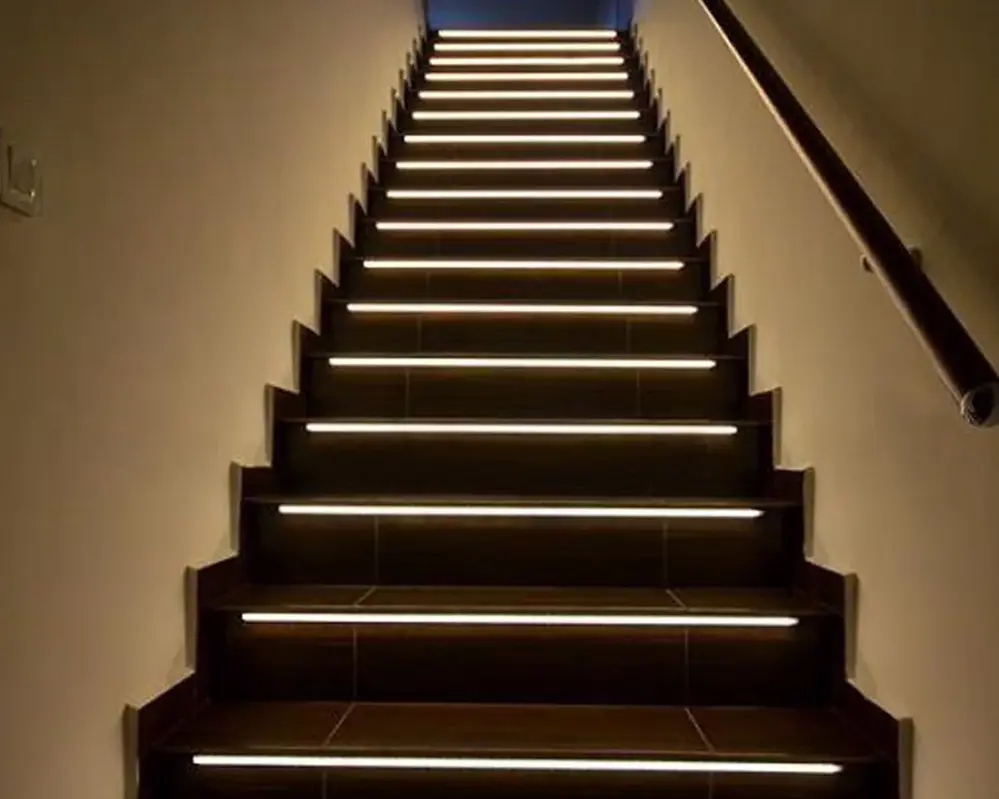
Staircases, often a hotspot for slips and falls, particularly benefit from LED lighting. The ability to distribute light evenly and brightly makes stairways safer to navigate, a critical consideration in designing building safety protocols. Moreover, the adaptability of LED lighting allows for innovative implementations, such as motion-sensor LEDs that light up pathways as needed, ensuring safety while optimizing energy use.
In essence, the transition to LED lighting is not just an upgrade in illumination but a significant step forward in creating safer environments. The clear, bright light emitted by LEDs minimizes shadows and dark spots where accidents could lurk, making spaces not only more inviting but inherently safer.
Using LED Lighting to Deter Security Threats
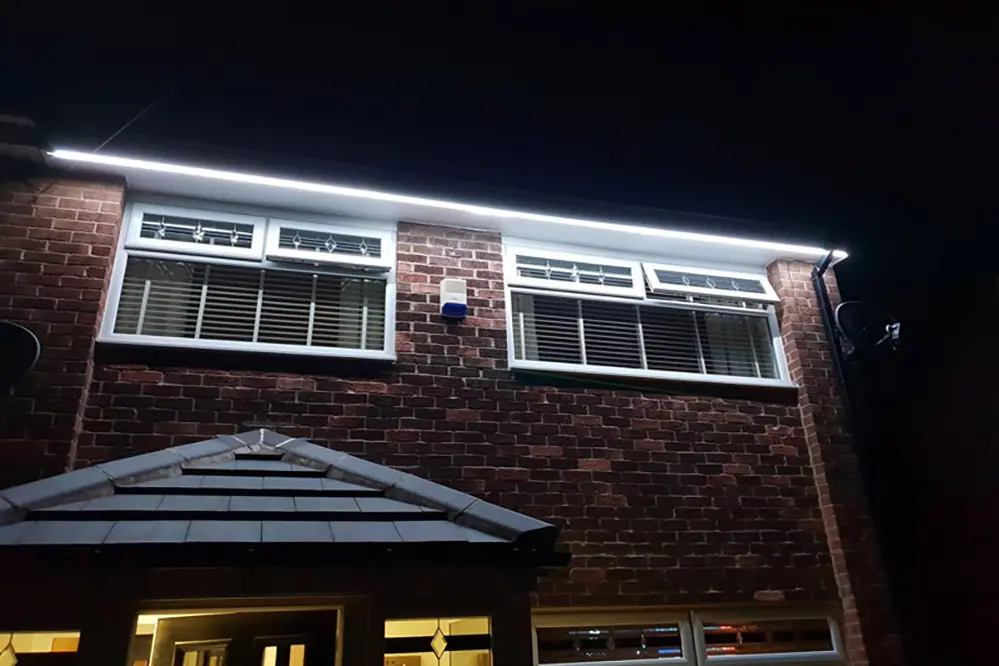
LED lighting is a formidable tool for enhancing security measures. Its application goes beyond mere illumination; strategic placement of LED lights can significantly deter criminal activities by increasing visibility in vulnerable areas. Well-lit properties are less attractive to intruders, as the bright light exposes their actions and increases the likelihood of identification.
Furthermore, the integration of LED lighting with security systems has opened new avenues in safeguarding spaces. For example, LED lights paired with motion sensors can alert occupants or security personnel to unexpected movements, acting as an early warning system. Additionally, the quality of light produced by LEDs improves the clarity of surveillance footage, an essential factor in monitoring and responding to security threats.
Real-world success stories abound, with businesses and communities witnessing a decline in security incidents following the adoption of LED lighting solutions. These narratives not only highlight the effectiveness of LEDs in deterring unauthorized access but also underscore the importance of a well-thought-out lighting strategy as part of comprehensive security measures.
Complying with Safety Standards via LED Solutions
Ensuring compliance with safety standards is paramount when integrating LED lighting solutions into any environment. The landscape of safety regulations encompasses a range of considerations, from electrical safety to the impact of lighting on human health. For instance, standards set by organizations like the International Electrotechnical Commission (IEC) and Underwriters Laboratories (UL) provide frameworks that guide the safe production and installation of LED products.
When selecting LEDs, it’s crucial to consider their intended application and ensure they meet the specific safety standards applicable to that context. For example, LEDs used in outdoor and industrial settings may require higher ingress protection (IP) ratings to ensure they are adequately protected against dust and water, which could compromise their safety and functionality.
Proper installation plays a critical role in maximizing the safety benefits of LED lighting. It involves not only adhering to electrical safety practices but also considering the placement of lighting fixtures to avoid glare and ensure even distribution of light, which can prevent accidents and enhance visibility in critical areas.
Ongoing maintenance is another key aspect of compliance. While LEDs are renowned for their longevity, regular checks can help identify potential issues before they escalate into safety hazards. This includes monitoring for any changes in light output, which can indicate the end of a bulb’s useful life, and ensuring that fixtures remain securely mounted and free from damage.
Innovations in LED Technology: Shaping the Future of Safety
The future of LED technology is incredibly promising, with innovations that extend far beyond basic illumination. Smart LED lighting systems, for example, are revolutionizing the way we think about lighting’s role in safety. These systems can be integrated with other smart technologies to create responsive environments that adapt to the presence of individuals, enhancing safety through automated lighting adjustments that ensure areas are well-lit when occupied.
Emerging features like color tunability and intensity adjustments in LEDs can play a significant role in emergency response. Imagine LED systems that change color to guide occupants to safety during an evacuation or adjust intensity based on the time of day to reduce the risk of accidents.
Research into the health impacts of lighting is driving the development of LEDs that can mimic natural light more closely, supporting human circadian rhythms and reducing the negative effects of artificial lighting on sleep patterns and overall health. This aspect of LED innovation underscores the technology’s potential to contribute not only to physical safety but also to well-being.
Visual Comfort and Safety with LED Lighting
The relationship between visual comfort and safety is an essential consideration in the design and selection of LED lighting. Glare, for example, can be a significant safety hazard, obscuring vision and leading to accidents. Selecting LEDs with appropriate glare control features, such as diffusers or lenses, can mitigate this risk, ensuring environments are comfortably and safely lit.
Color temperature and color rendering index (CRI) are critical factors in achieving visual comfort with LED lighting. Lights that mimic the warmth of natural sunlight can create more inviting spaces and reduce the strain on the eyes, contributing to safer and more pleasant environments.
Moreover, the adaptability of LED lighting allows for the creation of lighting schemes that cater to specific tasks and environments, enhancing both safety and functionality. Task lighting in workspaces, for example, can be optimized to reduce eye strain and improve concentration, while ambient lighting can create a sense of well-being and ease of navigation in public spaces.
The Economic Benefits of LEDs in Safety Initiatives
The transition to LED lighting is not just a technological upgrade; it’s a strategic financial decision that brings substantial economic benefits, particularly in the context of safety initiatives. The efficiency of LED lighting translates directly into cost savings, with LEDs consuming up to 90% less power than traditional incandescent bulbs. This efficiency reduces operational costs significantly, making more funds available for broader safety measures and improvements.
Moreover, the longevity of LED lights—often rated for tens of thousands of hours—means reduced replacement costs and maintenance efforts. This durability is especially beneficial in safety-critical areas where consistent lighting is crucial, such as emergency exits, hospitals, and public walkways. By investing in LEDs, organizations can allocate their maintenance resources more effectively, focusing on other essential safety upgrades.
Case studies across various sectors, from municipal street lighting to corporate campuses, have showcased the dual benefits of LEDs in both enhancing safety and achieving cost savings. Cities that have adopted LED streetlights report not only brighter and safer streets but also significant reductions in energy bills and maintenance costs, providing a compelling model for others to follow.
Enhancing Emergency Systems with LED Lighting
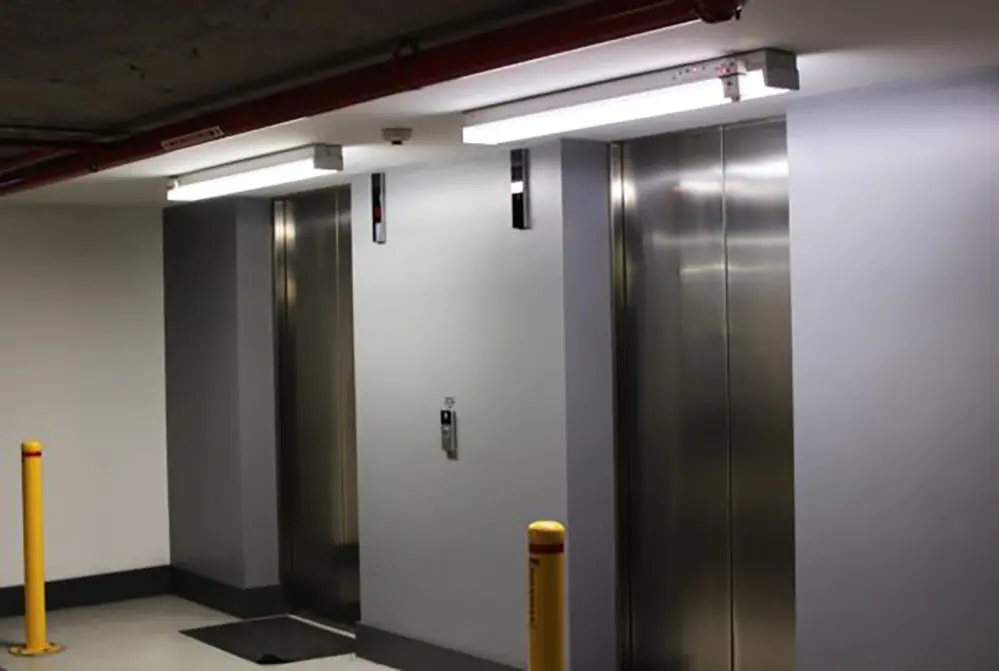
In emergencies, lighting plays a pivotal role, and LEDs offer unique advantages in these critical moments. With their instant-on feature and ability to operate effectively in a wide range of temperatures, LED lights are ideal for emergency lighting systems. They provide reliable illumination that can guide people to safety during power outages, natural disasters, or other emergencies.
Innovative applications of LED technology, such as dynamic exit signage that adjusts based on the nature and location of the hazard, are enhancing the effectiveness of emergency response systems. These smart LED systems can direct occupants along the safest exit route, improving evacuation efficiency and potentially saving lives.
Success stories from institutions that have integrated LED lighting into their emergency systems underscore the technology’s impact. For instance, hospitals that have implemented LED-based emergency lighting reports not only enhanced safety for patients and staff but also improved compliance with health and safety regulations, illustrating the practical benefits of upgrading to LED solutions.
Overcoming Challenges in Safety Applications with LEDs
While the benefits of LEDs in safety applications are clear, there are challenges to consider, such as ensuring proper light distribution to avoid glare, which can be counterproductive to safety, and integrating LEDs into existing lighting infrastructures. Understanding these challenges is crucial for maximizing the safety benefits of LED technology.
A proactive approach to addressing these challenges involves conducting thorough assessments of current lighting systems, identifying areas where LEDs can provide the most significant safety improvements, and customizing solutions to meet specific needs. For instance, in environments where precision is critical, such as manufacturing plants or laboratories, LEDs can be tailored to provide the optimal light intensity and color spectrum to enhance visibility and reduce accidents.
Making the Switch to LED for Enhanced Safety
Transitioning to LED lighting with a focus on safety involves several key steps, starting with a comprehensive assessment of existing lighting and safety needs. This assessment should consider not only the immediate benefits of improved illumination but also the long-term safety enhancements and cost savings that LEDs can provide.
The next step is planning, which should involve stakeholders from across the organization to ensure that the LED upgrade aligns with broader safety goals and operational requirements. This collaborative approach ensures buy-in and facilitates a smoother transition.
Implementation is the final step, and success stories from organizations that have made the switch to LEDs offer valuable insights and practical tips. For example, ensuring that LED installations are performed by qualified professionals can prevent installation errors that might compromise safety benefits. Additionally, leveraging incentives and rebates offered by utility companies and government programs can offset the initial costs of transitioning to LEDs.
By following these steps and learning from the experiences of others, organizations can effectively enhance their safety protocols with LED lighting, making their environments safer, more efficient, and more cost-effective in the long run.
Conclusión
In conclusion, the transition to LED lighting presents an unparalleled opportunity to enhance safety, reduce costs, and embrace innovative technology across various applications. As we’ve explored the multifaceted benefits and real-world impacts of LED integration, it’s clear that making the switch is not just a choice but a strategic move toward a safer, more efficient future.
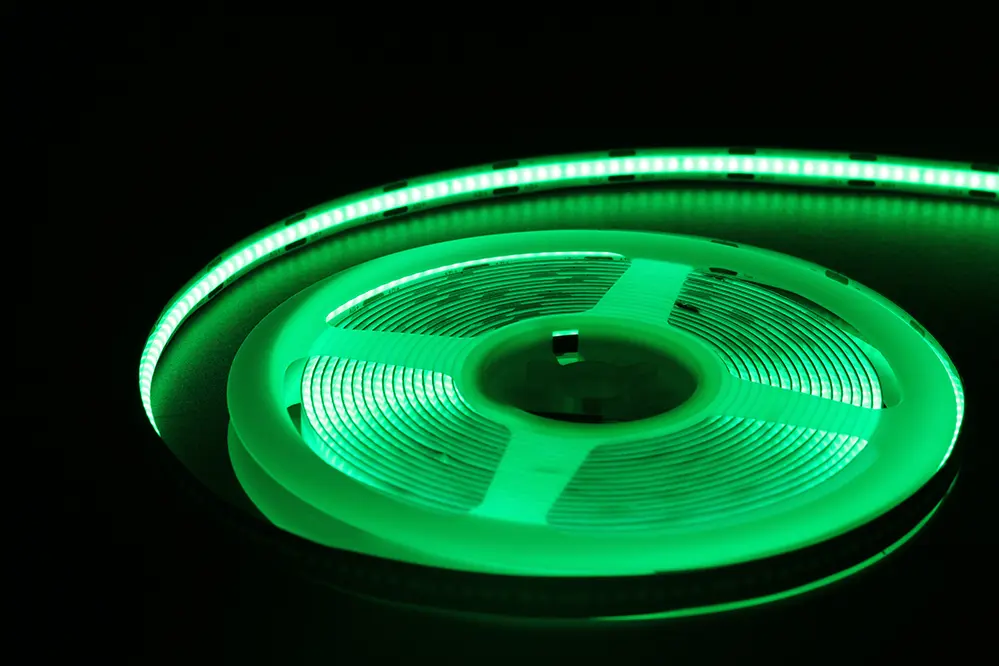
In this realm of advanced lighting solutions, Unitop stands out as one of China’s leading manufacturers, specializing in high-quality Tiras de luces LED y Flexo de neón LED. With its commitment to excellence and proven track record of delivering superior products, póngase en contacto con Unitop to transform your space with the unmatched benefits of LED lighting, ensuring safety and efficiency.
Puestos relacionados

Tom es ahora el Director de Ventas de Unitop (China) S.L.. Ha estado en el Iluminación LED industria desde 2005. Es experto en ventas y marketing, y en gestión de fábricas. Le gusta el culturismo, ¡y también es un fan loco de Apple! Es un tipo muy trabajador y le encanta aprender y probar cosas nuevas.
Correo electrónico: tom@unitopledstrip.com WhatsApp: +86-18680307140



Dejar un comentario
¿Quieres unirte a la conversación?Siéntete libre de contribuir!