
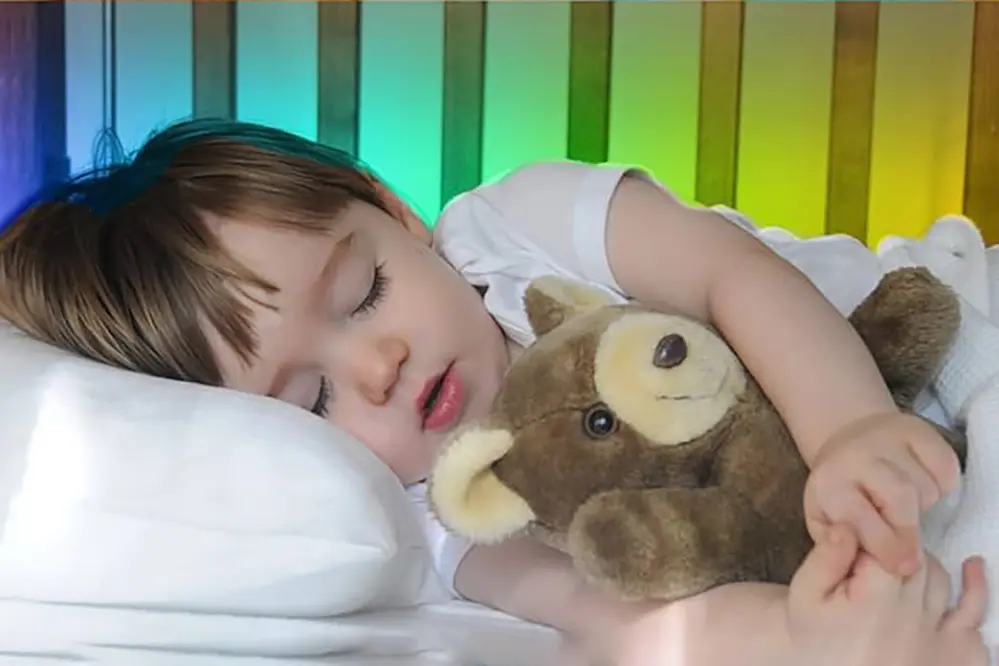
With the rising popularity of LED strip lights, many parents are questioning the safety of babies. In this comprehensive guide, we explore the impact of LED lights on infants, debunking myths and presenting facts.
LED strip lights, if used correctly, are generally safe for babies. However, factors like blue light exposure, intensity, and installation safety need careful consideration to ensure they pose no risk to infant health.
Join us as we delve into the nuances of LED strip lights in baby environments, offering insights for safe usage and peace of mind for parents.
Understanding LED Strip Lights and Their Safety
LED technology has revolutionized the way we light up our homes. These small, efficient lights have found their way into every corner of modern living, from the bright screens of our devices to the ambient lighting in our homes. Despite their ubiquity, concerns have been raised about the safety of LED lights, particularly in environments occupied by babies.
LED strip lights are a string of small, light-emitting diodes (LEDs) that are used for decorative lighting. The technology behind these lights is both fascinating and complex. At its core, an LED is a semiconductor device that emits light when an electric current passes through it. This process, known as electroluminescence, allows LEDs to produce light efficiently, consuming less power and generating less heat than traditional incandescent bulbs.
However, when it comes to using LED strip lights in baby environments, several concerns arise. The primary worry for many parents is the intensity and color of the light emitted by LEDs. Bright or harsh lighting can be overwhelming for a baby’s developing eyesight. Furthermore, the blue light emitted by some LEDs has been a topic of discussion among health professionals. While blue light is a natural part of the spectrum that we receive from the sun, excessive exposure, especially from artificial sources like LEDs, has been linked to disrupted sleep patterns and eye strain.
The Science Behind LED Lights
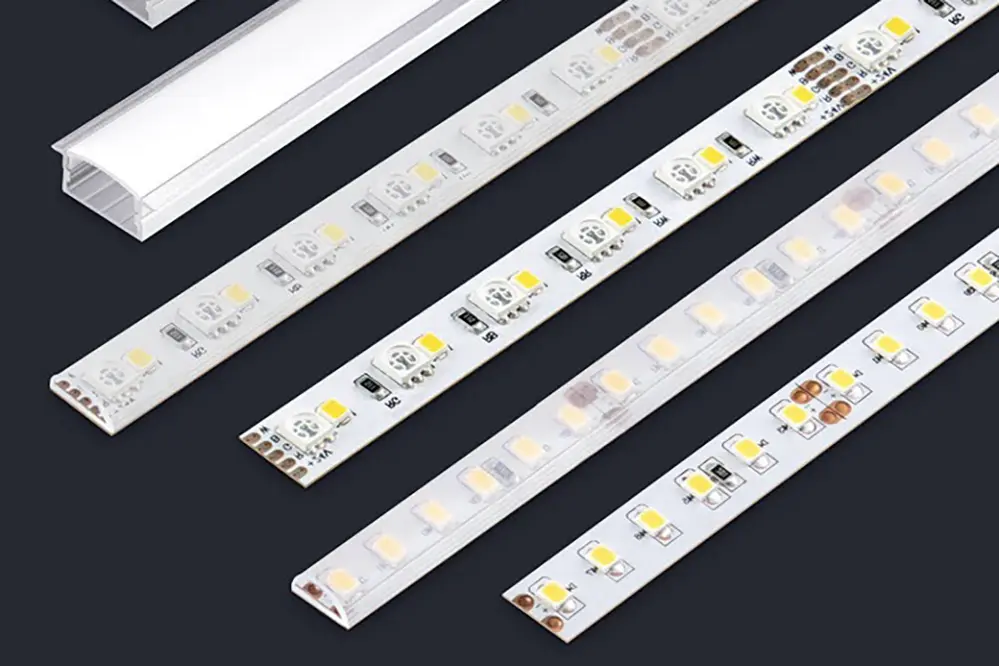
Understanding how LEDs produce light is key to comprehending their effects on human health. Unlike traditional lighting methods, which often rely on heating a filament to produce light, LEDs use semiconductors to emit light efficiently and at controlled intensities and colors. This difference in light production has implications for how we perceive LED light and how it affects us.
The science of light emission in LEDs is based on the properties of semiconductors. When an electric current is applied, electrons in the semiconductor recombine with electron holes, releasing energy in the form of photons. This process can be adjusted to emit light at different wavelengths, which is how different colors of LED lights are produced.
When it comes to the impact of this light on infants, the blue light emitted by LEDs is of particular concern. Blue light is a high-energy, short-wavelength light that is naturally present in daylight and helps regulate our circadian rhythm. However, excessive exposure to artificial blue light, especially during evening hours, can disrupt this natural rhythm, potentially impacting an infant’s sleep pattern and overall health. Studies have suggested that prolonged exposure to blue light can cause eye strain and fatigue, and there is ongoing research into its long-term effects on eye health.
In summary, while LED strip lights offer energy-efficient and versatile lighting options, understanding their technology and the potential impact of blue light on infants is crucial for safe usage in environments where babies spend time.
The Impact of LED Lights on Babies’ Health
The introduction of LED lights into our homes has raised important questions about their impact on the youngest members of our families. Understanding how these lights affect babies’ health, particularly in terms of sleep patterns and eye safety, is crucial for parents and caregivers.
The influence of LED lighting on baby sleep cycles is a significant concern. The human circadian rhythm, which regulates sleep-wake cycles, is sensitive to light, especially the blue light emitted by many LED products. For babies, whose sleep patterns are still developing, exposure to high levels of blue light, especially before bedtime, can lead to difficulties in falling asleep or staying asleep. This disruption can have a ripple effect, impacting not only the baby’s rest but also their overall mood and health.
When it comes to eye safety, the concerns are twofold. First, the intensity of LED lights can be overwhelming for a baby’s sensitive eyes. Direct exposure to bright LED lights should be avoided to prevent potential discomfort or harm. Secondly, the long-term effects of blue light exposure on eye health are still being studied, but it’s generally advised to limit this exposure for babies.
Myths vs. Facts: LED Lights and Baby Health
The widespread use of LED lighting has given rise to various myths and misunderstandings, particularly regarding their impact on infants.
One common myth is that all LED lights are inherently harmful to babies. This is not entirely true. While certain types of LED light can be disruptive, not all LEDs are created equal. Many modern LEDs are designed to minimize harmful blue light and can be safe when used appropriately in a nursery setting.
Another myth is that LED lights can cause skin issues in babies. There is no substantial evidence to support this claim. LED lights, in general, do not emit enough ultraviolet radiation to pose a skin hazard.
It’s essential to present factual information to parents for informed decision-making. LED lights, when chosen and used correctly, can be a safe and energy-efficient option for baby rooms. The key is to select LEDs with a warmer color temperature, which emit less blue light, and to use these lights judiciously, especially during evening hours.
Safe Usage of LED Strip Lights in Baby Rooms
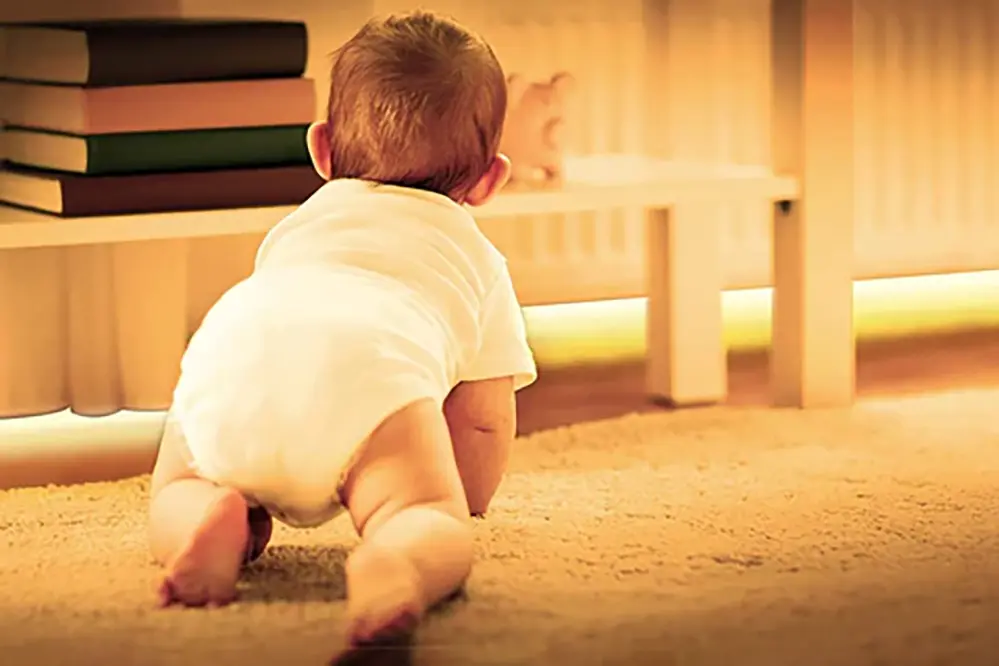
Ensuring the safe use of LED strip lights in nurseries and baby rooms is paramount. The right installation and choice of lights can make a significant difference in safety and comfort.
When installing LED strip lights, it’s important to place them where they won’t directly shine into the baby’s eyes or create a glare. Consider indirect lighting, where LED strips illuminate walls or ceilings rather than pointing directly at the baby’s sleeping area. This provides a softer, diffused light that is gentler on the eyes.
Choosing the right type of LED lights for nurseries involves looking for products with a warmer color temperature, typically below 3000 Kelvin, which emit a softer, more yellow-toned light. This reduces the amount of blue light exposure, making it less likely to disrupt the baby’s sleep.
In summary, with careful selection and thoughtful installation, LED strip lights can be used safely and effectively in baby rooms, offering a convenient and energy-efficient lighting solution that aligns with the needs of young children.
Alternatives to LED Strip Lights
While LED strip lights offer numerous benefits, parents may seek alternatives for nursery lighting that prioritize safety and comfort for their babies.
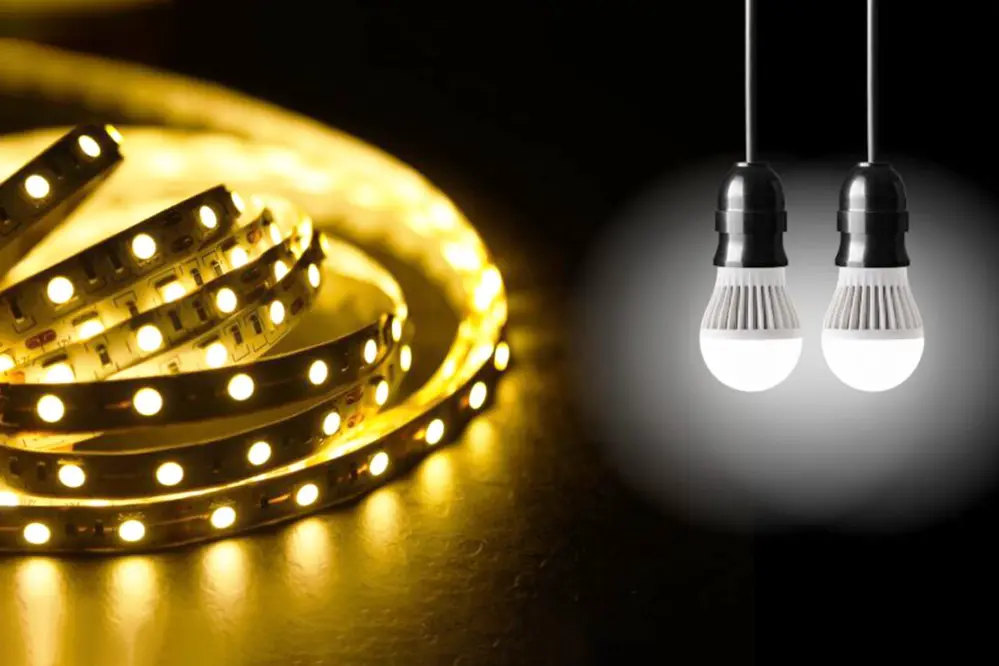
Alternatives to LED lighting include incandescent bulbs, halogen bulbs, and compact fluorescent lamps (CFLs). Incandescent bulbs, the traditional choice, provide a warm, soft light but are less energy-efficient. Halogen bulbs offer brighter, whiter light and are more energy-efficient than incandescent but can become very hot. CFLs, on the other hand, are energy-efficient and cooler but contain small amounts of mercury, requiring careful handling and disposal.
In comparison, LEDs are more energy-efficient, have a longer lifespan, and do not contain hazardous materials like mercury. However, their potential for blue light emission is a concern. Thus, the choice of nursery lighting should balance the need for energy efficiency, safety, and the least disruptive impact on the baby’s sleep and overall well-being.
Expert Opinions and Advice
Pediatricians and lighting experts offer valuable insights on the optimal lighting for nurseries, guiding parents in creating a safe and soothing environment for their infants.
Experts generally agree that nursery lighting should be calming and conducive to sleep. Pediatricians often recommend using dimmable lights to create a tranquil atmosphere that supports the baby’s sleep cycle. Lighting experts suggest warm-colored lights for nurseries, as they are less stimulating and closer to natural evening light.
Regarding LED lights, experts advise choosing LEDs with a warmer color temperature and avoiding direct exposure to the baby’s eyes. The use of smart LED systems that can be programmed to dim or change color throughout the day is also recommended. This aligns with the natural progression from daylight to evening light, helping to maintain the baby’s circadian rhythm.
Preguntas frecuentes
Q: What color LED light is best for a baby’s room?
A: A warm, soft color like yellow or orange is ideal as it’s soothing and less likely to disrupt your baby’s sleep patterns compared to bright or blue-toned lights.
Q: Can LED lights affect my baby’s mood during the day?
A: Yes, lighting can influence mood. Natural, softer lighting during the day can help keep your baby calm and happy. Overly bright or harsh lighting might cause irritation or overstimulation.
Q: Are dimmable LED lights a good choice for nurseries?
A: Absolutely! Dimmable LEDs give you control over brightness, allowing you to create a relaxing environment for your baby, especially during sleep times.
Q: How can I ensure the LED strip lights in my baby’s room are safe?
A: Ensure they’re installed securely out of reach, use lights with a warmer color temperature, and avoid direct exposure to your baby’s eyes. Also, consider lights with a lower intensity.
Q: Do LED lights emit harmful UV radiation?
A: No, LED lights do not emit UV radiation, making them safer compared to some other light sources that do emit UV rays.
Q: Is it safe to leave LED strip lights on all night in a baby’s room?
A: It’s better to turn them off to avoid disrupting your baby’s natural sleep cycle. If you need a night light, opt for a dim, warm-colored one.
Q: Are flashing or color-changing LED lights okay for babies?
A: It’s best to avoid flashing or rapidly changing colors as they can be overstimulating for infants. Steady, soft lighting is preferable.
Q: How do I pick the right LED strip lights for my child’s nursery?
A: Look for LEDs with a warm color temperature, preferably dimmable, and ensure they’re certified for safety and quality.
Q: Can the blue light from LED strips disrupt my baby’s sleep?
A: Yes, blue light can interfere with sleep. Opt for LEDs that emit minimal blue light, especially in the evenings, to promote better sleep.
Q: Are there LED lights that can mimic natural daylight in my baby’s room?
A: Yes, there are LED options available that mimic natural daylight. These can be beneficial during the day to maintain a natural circadian rhythm.
Conclusión
In conclusion, while LED strip lights are generally safe for babies when used correctly, it’s important to consider factors like blue light exposure and installation location. Alternatives like incandescent, halogen, and CFL bulbs present their own sets of pros and cons. Expert advice leans towards creating a calming environment with warm, dimmable lighting, and making informed choices about LED usage based on color temperature and placement. Ultimately, the safety and comfort of the baby are paramount, guiding parents and caregivers in their decisions regarding nursery lighting.
If you’re looking for top-notch LED lighting solutions, look no further than Unitop, uno de los principales fabricantes chinos de Tiras de luces LED y Flexo de neón LED. Renowned for its quality and innovation, Unitop offers an extensive range of LED products that cater to your specific needs. Whether you’re still pondering over the right lighting choice for your nursery or have specific requirements, don’t hesitate to contact Unitop. Their expertise and commitment to excellence in the LED industry make them a go-to source for all your LED lighting needs. Extienda la mano today and illuminate your baby’s world with safety and style!

Tom es ahora el Director de Ventas de Unitop (China) S.L.. Ha estado en el Iluminación LED industria desde 2005. Es experto en ventas y marketing, y en gestión de fábricas. Le gusta el culturismo, ¡y también es un fan loco de Apple! Es un tipo muy trabajador y le encanta aprender y probar cosas nuevas.
Correo electrónico: tom@unitopledstrip.com WhatsApp: +86-18680307140




Dejar un comentario
¿Quieres unirte a la conversación?Siéntete libre de contribuir!