
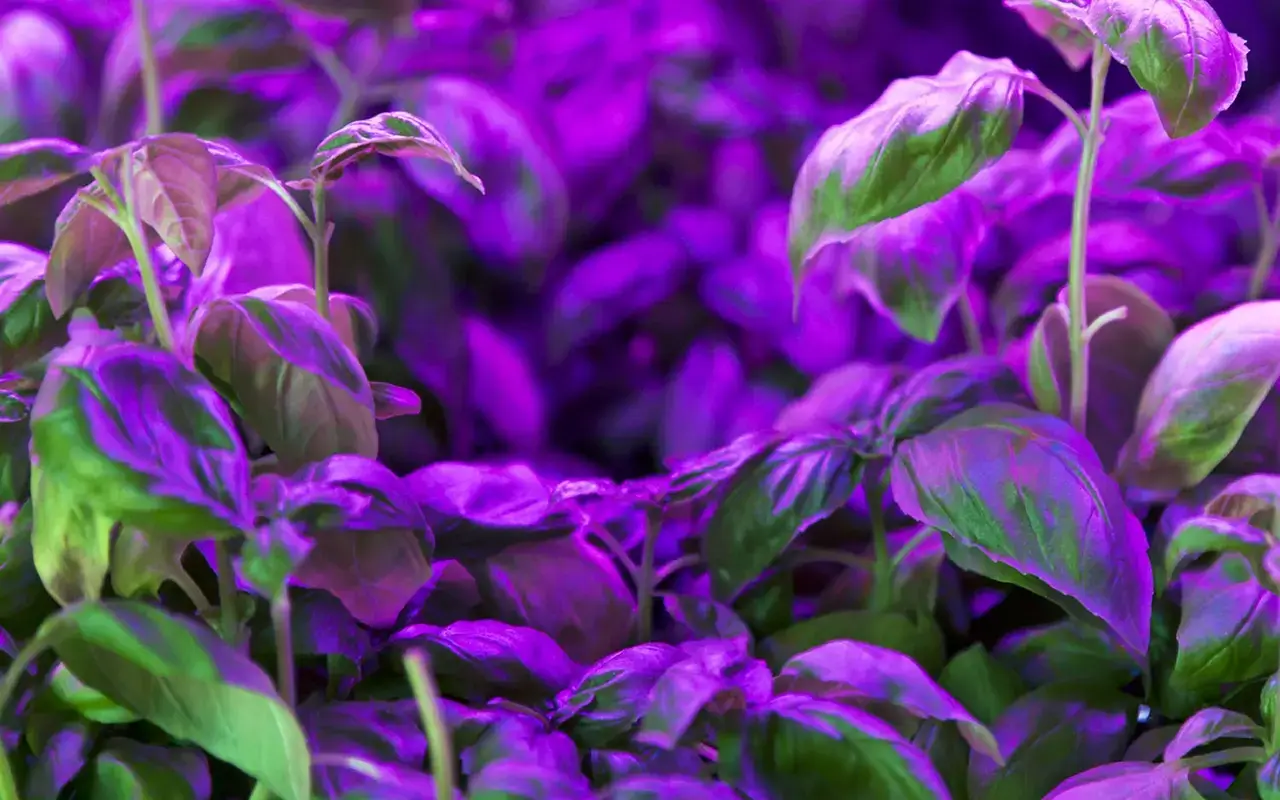
LED strips are a multifaceted innovation. These strips are often used for decoration or in viral videos, but they also help plants grow. In this era, sustainability is important, not just a trend. Let’s consider practical and unusual solutions. LED strip lights are a great way to help plants grow. They are eco-friendly, efficient, and highly effective.
In this article, we will explain how this technology provides light for your plants. We will also discuss why you should consider using this option for your indoor garden.
Why Do Plants Need Sunlight?
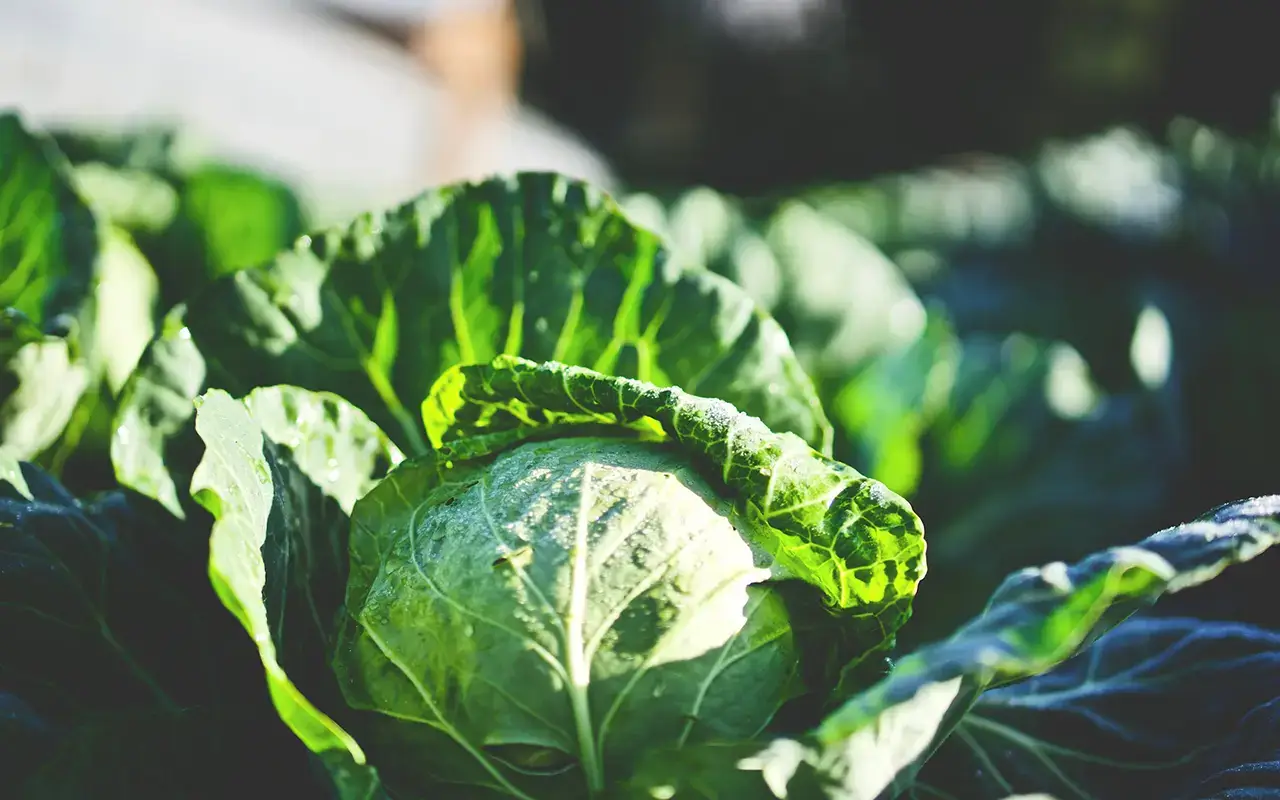
Sunlight is the lifeblood of plants. Plants turn sunlight into energy using photosynthesis. This process is catalyzed by something. This energy keeps them alive and is the basic building block for all food webs on Earth. So, what happens when sunlight is scarce or unavailable? Plants suffer. They become leggy, pale, and weak, leading to lower yields and, in extreme cases, death. To have a successful indoor garden, you need a light source that can replace sunlight.
The Growing Trend of Indoor Gardening
The concept of indoor gardening has been gaining traction for various reasons. Urban living often has space limitations, making traditional gardening impractical for many. People are growing their own food to be self-sufficient and live organically. However, indoor gardening is relatively easy. The primary obstacle? Mimicking the natural light that plants so desperately need for photosynthesis. LED strip lights have made it possible for indoor gardeners to grow plants all year round.
¿Qué son las tiras de LED?
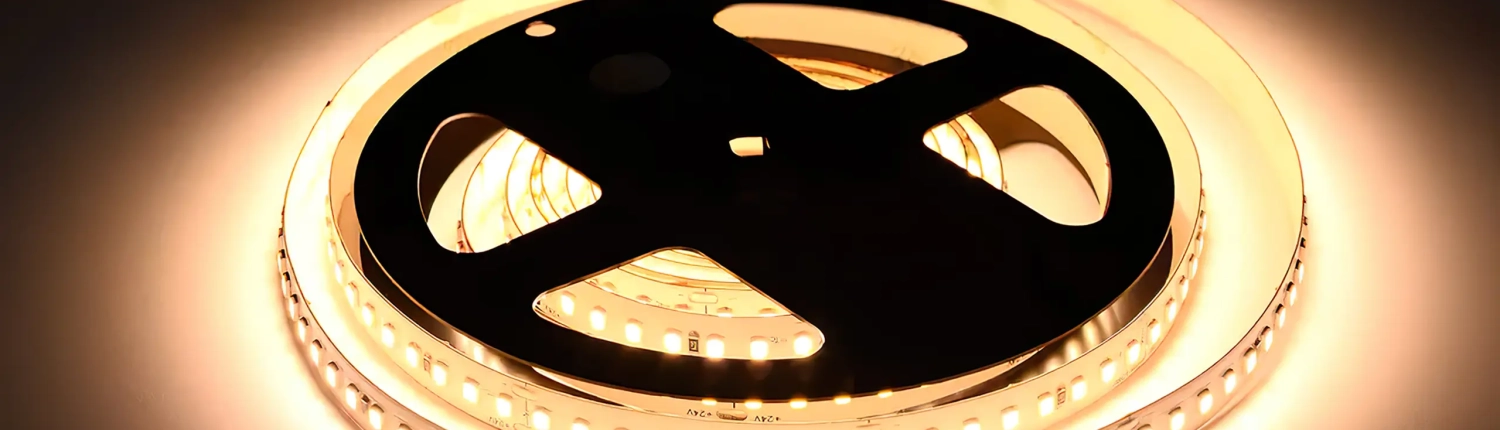
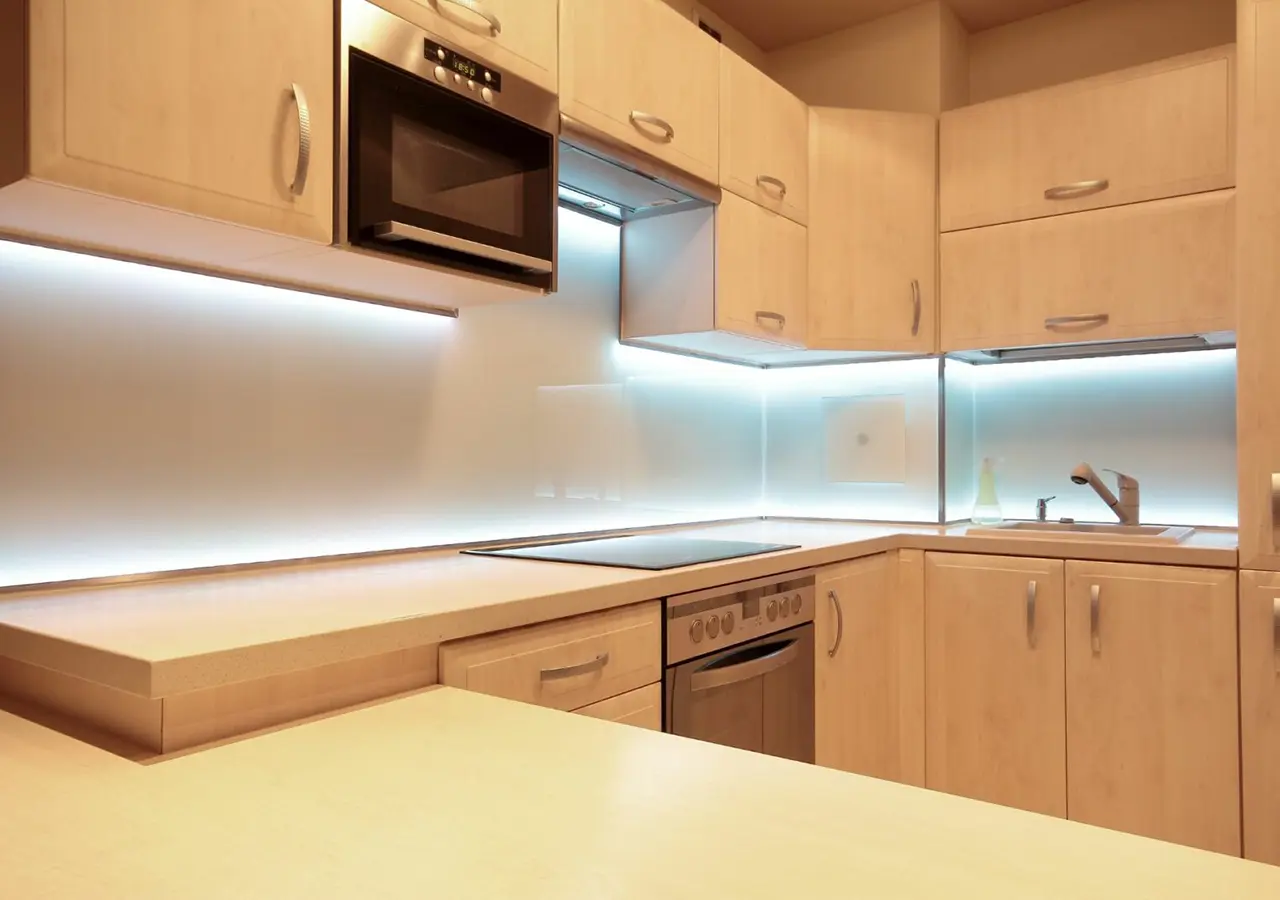
LED strip lights are made by putting LED lights on a flexible circuit board strip. The strips are versatile. They can be cut to fit individual needs during installation. They also have a sticky back, so you can easily stick them on different things. But their spectral capabilities set LED strips apart from other light sources. LED lights can emit different colors, making them perfect for indoor gardening. They are energy-efficient too.
Different Types of LED Strips for Plant Growth
RGB vs. Full-Spectrum LED Strips
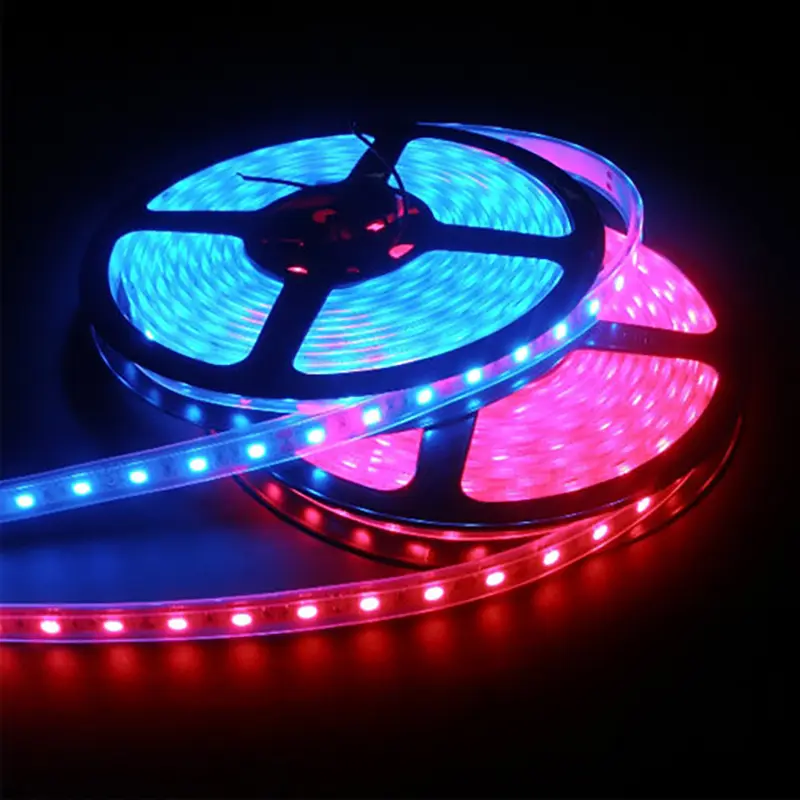
RGB LED strips are usually not used to assist plant growth, despite their vibrant red, green, and blue colors. Although they look nice, they don’t give plants all the light they need to grow well. On the other hand, full-spectrum LED strips are engineered to produce a balanced range of light wavelengths. Plants thrive when they get sunlight-like wavelengths. This helps their roots, flowers, and fruits.
Single Color vs. Multi-Color
Single-color LED strips are a great choice if you want to focus on a specific growth phase of your plants. Blue light helps plants grow, while red light makes them flower and bear fruit. Multi-color strips provide a complete solution. They emit different wavelengths for all growth stages. You can set these lights to match what your plants need, so they work well for indoor gardens.
Traditional Light Sources vs. LED Strips
Efficiency of LED Light Strips
LED strips use less energy than fluorescent or incandescent bulbs, making them more efficient. They utilize a fraction of the electricity while producing a light spectrum more finely tuned to plant needs. By reducing your energy bill and minimizing your carbon footprint, you can align with eco-conscious gardening practices.
Ventajas e inconvenientes
While LED strips offer significant advantages, they have drawbacks. LED lights offer many reasons to choose them: they save energy, last long, and can be customized. LED bulbs usually last longer than traditional bulbs, often by several years. The starting cost might be high, but picking the right light can aid plant growth. If you don’t know much about plant lights, you might buy ones that aren’t good. Therefore, research is critical before switching to LED strips for plant growth.
Can You Use LED Strip Lights to Grow Plants?
The Science Behind It
LED strips can be a great help to your plants. It’s important to understand the science behind this. LED strips release certain light colors that help plants grow, unlike sunlight which has many colors. The result? You can optimize photosynthesis in a controlled environment to help your plants grow better.
Required Color Spectrum
Regarding plant growth, not all colors in the spectrum are created equal. Plants need blue light for growth. It helps roots and leaves grow strong. However, red light is important for making flowers and fruits grow. Advanced LED strips can adjust the light for your plants at different stages of life.
Setting Up Your LED Strip System
Setting up your LED strip system is more than just a plug-and-play task. First, assess the area where you intend to establish your indoor garden. This will guide the length and number of LED strips you need. Choose strips that align with your plants’ growth stage and needs. Installation is usually straightforward—most strips have adhesive backing or mounting brackets. Position them in a manner that distributes light evenly across your plants. Finally, plug the setup into a power source and run tests to ensure the system functions as expected.
Factors to Consider When Using LED Strips
Distance from Plants
The positioning of LED strips can make or break your indoor garden. If you put them too close, your plants might get burned by the light. But if you set them too far, the light won’t work well. To find the best height for your plants, start with the light far away and slowly lower it.
Light Exposure Time
Determining the optimal light exposure time is challenging but essential for plant growth. 14-18 hours of light exposure is generally recommended for vegetative growth stages. However, during the flowering stage, 10-12 hours should suffice. LED systems have timers that control the lighting schedule automatically, so you don’t have to adjust them yourself.
Benefits of LED Strip Lights for Growing Plants
Ahorro de energía
LED strips are great for indoor gardens because they use less energy. LEDs are very efficient. They save more energy than traditional bulbs like incandescent or fluorescent ones. Saving energy can lower your monthly electricity bill and help the environment.
Space Flexibility
The design advantages of LED strips are to be considered. Their thin, flexible nature makes them ideal for tight or unconventional spaces. You can use LED strips to grow herbs on a windowsill or create a succulent wall. LED strips are easy to install and maximize the potential of any growing area.
Longevity and Safety
Opting for LED strips isn’t just a smart choice for now; it’s an investment for the future. These lights last for many years, much longer than traditional ones. They are well-known for this. Also, operating at lower temperatures greatly reduces the risk of accidents or fires.
Low Heat Output
Heat can be a nemesis for plants. Old-fashioned light bulbs can get so hot that they can harm or even scorch your plants. LED strips, in contrast, maintain a low heat output. You can put them closer to the plant canopy to absorb more light without getting damaged by heat.
Real-Life Examples and Case Studies
Case Study 1: Jane, a Home Gardener
A passionate home gardener, Jane switched from conventional lighting to full-spectrum LED strips. The result? Her plant yields a staggering 20% increase within a single growth cycle. Jane’s story demonstrates how LED lighting can revolutionize indoor gardening, not just in one case.
Case Study 2: Academic Insight
LED lights are better than fluorescent lights for plants, according to a study by Colorado State University in 2019. The study showed that LEDs are better at producing light and using energy than other lights. Many indoor gardeners already knew this.
Preguntas frecuentes
Can I Use Standard LED Strips for Growing Plants?
No, your average LED strip won’t suffice for optimal plant growth. You’ll want to go for LED strips that are either full-spectrum or dominant in blue and red wavelengths. These specific types of light imitate the sun and are made for plants at different growth stages. Full-spectrum LED strips are very versatile. They simulate natural sunlight and provide plants with balanced light.
What’s the Ideal Light Exposure Duration with LED Strips?
Aim to have the LED strips on for about 14-18 hours daily for the vegetative stage. Once your plants reach the flowering stage, you can reduce this to 10-12 hours. To avoid stressing your plants, it’s important to imitate natural day-night cycles. You can use programmable timers to automate this.
What LED Color Spectrum Should I Use for Seedlings and Clones?
For seedlings and clones, a blue-dominant light spectrum is often recommended. Blue light helps plants grow better by strengthening their roots and leaves, making them healthier.
Is it Possible to Use Regular LED Lights for Plant Growth?
Se pueden utilizar luces LED normales, pero las tiras LED para cultivo de plantas son más eficaces. Los LED normales no tienen las longitudes de onda adecuadas para las distintas fases de crecimiento. Aunque se utilicen, es probable que estas tiras de LED produzcan peores resultados que las de espectro completo o las dominantes rojo/azul.
¿Cómo elegir las mejores tiras LED para el crecimiento de las plantas?
A la hora de elegir una tira de LED, piense en sus plantas, su fase de crecimiento y su espacio. Cuando elijas tiras de luz, busca las que tengan una buena mezcla de luz azul y roja. Otra opción son las luces de espectro completo, que son muy eficientes. Otras características importantes son la intensidad de luz regulable y los horarios programables.
¿Las tiras LED pueden dañar mis plantas?
Aunque las tiras de LED suelen ser seguras, un uso inadecuado puede provocar estrés lumínico. Para proteger tus plantas, ten cuidado con el exceso de luz o los espectros incorrectos. Busca signos de marchitamiento o decoloración y ajusta la configuración según sea necesario.
¿Qué pasa con la eficiencia de los LED?
Las tiras de LED son energéticamente eficientes y proporcionan grandes cantidades de luz sin consumir mucha electricidad. Los jardines de interior son una inversión barata y ecológica que ahorra dinero y energía.
¿Puedo utilizar tiras de LED en un sistema hidropónico?
Las tiras de LED son ideales para los sistemas hidropónicos. Las luces LED no producen mucho calor y se pueden cambiar para diferentes necesidades de iluminación. Estas luces funcionan bien para estas configuraciones porque proporcionan suficiente luz sin sobrecalentar el agua o las raíces.
¿A qué distancia deben estar las tiras LED de mis plantas?
Demasiado cerca y corres el riesgo de quemar las plantas. Demasiado lejos, y la luz podría no ser eficaz. La distancia ideal varía según el tipo de planta y la fase de crecimiento. Aun así, una regla general es empezar a unos 15 cm de distancia y ajustarla según sea necesario.
¿Son las tiras LED una inversión a largo plazo?
Las tiras LED suelen durar mucho tiempo, a menudo más de 50.000 horas antes de que sea necesario sustituirlas. Las tiras LED son una opción inteligente para los jardineros de interior. Ahorran energía y favorecen el crecimiento de las plantas.
Consejos para cultivar plantas con tiras LED
Tiras LED en hidroponía
En lo que respecta a la jardinería hidropónica, las tiras de luces LED son un complemento perfecto. Los sistemas cerrados suelen tener poca circulación de aire. Es mejor utilizar dispositivos que generen menos calor. Además, su alta eficiencia garantiza que las plantas reciban la luz adecuada sin derrochar electricidad. El uso de tiras de LED en su instalación hidropónica puede marcar una gran diferencia en el crecimiento de sus plantas.
Ajustes adecuados para un crecimiento óptimo
Las tiras de luz LED no son una solución "instalar y olvidar". Es importante vigilar las plantas para detectar signos de estrés lumínico, como marchitamiento o cambios de color. Si observa signos de estrés, los sistemas LED modernos pueden ajustar el brillo o el color de la luz. Los LED pueden ajustar su iluminación, lo que resulta útil para jardines de interior que cambian con el tiempo.
Coste de las tiras LED para el cultivo de plantas
El coste de un buen sistema de tiras LED puede parecer elevado al principio, pero no se apresure a juzgar. Desde una perspectiva a largo plazo, los LED suelen ser la opción más económica. Las personas que disfrutan de la jardinería de interior pueden ahorrar dinero eligiendo opciones duraderas y rentables.
Conclusión
Las tiras de LED no son sólo estéticas: cambian las reglas del juego en el cultivo de plantas de interior. Las ventajas son numerosas, desde la eficiencia energética hasta la adaptabilidad a diversas condiciones de cultivo. Aunque los costes iniciales pueden ser desalentadores, los beneficios a largo plazo son innegables.
¿Está preparado para elevar su jardín interior a nuevas cotas de productividad y belleza? No lo dudes: un oasis interior exuberante y próspero podría estar a sólo una tira de LED.
Esta es la guía completa para utilizar las tiras de luces LED para el mejor crecimiento de las plantas. No hay mejor momento que ahora para embarcarse en su viaje de jardinería de interior con el poder de los LED.
Las tiras de luces LED no son sólo una tendencia en jardinería de interior, son una herramienta que cambia las reglas del juego. Si necesita Tiras de luces LED y Flexo de neón LEDconsulte Unitop. Es uno de los mejores fabricantes de China. Para cualquier pregunta o necesidad especializada, no dude en ponerse en contacto con nosotros. contacte con nosotros. Cuando usted compra luces Unitop, no sólo está comprando luces. También está invirtiendo en crecimiento, calidad y experiencia que nadie puede superar.

Tom es ahora el Director de Ventas de Unitop (China) S.L.. Ha estado en el Iluminación LED industria desde 2005. Es experto en ventas y marketing, y en gestión de fábricas. Le gusta el culturismo, ¡y también es un fan loco de Apple! Es un tipo muy trabajador y le encanta aprender y probar cosas nuevas.
Correo electrónico: tom@unitopledstrip.com WhatsApp: +86-18680307140



Dejar un comentario
¿Quieres unirte a la conversación?Siéntete libre de contribuir!