
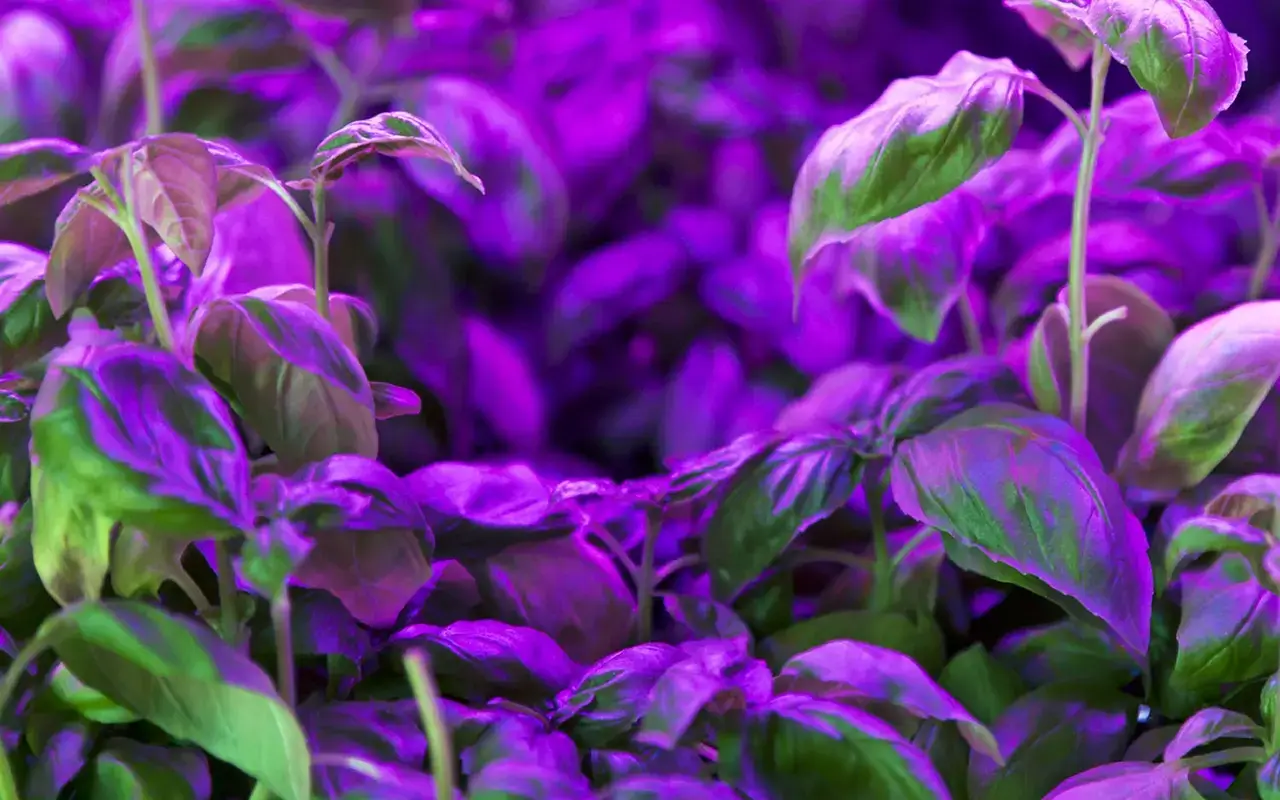
LED strips are a multifaceted innovation. These strips are often used for decoration or in viral videos, but they also help plants grow. In this era, sustainability is important, not just a trend. Let’s consider practical and unusual solutions. LED strip lights are a great way to help plants grow. They are eco-friendly, efficient, and highly effective.
In this article, we will explain how this technology provides light for your plants. We will also discuss why you should consider using this option for your indoor garden.
Why Do Plants Need Sunlight?
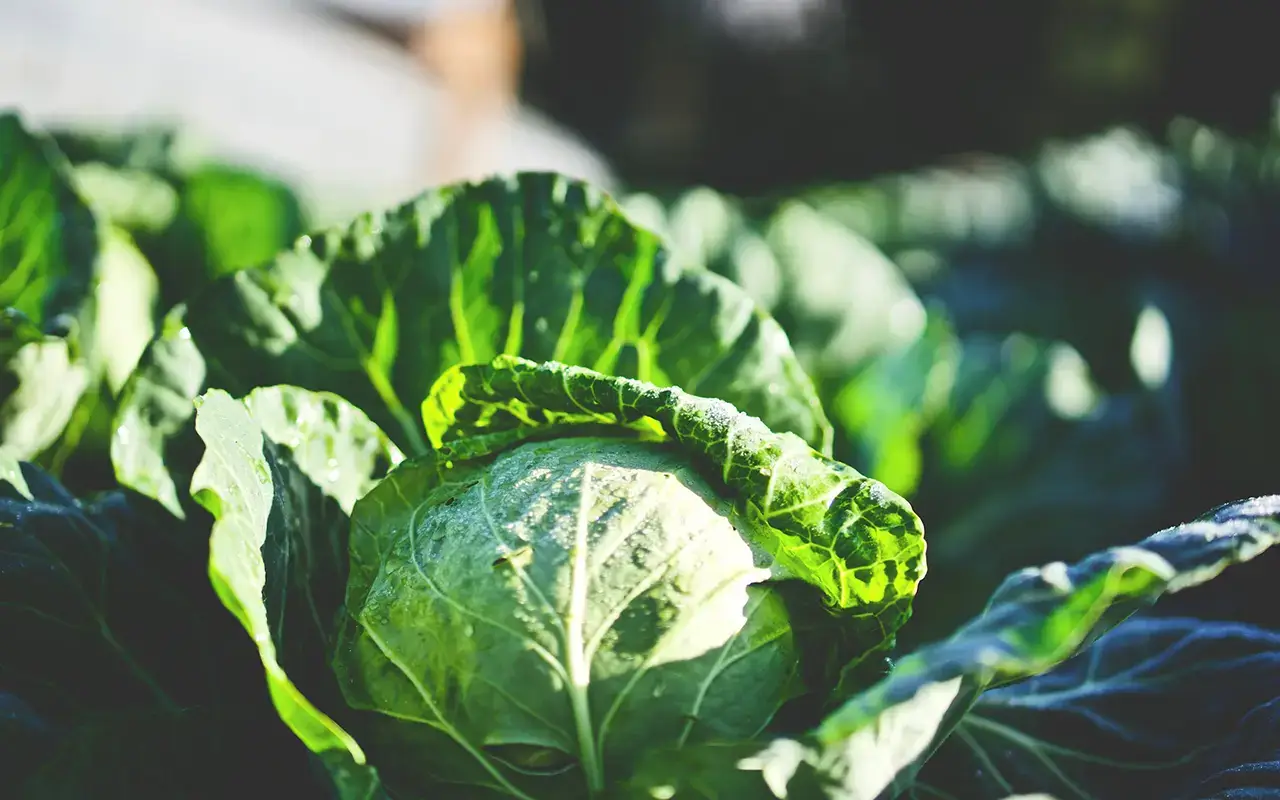
Sunlight is the lifeblood of plants. Plants turn sunlight into energy using photosynthesis. This process is catalyzed by something. This energy keeps them alive and is the basic building block for all food webs on Earth. So, what happens when sunlight is scarce or unavailable? Plants suffer. They become leggy, pale, and weak, leading to lower yields and, in extreme cases, death. To have a successful indoor garden, you need a light source that can replace sunlight.
The Growing Trend of Indoor Gardening
The concept of indoor gardening has been gaining traction for various reasons. Urban living often has space limitations, making traditional gardening impractical for many. People are growing their own food to be self-sufficient and live organically. However, indoor gardening is relatively easy. The primary obstacle? Mimicking the natural light that plants so desperately need for photosynthesis. LED strip lights have made it possible for indoor gardeners to grow plants all year round.
Qu'est-ce qu'une bande LED ?
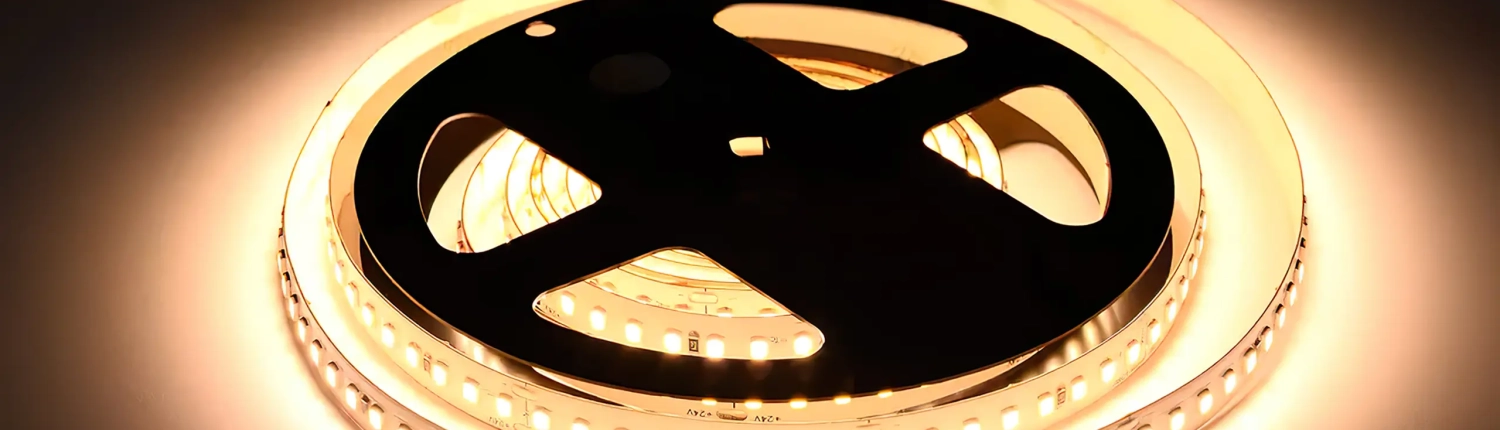
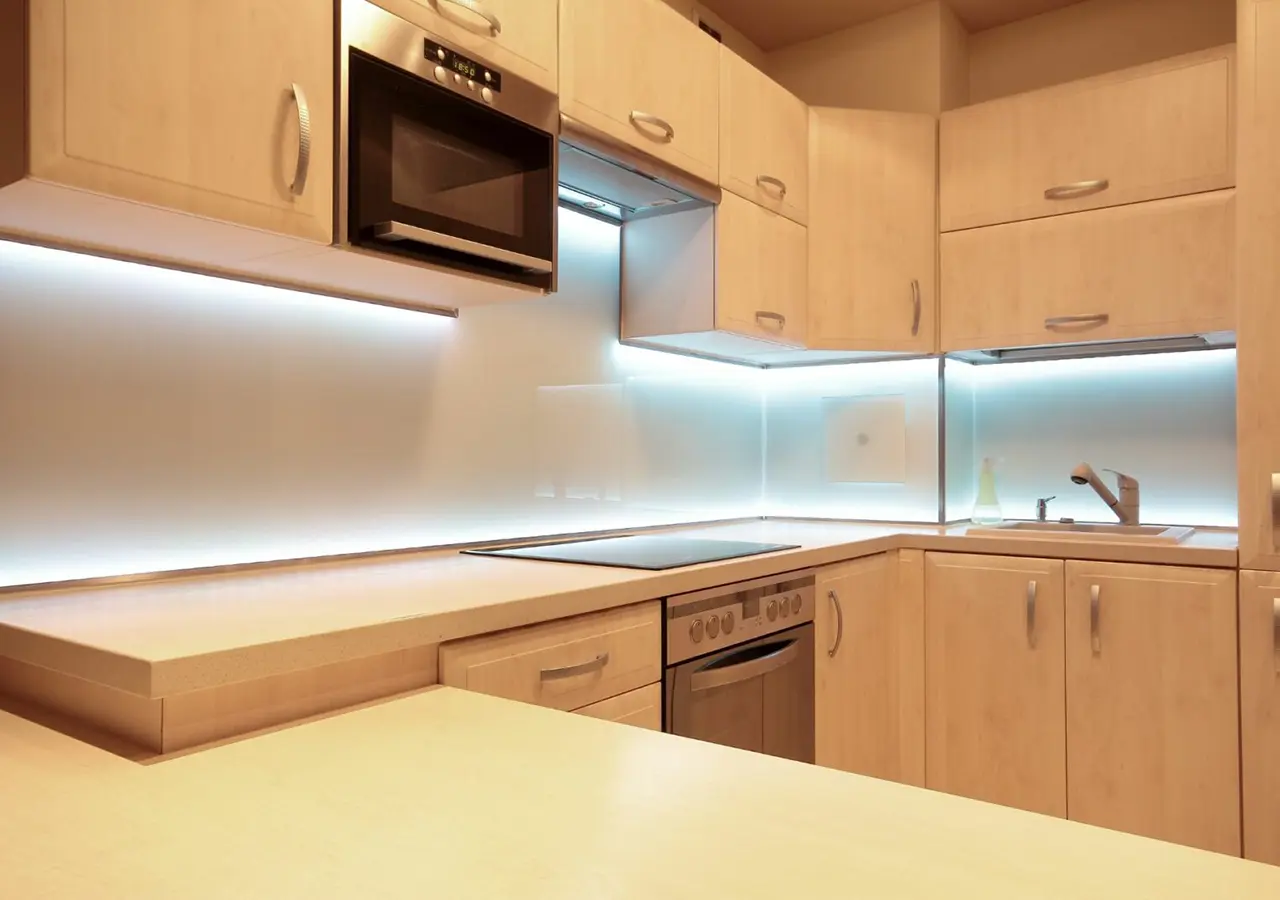
LED strip lights are made by putting LED lights on a flexible circuit board strip. The strips are versatile. They can be cut to fit individual needs during installation. They also have a sticky back, so you can easily stick them on different things. But their spectral capabilities set LED strips apart from other light sources. LED lights can emit different colors, making them perfect for indoor gardening. They are energy-efficient too.
Different Types of LED Strips for Plant Growth
RGB vs. Full-Spectrum LED Strips
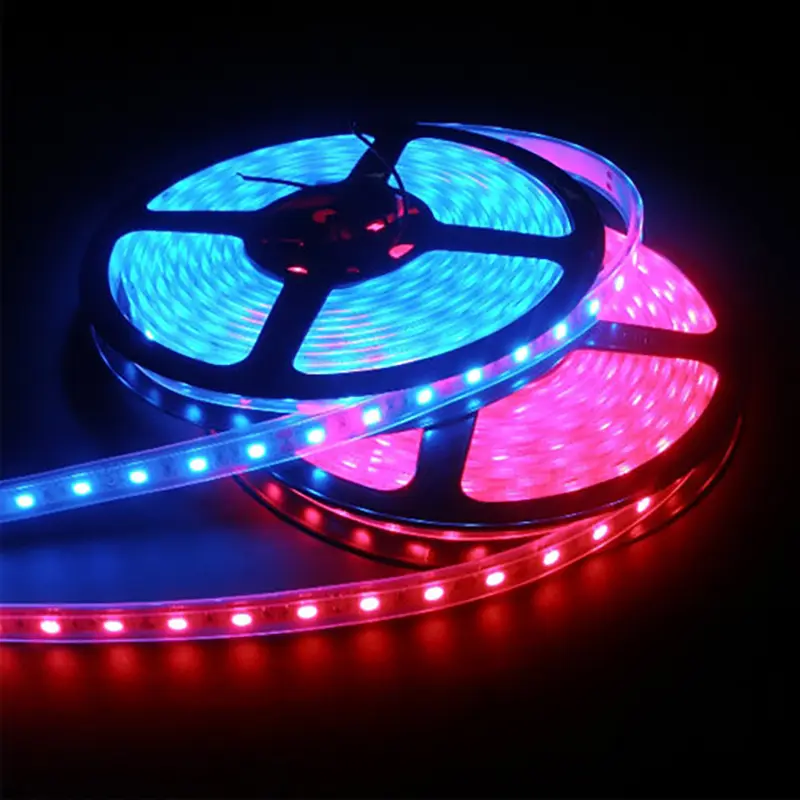
RGB LED strips are usually not used to assist plant growth, despite their vibrant red, green, and blue colors. Although they look nice, they don’t give plants all the light they need to grow well. On the other hand, full-spectrum LED strips are engineered to produce a balanced range of light wavelengths. Plants thrive when they get sunlight-like wavelengths. This helps their roots, flowers, and fruits.
Single Color vs. Multi-Color
Single-color LED strips are a great choice if you want to focus on a specific growth phase of your plants. Blue light helps plants grow, while red light makes them flower and bear fruit. Multi-color strips provide a complete solution. They emit different wavelengths for all growth stages. You can set these lights to match what your plants need, so they work well for indoor gardens.
Traditional Light Sources vs. LED Strips
Efficiency of LED Light Strips
LED strips use less energy than fluorescent or incandescent bulbs, making them more efficient. They utilize a fraction of the electricity while producing a light spectrum more finely tuned to plant needs. By reducing your energy bill and minimizing your carbon footprint, you can align with eco-conscious gardening practices.
Avantages et inconvénients
While LED strips offer significant advantages, they have drawbacks. LED lights offer many reasons to choose them: they save energy, last long, and can be customized. LED bulbs usually last longer than traditional bulbs, often by several years. The starting cost might be high, but picking the right light can aid plant growth. If you don’t know much about plant lights, you might buy ones that aren’t good. Therefore, research is critical before switching to LED strips for plant growth.
Can You Use LED Strip Lights to Grow Plants?
The Science Behind It
LED strips can be a great help to your plants. It’s important to understand the science behind this. LED strips release certain light colors that help plants grow, unlike sunlight which has many colors. The result? You can optimize photosynthesis in a controlled environment to help your plants grow better.
Required Color Spectrum
Regarding plant growth, not all colors in the spectrum are created equal. Plants need blue light for growth. It helps roots and leaves grow strong. However, red light is important for making flowers and fruits grow. Advanced LED strips can adjust the light for your plants at different stages of life.
Setting Up Your LED Strip System
Setting up your LED strip system is more than just a plug-and-play task. First, assess the area where you intend to establish your indoor garden. This will guide the length and number of LED strips you need. Choose strips that align with your plants’ growth stage and needs. Installation is usually straightforward—most strips have adhesive backing or mounting brackets. Position them in a manner that distributes light evenly across your plants. Finally, plug the setup into a power source and run tests to ensure the system functions as expected.
Factors to Consider When Using LED Strips
Distance from Plants
The positioning of LED strips can make or break your indoor garden. If you put them too close, your plants might get burned by the light. But if you set them too far, the light won’t work well. To find the best height for your plants, start with the light far away and slowly lower it.
Light Exposure Time
Determining the optimal light exposure time is challenging but essential for plant growth. 14-18 hours of light exposure is generally recommended for vegetative growth stages. However, during the flowering stage, 10-12 hours should suffice. LED systems have timers that control the lighting schedule automatically, so you don’t have to adjust them yourself.
Benefits of LED Strip Lights for Growing Plants
Energy Savings
LED strips are great for indoor gardens because they use less energy. LEDs are very efficient. They save more energy than traditional bulbs like incandescent or fluorescent ones. Saving energy can lower your monthly electricity bill and help the environment.
Space Flexibility
The design advantages of LED strips are to be considered. Their thin, flexible nature makes them ideal for tight or unconventional spaces. You can use LED strips to grow herbs on a windowsill or create a succulent wall. LED strips are easy to install and maximize the potential of any growing area.
Longevity and Safety
Opting for LED strips isn’t just a smart choice for now; it’s an investment for the future. These lights last for many years, much longer than traditional ones. They are well-known for this. Also, operating at lower temperatures greatly reduces the risk of accidents or fires.
Low Heat Output
Heat can be a nemesis for plants. Old-fashioned light bulbs can get so hot that they can harm or even scorch your plants. LED strips, in contrast, maintain a low heat output. You can put them closer to the plant canopy to absorb more light without getting damaged by heat.
Real-Life Examples and Case Studies
Case Study 1: Jane, a Home Gardener
A passionate home gardener, Jane switched from conventional lighting to full-spectrum LED strips. The result? Her plant yields a staggering 20% increase within a single growth cycle. Jane’s story demonstrates how LED lighting can revolutionize indoor gardening, not just in one case.
Case Study 2: Academic Insight
LED lights are better than fluorescent lights for plants, according to a study by Colorado State University in 2019. The study showed that LEDs are better at producing light and using energy than other lights. Many indoor gardeners already knew this.
FAQs
Can I Use Standard LED Strips for Growing Plants?
No, your average LED strip won’t suffice for optimal plant growth. You’ll want to go for LED strips that are either full-spectrum or dominant in blue and red wavelengths. These specific types of light imitate the sun and are made for plants at different growth stages. Full-spectrum LED strips are very versatile. They simulate natural sunlight and provide plants with balanced light.
What’s the Ideal Light Exposure Duration with LED Strips?
Aim to have the LED strips on for about 14-18 hours daily for the vegetative stage. Once your plants reach the flowering stage, you can reduce this to 10-12 hours. To avoid stressing your plants, it’s important to imitate natural day-night cycles. You can use programmable timers to automate this.
What LED Color Spectrum Should I Use for Seedlings and Clones?
For seedlings and clones, a blue-dominant light spectrum is often recommended. Blue light helps plants grow better by strengthening their roots and leaves, making them healthier.
Is it Possible to Use Regular LED Lights for Plant Growth?
Regular LED lights can be used, but plant-growing LED strips are more effective. Regular LEDs don’t have the right wavelengths for different growth stages. Even if they are used, these LED strips will likely produce worse results than full-spectrum or red/blue dominant ones.
How Do I Choose the Best LED Strips for Plant Growth?
When selecting an LED strip, think about your plants, their growth stage, and your space. When choosing light strips, look for ones with a good mix of blue and red light. Another option is full-spectrum lights, which are very efficient. Other important features include adjustable light intensity and programmable schedules.
Can LED Strips Harm My Plants?
While LED strips are generally safe, improper use can cause light stress. To protect your plants, be cautious of excessive light or wrong spectra. Look for signs like wilting or discoloration, then adjust settings as needed.
What’s the Deal with LED Efficiency?
LED strips are energy-efficient, delivering high amounts of light without consuming much electricity. Indoor gardens are a cheap and eco-friendly investment that saves money and energy.
Can I Use LED Strips in a Hydroponic Setup?
LED strips are great for hydroponic systems. LED lights don’t produce a lot of heat and can be changed for different lighting needs. These lights work well for these setups because they provide enough light without overheating the water or roots.
What Distance Should LED Strips Be From My Plants?
Too close, and you risk burning your plants. Too far, and the light might not be effective. The ideal distance varies depending on the plant type and growth stage. Still, a general rule is to start at about 6 inches away and adjust as necessary.
Are LED Strips a Long-Term Investment?
LED strips usually last a long time, often more than 50,000 hours before you need to replace them. LED strips are a smart choice for indoor gardeners. They save energy and promote plant growth.
Tips for Growing Plants with LED Strips
LED Strips in Hydroponics
Regarding hydroponic gardening, LED strip lights are a match made in heaven. Closed systems usually have poor air circulation. It’s better to use devices that generate less heat. Besides, their high efficiency ensures that plants receive adequate light without wasting electricity. Using LED strips in your hydroponic setup can make a big difference in the growth of your plants.
Making the Right Adjustments for Optimal Growth
LED strip lights are not a ‘set and forget’ solution. It’s important to watch your plants for signs of light stress, like wilting or color changes. If you notice signs of stress, modern LED systems can adjust the brightness or color of the light. LEDs can adjust their lighting, which is useful for indoor gardens that change over time.
Cost of LED Strips for Growing Plants
The cost of a good LED strip system may seem high at first, but don’t rush to judge. From a long-term perspective, LEDs are often the more economical choice. People who enjoy indoor gardening can save money by choosing durable and cost-effective options.
Conclusion
LED strips are not just for looks; they are game-changers for growing indoor plants. The advantages are numerous, from energy efficiency to adaptability in diverse growing conditions. While the upfront costs can be daunting, the long-term gains are undeniable.
So, are you ready to elevate your indoor garden to new heights of productivity and beauty? Don’t hesitate; a lush, thriving indoor oasis could be just an LED strip away.
This is your complete guide to using LED strip lights for the best plant growth. There’s no better time than now to embark on your indoor gardening journey with the power of LEDs.
LED strip lights are not just a trend in indoor gardening, they are a game-changing tool. If you need top-quality Bandes lumineuses LED et Flexible à néon LED, consultez le site Unitop. They are one of China’s best manufacturers. For any lingering questions or specialized needs, don’t hesitate to nous contacter. When you buy Unitop lights, you’re not just getting lights. You’re also investing in growth, quality, and expertise that no one can beat.

Tom est maintenant le directeur des ventes de Unitop (China) Co., Limited. Il a été dans le Éclairage LED l'industrie depuis 2005. Il est expert en ventes et marketing, et en gestion d'usine. Il aime le bodybuilding, et il est aussi un fan fou d'Apple ! C'est un travailleur acharné qui aime apprendre et essayer de nouvelles choses.
Email : tom@unitopledstrip.com WhatsApp : +86-18680307140



Laisser un commentaire
Rejoindre la discussion?N’hésitez pas à contribuer !