
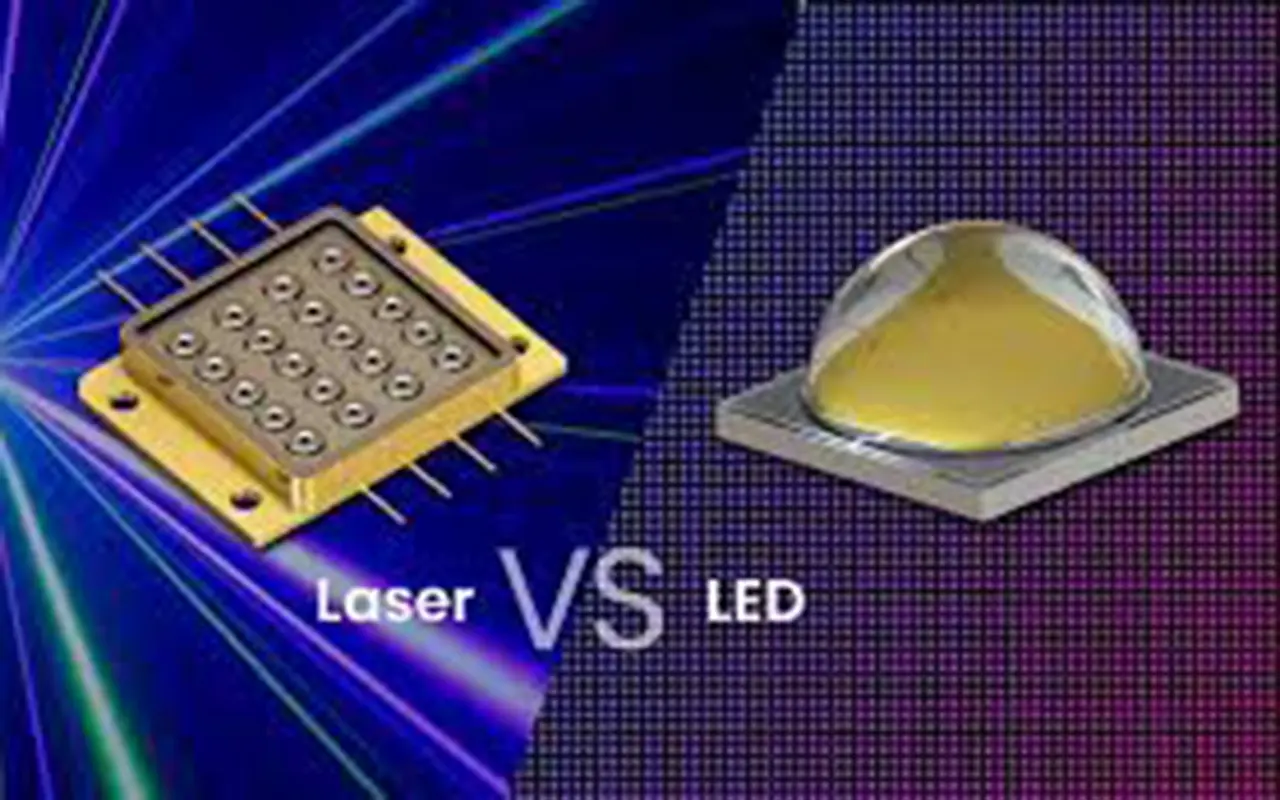
LED and Laser technologies are not just fancy words. They are crucial components that power our everyday devices. We use technologies every day, like our phone flashlight or a laser pointer, to make things easier and faster.
Understanding their differences is not only interesting, but also helps you make informed choices in healthcare and consumer electronics.
Understanding Light Fundamentals
Light is not just for brightening rooms. It is electromagnetic radiation that humans can see. It’s important to know that light comes in many colors, not just what we can see. The spectrum has visible light and other types we can’t see, like radio waves, microwaves, and X-rays.
The Electromagnetic Spectrum
Within this broad spectrum, each technology has its niche. LEDs primarily operate in the infrared and visible parts of the spectrum. Lasers, on the other hand, have a more expansive playground. They work in a wider range, including ultraviolet and possibly dangerous X-ray areas. This adaptability makes lasers incredibly versatile but also requires stricter safety protocols.
LED Demystified
LEDs, or Light Emitting Diodes, are part of our everyday lives and we often overlook them. You can find it in the light that blinks on your phone, the glow behind your TV, and the lamps that light your way home.
How LED Works
An LED functions through a process known as electroluminescence. Electricity passing through a diode excites the electrons in the semiconductor material. When they go back to normal, they give off energy as light that we can see. The process is very efficient. It turns most of the electric current into light and doesn’t lose much heat.
Key Features of LED
LED technology offers numerous advantages: it’s energy-efficient, durable, and has an extended lifespan. These bulbs are highly efficient, converting 20% of electrical energy into light. They outperform incandescent bulbs. LEDs are sturdy and can endure impacts, harsh weather, and other conditions, making them ideal for any place.
Everyday Uses of LED
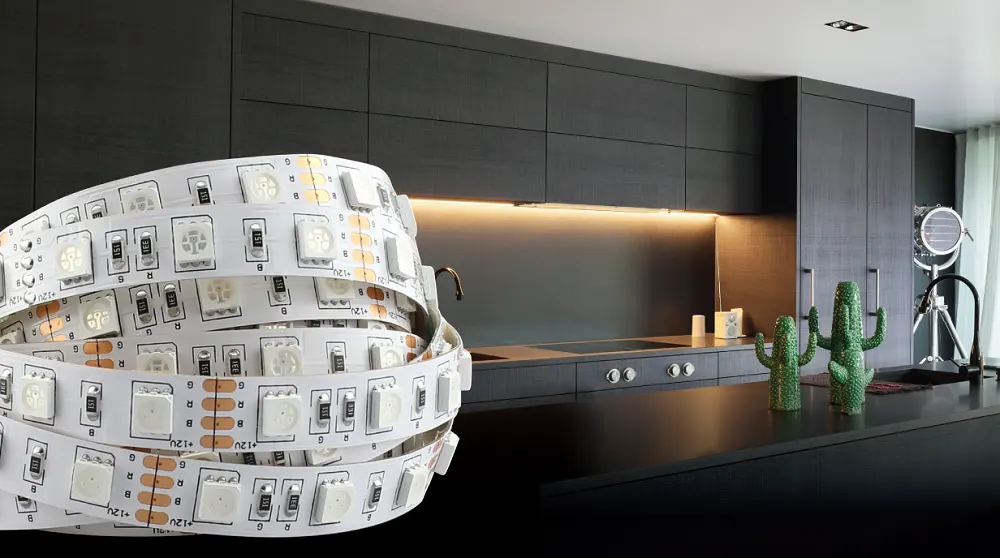
LEDs are extraordinarily versatile, serving various roles in our daily lives. They’re the technology behind your smartphone’s vibrant display and big-screen TV. They help control traffic as the red, yellow, and green signals in traffic lights. LEDs are a better choice for household lighting because they last longer and use less energy. These are just a few examples, and the list keeps expanding as technology evolves.
Laser Unveiled
The name for lasers is Light Amplification by Stimulated Emission of Radiation. Although the acronym is long, the technology is crucial in many industries. Unlike LEDs, which emit light in a diffuse pattern, Lasers are all about focus and precision. They generate a highly concentrated beam of light that serves specialized purposes.
How Laser Works
Understanding a laser means diving into the realm of quantum physics. To put it simply, a laser works by exciting light particles in a substance like a crystal or gas. This stimulation leads to a chain reaction of sorts, creating more photons. Lasers emit a single beam of light that stays together, but LEDs emit various wavelengths and are less focused.
Key Features of Laser
One of the standout features of lasers is their unparalleled focus and coherence. When we talk about focus, we mean lasers producing a beam of light that goes far without spreading. When photons are in phase, the light becomes consistent and controlled, which is called coherence. Lasers are very versatile. You can customize them for precise tasks that require accuracy and energy.
Everyday Uses of Laser
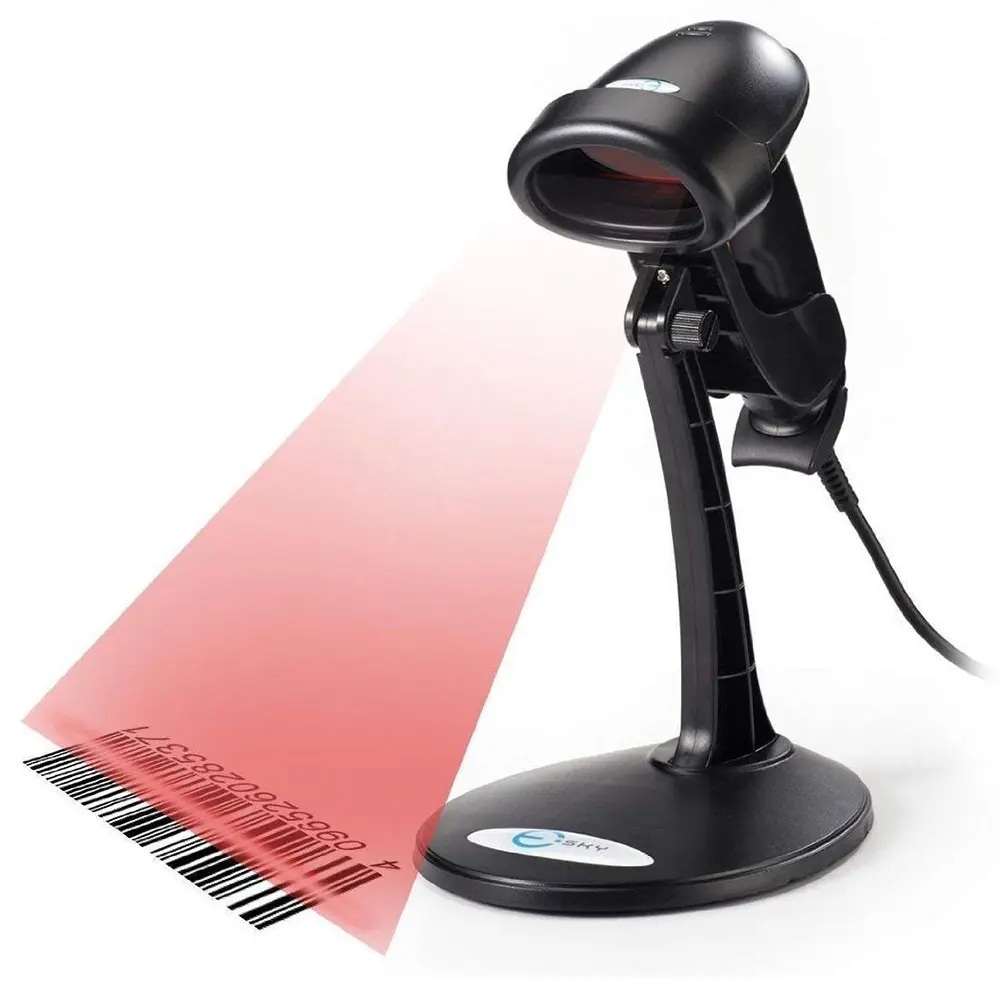
Laser technology is now important in our everyday lives, going beyond science fiction. You’ll find lasers hard at work in barcode scanners at your local grocery store. Fiber-optic communication relies on them to send information across continents quickly. In medicine, lasers perform delicate surgeries, correcting vision in minutes. These examples are just the beginning. Lasers are always being used in new and creative ways.
LED vs Laser: The Key Differences
To understand light technologies better, learn the distinctions between LEDs and lasers. These technologies may both involve photons, but the similarities essentially end there. Here’s what sets them apart:
| Factors and Parameters | СВІТЛОДІОД | Laser |
|---|---|---|
| Working Principle | Electro-luminance, spontaneous emission | Stimulated emission |
| Response Speed | Slow | Fast |
| Driving Current (mA) | 50 to 100 | 5 to 40 |
| Bandwidth Range (THz or MHz) | 10 to 50 THz | 1 to 2 MHz |
| Electricity-to-Light Conversion Efficiency (%) | 20 | 70 |
| Cost Considerations | Low, economical | High, specialized applications |
| Full Form | Light Emitting Diode | Light Amplification by Stimulated Emission of Radiation |
| Chromaticity | Polychromatic, broader band of wavelengths | Monochromatic, single wavelength |
| Coherence | Non-coherent, scattered light | Coherent, focused light |
| Directionality | Divergent beam of light | Highly directional, non-divergent beam |
| Optical Spectral Width (nm) | 25 to 100 | 0.01 to 5 |
| Temperature Dependency | Less dependent | Highly dependent |
| Reliability | High | Moderate |
| Drive Circuit Complexity | Simple | Complex |
| Impact on Eyes | Generally considered safe | Must be rendered eye-safe |
| Feedback Requirement | No need | Essential |
| Power Requirement | Lower | Higher |
| Optical Power Output | Low | High |
| Додатки | Area illumination, moderate-distance communication, headlamps, displays | Optical communication, welding, metal cutting, medical |
| Fiber Type | Multimode only | Singlemode and multimode |
| Ease of Use | Easier | Harder |
| Lifetime | Longer | Long |
| Modulation Bandwidth (MHz to GHz) | Moderate, Tens of KHz to tens of MHz | High, Tens of MHz to tens of GHz |
| Available Wavelength (nm) | 0.66 to 1.65 | 0.78 to 1.65 |
Source of Light
LEDs generate light via a process known as spontaneous emission. An LED makes light by moving electricity from high energy to low energy. Lasers, on the other hand, utilize stimulated emission. When electrons become excited, they become unstable. As they return to their original state, they release photons that are the same as the incoming photon. This process creates a laser’s focused and coherent beam of light.
Coherence
In laser technology, the emitted light is coherent, meaning the photons are in phase. This leads to a high level of control and directionality. LEDs produce light that is incoherent and scattered. While they may not be perfect for concentrated beams, they are excellent for lighting up big spaces.
Structure
LEDs and lasers differ significantly in structural design. An LED emits light at the junction where p-type (positive) and n-type (negative) semiconductors meet. Lasers, conversely, emit light from a cavity formed between two reflective surfaces. These reflective surfaces bounce photons back and forth until they build up enough energy to exit as a coherent beam.
Technical Specs Face-off
How do LEDs and lasers measure up when it comes to crunching the numbers?
Wavelengths Compared
LEDs emit light across a broader spectrum of wavelengths, usually between 30-40 nanometers (nm). This makes them versatile but less precise. Lasers are the opposite; they emit light in an extremely narrow range, usually less than 5 nm. This narrowness allows lasers to be used in applications requiring pinpoint accuracy.
Енергоефективність
Energy efficiency is a strong suit for LEDs in most standard applications. LED bulbs are famous for converting more electrical energy into light. This makes them a sustainable choice for general-purpose lighting. Lasers are not as efficient for everyday tasks. However, they can outperform LEDs in specific jobs. These jobs require coherent light, such as medical procedures or data transmission.
Speed and Transmitting Distance
When it comes to transmitting data, lasers leave LEDs in the dust. They can send data faster and farther because they can make clear and focused beams. Lasers outperform other technologies in long-distance communication and surgical tools.
Practical Use Cases
To truly appreciate the differences between LEDs and lasers, we must look at how each is used in the real world. These two technologies make our lives better in many ways, like in healthcare and home electronics.
Medical Sector
LEDs have carved a niche for themselves in the realm of medical diagnostics. Medical tools like pulse oximeters and some endoscopes find these devices highly beneficial. They consume less energy and generate minimal heat. Lasers, on the other hand, have a stronghold in surgical applications. Their ability to produce highly focused beams allows for exact incisions. LASIK eye surgery is a prime example of accurately correcting vision issues.
Consumer Tech
LEDs make your smartphone screen vibrant and backlight your TV. They are unsung heroes. Their energy efficiency and color range make them optimal for these applications. Lasers are the cornerstone of optical technology in consumer gadgets. Your optical mouse and printer rely on laser technology for accuracy and speed. Lasers and LEDs power the tech-savvy world with moving parts and pixels.
VCSEL (Vertical Cavity Surface Emitting Laser)
VCSEL technology is a game-changer in high-speed data communications. These lasers emit light at a right angle to the surface they are mounted on. Using less power and being faster than older lasers, this new technology has benefits. The light is emitted from the edge. Server farms are using them more and more. They’re seen as the future of fiber-optic communications.
Cost, Speed, and Energy Analysis
Let’s discuss the financial and operational aspects of LEDs and lasers. How do they compare?
Початкові інвестиції
LEDs win in terms of initial affordability. These products are made in large quantities and are affordable for everyone. Some lasers are initially pricey, but they can save money for certain tasks. When manufacturing, purchasing a strong laser can boost productivity and cut down on waste. This results in fast returns.
Операційні витрати
Operational efficiency is a significant concern for businesses and homeowners alike. LEDs have the upper hand here, boasting lower energy consumption rates. This translates into less money spent on electricity bills. Lasers, while powerful and precise, generally consume more energy. This means a higher operational cost for businesses that rely on laser technology. However, this extra cost is often justified for applications where precision is paramount.
Safety Guidelines
LEDs and lasers bring light to our lives. It’s important to handle them cautiously, especially lasers. Lasers can be dangerous if used improperly.
Eye Safety
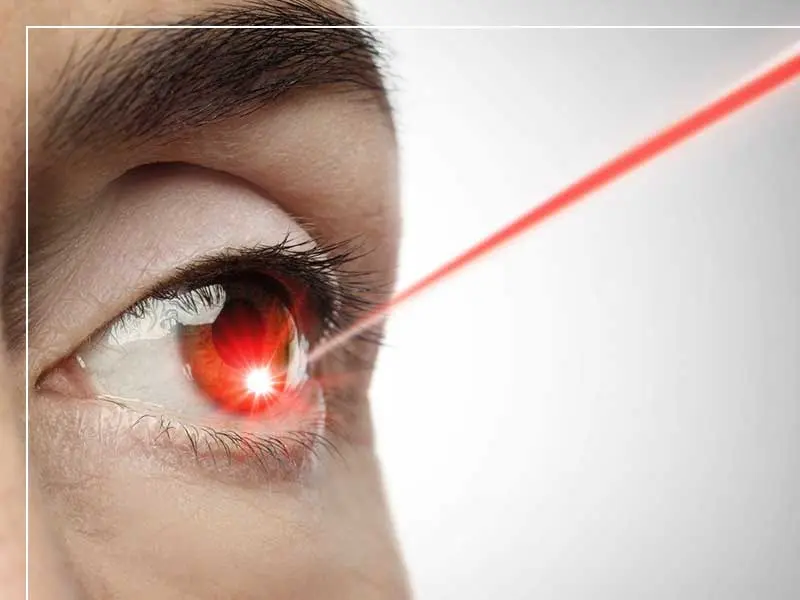
Lasers can be hazardous to the eyes. Certain types of radiation, like light lasers, can harm your eyes because their wavelengths are below 1400 nm. To protect your eyes, use goggles that match your laser’s wavelength. Always follow the safety protocols in the manual to avoid pointing a laser at someone’s eyes.
Future Trends
As technology evolves, so do LEDs and lasers. Both have seen impressive innovations that promise to redefine their applications and efficiency.
What to Look Out For
In the coming years, keep an eye out for quantum dot LEDs. The new displays will show colors accurately and use power more efficiently. This will make display technology even better. Semiconductor lasers are becoming more powerful. This enables them to be used in advanced applications such as surgery and cutting.
Поширені запитання (FAQ)
Which is Superior: LED or Laser Technology?
It’s not about superiority; it’s about suitability. LEDs are better for homes because they save energy, are safe, and cost less. They’re your go-to for everyday needs like home lighting or screen displays. Lasers are great for specific tasks that need concentrated, organized light. These include medical surgeries and high-speed data transmission. So, the ‘better’ technology entirely depends on your specific needs.
Are Lasers Truly More Efficient Than LEDs?
Efficiency varies with application. For general lighting, LEDs hold the upper hand in energy efficiency. Lasers are very efficient in specialized medical procedures that need coherent light. To determine how well the technology works, you need to consider how you will use it.
What’s the Average Lifespan of a Laser?
Laser lifespan can vary greatly depending on its type and application. Solid-state lasers can last up to 25,000 hours. However, they can degrade faster if used in harsh conditions or improperly maintained. For optimal laser results, follow the instructions and guidelines provided by the manufacturer.
How Long Can an LED Last?
LEDs are known for their longevity. A typical LED bulb can last up to 50,000 hours, depending on its quality and usage conditions. LED bulbs are great for street lighting or hard-to-reach fixtures in your home. They don’t need frequent replacements.
What Limits LEDs When Compared to Lasers?
LEDs are efficient and versatile, but they lack the coherence and focus of lasers. Lasers are great for precise tasks like surgery or cutting materials. LEDs may not be the best choice when high focus and coherence are needed.
What’s the Best Choice for Hair Growth: Lasers or LEDs?
LEDs and lasers are used in hair growth treatments but work differently. Lasers focus light to target hair follicles, which may lead to faster results. LEDs spread their light out, offering a more general treatment. Both treatments have shown promise in studies, but their effectiveness can vary among people.
Could You Highlight the Principal Difference Between LED and Laser?
Absolutely. The principal difference lies in the type of light emitted. LEDs emit incoherent and scattered light, making them ideal for general illumination. Lasers emit coherent and highly focused light, suitable for specialized applications requiring precision.
How Safe is LED Compared to Laser?
For general household use, LEDs are considered safer. They don’t emit harmful UV rays and don’t require specialized safety gear. To keep lasers safe, wear protective eyewear, especially for lasers emitting light below 1400 nm.
Are LEDs Replacing Lasers in Any Applications?
LEDs are now more popular than lasers for affordable purposes. They are used in barcode scanners and for short-range communication. However, in applications requiring high focus and precision, lasers remain irreplaceable.
Are Quantum Dot LEDs the Future?
Quantum Dot LEDs are indeed an emerging technology to watch. They promise better color accuracy and higher energy efficiency, potentially revolutionizing display technology. LEDs and lasers have different advantages, so they will probably co-exist for a while.
Висновок
We’ve learned about LEDs and lasers, including how they work and how to use them safely. But what does all this mean for you?
If you want a light that saves energy and is good for general lighting, consider this. LEDs are likely your go-to option. If you need specialized and focused light, lasers might be a better fit for you. Knowing the differences between these technologies is not just academic. You can use it to make practical decisions. For example, buying medical equipment or improving home lighting. It can also help with improving data transmission speeds.
LEDs and lasers have different advantages for specific purposes. Now, let’s review what we’ve learned. If you have a special interest in LEDs, check out Unitop. We are a top manufacturer from China that specializes in Світлодіодні стрічкові світильники і Світлодіодний неоновий флекс. Don’t hesitate to зв'яжіться з нами for any inquiries or custom lighting solutions. Trust Unitop to illuminate your world with expertise and quality.

Зараз Том є менеджером з продажу в Unitop (China) Co., Limited. Він був у Світлодіодне освітлення з 2005 року. Він є експертом у сфері продажів та маркетингу, а також в управлінні заводом. Захоплюється бодібілдингом, а ще він шалений фанат Apple! Він працьовитий хлопець, любить вчитися і пробувати щось нове.
Електронна пошта: tom@unitopledstrip.com Ватсап: +86-18680307140



Leave a Reply
Хочете приєднатися до дискусії?Не соромтеся робити свій внесок!