
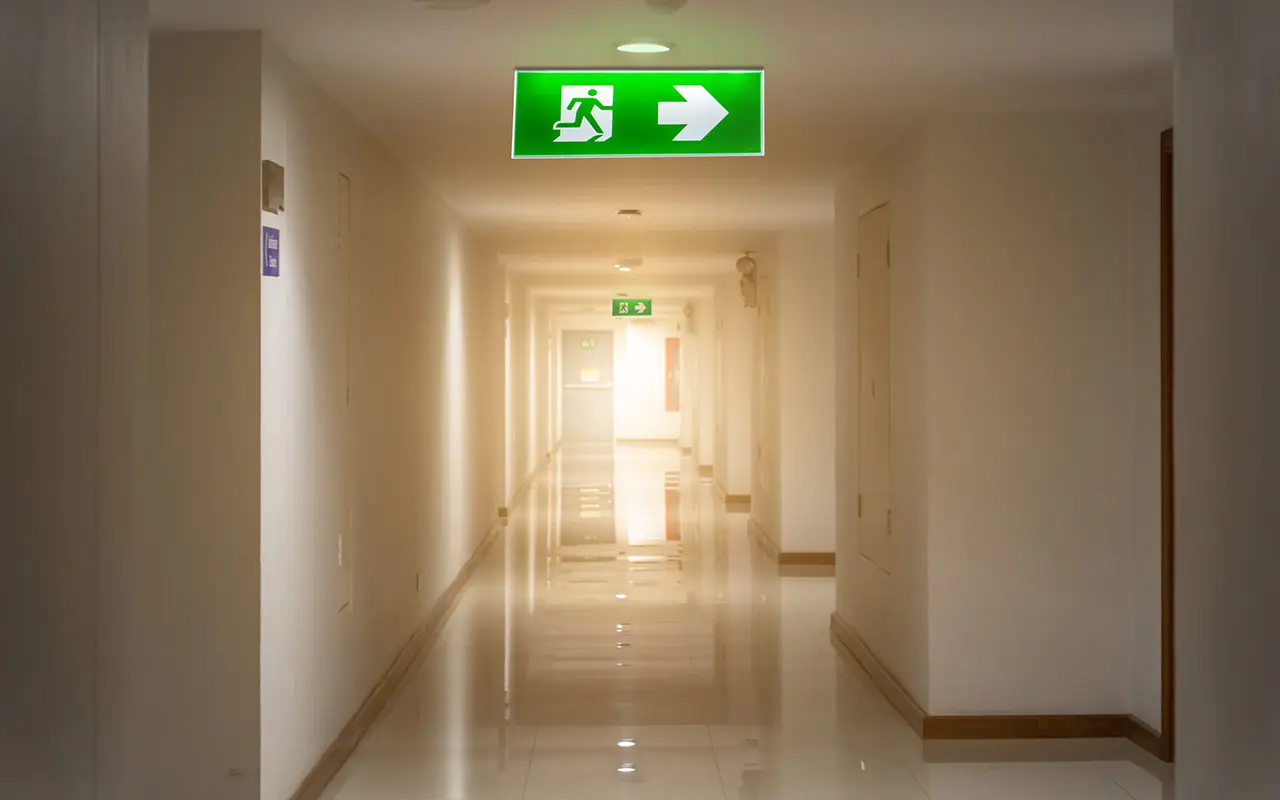
When the power went out at a bustling downtown hotel one stormy night, panic ensued. Guests fumbled in the dark, and the staff scrambled to find flashlights. This chaos could have been avoided with proper hotel emergency lighting. Understanding the importance of compliant emergency lighting systems is crucial for ensuring the safety and well-being of all occupants during unexpected power outages or emergencies. Surprisingly, statistics reveal that up to 60% of hotels fail to meet essential emergency lighting standards, posing significant risks.
Emergency lighting is not just about meeting regulatory requirements; it’s about creating a safe environment for guests and staff alike. Proper emergency lighting can prevent injuries, save lives, and provide peace of mind during critical moments. This comprehensive guide will explore the various aspects of hotel emergency lighting, from legal standards to practical installation tips, ensuring your establishment is always prepared.
Join us as we delve into the world of hotel emergency lighting compliance. We’ll uncover essential regulations, share expert insights, and provide actionable steps to help you enhance your hotel’s safety measures. Stay with us to learn how to turn potential chaos into calm, keeping your guests safe and operations smooth.
The Critical Role of Emergency Lighting in Hotels
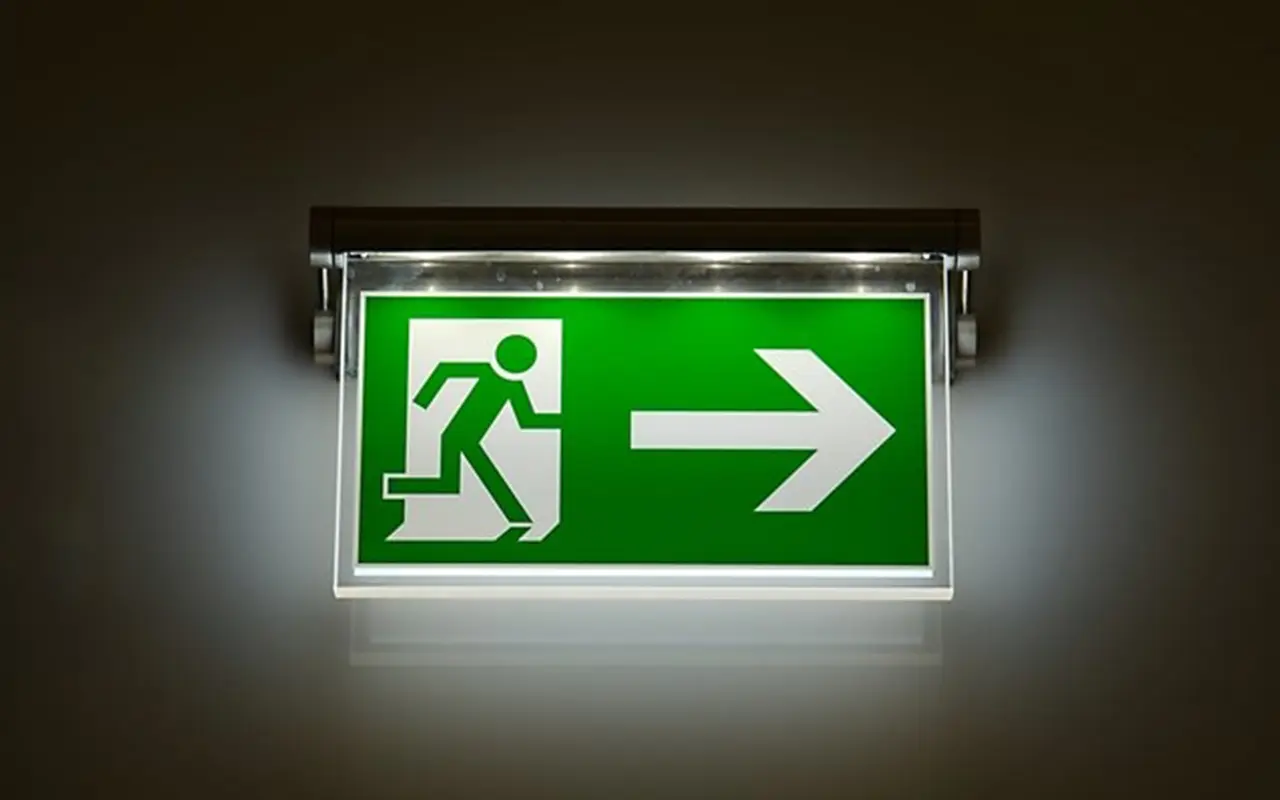
Emergency lighting in hotels is crucial for maintaining safety during power outages or emergencies. These lights guide guests to exits, reducing the risk of injuries and fatalities. Properly installed emergency lighting systems are vital to a hotel’s safety infrastructure.
In a power outage, panic can set in among guests. Emergency lighting mitigates this risk by providing immediate illumination, calming guests, and reducing chaos. Effective systems also boost guest confidence and trust, enhancing their overall experience and satisfaction. This commitment to safety can positively impact the hotel’s reputation and reviews.
Additionally, emergency lighting benefits hotel staff, enabling them to manage emergencies more efficiently and assist guests in evacuating safely.
Legal and Safety Standards Every Hotel Must Know
Hotels must adhere to strict laws regulating exit signs and emergency lighting. These regulations ensure a clear and well-illuminated path to safety during emergencies. Compliance protects guests, staff, and the hotel from legal repercussions.
In the United States, the NFPA 101 Life Safety Code sets guidelines for emergency lighting, requiring illumination of all exit routes. The IBC also mandates adequate illumination and automatic activation of emergency lighting during power failures. Local regulations can vary, so it’s essential to consult local authorities for specific requirements.
Regular testing and maintenance are crucial to ensure systems function correctly. This includes monthly and annual tests, backup power inspections, and accurate record-keeping. Non-compliance can lead to legal penalties, increased liability, and damage to the hotel’s reputation. Ensuring compliance demonstrates a commitment to guest and staff safety, potentially lowering insurance premiums and enhancing the hotel’s standing.
Understanding the Essentials of Emergency Lighting
Defining Emergency Lighting: What You Need to Know
Emergency lighting is a system of light fixtures and illuminated exit signs that automatically activate in case of a power outage or compromised electricity supply. This lighting is essential in high-population buildings like hotels to ensure safe and quick evacuations during emergencies.
Different Types of Emergency Lighting Systems
Standby Lighting: Ensuring Continuity
Standby lighting provides general visibility and illumination in the hotel after a power outage. It helps maintain operations and ensures that essential tasks can continue safely.
Escape Route Lighting: Guiding the Way
Escape route lighting illuminates paths leading to exits, ensuring guests can find their way out of the building quickly and safely during an emergency.
Open Area (Anti-Panic) Lighting: Preventing Chaos
Open area lighting helps prevent panic by illuminating large spaces, allowing guests to move calmly and safely towards exits.
Key Emergency Lighting Components
Types of Emergency Lighting Fixtures
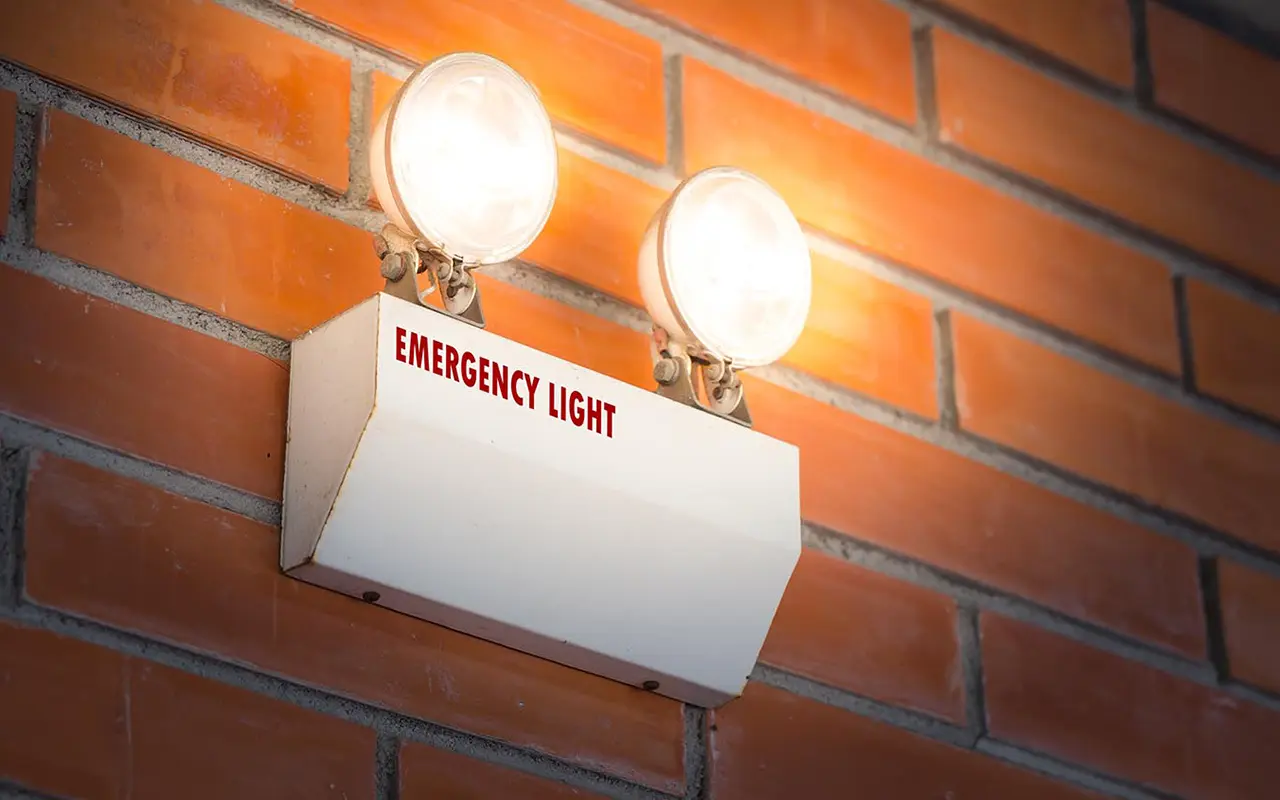
Emergency lighting fixtures are designed with specific purposes, ensuring that every hotel area remains illuminated and safe during a power outage or emergency. These fixtures include:
- Escape Route Lighting: These fixtures are strategically placed along hallways, stairwells, and corridors to guide guests safely toward exits. They are crucial for ensuring that escape routes are visible, reducing confusion, and preventing accidents during an evacuation.
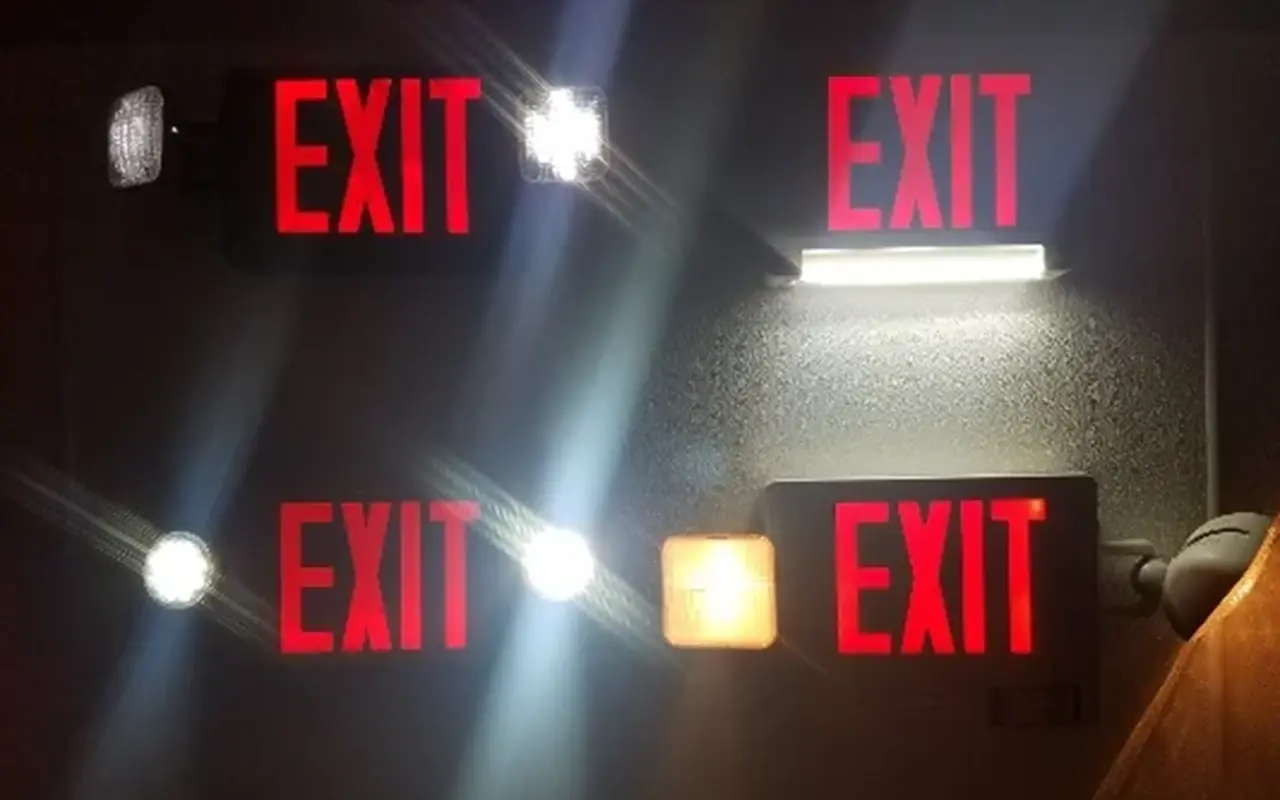
- Exit Signs: Illuminated exit signs are a legal requirement in many regions. They mark the location of exits and are typically placed above doors leading out of the building. These signs must be bright and easily readable, even in smoky or dark conditions, to ensure guests can find their way out quickly and safely.
- Anti-Panic Lighting: Also known as open area lighting, these fixtures are used in large, open spaces such as lobbies, banquet halls, and conference rooms. Their primary function is to provide enough light to prevent panic and allow guests to see and avoid obstacles as they move toward the exits.
- Standby Lighting: Standby lighting fixtures are designed to provide general illumination in areas where activities must continue during a power outage. This type of lighting is essential in kitchens, security rooms, and other operational spaces that need to remain functional during an emergency.
- Task Lighting: In high-risk areas such as mechanical rooms, kitchens, and medical facilities, task lighting ensures that critical tasks can be performed safely, even during a power outage. These lights are brighter and more focused to support detailed work in emergencies.
Backup Power Sources: Generators and Batteries
To ensure that emergency lighting systems remain operational during power outages, reliable backup power sources are essential. These sources provide the power to keep lights on, maintaining visibility and safety for guests and staff. Key backup power options include:
- Generators: Generators are robust power sources capable of supplying electricity for extended periods during a power outage. They are typically fueled by diesel, natural gas, or propane and can power multiple emergency lighting fixtures and other critical systems within the hotel. Generators are ideal for large hotels with extensive lighting needs, as they offer a reliable and long-lasting solution.
- Battery Backup Systems: Battery backup systems are another essential component of emergency lighting. These systems store power in batteries that automatically activate when the main power supply fails. There are two main types of battery backup systems:
- Central Battery Systems: In a central battery system, a single, large battery bank supplies power to all emergency lighting fixtures throughout the hotel. This system simplifies maintenance and testing, as all batteries are located in one place. However, it also means that a failure in the central system can affect all connected lights.
- Self-Contained Battery Units: These units have individual batteries integrated into each light fixture. They are easier to install and maintain in smaller buildings or specific areas of larger hotels. Each fixture operates independently, so a failure in one unit does not impact the others.
- Uninterruptible Power Supplies (UPS): UPS systems provide immediate, short-term power to emergency lighting fixtures, bridging the gap between a power outage and the activation of generators or other long-term backup solutions. They are particularly useful for ensuring critical systems remain uninterrupted during the transition to generator power.
Navigating Hotel Emergency Lighting Regulations
Key Regulations and Codes for Hotel Compliance
National Fire Protection Association (NFPA) Standards
The NFPA 101 Life Safety Code provides comprehensive guidelines for hotel emergency lighting. Emergency lighting must illuminate all exit routes, signs, and areas with critical equipment to ensure safe egress during power outages or emergencies.
International Building Code (IBC) Guidelines
Section 1009 of the IBC outlines specific guidelines on the means of egress and exit sign requirements. These guidelines ensure that the path of egress is adequately illuminated and that exit signs are visible and legible in normal and emergency lighting conditions.
Local Compliance Requirements: What to Look Out For
Local jurisdictions may have their own specific emergency lighting requirements. Hotel operators must consult with local authorities, such as the fire marshal or a fire safety inspector, to ensure compliance with local regulations.
Achieving Compliance: A Step-by-Step Guide
Conducting a Comprehensive Emergency Lighting Audit
A thorough audit of the hotel’s current emergency lighting system is the first step towards compliance. This involves identifying areas of need, assessing existing lighting systems, and determining where improvements are necessary.
Designing and Installing Compliant Emergency Lighting Systems
Designing an effective emergency lighting system requires careful planning. This includes selecting the right fixtures for different areas and ensuring they meet regulatory standards. Proper installation by qualified contractors ensures the system operates effectively during an emergency.
Regular Testing and Maintenance Protocols
Regular testing of emergency lighting systems is essential to ensure they function correctly when needed. Monthly and annual tests should be conducted to check the functionality of the lights, backup power sources, and other components.
Maintaining accurate records of all tests, inspections, and maintenance activities is vital for compliance. These records help identify potential issues and demonstrate compliance with regulatory standards.
Overcoming Common Challenges
Identifying and Fixing System Failures
Regular inspections are crucial in identifying potential failures in the emergency lighting system that may compromise safety. These inspections should include checking the functionality of individual light fixtures, verifying that backup power sources are operational, and ensuring that all components are free from damage or wear. Common issues include burned-out bulbs, depleted batteries, and malfunctioning control systems.
Once these issues are identified, it’s essential to address them promptly. For instance, replacing dead bulbs, recharging or replacing batteries, and repairing or replacing faulty wiring can restore the system to full functionality. Hotels should establish a routine maintenance schedule to minimize the risk of system failures and ensure that the emergency lighting system is always ready to perform during an emergency.
Upgrading Outdated Lighting Systems: Best Practices
Older lighting systems may need to meet current regulatory standards or provide adequate illumination during emergencies. Upgrading modern, compliant systems can significantly enhance safety and ensure compliance with the latest regulations.
Best practices for upgrading include:
- Conducting a comprehensive audit of the existing system.
- Identifying areas that need improvement.
- Selecting modern fixtures that meet regulatory standards.
LED lights are popular for their energy efficiency, long lifespan, and superior brightness. Additionally, incorporating smart technology can provide advanced monitoring and control capabilities, further enhancing the reliability of the emergency lighting system.
When upgrading, it’s also crucial to consider the aesthetic integration of new fixtures to ensure they complement the hotel’s design. Working with experienced electrical contractors can help ensure that the upgrade is carried out efficiently and meets all regulatory requirements.
Ensuring Staff Training and Preparedness
Training staff to operate and maintain the emergency lighting system ensures its effectiveness. Regular training sessions and drills can familiarize staff with the system’s components and functionality, enabling them to respond quickly and efficiently during an emergency.
Staff training should cover:
- How to perform routine inspections and identify potential issues.
- Procedures for conducting monthly and annual tests.
- Steps to take in the event of a power outage or system failure.
- Proper documentation and record-keeping for compliance purposes.
By ensuring that all staff members are well-trained and prepared, hotels can enhance their emergency response capabilities and maintain high safety for guests and employees.
Beyond Compliance: Added Benefits for Hotels
Enhancing Guest Safety and Confidence
Effective emergency lighting systems are crucial to guest safety, providing reliable illumination during emergencies and guiding guests to exits. This reduces the risk of injuries and boosts guest confidence in the hotel’s commitment to their well-being. Guests who feel safe are more likely to have a positive experience, return in the future, and recommend the hotel to others.
Reducing Liability and Insurance Costs
Compliance with emergency lighting regulations can significantly reduce the hotel’s liability in an emergency. Hotels can avoid legal penalties and potential lawsuits by demonstrating a proactive approach to safety. Additionally, many insurance providers offer lower premiums to businesses that adhere to safety standards, resulting in cost savings for the hotel.
Boosting Your Hotel’s Reputation and Reviews
Safety is a top priority for many guests when choosing a hotel. An effective emergency lighting system can enhance the hotel’s reputation by showcasing its dedication to guest safety. Positive reviews from secure guests can attract more business and boost the hotel’s standing in the competitive hospitality market.
Technology Trends in Emergency Lighting
Smart Lighting Systems
Smart emergency lighting systems leverage advanced technology to provide enhanced monitoring and control. These systems can detect power outages, adjust lighting levels automatically, and provide real-time updates to building managers. Features like remote diagnostics and automated testing ensure the system remains operational and compliant with safety standards. Smart lighting systems can also integrate with other building management systems to provide a cohesive safety and security solution.
Integration with Building Management Systems
Integrating emergency lighting with building management systems (BMS) allows for centralized control and monitoring, enhancing the efficiency and effectiveness of the emergency lighting system. This integration enables real-time monitoring of the system’s status, automated testing and reporting, and immediate alerts in case of any issues. By streamlining emergency lighting management, hotels can ensure that their systems are always ready to perform and that any problems are addressed promptly.
Incorporating these advanced technologies into the emergency lighting system can provide hotels with a reliable and efficient solution that enhances safety and compliance while offering operational benefits.
Considerações ambientais
Energy-Efficient Emergency Lighting Options
Energy-efficient lighting options, such as LED lights, offer significant benefits over traditional lighting solutions. LEDs consume less power, have a longer lifespan, and require less maintenance, making them a cost-effective choice for hotels. They provide bright, reliable illumination while reducing energy consumption, which can lead to substantial savings on utility bills.
Moreover, LEDs generate less heat than incandescent or fluorescent bulbs, reducing the load on air conditioning systems and lowering energy costs. The initial investment in LED lighting may be higher. Still, the long-term savings and reduced environmental impact make them a smart choice for any hotel aiming to enhance its sustainability.
Energy-efficient lighting options often come with advanced features such as dimming capabilities and smart controls. These features allow for optimized energy use, ensuring lights are only on when needed and at appropriate brightness levels. This not only conserves energy but also extends the lifespan of the lighting fixtures, contributing to overall cost savings.
Sustainability and Green Certifications
Implementing energy-efficient and sustainable emergency lighting systems can help hotels achieve green certifications, such as LEED (Leadership in Energy and Environmental Design) and Green Key. These certifications are recognized globally and can enhance a hotel’s reputation as an environmentally responsible establishment.
Achieving green certifications involves meeting specific criteria related to energy use, water efficiency, indoor environmental quality, and overall environmental impact. By integrating energy-efficient emergency lighting, hotels can significantly reduce their carbon footprint and contribute to global sustainability efforts.
Green certifications demonstrate a hotel’s commitment to environmental responsibility and attract eco-conscious guests who prefer to stay in environmentally friendly accommodations. This can increase occupancy rates and customer loyalty, providing a competitive advantage in the hospitality market.
Cost-Benefit Analysis of Compliance

Long-Term Savings vs. Initial Investment
Investing in compliant emergency lighting systems may involve significant upfront costs, including purchasing new fixtures, installing backup power sources, and integrating smart technology. However, long-term savings and benefits often outweigh these initial expenses.
Energy-efficient lighting systems reduce utility bills, while compliance with safety standards can lower insurance premiums. Furthermore, the reduced risk of accidents and liability claims can save the hotel from costly legal fees and settlements. Over time, the financial benefits of investing in high-quality, compliant emergency lighting systems become evident.
The longevity of modern emergency lighting solutions, such as LEDs, also contributes to long-term savings. These lights require fewer replacements and less maintenance, reducing the ongoing system maintenance costs. When viewed from a long-term perspective, the investment in compliant emergency lighting is a financially sound decision.
Financial Assistance and Incentives
Various financial assistance programs and incentives are available to help businesses upgrade their emergency lighting systems. Governments, utility companies, and environmental organizations often offer grants, rebates, and tax credits to encourage the adoption of energy-efficient technologies.
For instance, the Energy Policy Act of 2005 in the United States provides tax deductions for energy-efficient commercial buildings. Utility companies may offer rebates for installing LED lighting or other energy-saving devices. Additionally, some environmental organizations grant projects that demonstrate a commitment to sustainability and reduced carbon emissions.
Hotels should explore these financial assistance opportunities to offset the initial costs of upgrading their emergency lighting systems. Taking advantage of these programs can significantly reduce the financial burden of compliance and make the transition to modern, energy-efficient systems more feasible.
Case Studies of Successful Compliance
Examples from Leading Hotel Chains
Leading hotel chains have successfully implemented compliant emergency lighting systems, setting industry standards. For example, Marriott International has integrated advanced emergency lighting solutions across its properties worldwide. By adopting energy-efficient LEDs and smart lighting controls, Marriott has improved safety, reduced energy consumption, and enhanced its reputation as a sustainable brand.
Another example is Hilton Hotels & Resorts, which has achieved significant energy savings by upgrading to LED emergency lighting and implementing regular maintenance protocols. Hilton’s commitment to sustainability is evident in its use of modern lighting technologies that ensure compliance with safety regulations and reduce environmental impact.
These success stories provide valuable insights for other hotels looking to upgrade their emergency lighting systems. By studying leading hotel chains’ strategies and best practices, smaller establishments can learn how to implement compliant and energy-efficient lighting solutions effectively.
Lessons Learned and Best Practices
Analyzing successful case studies highlights common challenges and effective solutions in implementing emergency lighting systems. For instance, both Marriott and Hilton emphasize the importance of regular maintenance and testing to ensure system reliability. They also highlight the benefits of integrating smart technology for enhanced control and monitoring.
Other best practices include conducting comprehensive audits to identify improvement areas, selecting high-quality fixtures from reputable manufacturers, and training staff to operate and maintain the system. By following these best practices, hotels can avoid common pitfalls and ensure their emergency lighting systems are both compliant and effective.
FAQs
Q: Why is emergency lighting crucial in hotels?
A: Emergency lighting is vital in hotels to ensure guest safety during unexpected power outages or emergencies. It illuminates exit routes and essential areas, helping guests evacuate safely and reducing panic.
Q: What are the primary types of emergency lighting systems used in hotels?
A: Hotels typically use standby lighting for general visibility, escape route lighting to guide guests to exits, and open area lighting to prevent panic in large spaces. Each type serves a specific safety function during emergencies.
Q: How often should emergency lighting systems be tested in hotels?
A: Emergency lighting systems should be tested monthly and annually. Monthly tests ensure functionality, while annual tests verify the system’s ability to operate for the required duration during power outages.
Q: What are the key regulatory standards for hotel emergency lighting?
A: Key standards include the National Fire Protection Association (NFPA) 101 Life Safety Code, the International Building Code (IBC) guidelines, and local compliance requirements. These standards ensure that emergency lighting systems are properly installed and maintained.
Q: What are the consequences of not complying with emergency lighting regulations?
A: Non-compliance can lead to legal penalties, increased liability, higher insurance premiums, and damage to the hotel’s reputation. Ensuring compliance is essential to avoid these consequences and maintain guest safety.
Q: How does emergency lighting enhance guest confidence and safety?
A: Properly functioning emergency lighting reassures guests that they can safely evacuate. This boosts their confidence in the hotel’s safety measures and contributes to a positive overall experience.
Q: What are the benefits of using energy-efficient emergency lighting options in hotels?
A: Energy-efficient options, like LED lights, reduce energy consumption and operational costs. They are environmentally friendly and can help hotels achieve green certifications, attracting eco-conscious guests.
Q: What should be included in an emergency lighting audit for hotels?
A: An emergency lighting audit should assess the current lighting system, identify areas needing improvement, ensure compliance with regulations, and verify the functionality of backup power sources.
Q: How can hotels integrate smart technology with their emergency lighting systems?
A: Hotels can integrate smart technology by using systems that allow remote monitoring and control of emergency lighting. These systems can detect power outages, adjust lighting levels, and provide real-time updates to building managers.
Q: What are some common mistakes to avoid in hotel emergency lighting systems?
A: Common mistakes include inadequate testing and maintenance, using non-compliant fixtures, and failing to keep accurate records of inspections and maintenance activities. Avoiding these mistakes ensures the system’s reliability and compliance.
Conclusão
Emergency lighting is crucial for guest safety in hotels. Understanding and complying with regulatory standards ensures the system operates effectively during emergencies. Maintaining compliance with emergency lighting regulations is not just a legal requirement; it’s a commitment to guest safety and well-being. By investing in effective emergency lighting systems, hotels can create a safe and welcoming environment for all guests.
Emergency lighting is a vigilant protector in the delicate balance between safety and hospitality, boosting guest assurance and overall well-being. Unitop is here to help those looking to enhance their hotel’s emergency lighting system. As one of China’s leading Fitas de LED e LED neon flex manufacturers, Unitop offers high-quality, reliable lighting solutions tailored to your needs. If you have further questions or specific requirements, please don’t hesitate to contacte-nos immediately—Trust Unitop’s expertise will illuminate the way to safety and compliance in your hotel.

Tom é agora o Gerente de Vendas de Unitop (China) Co., Limitada. Ele tem estado no Iluminação LED indústria desde 2005. Ele é um especialista em vendas & marketing, e gestão de fábricas. Ele gosta de musculação, e é também um fã louco da Apple! Ele é um tipo trabalhador e adora aprender e experimentar coisas novas.
Correio eletrónico: tom@unitopledstrip.com WhatsApp: +86-18680307140



Leave a Reply
Quer juntar-se à discussão?Esteja à vontade para contribuir!