

Navigating the labyrinth of lighting options, from LED to High-Pressure Sodium (HPS) and Low-Pressure Sodium (LPS), presents a challenge. Each choice impacts your budget, carbon footprint, and safety, with varying pros and cons. When comparing LED vs HPS or LPS, consider factors like energy efficiency, lifespan, light quality, and environmental impact to determine the best fit for your lighting needs, whether it’s for a cozy bedroom or an expansive parking lot.
Understanding The Basics
Energy Usage
Regarding lighting options, one of the critical metrics to evaluate is energy consumption. LED technology consumes 40-75% less energy than High-Pressure Sodium (HPS) lamps. This isn’t just a win for your electricity bill; it’s a major plus for sustainability. By opting for LEDs, you’re not just illuminating your space; you’re doing it in the most energy-efficient way possible, potentially saving hundreds or thousands of dollars over the light’s lifespan.
Milieu-impact
In an age where carbon footprints are scrutinized, the environmental impact of your lighting choices cannot be ignored. LEDs come out on top with a significantly smaller carbon footprint. They’re not only energy-efficient but are also less hazardous to dispose of compared to sodium-based lights. Unlike High-Pressure and Low-Pressure Sodium lamps that may contain small amounts of dangerous materials, LEDs can often be safely recycled, making them an environmentally responsible choice.
What is LED Lighting?
How LED works
LED stands for Light Emitting Diode, and its operating principle is straightforward yet ingenious. LEDs emit light when electrical currents pass through a semiconductor. This simplicity contributes to their reliability and long lifespan. They’re more than just an energy-efficient alternative; they represent the next stage in lighting technology, adapting to various environments and needs.
Voor- en nadelen
Voordelen:
LEDs have many benefits, such as high energy efficiency, long operational life, and excellent color rendering capabilities. They are versatile for various applications, from street lighting to interior design.
Minpunten:
The only downside often cited is the higher upfront cost. However, this is rapidly changing as technology advances and economies of scale come into play. Over time, long-term energy savings usually offset the initial investment.
High-Pressure Sodium Lights Explained
How they function
High-pressure sodium (HPS) lamps produce light by passing an electric current through a ceramic tube containing sodium particles and various gases. While durable and capable of emitting intense light, their inner workings make them less energy-efficient than LEDs.
Voor- en nadelen
Voordelen:
HPS lights are well-regarded for their durability and lower initial costs. They are also versatile enough to be used in harsh environmental conditions, making them a traditional choice for industrial applications.
Minpunten:
These lights have drawbacks, such as poor color rendering and higher energy consumption. Their efficiency pales compared to LEDs, requiring more frequent maintenance, adding to long-term costs.
Low-Pressure Sodium Lights Uncovered
Operating Mechanism
Low-pressure sodium (LPS) lamps are similar to their high-pressure counterparts. Still, they could be more efficient and offer better color rendering. They still operate by passing electricity through sodium particles and gases but often require more energy for the same amount of light output.
Voor- en nadelen
Voordelen:
These lights can be highly energy-efficient in specific, limited applications and come at a relatively low initial cost.
Minpunten:
The trade-off is their inferior color rendering, making them unsuitable for applications where color differentiation is important. They also have more limited applicability compared to other lighting options.
Core Differences Between LED and Sodium Lights
Efficiëntie
Regarding lighting, efficiency is critical, and LEDs are the undisputed champions. Utilizing state-of-the-art technology, LEDs are designed to minimize energy waste, reducing your utility bills and carbon footprint.
Light Quality
One of the most compelling advantages of LED lighting is its superior light quality. The brilliance and vibrancy of the emitted light are unparalleled, greatly enhancing the ambiance of any given space.
Longevity
The incredible lifespan of LEDs, ranging between 10-15 years, is one of their most defining features. The choice becomes clear compared to High-Pressure Sodium (HPS) lights, which may last just half that time.
Efficiëntie statistieken
Energy Consumption Over Time
To understand efficiency, one must consider long-term energy usage. LEDs consume up to 75% less energy than their HPS counterparts over their lifespan. This isn’t just a one-time saving; it’s a decade-long advantage.
Doeltreffendheid
“efficacy” refers to how well a light source converts electrical energy to light. LEDs are superb in this regard, turning more of your electricity into usable light, thus further enhancing their efficiency.
High Pressure Sodium Lights vs LED Energy Consumption
LED lights consume significantly less energy than high-pressure sodium (HPS) lights. LEDs are more efficient, converting more electricity into light with less waste as heat. An LED can use up to 75% less energy than an equivalent HPS light for the same light output.
Quality of Light
Color Rendering Index (CRI)
LEDs boast a high Color Rendering Index (CRI), making colors appear incredibly vivid and true to life. This characteristic is essential for tasks requiring color differentiation and contributes to creating visually appealing environments.
Color Temperature
The color temperature of LED lighting tends to mimic natural daylight, which is pleasing to the eye and provides excellent visibility. This makes them particularly useful for workspaces, retail environments, and other areas where visibility is crucial.
Lumens
Regarding brightness, LEDs produce more lumens per watt than HPS lights. In simpler terms, you get a brighter output for less energy consumption, making LEDs a smarter choice for virtually all lighting needs.
Reliability and Lifespan
Failure Characteristics
Unlike HPS lights that can fail suddenly and without warning, LEDs typically dim over time, providing a gradual indication that replacement is needed. This reduces the risk of unexpected outages, contributing to their reliability.
Maintenance Needs
A significant aspect of LEDs’ long lifespan is their low maintenance requirement. Their robust design and advanced technology reduce the need for frequent replacements or repairs, contributing to lower operational costs over time.
Costs and ROI
Initial Investment
Although the upfront cost of LED lighting systems can induce sticker shock, the value emerges over time. LEDs are a financially wise choice for any long-term project when considering their remarkable longevity and energy efficiency.
Operational Costs
Long-term Energy Bills
The most significant advantage of investing in LED lighting is the substantial reduction in long-term energy bills. While the initial outlay may be high, the operational cost savings rapidly recoup this expense, often within just a few years, making the total cost of ownership a bargain.
Maintenance Expenses
One frequently overlooked benefit of LED technology is the money saved on maintenance. Unlike High-Pressure Sodium (HPS) lights, which may require frequent bulb changes or fixture repairs, LEDs’ sturdiness and low-maintenance nature contribute to less downtime and more operational efficiency.
Ideal Applications
LED for Versatility
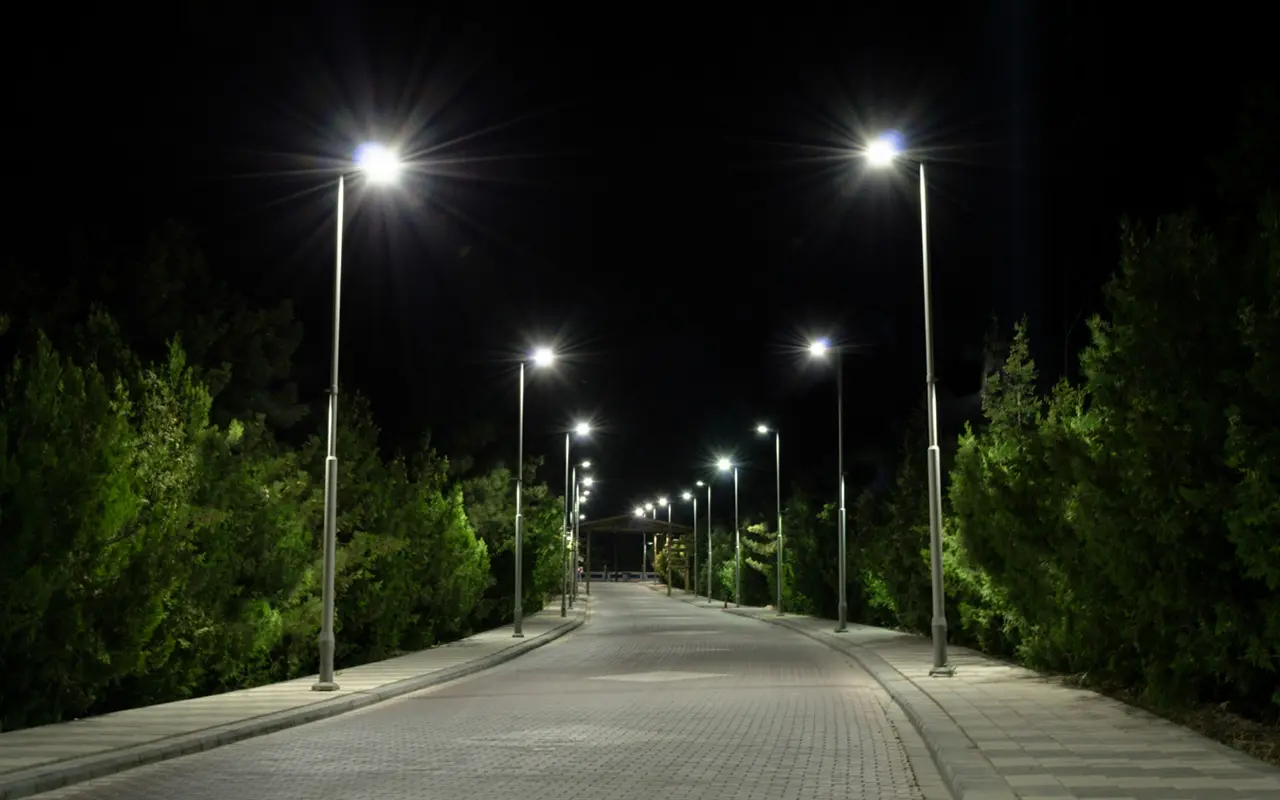
LEDs are not just energy-efficient; they are incredibly versatile, too. Their high-quality light output suits them for various applications, from cozy residential to high-stakes commercial environments. This adaptability ensures that LEDs can meet multiple aesthetic and practical needs.
High-Pressure Sodium for Tough Environments
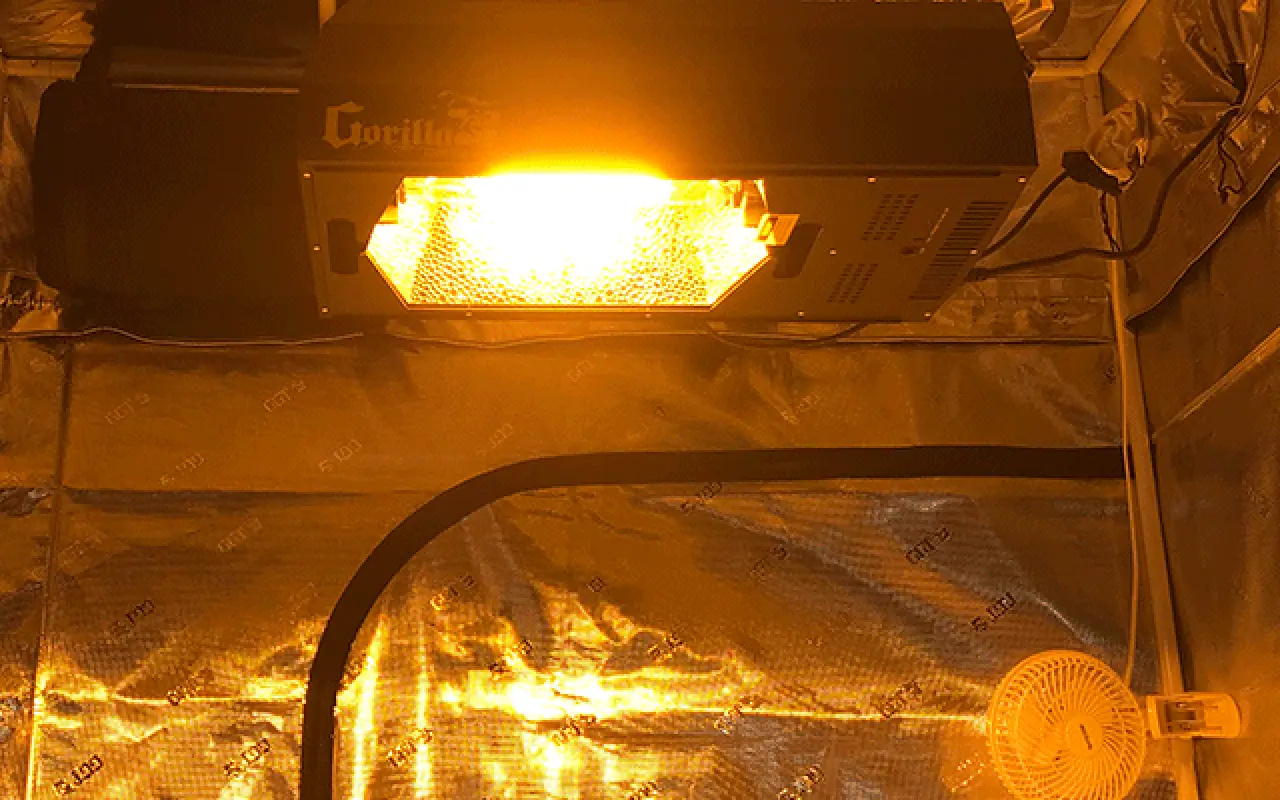
There are situations where High-Pressure Sodium (HPS) lights still hold sway. Specifically, in industrial settings or areas requiring high-wattage lighting, the robustness and durability of HPS lights can be indispensable.
Low-Pressure Sodium for Niche Cases
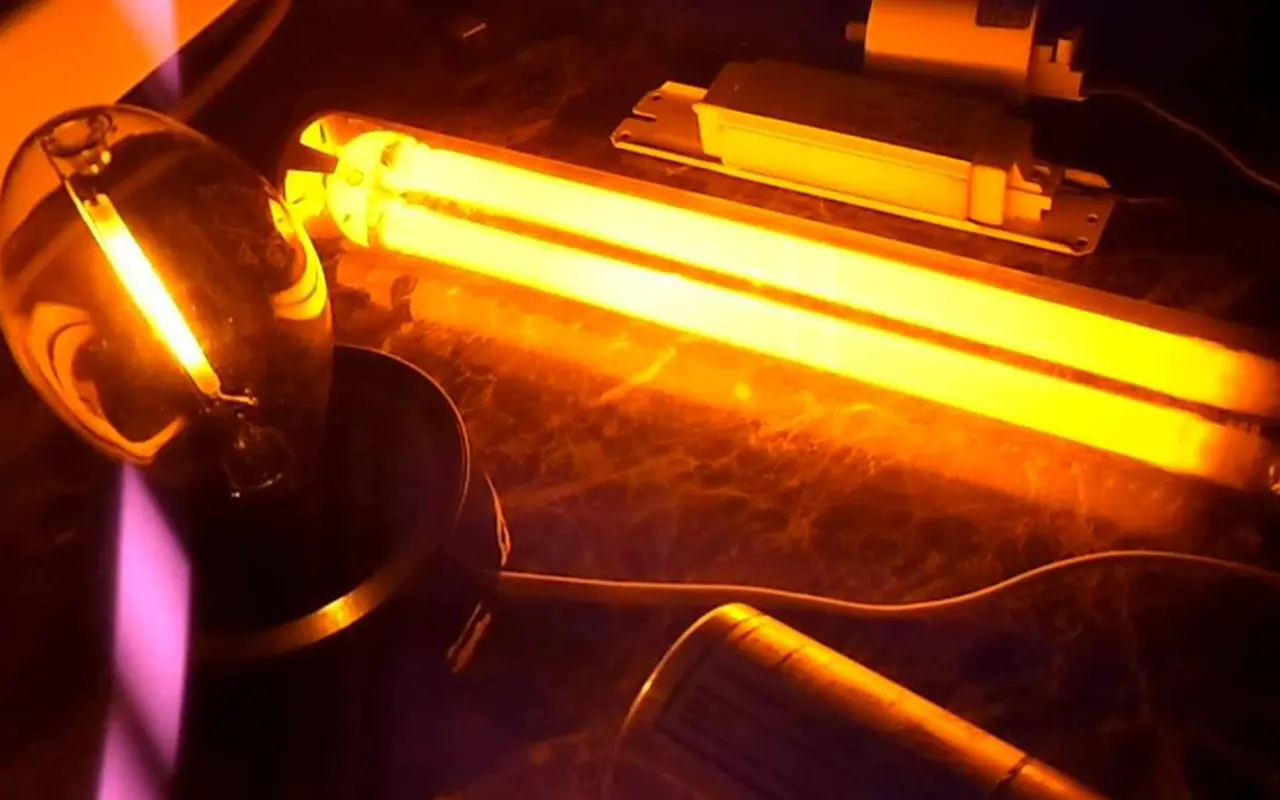
Low-pressure sodium lights excel for highly specialized scenarios, such as parking lots or security perimeters where color rendering is not a priority. They offer targeted, efficient lighting solutions that can be more energy-efficient for specific, narrow applications.
Sodium Lights: A Dying Breed?
Markttrends
LED technology is quickly revolutionizing the lighting industry, nudging older technologies like sodium lights towards obsolescence. Consumers and businesses are increasingly aware of LEDs’ numerous advantages, from energy efficiency to longevity, driving a significant shift in market preference.
Adoption Rates
It’s hard to ignore the burgeoning trend: businesses across multiple sectors are switching to LED lighting at an unprecedented rate. Whether it’s retail stores aiming for that perfect ambiance or factories looking to cut operational costs, LEDs are becoming the go-to option, further shrinking the market share for sodium-based lighting solutions.
Comparative Table
| Factors Of Comparison | LED's | High-Pressure/Low-Pressure Sodium Lamps | Winner |
|---|---|---|---|
| Color Rendering Index (CRI) | Excellent CRI, usually above 70 | Poor CRI; typically ranges between 20-25 | LED |
| Warm-up Time | Instant illumination; no warm-up required | Requires 3-15 minutes of warm-up time, depending on type | LED |
| Color Temperature Range | Broad range from warm to cool (2700-6000K) | Limited to a yellowish hue (1900-2200K) | LED |
| Life and Durability | Lifespan up to 50,000+ hours; minimal maintenance | Lifespan of 12,000-24,000 hours; less reliable | LED |
| Milieuvriendelijkheid | No hazardous material; environmentally safe | Contains small amounts of mercury; less eco-friendly | LED |
| Energie-efficiëntie | Consumes less energy for high-intensity output | Less efficient; higher energy consumption for similar output | LED |
| Upfront Cost | Generally expensive initially | Cheaper upfront costs compared to LEDs | Sodium |
| Maintenance Cost | Low maintenance; rarely needs replacement | Higher maintenance; frequent lamp replacements | LED |
| Operate in Low Temperatures | Efficient at low temperatures; no intensity loss | Decreased lighting intensity in cold conditions | LED |
| Lighting Direction | Unidirectional; 180° coverage | Omnidirectional; 360° coverage | LED |
| Consistent Lighting | Maintains consistent output over its lifespan | Tends to degrade before reaching its specified lifespan | LED |
| Life Span | 50,000 to 100,000 hours on average | LPS: 12,000-18,000 hours; HPS: up to 24,000 hours | LED |
| Disposal | Safe, non-hazardous disposal | Specialized disposal procedures due to flammability risks | LED |
| Heat Emission | Low heat emission | Generates more heat for the same light output | LED |
| Cycle Time | Instant on/off switching without flickering | May flicker during rapid on/off cycles | LED |
| Size | Versatile; available in various sizes | Generally bulkier and less versatile in sizing | LED |
Veelgestelde vragen (FAQ's)
Is the Initial Cost of LED Lights Worth It?
While it’s true that LEDs come with a higher upfront price tag compared to High-Pressure Sodium (HPS) lights, it’s crucial to think beyond the purchase date. LEDs offer extensive long-term savings, both in energy consumption and maintenance costs. Plus, their lifespan often exceeds ten years, while HPS lights can fail much sooner. When you factor in the reduced carbon footprint and superior light quality, the initial investment in LED lights pays off tenfold over time. So, if you’re considering cost-effectiveness in the long run, LEDs are a clear winner.
Are LED Lights Suitable for Outdoor Use?
Absolutely! LEDs excel in outdoor settings for several reasons, including their outstanding efficiency. They convert more electricity into light, making them ideal for extensive use. Moreover, their broad spectrum of light and high Color Rendering Index (CRI) contribute to better visibility in outdoor settings like parking lots, gardens, and streets. They are durable and withstand varying weather conditions. LEDs are the way for an eco-friendly and visually pleasing outdoor lighting solution.
What Makes LEDs More Energy-Efficient?
LEDs outshine their sodium counterparts by using up to 75% less energy. This incredible efficiency comes from their ability to convert electrical energy into light rather than heat. So, not only do they brighten up your space more effectively, but they also do it while consuming significantly less power. This trait makes them perfect for anyone looking to reduce their energy bills and environmental impact.
How Does LED Light Quality Compare to Sodium Lights?
LED lights offer superior color rendering, representing objects’ true colors more accurately. This makes them ideal for settings where visual clarity is paramount, like retail stores, art galleries, or even your home. Additionally, they emit a “daylight” color that offers excellent visibility, unlike the often harsh and unnatural light emitted by sodium lamps.
How Often Do LED Lights Need Replacing?
One of the compelling advantages of LED lights is their longevity. Unlike High-Pressure Sodium lights, which can fail abruptly, LEDs dim gradually over an extended period—often a decade or more. This means you’ll spend less time worrying about replacements and more time enjoying the consistent, high-quality light they provide.
Are Sodium Lights Becoming Obsolete?
While it may not be correct to declare sodium lights entirely obsolete, it’s evident that LEDs are rapidly capturing market share. LEDs’ numerous advantages, from energy efficiency to superior light quality, fuel shifting consumer preference. As LED technology advances, the gap only widens, making sodium lights less attractive for residential and commercial applications.
Can LEDs Adapt to Different Settings?
Absolutely, LEDs offer incredible versatility. They are equally suitable for residential, commercial, and even industrial environments. LEDs can deliver whether you need pinpoint accuracy in a workshop or a warm ambiance in a cafe. Their wide range of color temperatures and high CRI makes them adaptable to almost any situation.
What Are the Maintenance Needs for LED Lights?
LED lights’ unsung benefits are their low maintenance requirements. Unlike sodium lights, which may require frequent bulb changes and ballast replacements, LEDs need significantly less upkeep. This cuts down your maintenance costs and contributes to their overall long-term value.
How Do LEDs Impact the Environment?
LEDs are designed with the planet in mind. They consume less energy, reducing your carbon footprint immediately. Moreover, they don’t contain hazardous materials like other lighting options, making them more accessible and safer to dispose of. LEDs are a step in the right direction if you want to make an eco-friendly choice.
Are LEDs the Future of Lighting?
With their superior efficiency, adaptability, and ever-decreasing cost, LEDs are poised to become the future of lighting technology. As we become more energy-conscious, the demand for efficient, long-lasting, eco-friendly lighting solutions will increase. LEDs are well-equipped to meet these evolving needs, making them a future-proof choice for almost any application.
Conclusie
Choosing the proper lighting is not merely a matter of aesthetics or immediate cost; it’s an investment in the future. The ripple effects extend from your electricity bill to the very carbon footprint you leave behind. By comprehending the nuances between LED and sodium lighting, you can make an informed decision that benefits you and the environment at large.
LED lights have emerged as the clear winner in virtually all aspects. They outshine their sodium counterparts in terms of efficiency, quality of light, and adaptability. As we forge into an increasingly energy-conscious world, LEDs stand out as a future-proof solution that accommodates many applications. Therefore, investing in LED technology is less of a choice and more of a necessity for a sustainable future.
This detailed analysis aims to illuminate your path in selecting the optimal lighting technology. We’ve delved into costs, practical applications, and even market dynamics to give you the tools you need for an enlightened decision.
In summary, the future of lighting is unmistakably leaning towards LEDs for their unmatched efficiency, versatility, and long-term value. As you navigate these lighting options, consider Unitop—China’s leading LED-strip verlichting en LED neon flex manufacturer. Our expertise in the LED industry is second to none. Don’t hesitate to contact met ons opnemen for any further questions or specific lighting needs. Trust Unitop to illuminate your world more intelligently, brighter, and sustainably.

Tom is nu de Sales Manager van Unitop (China) Co.. Hij is in de LED Verlichting industrie sinds 2005. Hij is een expert in verkoop & marketing, en fabrieksmanagement. Hij houdt van bodybuilding, en hij is ook een gekke Apple-fan! Hij is een hardwerkende man en houdt ervan te leren en nieuwe dingen te proberen.
Email: tom@unitopledstrip.com WhatsApp: +86-18680307140




Leave a Reply
Wil je meedoen aan de discussie?Voel je vrij om bij te dragen!