
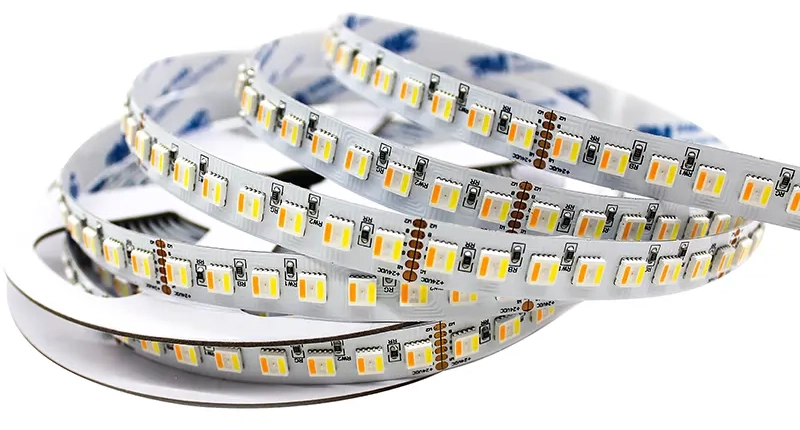
LED Strip Lights have come a long way from being basic, single-colored lights. LED lights can be used creatively for different lighting needs, with endless possibilities. LED strip lights change the way we think about lighting in homes and businesses. Strip lights are not just functional anymore. They can add beauty and affect moods with different colors and customizable options. LED strip lights are better because they use less energy and last longer than other lights.
Drowning in acronyms and confused by choices? You’re not alone. The world of LED strip lighting can be as confusing as it is colorful. This blog post is more than just a buying guide. It is a comprehensive resource that will help you make an informed decision. This guide covers everything from different LED strip types to when each one is best used. If you want to improve your living space or find lighting solutions for events, this post can help.
Decoding LED Strip Lights: The Basics
Qu'est-ce qu'une bande LED ?
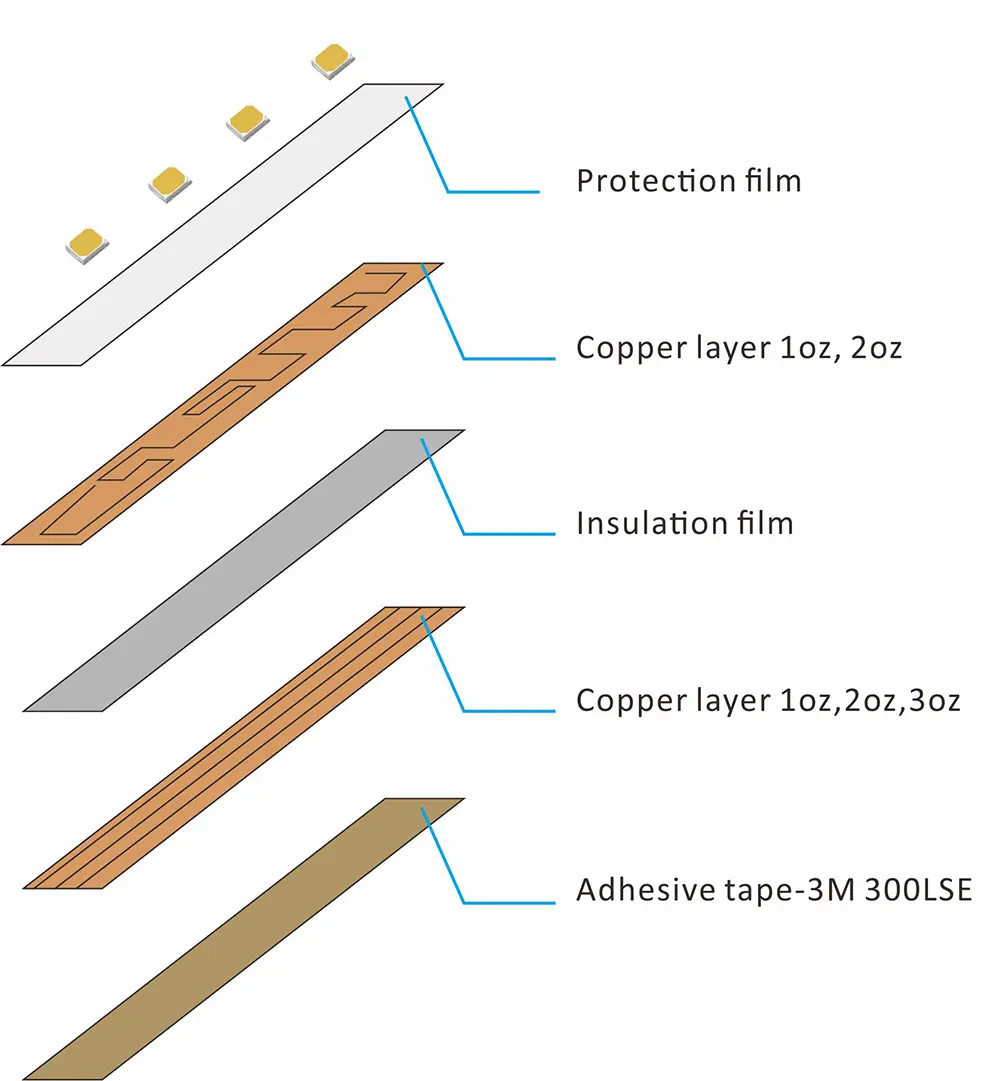
LED strip lights are not ordinary lights. They are amazing in the world of illumination. These strips are flexible and have LEDs attached to a circuit board. They also have an adhesive backing. These lights are unique because you can adjust and mix them to create intricate lighting. LED strips are different from regular bulbs or tube lights. They give off a soft and even light that covers a large area. This makes them great for both looks and practical lighting.
Applications of LED Strip Lights
Décoration intérieure

At home, the applications of LED strip lights are as expansive as your imagination. Imagine a warm and cozy atmosphere in your kitchen with under-cabinet lighting. Or add a splash of colors to highlight the shape of your living room. With features like dimming and color-changing abilities, they offer unparalleled control. You can sync them to your favorite playlist, making a disco or a relaxing atmosphere at home.
Commercial Use
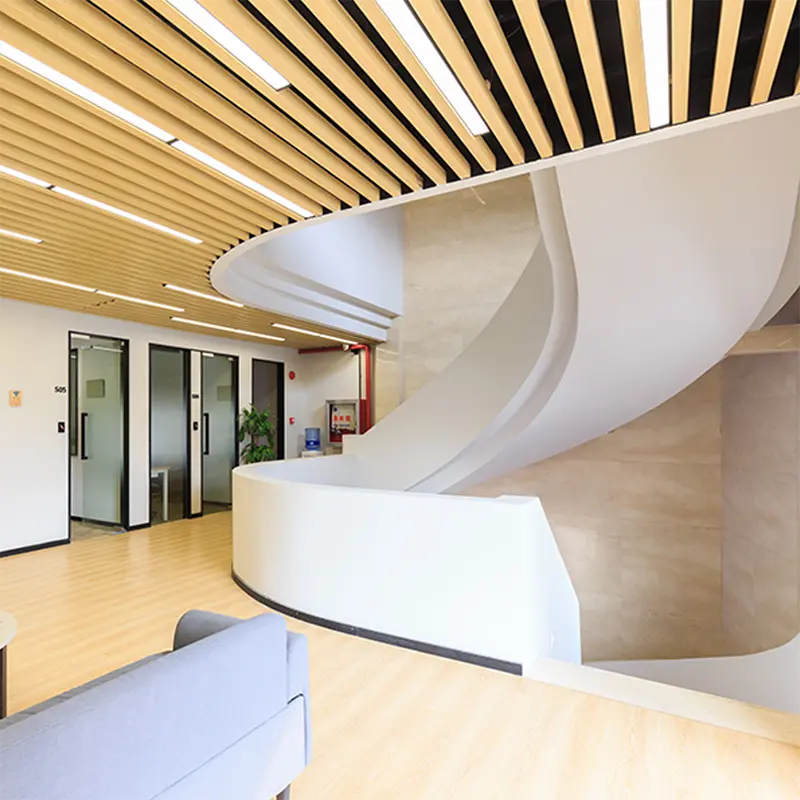
Regarding commercial settings, the utility of LED strip lights goes beyond mere illumination. Stores use these lights to attract customers’ attention to displays or products. Workspaces are improved by being energy-efficient. LED strip lights use less power and last longer, saving money in the long run. In addition, you can adjust the light to boost productivity.
Special Events

LED strip lights can add a lively touch to weddings, parties, or festivals. The versatility of the product allows for different effects. It can create romantic, soft-glow settings or dynamic color-changing spectacles. Event planners often choose LED strips for customizable, energy-efficient, and visually stunning lighting. These lights can create a fairytale or modern atmosphere, depending on your preference.
RGB LED Strip Lights Demystified

What Does RGB Stand For?
RGB is an acronym representing the primary colors of light: Red, Green, and Blue. Everywhere you look, digital color is a key term. It’s in pixels and concert floodlights. These colors are the building blocks of the vast hues you can produce with RGB LED strip lights. By combining various strengths of each color, you can make almost any shade in the spectrum.
Features and Functions of RGB
RGB LED strip lights are the go-to choice for basic color-changing needs. RGB allows you to make many colors, but the strip will still have a single-color effect. This makes them excellent for general ambiance but not for dynamic, multi-color scenarios. RGB strips often come with built-in functions such as fade, flash, or strobe, which makes them more versatile. However, these strips are not made to create fancy lighting for certain spots. These are intended for a wider range of uses.
Avantages et inconvénients
Pour :
RGB strip lights offer an affordable entry into the world of colored lighting. These are simple to install and have an easy-to-use interface, great for DIY beginners.
Cons :
Where RGB strips fall short is in their limited color customization. The lights don’t give a “real” white color, usually having a fake white with a bit of blue. RGB strips can only show one color at a time along their whole length. This makes them less ideal for complex lighting arrangements.
The Allure of RGBW LED Strip Lights
Introduction to RGBW
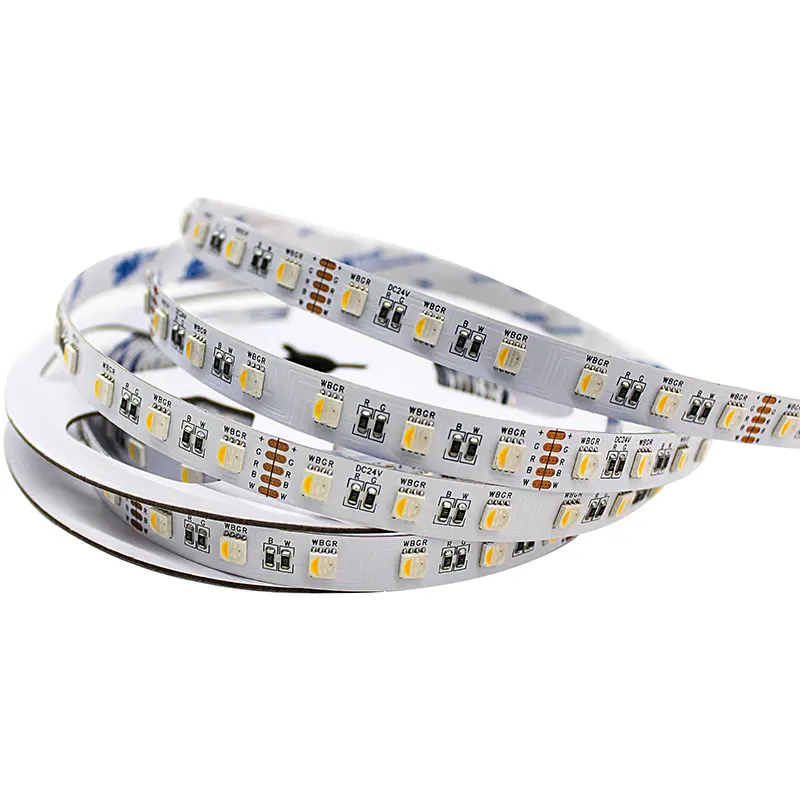
Think of RGBW as RGB’s more sophisticated sibling. RGBW LED strips have a dedicated white channel, which expands the color range beyond RGB. This technology makes white brighter and helps colors blend in more detailed ways. If you’ve ever felt that RGB’s white felt unnatural, RGBW is the remedy you’ve been searching for.
The Added Value of a White Channel
The white channel in RGBW LEDs is a game-changer. When you try to make something white, you don’t have to worry about it looking slightly blue or yellow. Instead, you get a completely pure and genuine white light. Accurate colors are important in places like art galleries or retail displays. The quality of light can greatly affect the viewer’s experience.
Avantages et inconvénients
Pour :
The white channel improves the light quality, giving a natural, pure white that RGB can’t do alone. The new color blending choices provide more colors for detailed lighting designs.
Cons :
RGBW strips often cost more than RGB strips because of their added functionality. They also need controllers that can handle an extra color channel. This can make installing them more complicated.
The Future is RGBIC
RGBIC Meaning and What Makes It Different?
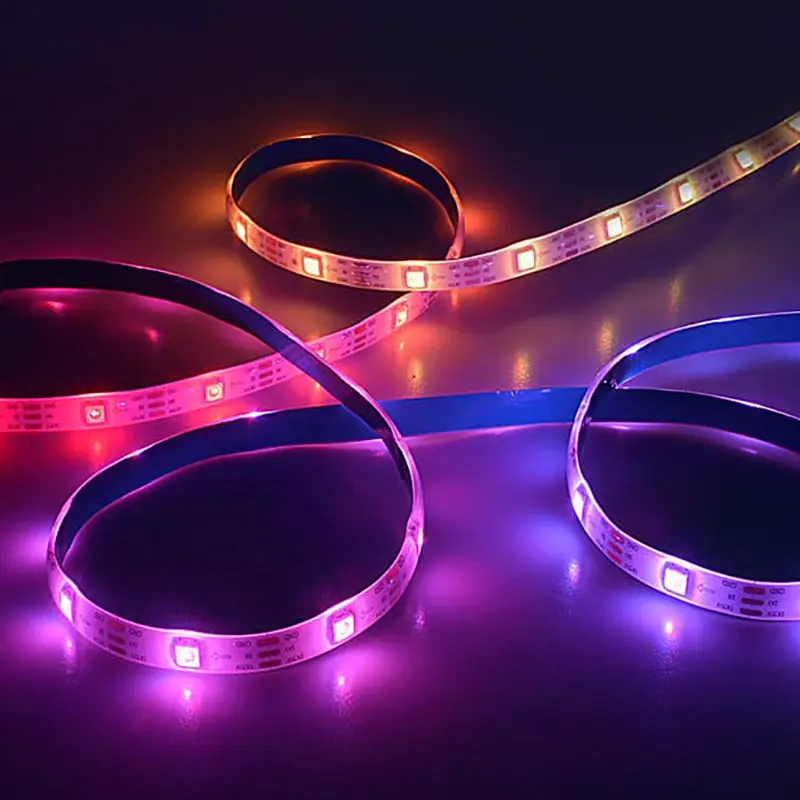
RGBIC, which stands for IC-controlled RGB, is a new kind of LED strip lighting. It uses smart control chips to control each group of LEDs on the strip. RGBIC strips are different from regular RGB strips because they have multiple color zones. Each of these zones can display different colors and patterns simultaneously. This opens up possibilities for stunning, dynamic light shows in your space.
The Advantages of Independent Color Control
RGBIC stands out because it can control different parts of the strip separately. This adds a new layer of creativity and customization to your lighting projects. You can make your room look like a sunrise or make your store displays move. RGBIC is a game-changer for homes and businesses because it offers endless possibilities.
Avantages et inconvénients
Pour :
RGBIC technology allows for many different lighting patterns and color combinations. Basic RGB strips couldn’t achieve this before. This results in an unparalleled level of aesthetic versatility.
Cons :
While RGBIC LED strips offer a rich feature set, they are not cuttable, meaning their length is fixed. Additionally, they come with a higher price tag than traditional RGB strips.
Exploring RGBWW LED Strip Lights
What is RGBWW?
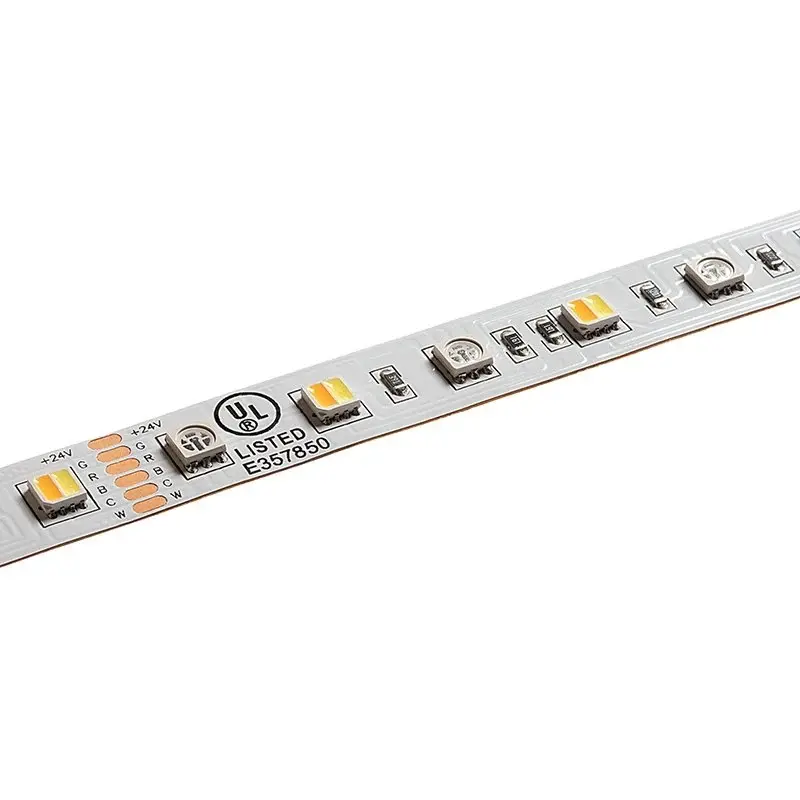
RGBWW goes a step further than RGBW by adding a warm white channel to the mix. By adding warm white light, the atmosphere feels cozy and comfortable because it expands the range. RGBWW is perfect for creating a soft, natural sunlight effect in certain settings.
Warm White: More Than a Color
The warm white light emitted by RGBWW LED strips has benefits that go beyond aesthetics. Warm white light is like sunlight and can make you feel better. The light can make any space feel inviting, like your living room or a boutique store.
Avantages et inconvénients
Pour :
RGBWW LED strips offer a rich palette of white light options, ranging from cold whites to warm hues. This enables you to create a cozier, more inviting ambiance than other LED strip types.
Cons :
RGBWW strips are pricier than RGB and RGBW strips, but they create a cozy, warm atmosphere. They also require specialized controllers capable of handling the extra color channel.
RGBCCT: The Most Versatile LED Strip
What is RGBCCT?
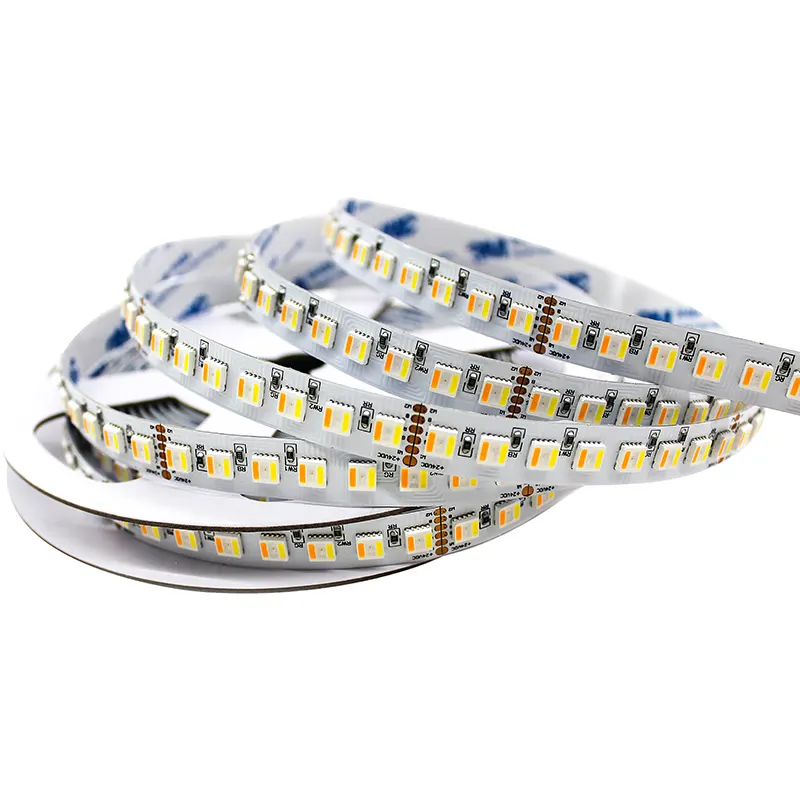
RGBCCT LED strips are very versatile. They have channels for RGB, cool white, and warm white. You can control the color and temperature of the white light, adapting it to any environment or mood.
The Role of Color Temperature
To create the perfect atmosphere, you can change the color temperature in RGBCCT strips. You can shift from a warm, relaxing glow to a cool, energizing brilliance with a simple command. RGBCCT is the best choice for people who want total control over their lighting.
Avantages et inconvénients
Pour :
RGBCCT strips are the most versatile LED strips. You can adjust the color temperature, making them highly customizable.
Cons :
The RGBCCT technology is the most expensive and requires a complex controller setup. Installing LED strip lighting can be overwhelming, especially for beginners.
The Epic Battles: Direct Comparisons
RGB vs RGBW
RGBW LED strips are better than RGB strips because they have an extra white channel. This allows them to emit pure white light without any filters. Having true white light is crucial in fields such as photography and interior design. It can make a big difference in getting the effect you want. RGB strips can’t create real white light. They blend red, green, and blue to make a bluish light. This can mess up colors and isn’t good for tasks that need accurate colors.
RGBW vs RGBWW
RGBWW goes one step beyond RGBW by introducing an extra channel for warm white light. This feature gives you more choices for white light, from bright whites to softer, warmer hues. This extra channel makes your lighting setup better and perfect for many different spaces. But, it’s important to remember that this extra feature costs a little more than RGBW strips.
RGBIC vs RGB
Compared to regular RGB strips, RGBIC technology offers even more possibilities. You can choose from many colors and control different parts of the strip for cool effects. For example, you could create a cascading rainbow effect across the room. This option doesn’t exist with standard RGB strips. If you want a simpler and cheaper option, go with RGB. But if you want more customization and cool visual effects, choose RGBIC.
RGBIC vs RGBWW
RGBIC is ideal for dynamic, colorful displays, while RGBWW is better for environments where natural white light and color accuracy are important.
How to Choose: Practical Tips and Tools
Key Decision Factors
Budget
Your budget could be the primary deciding factor in your LED strip selection. Basic RGB strips are generally more affordable but offer fewer features. However, advanced options such as RGBIC and RGBWW have more features and cost more.
Application
When choosing an LED strip, consider its purpose as it will affect your choice. RGBIC’s dynamic patterns are a great choice for accent lighting in commercial displays. But for a photography studio that needs pure white light, RGBW would be a more appropriate choice.
Color Requirements
The type of colors and effects you aim to achieve could also steer your decision. If you’re looking for a dynamic, multi-color display, RGBIC would be the ideal choice. However, if you need a range of white light options for a more nuanced ambiance, RGBWW should be your go-to.
The Ultimate LED Strip Comparison Table
| Caractéristiques | RGB | RGBW | RGBWW(RGBCW) | RGBIC | RGBCCT |
|---|---|---|---|---|---|
| Couleurs | Rouge, vert, bleu | Rouge, vert, bleu, blanc | Red, Green, Blue, White, Warm White(Cold White) | Red, Green, Blue, White, Warm White | Red, Green, Blue, White, Warm White |
| Chip | 3 in 1 | 4 in 1 | 5 in 1 | 5 in 1 + built-in IC | 5 in 1 + CCT Chip |
| Color Changing | Single | Single | Multiple | Multiple | Multiple |
| Luminosité | Bright | Ultra-Bright | Ultra-Bright | Ultra-Bright | Ultra-Bright |
| Adjustable | – | ||||
| Prix | Normal | Moyen | Moyen | Expensive | Expensive |
Navigating LED Strip Controllers
Types of LED Controllers
RF LED Controller
Radio Frequency (RF) LED Controllers are popular because they can control LED strips from up to 100 feet away. You can operate your LED strips with this controller, even through walls or obstacles.
IR LED Controller
Infrared (IR) LED Controllers are cost-effective but come with the limitation of requiring a direct line of sight to function. These remotes work best for small setups. You can point the remote at the controller, like for under-cabinet lighting or home theaters.
DMX 512 Controller
Choose DMX 512 Controllers to easily customize and integrate lighting into larger setups. These controllers are mainly used in stage lighting and professional setups. They provide a lot of control, even down to individual LED sections. However, they might take some time to learn how to use efficiently.
Wi-Fi LED Controller
Wi-Fi LED Controllers make it easy to control LED strips using smartphone apps. These controllers are compatible with Google Home and Amazon Alexa, ideal for smart homes.
Choosing the Right Controller
Before purchasing, check your LED strip specifications to identify the required controller type. Each strip may have different voltage and current requirements, affecting controller compatibility. Moreover, consider your specific use case. Suppose you’re installing LEDs in a commercial setting where seamless operation is crucial. In that case, you might opt for a more advanced controller like the DMX 512. Conversely, an RF or Wi-Fi controller may suffice for a simple home setup.
Connecting Your LED Strip to a Power Supply

It may seem hard, but connecting LED strip lights to power is usually easy. To install safely and effectively, always follow the manufacturer’s guidelines. Before you start, check if your power supply meets the voltage and current needed for the LED strip. This will prevent overheating and prolong the lifespan of your LEDs. To prevent flickering or failure, make sure the connectors are snug and of good quality. Finally, if you’re uncomfortable handling electrical components, feel free to seek professional help.
FAQs : Les réponses à vos questions
Can you cut RGBWW LED strips?
Yes, you can generally cut RGBWW strips at designated points marked on the strip. But, after cutting, you’ll need to solder or use connectors to reattach them. So be careful and follow the manufacturer’s guidelines.
Can RGBIC transform into white?
Technically, RGBIC strips can simulate a white light by blending red, green, and blue. However, this isn’t a pure white light. You’d need RGBW or RGBWW strips, which have a dedicated white channel for a more genuine white.
What is better, RGB or RGBW?
It depends on your needs. RGB is more budget-friendly but lacks true white light. RGBW, however, has a white channel, which makes it more versatile for broader color needs.
What are the different types of LED strip lights?
There are different types of strips based on color and control. They range from simple RGB to complex RGBCCT. RGB has basic colors, RGBW has a white channel, RGBIC allows individual color control. RGBWW brings warm white, and RGBCCT adjusts color temperature.
Is RGBCCT the same as RGBWW?
Both options have white lights. RGBCCT also lets you adjust the color temperature for warm or cool whites. RGBWW offers only a fixed warm white channel.
What is the difference between RGBIC and RGBWW?
RGBIC allows individual color control along the strip for dynamic patterns. At the same time, RGBWW adds a warm white channel for a cozier ambiance. Both have unique applications and cannot necessarily replace each other.
Is RGBIC better than RGB?
“Better” is subjective. RGBIC has advanced features, including multiple colors on one strip, for dynamic lighting effects. RGB is easier to use and cheaper if you don’t need those extra features.
Why is RGBW better than RGB?
RGBW is even better because it has a pure white light channel. This makes it more versatile for showing colors accurately. It’s also great for professional installations or fancy home décor.
What’s the difference between RGB and Dreamcolor?
Dreamcolor is a special term for RGBIC-like features. It lets you control each LED for dynamic lighting. Essentially, it’s a form of RGBIC under a brand-specific name.
Can you cut and reconnect RGBIC?
Yes, but it’s more complicated than traditional strips. Cutting RGBIC strips may compromise the independent control feature. Reconnecting them may require specialized connectors or soldering skills. Always consult the manufacturer’s manual for precise instructions.
Wrapping Up: Final Recommendations and Takeaways
Bandes lumineuses LED have come a long way from their humble origins as simple lighting solutions. Technology has made these flexible strips available in many options for everyone’s needs and budget. If you like decorating, organizing events, or doing projects yourself, you can use LED lights.
Most people start with budget-friendly Bandes LED RVB when looking for options. They are cost-effective and easy to use but offer limited color customization. If you don’t need a large spectrum of colors and are on a tight budget, RGB might be the way to go.
RGBW strips have more features and cost more. They have a separate white channel for better white light. This is useful for showing colors accurately. These are ideal for commercial spaces, art installations, and high-end home décor.
For those craving dynamic lighting effects, RGBIC strips are the game-changers. They have separate control chips. This lets different colors be on the strip at the same time. If you’re planning a multi-themed party or wish to add a dash of creativity to your space, consider RGBIC.
If warm, inviting light is what you’re after, RGBWW is your best bet. Other strips don’t have the same cozy feel because of an extra warm white channel. It is ideal for intimate settings like bedrooms and dining areas.
And then there’s RGBCCT, the premium player in the LED strip world. You can control the color temperature of white light with this strip type. It gives you a lot of versatility. Perfect for photographers, artists, or anyone looking to create a multi-faceted environment.
In the end, your choice depends on many things like budget, purpose, and color needs. Before making a decision, think about the advantages and disadvantages. Also, think about what kind of controller and power supply you need for your project. Happy lighting!
Navigating the complex world of LED strip lights can be daunting, but it doesn’t have to be. If you’re seeking expert guidance and high-quality products, look no further than Unitop, one of China’s leading manufacturers of LED strip lights and Flexible à néon LED. With unparalleled expertise in the LED industry, we’re your go-to source for all things LED. For any further questions or customized needs, don’t hesitate to contactez-nous immediately. Choose Unitop, and illuminate your world with confidence.

Tom est maintenant le directeur des ventes de Unitop (China) Co., Limited. Il a été dans le Éclairage LED l'industrie depuis 2005. Il est expert en ventes et marketing, et en gestion d'usine. Il aime le bodybuilding, et il est aussi un fan fou d'Apple ! C'est un travailleur acharné qui aime apprendre et essayer de nouvelles choses.
Email : tom@unitopledstrip.com WhatsApp : +86-18680307140




Laisser un commentaire
Rejoindre la discussion?N’hésitez pas à contribuer !