
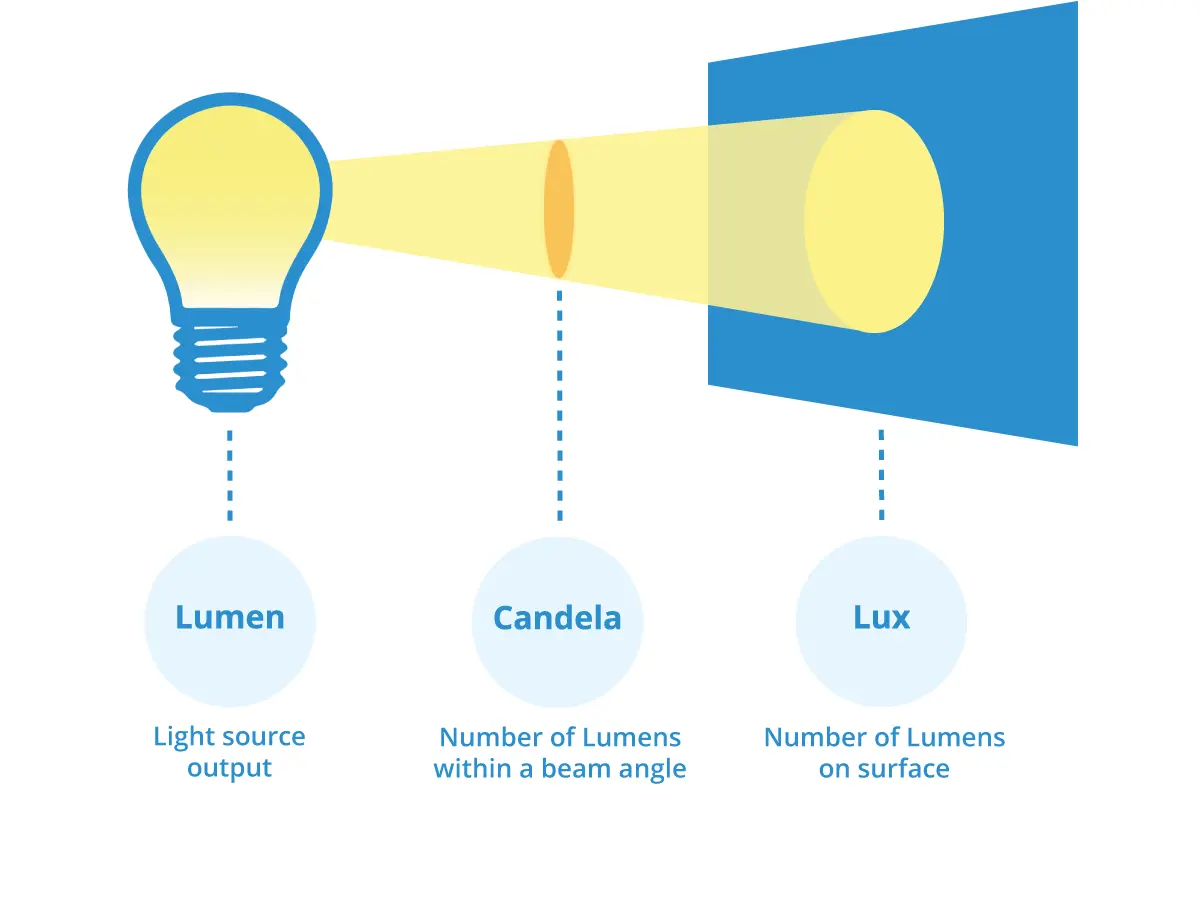
Light has always puzzled humans. It is the cornerstone of visibility and a symbol of clarity. In daily life, it’s important to understand measurements of light like Candela, Lux, and Lumens.
Grasping these units of measurement is indispensable. It’s important to know these units for lighting your home and engineering projects.
This guide explores the science of light measurement and its real-world applications. It covers Candela, Lux, and Lumens.
The Fundamentals of Light Units
Understanding light isn’t just about flipping a switch. It’s a complex science that plays a vital role in our everyday lives. Light is an electromagnetic wave governed by the laws of physics. It is important to understand how it behaves in different environments: air, water, or vacuum. This knowledge applies to things like interior design and scientific research.
The Science of Light Measurement
Radiometry and photometry are the fields responsible for measuring different aspects of light. Radiometry measures light energy, including invisible wavelengths like ultraviolet and infrared. Photometry is about the visible spectrum and how light looks to people. Scientists in these fields use special tools, such as spectrometers and photometers, to measure properties of light.
Importance of Accurate Light Measurement
Incorrect light measurement can result in energy inefficiency and even harm human health. Too much bright light can hurt your eyes and give you headaches. But not enough light can make you feel sad and less productive. Accurate measurement matters in homes and businesses. It creates comfort, saves energy, and promotes health.
Candela: The Spark You Need
Candela measures how bright light is in a certain direction, like a metric for our eyes. The brightness of a light source emitting one color of light in a specific direction. The word comes from Latin and means the standard unit for brightness per angle.
What is Candela?
We measure the brightness of a light in candela. Candela measures how much light goes in one direction. Candela chooses one direction for light, unlike other units that measure all light. This is helpful when light needs to go in a certain direction, like in navigation or optical systems.
Practical Applications of Candela
Candela is mainly used in situations requiring focus, like flashlights or car headlights. In aviation, aircraft have landing lights. These lights are calibrated in Candela. They provide enough illumination for safe landings at specific angles. Similarly, stage lighting professionals use Candela to focus spotlights during performances accurately.
How Candela Impacts Your Daily Life?
The light of your smartphone screen or the headlights on your car are examples of Candela in action. Smartphone screens are carefully designed to have the same brightness from different angles. Automotive headlights must be bright to light the road but not blind other drivers. Candela helps achieve this balance.
Factors Affecting the Value of Candela
Two major factors can affect the value of Candela, but it’s more complex than it seems.
Distance
The farther you are from a light source, the lesser the Candela value. But it’s not just distance; the square of the distance affects Candela. According to the Inverse Square Law, light gets weaker as it gets farther away.
Angle of Radiance
The angle at which light is emitted can also affect its Candela value. Think of a flashlight. When you make the beam angle smaller, the light becomes more concentrated. This makes the Candela increase. Conversely, widening the beam reduces it. In tasks such as search and rescue, we need specific beam angles, so this is important.
Lux: The Gold Standard
The metric for measuring light distribution is called Lux. It is important for planning functional and aesthetic spaces. Lux brightens areas and improves lighting for various tasks.
Defining Lux
One Lux is precisely equal to one lumen per square meter. Think of it as shining a candle’s brightness on a one-meter-square area. Lux is a unit that goes beyond Candela to show how light interacts with space. It’s important in design.
When to Use Lux?
Lux becomes the metric of choice in environments requiring evenly spread lighting. In offices, having the right amount of light helps employees see well and prevents eye strain. This contributes to both better productivity and well-being. For example, the recommended Lux level for office work is around 500 Lux.
Lux in Everyday Scenarios
Knowing Lux can make or break a photo: masterpiece or just average. Photographers can improve their photos by understanding the Lux level. To improve their photos, they can change the ISO, aperture, and shutter speed settings on the camera. Lux can help homeowners create the perfect atmosphere at home. It works for both cozy and vibrant settings.
How Many Lumens Are in One Candela?
A single Candela roughly equates to 12.57 lumens. The conversion is not random. It is based on the steradian unit, which represents solid angles. To create balanced lighting, you must know how to convert between Candela and lumens. Candela measures how bright light is in one direction. Lumens measure the total amount of light.
Luminous Efficiency
Saving energy with lighting isn’t just about reducing your electricity bill. It’s also about getting the most light from each watt used. LED lights are better than incandescent bulbs because they use less energy and shine brighter. Commercial buildings and outdoor spaces benefit from bright lighting that saves energy.
Lumens: The Unsung Hero
Lux measures how light is spread, while Lumens tells us how bright a light is. If you want to make an informed choice about lighting, it’s important to understand Lumens. This applies to homeowners, cinematographers, and urban planners.
What Does Lumens Mean?
Lumens measures how much light comes from a light source. It gives you a straightforward idea of how much illumination a bulb or fixture will provide. For example, a dining room chandelier might require 3,000 to 6,000 lumens for a pleasant ambient light. In contrast, a desk lamp might only need 400 lumens.
Importance of Lumens in Lighting Choices
Lumens are critical when deciding on the appropriate lighting solution for your setting. When selecting light bulbs for your home or a commercial space, it’s crucial to know about Lumens. Lumens can help you make energy-efficient and attractive lighting choices. If you ignore this, you might have too little or too much light, which is not ideal.
How Do Lumens & Wattage Relate?
Contrary to popular belief, wattage doesn’t indicate brightness; it measures energy consumption. Lumens, on the other hand, directly inform you of a bulb’s brightness. The higher the Lumens, the brighter the bulb. This is crucial when seeking energy-efficient lighting solutions. LED bulbs often offer higher lumens with lower wattage than their incandescent counterparts.
How Many Lumens is a 60-Watt Bulb?
A 60-watt incandescent bulb generally produces around 800 lumens. An LED bulb can produce the same amount of light using only 8 to 12 watts, showing how efficient LED technology is. Knowing this can guide you in making eco-friendly decisions without sacrificing brightness.
How Many Lumens is a 100-Watt Bulb?
For a 100-watt incandescent bulb, you can expect around 1600 lumens of light output. However, an LED replacement uses less electricity, typically 15 to 20 watts, while providing the same amount of light. When evaluating a light bulb, don’t just consider wattage. Also look at performance and energy efficiency.
Candela vs Lux vs Lumens: The Core Differences
Candela, Lux, and Lumens are all metrics to describe light, but they focus on different aspects. Understanding these distinct units is critical for everyone, from architects to photographers.
Side-by-Side Comparison
Candela measures how bright light shines in a specific direction. It’s important for car headlights and stage spotlights. Lux goes a step further by including the area variable. In places like offices or studios, even light distribution is very important. Lumens measures how bright bulbs or fixtures are by measuring total light output.
Which One Should You Use?
Selecting between Candela, Lux, and Lumens depends on your specific needs. If you want to aim at a specific place on a canvas or stage, choose Candela. Lux is perfect for general lighting in spaces that need consistent brightness. For those who care about brightness, Lumens is the simplest unit. It doesn’t matter where or how big the space is.
How to Remember the Candela vs. Lux vs. Lumens Differences
A handy way to distinguish between them is to liken Candela to a laser pointer, perfect for focused tasks. Lux is more like the lighting in your living room, evenly spread out. Lumens are bright lights that shine on singers, lighting up the whole theater from any angle.
Factors Affecting the Value of Candela vs. Lux vs. Lumens
There are many factors that can affect how well these units measure light. Knowing these can help you make an informed decision in any lighting project.
Distance
Distance universally impacts all three units. As you move farther from a light source, intensity diminishes. When you’re far from a streetlamp, it looks less bright than when you’re close to it.
Angle of Radiance
The light emission angle significantly influences all three units but in distinct ways. In the case of Candela, the angle can sharpen or broaden the beam of light, affecting its intensity. Lux can dictate how uniformly light is spread across an area. And with Lumens, the angle plays into the total light emitted.
Luminous Efficiency
This speaks to the ratio of visible light produced per unit of electricity consumed. The metric is important for evaluating a light source’s impact and cost-effectiveness. It applies to all three units. LED lights are better than incandescent bulbs because they give more light per watt.
Real-Life Applications: Which Unit Suits Your Needs?
We’ve unpacked the scientific aspects of Candela, Lux, and Lumens. But the real test is how they work in everyday situations, such as the lights in your home or a camping flashlight.
Home Lighting
Lux is generally the primary metric for ambient lighting in residential settings. It ensures even light distribution, making your living room or kitchen feel welcoming. Candela is great for focused lighting, such as reading lamps or lights under cabinets. For better home lighting, use Lux for general lighting and Candela for specific areas.
Outdoor Activities
Lumens is the unit you’ll most likely lean on when you’re in the great outdoors. Lumens helps you see well when camping or hiking at night. It shows how bright a light is. When you are in a dark area, it’s crucial to have a strong and even light.
Professional Settings
Light can either make or ruin a project for professionals like photographers, stage directors, or architects. Here, all three units can be essential. Candela’s directional focus can accentuate an actor on a stage or spotlight an art piece. Lux provides the ambient lighting that creates a mood or sets a scene. Lumens tells you how bright a space is. It’s helpful for places with limited natural light, like galleries or showrooms.
Which Is the Standard Light Measuring Unit for LED Strips?
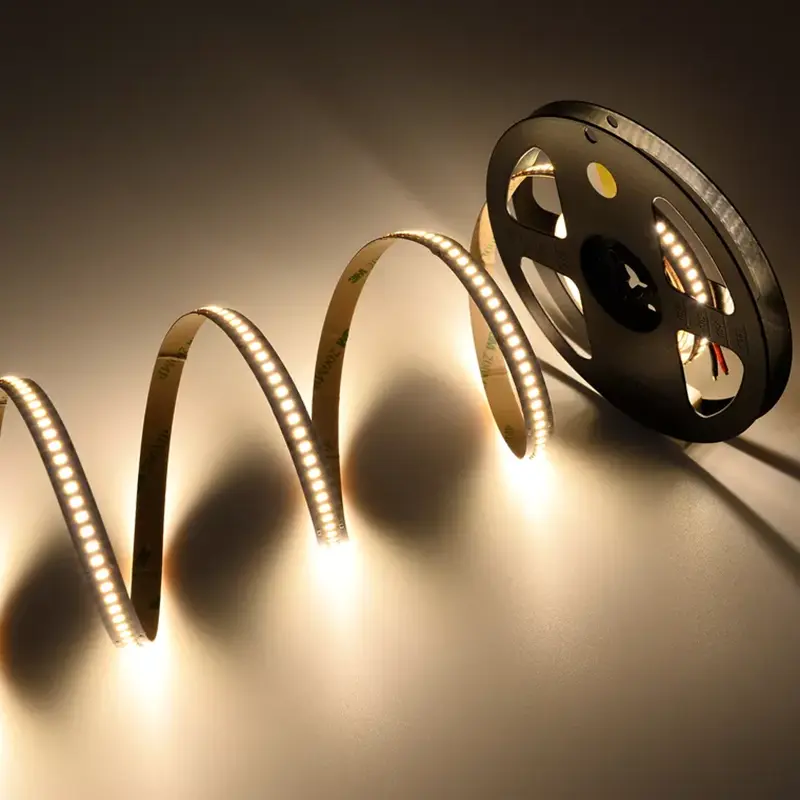
In the world of LED strips, Lumen is the go-to unit. These strips are commonly used for ambient lighting, like along a TV’s edges or under cabinets. Lumen helps you measure how well the light covers an area, making it ideal for testing LED strips.
Common FAQs and Myths Debunked
Navigating the landscape of Candela, Lux, and Lumens can be confusing. Clearing up common misconceptions is crucial to properly utilizing these units.
Why Can’t I Use One Unit for Everything?
Measuring light with just one unit may seem helpful, but it’s not practical since each unit has a specific purpose. Using Lumens for task lighting can cause over-illumination, waste energy, and create glare. If you use Candela for room lighting, the light may not spread evenly and the spaces may be dim or unevenly lit.
How Do I Convert Between Candela, Lux, and Lumens?
Converting between these units is not easy. It requires more than a simple calculation. When choosing lighting, think about how far it is from the light source and the angle of the light. Math formulas can help, but they need specific lighting info to be accurate.
Are 100 Lumens the Same as 100 Watts?
A common myth is that Lumens and Watts are interchangeable. However, Lumens measures the total light output, whereas Watts quantifies energy consumption. They’re related but distinct metrics. For example, a more efficient LED bulb can give off the same amount of light as a regular bulb. However, it uses less power.
How to Measure Light Using These Units?
Specialized light meters can offer the most accurate measurements. DIY enthusiasts can get good results by using math to measure distance and angles, even though it takes more effort.
Luminous Efficacy and Efficiency
Knowing how well a light source produces light and how efficiently it uses energy helps you choose better lighting and save money.
How Bright Should Indoor Lights Be Today?
We recommend a Lux level of around 300 for specific tasks like reading or office work. This balances eye comfort with sufficient illumination, reducing eye strain and increasing productivity.
What Is Luminous Efficacy?
Luminous efficacy measures how efficiently a light source transforms electricity into visible light. It’s usually shown in Lumens per Watt (lm/W). This is crucial when achieving high brightness levels without skyrocketing your energy bills.
Conclusion: Illuminate Your Choices
You should have a comprehensive grasp of Candela, Lux, and Lumens by now. Each unit has a specific purpose in different types of lighting, like for indoors or outdoors.
It’s important to know about these types of light, not just for studying but also for real-life situations. Knowing these units can greatly improve your lighting decisions, whether it’s for a photo shoot, your home, or a campsite.
Your journey should continue. Use this foundational knowledge as a stepping stone. To understand how these units work, try different light sources in different environments.
Understanding measurements like Candela, Lux, and Lumens helps you make better decisions. It can be complex, but it’s crucial. If you have any questions or need specific lighting, check out Unitop. They are one of China’s top Bandes lumineuses LED et Flexible à néon LED makers. Our industry expertise makes us your go-to source for all things LED. Nous contacter immediately to illuminate your world.

Tom est maintenant le directeur des ventes de Unitop (China) Co., Limited. Il a été dans le Éclairage LED l'industrie depuis 2005. Il est expert en ventes et marketing, et en gestion d'usine. Il aime le bodybuilding, et il est aussi un fan fou d'Apple ! C'est un travailleur acharné qui aime apprendre et essayer de nouvelles choses.
Email : tom@unitopledstrip.com WhatsApp : +86-18680307140



Laisser un commentaire
Rejoindre la discussion?N’hésitez pas à contribuer !