
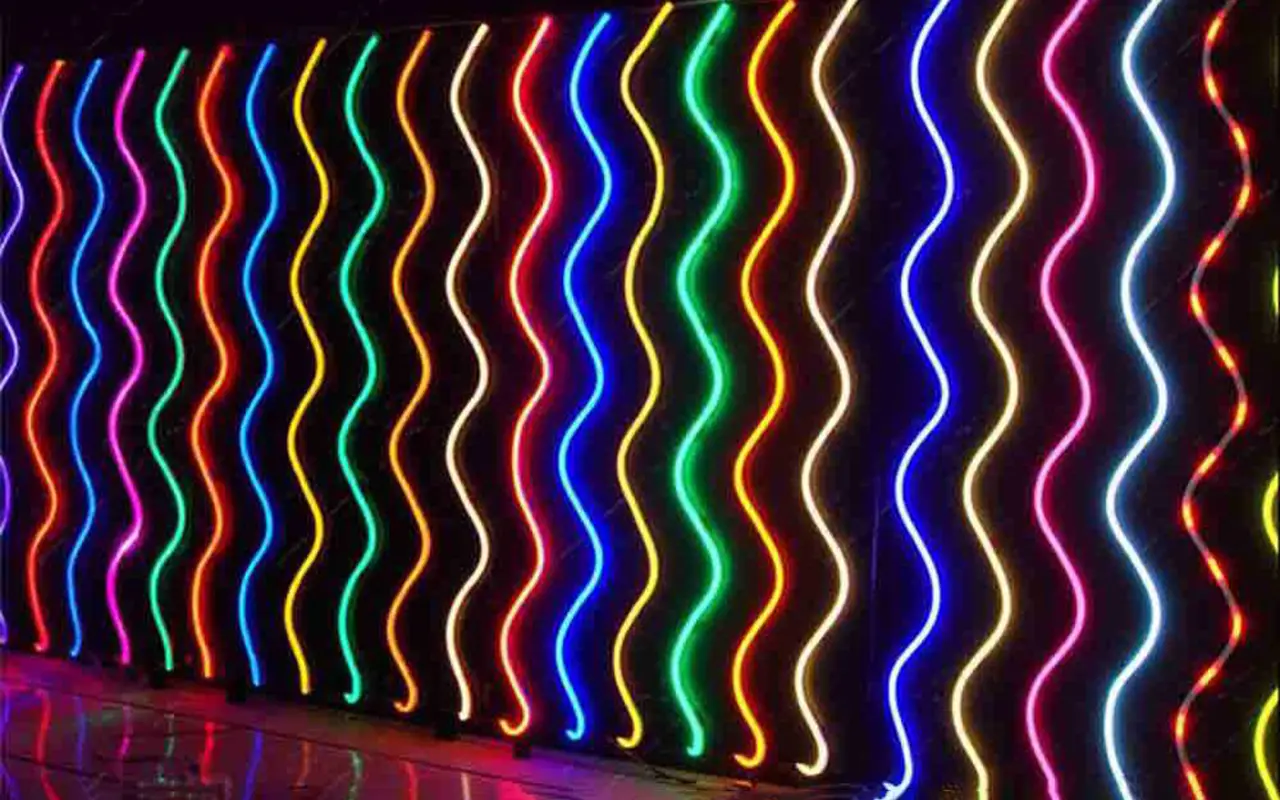
Are you aware that choosing the wrong voltage for your LED Neon Flex lights can lead to disappointing results and costly mistakes? Selecting the appropriate LED Neon Flex voltage options is more critical than many realize. Many believe all LED lights operate the same way, but this misconception can lead to issues like flickering lights, reduced brightness, and even electrical hazards.
You can achieve brighter, more efficient, and longer-lasting lighting solutions by mastering the nuances of LED Neon Flex voltage options. This knowledge not only ensures safety but also enhances the overall aesthetic of your space. Understanding the differences between 12V, 24V, and 120V options is essential for a flawless lighting installation.
In this guide, we will explore the significance of voltage in LED Neon Flex lights, compare the benefits of various voltage options, and provide practical installation tips. Continue reading to unlock expert insights and practical advice on selecting the perfect voltage for your LED Neon Flex lights and make your next project shine brighter.
What is LED Neon Flex?
LED Neon Flex is a modern lighting solution that mimics traditional neon lights using LED technology. Unlike traditional neon, which uses glass tubes and gas, LED Neon Flex is flexible, durable, and energy-efficient. It consists of LED strips encased in a robust yet pliable material, making it versatile for various applications.
LED Neon Flex technology uses LEDs mounted on a flexible circuit board encased in silicone or PVC housing. This construction allows the lights to bend and curve, enabling intricate designs and applications. The LEDs emit light uniformly, creating a smooth and continuous glow that resembles neon lights without the fragility and high energy consumption.
LED Neon Flex is widely used in signage, architectural lighting, decorative accents, and artistic installations. Its flexibility and durability make it ideal for indoor and outdoor use in retail displays, home decor, and event lighting.
Benefits of LED Neon Flex Lighting

Choosing LED Neon Flex offers numerous benefits over traditional lighting options. Its energy efficiency, longevity, and versatility make it a superior choice for various lighting needs.
Energy Efficiency and Cost Savings
LED Neon Flex is highly energy-efficient, consuming significantly less power than traditional neon lights. This efficiency translates to cost savings on electricity bills, making it an economical choice for commercial and residential applications. Traditional neon lights can consume upwards of 20W per meter, while LED Neon Flex lights typically use less than 5W per meter. This reduction in power usage saves money and reduces the carbon footprint, making it an environmentally friendly option. Additionally, the energy efficiency of LED Neon Flex ensures that even large installations remain cost-effective over time.
Durability and Longevity
LED Neon Flex lights are designed to withstand harsh conditions, including extreme temperatures and weather elements. They have a long lifespan, often exceeding 50,000 hours, reducing the need for frequent replacements and maintenance. Unlike traditional neon lights, which are fragile and prone to breakage, LED Neon Flex lights are encased in a durable, flexible material that resists damage from impact and vibrations. This makes them ideal for indoor and outdoor applications, ensuring consistent performance in various environments.
Versatility in Design and Use
The flexibility of LED Neon Flex allows for creative and intricate designs. It can be cut to size, bent into shapes, and installed in various settings, from architectural facades to custom signage and decorative accents. This adaptability makes it suitable for many projects, highlighting architectural features, creating eye-catching retail displays, or adding a decorative touch to residential interiors. The ability to shape and mold the lights into virtually any form provides endless possibilities for creative expression and functional lighting solutions.
The Role of Voltage in LED Neon Flex
Voltage plays a critical role in the performance and safety of LED Neon Flex lights. It affects the lights’ brightness, efficiency, and compatibility with power sources.
Voltage, measured in volts (V), is the potential difference that drives electric current through the LED Neon Flex. It is crucial to match the voltage of the lights with the power supply to ensure proper operation and prevent damage. Incorrect voltage can lead to inefficient lighting, potential safety hazards, and reduced lifespan of the LED strips. Ensuring the correct voltage alignment is vital for maintaining the integrity and performance of the lighting system.
The voltage of LED Neon Flex lights affects their brightness and efficiency. Higher voltage lights typically provide brighter illumination and are suitable for longer runs, while lower voltage lights are ideal for shorter lengths and intricate designs. Using the appropriate voltage helps prevent issues such as flickering, dimming, and overheating, which can compromise the performance and safety of the lights. Over-voltage can lead to excessive heat generation, increasing the risk of fire hazards, while under-voltage can cause the lights to perform poorly or not function at all.
Different Voltage Options for LED Neon Flex
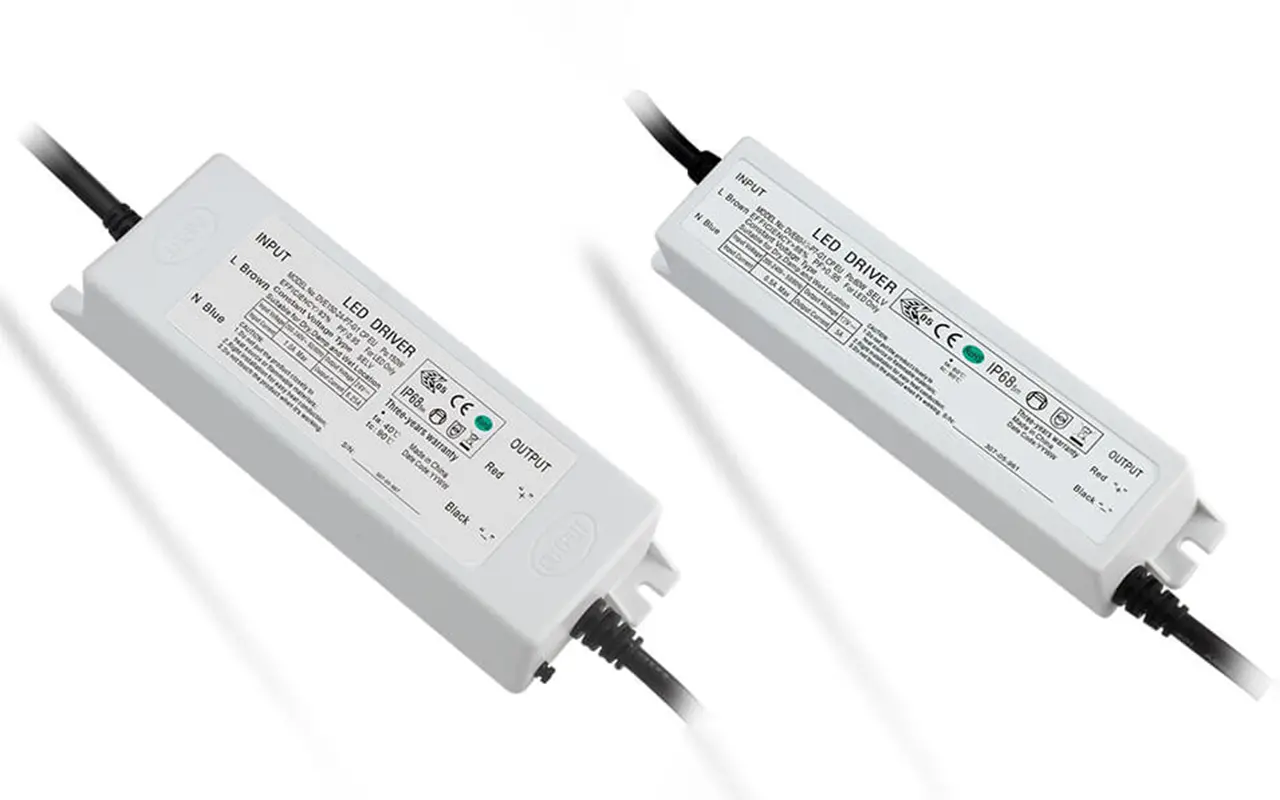
LED Neon Flex lights come in various voltage options to suit applications and power requirements.
Low Voltage Options: 12V and 24V
12V and 24V are common low-voltage options for LED Neon Flex. These voltages are safe for residential and commercial use, offering flexibility and ease of installation. Low voltage options are particularly beneficial in environments where safety is a priority, such as homes with children or areas where the lights may come into close contact with people. Additionally, 12V and 24V systems are easier to work with for DIY installations due to their lower risk of electrical shock.
High Voltage Option: 120V
120V LED Neon Flex is typically used for large-scale installations and long runs. It provides higher brightness and efficiency but requires careful handling and installation due to the higher voltage. High voltage systems are well-suited for commercial applications, such as large retail spaces, outdoor signage, and architectural lighting, where extensive illumination is required. However, they require professional installation to ensure compliance with safety standards and prevent potential electrical hazards.
Other Voltage Levels and Their Applications
In addition to 12V, 24V, and 120V, other voltage levels may be available depending on the specific product and application. For example, 48V systems are sometimes used for specialized industrial applications that require longer runs with minimal voltage drop. Choosing the right voltage depends on the length of the run, the brightness required, and the power source available. It is important to consult with the manufacturer or a lighting expert to determine the most suitable voltage for your specific needs.
The Impact of Voltage on LED Neon Flex
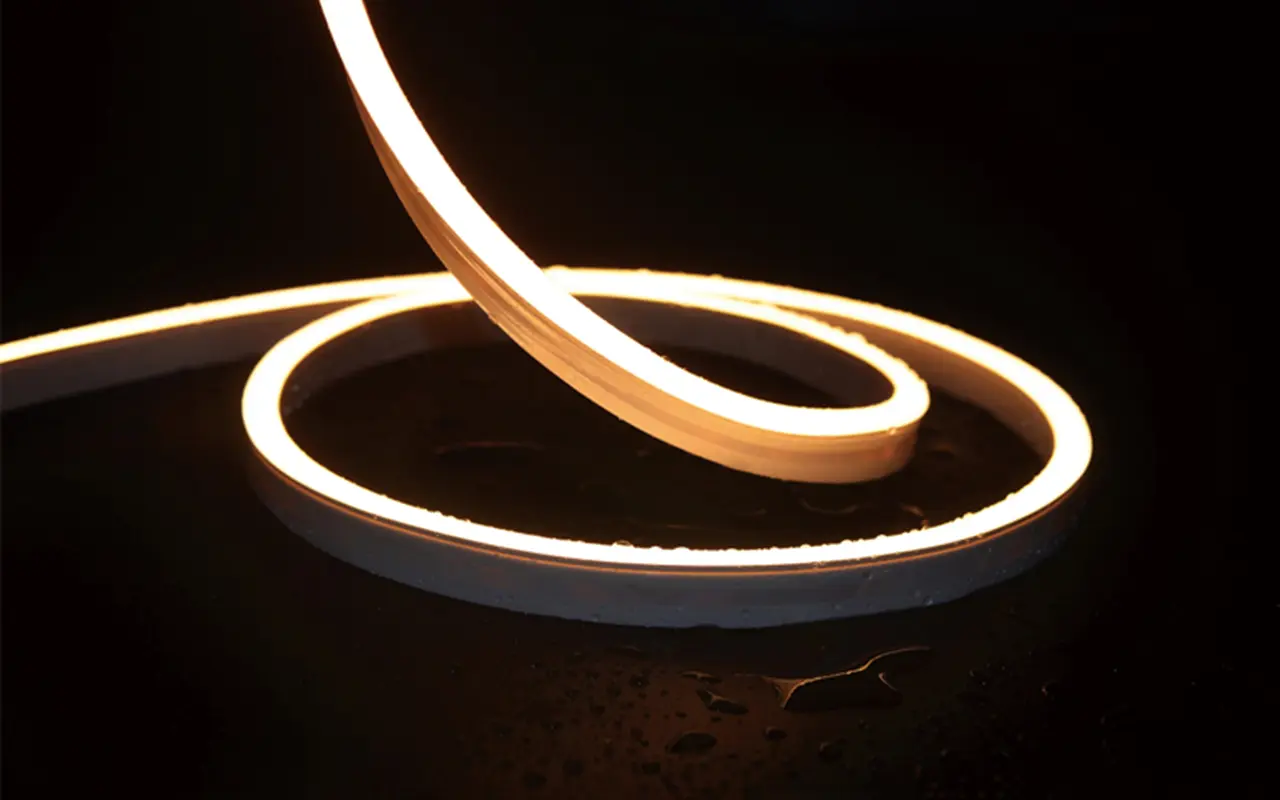
Voltage significantly impacts LED Neon Flex lights’ performance, safety, and installation.
Performance and Brightness
Higher voltage options generally offer brighter illumination for large areas and outdoor applications. Lower voltage options are ideal for intricate designs and indoor use, providing adequate brightness with enhanced safety. For instance, a 24V system might be necessary for illuminating a large outdoor sign, ensuring that the light remains bright and consistent across the entire surface. On the other hand, a 12V system might be perfect for a small indoor sign or decorative element, providing sufficient light without posing a safety risk.
Safety and Reliability
Matching the voltage of LED Neon Flex with the power supply ensures safe and reliable operation. Incorrect voltage can cause overheating, reduced efficiency, and potential electrical hazards. Overheating can lead to fire risks, while reduced efficiency can increase energy consumption and costs. Ensuring that the voltage is correctly matched with the power supply optimizes performance and enhances the lighting system’s longevity and reliability.
Installation and Maintenance Considerations
Different voltage options have specific installation and maintenance requirements. Understanding these considerations helps ensure proper setup and long-term performance of the lights. For example, higher voltage systems may require more robust wiring and components to handle the increased electrical load. Lower voltage systems may need more frequent checks to ensure connections remain secure. Proper installation practices, such as using appropriate connectors and securing the lights adequately, are essential to prevent issues and ensure the lighting system functions as intended.
Detailed Look at 12V LED Neon Flex
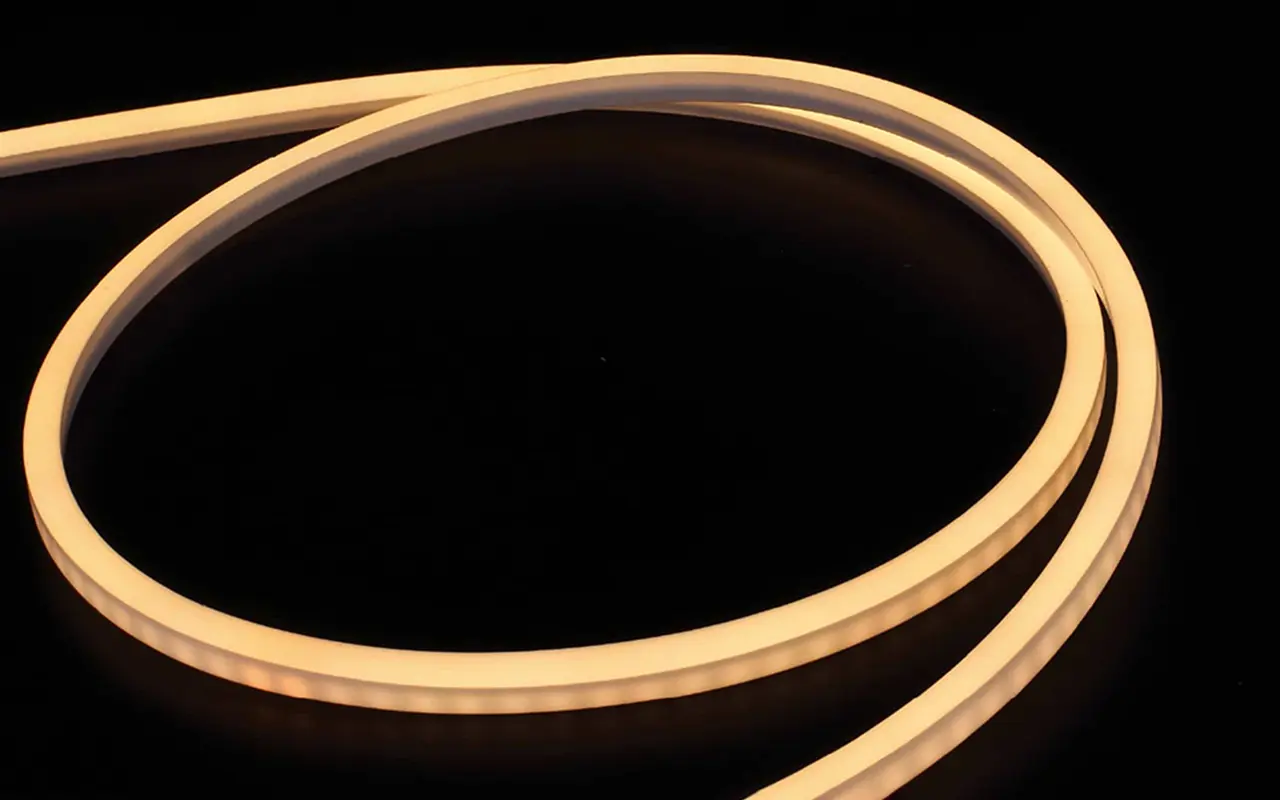
12V LED Neon Flex is popular for its safety, ease of installation, and versatility.
Key Benefits and Features
12V LED Neon Flex offers a safe and flexible lighting solution. It is easy to cut and install, making it ideal for DIY projects and professional installations. The lower voltage reduces the risk of electrical hazards, making it a preferred option for residential use and projects where the lights are frequently handled. Additionally, 12V systems are compatible with a wide range of power supplies and accessories, enhancing their versatility.
Ideal Applications for 12V LED Neon Flex
12V LED Neon Flex is perfect for residential lighting, retail displays, signage, and decorative accents. Its low voltage makes it safe for use in various settings, including children’s rooms and outdoor spaces. It can create stunning visual effects in home interiors, accentuate garden features, or add a touch of elegance to retail displays. The flexibility and ease of installation make it suitable for various creative applications.
Installation Tips for 12V Systems
Installing 12V LED Neon Flex involves:
- Connecting the lights to a compatible power supply.
- Ensuring proper polarity.
- Securing the lights in place.
Use appropriate connectors and mounting hardware for a secure and reliable installation. Ensure that the power supply can handle the total load of the LED strips to prevent overloading. Properly securing the lights prevents movement and potential damage, ensuring a long-lasting and visually appealing installation.
Understanding 120V LED Neon Flex
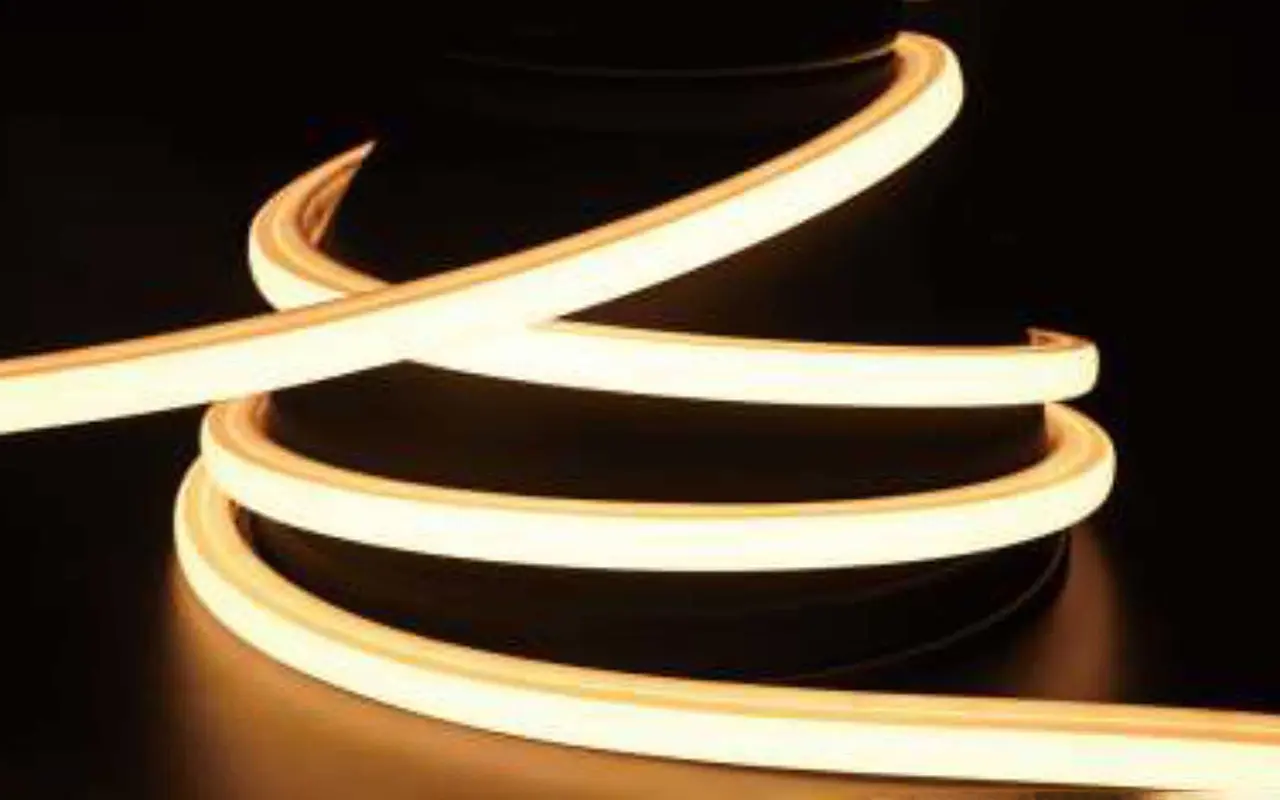
120V LED Neon Flex is designed for large-scale installations and applications requiring high brightness.
Key Benefits and Features
120V LED Neon Flex offers superior brightness and efficiency. It is suitable for long runs and extensive installations, providing consistent illumination over large areas. The high voltage allows for fewer power supplies and connections, simplifying the installation process and reducing potential points of failure. This ensures reliable performance in demanding environments.
Best Use Cases for 120V LED Neon Flex
120V LED Neon Flex is ideal for commercial lighting, architectural facades, and outdoor installations. Its high voltage allows long runs without significant voltage drop, ensuring uniform brightness. It is perfect for lighting large buildings, creating impressive outdoor displays, and illuminating extensive areas in commercial settings. The robust construction and high performance make it suitable for challenging environments and high-visibility applications.
Installation Tips for 120V Systems
Installing 120V LED Neon Flex requires careful handling and adherence to safety guidelines. Use appropriate connectors, secure the lights, and ensure proper grounding to prevent electrical hazards. Professional installation is recommended to comply with local electrical codes and safety standards. Proper grounding and secure connections are essential to prevent electrical shocks and ensure reliable operation.
12V vs. 24V vs. 120V: Which is Right for You?
Choosing the right voltage for your LED Neon Flex depends on your specific needs and applications.
Performance Comparison
12V, 24V, and 120V LED Neon Flex offer different levels of brightness and run lengths. Higher voltage options provide brighter illumination and longer runs, while lower voltage options offer enhanced safety and flexibility. For instance, 12V systems are ideal for small, intricate designs where safety is paramount, while 24V and 120V systems are better suited for large, bright displays that require longer runs and higher intensity.
Safety and Compliance Considerations
Ensure that your chosen voltage complies with local electrical codes and safety standards. Proper installation and handling are crucial for preventing electrical hazards and ensuring safe operation. High voltage systems, such as 120V, require more stringent safety measures and professional installation to comply with regulations. While safer to handle, lower voltage systems still need proper installation practices to prevent issues.
Cost and Installation Differences
Higher voltage options may require professional installation and additional safety measures, increasing the overall cost. Lower voltage options are generally more affordable and easier to install, making them suitable for DIY projects. Consider the total cost of the installation, including power supplies, connectors, and labor, when choosing the appropriate voltage. Balancing performance, safety, and cost will help you make the best decision for your lighting needs.
Ensuring Safe Use of LED Neon Flex
Safety is paramount when working with LED Neon Flex lights. Proper installation and handling prevent electrical hazards and ensure reliable operation.
Follow electrical safety guidelines, including using appropriate connectors, securing the lights in place, and ensuring proper grounding. Avoid overloading circuits and use compatible power supplies for your LED Neon Flex lights.
Common hazards include electrical shock, overheating, and short circuits. Avoid these by following installation instructions, using appropriate voltage, and ensuring proper connections.
Select the appropriate voltage for your application to ensure safe and reliable operation. Consider the specific requirements of your installation and consult a professional if needed.
Installation Tips for Different Voltage Options

Proper installation is crucial for LED Neon Flex lights’ safe and reliable operation. Follow best practices to ensure optimal performance and longevity.
Installing Low Voltage Systems (12V and 24V)
Install low voltage systems by connecting the lights to a compatible power supply, ensuring proper polarity, and securing the lights. Use appropriate connectors and mounting hardware for a secure installation.
Installing High Voltage Systems (120V)
High-voltage systems require careful handling and adherence to safety guidelines. Use appropriate connectors, secure the lights, and ensure proper grounding to prevent electrical hazards.
Common Installation Mistakes to Avoid
Avoid common installation mistakes, such as improper connections, overloading circuits, and using incompatible power supplies. Follow installation instructions and consult a professional if needed.
Troubleshooting Voltage Issues
Voltage problems can affect the performance and safety of LED Neon Flex lights. Identifying and solving these issues ensures reliable operation.
Common voltage-related issues include flickering lights, reduced brightness, and overheating. Identify these problems early to prevent damage and ensure safe operation.
Follow a step-by-step troubleshooting guide to identify and solve voltage problems. Check connections and power supply compatibility and ensure proper installation to resolve issues.
Seek professional help if voltage problems persist or if you need clarification on installing and handling LED Neon Flex lights. Professional assistance ensures safe and reliable operation.
Mantenimiento y cuidado
Regular maintenance and care are essential for the longevity and performance of LED Neon Flex lights. Follow maintenance guidelines to keep your lights in top condition.
Perform regular maintenance, including cleaning the lights, checking connections, and ensuring proper operation. Regular maintenance prevents issues and extends the lifespan of your LED Neon Flex lights.
Address voltage-related wear and tear by checking for signs of damage, overheating, and reduced performance. Replace damaged components and ensure proper voltage to maintain optimal performance.
Prolong the lifespan of your LED Neon Flex lights by following proper installation, maintenance, and handling guidelines. Use compatible power supplies and avoid overloading circuits to ensure long-term performance.
Preguntas frecuentes
Q: What are the primary voltage options for LED Neon Flex lights?
A: LED Neon Flex lights commonly come in two primary voltage options: 12V and 24V. Each has its advantages and applications, making it essential to choose based on your specific needs and installation environment.
Q: How does the voltage affect the brightness of LED Neon Flex lights?
A: Voltage directly impacts the brightness of LED Neon Flex lights. Higher voltage options, such as 24V, typically provide brighter illumination and are suitable for longer runs. Lower voltage options, like 12V, are ideal for smaller installations and offer enhanced safety.
Q: Can I use LED Neon Flex lights outdoors?
A: Yes, LED Neon Flex lights are suitable for outdoor use as long as they are rated for outdoor applications. Ensure proper installation and use of compatible power supplies to maintain safety and performance in outdoor environments.
Q: What are the safety considerations when installing LED Neon Flex lights?
A: Safety is crucial when installing LED Neon Flex lights. Always match the voltage of the lights with the power supply, use appropriate connectors, secure the lights properly, and ensure proper grounding. Avoid overloading circuits to prevent electrical hazards.
Q: How do I choose the right LED Neon Flex project voltage?
A: Selecting the right voltage depends on factors such as the length of the run, brightness requirements, and the specific application. Lower voltage options are suitable for shorter runs and intricate designs, while higher voltage options are ideal for long runs and high-brightness applications.
Q: What are the benefits of using 12V LED Neon Flex lights?
A: 12V LED Neon Flex lights offer several benefits, including lower electric shock risk, reliability, suitability for small spaces, and ease of installation. They can be directly plugged into a 12V battery pack or vehicle without a separate power supply.
Q: Why might I choose 24V LED Neon Flex lights over 12V?
A: 24V LED Neon Flex lights provide greater power transmission per strip, versatility for various applications, and more consistent voltage output. They are ideal for larger installations and projects requiring higher brightness and efficiency.
Q: What happens if I use the wrong voltage for my LED Neon Flex lights?
A: Using the wrong voltage can damage the LED Neon Flex lights and the electrical supply. A 12V strip powered by 24V will burn out the LEDs, while a 24V strip powered by 12V will be dim or flash. Always use the correct voltage to ensure safe and proper operation.
Q: How can I ensure the longevity of my LED Neon Flex lights?
A: To prolong the lifespan of your LED Neon Flex lights, follow proper installation and maintenance guidelines, use compatible power supplies, avoid overloading circuits, and regularly check for signs of damage or wear. Proper care will ensure optimal performance and longevity.
Q: What tools and equipment are needed to connect LED Neon Flex lights?
A: To connect LED Neon Flex lights, you will need a sharp cutting blade, flat-nosed pliers, a heat gun, silicone sealant, and heat shrink tubing. Additionally, you’ll need the LED Neon Flex light strip, male and female power pins, an end cap, a power cable, and a compatible power supply.
Conclusión
Choosing the right voltage for your LED Neon Flex lights is crucial to ensure optimal performance, safety, and longevity. By understanding the differences between 12V, 24V, and 120V options, you can make an informed decision tailored to your specific needs and applications. Whether you require bright illumination for a large commercial space or a reliable, safe option for a residential project, LED Neon Flex lights offer the versatility and efficiency to meet your requirements.
Unitop, uno de los principales fabricantes chinos de Tiras de luces LED y LED Neón Flex, is dedicated to providing top-quality products and expert guidance. With a wealth of experience and a strong reputation in the LED industry, Unitop stands out for its innovation and commitment to customer satisfaction. If you have any questions or specific requirements, please póngase en contacto con nosotros immediately. Our team is ready to assist you in finding the perfect LED lighting solution for your needs.

Tom es ahora el Director de Ventas de Unitop (China) S.L.. Ha estado en el Iluminación LED industria desde 2005. Es experto en ventas y marketing, y en gestión de fábricas. Le gusta el culturismo, ¡y también es un fan loco de Apple! Es un tipo muy trabajador y le encanta aprender y probar cosas nuevas.
Correo electrónico: tom@unitopledstrip.com WhatsApp: +86-18680307140




Dejar un comentario
¿Quieres unirte a la conversación?Siéntete libre de contribuir!