
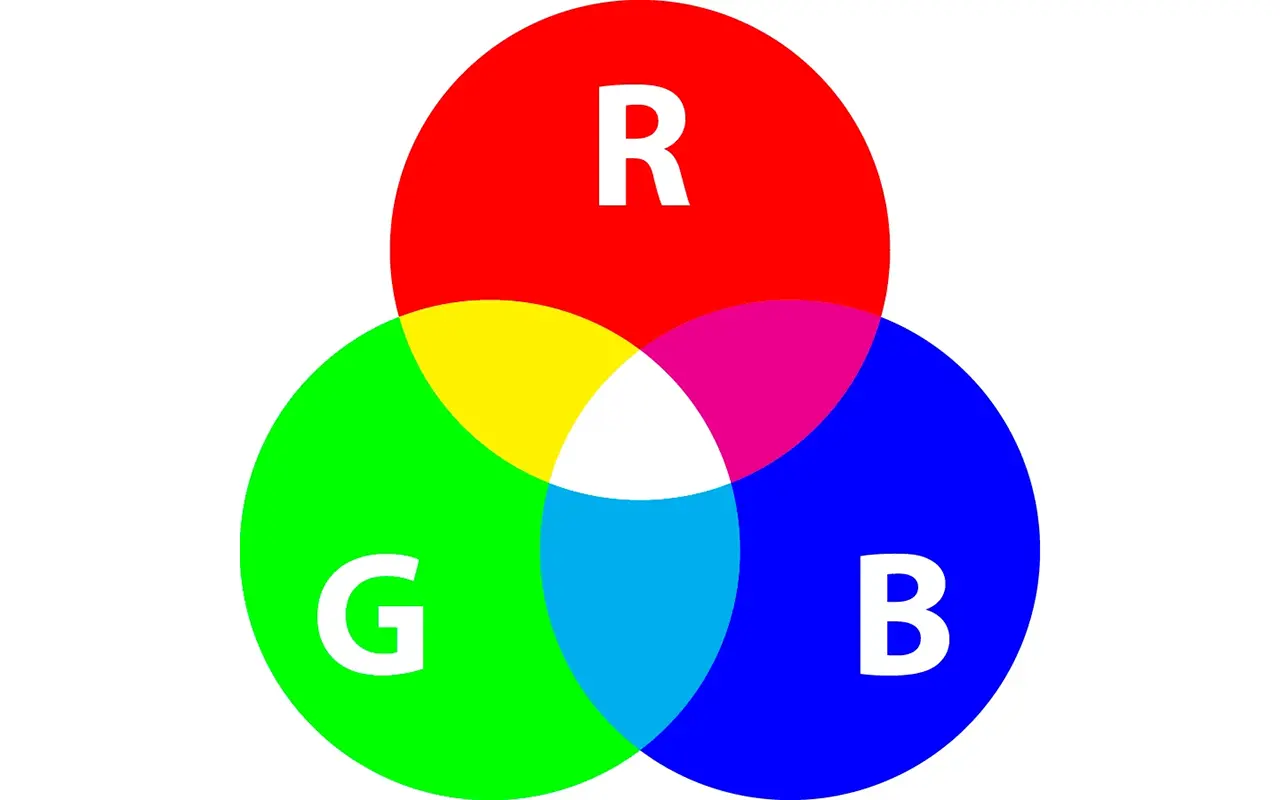
Are you looking to understand the full capabilities of RGB lighting, specifically its ability to produce true white light? With our expert insight into color technology, you’re in the right place to uncover how RGB lights blend colors to achieve or fall short of genuine white light. Rest assured, we have the answers you need to illuminate the intricacies of RGB lighting.
RGB lights simulate white by blending red, green, and blue. However, this method often results in a white light that lacks the full spectrum of natural white, impacting its authenticity and effectiveness in certain applications.
Dive deeper into the world of RGB lighting as we unravel how it attempts to mimic white light, alongside its potential uses and limitations. Join us to explore how this technology fits into various lighting scenarios and the future of RGB advancements.
Understanding RGB Lights and White Light Production

Basics of RGB LEDs:
RGB LEDs, standing for Red, Green, and Blue Light light-emitting diodes, serve as the cornerstone of color-mixing technology in lighting systems. These diodes blend primary colors at varying intensities—additive color mixing—to create a spectrum ranging from bold colors to subtle hues. This method is essential in devices from smartphones to decorative home lighting, providing precise control over color outcomes. These LEDs can be finely tuned through advanced circuitry to achieve desired effects, making them invaluable in aesthetic and functional applications.
Mechanism of Simulating White:
Achieving white light through RGB systems involves blending equal parts of red, green, and blue light. However, this theoretical simplicity belies the practical complexity: the spectral peaks of these primary colors do not align perfectly, often yielding a white light with a noticeable bluish tint. This issue is particularly problematic in environments requiring accurate color representation, such as art studios or medical examination areas, where the quality of light can significantly affect the task at hand.
Comparison with Dedicated White LEDs:
Unlike RGB LEDs, dedicated white LEDs are specifically engineered to emit pure white light. They commonly employ a blue LED chip coated with a yellow phosphor, producing a light spectrum akin to natural daylight. This more direct approach to generating white light bypasses the need for color mixing, resulting in a cleaner, more reliable output preferred in settings demanding high color accuracy, such as photography lighting, task lighting in offices, or ambient lighting in clinical environments.
Spectral Insights:
Comparative studies of RGB versus dedicated white LEDs highlight significant differences in spectral coverage. RGB LEDs typically emit a narrower light spectrum, missing crucial cyan to yellow wavelengths vital for true-to-life color perception. In contrast, the broader spectrum of dedicated white LEDs resembles the continuous range of natural light, enhancing color rendering and visual comfort. This broader spectrum ensures that colors are rendered more faithfully, which is critical in professional settings where precise color differentiation is necessary.
Real-world Applications:
The practical impact of these spectral differences is substantial across various applications. In interior design, for instance, the quality of white light produced by RGB LEDs can affect how true the colors appear in a room setting, influencing mood and aesthetics. While RGB LEDs are suitable for environments where dynamic and variable lighting is beneficial, such as in entertainment settings, dedicated white LEDs are the go-to choice for areas requiring dependable and accurate white light. Their ability to faithfully reproduce colors makes them indispensable in fields where the highest fidelity in color representation is required, such as detailed artwork reproduction and critical task lighting.
The Science Behind RGB Color Mixing
Principles of Additive Color Mixing:
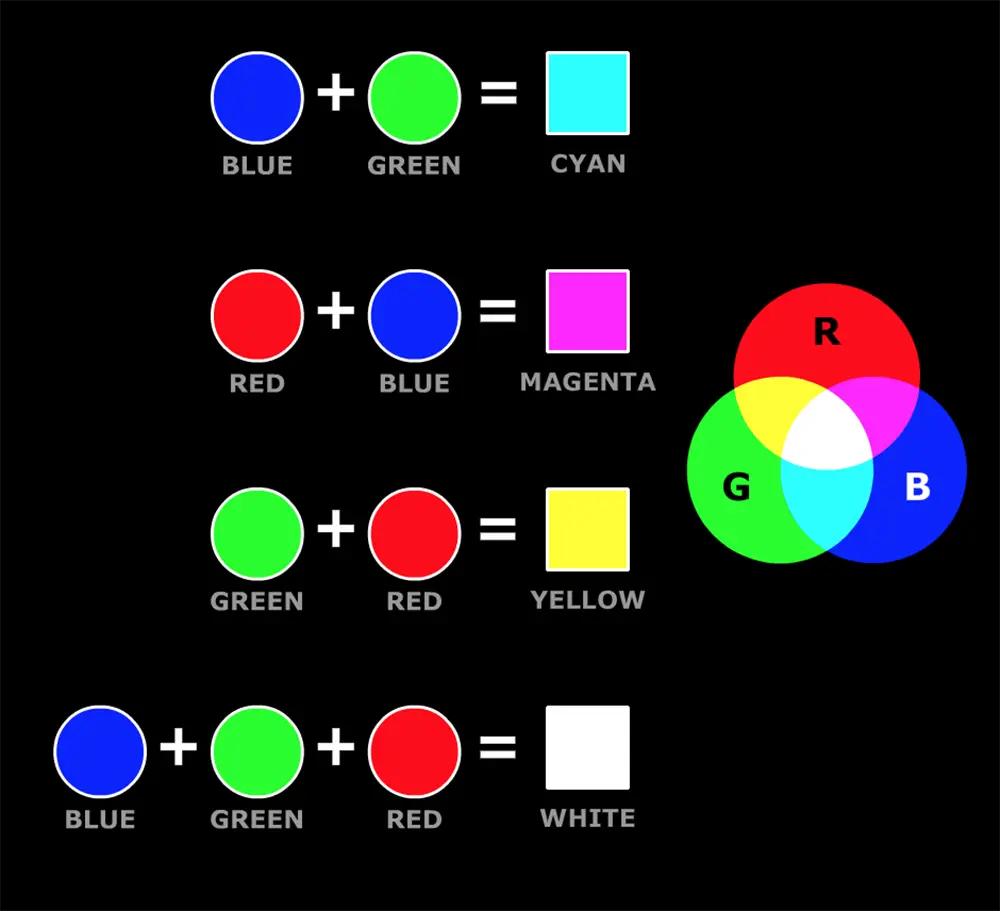
The process of additive color mixing, foundational to RGB lighting technology, involves blending red, green, and blue light. Each color is a primary component of light. This mixing produces secondary colors such as yellow from red and green, cyan from blue and green, and magenta from blue and red. By adjusting the intensity of these primary colors, RGB systems theoretically can generate any color on the visible spectrum, including various shades of white. This principle is crucial in ambient and decorative lighting and in technology like digital displays, where accurate color representation is vital for clear visual communication.
Challenges in Achieving True White:
Achieving a pure white light in RGB systems presents significant challenges. Ideally, combining equal measures of red, green, and blue light should yield white, but practical results often fall short. Variations in LED output—intensity and wavelength—can unbalance the mix, typically skewing towards a cooler, bluish-white. This is especially problematic in professional settings like graphic design or textiles, where precise color accuracy is paramount. The inability of RGB LEDs to align their spectral peaks perfectly means that the white produced often lacks the warmth and balance of natural daylight, which can adversely affect material colors and aesthetic judgments in these industries.
Tweaking Intensities for Better White:
Improving the white light quality produced by RGB LEDs involves meticulous adjustments to the intensities of the primary colors. This fine-tuning process requires sophisticated controllers capable of minute and precise modifications to achieve a closer approximation of neutral white. While advanced RGB systems may offer calibration tools that aid in these adjustments, achieving an optimal white remains a complex endeavor fraught with trial and error. Such systems can adjust based on environmental conditions or specific user requirements. Still, they generally cannot match the consistency and purity of dedicated white LEDs.
This adjustment process requires technical know-how and an understanding of the lighting needs specific to different environments. For instance, in-home settings, slightly cooler or warmer white light might be preferable based on room function and personal taste, whereas in art display or medical examination areas, the quality and accuracy of white light are non-negotiable. Despite the advancements in RGB technology, when precision in color rendering is required, dedicated white LEDs or advanced RGBW setups are often more suitable solutions due to their ability to provide high fidelity and consistent white light across various applications.
Real-World Applications and Limitations of RGB White Light
Effective Uses of RGB White Light:
With its vibrant and dynamic color capabilities, RGB lighting excels in environments where mood and theme are more critical than precise color accuracy. It’s a staple in entertainment venues, gaming setups, and nightlife spots, where its ability to shift colors on demand adds a lively element to the atmosphere. Additionally, RGB lighting is increasingly popular in home automation, allowing homeowners to personalize their living spaces with accent lighting that can change with a button. These applications leverage the strength of RGB lighting to create immersive environments. However, the white light produced may not always be pure or consistent.
Limitations in Color Accuracy and Applications:
Despite its widespread use, RGB lighting faces significant challenges in applications where color accuracy is paramount. In professional environments like art galleries, the accurate representation of color is essential, and even slight deviations can distort the viewer’s perception of an artwork. Similarly, in medical settings, precise color rendering is crucial for diagnosing and treating patients, where an incorrect color impression could lead to errors. The inherent limitations of RGB lighting in producing a true white spectrum make it unsuitable for tasks that rely on strict color fidelity, impacting both the effectiveness of the lighting and the outcomes of its use.
Consumer Perceptions and Feedback:
While many users appreciate the versatility of RGB lighting for aesthetic enhancement and mood settings, there is also a recognition of its shortcomings in more demanding applications. Feedback often points to its utility in creating engaging environments for parties or thematic setups in home theaters. However, the inconsistent quality of white light from RGB systems can be a drawback when it comes to more functional uses like reading or detailed task work. This mixed reception highlights the importance of consumers carefully evaluating their specific lighting needs, particularly when consistent and accurate illumination is required.
In essence, RGB lighting, while revolutionary in its capacity to enhance spaces with color, must be chosen with consideration for its limitations, particularly in environments where precision in white light output is critical. Alternatives like dedicated white LEDs or hybrid RGBW systems may offer better solutions, balancing the need for a colorful ambiance with the demand for high-quality white light.
Optimizing RGB Lighting to Achieve Better White
Adjustment Techniques:
Significant precision in control settings is required to refine the white light produced by RGB lighting. Advanced lighting controllers, often featuring digital interfaces, allow for meticulous adjustments of each color channel—red, green, and blue. These adjustments are crucial for minimizing the typical bluish tint of RGB-generated white light. Such controllers provide real-time feedback and have the ability to store custom settings, which can be particularly useful for environments where lighting conditions frequently change. For instance, in a home theater, adjusting the white balance can enhance the viewing experience by reducing eye strain and improving color fidelity on the screen.
Technological Advances:
The drive to produce a truer white light using RGB LEDs has catalyzed various technological innovations. One significant development is using software algorithms that dynamically adjust the RGB ratios to mimic natural light conditions better. These intelligent systems continuously analyze the ambient light and automatically adjust the RGB mix, thus maintaining a consistent and more natural white light output. Additionally, the advent of hybrid LED systems that combine RGB with dedicated white diodes represents a leap forward in achieving high-quality white light. These systems improve the overall light quality and enhance the color rendering index (CRI), making them ideal for settings where accurate color perception is critical, such as in art studios or fabric stores.
DIY Adjustments:
RGB lighting technology also offers an extensive playground for DIY enthusiasts who wish to tailor their lighting systems. Hobbyists can develop customized lighting solutions that push beyond conventional capabilities by utilizing programmable controllers like Arduino or Raspberry Pi. This might involve coding specific scripts to fine-tune color output or integrating sensors to automatically adjust lighting based on the time of day or room occupancy. Engaging with the online DIY community can expand one’s knowledge and skills through shared experiences and tips. Such projects enhance personal living spaces and provide a rewarding hobby that combines creativity with technical skills.
In summary, optimizing RGB lighting to produce better white light encompasses a blend of advanced control technology, innovative lighting designs, and individual customization. As the technology evolves, so does the ability to fine-tune these systems to meet specific needs and preferences, highlighting the versatility and potential of RGB lighting in modern lighting applications.
The Future of RGB Lighting in Achieving White Light
Emerging Technologies and Innovations:
The realm of RGB lighting is on the brink of significant advancements that aim to refine the production of white light. Innovators are focusing on developing new phosphor technologies that can convert the blue light commonly emitted by RGB LEDs into a spectrum resembling natural daylight. This advancement involves enhancing the RGB LEDs with phosphors that absorb some blue light and re-emit it as different colors, enriching the white light to appear purer and more balanced. Moreover, ongoing improvements in LED chip technology aim to balance the intensity of blue light, historically dominant in RGB setups, to achieve a more neutral white output. These technological strides are promising for future applications where the fidelity of white light is crucial, potentially allowing RGB LEDs to more effectively compete with traditional white LEDs.
Expert Opinions and Industry Insights:
Industry experts express optimism about the advancements in RGB technology, particularly its potential to match or surpass traditional white LED systems in color quality and energy efficiency. With the pace of innovation in the LED sector accelerating, experts anticipate that RGB LEDs will increasingly serve as a viable alternative for more applications, offering both vibrant color displays and high-quality white light. Predictions suggest that within a few years, we may witness RGB solutions that effectively rival dedicated white LEDs, offering improved cost-efficiency and enhanced performance.
Market Trends and Consumer Demands:
Consumer expectations and market demands are also shaping the evolution of RGB lighting. Today’s consumers are more knowledgeable about lighting technology and increasingly seek solutions that offer aesthetic appeal and functional performance. The demand for RGB LEDs that can accurately produce high-quality white light is growing, driven by an appreciation for their versatility and energy efficiency. This consumer interest prompts manufacturers to pursue innovative materials and technologies that meet these needs. Additionally, the global emphasis on sustainability and energy efficiency continues to influence the development of RGB LEDs, making them a compelling choice for residential and commercial applications.
These insights and developments indicate a promising future for RGB lighting, suggesting it will play an increasingly significant role in lighting design and application. As technology continues to evolve, RGB lighting is expected to become a more prevalent and versatile option in our homes, workplaces, and public spaces, revolutionizing how we use light to enhance our environments.
Additional Insights
RGBW LEDs:
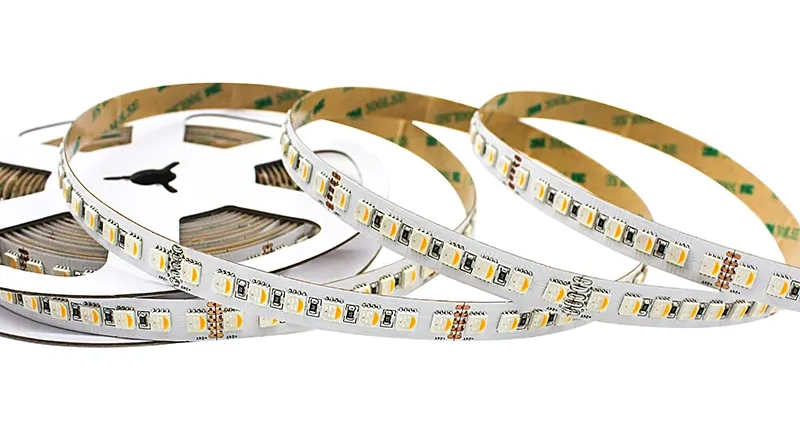
The introduction of RGBW LEDs has significantly enhanced the potential of RGB setups by incorporating an additional white diode. This additional component allows RGBW LEDs to produce authentic, high-quality white light, which has historically been challenging for standard RGB LEDs. Unlike RGB setups that simulate white by blending red, green, and blue, RGBW LEDs include a dedicated white diode that provides pure and clear white light. This is especially beneficial in environments where both vibrant color displays and accurate white lighting are essential. For instance, accurate color rendering can influence consumer perception of products in retail settings. In contrast, in art galleries, the true color of artworks can be preserved and enhanced with proper lighting.
Comparative Analysis:
When evaluating RGB, RGBW, and dedicated white LEDs, it’s essential to consider their performance, cost, and suitability for different applications:
Performance: RGB LEDs are versatile in color production but often fail to create a true, balanced white light. RGBW LEDs address this shortcoming by combining RGB diodes with a white diode, broadening the color spectrum to include a truer white. This makes them suitable for tasks requiring accurate color rendering and vibrant display capabilities. In contrast, dedicated white LEDs are specialized for scenarios where precise white light is paramount, such as in task lighting or settings requiring high color accuracy.
Cost: Typically, RGB LEDs are more cost-effective than RGBW LEDs because of their simpler design. However, the added functionality of the white diode in RGBW LEDs justifies their higher cost, as they can replace multiple types of lighting fixtures. Dedicated white LEDs usually offer a lower-cost alternative for applications that strictly require white light without the need for color-changing capabilities.
Application Suitability: RGB LEDs provide mood and thematic lighting, which is ideal for entertainment venues, themed restaurants, or home decor where dynamic colors are valued. RGBW LEDs, to switch between vivid colors and accurate white, are versatile for use in both commercial and residential settings where the context may demand changes from colorful ambiance to serious, neutral tones. Dedicated white LEDs, offering superior white light, are optimal for environments like offices, medical facilities, and studios where clarity and color accuracy are essential.
In summary, the choice between RGB, RGBW, and dedicated white LEDs should be guided by the specific requirements of the intended application. Each type offers distinct advantages and limitations, and understanding these can help make informed decisions that effectively meet aesthetic and functional needs.
PREGUNTAS FRECUENTES
Is it possible for RGB lights to produce true white light?
RGB lights can simulate white by mixing red, green, and blue at specific intensities. However, this “white” often has a bluish tint and does not cover the full spectrum of natural white light, making it less suitable for applications requiring precise color accuracy.
Why does white light created by RGB LEDs often appear bluish?
The bluish tint in RGB-created white light results from the inherent intensity and wavelength differences in the red, green, and blue LEDs. Balancing these to produce a perfect white is challenging, often resulting in a cooler, blue-skewed light.
Can RGB LED setups be adjusted to improve the quality of white light they produce?
Yes, RGB LEDs can be fine-tuned using advanced controllers that adjust the intensity of each color. While adjustments can bring the white light closer to natural white, achieving a perfect white spectrum similar to dedicated white LEDs is still challenging.
What are RGBW LEDs, and how do they differ from RGB LEDs?
RGBW LEDs include an additional white diode that can produce pure white light, unlike RGB LEDs, which mix colors to simulate white. This addition helps achieve better color accuracy and a broader color spectrum, making RGBW LEDs more versatile for lighting applications requiring both vivid colors and true white light.
For which applications are RGB LEDs best suited compared to RGBW LEDs?
RGB LEDs are ideal for entertainment and mood lighting, where dynamic colors are more important than color accuracy. RGBW LEDs are better suited for settings like home lighting or commercial displays where true white light is necessary for accurate color rendition.
How do RGB lights impact energy consumption compared to traditional lighting solutions?
RGB LEDs are generally more energy-efficient than traditional incandescent or halogen lights. They consume less power and have a longer lifespan, making them a cost-effective and sustainable choice for residential and commercial use.
Are RGB lights capable of producing colors other than white?
Yes, RGB LEDs can produce a vast array of colors by varying the intensities of red, green, and blue light. This makes them incredibly versatile for decorative lighting, where they can create everything from vivid colors to soft pastels.
What should be considered when installing RGB lighting in a home or business environment?
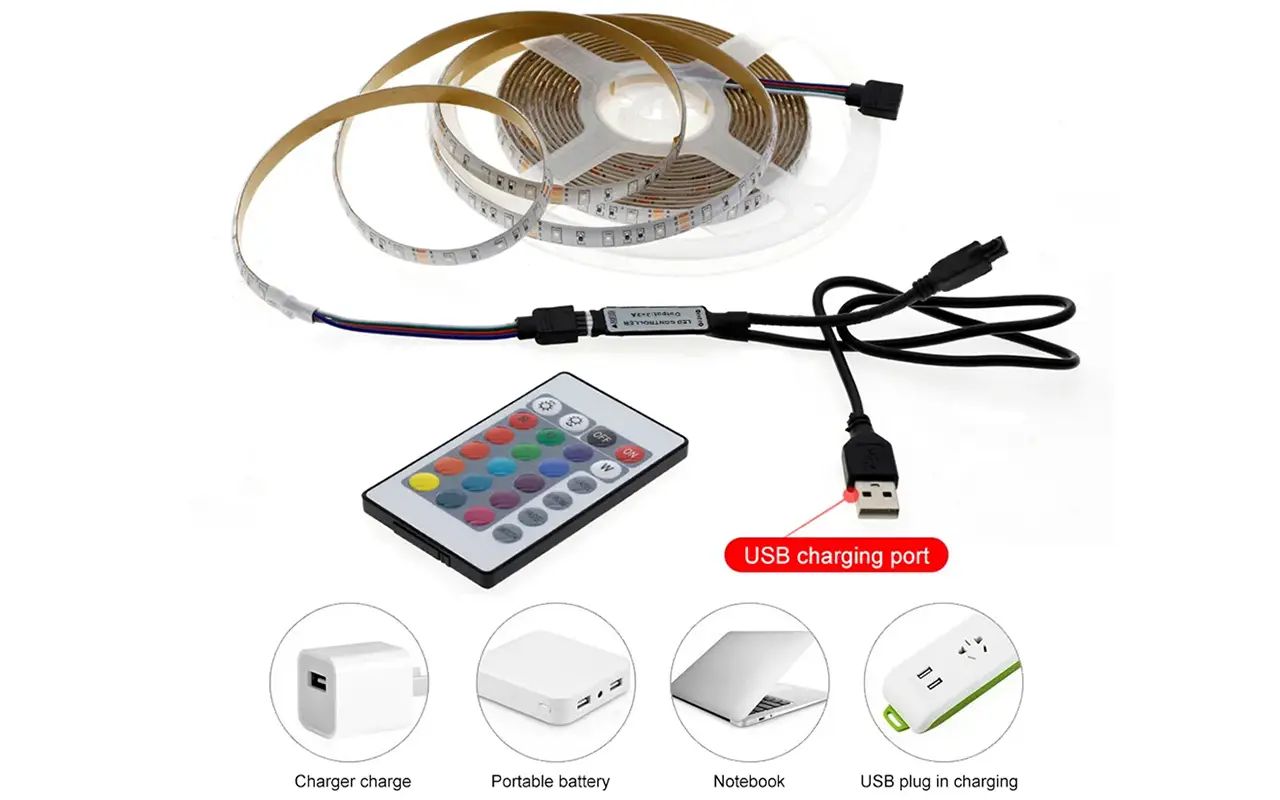
When installing RGB lighting, consider the purpose of the lighting, the control system for ease of use, and the compatibility with existing decor. Additionally, the quality of the LEDs should be evaluated to ensure they provide the color range and brightness needed for the space.
Conclusión
While RGB LEDs offer flexibility and a wide range of colors, they inherently struggle to produce true, balanced white light. RGBW or dedicated white LEDs are preferable for applications requiring high-fidelity color rendering. Advances in LED technology may soon improve the capabilities of RGB lighting, making it a more viable option for a broader range of applications.
In the ever-evolving world of LED lighting, staying ahead means partnering with leaders deeply embedded in the industry’s innovations. Unitop, one of China’s premier Tiras de luces LED y Flexo de neón LED manufacturers, exemplifies this leadership. With a commitment to quality and customer satisfaction, Unitop continues to set industry standards. Whether you’re exploring options for residential mood lighting or large-scale commercial installations, Unitop’s extensive range of products promises reliability and performance. For those seeking tailored solutions or further inquiries, we invite you to contact Unitop immediately. Let us illuminate your space precisely and creatively, ensuring every lighting vision is brilliantly brought to life.

Tom es ahora el Director de Ventas de Unitop (China) S.L.. Ha estado en el Iluminación LED industria desde 2005. Es experto en ventas y marketing, y en gestión de fábricas. Le gusta el culturismo, ¡y también es un fan loco de Apple! Es un tipo muy trabajador y le encanta aprender y probar cosas nuevas.
Correo electrónico: tom@unitopledstrip.com WhatsApp: +86-18680307140



Dejar un comentario
¿Quieres unirte a la conversación?Siéntete libre de contribuir!