
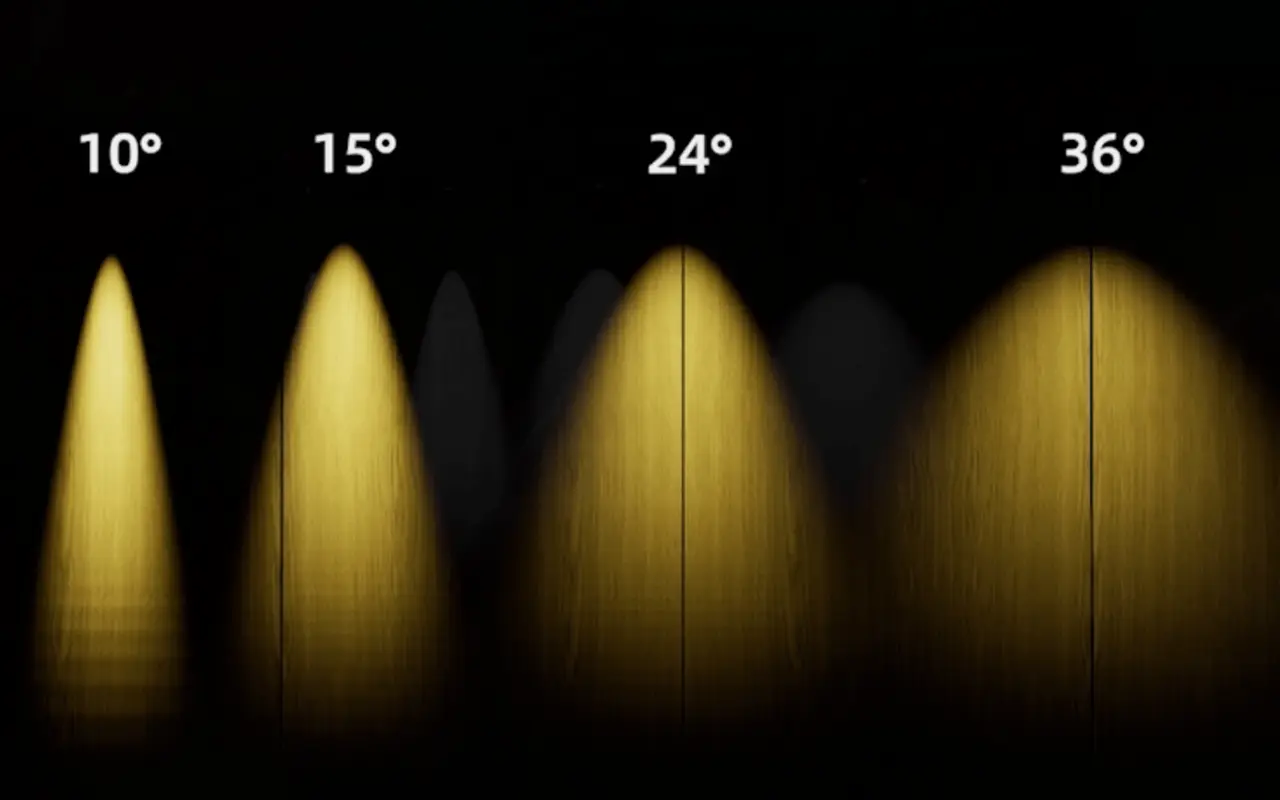
Lighting goes beyond simply turning on a switch to get rid of darkness. It combines science and art to enhance the texture, focus, and atmosphere of your spaces. The beam angle in lighting design is important, but many people don’t realize this.
If you don’t consider the beam’s angle, it’s like painting without considering the brush technique. This specific angle greatly influences a light source’s spread and intensity. You can control how bright a room is and shape its atmosphere by understanding beam angles. This also affects how useful the room is and how big it looks.
What Exactly Is Beam Angle?
Beam Angle Defined
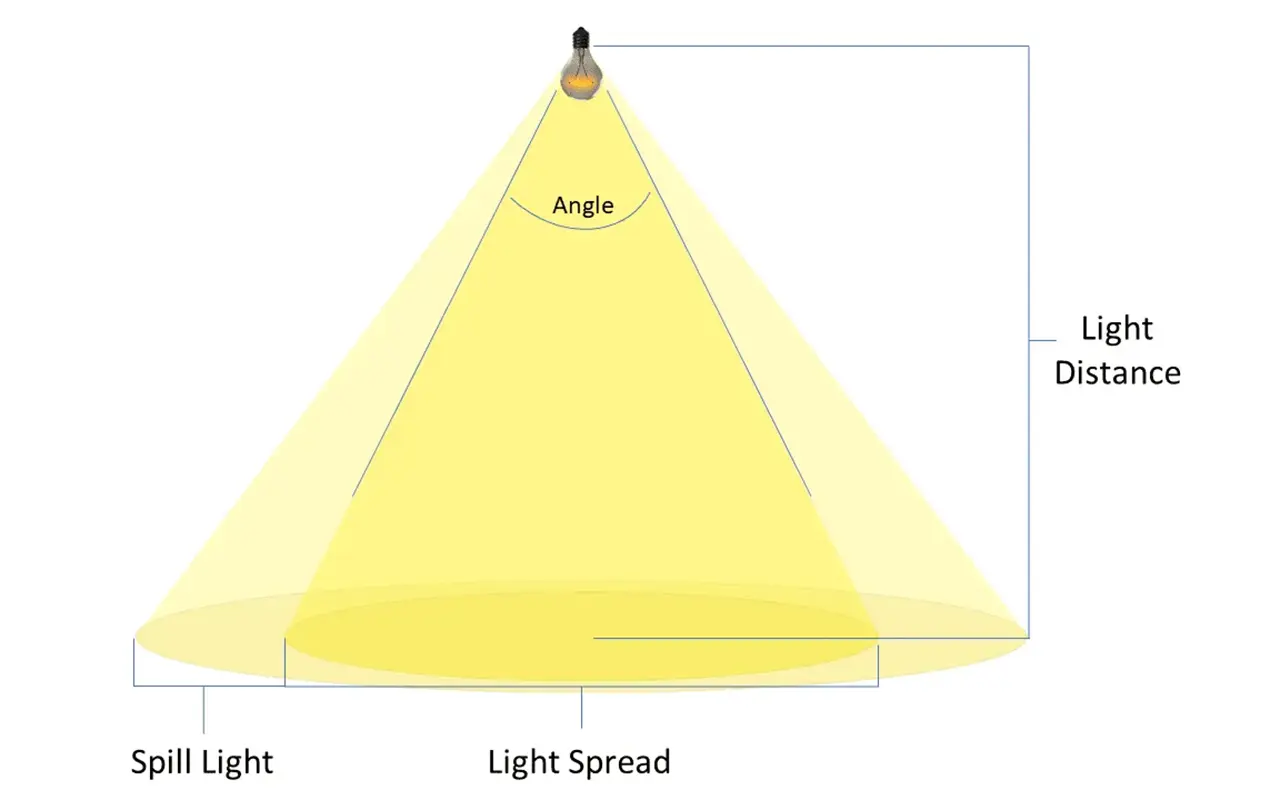
The term “beam angle” is not just industry jargon. It’s a mathematical measurement that shows how far and wide a light spreads its brightness. Picture this as a cone of light emanating from your light fixture. The wider the cone, the more area it will cover, but with reduced brightness. Conversely, a narrow cone focuses the light, creating an intense but limited pool. To set up lights correctly in various spaces, understanding this balance is important.
Light Distribution and Types of Angles
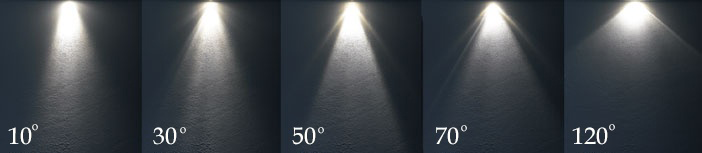
The beam angle is not a one-size-fits-all parameter. It spans a spectrum from narrow to wide, each with its benefits and drawbacks. When you want to spotlight something or have focused lighting, use narrow beam angles. These angles are less than 30 degrees. Medium beam angles range from 30 to 60 degrees and evenly distribute light for different lighting needs. To light up big areas, like landscapes or conference rooms, use wide beam angles that are over 60 degrees.
Degrees Vs. NEMA Classification of Light
You might encounter the term “degrees” often in consumer lighting. However, the National Electrical Manufacturers Association (NEMA) also has standards for industrial use. Usually, these classifications have two numbers, such as “7×7” or “5×15.” These numbers show how wide and tall the beam is. The NEMA classification looks at the angle and shape of the beam, which can be oval, rectangular, or trapezoidal. To choose industrial lighting, you need to know about NEMA classifications and degrees. This will help you understand how the light will work.
| Beam Angle (°) | NEMA Type | Descripción |
|---|---|---|
| 10° – 18° | I | Very Narrow |
| 18° – 29° | II | Narrow |
| 29° – 46° | III | Medium Narrow |
| 46° – 70° | IV | Medium |
| 70° – 100° | V | Medium Wide |
| 100° – 130° | VI | Wide |
| 130° or more | VII | Very Wide |
The Science and Mechanics Behind Beam Angles
Beam Angle vs Field Angle
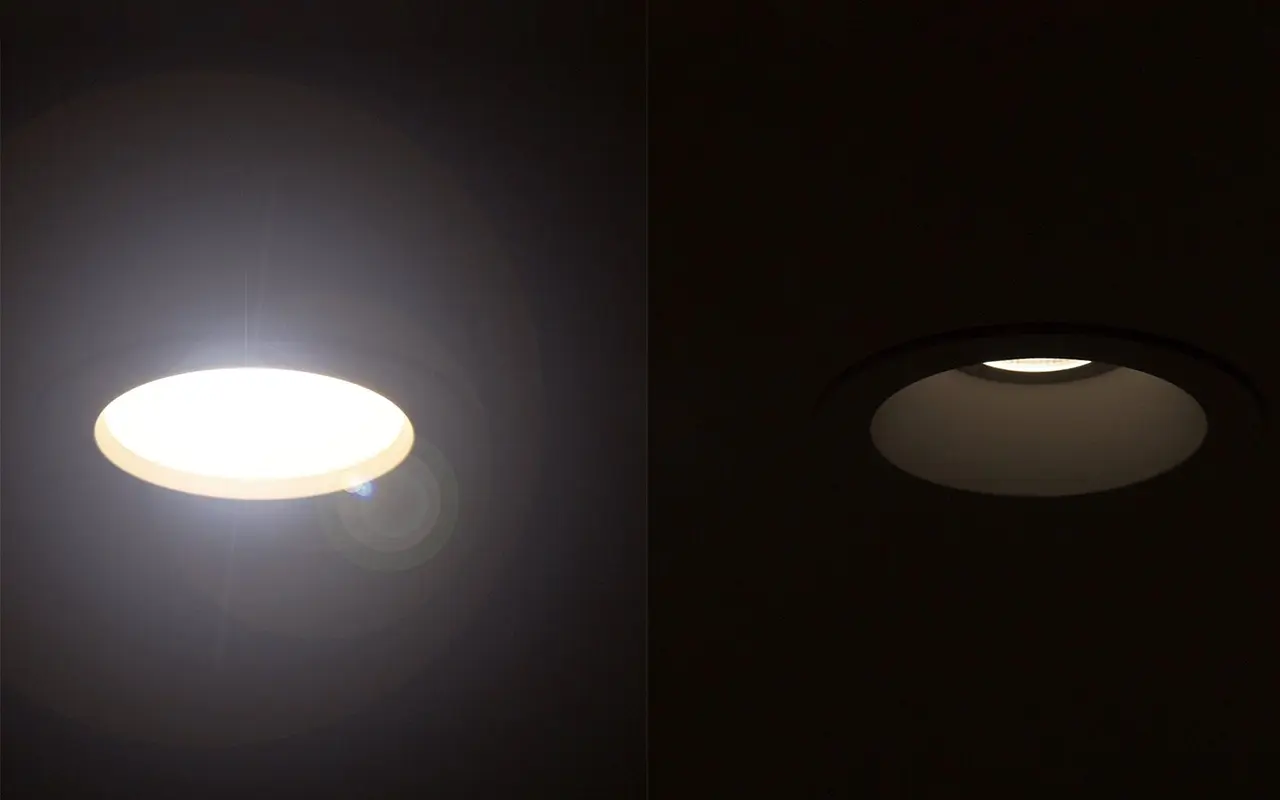
Understanding the difference between beam and field angles is critical for lighting design. The beam angle is the most important part of the lighting area. It has the strongest light. Think of this as the spotlight on a stage where the actor stands. On the other hand, the field angle is like the backdrop. The diffuser surrounds the beam angle and creates a softer, less intense illumination. This completes the lighting. In practical terms, the beam angle gives you focus and intensity. In contrast, the field angle contributes to the overall mood by filling in the softer edges.
3H3V Vs. 30 Degrees
Do you need clarification about beam angle measurement units? You’re not alone. The term “degrees” is straightforward, but what about 3H3V? This alternative unit encompasses both horizontal (H) and vertical (V) light spread. When lighting a big warehouse, use the 3H3V measurement to consider both width and height. This gives a better understanding of how the light will work. Degrees only show one dimension. However, 3H3V shows three dimensions, which is important for spaces with multidirectional lighting.
36 Degree Beam Angle
A 36-degree beam angle in lighting indicates a medium spread of light, offering a balance between focused illumination and a broader distribution. It’s suited for highlighting specific areas or objects, like artwork or displays, without being too narrow or too wide.
How to Measure Beam Light Angle
Tools Needed
Before even measuring the beam angle, arm yourself with the right tools. A high-quality light meter is non-negotiable for capturing precise luminance levels. You need a protractor or angle finder to accurately measure angles. Investing in top-notch instruments can make a considerable difference in the outcome.
Step-by-Step Guide
Once equipped with the proper tools, the process involves some basic geometry. Place your light source at a specific, fixed distance from a wall or measuring surface. Use your light meter to find where the brightness drops to 50% of its highest level. Mark those spots. Then, utilize your protractor and some elementary trigonometry to calculate the beam angle. This mathematical approach provides an empirical and exact measurement far superior to eyeballing.
Pro Tips
Avoid measuring a beam angle on a sunny afternoon with open windows or in a room with other light sources. To get the most accurate results, control your environment. To get accurate readings, remove things like light, reflections, or colored walls that can affect the measurements. Basically, you want to make a small lab where you can do your measurements in the same conditions. Use this to improve your calculations and gain insights for your lighting design.
Importance of Beam Angle in Lighting Design
Efficiency and Coverage
Choosing the correct beam angle is important for both appearance and effective lighting. Choose the right beam angle to light up a bigger area with less lights, saving energy costs. We don’t just put light in a room. We aim it where it’s needed, to use it efficiently.
Aesthetics and Mood
The beam angle is important for both function and creating emotions in a space. Different angles can evoke moods, from sharp and energetic to calm and relaxing. Narrow beam angles can create focused lighting for reading books or art studios. Wide angles evenly distribute light, creating a relaxed atmosphere for socializing or lounging.
Consideraciones de seguridad
Safety is another domain where the beam angle proves its worth. Lights in the right places can stop accidents by lighting up dangerous spots, like stairs or slopes. The goal here isn’t merely to bathe an area in light but to direct it effectively to eliminate shadows or dark spots where accidents could occur. When creating lighting systems, it’s important to understand beam angles for safety and brightness.
Role of Beam Angle in Different Types of Lighting
Basic Lighting
In homes or businesses, medium beam angles are usually good for general lighting. These angles usually range from 30 to 60 degrees. These work well in homes, offices, and stores. Our goal is to provide a good balance of coverage and intensity without being too dramatic or dull.
Iluminación de acento
We use accent lighting to highlight certain things in a room, such as artwork or architectural features. Here, narrow beam angles between 10 and 30 degrees are typically favored. LED lights create a strong beam of light. It directs attention to what you want to highlight, making the space more interesting.
Decorative Lighting
In decorative lighting, it’s best to use wide beam angles that are over 60 degrees. With wider angles, you have more artistic freedom. You can spread the light in different ways to create beautiful effects. Whether it’s for an outdoor event or a store, a wide beam angle lets you spread light imaginatively.
Comprehensive Guide to Types of Beam Angles
Spot: 5° – 18°
Spot beam angles range from 5 to 18 degrees. They are best for pinpointing specific objects or features in a space. If you aim to focus on a piece of art, a retail display, or even a performer on stage, this is your go-to beam angle. The narrower the angle, the more intense and focused the light. Spotlights are common in museums, galleries, and high-end retail spaces.
Narrow: 18° – 30°
If you need focused light, pick beam angles between 18 and 30 degrees. Think of settings like reading corners, kitchen countertops, or workstations. In this space, the light is not as spread out as it is at wider angles. This helps create a focused environment that boosts productivity and reduces eye strain.
Narrow Flood: 30° – 60°
The narrow flood category is a versatile middle-ground for selecting beam angles. It ranges from 30 to 60 degrees. This type of lighting is often used in smaller rooms such as offices or kitchens. It provides a wide distribution of light while also allowing for some focus. The light has both narrow and wide angles to balance the illumination. It’s not too harsh or soft.
Flood: 60° – 90°
If you have bigger rooms or open spaces, use flood beam angles between 60 and 90 degrees for a soft, even light. These angles are often used in places like supermarkets, warehouses, and auditoriums that need wide coverage. The broader angle diffuses light over a large area, reducing the number of fixtures needed for adequate coverage.
Wide Flood: 90° – 120°
For outdoor areas like parks, buildings, and streets, flood angles of 90 to 120 degrees work best. The big angle spreads light wider, making open areas safer. It covers more floor space, making it more visible.
Elliptical: 5° – 50° + 90° – 180°
Elliptical beam angles are unique in that they offer asymmetrical light distribution. These lights are great for specialty uses, like wall grazing or illuminating pathways. You can change the angles horizontally from 5 to 50 degrees and vertically from 90 to 180 degrees.
Complete List of LED Types and Their Beam Angles
| LED Downlights | Manufacturers make them for indoor lighting. They usually have a beam angle of 30 to 60 degrees. |
| LED High Bay Lights | They are commonly used in factories and other industrial places. They have a wider range of light, from 60 to 120 degrees. |
| LED Tube Light | They have wider angles, usually between 120 and 160 degrees. They are commonly used in office ceilings and corridors. |
| LED Flood Lights | They are mainly used outdoors and provide a wide angle of light, ranging from 120 to 150 degrees. |
| LED Corn Lights | Named for their shape, provide nearly all-around lighting with angles of 180 to 360 degrees. |
| LED Spotlight | Perfect for focused lighting, their angles vary from 15 to 90 degrees depending on the application. |
| Tira de luz LED | Usually installed in hidden profiles or used for accent lighting, these have a standard angle of 120 degrees. |
| COB LED Strip Light | Designed for uniform light dispersion, these have an ultra-wide angle of 180 degrees. |
Different LED types have their own advantages. Choosing the right beam angle boosts your lighting design’s efficiency, aesthetic, and impact.
Choosing the Right Beam Angle
Criteria for Selection
Building Type
Regarding beam angle, one size certainly doesn’t fit all. The structural nuances of different buildings dictate their unique lighting requirements. In a warehouse, a different beam angle is needed than in a cozy café. To pick the right beam angle, first understand the purpose and layout of your building.
Number of Lights
When it comes to your lighting, it’s not only about how bright it is, but also how many fixtures you have. You might need fewer fixtures with wider beam angles if you have limited space. Alternatively, you could use multiple fixtures with narrower angles for the desired effect. Assess your requirements to determine the quantity and quality of light you need.
Ceiling Height
Ceiling height plays a pivotal role in determining the ideal beam angle. To effectively project light to the ground, higher ceilings need narrower beam angles. Lower ceilings can be paired with wider beam angles to spread light throughout the room.
Bulb Type (PAR, BR, MR)
Bulb types like PAR (Parabolic Aluminized Reflector), BR (Bulged Reflector), and MR (Multifaceted Reflector) come with inherent beam angles that are better suited for specific applications. PAR bulbs are good for spotlighting. BR bulbs give softer, more diffuse light.
Recommendations for Different Spaces
Residential Buildings

Choose wider beams for living rooms in homes to create a spacious and calm atmosphere. Study or work rooms benefit from narrower beam angles. These angles focus light onto desks or reading areas.
Commercial Buildings
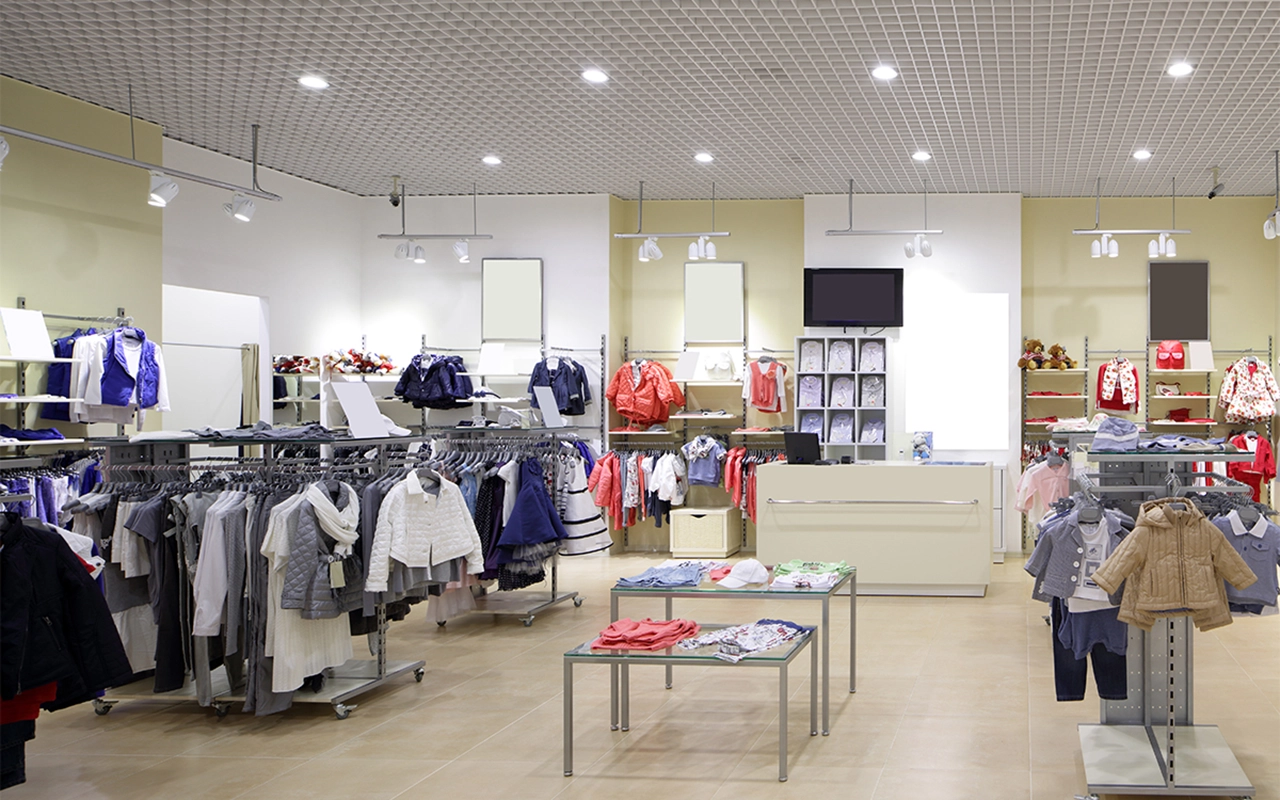
Commercial spaces often require a dynamic approach to lighting. In stores, various beam angles highlight products or sections without being too bright.
Offices
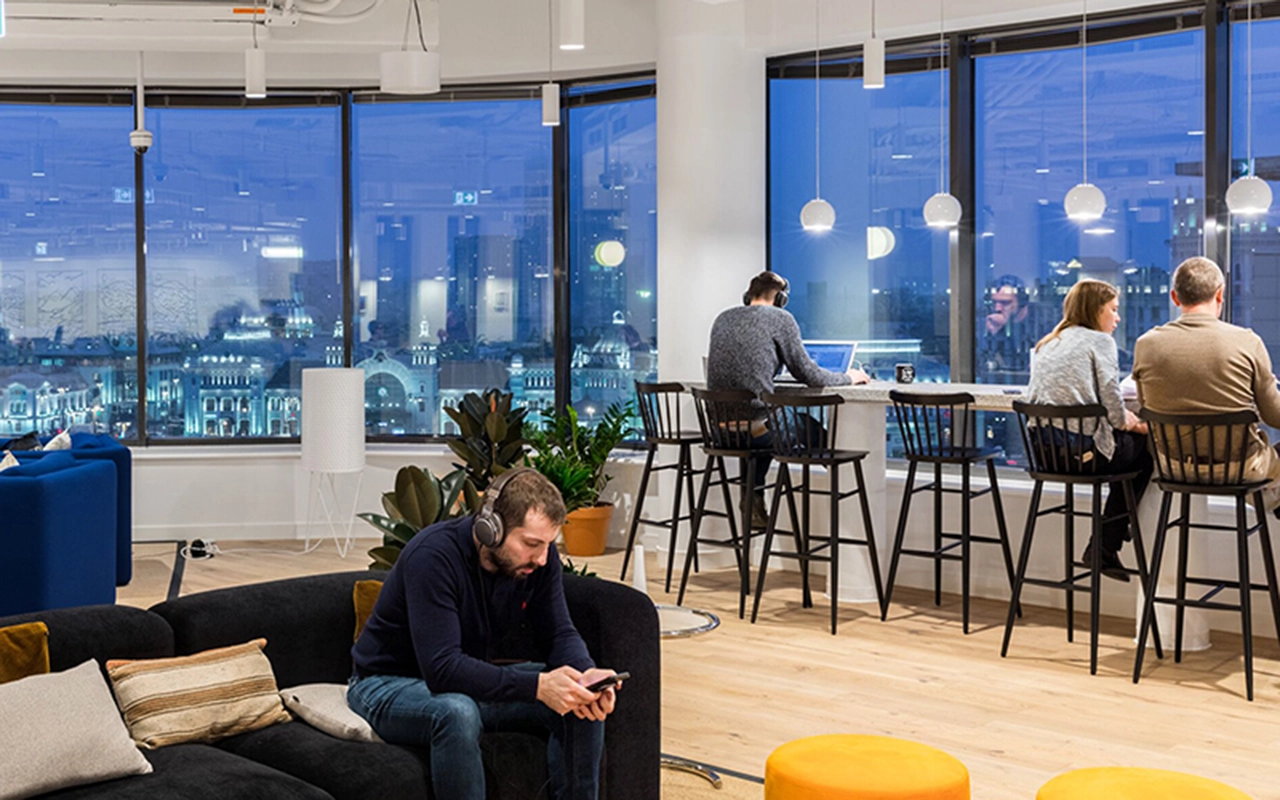
Medium beam angles in offices strike a balance between focus and dispersion. This helps with individual tasks and collaborative efforts. We want a good work environment that boosts productivity and doesn’t strain the eyes.
Warehouses
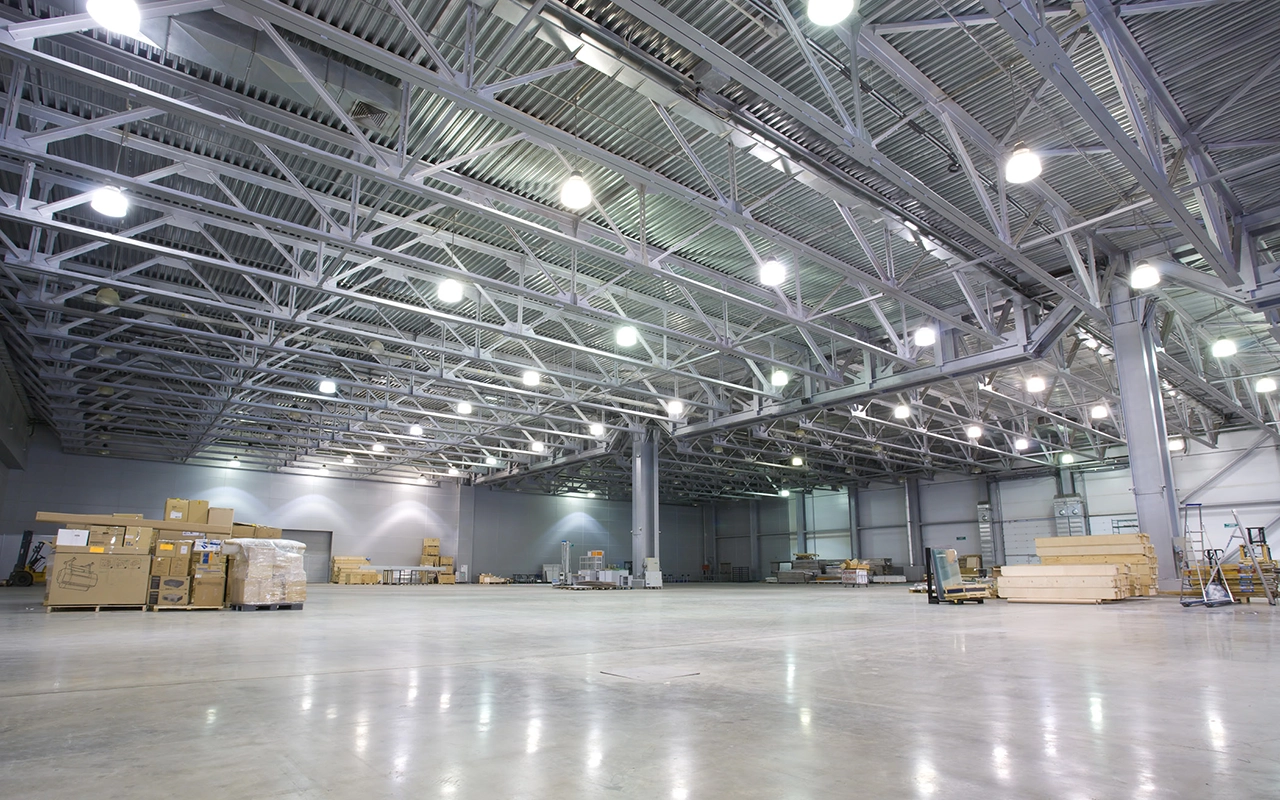
In industrial settings like warehouses, narrow beam angles are generally more effective. In tall aisles, it’s important to focus light from the high ceiling down to the ground. This helps with safe navigation and efficient operations.
Retail Stores
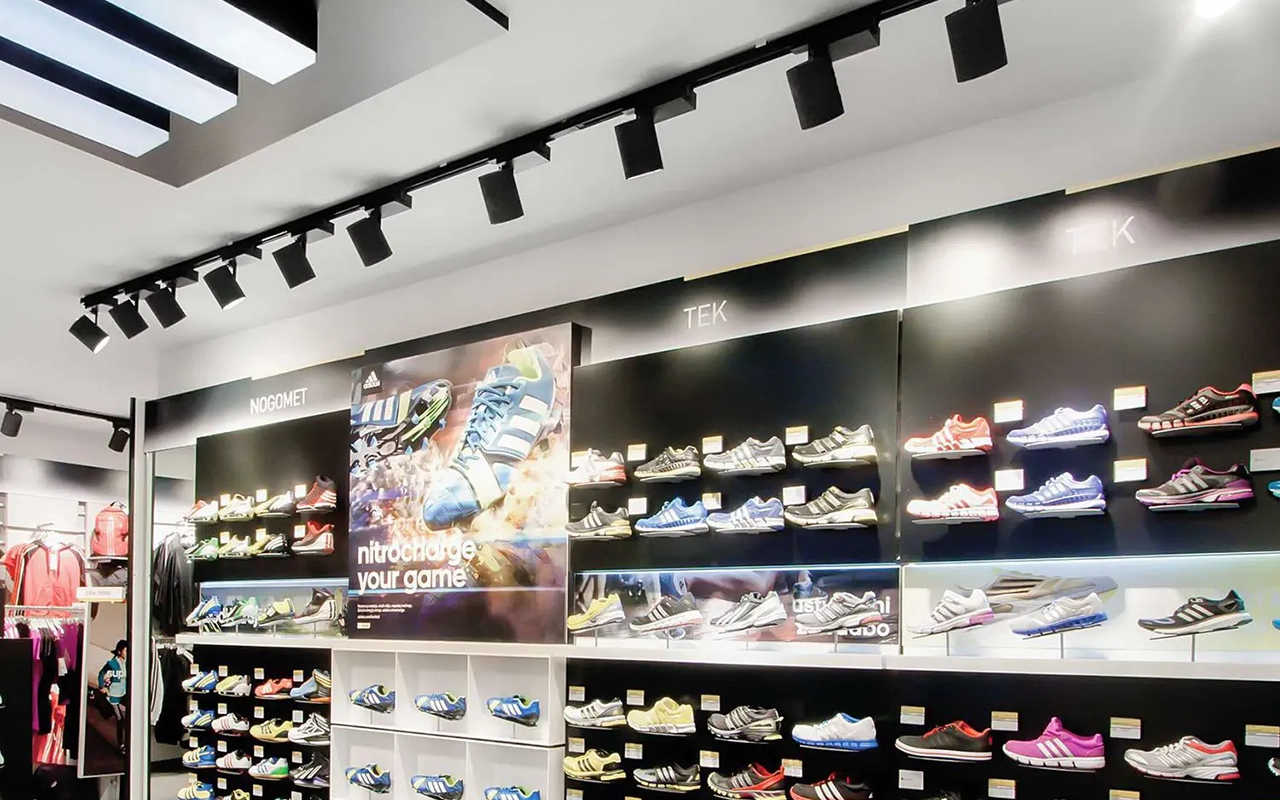
Stores use medium beam angles to attract customers to products without creating glare or hotspots. This supports a visually pleasant shopping experience that can lead to increased sales.
Restaurants
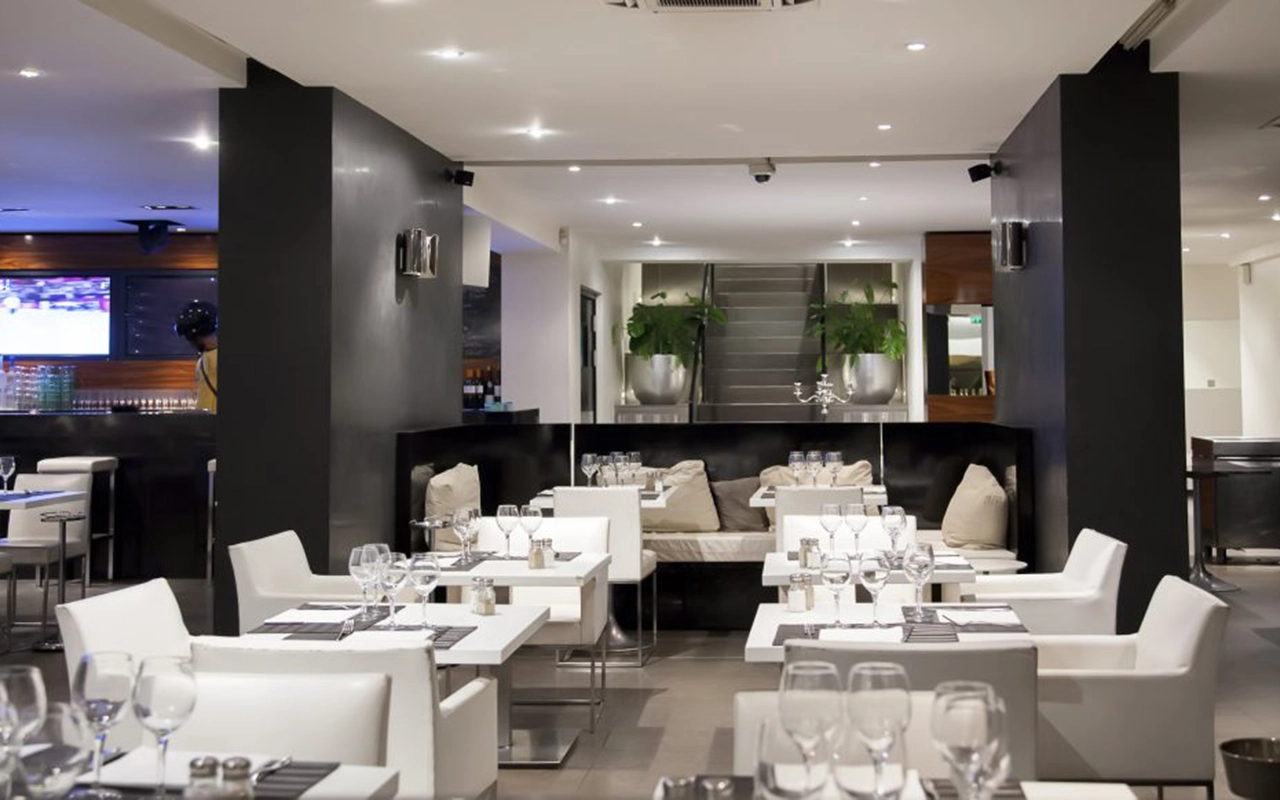
Creating a welcoming atmosphere in restaurants involves a mix of beam angles. Task areas like the kitchen need focused, narrow beams. Dining areas benefit from softer angles. The angles make a relaxed, intimate setting.
Real-Life Applications and Examples
Residential Use Cases
Take your home kitchen as an example. Here, task lighting is vital for activities like chopping and cooking. A beam angle of 30° to 60° works well for focusing light where it’s needed without shadows.
Commercial Scenarios
Consider a high-end retail store. By using narrower beam angles of about 15°, you can highlight special items and make them more attractive, which could lead to more sales.
Outdoor Applications
When lighting pathways or gardens, wider beam angles around 90° work wonders. These lights give enough light for safety and make the outdoor area look nice.
Preguntas más frecuentes (FAQ)
What is beam angle, and how do I measure it?
The beam angle is the angle over which a light source distributes its luminance. It’s measured in degrees and indicates how “spread out” the light will be. To measure it, you’ll need a light meter and a protractor. The aim is to determine the angle where light intensity falls to 50% of its maximum brightness.
What’s the real-world impact of choosing the right beam angle?
The right beam angle can transform your space both functionally and aesthetically. The beam angle you choose affects the atmosphere in a restaurant and safety in hazard zones.
What is beam spread, and why should I care?
Beam spread refers to the area the light will cover on a surface. It is connected to beam angle, but it mainly focuses on the physical illuminated space. This is crucial for tasks like highlighting artwork or illuminating workspaces.
What are the main criteria for selecting a beam angle?
When choosing lights, consider the building type, ceiling height, light quantity, and bulb type. Each factor plays a significant role in determining the best beam angle for your needs.
Can you explain the difference between spot and flood lights?
Certainly! Spotlights have a small beam angle, typically 5° – 18°, so they’re great for focusing. Floodlights have a wider beam angle, usually 60° – 120°. They are designed to light up bigger spaces.
What’s this about a parabolic reflector dish?
A parabolic reflector dish collects and focuses light, improving its directional capabilities. Focused lighting is important in applications like spotlights and certain outdoor lighting.
How do beam angles differ for various LED types?
Different types of LEDs have their unique beam angles optimized for specific applications. For example, LED Downlights usually have a 30-60° beam angle, while LED Corn Lights can go up to 180-360°.
How does ceiling height affect my choice of beam angle?
For higher ceilings, use a narrower beam angle to focus and improve lighting. The beam must travel further, so a more focused angle ensures the light effectively reaches its target.
How do I calculate the wattage needed for a room?
Calculating wattage involves multiple variables like room size, color scheme, and the task at hand. Generally, you’ll need 20 lumens per square foot for basic tasks. To find the wattage, divide the total lumens by the lumens per watt your chosen bulb provides.
What are some pro tips for measuring beam angle accurately?
Measure in a controlled environment to minimize variables such as ambient light. Use precise tools like a protractor and a high-quality light meter for best results. A consistent setup is critical to obtaining accurate measurements.
Conclusión
Although this section marks the end of our detailed exploration, it is only the beginning for you. Now that you have these valuable insights, you can use beam angles to transform your lighting setup. It doesn’t matter if it’s a simple home or a large commercial building. In this wisdom, we learn how lighting impacts efficiency, aesthetics, and safety, not only in physical spaces. In the realm of illumination, knowledge is indeed lumens. Take these curated tips and insights as your go-to toolkit for making light work in your favor. Now, your journey toward better lighting starts. The road ahead is well-lit.
Understanding beam angles can improve your lighting, whether at home, work, or in a commercial space. Consider Unitop for high-quality LED products. They are a top maker of Tiras de luces LED y Flexo de neón LED in China. If you have any questions or special requests, please póngase en contacto con nosotros. Unitop is an expert in LED lighting.

Tom es ahora el Director de Ventas de Unitop (China) S.L.. Ha estado en el Iluminación LED industria desde 2005. Es experto en ventas y marketing, y en gestión de fábricas. Le gusta el culturismo, ¡y también es un fan loco de Apple! Es un tipo muy trabajador y le encanta aprender y probar cosas nuevas.
Correo electrónico: tom@unitopledstrip.com WhatsApp: +86-18680307140



Dejar un comentario
¿Quieres unirte a la conversación?Siéntete libre de contribuir!