
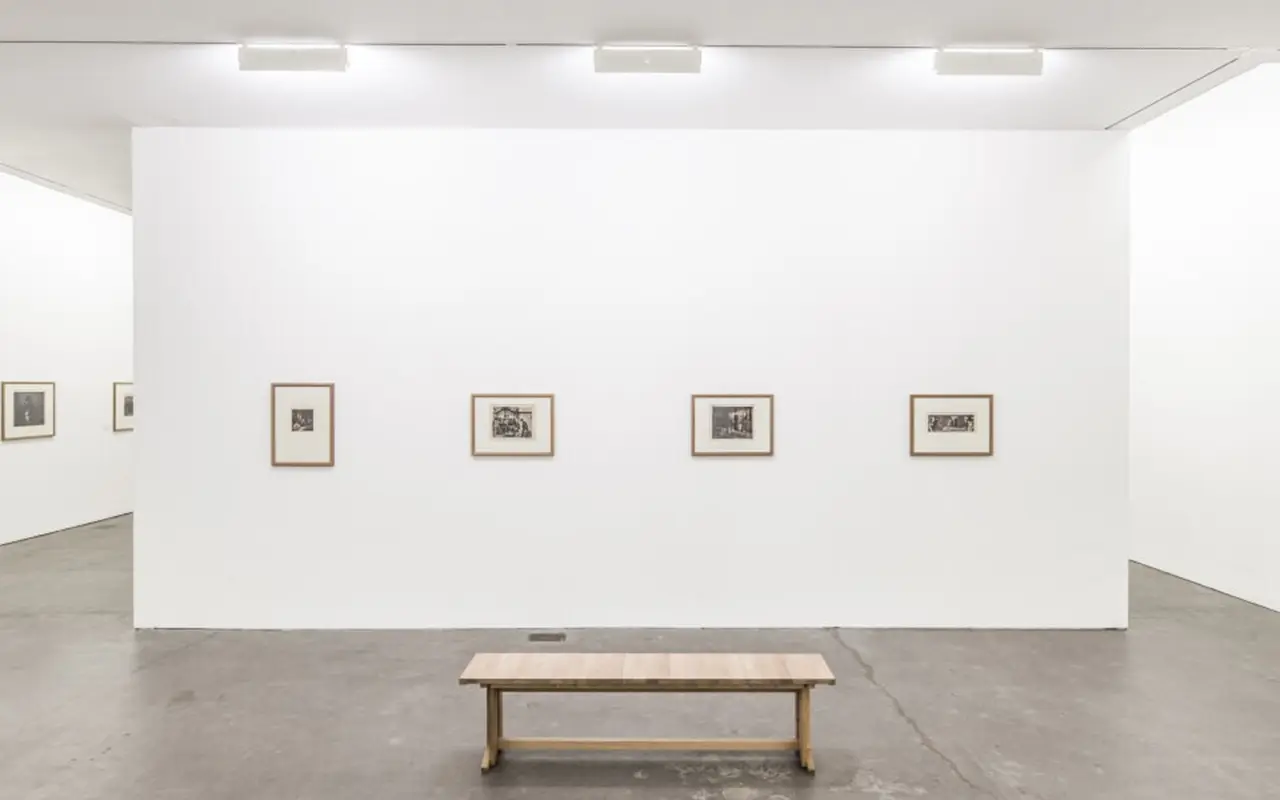
Lighting in museums is more than just a way to illuminate exhibits; it’s an art form that enhances the visitor experience while preserving priceless artifacts. The right lighting can highlight the intricate details of sculptures, the vibrant colors of paintings, and the delicate features of historical documents. It’s a delicate balance that requires careful consideration and expertise.
In this comprehensive guide, we’ll explore everything you need to know about museum lighting. From the types of fixtures that best suit different exhibits to the importance of light levels in conservation, we’ll cover the key elements that make museum lighting both effective and sustainable. Whether you’re a curator looking to enhance your gallery or a lighting designer seeking best practices, this guide has you covered.
Ready to transform your museum lighting strategy and create an unforgettable visitor experience? Let’s dive right in!
Lighting Solutions for Museums
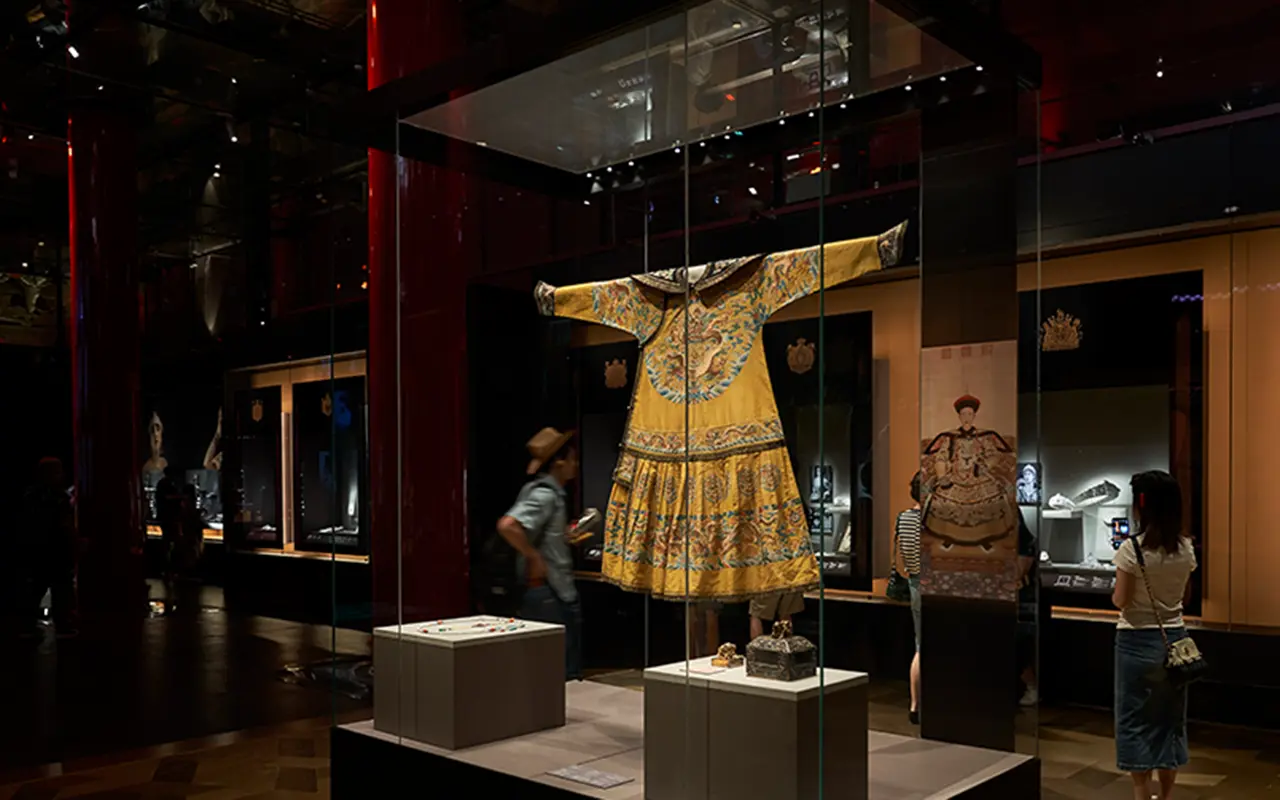
Museum lighting is a specialized field focused on illuminating museums and art galleries to enhance the visibility of artworks, artifacts, and exhibits while preserving their integrity. Unlike general commercial lighting, museum lighting prioritizes accent lighting over ambient lighting to highlight specific pieces without overwhelming the space with excessive brightness.
Proper museum lighting is crucial for both preserving artifacts and creating an engaging visitor experience. Poor lighting can cause irreversible damage to sensitive materials, while well-designed lighting enhances the aesthetic appeal of exhibits, making them more accessible and enjoyable for visitors.
- LED Strip Lighting:LED strip lights are versatile and ideal for both general and accent lighting in museums. They can be installed as cove lighting on ceilings to create an indirect lighting effect that minimizes glare, allowing visitors to focus on the exhibits. Additionally, LED strips are perfect for highlighting display cases and even stairways, adding safety and aesthetic appeal.
- Recessed Lighting:Recessed lights offer unobtrusive, even illumination, making them suitable for general lighting in museums. These fixtures are installed within the ceiling, providing a clean, minimalist look that complements the simplicity of museum spaces. They are particularly effective in hallways and exhibition zones where a consistent lighting level is essential.
- Spotlights:Spotlights are a staple in museum lighting, used to focus attention on specific artworks or objects. With their low beam angles, spotlights provide directional lighting that highlights details and textures, making them a popular choice for displaying sculptures, paintings, and other artifacts.
- Track Lighting:Track lighting is highly flexible, allowing curators to adjust the direction of light to suit different exhibits. This versatility makes track lights ideal for changing exhibitions, as the lighting setup can be easily reconfigured to highlight new displays. They also add a sleek, modern look to museum interiors.
- Pendant Lighting:Pendant lights are often used in entryways, hallways, and other open spaces within museums. These fixtures not only provide functional lighting but also serve as decorative elements, enhancing the overall aesthetic appeal of the space. Customizable designs can make pendant lights an artistic feature in themselves.
- Wall Washers:Wall washers are designed to provide uniform lighting across large surfaces, making them perfect for highlighting wall-mounted artworks or textured surfaces. They create an artistic ambiance that complements the calm, contemplative environment of a museum.
Considerations for Choosing Museum Lighting
Artifact Sensitivity
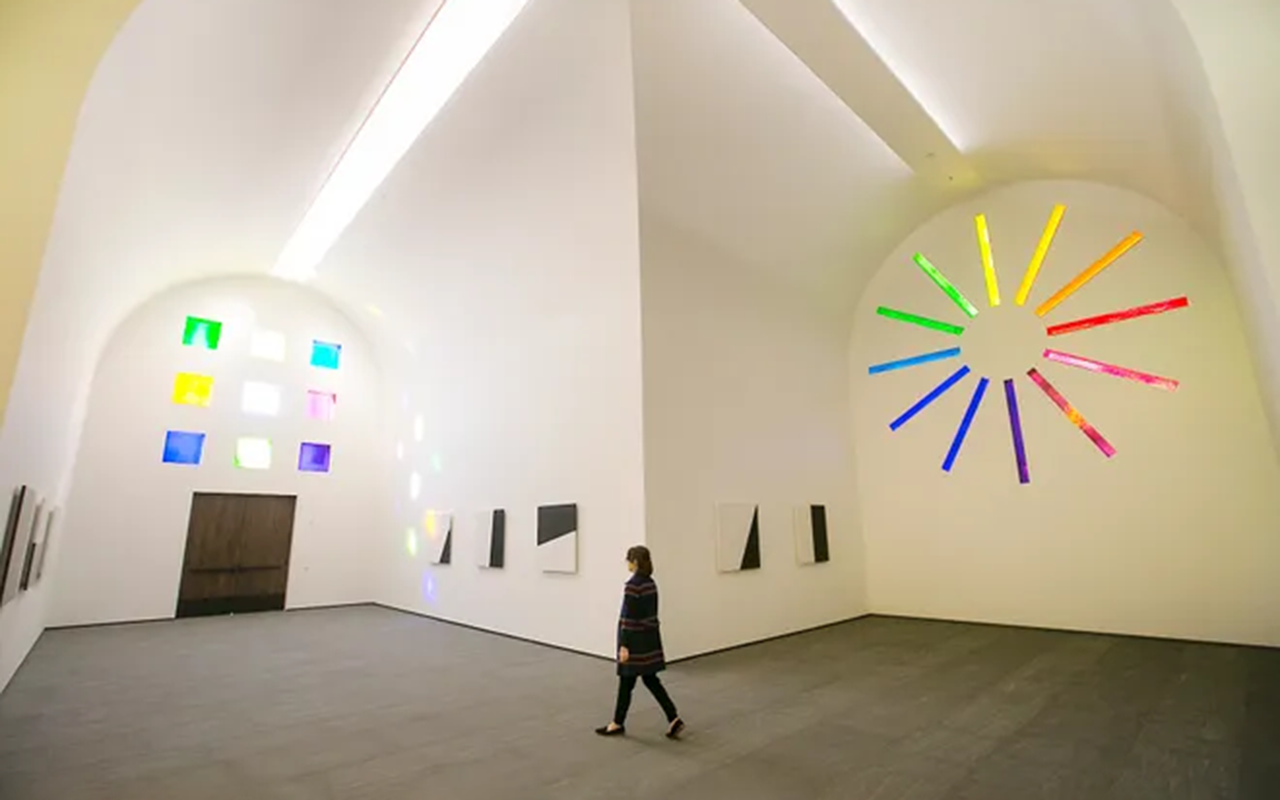
When selecting lighting for museums, understanding the specific vulnerabilities of different materials is paramount. Artifacts can suffer from light-induced damage, which often manifests as fading, discoloration, or structural weakening. Materials such as natural dyes, textiles, and parchment are particularly prone to such damage. These materials may require lower light levels or filters to block damaging ultraviolet and infrared light. Implementing controlled lighting that adapts to the specific needs of these sensitive materials not only preserves them for future generations but also ensures they are displayed in their most authentic form.
Type of Fixture
The architectural layout and thematic design of museum spaces dictate the types of lighting fixtures suitable for each area. General lighting in public and circulation spaces may be well-served by LED strip lights and recessed lights, which provide even, unobtrusive illumination. In contrast, accent lighting designed to highlight individual artifacts or artworks benefits from the focused intensity of spotlights or the directional flexibility of track lights. Pendant lights serve dual purposes, both illuminating and acting as sculptural elements that enhance the aesthetic of the space. For expansive wall displays, wall washers offer a solution that bathes these surfaces in light, ensuring artworks are evenly lit and visually striking.
Color Temperature
The color temperature of lighting plays a critical role in setting the atmosphere within museum galleries and influencing visitor perceptions. Warm white lights (2700K to 3000K) create a welcoming, intimate ambiance suitable for historical artifacts and classic art, enhancing the rich tones inherent in such pieces. Conversely, cooler white lights (5000K to 6500K), which mimic daylight, are preferred in galleries displaying contemporary art and scientific exhibits, where a brighter, more vivid presentation is desired. Selecting the appropriate color temperature helps in maintaining the historical integrity of the artifacts while also catering to the thematic requirements of different exhibits.
CRI (Índice de reprodução de cores)
The Color Rendering Index (CRI) is a crucial factor in museum lighting. This metric assesses a light source’s ability to reveal the colors of various objects faithfully in comparison to a natural light source. A high CRI (above 95) is essential in museums to ensure that the true colors and subtleties of artworks and artifacts are accurately represented. This accuracy is vital not only for aesthetic appreciation but also for educational purposes, as it allows visitors to see and understand artifacts as they were originally intended.
Ângulo do feixe
The beam angle of a lighting fixture determines how light is distributed over a space or surface. Narrow beam angles are excellent for creating dramatic, focused lighting on specific exhibit features and are ideal for accentuating the fine details of sculptures or paintings. Wider beam angles, on the other hand, offer good general lighting, providing broader coverage that is essential for larger displays or ambient lighting in gallery spaces. The choice of beam angle can significantly affect the visibility and visual impact of exhibits, necessitating careful selection to match the museum’s display strategy.
Brilho
Achieving the right level of brightness in museums is a delicate balance. While dim lighting often helps in creating a controlled, serene atmosphere conducive to contemplation and study, it must also be sufficient to clearly reveal the detail and beauty of exhibits. The required brightness levels may vary significantly across different areas of a museum, influenced by the nature of the exhibits and the available natural light. For instance, interactive displays and children’s areas may benefit from brighter lighting to stimulate engagement and activity.
Glare Control
Glare is a significant concern in museums as it can detract from the visitor experience by causing discomfort or obscuring the view of exhibits. Effective glare control strategies include the use of indirect lighting techniques, such as cove lighting with LED strips that cast light upwards and away from the viewer’s eyes, or the integration of diffusers and frosted lenses that soften the light output. Additionally, employing anti-glare glass in display cases and on picture frames can prevent reflections and ensure that artifacts are seen clearly and comfortably.
Light Controlling Features
Incorporating advanced lighting features like dimmers, timers, and smart controls enhances the adaptability and efficiency of museum lighting systems. These technologies allow for dynamic adjustments based on external light conditions and specific exhibit requirements, facilitating optimal illumination levels throughout the day and across different exhibitions. This adaptability not only improves the visual presentation of artifacts but also contributes to energy conservation and operational efficiency, aligning with modern sustainability practices in museum operations.
Lighting Solutions for Different Areas of the Museum
Display Lighting
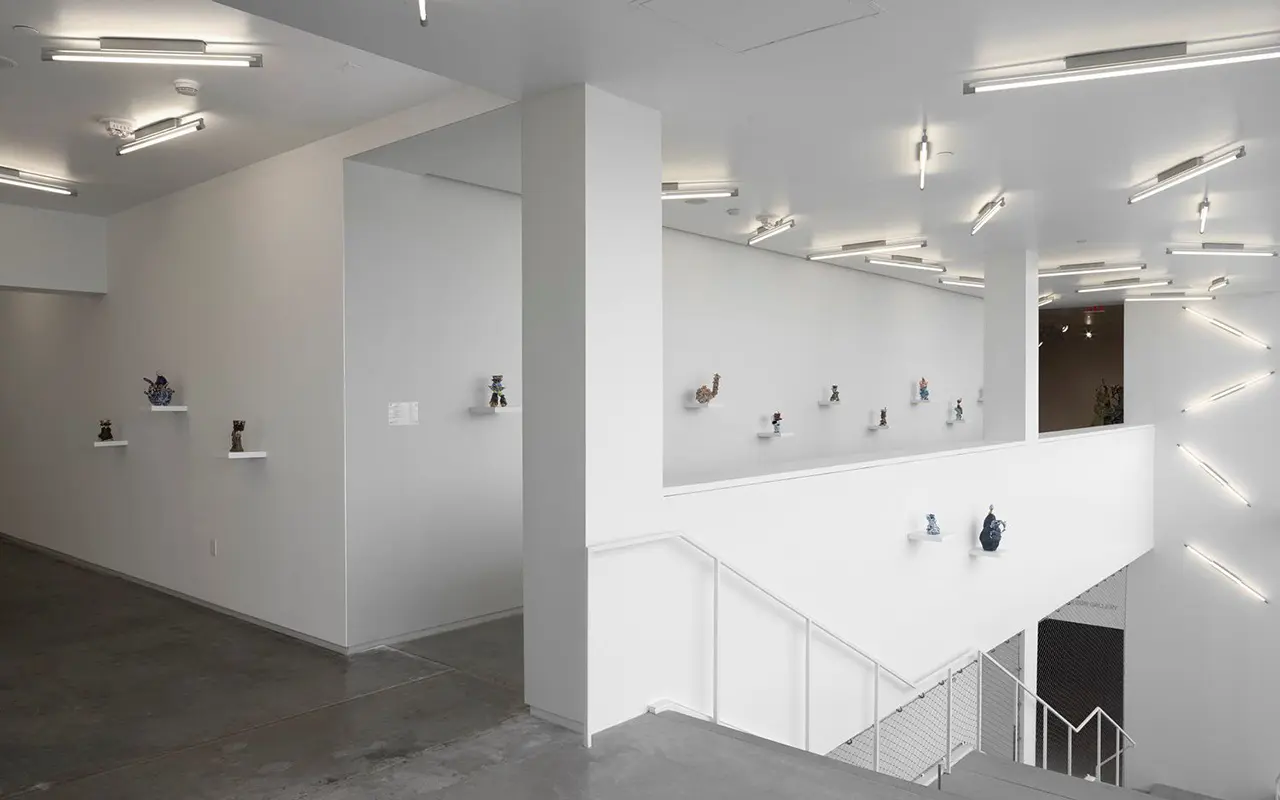
In museum environments, display lighting plays a pivotal role in shaping visitor experiences. It is engineered to focus on and enhance specific exhibits, such as artworks, sculptures, and historic documents. Key types of fixtures used for display lighting include spotlights, track lights, wall washers, and floodlights. Each type serves a distinct purpose:
- Spotlights create intense, directed beams of light, making them ideal for drawing attention to particular points of interest.
- Track lights offer flexibility, as their position can be adjusted to highlight new additions or changed displays without altering the physical wiring.
- Wall washers distribute light evenly over large surfaces, which helps reduce shadows and highlight textures on displayed items.
- Floodlights are used for larger displays, providing a wide spread of light that can illuminate entire scenes or large pieces effectively.
Properly implemented, display lighting not only showcases the intricate details and features of the exhibits but also significantly enhances their visual appeal, engaging visitors and inviting closer inspection.
Iluminação ambiente
Ambient lighting is foundational to creating an inviting museum atmosphere. It provides the general illumination that ensures the space is accessible and navigable. For ambient lighting, LED strips, panel lights, and recessed lights are commonly utilized due to their ability to offer consistent and uniform light distribution across extensive areas. This lighting form is crucial not only for aesthetic consistency but also for safety, allowing visitors to move through the museum without difficulty, and enhancing the overall visitor experience by creating a welcoming environment that encourages exploration.
Exit and Entrance Lighting
Lighting in the entrance and exit areas of a museum is critical for functional and safety reasons. These high-traffic areas require clear visibility to aid in efficient and safe visitor movement. Motion sensor lights are particularly beneficial in these zones as they provide illumination when needed, conserving energy when areas are unoccupied. Additionally, well-planned emergency lighting is vital in these spaces to ensure that exits are clearly visible and accessible during power failures, enhancing safety protocols and ensuring compliance with health and safety regulations.
Specific Considerations for Art on Canvas
Artworks on canvas, such as paintings, are particularly susceptible to light damage. Therefore, the lighting for these types of exhibits must be meticulously controlled in terms of spectrum, intensity, and duration:
- Light Spectrum: LEDs are favored for their minimal UV and IR emissions, which are harmful to sensitive materials found in paintings.
- Intensity: Light levels should be kept as low as practicable to minimize photo-degradation while still allowing for adequate viewing.
- Duration: The exposure time should be regulated to reduce cumulative light exposure, employing timers or sensor-based controls to adjust the lighting dynamically based on the presence of visitors.
Furthermore, adjustable lighting fixtures are crucial for fine-tuning the lighting setup. These fixtures can be directed and focused to enhance the visual clarity and color accuracy of paintings, ensuring that viewers experience the art in its most faithful form. High CRI LED lights are particularly important in these settings as they ensure the colors and textures of the canvas are accurately rendered, providing a viewing experience that is both true to the artist’s intent and visually satisfying for the audience.
Light Levels & Preservation Goals
Balancing Visibility and Conservation
Achieving the optimal light levels in museums is a delicate balancing act that impacts both the preservation of artifacts and the quality of the visitor experience. Too much light can accelerate degradation processes like fading and chemical breakdown of materials, causing irreversible damage to precious artifacts. Conversely, insufficient lighting can obscure the fine details of exhibits, diminishing the aesthetic enjoyment and educational value of museum visits.
To effectively balance these factors, museum lighting professionals must evaluate the light sensitivity of different materials and tailor the lighting accordingly. For example, textiles and paper may require lower light levels compared to more durable materials like metal or stone. This tailored approach ensures that each artifact is displayed under conditions that preserve its integrity while remaining clearly visible to the public.
Measuring Art Lighting with Data Loggers/Sensors
Utilizing data loggers and sensors is a critical strategy for maintaining ideal lighting conditions in museums. These tools continuously monitor environmental variables such as light intensity, duration, and spectral quality, providing a wealth of data that helps museum staff make evidence-based decisions. Regular analysis of this data allows for the adjustment of lighting systems to prevent overexposure to harmful light levels and to ensure that all exhibits are displayed under optimal conditions. Additionally, these devices can help identify patterns or areas within the museum where lighting may be consistently too high or too low, allowing for more precise adjustments and better overall light management.
Benefits of LED Lights for Museums
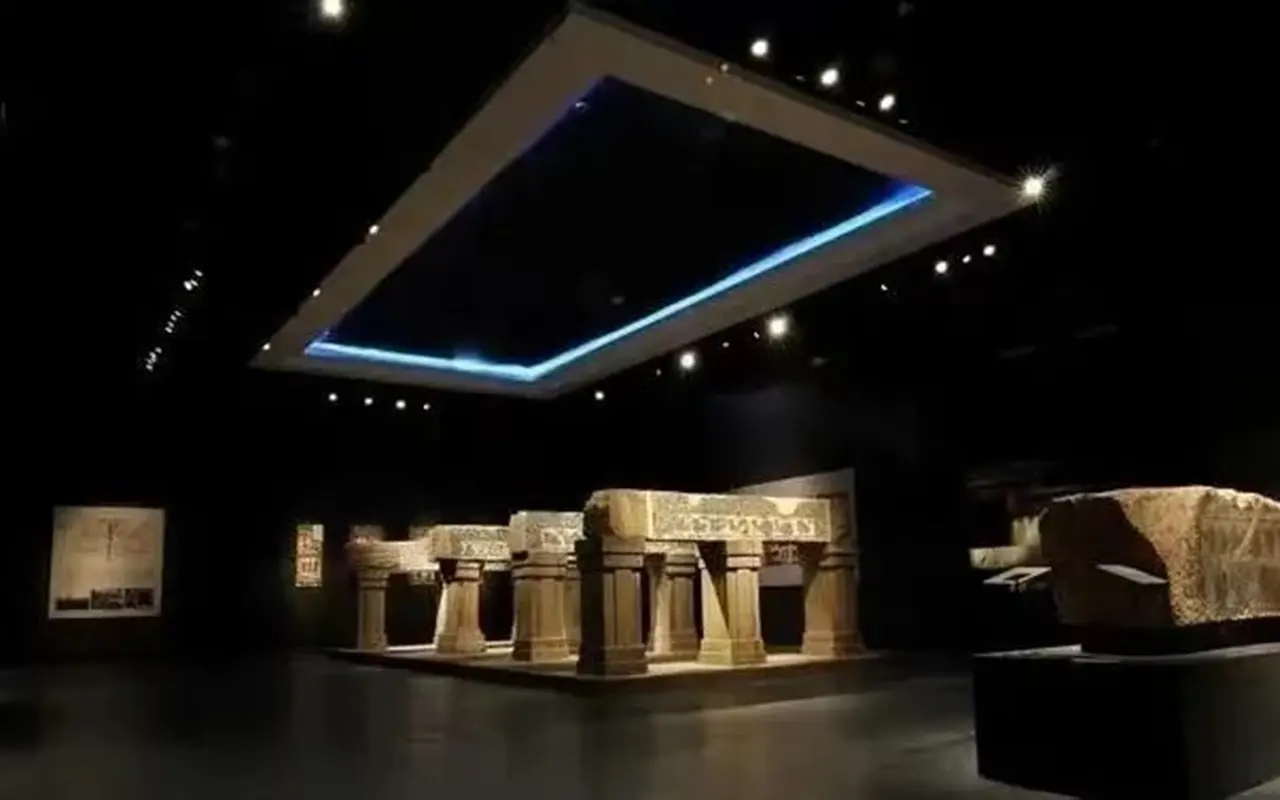
LED lighting technology is revolutionizing museum environments, offering a myriad of benefits that extend far beyond simple illumination. The primary advantages include:
- Reduced Energy Consumption: LEDs consume significantly less power than traditional lighting solutions like incandescent and halogen bulbs. This reduction in energy use is crucial for museums, which often operate on tight budgets and have extensive lighting needs due to long operating hours.
- Longer Lifespan: LEDs have a lifespan that can exceed 50,000 hours, which drastically reduces the frequency of replacement. This durability not only cuts down on maintenance costs but also minimizes the disturbance to exhibits typically caused by frequent bulb changes.
- Minimal UV and IR Emissions: One of the most critical features of LED lighting in the context of museums is its low emission of ultraviolet and infrared light. These wavelengths can be particularly damaging to artifacts, leading to fading colors and material degradation. LEDs help preserve the integrity of valuable historical items by emitting light that is less likely to cause harm.
- Flexibility in Lighting Control: LED systems can be easily integrated with modern dimming and control systems, allowing for precise adjustments in light intensity and distribution. This adaptability is essential for creating dynamic displays that can be altered to suit specific exhibits or events.
- Environmental Sustainability:Using LED lights also supports environmental sustainability, a growing concern in museum management. The energy efficiency of LEDs contributes directly to reducing the museum’s operational carbon footprint. Additionally, the longer lifespan and reduced energy consumption mean that the overall environmental impact of the museum’s lighting systems is lowered, aligning with global sustainability goals.
Balancing Museum Lights and Visitor Experience: Enhancing Engagement and Comfort

Balancing the dual needs of artifact preservation and visitor engagement is a central challenge in museum lighting design. Flexible and adjustable lighting solutions allow museums to tailor the lighting environment to highlight exhibits effectively and ensure they are preserved for future generations. This approach helps create a visitor-friendly atmosphere that invites exploration and learning.
Educational efforts about light conservation are also crucial. By informing visitors about the reasons behind specific lighting choices, museums can foster a deeper understanding and appreciation of their conservation efforts. This educational component can transform visitor perceptions, making them more likely to support and engage with the museum’s preservation mission.
In sum, effective museum lighting goes beyond mere illumination. It involves a comprehensive strategy that considers conservation, visitor experience, and environmental impact, all aimed at enriching the museum’s offerings and securing its artifacts for the enjoyment of future generations.
Conclusão
Museum lighting is a complex but essential aspect of creating a successful exhibition space. By carefully selecting and managing lighting solutions, museums can protect their collections while providing an engaging and enjoyable experience for visitors. Advanced technologies, such as LED lights and smart controls, offer new opportunities for enhancing both conservation and sustainability. Through thoughtful design and ongoing monitoring, museums can achieve the delicate balance between visibility and preservation, ensuring that their treasures can be enjoyed by future generations.
For those seeking reliable and high-quality Fitas de LED e LED neon flex, Unitop stands out as a top choice. As one of China’s leading manufacturers, Unitop has built a strong reputation for innovation, quality, and expertise in the LED industry. Our advanced products are designed to meet the highest standards, ensuring durability and superior performance. We encourage you to contacte-nos immediately if you have further questions or specific lighting requirements. Our dedicated team is ready to provide expert advice and support, helping you find the best solutions for all your lighting needs.

Tom é agora o Gerente de Vendas de Unitop (China) Co., Limitada. Ele tem estado no Iluminação LED indústria desde 2005. Ele é um especialista em vendas & marketing, e gestão de fábricas. Ele gosta de musculação, e é também um fã louco da Apple! Ele é um tipo trabalhador e adora aprender e experimentar coisas novas.
Correio eletrónico: tom@unitopledstrip.com WhatsApp: +86-18680307140



Leave a Reply
Quer juntar-se à discussão?Esteja à vontade para contribuir!