
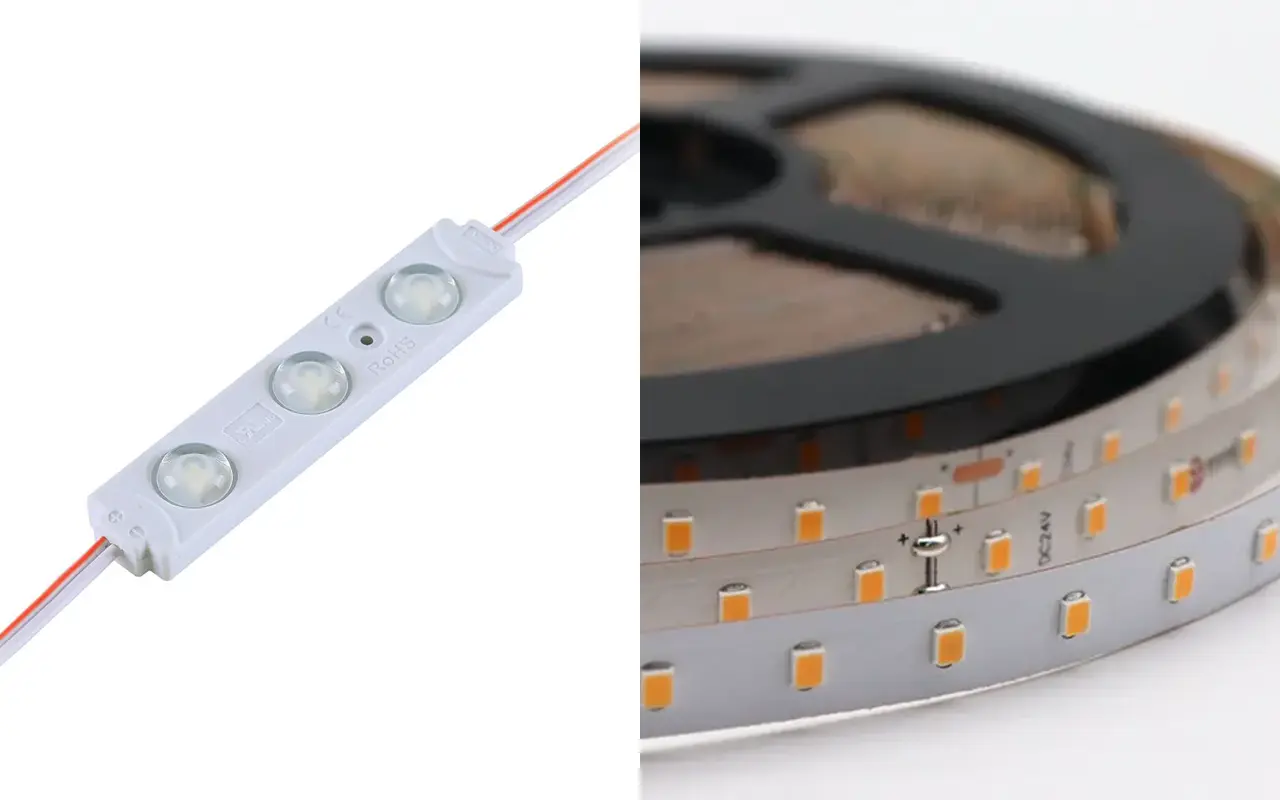
Have you ever stood at the crossroads of a decision, pondering whether LED modules or strips are the ideal choice for your lighting project? The answer, while seemingly complex, boils down to understanding your specific needs and the unique benefits each option offers.
Allow me to introduce myself – I’m Tom, and since 2005, I’ve been navigating the ever-evolving LED industry. My journey has equipped me with insights and expertise that I’m eager to share, helping you make informed decisions that illuminate your space perfectly.
In this blog post, we’ll explore the nuances of LED modules and LED strips, diving into their applications, advantages, and considerations. From the detailed intricacies of installation to maximizing energy efficiency and longevity, I’ve gathered everything you need to know to choose confidently between these two versatile lighting solutions.
So, are you ready to shed some light on the best LED lighting for your project? Let’s dive right in and illuminate the path to making your space shine brighter than ever!
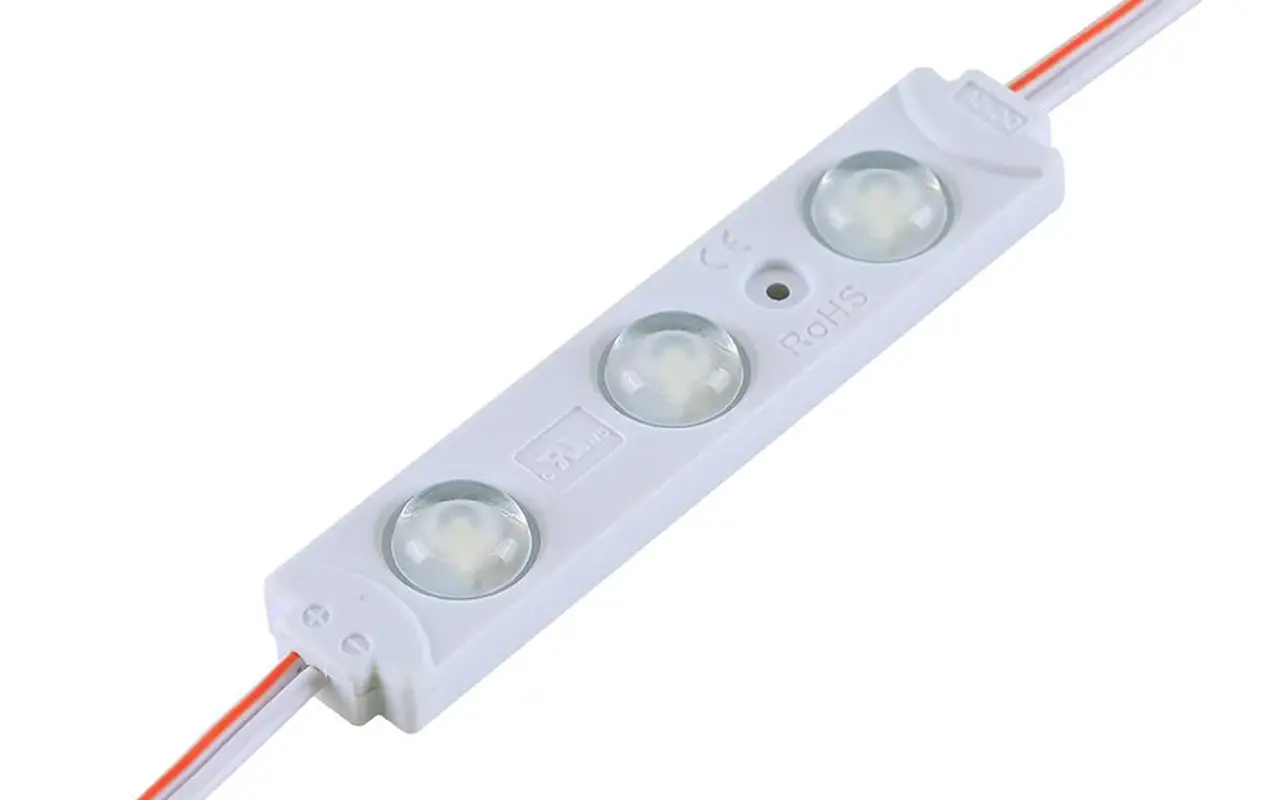
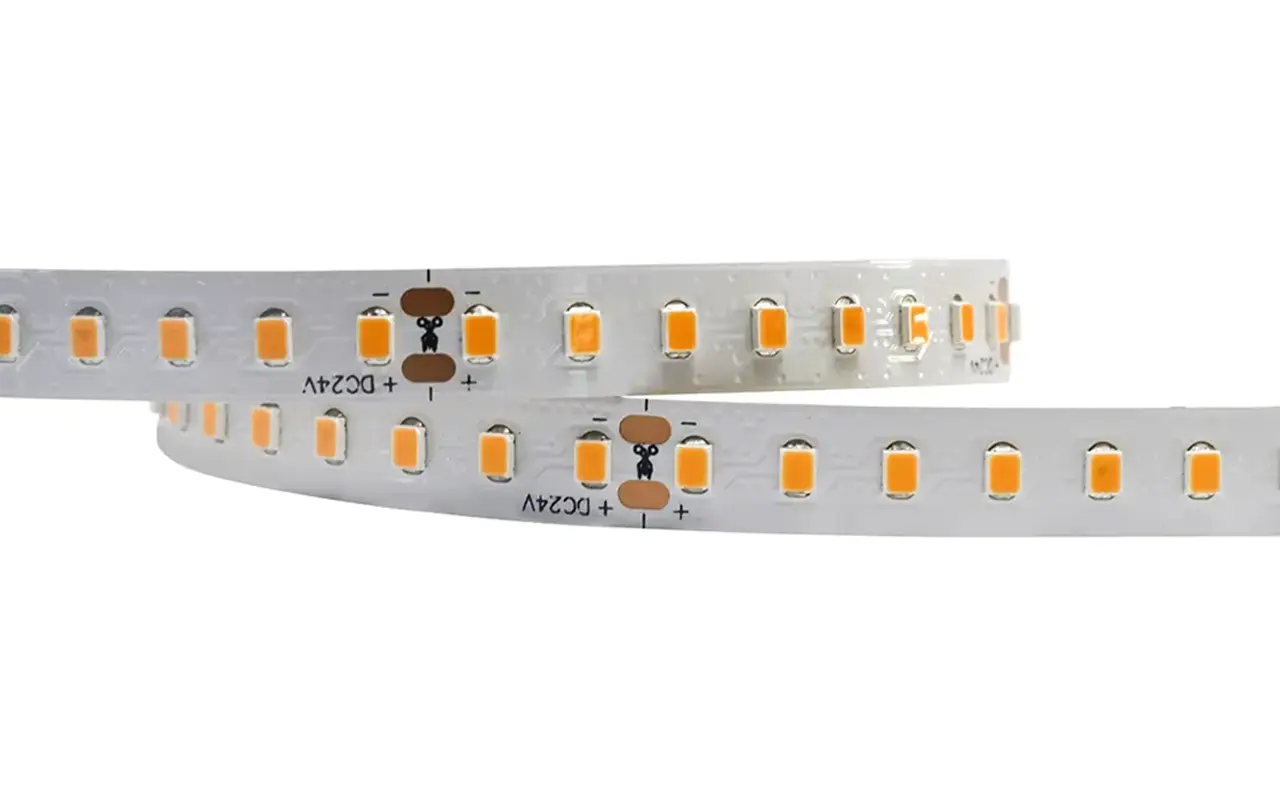
When diving into the world of LED lighting, one quickly discovers the vast array of options available. At the heart of this diversity are two fundamental choices: LED modules and LED strips. Each brings its unique strengths to the table, tailored to different needs and projects. Understanding these differences is key to crafting the perfect lighting solution.
LED modules are the quintessential choice for projects requiring precise, controlled illumination. Composed of discrete units interconnected by wires, they allow for a level of customization that can bring the most intricate lighting visions to life. Whether it’s the precise outlining of letters on a storefront sign or the intricate illumination of a custom art piece, LED modules offer the sharpness and specificity needed.
On the flip side, LED strips present a solution that prioritizes flexibility and ease of installation. These continuous light sources affixed to a flexible strip, can be wound around corners, stretched across long corridors, or wrapped around objects, illuminating large areas with ease. This makes them particularly suitable for creating atmospheric or ambient lighting in both residential and commercial spaces. Their adhesive backing allows for quick installation, making them a favorite for DIY enthusiasts and professionals alike.
Key Applications for Each Type
Modules shine in applications where detail and precision are paramount. The focused lighting they provide is unparalleled, making them the go-to choice for:
Signage: Illuminating letters and logos with clarity and impact.
Custom Designs: Bringing bespoke lighting designs to life with pinpoint accuracy.
Focused Lighting: Highlighting specific areas or objects, such as artwork or architectural details, where directed light is essential.
Strips, with their versatile and user-friendly design, excel in broader lighting applications:
General Room Illumination: Offering a diffuse light source that can brighten up an entire room or space.
Under-Cabinet Lighting: Creating seamless, shadow-free illumination in kitchens, offices, or workspaces.
Decorative Accents: Adding a touch of ambiance or flair to interiors, exteriors, and landscapes.
Pros and Cons in Various Settings
The choice between modules and strips often comes down to the specific needs and constraints of the project at hand.
Modules:
Pros: Deliver unmatched precision and customization options, making them ideal for projects where lighting needs to be exact and tailored.
Cons: Their installation can be more complex, requiring careful planning and sometimes professional help to ensure the wiring and placement achieve the desired effect.
Strips:
Pros: Their flexibility and ease of installation make them a universally appealing choice. They can be applied in a variety of settings without the need for complex wiring or mounting.
Cons: While offering broad and continuous illumination, strips may not provide the same level of targeted lighting as modules. This might result in a less focused light spread, which could be a drawback in scenarios where precision is key.
In essence, the decision between LED modules and strips will be guided by the specific demands of your project. Consider the level of detail, the installation environment, and the desired aesthetic outcome when choosing between these versatile lighting solutions. Whether your project calls for the pinpoint accuracy of LED modules or the adaptable glow of LED strips, understanding these distinctions will light your way to a successful outcome.
Detailed Comparison: Modules vs Strips
In the realm of LED lighting, the debate between modules and strips extends beyond mere preference. It touches on the core of what makes an LED solution suitable for a particular project. This detailed comparison sheds light on their differences in customization, flexibility, durability, maintenance, installation, and energy efficiency.
Customization and Flexibility
LED Modules excels in providing bespoke lighting solutions. Their design allows for highly intricate, tailored lighting designs, making them the preferred choice for projects that demand a high level of detail and precision. Whether it’s creating dynamic signage that pops or adding nuanced lighting to architectural features, modules offer the control needed to achieve specific lighting effects.
However, this level of customization comes with a need for precise planning and execution. The individual units must be correctly aligned and wired together, which can add complexity to the installation process. The payoff, though, is a lighting setup that perfectly matches the intended design, offering unparalleled precision in how light is distributed and displayed.
LED Strips, on the other hand, are celebrated for their remarkable flexibility and ease of installation. Their continuous light source and flexible backing allow them to be placed in a variety of settings, from curved surfaces to tight corners, without the hassle of individual unit wiring. This adaptability makes strips ideal for quickly and efficiently adding light to large areas, enhancing ambiance, or providing uniform illumination with minimal effort.
Durability and Maintenance
When it comes to durability, LED Modules often have the upper hand. Many are specifically designed to endure harsher environments, making them suitable for outdoor use or in settings where they might be exposed to moisture, dust, and varying temperatures. Their robust construction means they can continue to operate effectively in conditions that might compromise other lighting solutions.
LED Strips may not boast the same level of environmental resistance as modules, but they shine in the maintenance department. Generally less robust than their module counterparts, strips can be easier to repair or replace when needed. If a section of the strip becomes damaged or fails, it can often be simply cut out and a new piece spliced in, ensuring the lighting effect remains uninterrupted without the need for complete replacement.
Installation and Energy Efficiency
The choice between 12V and 24V power supplies plays a crucial role in the installation and energy efficiency of both LED modules and strips. 24V systems are particularly beneficial for larger or longer installations, as they can handle more extended runs without experiencing voltage drop, a common issue that can lead to dimming or uneven lighting in 12V systems. This makes 24V options more suitable for projects where the lighting will stretch over significant distances or when attempting to minimize the number of power supplies used.
However, compatibility is key. Ensuring that your chosen LED solution matches the specifications of the power supply is critical for optimal performance. While 24V systems may offer advantages in terms of efficiency and the ability to support larger installations, they require compatible components to function correctly. Always check the requirements of your LED modules or strips to select the appropriate power supply, balancing the need for efficient, reliable lighting with the scale and scope of your project.
Through understanding these nuances between LED modules and strips, professionals and enthusiasts alike can make informed decisions, tailoring their lighting solutions to meet specific project needs while optimizing for durability, maintenance, and energy efficiency.
How to Choose: Factors to Consider
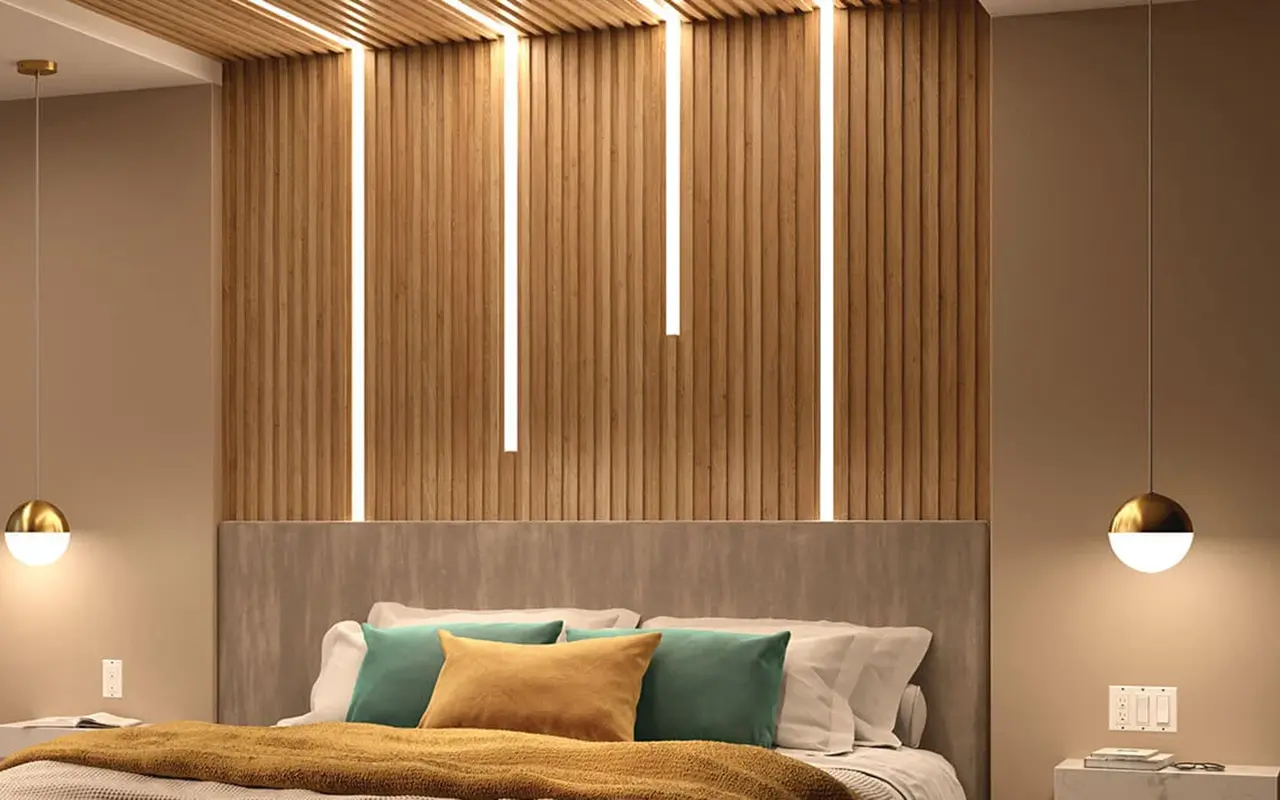
Choosing between LED modules and strips isn’t just about preference; it involves a series of considerations tailored to the specific demands of your project. Understanding these factors can significantly influence the effectiveness, durability, and overall success of your lighting installation. Let’s delve deeper into these considerations to guide your decision-making process.
Project Scope and Design Complexity
When planning your project, the scope and design complexity play pivotal roles in determining whether LED modules or strips are more suitable. LED Modules excel in projects requiring a high degree of detail and precision. Their individual units provide unparalleled control over lighting effects, making them ideal for custom lighting designs, intricate signage, and projects where specific lighting patterns or intensities are needed. This control allows for the creation of dynamic visuals and effects tailored to the unique contours and features of the installation space.
Conversely, LED Strips are the go-to choice for projects needing broad, uniform lighting. Their flexibility and ease of application make them perfect for general room illumination, under-cabinet lighting, and adding ambient light to spaces. The ability to bend, cut, and extend these strips offers a versatile solution for creating continuous lines of light, making them especially useful in areas where installing individual modules might be impractical or unnecessary.
Factores ambientais
Environmental conditions significantly influence the choice between modules and strips. LED Modules are often designed with durability in mind, making them better suited for outdoor applications or environments subject to harsh conditions, such as extreme temperatures, moisture, or dust. Their robust construction ensures they can withstand the elements, maintaining performance and longevity even in demanding settings.
In contrast, while LED Strips can be found in water-resistant and waterproof varieties, they generally do not offer the same level of protection as modules. However, their ease of replacement and wide range of protective coverings can make them suitable for indoor environments or outdoor settings where they are shielded from direct exposure to harsh conditions.
Budget and Energy Efficiency
Budget and energy efficiency are critical considerations in any lighting project. Initially, LED Strips may appear more cost-effective due to their lower price point and ease of installation, which can be particularly appealing for DIY projects or installations with limited budgets. However, it’s essential to consider the long-term energy consumption and the potential need for replacements over time, as these factors can affect the overall cost-effectiveness of your lighting solution.
LED Modules, while potentially more expensive up front, often provide greater energy efficiency and durability, leading to lower operational costs over the long term. Their precise lighting control can also reduce waste by directing light exactly where it’s needed, further enhancing their energy efficiency.
In balancing upfront costs with long-term savings, consider not only the price of the lighting itself but also the cost of installation, maintenance, and operation. Energy-efficient LED solutions, whether modules or strips, can offer significant savings on electricity bills, making them a worthwhile investment for projects of any scale.
By carefully considering the project’s scope and design complexity, environmental factors, and the balance between upfront costs and long-term savings, you can choose the LED solution that best meets your needs, ensuring a successful, efficient, and stunning lighting installation.
Dicas e truques de instalação
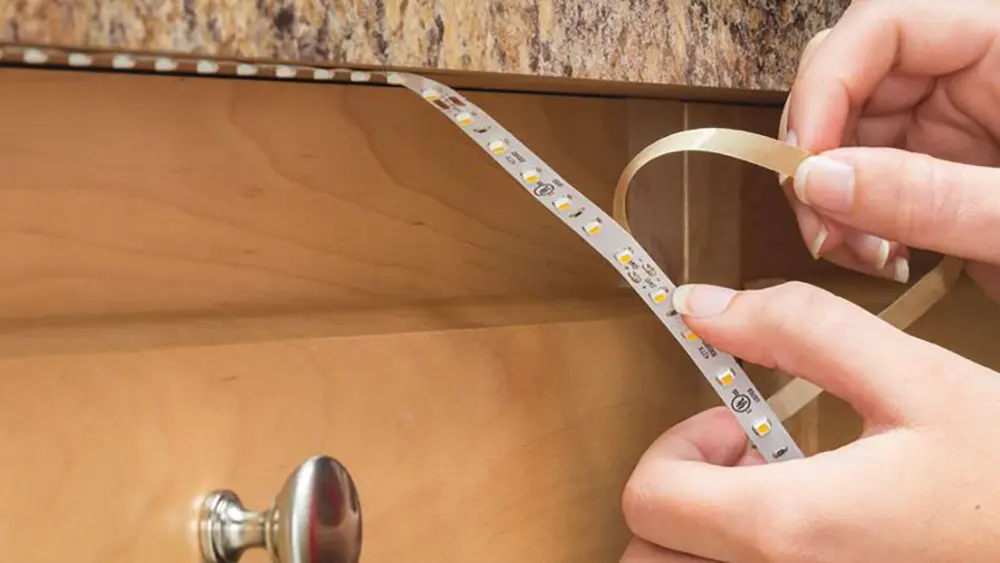
The installation process of LED lighting can greatly influence the final appearance and performance of your project. With precise techniques and careful preparation, you can ensure that your LED modules or strips not only enhance the aesthetics of your space but also operate efficiently and last longer. Let’s explore some essential tips and tricks for installing both LED modules and strips, catering to their unique requirements.
For Modules
When installing LED Modules, the key to achieving uniform and effective lighting lies in meticulous planning and adherence to spacing guidelines. These guidelines are crucial to avoid uneven lighting, which can manifest as hotspots or shadowing, detracting from the visual appeal of the illuminated area. Here’s how to ensure your module installation is up to par:
Measure Accurately: Before installation, carefully measure the area where the modules will be placed. This ensures that you have enough modules to cover the space without overcrowding or leaving gaps.
Follow Manufacturer’s Spacing Recommendations: Manufacturers typically provide spacing recommendations based on the brightness and beam angle of the modules. Sticking to these guidelines helps achieve consistent illumination.
Use the Right Tools: Employing the correct tools for installation, such as proper wiring connectors and mounts, can prevent issues down the line. Ensure that the wiring is neatly organized and securely connected to avoid electrical problems.
Test Before Final Installation: Connect and test all modules temporarily before permanently mounting them. This allows you to identify and rectify any lighting inconsistencies or electrical faults beforehand.
Adhering to these principles not only enhances the visual outcome but also ensures the longevity and reliability of your LED modules.
For Strips
LED Strips offer versatility and ease of installation, making them a popular choice for adding ambiance and accent lighting. However, to ensure they adhere properly and provide a lasting effect, surface preparation and application techniques are key:
Clean the Surface: The adhesive backing on LED strips requires a clean, dry, and smooth surface to stick effectively. Use a cloth and an appropriate cleaner to remove any dirt, grease, or moisture from the surface before installation.
Measure and Cut Carefully: Plan the layout of your LED strips and measure the length needed accurately. Most LED strips can be cut at designated points along the strip, allowing for a custom fit. Ensure your cuts are straight and precise to avoid damaging the strip.
Test Adhesion: Before removing the backing and applying the strip, test a small section to ensure it sticks well to the surface. If the surface is problematic, consider using mounting clips or an additional adhesive to secure the strips.
Apply Evenly: When applying the strip, start at one end and slowly work your way to the other end, pressing down firmly and evenly to prevent bubbles or lifting. For corners or curves, gently bend the strip without twisting or stretching it.
By taking the time to properly prepare and apply your LED strips, you can avoid common installation pitfalls and enjoy a smoothly integrated lighting solution that enhances the ambiance of any space.
These installation tips for both LED modules and strips serve as a foundation for creating beautifully lit environments. With the right approach, you can achieve professional-level results that elevate the look and feel of your projects.
Maximizing Energy Efficiency and Longevity
In today’s world, where sustainability and energy savings are paramount, opting for LED lighting is a step in the right direction. However, to truly capitalize on the benefits of LEDs, one must consider factors beyond mere installation. Maximizing energy efficiency and extending the longevity of your LED lighting involves choosing high-quality components and employing smart technologies. Here’s how you can achieve that:
Select High Lumens-per-Watt Ratios: When selecting LED modules or strips, pay close attention to their lumens-per-watt ratio. This figure indicates the amount of light produced per unit of power consumed. Higher ratios mean more light output for less energy, leading to significant savings over time. This not only makes your lighting solution more eco-friendly but also reduces electricity bills.
Regular Maintenance: Keeping your LED setup clean and dust-free ensures optimal performance. Dust and debris can accumulate on the lighting surface, reducing brightness and efficiency. Simple maintenance routines, such as gentle cleaning with a soft, dry cloth, can prevent this buildup and maintain the luminosity of your LEDs.
Integrate Smart Controls: Incorporating smart lighting controls can drastically improve the efficiency of your LED lighting. Systems that include dimmers, motion sensors, and timers allow you to use light only when and where it is needed, reducing unnecessary power consumption. Moreover, smart controls can be programmed to create ambient lighting schemes that adjust to natural light levels, further enhancing energy savings.
Choose Quality Over Price: While it might be tempting to opt for cheaper LED options, investing in high-quality LEDs from reputable manufacturers pays off in the long run. Premium LEDs not only offer better energy efficiency but also come with longer lifespans, reducing the need for frequent replacements.
By focusing on these aspects, you can ensure that your LED lighting is not only beautiful and functional but also a sustainable choice that benefits both the environment and your wallet.
Conclusão
Navigating the choice between LED modules and strips involves more than just aesthetic preferences. It requires a thoughtful consideration of your project’s unique demands, including design complexity, environmental conditions, and budget constraints. By opting for the right type of LED, adhering to installation best practices, and employing strategies to maximize energy efficiency and longevity, you can create a lighting solution that not only enhances the beauty of your space but does so in an efficient and sustainable manner.
Remember, the ultimate goal is to achieve a harmonious balance between functionality, aesthetics, and environmental stewardship. Whether your project benefits more from the precision of LED modules or the versatility of LED strips, making informed decisions at each step ensures that your lighting not only meets your immediate needs but also stands the test of time. Lighting is not just about illuminating spaces; it’s about creating environments that inspire and endure.
In the quest for the perfect LED lighting solution, the expertise of a seasoned manufacturer becomes invaluable. This is where Unitop, a leading force in China for superior Fitas de LED e LED neon flex, shines brightly. With a commitment to excellence, innovation, and customer satisfaction, Unitop is your go-to source for navigating the complex world of LED options. Whether you’re delving into the specifics of LED modules and strips or have unique requirements, don’t hesitate to reach out. Connect with us now and let Unitop illuminate your path to a brilliantly lit future.

Tom é agora o Gerente de Vendas de Unitop (China) Co., Limitada. Ele tem estado no Iluminação LED indústria desde 2005. Ele é um especialista em vendas & marketing, e gestão de fábricas. Ele gosta de musculação, e é também um fã louco da Apple! Ele é um tipo trabalhador e adora aprender e experimentar coisas novas.
Correio eletrónico: tom@unitopledstrip.com WhatsApp: +86-18680307140



Leave a Reply
Quer juntar-se à discussão?Esteja à vontade para contribuir!