
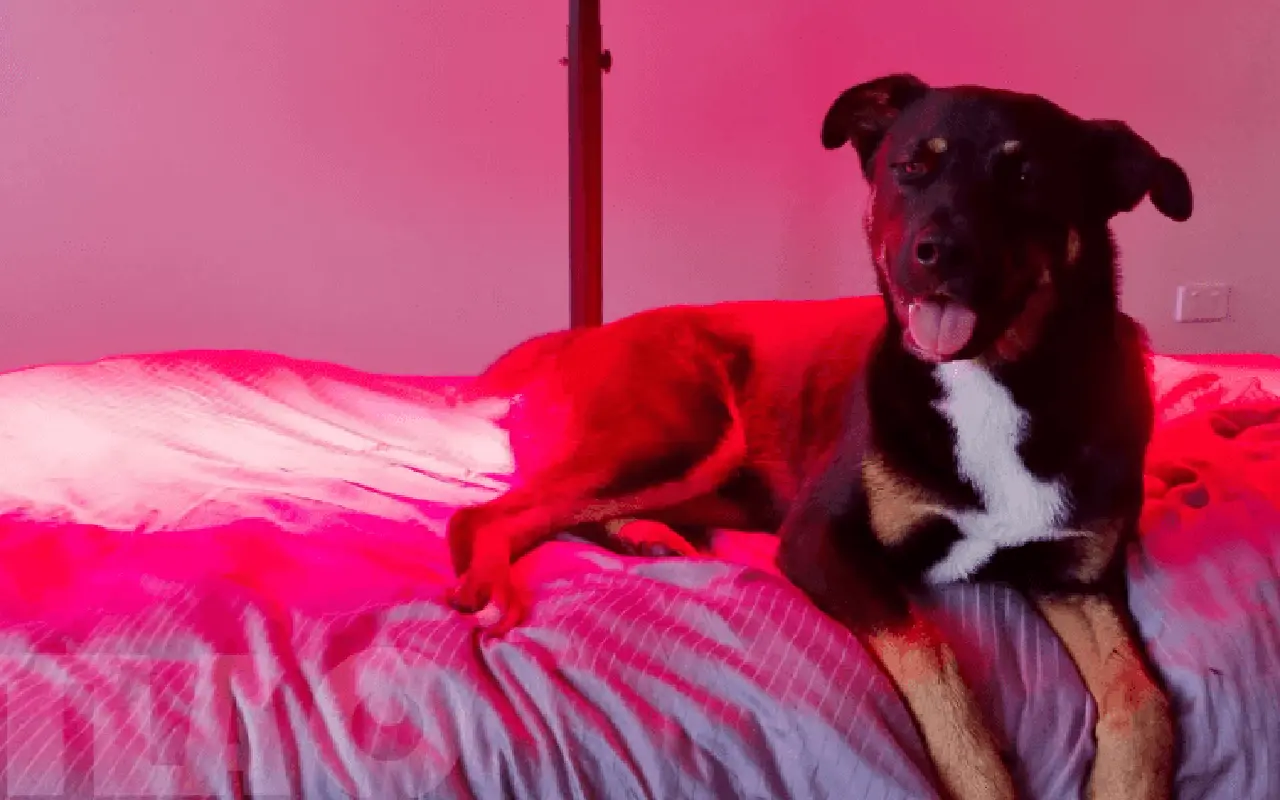
Are you puzzled about how your home’s LED lighting might be influencing your canine companion’s eyesight? Fear not, as you’ve navigated to the perfect resource. With our detailed exploration, we promise to unravel the complexities of LED lights and their interaction with dogs, providing peace of mind and actionable knowledge to enhance your pet’s living environment.
LED lights, when selected and utilized thoughtfully, do not harm dogs’ eyes. The key is understanding how different light spectrums and intensities can impact canine vision, allowing for informed decisions that prioritize your dog’s visual health and overall comfort.
Join us as we delve into the specifics of canine visual perception, evaluate expert studies, and offer tailored advice. Our comprehensive guide stands ready to illuminate the best practices for integrating LED lighting into your dog-friendly home, ensuring that each glimmer and glow supports your pet’s well-being.
Unpacking Canine Vision: How Dogs Perceive Light
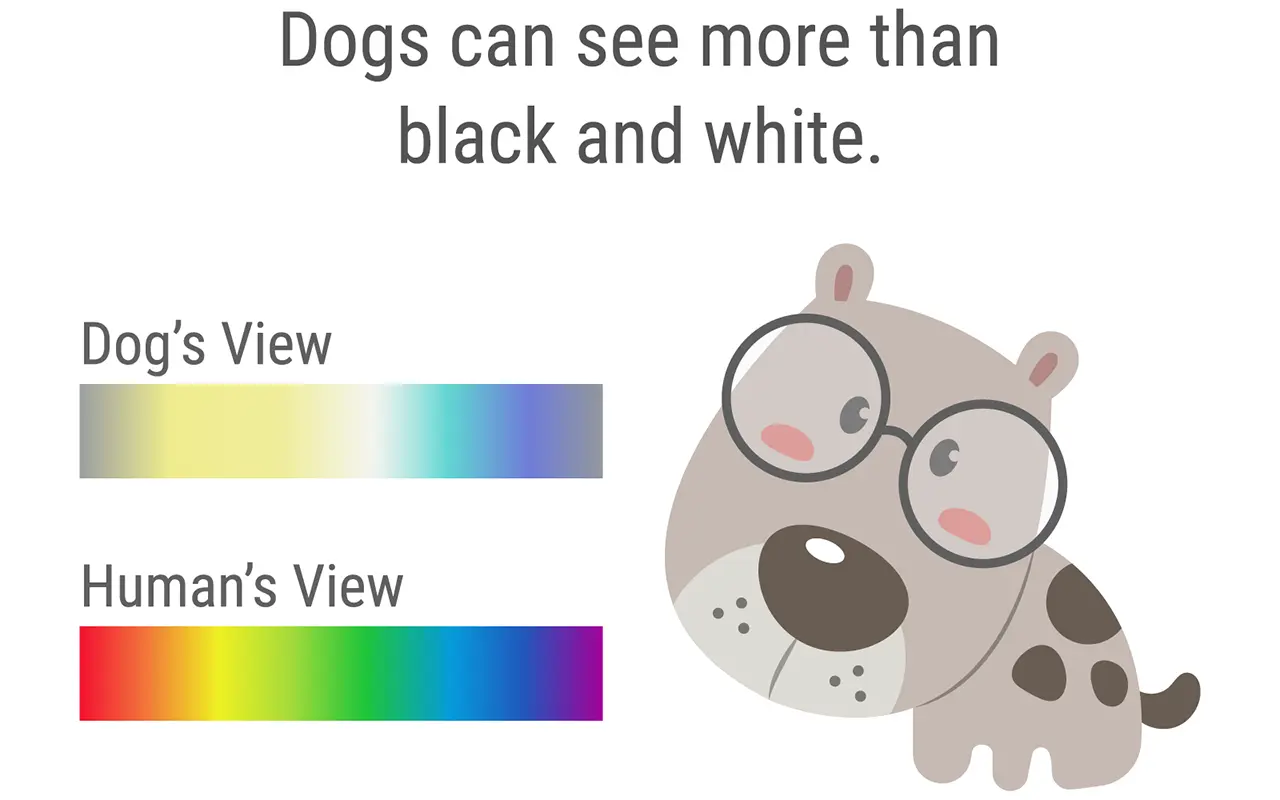
Understanding how dogs perceive light is fundamental to addressing any concerns about the potential impacts of LED lighting on their eyesight. This segment delves into the comparative visual systems of dogs and humans, focusing on their distinct abilities to perceive colors and light spectrums and discussing how these differences should influence our choices of lighting within homes shared with canine companions.
Comparing Dog and Human Vision
The way dogs experience the world is markedly different from human vision. Humans benefit from trichromatic vision, which allows for the perception of a wide range of colors. Dogs, however, experience the world primarily through dichromatic vision. This means they can perceive blues and yellows but cannot distinguish reds and greens, which appear to them in shades of grey. Understanding this fundamental difference is crucial for pet owners, especially when selecting lighting options in environments shared with dogs.
Color Perception and Light Sensitivity in Dogs
Dogs’ color perception is limited to blue and yellow hues, impacting their interaction with their environment. While they may not enjoy the full spectrum of colors, dogs have superior motion detection and night vision capabilities compared to humans. This enhanced ability is due to a higher concentration of rod cells in their retinas, which are more sensitive to low light and movement but do not detect color. Consequently, the illumination choices in our homes should accommodate these specific canine sensitivities.
Impact of Different Light Spectrums
The spectrum of light emitted by LED bulbs differs significantly from that of natural sunlight. This discrepancy can influence a dog’s behavior and comfort levels. While LED lights are lauded for their efficiency, the spectrum they emit, incredibly rich in blue light, can affect dogs differently than humans. For instance, excessive exposure to LED light with a high blue component might disrupt a dog’s natural sleep-wake cycle. As responsible pet owners, recognizing the nuances of different light spectrums can guide us in making informed decisions about the lighting we use in spaces shared with our pets, ensuring their comfort and well-being.
Analyzing LED Safety: Scientific Evidence and Expert Opinions
The safety of LED lights in relation to dogs has been a topic of considerable interest and research within the pet health community. Numerous studies have aimed to understand how these lights affect our furry friends, and experts from various fields have provided insights to guide pet owners. This section delves into what scientific studies and expert opinions reveal about LED lights and their impact on canine well-being.
Research Findings on LED Lights and Pet Health
Research into LED lights’ effects on pets has generally affirmed their safety, provided they are used judiciously. Studies indicate that the standard usage of LED lighting does not pose a significant threat to dogs. However, these studies also highlight the importance of understanding a dog’s perception of light and color, advocating for careful selection of LED lighting that aligns with their visual capabilities. Some research suggests that LEDs with extreme brightness or those emitting excessive blue light could disrupt dogs’ natural sleep cycles or cause eye strain. Hence, while LEDs are largely deemed safe, tailoring their usage to suit canine needs can further mitigate any potential risks, ensuring pets’ comfort and health.
Expert Testimonials on Safe Lighting Environments for Dogs
Leading veterinarians and animal behaviorists have weighed in on the conversation, echoing the sentiments found in research. They recommend pet-friendly LED options that minimize harsh blue light exposure and suggest avoiding direct illumination that could cause discomfort or anxiety for dogs. Lighting professionals also provide valuable insights, recommending features like adjustable brightness and color temperature to create a more hospitable environment for pets.
Experts emphasize the importance of monitoring dogs’ reactions to new lighting setups, advising pet owners to look for signs of discomfort or behavioral changes. If a dog appears agitated, squints excessively, or avoids well-lit areas, it may be time to reevaluate the lighting configuration. The consensus is clear: with thoughtful selection and proper installation, LED lights can safely illuminate spaces shared with dogs, enhancing their living environment without compromising their health.
Choosing the Right LED Lights for Your Dog
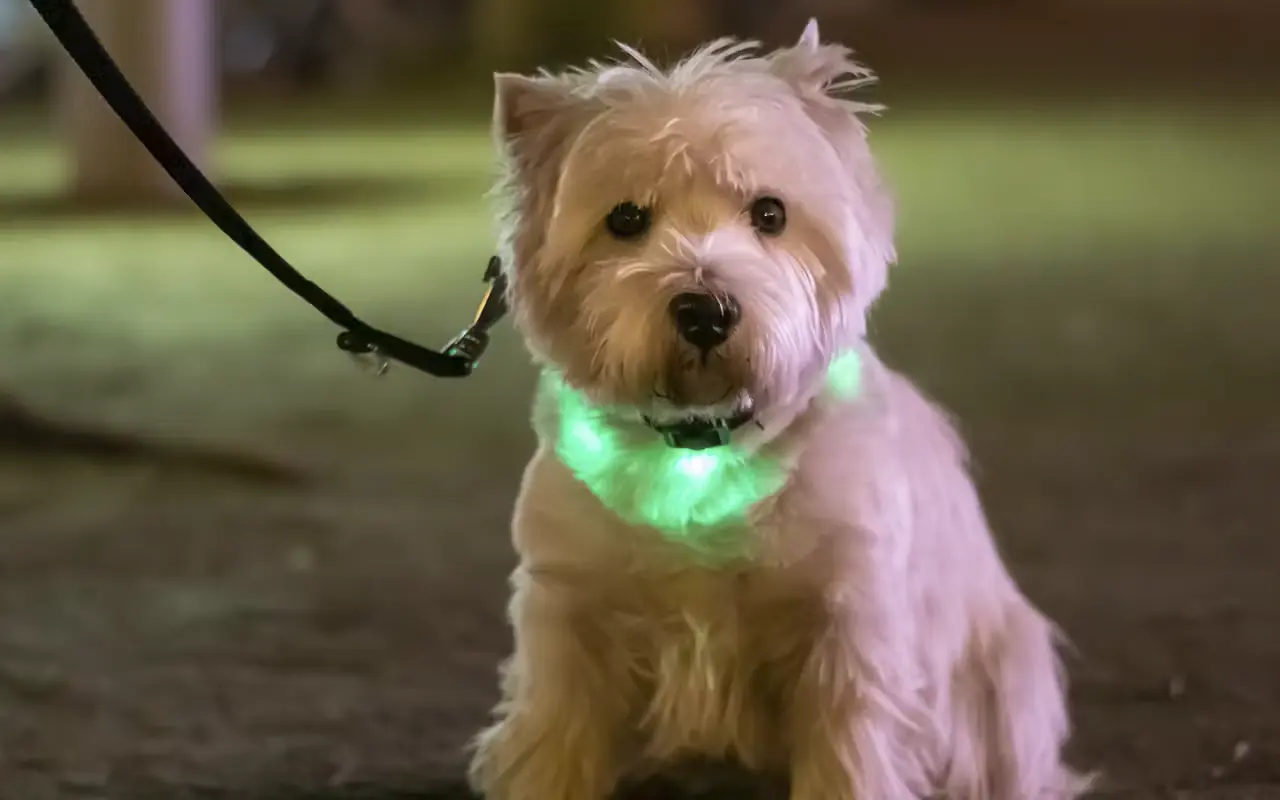
When it comes to ensuring the safety and comfort of your canine companion, not all LED lights are created equal. Understanding the features that make LED lighting dog-safe is crucial for pet owners who want to maintain a nurturing environment. This section guides you through selecting the best LED lights for your pet, focusing on their health and happiness.
Key Features of Dog-Safe LED Lighting
To safeguard your dog’s visual health, prioritize LED lights with the following features:
Low Blue Light Emission: Opt for LEDs that emit lower levels of blue light to protect your dog’s circadian rhythm and prevent sleep disruption.
Flicker-Free Technology: Ensure the LEDs are high quality and flicker-free to avoid causing stress or discomfort to your pet.
Adjustable Brightness: Look for LED lights with dimming capabilities, allowing you to reduce brightness and create a more comfortable environment for your dog.
Recommended LED Products for Pet Owners
When selecting LED products, consider these recommendations:
Pet-Friendly LED Bulbs: Seek out bulbs specifically marketed as pet-friendly, which typically have features conducive to animal welfare.
LED Night Lights: Choose night lights that provide soft illumination without disturbing your dog’s natural sleep patterns.
Smart LED Systems: Smart lighting systems offer the flexibility to adjust settings remotely, enabling you to create a pet-friendly ambiance at any time.
Installation Tips for Optimal Safety
Proper installation is key to maximizing the safety and effectiveness of LED lighting in your home:
Secure Installation: Ensure all LED fixtures are securely mounted and out of reach to prevent your dog from tampering with them.
Conceal Wiring: Keep all cables and wires hidden or protected to eliminate chewing hazards and electrical risks.
Strategic Placement: Place lighting in areas that enhance visibility for your dog without causing direct exposure to their eyes.
Addressing Potential LED Risks: Prevention and Solutions
While LED lights offer numerous benefits, it’s essential to recognize and mitigate potential risks they may pose to dogs. Understanding these risks and implementing preventive strategies can help ensure that your home remains a safe and comfortable space for your furry family members.
Common Risks Associated with LEDs and Dogs
Though LED lights are lauded for their safety and efficiency, certain scenarios could still pose risks to dogs:
Flickering Lights: Low-quality LEDs might flicker, which can be perceptible and distressing for dogs, potentially causing anxiety or discomfort.
Chewing Hazards: Dogs may chew on accessible LED lights or cords, risking electrical shock or ingestion of harmful materials.
Disrupted Sleep: Intense or improperly colored LED lighting can interfere with a dog’s sleep cycle, affecting their health and behavior.
Strategies to Mitigate Light-Related Health Issues
To protect your dog from potential LED-related risks, consider the following strategies:
Quality First: Invest in high-quality, flicker-free LED lights that offer greater stability and less stress for your pet.
Secure Installation: Properly secure all lighting fixtures and conceal or protect wiring to prevent chewing and associated risks.
Appropriate Lighting: Choose LEDs with adjustable color temperatures and brightness levels to provide a more natural and comfortable lighting environment for your dog.
Customizing Your Home Lighting for Dog Safety
Creating a dog-safe lighting environment involves more than just choosing the right bulbs. Consider these tips to tailor your home’s lighting for your dog’s safety and comfort:
Zone Lighting: Establish specific lighting zones that cater to your dog’s needs, such as dimmer areas for rest and brighter spaces for play.
Nighttime Considerations: Utilize night lights or ambient lighting that won’t disrupt your dog’s sleep, opting for warmer tones during evening hours.
Monitoring and Adjustment: Regularly observe your dog’s behavior in response to lighting changes and make adjustments as needed to ensure their comfort.
Debunking Myths: LED Lights and Dog Eye Health
In the realm of pet care, numerous misconceptions can cloud our understanding, especially when it comes to the interplay between LED lighting and canine eye health. This section aims to dispel common myths and provide clear, evidence-based insights to ensure pet owners are well-informed and can make the best decisions for their furry friends.
Separating Fact from Fiction
Myths surrounding LED lights and their impact on dogs abound, but it’s essential to differentiate between baseless claims and verified information. While there are legitimate considerations regarding LED usage around pets, many fears are unfounded or exaggerated. Let’s clarify these misconceptions by examining the facts, ensuring dog owners have accurate knowledge to rely on.
Addressing Common Misconceptions and Concerns
One widespread myth is that LED lights are inherently harmful to dogs, purportedly causing significant eye damage or vision problems. However, the reality is that LEDs, when used appropriately, pose no more risk to dogs than any other light source. Here are some common concerns debunked:
LEDs Cause Permanent Eye Damage in Dogs: There is no evidence to suggest that LEDs cause more eye damage to dogs than other light sources. Like any artificial light, LEDs should be used judiciously, but they do not inherently damage canine eyesight.
All LEDs Flicker and Disturb Dogs: High-quality LEDs are designed to minimize flicker, a feature that can indeed be disturbing or even harmful to sensitive or epileptic dogs. Choosing the right product can mitigate this risk.
Dogs Are Distressed by All Forms of LED Lighting: While intense or poorly positioned lighting can cause discomfort, generalizing this to all LED lighting is misleading. With proper installation and consideration of light intensity and color, LEDs can be integrated safely into environments shared with dogs.
LEDs Disrupt All Dogs’ Sleep Cycles: The impact of LED lighting on sleep varies. While exposure to high-intensity blue light before bedtime can affect a dog’s circadian rhythm, using LEDs with adjustable color temperatures or warmer hues can prevent such issues.
Implementing Best Practices: Ensuring a Dog-Friendly Lighting Environment
Creating a dog-friendly lighting environment goes beyond merely selecting the right LED bulbs. It involves a holistic approach to using lighting that takes into account the comfort and well-being of your canine companion. Here, we outline the steps you can take to ensure your home’s illumination promotes a healthy and happy life for your dog.
Practical Steps for Pet-Safe Illumination
Ensuring your lighting is pet-safe involves several key actions:
Choose the Right LED Lights: Opt for LEDs that emit minimal blue light and avoid those with intense brightness. Look for products that are certified as pet-friendly or designed explicitly with animal safety in mind.
Consider Your Dog’s Environment: Think about where your dog spends most of their time and how lighting affects those areas. Ensure their sleeping area is dimly lit or has adjustable lighting to mimic natural light cycles, promoting better sleep.
Monitor Your Dog’s Reaction: Pay attention to how your dog responds to different lighting. If they seem uncomfortable or exhibit changes in behavior, consider adjusting the lighting or consulting with a veterinarian for guidance.
Routine Checks and Adjustments for Enhanced Safety
Maintaining a safe lighting environment requires ongoing attention:
Regular Inspections: Check your LED installations periodically for any signs of damage or wear that could pose a risk to your pet. Ensure all fixtures are secure and that there are no exposed wires your dog could chew.
Adjust as Needed: As your dog ages or if you introduce new lighting, observe how they adapt and make necessary adjustments. What works for a puppy may not be ideal for an older dog with different visual or sleep needs.
Stay Informed: Keep up-to-date with the latest research on LED lighting and pet health. As new studies emerge and technology advances, there may be new recommendations or products that can further enhance your dog’s comfort and safety.
Looking Ahead: The Future of Pet-Friendly Lighting
The evolution of LED technology is not just enhancing human lives but is also paving the way for more pet-centric innovations. The future holds promising prospects for integrating LED lighting solutions that equally prioritize the welfare of our canine companions, ensuring their environments are as comfortable and conducive to their well-being as possible.
Innovations in LED Technology for Animal Welfare
Emerging LED technologies are increasingly focused on adaptability and customization, key aspects that can significantly benefit pet safety and comfort. Future LED solutions may offer more sophisticated controls over light intensity, color spectrum, and even patterns, allowing pet owners to tailor their lighting environments to their pets’ specific needs.
Responsive Lighting: Imagine LED systems that adjust automatically based on the time of day or even the presence of your pet in the room, providing optimal lighting without manual intervention.
Health-Monitoring Lights: Future LEDs could incorporate features that monitor a pet’s activity levels or stress indicators, adjusting the lighting accordingly to promote relaxation or activity.
Interactive Lighting: Innovations may include LED systems that interact with pets, providing stimulation or calming effects depending on their mood and behavior.
These advancements aim to foster an environment where pets can thrive, supported by lighting that caters to their unique needs and preferences.
How to Stay Informed on Pet Safety and Lighting Advances?
Staying updated with the latest trends and research in pet-friendly lighting is crucial for pet owners who wish to provide the best care for their furry friends. Here are some ways to stay informed:
Follow Industry Leaders: Keep an eye on companies and researchers who are in charge of pet-friendly lighting solutions, as they often share insights and breakthroughs.
Engage with Pet Communities: Online forums and social media groups can be valuable resources for learning from other pet owners and experts about effective lighting practices.
Attend Expos and Seminars: Participating in industry events can provide firsthand exposure to the latest innovations and best practices in pet-friendly lighting.
FAQs: Expert Answers to Your Concerns
How do dogs perceive LED light compared to humans?
Dogs perceive light differently than humans, with a spectrum limited to shades of blue and yellow. They cannot see red and green colors, which appear grey to them. Understanding this can help us choose LED lights that are more comfortable for our vision.
Are LED lights inherently dangerous to dogs?
No, LED lights are not inherently dangerous to dogs. However, the quality of the light, including brightness and color, can impact their comfort and safety. Ensuring that the LEDs are not too bright and minimizing exposure to high-intensity blue light can prevent potential discomfort or health issues.
Can the flickering of LED lights affect dogs?
Yes, low-quality LED lights that flicker, even imperceptibly to humans, can be noticeable to dogs and potentially cause discomfort or anxiety, particularly in sensitive or epileptic dogs. Opting for high-quality LEDs minimizes this risk.
What is the best LED light color to use around dogs?
While dogs perceive colors differently, opting for hues they can see well, like blue or yellow, can make their environment more engaging. However, for calming purposes, especially at night, warmer tones or colors that don’t disrupt their sleep, like red or orange, are advisable.
How does blue LED light affect dogs?
Blue LED light can interfere with dogs’ circadian rhythm, similar to its effect on humans, potentially disrupting their sleep patterns. It’s best to avoid blue LED exposure, especially before bedtime, to support their natural sleep cycle.
Can dogs benefit from red LED lights?
Yes, red LED light is perceived as less intense by dogs and can have a calming effect, making it a beneficial choice for creating a relaxing environment for your pet.
Are LED strips safe for dogs if installed in accessible areas?
While LED strips are generally safe, they should be securely installed out of reach to prevent chewing, which could lead to ingestion or injury from electrical components. Monitoring your dog’s interaction with LED strips is crucial for their safety.
How can I ensure my dog’s safety around LED lighting?
To ensure safety, choose high-quality LED lights, avoid placing lighting within easy reach or chewable areas, and consider the light’s color and intensity to suit your dog’s comfort.
What precautions should I take with LED lights in a multi-pet household?
In a household with multiple pets, consider each animal’s sensitivity and behavior. Secure all lighting fixtures and wires, opt for pet-friendly light colors and intensities, and monitor their interactions to ensure a safe environment for all your pets.
How do I choose the right LED products for a pet-friendly home?
When choosing LED products for a pet-friendly home, look for lights with adjustable settings for color and brightness, opt for lights that emit minimal blue spectrum, and prefer LEDs that don’t flicker to accommodate your pet’s vision and well-being effectively.
Artigo relacionado
Conclusão
We’ve traversed the terrain of LED lighting and canine vision, equipping you with the insights and strategies necessary for fostering a luminous yet safe environment for your beloved dog. Armed with knowledge and best practices, you’re now poised to illuminate your home thoughtfully, ensuring it remains a sanctuary for all its inhabitants.
In navigating the world of LED lighting, especially concerning the well-being of our cherished canine friends, it’s crucial to partner with a trusted and experienced manufacturer. Unitop, one of China’s leading manufacturers of Fitas de LED e LED neon flex, stands at the forefront of providing high-quality, pet-safe lighting solutions. Their commitment to innovation and quality ensures that your home is illuminated in a way that is both beautiful and beneficial to all members of your family, including your four-legged ones. If you have any further questions or specific requirements, don’t hesitate to contactar a Unitop. Together, let’s light up your space with confidence and care, ensuring a bright and safe environment for every paw step of the way.

Tom é agora o Gerente de Vendas de Unitop (China) Co., Limitada. Ele tem estado no Iluminação LED indústria desde 2005. Ele é um especialista em vendas & marketing, e gestão de fábricas. Ele gosta de musculação, e é também um fã louco da Apple! Ele é um tipo trabalhador e adora aprender e experimentar coisas novas.
Correio eletrónico: tom@unitopledstrip.com WhatsApp: +86-18680307140



Leave a Reply
Quer juntar-se à discussão?Esteja à vontade para contribuir!