
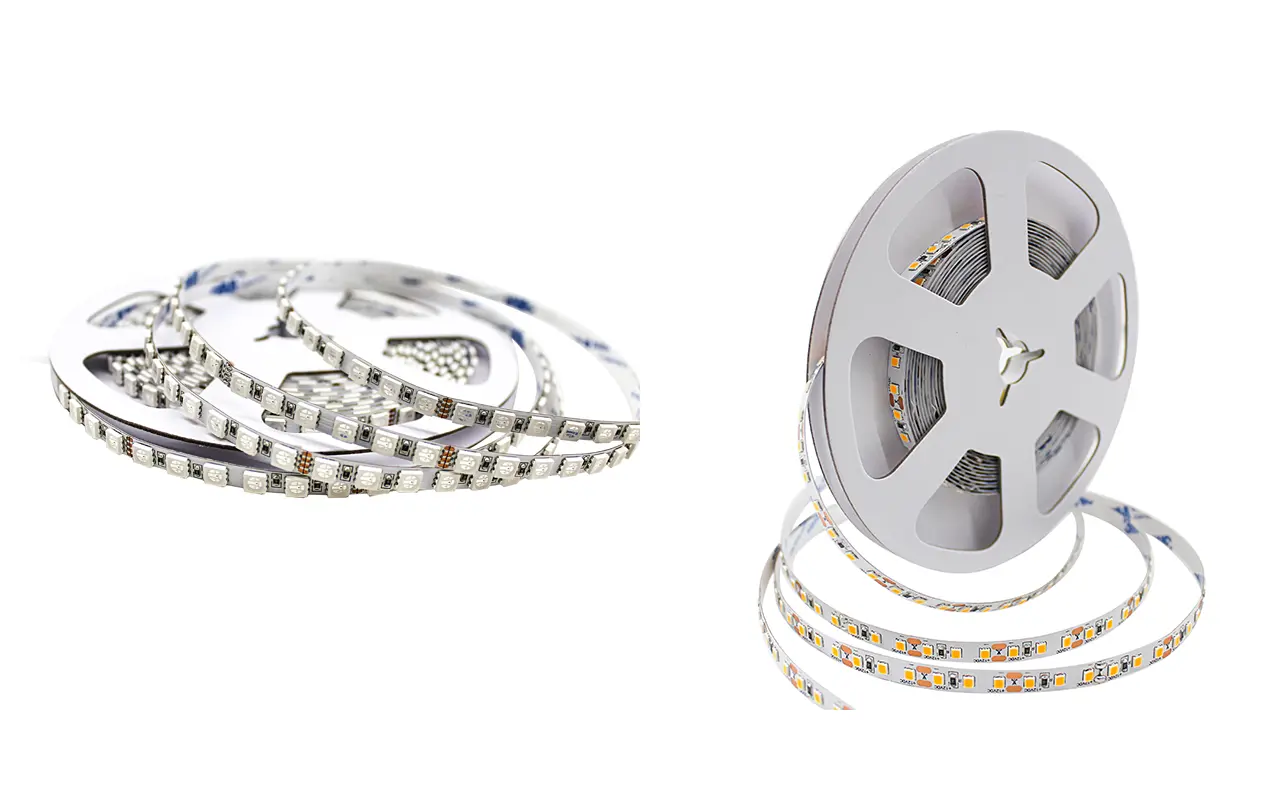
Have you ever stood in the lighting aisle of a hardware store, perplexed by the plethora of LED options before you, specifically the 5050 and 2835 LED strip lights? If so, you’re not alone, and the answer to which is better depends largely on your specific lighting needs and preferences.
I’m Tom, and I’ve been navigating the complexities of the LED industry since 2005. With years of experience under my belt, I’ve gained deep insights into the nuances of LED lighting, including the intricate differences between various types of LED strip lights. My journey has equipped me with the knowledge to guide you through the maze of options to find the perfect lighting solution for your space.
In this blog post, we’ll delve into the distinguishing features of 5050 and 2835 LED strip lights, uncovering their unique benefits and ideal applications. From brightness and color accuracy to installation tips and cost analysis, we’ve covered everything you need to make an informed decision for your lighting project.
So, whether you’re a seasoned interior designer, a DIY enthusiast, or simply looking to upgrade your lighting setup, let’s dive right in! Together, we’ll explore how these LED options can transform your space, making it brighter, more efficient, and perfectly tailored to your needs. Let’s get started right away!
What Makes 5050 and 2835 LED Strips Different?
SMD Size and Design
When it comes to LED strip lights, size matters — not just the length of the strip but the size of the individual LEDs on it. The term “SMD” (Surface Mounted Device) refers to the method by which these tiny LEDs are attached to the strip’s circuit board. The numbers that follow SMD — such as 5050 or 2835 — indicate the dimensions of the LED chips in millimeters. The 5050 LED chips are relatively large, with each side of the square chip measuring 5.0mm. This size allows for higher light output, casting a broader and brighter glow suitable for illuminating entire rooms or acting as the primary light source in a space.
On the flip side, the 2835 LED chips are more diminutive, each measuring 2.8mm by 3.5mm. This smaller size doesn’t mean they’re underperformers, though. Thanks to advancements in LED technology, these compact chips pack a punch, providing ample illumination while occupying less space on the strip. This makes them particularly suited for installations where the strip light needs to be inconspicuous or fit into narrow crevices — all without significantly compromising on brightness.
Luminosity and Color Options
Brightness, or luminosity, is another critical distinction between 5050 and 2835 LED strip lights. Luminosity is measured in lumens, with a higher lumen count indicating a brighter light. Thanks to their larger size and capacity to house more and larger internal components, 5050 LEDs generally produce more lumens than their 2835 counterparts. This trait makes 5050 strips the go-to option for projects that demand high visibility and vibrancy, such as backlighting for TVs, decorative lighting in commercial settings, or anywhere vibrant, eye-catching illumination is desired.
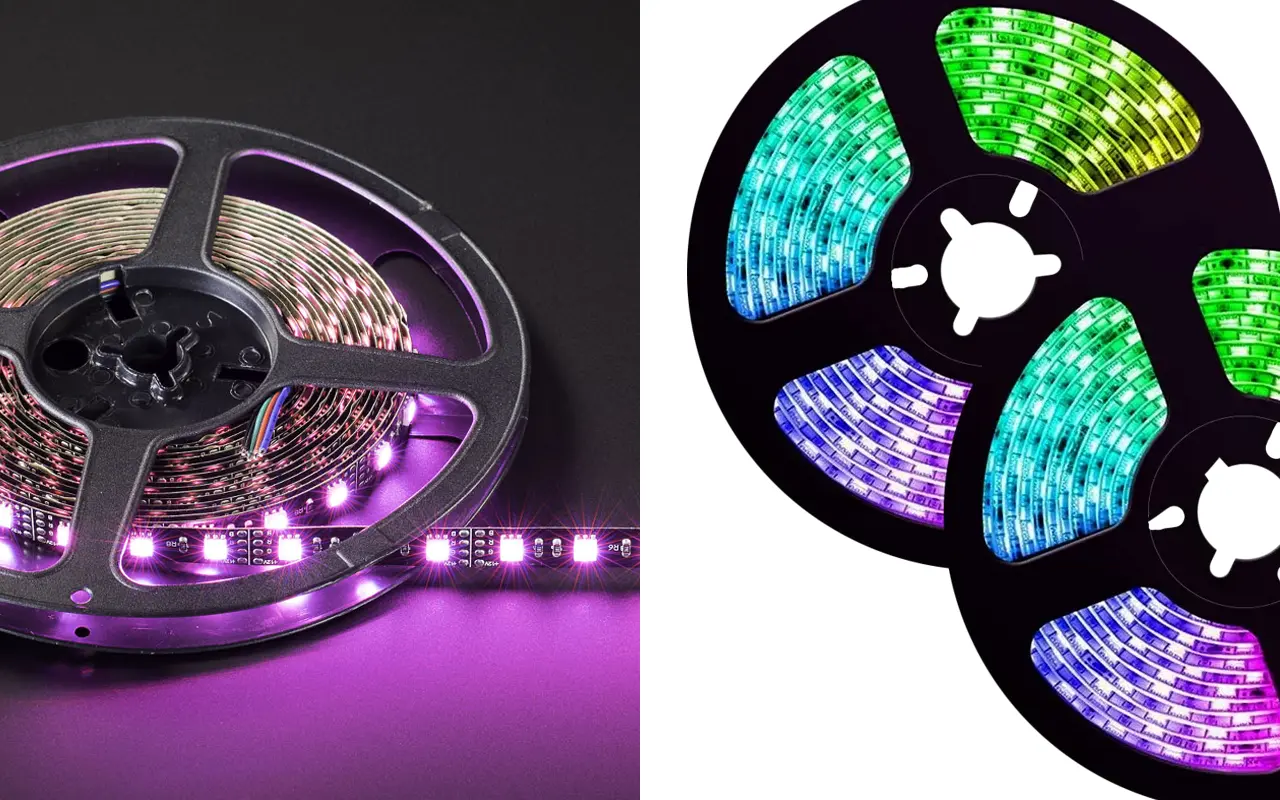
Color options add another layer of versatility to LED strips, particularly with 5050 models. These LEDs are often available in RGB configurations, allowing users to customize their lighting with a wide spectrum of colors via a remote control or smartphone app. This functionality is perfect for creating dynamic lighting effects, setting the mood in a room, or highlighting architectural features with splashes of color.
2835 LEDs, while traditionally used for single-color applications, have seen significant advancements. Modern 2835 strips now offer not only a range of white light temperatures from warm to cool but also improved color rendering, making them ideal for applications where accurate color representation is key, such as in retail displays or art lighting. Despite being slightly less bright on a per-chip basis, the high density of 2835 LEDs on a strip can produce a light output that rivals and sometimes exceeds that of 5050 LEDs, especially in the latest models designed for high efficiency and brightness.
Furthermore, the efficiency of 2835 LEDs translates to less power consumption for a given light output, making them a more sustainable option for long-term use in both residential and commercial spaces. This efficiency doesn’t just mean lower energy bills; it also means less heat production, contributing to the longevity of the strip and the safety of its installation environment.
Detailed Guide to 5050 LED Strip Lights
Versatility and Application
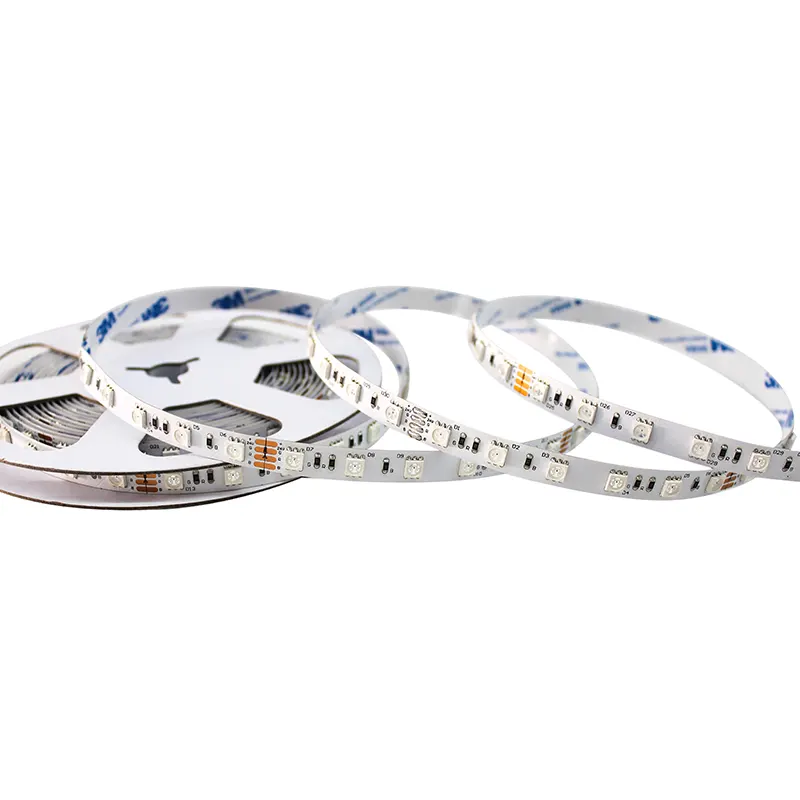
5050 LED strip lights stand out in the world of illumination for their unmatched versatility and the dynamic flair they bring to any setting. With a broad color spectrum at their disposal, these lights don’t just illuminate; they transform spaces. This versatility makes them an ideal choice for a wide range of applications, far beyond just basic lighting needs.
For entertainment spaces, such as home theaters, gaming setups, or bars, the RGB capabilities of 5050 LEDs allow for full-color customization. This means you can change the ambiance of a room at the touch of a button to match the mood or theme of the evening. Imagine the walls of your gaming room glowing with the colors of your favorite game, enhancing the immersive experience. Or picture a home theater where the lighting adjusts to complement the movie being watched, adding an extra layer of engagement to your viewing experience.
Commercial spaces also benefit greatly from the adaptability of 5050 LED strips. Retail displays, for instance, can use these lights to highlight products effectively, drawing attention and enhancing the colors of the merchandise. In hospitality settings like hotels or restaurants, the mood can be tailored to the time of day or specific events, creating an inviting atmosphere that enhances the guest experience.
Moreover, the high brightness levels of 5050 LED strips make them suitable for task lighting in places where functionality is as important as aesthetics. Under-cabinet lighting in kitchens, for instance, not only adds a modern touch but also provides clear, bright light for food preparation.
Consumo e eficiência energética
At first glance, one might assume that the high luminosity and broad color spectrum of 5050 LED strip lights come with a hefty energy bill. However, these LED strips have been engineered with energy efficiency in mind. Despite their powerful output, 5050 LEDs utilize energy more effectively than many traditional lighting solutions, offering brilliant light without excessive power consumption.
It’s true that, compared to their 2835 counterparts, 5050 LEDs draw more power due to their larger size and higher luminosity. This, however, doesn’t mean they are inefficient. The design of 5050 LED strips balances luminosity with power use, ensuring that each watt is used to its fullest potential. This makes them not just brighter but also smarter choices for applications where vibrant, attention-grabbing lighting is essential.
However, it’s worth noting that the efficiency of LED lighting also extends beyond mere energy consumption. LEDs, by nature, have a longer lifespan than traditional bulbs, which means less frequent replacements and, consequently, less waste. The 5050 LED strips, with their durable build and high-quality components, embody this advantage, offering not just bright light but also a sustainable lighting solution that stands the test of time.
Unpacking 2835 LED Strip Lights
Design Advantages for Efficiency
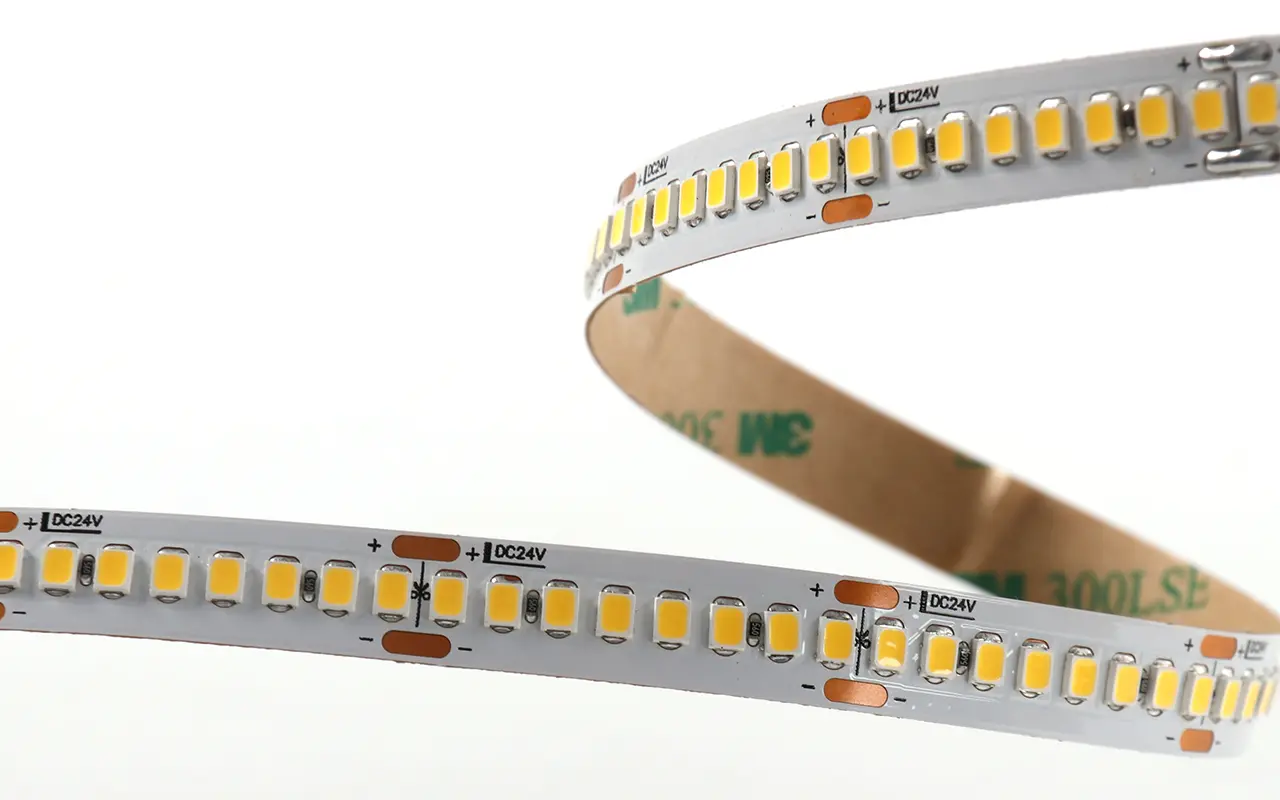
The 2835 LED strips are a marvel of modern lighting technology, demonstrating how advancements in design can lead to more sustainable and efficient lighting solutions. One of the standout features of these LEDs is their exceptional heat dissipation capabilities. Unlike their bulkier counterparts, 2835 LEDs are engineered to manage heat more effectively, ensuring that the chips stay cooler and, as a result, last longer. This enhanced lifespan is not just a win for consumers looking to reduce the frequency of their lighting updates but also contributes to a decrease in electronic waste, aligning with more environmentally friendly practices.
The compact size of the 2835 LEDs does not hinder their performance. On the contrary, it opens up new possibilities for lighting design. These LEDs can be densely packed onto strips, providing a smooth, even light that lacks the “spottiness” sometimes seen with larger LEDs. This attribute is particularly beneficial in settings where a consistent light output is crucial, such as under kitchen cabinets. Here, the 2835 LED strips can offer bright, uniform lighting that illuminates countertops without creating harsh shadows or glare, enhancing both the functionality and aesthetics of kitchen spaces.
Ideal Settings for 2835 LEDs
The 2835 LED strip lights excel in applications where space is at a premium, but high-quality lighting is non-negotiable. Their efficient design means they can be used in a variety of settings, from residential to commercial, without compromising on performance. In residential settings, these strips are perfect for creating ambient lighting in living rooms or bedrooms, providing a soft glow that enhances the room’s atmosphere without overwhelming it. They can be strategically placed in coves, along baseboards, or behind television units to add depth and dimension to the space.
In commercial environments, the 2835 LED strips find their place in accent lighting, where they can highlight architectural features or draw attention to display areas in retail settings. Their efficient power usage makes them an economical choice for businesses looking to enhance their premises’ lighting without incurring high energy costs. Additionally, the aesthetic appeal of well-placed accent lighting can significantly contribute to the overall customer experience, making spaces more inviting and products more appealing.
Under-cabinet lighting is another area where 2835 LEDs shine. This application not only serves to accentuate the design of the cabinetry but also provides practical task lighting for countertops. The focused light output of 2835 LEDs ensures that work areas are well-lit, making food preparation easier and safer. Furthermore, the ease of installation and the ability to cut the LED strips to fit specific lengths make them a flexible option for custom lighting solutions in both new builds and renovations.
Power Consumption and Efficiency: A Comparative Analysis
Long-term Value and Sustainability
When diving into the world of LED lighting, it’s clear that the long-term value and sustainability of your choice can significantly outweigh the initial purchase price. This is particularly evident when comparing the power consumption and efficiency of 5050 and 2835 LED strip lights. The 2835 LEDs emerge as a beacon of efficiency and longevity, attributes that contribute to considerable savings over time. Their design, which prioritizes low power consumption, doesn’t just benefit your wallet through reduced energy bills; it also plays a crucial role in reducing the environmental impact of your lighting solutions.
The lower power requirement of 2835 LEDs means that, for the same amount of light, they consume less energy than their 5050 counterparts. This efficiency gain translates directly into fewer carbon emissions, assuming the energy source is not fully renewable. Furthermore, the longer lifespan of 2835 LEDs reduces the frequency of replacement, thereby lowering the demand for production, packaging, and transportation—all of which contribute to a product’s carbon footprint.
In professional settings where lighting operates for extended periods, the energy efficiency of 2835 LEDs becomes even more pronounced. Here, the choice of LED type can impact not only operational costs but also the sustainability goals of the organization. By opting for 2835 LED strip lights, businesses can make a significant stride towards greener operations, showcasing a commitment to environmental stewardship that can resonate well with eco-conscious consumers.
Making the Eco-Friendly Choice
In today’s world, where sustainability is increasingly at the forefront of consumers’ minds, the choice of lighting goes beyond mere aesthetics and functionality. The eco-friendly attributes of 2835 LED strip lights make them a compelling option for individuals and businesses aiming to reduce their ecological footprint. This choice is emblematic of a broader shift towards sustainable practices, reflecting a conscious effort to balance human needs with environmental preservation.
The efficiency and lower energy consumption of 2835 LEDs represents a tangible step towards sustainable living. By choosing these LEDs, you’re not just selecting a lighting solution; you’re making a statement about the importance of sustainability in everyday decisions. This choice can inspire others to consider the environmental impact of their own lighting solutions, potentially leading to a wider adoption of energy-efficient technologies.
Moreover, the transition to more efficient lighting solutions like 2835 LEDs is facilitated by their compatibility with renewable energy sources. As more homes and businesses switch to solar or wind power, the lower energy requirements of these LEDs make them ideal companions to renewable systems, ensuring that the environmental benefits of such systems are maximized.
Brightness and Color Accuracy
Evaluating Brightness Levels
Brightness plays a pivotal role in defining the ambiance of a space. With their robust luminosity, 5050 LED strips are unparalleled in their ability to brighten any room or setting. Whether it’s making a bold statement in a commercial venue or creating a lively atmosphere in a home entertainment area, these strips deliver intense brightness coupled with rich, saturated colors. Their superior output makes them a favored option for areas where dynamic and conspicuous lighting is desired.
Conversely, the 2835 LED strips, while slightly more subdued in their brightness, offer a gentle yet effective illumination ideal for creating ambiance. They excel in applications where a softer touch is needed, such as accent lighting in living rooms or under-cabinet lighting in kitchens. The subtle glow of 2835 strips enhances the space without the risk of glare, providing a comfortable visual experience that complements the room’s design.
Color Accuracy and Consistency
The fidelity of color reproduction is a crucial aspect of lighting that affects both the aesthetics and functionality of a space. Both 5050 and 2835 LED strips excel in delivering accurate and consistent colors. They offer a spectrum of color temperatures, from warm whites that create a cozy atmosphere to cool whites that mimic daylight, improving concentration and productivity. Additionally, RGB options available in 5050 strips allow for complete customization of color, enabling the creation of dynamic environments or thematic settings with ease.
Advancements in LED technology have significantly improved the color rendering index (CRI) of these strips, meaning that the colors appear more true to life under their light. This is particularly important in settings such as art studios, retail displays, or any area where color differentiation is key. The ability to choose between different color temperatures and the flexibility to adjust brightness levels further enhance the versatility of these LED strips, making them suitable for a wide range of applications, from practical task lighting to atmospheric ambient lighting.
Cost Analysis: 5050 vs 2835
Initial Investment vs. Long-term Savings
Navigating the waters of LED lighting requires a keen eye on both the present and future costs associated with your choice of strip lights. When comparing the 5050 and 2835 LED strips, it’s evident that each has its own financial implications that extend beyond the initial purchase price. The 5050 LED strips, renowned for their superior brightness and versatile color options, generally command a higher upfront cost. This is attributed to the advanced technology that allows for their impressive luminosity and the RGB capabilities they often possess. Such features make them an attractive option for those seeking to make a bold lighting statement, albeit with a higher initial investment.
On the flip side, the 2835 LED strips represent a more cost-effective solution in the long run. The key to their long-term savings lies in their remarkable efficiency and the extended lifespan they offer. The energy-efficient nature of 2835 LEDs means they consume less power, leading to noticeable reductions in energy bills over time. Additionally, their durability translates to fewer replacements needed throughout their lifespan. This combination of lower energy consumption and reduced maintenance needs makes 2835 LED strips an economically wise choice for both residential and commercial users looking to maximize their investment in lighting.
Budgeting for Your Lighting Project
Embarking on a lighting project, whether it’s a minor upgrade or a major overhaul, demands careful financial planning. Beyond the initial cost of the LED strips themselves, several other factors must be considered to ensure a comprehensive budget. Energy consumption stands as a pivotal consideration, directly influencing ongoing operational costs. The more efficient 2835 LEDs can offer savings on this front, though the specific advantages will vary based on the scale and usage patterns of the project.
Installation costs also play a critical role in the budgeting process. While both 5050 and 2835 LED strips are designed for user-friendly installation, certain scenarios may require professional assistance, especially for complex setups or large-scale projects. Additionally, the need for accessories — such as dimmers, controllers, and power supplies — can add to the overall cost. These components are essential for achieving the desired functionality and aesthetic of your lighting, from adjusting brightness levels to changing colors.
To navigate these financial waters effectively, it’s advisable to start with a clear vision of your project’s goals and requirements. Consider not only the initial investment in the LED strips but also the ancillary costs associated with achieving the desired outcome. A thorough assessment of these factors will enable you to allocate your budget wisely, ensuring that your lighting project not only meets your immediate needs but also remains cost-effective in the long term. Whether you opt for the vibrant versatility of 5050 LEDs or the efficient longevity of 2835 strips, a well-planned budget is the cornerstone of a successful lighting project.
Table of Comparisons
| Característica | 5050 LED Strip Lights | 2835 LED Strip Lights |
|---|---|---|
| Dimensions | 5.0mm x 5.0mm | 2.8mm x 3.5mm |
| Brilho | High luminosity, suitable for main lighting applications | Slightly less bright, ideal for accent and task lighting |
| Opções de cor | Available in a wide range of colors, including RGB capabilities for dynamic color schemes | Primarily available in white (warm, neutral, and cool), with recent advancements offering more color options |
| Eficiência energética | Brighter but consumes more power | More energy-efficient, leading to lower energy bills over time |
| Lifespan | Designed for longevity | 2835’s efficient heat dissipation extends its lifespan further |
| Ideal Applications | Perfect for vibrant, eye-catching displays and settings where high brightness is desired | Best suited for subtle lighting, under-cabinet illumination, and spaces where efficient, focused light is needed |
| Installation Flexibility | Due to their size, they may require more space; however, they are versatile for various installations | Their compact size allows for more flexibility, fitting into tighter spaces and making them ideal for intricate designs |
| Cost | Higher initial cost due to advanced features but offers significant value through versatility and brightness | Lower initial cost with additional savings accrued over time due to superior energy efficiency and longevity |
FAQs
What are the main differences between 5050 and 2835 LED strip lights?
The main differences lie in their size, brightness, and energy efficiency. 5050 LEDs are larger and offer more luminosity and color options, including RGB, making them ideal for vibrant settings. In contrast, 2835 LEDs are smaller, more energy-efficient, and better suited for subtle, accent lighting due to their focused light output.
Can I use 5050 and 2835 LED strips together in one project?
Yes, you can use both types of LED strips in a single project to take advantage of their unique characteristics. For example, 5050 strips can be used for main lighting or color features, while 2835 strips can provide accent or task lighting.
Are 5050 LED strips much more expensive than 2835 strips?
Initially, 5050 LED strips may have a higher cost due to their advanced features like RGB color mixing and higher brightness. However, considering long-term energy savings and durability, 2835 LED strips can be more cost-effective.
How do I choose between 5050 and 2835 LED strips for my home?
Consider the intended use of the lighting. If you’re looking for dynamic, colorful lighting for entertainment areas, go with 5050 LED strips. For more subdued, efficient lighting in spaces like under cabinets or along hallways, 2835 LEDs are ideal.
Can I install these LED strips myself?
Absolutely! Both 5050 and 2835 LED strips come with adhesive backing for easy DIY installation. Just make sure the surface is clean and dry before application. For complex setups, though, consulting a professional might be beneficial.
Do I need any special tools to install LED strip lights?
No special tools are required for the basic installation, thanks to the adhesive backing on most LED strip lights. However, to cut and connect strips or add controllers, you might need some basic wiring tools and knowledge.
How long do 5050 and 2835 LED strips last?
Both types of LED strips are designed for longevity, typically lasting for thousands of hours of use. The exact lifespan can vary based on usage and environmental factors, but 2835 LEDs often have a slight edge in efficiency and durability.
Are 5050 LED strips brighter than 2835 strips?
Generally, yes. The larger size of 5050 LEDs allows for more light output, making them brighter than 2835 LEDs. This makes 5050 strips suitable for areas where high brightness is desired.
Can I control the brightness of 5050 and 2835 LED strips?
Yes, both types of LED strips can be dimmed with the appropriate controllers. This allows you to adjust the brightness to suit any mood or setting.
Is it more energy-efficient to use 2835 LED strips?
Yes, 2835 LED strips are designed for high efficiency and low power consumption, making them an eco-friendly and cost-effective choice for long-term use in both residential and commercial settings.
Conclusão
In the radiant world of LED strip lighting, both the 5050 and 2835 models have their unique strengths. The 5050s shine bright, perfect for those spaces that demand high impact and vibrant colors. On the other hand, the 2835s offer subtlety and efficiency, ideal for creating warm, inviting atmospheres without the glare. Choosing between them boils down to understanding your lighting needs and ensuring your selection not only enhances your space but also does so efficiently and sustainably. With this guide, you’re now equipped to make that choice, illuminating your world exactly the way you envision it.
As we’ve navigated the luminous world of LED strip lights, distinguishing between the vibrant versatility of 5050 LEDs and the efficient elegance of 2835 LEDs, it’s clear that the choice depends on your specific lighting needs and preferences. If this exploration has sparked more questions, or if you’re ready to illuminate your space with high-quality LED solutions, look no further than Unitop. As one of China’s leading manufacturers of Fitas de LED e LED neon flex, Unitop stands at the forefront of lighting innovation, offering unparalleled expertise and a comprehensive range of products tailored to your unique requirements. Don’t hesitate to contacte-nos for any inquiries or needs you might have. At Unitop, we’re committed to lighting up your world with excellence and precision, ensuring that every beam of light enhances your space exactly as you envision. Contact us today, and let’s brighten your world together.

Tom é agora o Gerente de Vendas de Unitop (China) Co., Limitada. Ele tem estado no Iluminação LED indústria desde 2005. Ele é um especialista em vendas & marketing, e gestão de fábricas. Ele gosta de musculação, e é também um fã louco da Apple! Ele é um tipo trabalhador e adora aprender e experimentar coisas novas.
Correio eletrónico: tom@unitopledstrip.com WhatsApp: +86-18680307140



Leave a Reply
Quer juntar-se à discussão?Esteja à vontade para contribuir!