
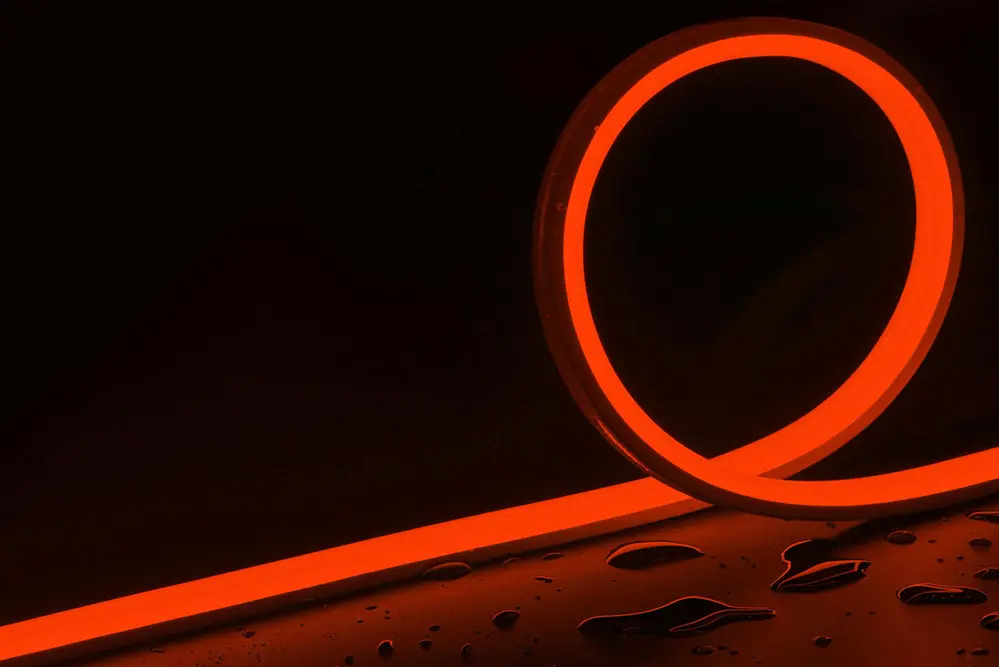
Choosing the perfect lighting is key to transforming any area, merging beauty and practicality. It shapes the atmosphere, sets the tone, and can impact both work efficiency and relaxation. As lighting technology evolves, picking between LED strip lights and neon flex transcends mere functionality – it’s about making a stylistic declaration. This article explores the nuances of these two widely favored lighting choices, offering a detailed comparison to help guide you to the most suitable option for your unique requirements.
Deep Dive into Neon Flex

Neon Flex represents a modern twist on classic neon lighting, merging the nostalgic allure of the past with contemporary design and technology. This fusion results in a lighting solution that’s both visually striking and functionally versatile, suitable for a variety of applications.
What is Neon Flex?
At its core, Neon Flex is a reimagined version of traditional neon lighting. It combines the vibrant colors and distinct luminosity of old-school neon with the flexibility and durability of modern materials. This blend allows for the creation of lighting that is as artistic as it is practical, making Neon Flex a popular choice for designers and architects alike.
How Neon Flex Works
The technology behind Neon Flex is rooted in the principles of traditional neon lighting. Glass tubes are filled with noble gases like neon or argon, which emit light when electrified. The specific color of the light depends on the gas used: neon typically produces a classic red hue, while argon emits a calming blue. By coating the interior of these tubes with phosphorescent materials, a wider spectrum of colors can be achieved, allowing for greater creative expression in lighting design.
Pros and Cons of Neon Flex Lighting
Neon Flex lighting is renowned for its ability to create an ambiance that’s both warm and inviting. Its ability to evoke nostalgia makes it particularly suited for settings that aim to capture a retro or thematic essence, such as diners, theaters, or boutique stores.
However, Neon Flex has certain drawbacks. The fragility of the glass tubes, combined with higher energy consumption and heat generation, poses challenges, particularly in terms of durability and environmental impact. These factors need to be weighed carefully when considering Neon Flex for a particular space.
Exploring LED Strip Lights
LED strip lights represent the forefront of modern lighting technology, offering unmatched flexibility and efficiency. Their design and functionality make them an ideal choice for a wide range of lighting needs.
Understanding LED Strips
LED strips consist of a series of small light-emitting diodes placed on a flexible circuit board. This design allows for an even distribution of light, creating a consistent and bright illumination. Their adaptability to various environments and applications, from residential to commercial, makes LED strips a versatile choice for both decorative and functional lighting.
Operational Mechanism of LED Strips
The operation of LED strips is straightforward yet highly efficient. When electricity passes through the diodes, they emit light, a process that requires minimal energy and produces little heat. This efficiency is one of the key reasons for the growing popularity of LED strip lights as an eco-friendly lighting solution.
Advantages and Limitations of LED Strips
LED strips offer numerous benefits, including energy efficiency, long lifespan, and a wide range of customization options in terms of color and brightness. Their flexible design allows for easy installation in various settings, making them ideal for accentuating architectural features, under-cabinet lighting, or creating mood lighting in living spaces.
However, despite these advantages, LED strips may not provide the unique glow characteristic of Neon Flex, which might be preferred in certain design scenarios for its distinctive visual appeal.
Comparing Neon Flex and LED Strips
The choice between Neon Flex and LED strips often boils down to their distinct characteristics and the specific requirements of the space they are intended for. Understanding these differences is crucial for making an informed decision that aligns with both aesthetic and practical needs.
Color Range and Control
The range of colors and control options available with each lighting type is another vital aspect. Neon Flex, traditionally, offers a limited color range, primarily based on the gas used and the color of the phosphor coating. While beautiful, these colors are fixed, offering less versatility for changing themes or moods.
LED strips, conversely, provide a vast spectrum of color options, including RGB models that can produce a wide array of colors. Many LED strips come with controllers that allow for easy customization of color and brightness, enabling dynamic lighting effects and the ability to change the ambiance at the touch of a button. This feature is particularly beneficial for spaces that require adaptable lighting solutions to suit different events, moods, or times of day.
Brightness and Luminance
Lighting, brightness, and luminance play key roles in defining the space’s functionality and mood. Neon Flex, known for its softer and warmer light, excels in creating an atmosphere filled with ambiance. It’s less about illumination and more about creating a specific mood or feel, perfect for spaces where subtle lighting is desired.
In contrast, LED strips are synonymous with high brightness and clear luminance. They are ideal for areas that require more than just ambient lighting, such as task lighting in kitchens or workspaces, or for accentuating features in commercial or residential settings. Their ability to provide strong, directed light makes them a versatile option for various lighting needs.
Energy Efficiency and Power Consumption
In an era where sustainability and energy efficiency are paramount, the choice of lighting can have a significant impact. Neon Flex, despite its aesthetic appeal, is less energy-efficient. It consumes more power and generates more heat, which can be a drawback, especially in terms of long-term cost and environmental impact.
LED strips stand out as a more energy-efficient option. They require less power to operate and generate minimal heat, making them a cost-effective and environmentally friendly choice. Their low power consumption translates into lower utility bills and a reduced carbon footprint, aligning with the growing demand for sustainable and eco-conscious lighting solutions.
Installation and Flexibility
One of the key differences between Neon Flex and LED strips is their installation process and flexibility. Neon Flex, typically encased in glass, requires careful handling and a more complex installation process, often necessitating professional assistance. Its rigidity can limit its application, particularly in spaces requiring intricate or curved lighting designs.
In contrast, LED strips are known for their incredible flexibility and ease of installation. They can be cut to specific lengths and bent to fit various shapes and corners, making them ideal for DIY projects and complex design requirements. This flexibility opens up a myriad of creative possibilities, from under-cabinet kitchen lighting to unique art installations.
Durability and Maintenance
Durability and maintenance are also important factors to consider. Neon Flex, while visually striking, is more prone to damage due to its glass construction. It requires careful handling and may need more frequent maintenance or repairs, especially in high-traffic areas.
LED strips, on the other hand, are generally more durable and require less maintenance. Made with solid-state components and often encased in protective materials, they are resistant to shock, vibrations, and environmental factors. This durability makes LED strips a more reliable and low-maintenance option for both indoor and outdoor use.
In summary, while both Neon Flex and LED strips have their unique appeals and uses, LED strips generally offer greater flexibility, durability, and control options, alongside their energy efficiency and ease of installation. These factors make them a more versatile and practical choice for a wide range of lighting applications.
Practical Applications and Versatility of LED Strip and Neon Flex Lighting
Suitability for Different Spaces
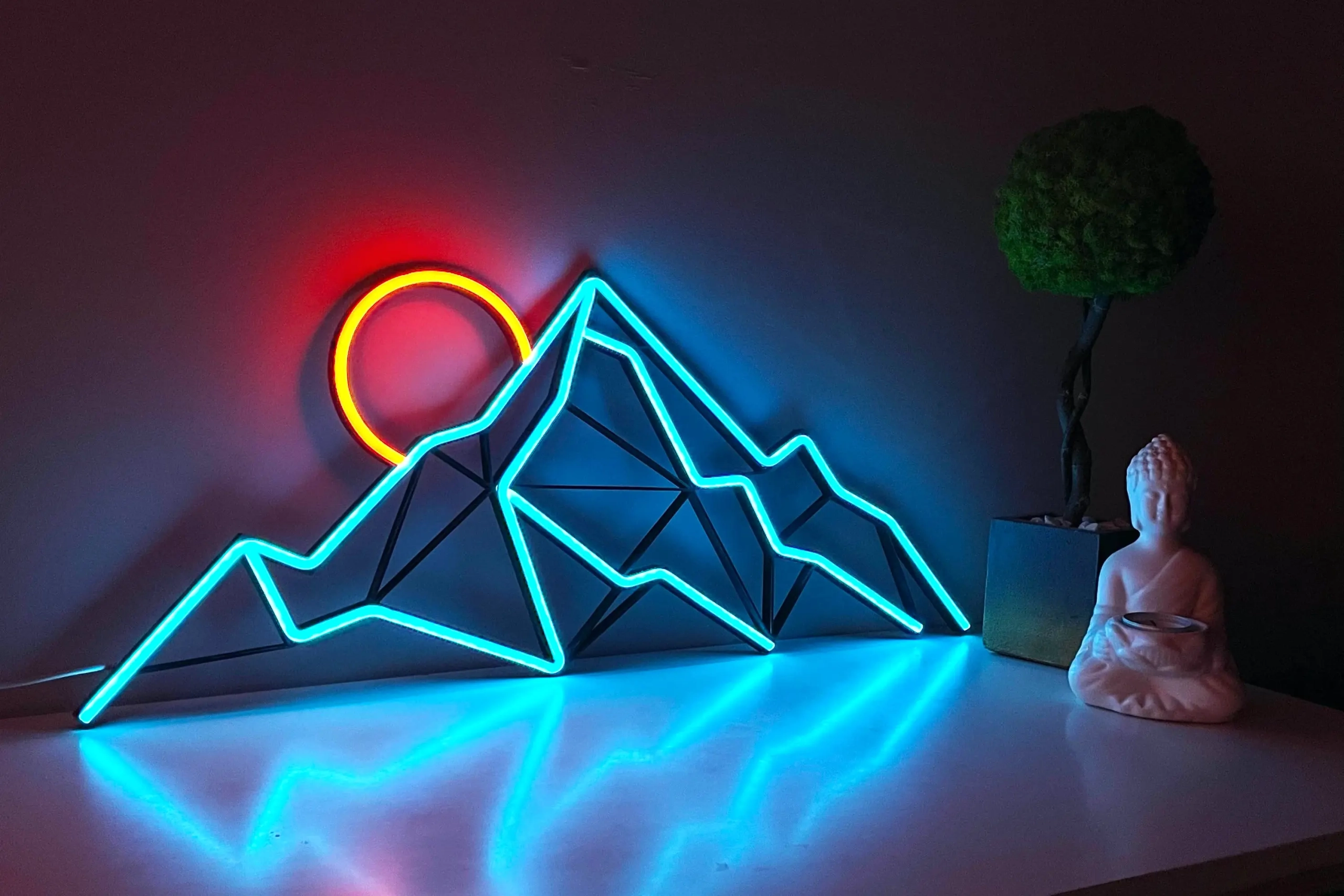
The decision between neon flex and LED strips frequently hinges on the specific requirements of the space in question. Neon Flex, with its signature glow and warm ambiance, excels in settings where mood and theme are paramount. Ideal for bars, thematic restaurants, and art installations, it adds a touch of drama and nostalgia.
LED strips, on the other hand, are incredibly versatile. They are perfect for both indoor and outdoor applications, from illuminating residential kitchens with under-cabinet lighting to enhancing commercial storefronts with eye-catching displays. Their flexibility extends to innovative uses, such as backlighting for mirrors, cove lighting in ceilings, or seamlessly integrating into modern furniture designs for a sleek, contemporary look.
The choice of lighting can significantly influence the overall design aesthetics of a space. Neon Flex, with its classic and artistic flair, can complement vintage or retro-themed interiors, adding a unique character. LED strips, due to their sleek design and various color options, can be tailored to fit any interior design scheme, from minimalist and modern to colorful and eclectic.
Indoor vs Outdoor Applications
When it comes to indoor versus outdoor applications, each lighting type presents unique advantages. Neon Flex’s stunning visual appeal makes it a popular choice for indoor environments where its delicate nature can be protected. However, its glass construction makes it vulnerable to outdoor elements.
LED strips, conversely, are engineered with weather-resistant properties, making them an excellent choice for outdoor settings. They can endure diverse weather conditions, from rain to extreme temperatures, making them ideal for landscape lighting, patio decoration, or outdoor signage that needs to withstand the rigors of the environment.
LED strips offer an excellent solution for outdoor lighting challenges. They can be used to light up walkways, enhance garden features, or provide ambient lighting for outdoor seating areas, adding both functionality and aesthetic appeal to the exterior spaces.
Commercial vs Residential Use
In commercial settings, lighting is a critical component of the overall brand experience. Neon Flex can serve as an impactful tool for businesses aiming to stand out with unique and eye-catching designs. It’s particularly effective in creating memorable storefronts or signage that attracts attention. In contrast, LED strips offer a more diverse range of applications in commercial settings. They can be used for general lighting, decorative accents, or functional task lighting in offices, retail spaces, or hospitality environments.
In residential spaces, LED strips provide a unique blend of functionality and style. They can be used for practical purposes like kitchen task lighting or bathroom vanity lighting, while also adding a decorative element to living rooms, bedrooms, or home theaters. Their ability to be dimmed and color-changed allows homeowners to adjust the ambiance to suit any occasion or mood.
In conclusion, both neon flex and LED strip lights offer distinct advantages and limitations, making them suitable for different applications and environments. Neon flex brings a classic aesthetic suitable for specific themes and indoor environments, while LED strips offer unmatched versatility and durability for both indoor and outdoor, commercial, and residential applications. The choice between the
two ultimately depends on the specific requirements of the space, the desired ambiance, and the practical considerations of installation and maintenance. With their distinct characteristics, neon flex and LED strips can cater to a wide array of lighting needs, ensuring that there is a suitable option for every setting, whether it’s a cozy home environment or a dynamic commercial space.
Cost Implications and Maintenance: A Detailed Analysis

When considering the initial investment, LED strips generally have a higher upfront cost compared to neon flex. This difference can be attributed to the advanced technology and materials used in LED strips. However, it’s essential to look beyond the initial purchase price.
Energy Costs
LED strips are significantly more energy-efficient than neon flex, often consuming up to 75% less energy. This efficiency translates into noticeably lower electricity bills, a crucial factor in long-term cost considerations. Additionally, the longevity of LED strips is another cost-saving aspect. With an average lifespan of 50,000 to 60,000 hours, compared to the 10,000 to 20,000 hours for neon flex, the frequency of replacement is greatly reduced, further diminishing long-term expenses.
For instance, if an LED strip consumes 10 watts per meter and is used for 10 hours a day, it would consume approximately 36.5 kWh annually. In contrast, a neon flex of the same length, consuming around 20 watts per meter, would use about 73 kWh. At an average electricity rate of $0.12 per kWh, the annual cost for the LED strip would be around $4.38, whereas the neon flex would cost about $8.76. Over five years, the cost difference becomes significant.
Maintenance Costs
Maintenance and durability are key factors impacting the total cost of ownership. Neon flex, with its glass tubing, is more prone to damage and may require careful handling and periodic maintenance. This can involve costs related to repair, replacement, and professional servicing, particularly in commercial environments where lighting is crucial to business operations and aesthetics.
In contrast, LED strips are built for resilience. Their solid-state construction makes them resistant to shock, vibration, and frequent switching, which are common in commercial and residential settings. The lack of fragile components in LED strips not only reduces the risk of damage but also diminishes the frequency and cost of maintenance and replacements.
Durability
To quantify, an LED strip may have a failure rate of less than 1% over its lifetime, whereas neon flex, due to its delicate nature, could experience a higher failure rate, potentially around 5-10%. This difference in durability directly affects maintenance costs, with LED strips requiring significantly less expenditure over their lifespan.
Overall Cost of Ownership
The overall cost of ownership of LED strips versus neon flex must be evaluated over the entire lifespan of the product. While LED strips might have a higher initial cost, their lower energy consumption and maintenance requirements lead to considerable savings over time. For a typical LED strip installation, the return on investment can be seen within 2-3 years through reduced energy bills and maintenance costs.
Consider a scenario where LED strips are used in a commercial setting, like a retail store. The initial investment might be higher, but the reduction in energy bills and maintenance costs can lead to savings of several hundred dollars annually. Over 5 years, the total cost of ownership for LED strips could be up to 30-40% less than that of neon flex, making LED strips a more cost-effective and financially viable option in the long run.
In summary, while neon flex has its unique aesthetic appeal, LED strips offer a more economical and sustainable solution for both short-term and long-term lighting needs. Their energy efficiency, durability, and low maintenance requirements make them an advantageous choice for consumers and businesses seeking to optimize their lighting investments.
Making the Right Choice
When it comes to selecting the right lighting for your space, the decision between neon flex and LED strips hinges on several key factors. Understanding these can guide you to a choice that not only meets your immediate needs but also aligns with your long-term objectives.
The below table provides a clear and concise summary of the key points discussed in the blog, aiding you in making an informed decision between LED strip lights and Neon Flex lighting based on your specific needs and preferences.
| Feature | LED Strip Lights | Neon Flex Lighting |
|---|---|---|
| Estetyczny wygląd | Modern, sleek appearance with customizable colors | Vintage, nostalgic glow with limited but distinct color options |
| Brightness & Luminance | High brightness, suitable for both task and ambient lighting | Softer, warm glow ideal for mood lighting |
| Efektywność energetyczna | Highly energy-efficient, leading to lower electricity bills | Less energy-efficient, higher power consumption |
| Installation & Flexibility | Easy to install, highly flexible, can be cut to size and shaped | Requires careful handling, less flexible due to glass construction |
| Durability & Maintenance | Highly durable, low maintenance requirements | Fragile, may require more frequent maintenance |
| Cost of Ownership | Higher initial cost but lower long-term expenses due to efficiency | Lower initial cost but higher long-term expenses (energy & maintenance) |
| Suitability for Spaces | Versatile for indoor and outdoor, residential and commercial use | Best suited for indoor or protected outdoor areas with thematic needs |
| Wpływ na środowisko | Eco-friendly with minimal heat output and no hazardous materials | Greater environmental impact due to materials and energy use |
| Color Control | Wide range of colors with control options (e.g., RGB models) | Limited color range based on the gas used and phosphor coating |
| Longevity | Long lifespan (50,000 to 60,000 hours) | Shorter lifespan (10,000 to 20,000 hours) |
Conclusion: Illuminating the Best Choice
In conclusion, the choice between neon flex and LED strips is not just about lighting a space; it’s about creating an experience. Neon flex lights, with their unique aesthetic and nostalgic charm, can transport you to a different era, making them perfect for thematic and retro-inspired spaces. On the other hand, LED strips offer unparalleled versatility, energy efficiency, and safety, making them a suitable choice for a wide range of applications, from functional task lighting to creative ambient setups.
As you weigh your options, consider not only the immediate visual impact but also the long-term implications such as cost, maintenance, and environmental impact. The right lighting choice can elevate your space, blending functionality with style, and contribute to a sustainable and cost-effective lighting solution. Whether you opt for the timeless allure of neon flex or the modern versatility of LED strips, your decision will light up your space in more ways than one.
As one of China’s leading manufacturers in this domain, Unitop stands at the forefront of providing high-quality Taśmy LED oraz Elastyczny neon LED solutions. We are dedicated to illuminating spaces with innovative and sustainable lighting options that cater to a wide range of preferences and requirements. If you have any further questions or specific lighting needs, don’t hesitate to skontaktuj się z nami immediately. Let Unitop’s expertise in LED technology guide you towards making an informed and inspired lighting choice for your space.

Tom jest obecnie kierownikiem sprzedaży w Unitop (China) Co., Limited. Był w Oświetlenie LED od 2005 roku. Jest ekspertem w dziedzinie sprzedaży i marketingu oraz zarządzania fabryką. Lubi kulturystykę, a także jest szalonym fanem Apple! Jest ciężko pracującym facetem i uwielbia uczyć się i próbować nowych rzeczy.
E-mail: tom@unitopledstrip.com WhatsApp: +86-18680307140



Dodaj komentarz
Chcesz się przyłączyć do dyskusji?Zapraszamy do udziału!