
Are you wondering about the potential to repurpose and reuse your LED strip lights? This comprehensive guide is crafted to reveal the sustainable and economical use of LED strip lights in various settings. We’ve got the answers you’re looking for!
LED strip lights are reusable, offering a practical solution for multiple applications. Their longevity depends on careful removal, secure storage, and proper reinstallation, highlighting their versatility and eco-friendliness in both residential and commercial settings.
Dive into the depths of this article to explore the critical factors that influence the reusability of LED strip lights. We cover everything from understanding the importance of adhesive quality to innovative ways of reusing them. Let’s light up your world with the endless possibilities of LED strip lights!
Understanding the Reusability of LED Strip Lights
The reusability of LED strip lights hinges on several crucial factors that are often overlooked in the initial excitement of their installation. These factors include the type of adhesive used, the inherent quality of the strip lights themselves, and the methods employed during their first installation.
Type of Adhesive: The adhesive backing on LED strip lights plays a pivotal role in their reusability. Some adhesives are designed for single use and lose their stickiness once removed, while others, particularly those of higher quality, can retain their adhesive qualities even after being detached. The trick lies in carefully selecting LED strips with a high-grade adhesive that can withstand multiple uses.
Quality of the Strip: The longevity and durability of the LED strip itself are equally important. Higher-quality LED strips not only offer better light output and efficiency but are also more resistant to wear and tear. This resilience is crucial for reusing the strips in different settings without compromising performance.
Installation Methods: How LED strips are installed initially can significantly affect their reusability. For instance, if the strips are stretched or bent excessively during the first installation, it might compromise their structural integrity, making them less suitable for future use.
By understanding these factors, one can assess the reusability of their LED strip lights and plan accordingly, ensuring both eco-friendliness and cost-effectiveness in their lighting choices.
Step-by-Step Guide to Safely Removing LED Strip Lights
When it comes to reusing LED strip lights, the removal process is just as important as the installation. Doing it right ensures the lights can be used again without causing damage to the surface they’re attached to. Let’s walk through the process:
Power Down for Safety: The first step is always to turn off the power. This is a non-negotiable safety measure to prevent any risk of electric shock. Unplug the lights from the power source or switch off the circuit breaker if they’re hardwired.
Gentle Heating to Loosen Adhesive: Next, use a hairdryer on a medium setting to gently warm the adhesive backing of the LED strip. This heat application is a crucial step as it softens the adhesive, making the strip easier to remove and reducing the risk of damaging the surface or the LED strip itself. Aim the hairdryer at one section of the strip at a time, and avoid overheating any single area.
Careful Lifting with the Right Tools:
1. Once the adhesive is warm and pliable, start lifting the strip from the surface.
2. Use a flat, non-metal tool like a credit card or a plastic scraper.
3. Gently slide it under the edge of the strip and lift slowly.
This method helps to avoid tearing the strip or leaving marks on the surface.
Cleaning Up Adhesive Residues: After you’ve successfully removed the LED strip, there might be some adhesive residue left on the surface. To clean this up, dab a soft cloth in a mild solvent, like isopropyl alcohol, and gently wipe the area. Be cautious with the solvent to avoid damage to the surface, especially if it’s painted or delicate.
Optimal Storage Techniques for Preserving LED Strip Lights
Storing LED strip lights is crucial to ensuring their longevity and functionality for future applications. Let’s delve deeper into the best practices for storing these versatile lighting solutions:
Coiling with Care: When it comes to twisting your LED strips for storage, think of it like handling a delicate ribbon. Start from one end and gently coil the strip in a loose loop, making sure there are no tight bends or kinks. This preserves the internal wiring and prevents any damage to the LEDs themselves, which could render them unusable.
Ideal Storage Conditions: The environment where you store your LED strips plays a significant role in their preservation. An excellent, dry place is perfect. Avoid areas like basements or attics that are prone to temperature fluctuations or humidity, as these conditions can deteriorate the electronic components and weaken the adhesive quality over time.
Guarding Against Sunlight: Just like how prolonged exposure to sunlight can damage our skin, UV rays can degrade the plastic components of LED strips. Storing them in a dark, temperature-controlled environment, such as a cupboard or a drawer, protects them from harmful UV rays and extends their lifespan.
Further Insights for LED Strip Light Enthusiasts
As an LED strip light user, you might have additional questions regarding their care and maintenance. Here are some extra tips and insights:
What If the LED Strip Gets Tangled During Storage?: If your LED strip tangles, gently unravel it without pulling or stretching. LED strips are flexible but can be damaged if mishandled.
Can LED Strips Be Stored With Other Electronics?: Yes, you can store LED strips alongside other electronics as long as they are kept in a cool, dry place. Just ensure they are not under any heavy objects that might crush the LEDs.
Is It Okay to Store LED Strips in Their Original Packaging?: Storing LED strips in their original packaging is ideal. The packaging is designed to protect the strips and usually provides the right conditions for storage.
Tips for Long-Term Storage: If you plan on not using your LED strips for an extended period, consider placing them in an anti-static bag or wrapping them in bubble wrap for added protection.
Preparing LED Strip Lights for Reuse
A few key steps should be followed:
Cleaning the Strips
Begin by gently cleaning the strips with a soft, dry cloth to remove any dust or debris. If there’s stubborn residue, lightly dampen the cloth with water or a mild cleaning solution. It’s important to avoid harsh chemicals, as they can damage the LED strip’s surface.
Inspecting for Damage
Carefully examine the strip for any signs of physical damage, such as broken LEDs, torn strips, or frayed wires. Damaged sections may need to be cut out, or, in some cases, the entire strip may need replacing.
Surface Preparation
The new surface where the LED strip will be installed should be clean, dry, and smooth. Any dirt or moisture can hinder the effectiveness of the latest adhesive and potentially damage the strip.
Applying New Adhesive
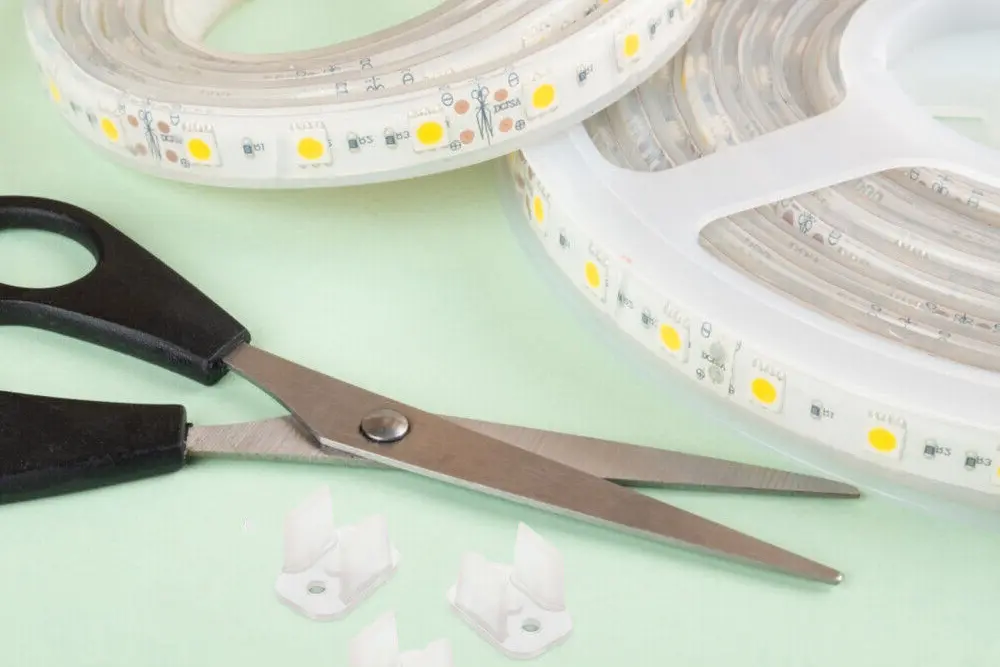
If the original adhesive has lost its stickiness, using a new layer is crucial. There are various options available, like double-sided tape or adhesive clips, that can securely hold the strip in place. It’s important to choose an adhesive that’s strong enough to support the strip but gentle enough not to leave residues if removal is needed in the future.
Innovative Ways to Reuse LED Strip Lights
LED strip lights are not just reusable; they’re a canvas for creativity and practicality in various settings. Let’s explore how these versatile lights can be repurposed to enhance different environments.
Accent Lighting for Home Decor
Transform your home into a visually appealing space with LED strip lights. Their flexibility allows for creative applications:
- Highlighting Art and Architecture: Use LED strips to draw attention to paintings, sculptures, or architectural elements in your home. The subtle glow can emphasize these features, adding depth and dimension to the space.
- Kitchen Under-Cabinet Lighting: Installing LED strips under cabinets can illuminate countertops, making kitchen tasks easier and adding a modern touch to your kitchen decor.
- Custom Shelves and Display Cases: Enhance your display shelves or cases with LED strips. They can make your collectibles, books, or decorative items stand out, especially in dimly lit rooms.
Outdoor Illumination
LED strip lights can be a game-changer for outdoor settings:
- Pathway Lighting: Line your garden paths or walkways with LED strips for a beautifully lit route that enhances safety and aesthetics.
- Patio and Deck Ambiance: Create a cozy and inviting outdoor area by installing LED strips under patio furniture, railings, or along the deck.
- Garden Feature Highlights: Use LED strips to accentuate garden features like fountains, sculptures, or flower beds, making them focal points even at night.
DIY Projects and Custom Creations
For those who love DIY projects, LED strip lights offer endless possibilities:
- Customized Furniture: Add LED strips to bookcases, headboards, or tables for a personalized touch and additional functionality.
- Theatrical Costumes and Props: Incorporate LED strips into costumes or props for theater, cosplay, or Halloween, adding an element of drama and visibility.
- Artistic Installations: Create your own wall art or ceiling installations with LED strips. Their ability to form patterns and designs can turn a plain wall into a stunning piece of art.
Mood Lighting for Different Rooms
Set the right tone in any room with strategically placed LED strips:
- Backlighting for Entertainment Areas: Install LED strips behind televisions or gaming setups for an immersive experience and reduced eye strain.
- Bedroom Ambiance: Place LED strips under beds or behind headboards for a soft, relaxing glow that can help wind down at night.
- Vanity Mirrors: Surround your vanity mirror with LED strips for evenly distributed light, perfect for grooming or makeup application.
Safety Considerations When Reusing LED Strip Lights
When it comes to reusing LED strip lights, prioritizing safety is paramount. The process isn’t just about reinstallation; it’s about ensuring that the lights are still safe to use. Let’s delve into the key safety considerations:
Electrical Safety Precautions
The first rule of thumb in handling any electrical device, including LED strip lights, is to ensure that it is entirely powered down. This step is crucial for preventing any electrical hazards such as shocks or shorts. Here’s what you need to do:
- Disconnect the Power: Before you begin any work with LED strip lights, whether it’s removal or installation, make sure they are disconnected from any power source. This means unplugging them from the outlet or turning off the circuit breaker if they’re hardwired.
- Handle Exposed Wires with Care: If you come across any exposed wires during the process, handle them with extreme caution. Ensure all connections are secure and properly insulated. Loose or exposed wiring can lead to short circuits, which can be dangerous.
Regular Inspection for Wear and Tear
LED strip lights, especially those used outdoors, are susceptible to wear and tear due to environmental factors:
- Check for Damage: Regularly inspect your LED strips for any visible damage. This includes checking for any broken LEDs, frayed wires, or cracks in the strip. Outdoor LED strips should be checked more frequently as they are exposed to harsher conditions.
- Outdoor Usage: If you’re reusing LED strips outdoors, make sure they are specifically rated for outdoor use. These strips are designed to withstand weather elements like rain and extreme temperatures.
Functionality Tests Before Final Installation
Testing the functionality of LED strips before their final installation is an essential step:
- Test for Operational Issues: Before you permanently install the LED strips in their new location, connect them to a power source to ensure they are fully operational. Look out for any flickering or uneven lighting. These issues could indicate a need for maintenance or repair.
- Look for Color Consistency: If you’re reusing LED strips for aesthetic purposes, such as mood lighting or decor, ensure that the colors are consistent and bright. Dimming or color change can occur over time and may affect the desired outcome.
FAQs on Reusing LED Strip Lights
Q: Can LED strip lights be cut and reconnected?
A: Absolutely! LED strip lights are designed to be cut at specific points, usually marked on the strip. After cutting, you can reconnect them using LED connectors or by soldering, ensuring the circuit is complete.
Q: What’s the best way to remove LED strip lights without damaging the wall?
A: The safest method involves heating the adhesive with a hairdryer to soften it and then gently lifting the strip with a tool like a plastic scraper or credit card. This minimizes wall damage and preserves the strip for future use.
Q: How long can I expect my LED strip lights to last?
A: High-quality LED strip lights typically have a lifespan ranging from 30,000 to 50,000 hours, depending on usage and environmental factors. This means they can last for several years with proper care.
Q: Is it safe to reuse LED strip lights?
A: Yes, reusing LED strip lights is safe as long as you check for any wear and tear, ensure all connections are secure, and test their functionality before reinstalling them.
Q: What should I do if my LED strip lights become less bright or change color over time?A
A: Dimming or color shifts in LED strips can be due to various reasons, including voltage fluctuations or aging of the LEDs. Replacing the affected section of the strip is often the best solution.
Q: Are there eco-friendly ways to reuse LED strip lights?
A: Definitely! Consider creative projects like mood lighting for rooms, accent lighting for art pieces, or even integrating them into DIY crafts. Reusing LED strip lights is not only eco-friendly but also adds a personalized touch to your space.
Q: How can I store LED strip lights when not in use?
A: Store them in a cool, dry place, coiled neatly without sharp bends. This prevents damage to the LEDs and ensures they remain in good condition for future use.
Q: What should I do if the adhesive on my LED strip lights wears off?
A: You can reapply a new double-sided adhesive tape or use alternative methods like mounting clips or adhesive hooks, depending on where you plan to reinstall the strips.
Q: Can LED strip lights be used outdoors?
A: Yes, but ensure that the LED strips are rated for outdoor use. These are typically weather-resistant and designed to withstand external environmental elements.
Q: How do I safely cut LED strip lights to the length I need?
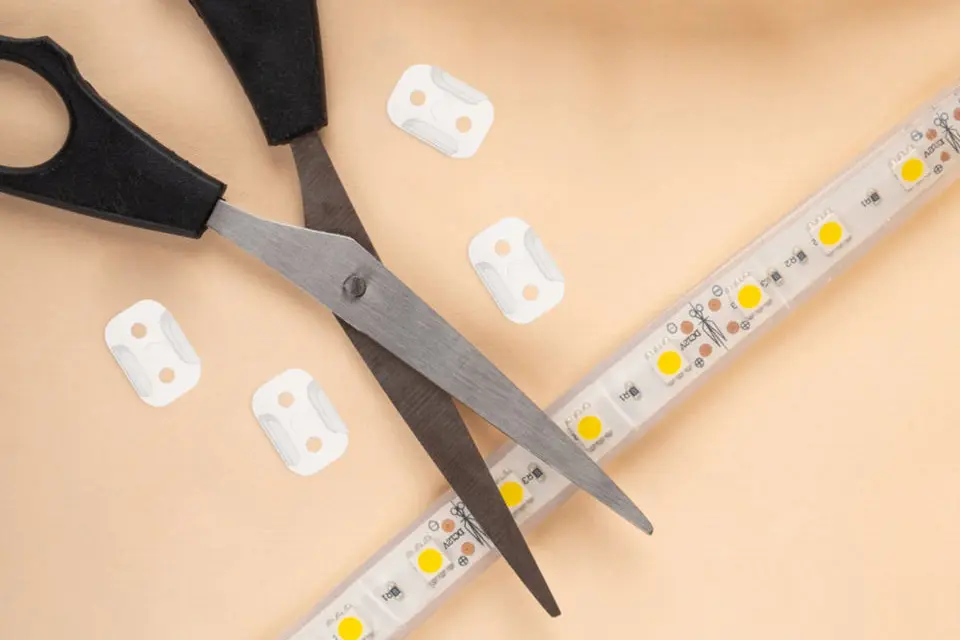
A: Always cut along the marked lines on the strip lights, usually found after every three LEDs. Use a sharp pair of scissors for a clean cut, ensuring you don’t damage the circuitry.
Q: Can you cut led strip lights?
Yes, you can cut LED strip lights at specific points marked by a line and scissors icon. Ensure you cut only along these designated cut lines to avoid damaging the strip.
In conclusion, LED strip lights stand as a testament to both versatility and sustainability in modern lighting solutions. Their ability to be reused not only speaks to their durability but also aligns perfectly with eco-friendly practices. Whether it’s for aesthetic home decor, outdoor illumination, or innovative DIY projects, these lights offer a spectrum of possibilities. As we’ve explored the various aspects of reusing LED strip lights, it’s clear that with the proper care and knowledge, these lighting solutions can serve you well over the years, illuminating spaces with both beauty and efficiency.
If you’re seeking high-quality Taśmy LED lub Elastyczny neon LED, look no further than Unitop, one of China’s leading manufacturers in the LED industry. With a commitment to excellence and innovation, Unitop offers a range of products that embody reliability and cutting-edge technology. For any further questions, custom requirements, or expert advice, don’t hesitate to Kontakt z Unitop. Embrace the bright future of lighting with Unitop, where quality meets expertise in the dynamic world of LED technology.
Powiązane posty

Tom jest obecnie kierownikiem sprzedaży w Unitop (China) Co., Limited. Był w Oświetlenie LED od 2005 roku. Jest ekspertem w dziedzinie sprzedaży i marketingu oraz zarządzania fabryką. Lubi kulturystykę, a także jest szalonym fanem Apple! Jest ciężko pracującym facetem i uwielbia uczyć się i próbować nowych rzeczy.
E-mail: tom@unitopledstrip.com WhatsApp: +86-18680307140



Dodaj komentarz
Chcesz się przyłączyć do dyskusji?Zapraszamy do udziału!