
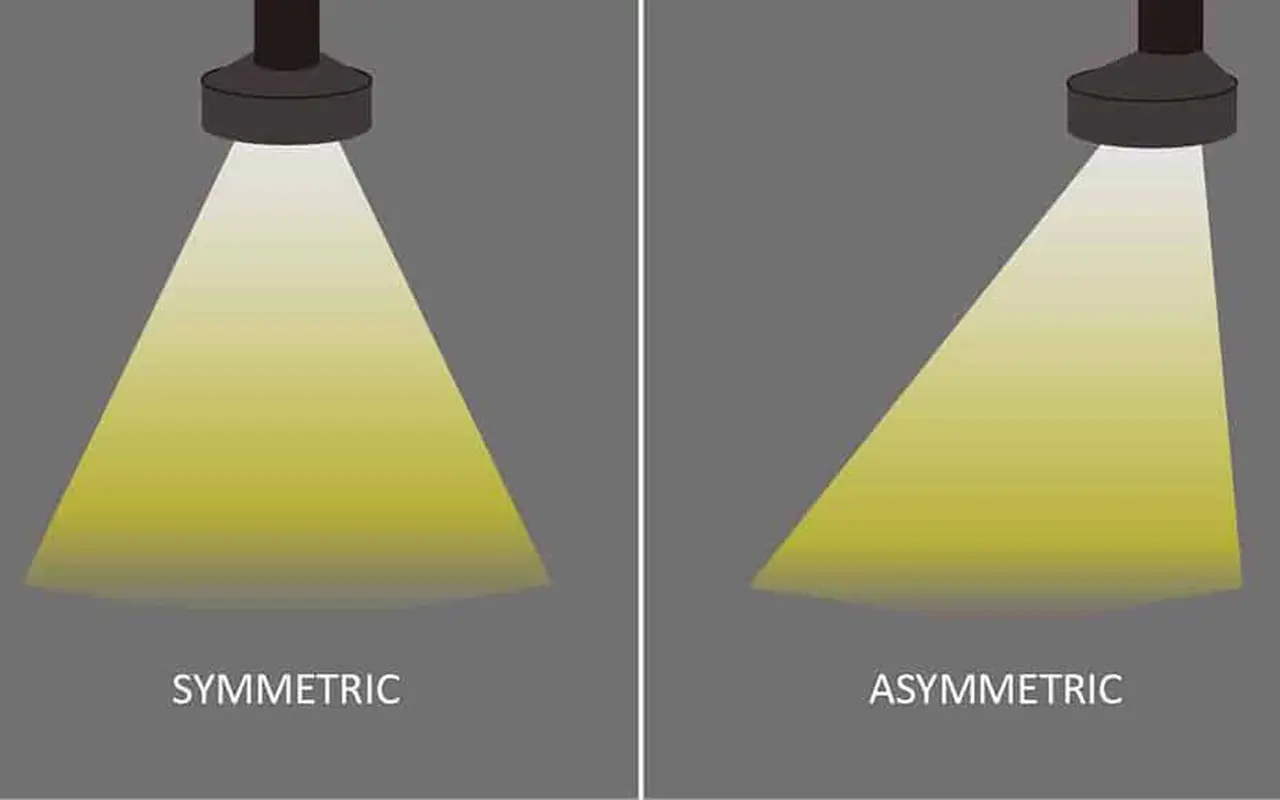
When talking about lighting, many people focus on practicality—turning on a switch to get rid of darkness. However, that barely scratches the surface. When choosing between asymmetric and symmetric lighting, it’s not just about what you prefer. It also impacts how comfortable you feel, how it looks, and how much energy it uses. Lighting affects the atmosphere and productivity of a room in many ways.
This guide will examine different lighting techniques, including asymmetric and symmetric ones. We will discuss their advantages, disadvantages, and when to use them. Brace yourself for an enlightening journey that goes beyond mere lumens and watts.
The ABCs of Asymmetric and Symmetric Lighting
What is Asymmetric Lighting?
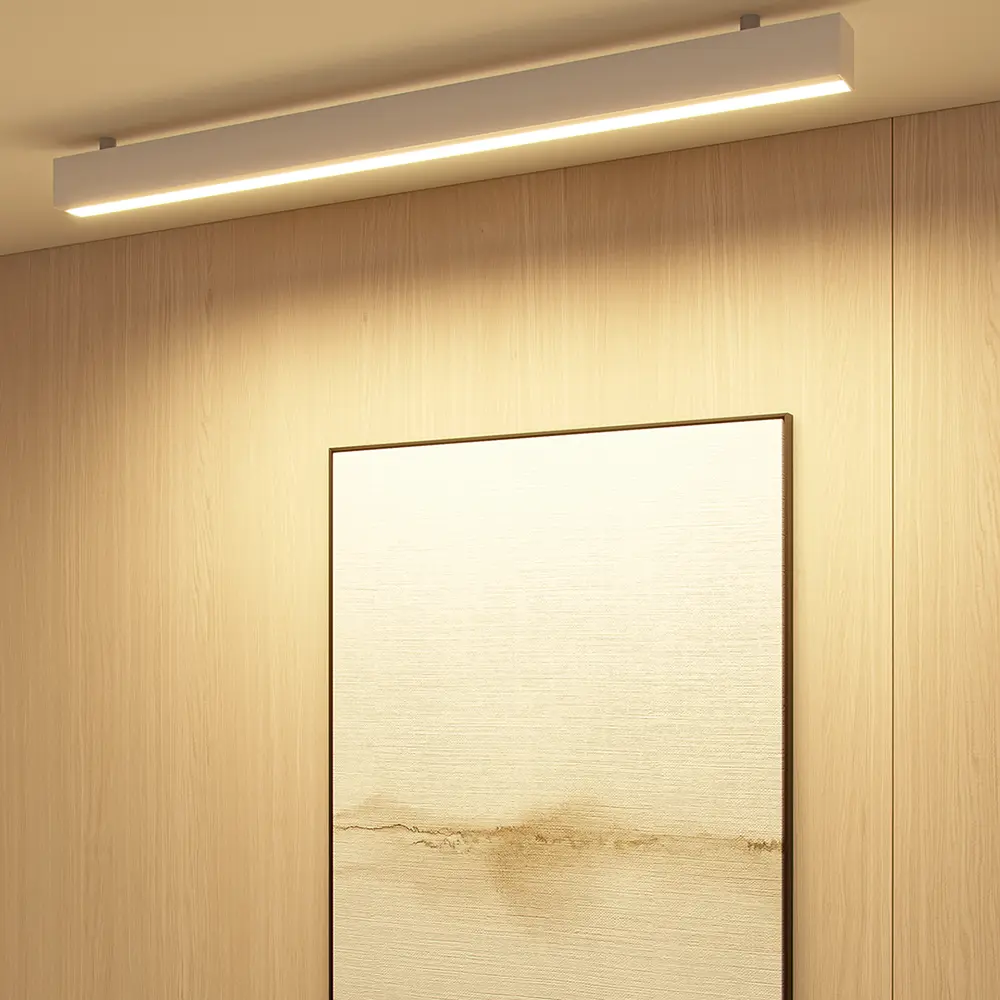
Asymmetric lighting is more than a trendy term for interior designers – it has a clear purpose. Conventional lighting fills a room with even light. Asymmetric lighting is more focused. By focusing light in one direction, it highlights specific elements in a space. This method is used in various locations, such as art galleries, theaters, and workstations for precise tasks.
Voor- en nadelen
Voordelen: One of the significant advantages of asymmetric lighting is its energy efficiency. By concentrating light where it’s needed most, you use less electricity. It is great for tasks that need close attention because it gives focused lighting. This technique also helps save light, using less energy and looking better.
Nadelen: However, it’s not all sunshine and rainbows. Asymmetric lighting has its limitations. If the light isn’t managed well, it can create glare and only cover a small area. This might mean you need more lights.
Deep Dive: Asymmetric Lighting in Detail
Techniques for Effective Use
Art galleries can use asymmetric lighting to illuminate artworks without casting shadows. Wall-washers are used for this purpose. In theater, spotlights can focus on actors or areas to grab the audience’s attention and enhance storytelling.
Common Pitfalls and How to Avoid Them
Asymmetric lighting often creates a problem called a ‘hotspot.’ This is when the light is too bright in one area, which can be uncomfortable to look at and unattractive. Using diffusers or choosing fixtures with anti-glare features can mitigate this.
What is Symmetric Lighting?
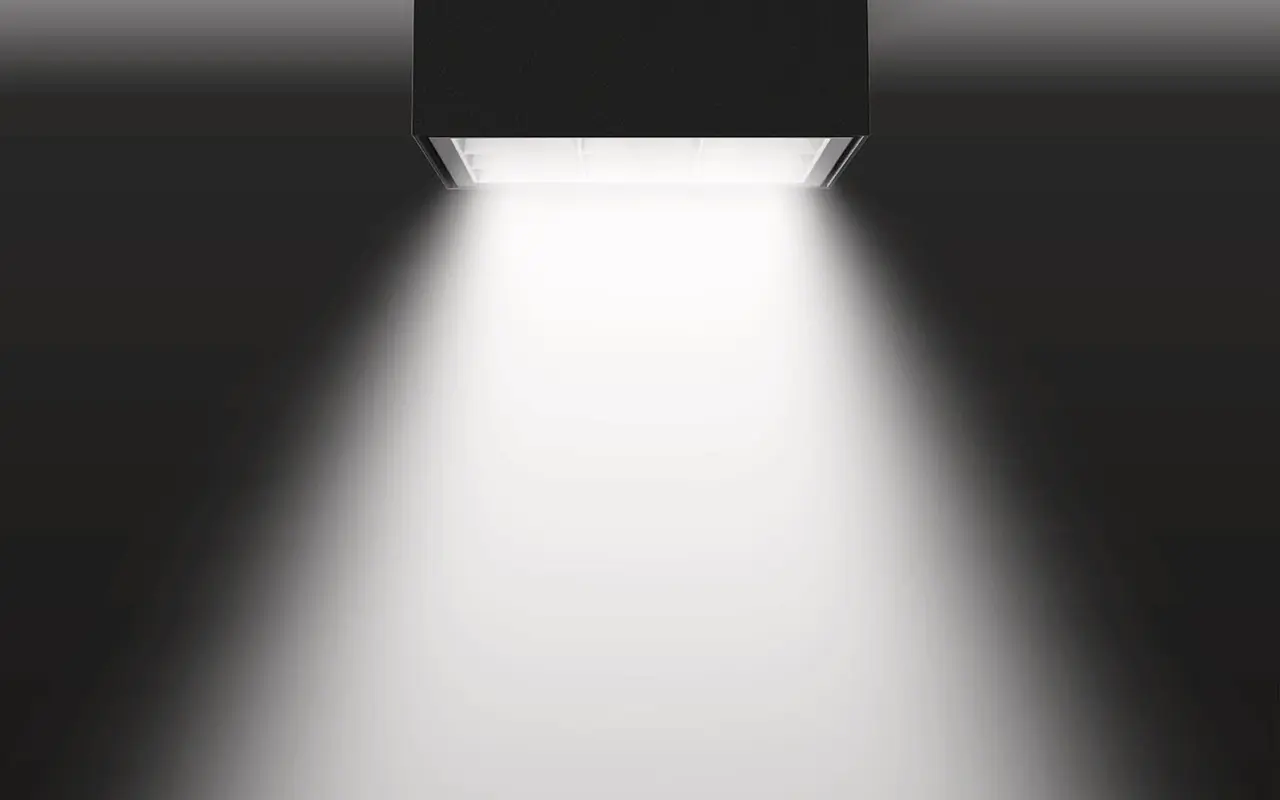
Most people are familiar with symmetric lighting. It spreads light evenly in a space. While it may lack the dramatic flair of its asymmetric counterpart, it’s a staple in environments that require consistent visibility. Imagine places such as offices, warehouses, and stores that prioritize function over appearance.
Voor- en nadelen
Voordelen: The benefits of symmetric lighting lie in its even distribution, making it a versatile option suitable for many scenarios. It eliminates the problem of ‘dark spots’—areas left under-illuminated by uneven lighting.
Nadelen: On the flip side, its uniform approach can consume more energy, especially if overdone. Also, it tends to be less dynamic, often giving spaces a more monotonous or sterile feel.
Deep Dive: Symmetric Lighting in Detail
Techniques for Effective Use
In offices, fluorescent or LED panels can evenly spread light to reduce glare and shadows. You can add task lights to each workstation to provide focused illumination when needed.
Common Pitfalls and How to Avoid Them
A common error is over-illumination. Sometimes, symmetric lighting can flood a space with too much light. This can create a sterile and uncomfortable atmosphere. To avoid this, you can add dimmers to control brightness or use customizable smart lights.
Historical Evolution of Lighting Techniques
Origins and Evolution of Asymmetric Lighting
Asymmetric lighting has a long history that goes beyond current design trends. Initially, this method of illumination found its footing in theatrical performances. The technique created shadows and highlights in scenes, adding depth and emotion. This specialized approach took only a short time to cross over into other domains. Today, we use asymmetric lighting in many places like stages, museums, and labs. It helps enhance and highlight various objects.
Origins and Evolution of Symmetric Lighting
Unlike its more dramatic sibling, symmetric lighting started its journey in industrial settings. Factories and warehouses need bright lighting for safety and productivity. Over time, symmetric lighting became more advanced and philosophical, rather than just functional. The tool is used in many different places, like homes and stadiums, for different purposes.
The Crucial Differences
Key Differentiators Between Asymmetric and Symmetric Lighting
To make a good choice, you need to know the differences between asymmetric and symmetric lighting. Technique: At its core, asymmetric lighting is directional. It aims to spotlight or accentuate specific elements within a space. On the other hand, symmetric lighting is designed for even, wall-to-wall illumination. Asymmetric lighting is commonly used to create a focused, mood-enhancing environment. Symmetric lighting is important for places that need good visibility and safety. It provides even coverage.
Practical Examples for Clarity
To make it more relatable, think of a photography studio. Asymmetric lighting can shape a portrait, emphasizing certain features and softening others. In contrast, the backdrop would be lit with symmetric lighting to minimize shadows. You can choose either to focus on the subject or to give equal attention to everything.
Which One is Better?
The debate about lighting depends on what you need: asymmetric or symmetric. For your project, use asymmetric lighting to highlight specific parts or details. On the other hand, if you want to see every detail, use symmetric lighting. Therefore, neither is universally better; the best choice is context-dependent.
Advantages and Disadvantages: The Pros and Cons
Advantages of Asymmetric Lighting
Focused Lighting: Enables Precision Tasks
Asymmetric lighting has a key benefit: it can create strong, focused beams of light. This feature is very important in places that require accuracy, such as surgery rooms or art studios. Professionals can achieve tasks more accurately by focusing light in the right places.
Cost-Efficiency: Lower Energy Consumption
Another standout feature of asymmetric lighting is its cost-efficiency. You limit wasted energy by directing light beams specifically where they’re needed. Over time, this saves a lot of money, especially in places that need good lighting.
Limited Light Wastage: Directs Light Only Where Needed
In addition to its cost-saving potential, asymmetric lighting is environmentally friendly. This material reduces light scattering and is ideal for eco-friendly design projects.
Disadvantages of Asymmetric Lighting
Limitations and Drawbacks: Risk of Glare and Hotspots
While asymmetric lighting is versatile, it has its drawbacks. The focused beams can produce glare if not properly diffused or positioned. In addition, there is a danger of creating bright spots with too much light in certain places. These spots can be distracting or even dangerous.
Advantages of Symmetric Lighting
Even Light Distribution: No ‘Dark Spots’
Symmetric lighting shines when it comes to providing evenly distributed light. It is important to have good lighting in big places like supermarkets and libraries. We need to make sure there are no dark areas so that customers feel safe and satisfied.
Supports Various Visual Activities: Good for Multitasking Environments
The consistent light distribution makes symmetric lighting a solid choice for multitasking environments. In shared workspaces or busy kitchens, having consistent lighting helps people multitask efficiently.
Disadvantages of Symmetric Lighting
Limitations and Drawbacks: Can Be Energy-Intensive if Not Managed Well
The major drawback of symmetric lighting is its potential for higher energy consumption. To maintain consistent light levels, we need more fixtures and more energy.
Practical Applications: Where to Use What
Asymmetric Lighting in Different Scenarios
Workstations: For Detailed Tasks
In a professional setting, your workstation is your cockpit. A finely calibrated system of asymmetric lighting can aid in tasks that require sharp focus, from drafting blueprints to intricate crafting.
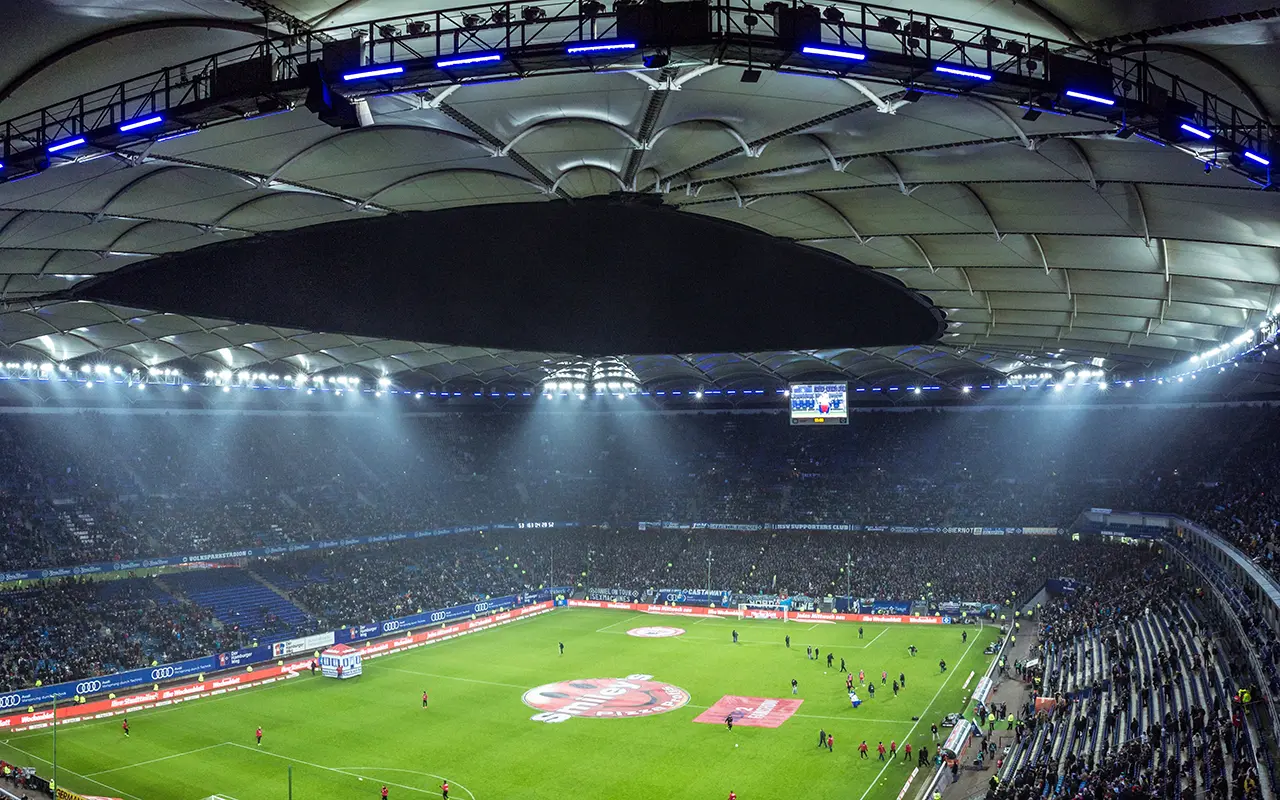
Stadiums: To Highlight the Field or Stage
Sports arenas and performance stages often utilize asymmetric lighting to focus attention where it matters most—the players, the action, the drama. It draws the audience’s eye to the spectacle, enhancing the overall experience.
Theatres: For Dramatic Effect
Asymmetric lighting is the unsung hero in theatres. Directors can use it to set a mood or highlight a character or object, enhancing the story.
Symmetric Lighting in Different Scenarios
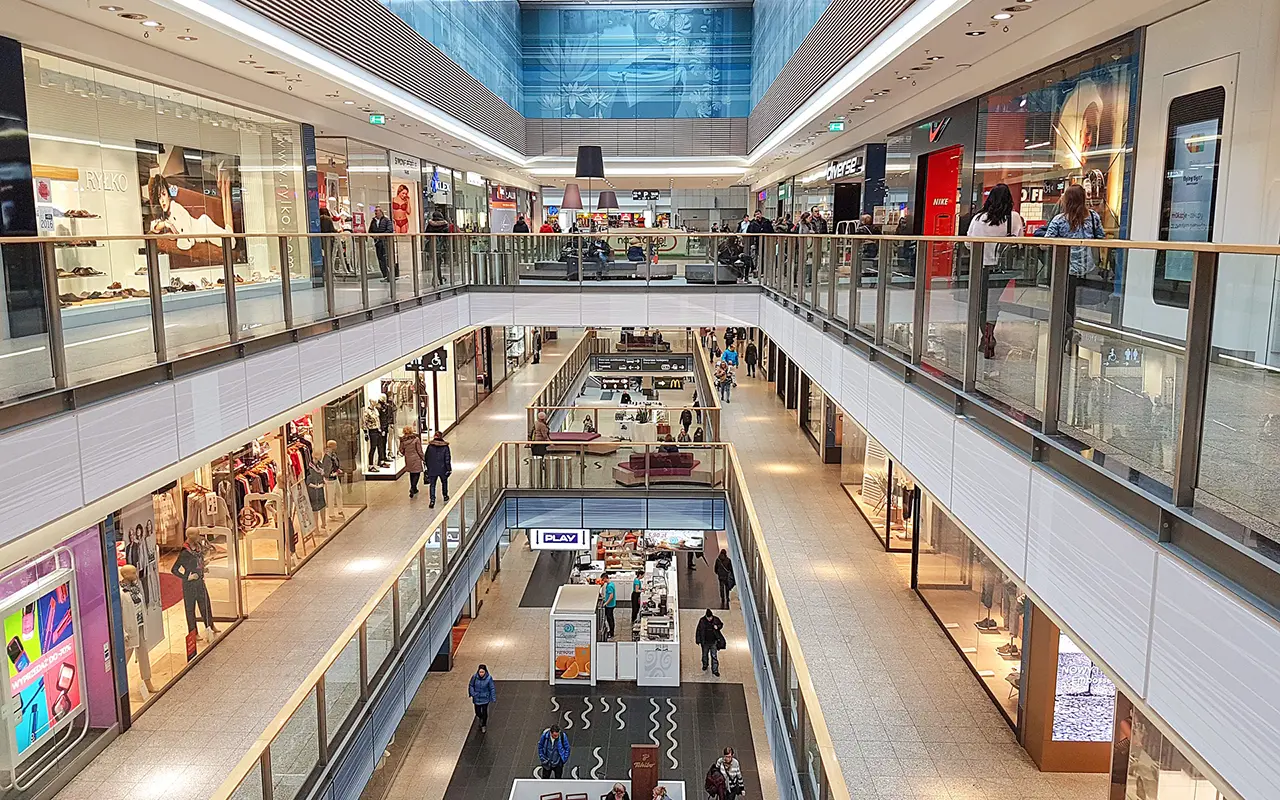
Large Open Spaces: For Uniform Visibility
Symmetric lighting at airports and malls helps people move around easily by providing even visibility.
Storage Facilities: To Find Items Easily
Symmetric systems provide consistent lighting. This is helpful in storage facilities or warehouses. Uniform light distribution ensures that items are easily located, optimizing inventory management.
Indoor Lighting: General Home Use
Many homes use symmetric lighting in living rooms and kitchens to create a balanced look. The light is even and helps with different tasks, making the room feel cozy and flexible.
Technical Aspects to Consider
Types of Fixtures and Equipment
Asymmetric: Spotlights, Wall-Washers
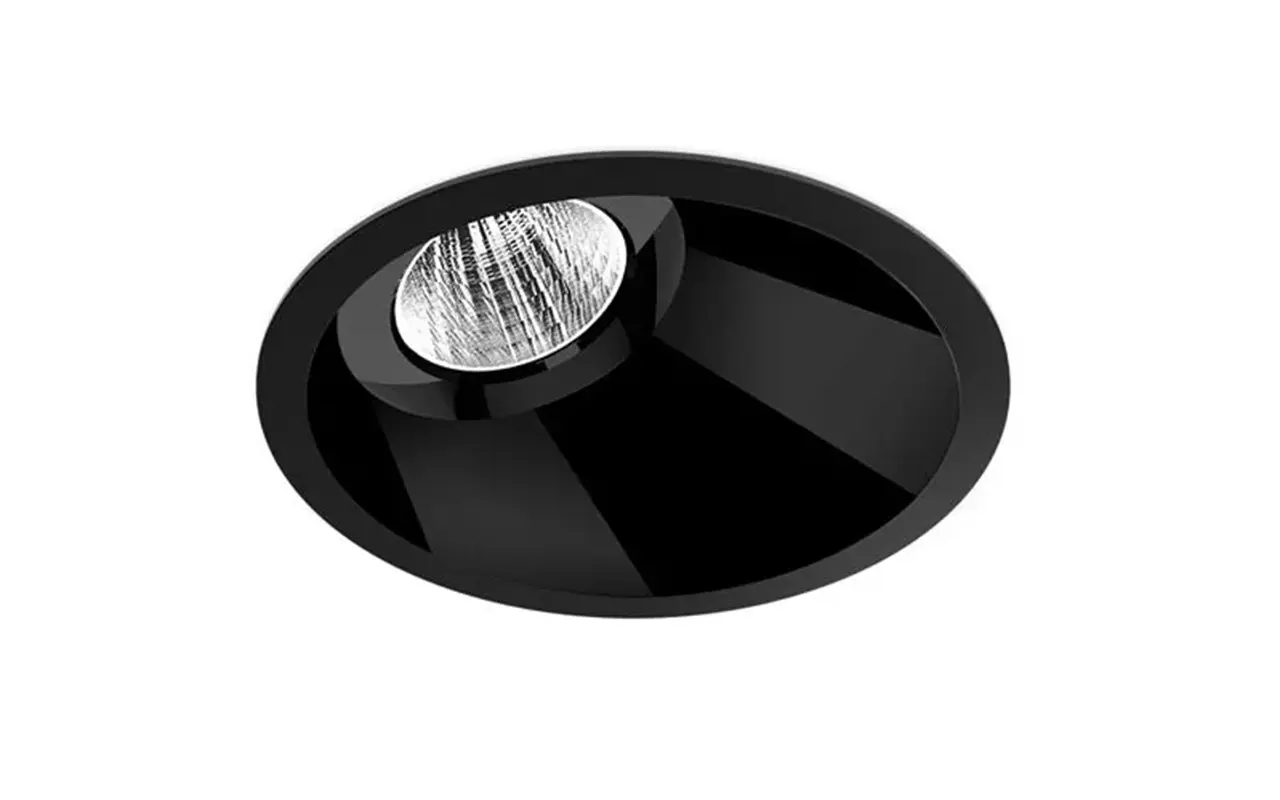
Regarding asymmetric lighting, the go-to fixtures are spotlights and wall-washers. Spotlights are perfect for places that need specific, concentrated light. They work well for showing off art in galleries. Wall washers are lights used in architecture to add color and texture to large walls.
Symmetric: Overhead Panels, Floor Lamps
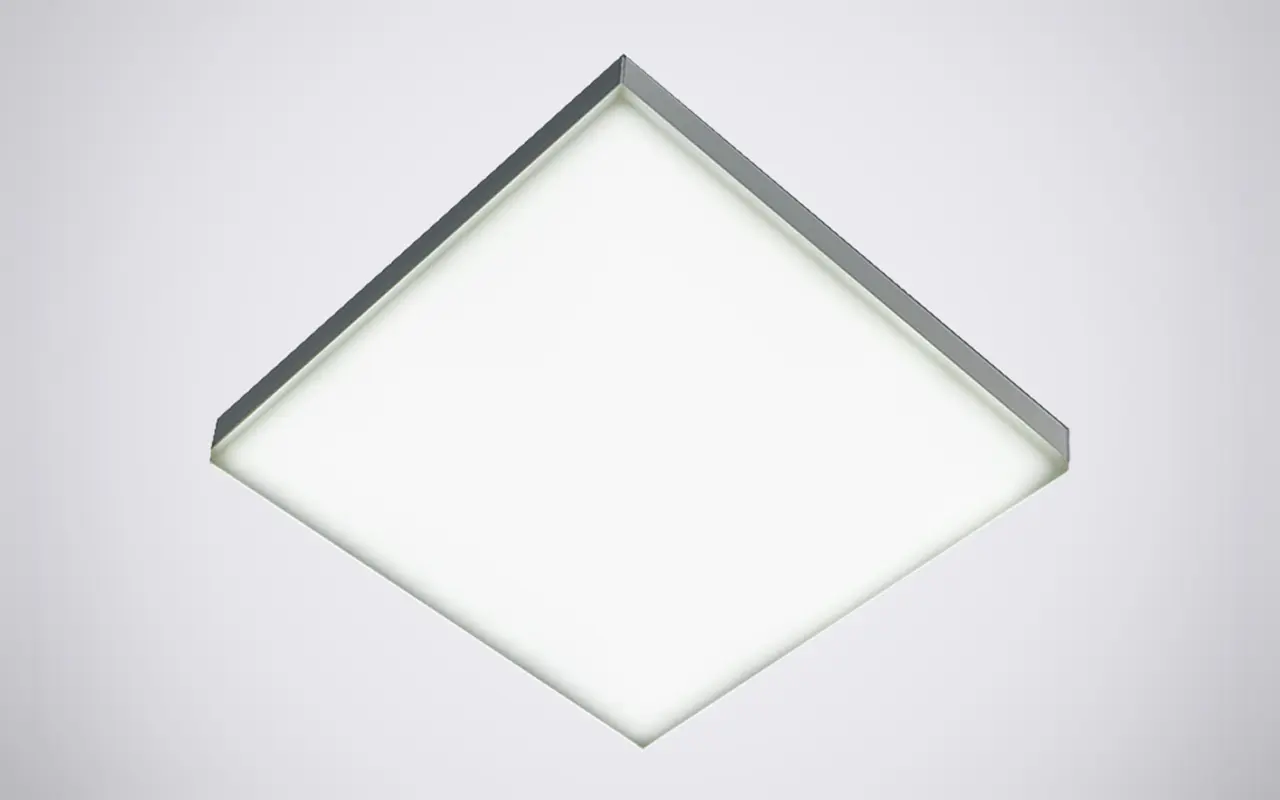
You’ll often need to work with ceiling lights and floor lamps for balanced lighting. Overhead panels are used in offices and commercial places to distribute light evenly. Floor lamps are great for homes because they give balanced light for everyday activities.
Energy Efficiency and Long-Term Costs
LEDs: The Gold Standard for Efficiency
While the type of fixture plays a role, the kind of bulb you use is equally critical for energy efficiency. LED lights are a great choice for both symmetric and asymmetric lighting options. These use less power and last longer, saving you money in the long run.
How to Identify Asymmetric and Symmetric Lighting?
Direction of Light Flow
Asymmetric: Directional, Toward a Target
Recognizing asymmetric lighting is straightforward: the light flows in a specific direction, targeting an area or object. Imagine entering a room and seeing some areas or objects brightly lit while others are in shadow. That’s a clear sign of asymmetric lighting at play in that case.
Symmetric: Even, Spread Across the Area
Symmetric lighting is recognized by its uniform spread of light throughout an area. Suppose you find that a room is uniformly lit, allowing for easy navigation and versatile use. In that case, you’re likely experiencing the benefits of symmetric lighting.
Beam Angles and Light Glaring
Asymmetric: Narrow Beam Angles
In asymmetric lighting, the beam angles are usually narrow and focused. This helps to effectively illuminate specific points. This makes it easier to control the light’s direction. However, it also increases the risk of glare if not appropriately managed.
Symmetric: Wide Beam Angles
In the realm of symmetric lighting, wide beam angles are the norm. These broader angles help to distribute light more evenly throughout the space. To avoid high energy costs and discomfort, it’s important to plan lighting carefully.
FAQs: Clearing Common Confusions
What’s a Real-World Instance of Asymmetrical Lighting?
Art galleries use asymmetrical lighting to highlight artwork without shadows or glare.
How Do Asymmetric Flood Lights Function?
Asymmetric floodlights direct light to a specific area, such as a stage or playing field, to avoid wasting light on surrounding areas.
Is Symmetric Lighting Suitable for Outdoor Settings?
In public spaces and parks, symmetric lighting is used to make it safe and look nice.
Can I Integrate Both Asymmetrical and Symmetrical Lights in a Single Area?
In a kitchen, designers often combine different types of lighting for both practical and visual purposes.
Do Recessed Lights Have to Align Perfectly?
Not necessarily. You can use recessed lights in a symmetrical or asymmetrical way for different styles or emphasis.
Spotlights: Asymmetric or Symmetric?
Spotlights are generally asymmetric, designed to focus light on a particular object or area.
What Does ‘Asymmetric Beam Angle’ Mean?
When a beam angle is asymmetric, the light doesn’t spread evenly. Instead, it focuses on one direction to highlight specific objects or areas.
Is Symmetric Lighting Detrimental to Eye Health?
Symmetric lighting is not harmful. Bright lights without diffusers can strain the eyes and cause glare.
How Should Bedroom Lighting Be—Asymmetrical or Symmetrical?
It’s subjective, but bedrooms often benefit from a mix. Asymmetrical for reading lights, symmetrical for general ambiance.
Is a Light Bulb Symmetrical?
Yes, a traditional incandescent light bulb is symmetrical in shape, with a spherical bulb and a centered filament, creating a uniform appearance from all angles. However, the symmetry can vary with different types of bulbs, such as CFLs or LEDs, which might have more complex, non-symmetrical shapes due to their design and heat dissipation requirements.
The Role of Symmetric LED Diffusers?
Symmetric LED diffusers are components used in lighting fixtures to evenly distribute light emitted from LEDs, minimizing glare and softening the light output. These diffusers are designed to spread light symmetrically around the fixture, ensuring a uniform light distribution across an area. They are crucial in applications where a consistent and soft light is needed, such as in residential lighting, office spaces, and commercial areas. Symmetric LED diffusers can be made from various materials, including frosted glass, polycarbonate, or acrylic, and are often incorporated into the design of LED panels, ceiling lights, and other lighting fixtures to enhance visual comfort and the overall aesthetic appeal of the lighting solution.
What is a Symmetric LED Hiding Film?
A symmetric LED hiding film is a diffusive material used to conceal LED sources in lighting fixtures while providing uniform light distribution. This film is designed to evenly diffuse light from LEDs, reducing glare and hotspots, thus creating a more aesthetically pleasing and comfortable lighting environment. It’s often used in applications where the direct visibility of LED points is undesirable, such as in architectural lighting, under-cabinet lighting, or decorative fixtures. The symmetric aspect refers to the uniform diffusion pattern that doesn’t favor any direction, ensuring a consistent appearance across the illuminated surface.
Conclusion: Illuminating Final Thoughts
Choosing between asymmetric and symmetric lighting is a challenging decision. It impacts your space’s functionality, aesthetics, and even energy bills. Pick the type that best serves your needs and account for potential drawbacks. Happy lighting!
Deciding on the right lighting style, whether it’s asymmetric or symmetric, is crucial. It affects how well it works and how much it costs. If you’re still unsure which lighting system suits your needs, why not consult the experts? Unitop, one of China’s leading LED-strip verlichting en LED neon flex manufacturers, is here to guide you. Contacteer ons for tailored solutions that illuminate your space and brighten your world.

Tom is nu de Sales Manager van Unitop (China) Co.. Hij is in de LED Verlichting industrie sinds 2005. Hij is een expert in verkoop & marketing, en fabrieksmanagement. Hij houdt van bodybuilding, en hij is ook een gekke Apple-fan! Hij is een hardwerkende man en houdt ervan te leren en nieuwe dingen te proberen.
Email: tom@unitopledstrip.com WhatsApp: +86-18680307140




Leave a Reply
Wil je meedoen aan de discussie?Voel je vrij om bij te dragen!