
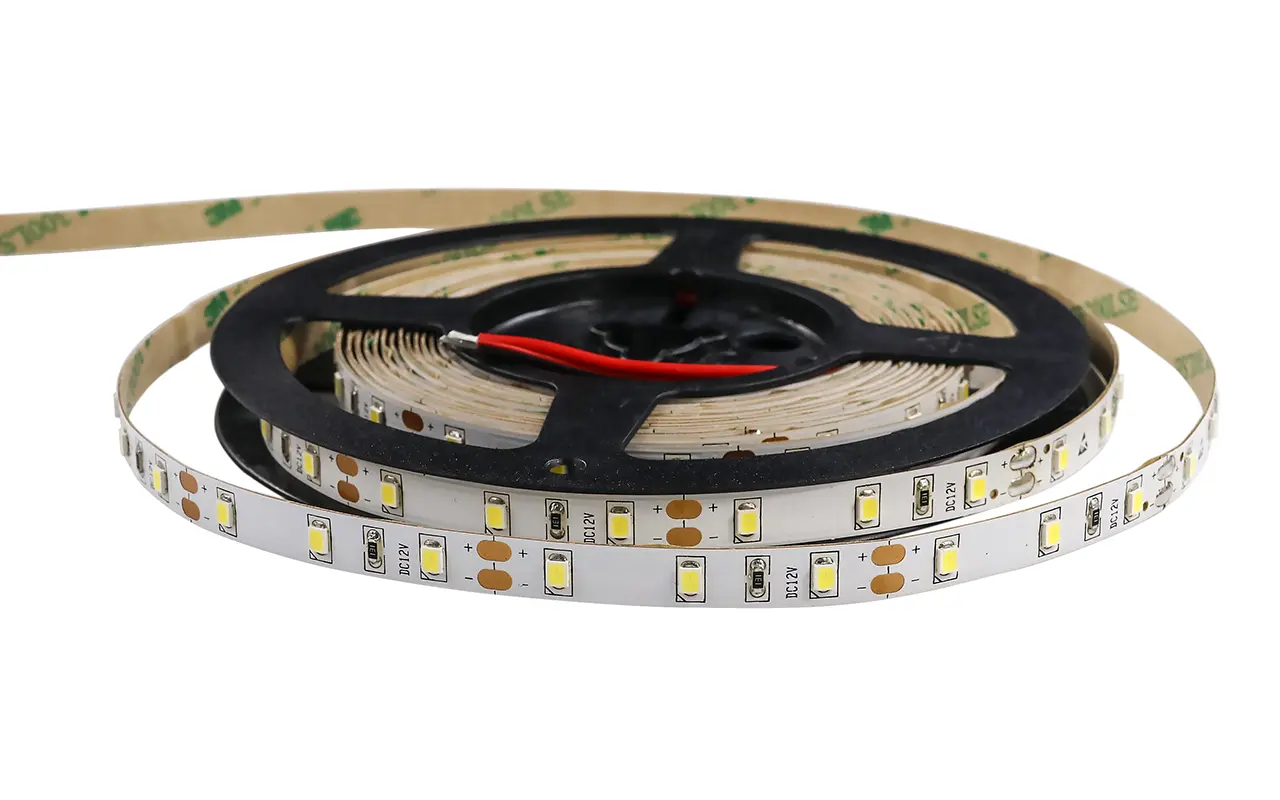
In the quest for the perfect LED strip for your next project, you may find yourself at a junction: should you go for a 5V or a 12V LED strip? This decision, critical to the outcome of your lighting endeavor, demands a thorough understanding and careful consideration of each option’s capabilities and applications. The showdown between 5V and 12V LED strips is more than just a battle of numbers; it’s about finding the right fit for your specific needs and ensuring your space shines in its best light.
Enter Tom, a beacon in the LED industry since 2005, whose expertise has illuminated the way for both homeowners and businesses. His journey through the ever-changing LED landscape equips him with invaluable insights into the nuances of LED technology. This blog post, crafted from Tom’s extensive knowledge and experience, aims to shed light on the critical differences between 5V and 12V LED strips, guiding you toward an informed decision that aligns with your project’s goals.
Embark on a journey of discovery with us as we delve into the essence of 5V vs. 12V LED strips. With a detailed examination of their strengths, weaknesses, and optimal use cases, this guide stands as your lighthouse amidst the vast sea of LED lighting options. If the prospect of navigating through these choices has you eager for clarity, let’s dive right in! Tom is ready to lead the way, ensuring your lighting project not only meets but exceeds expectations. Let’s get started right away and unveil the victor in the showdown of LED strips!
Unveiling LED Strip Technology
Decoding LED Strips: Basics Uncovered
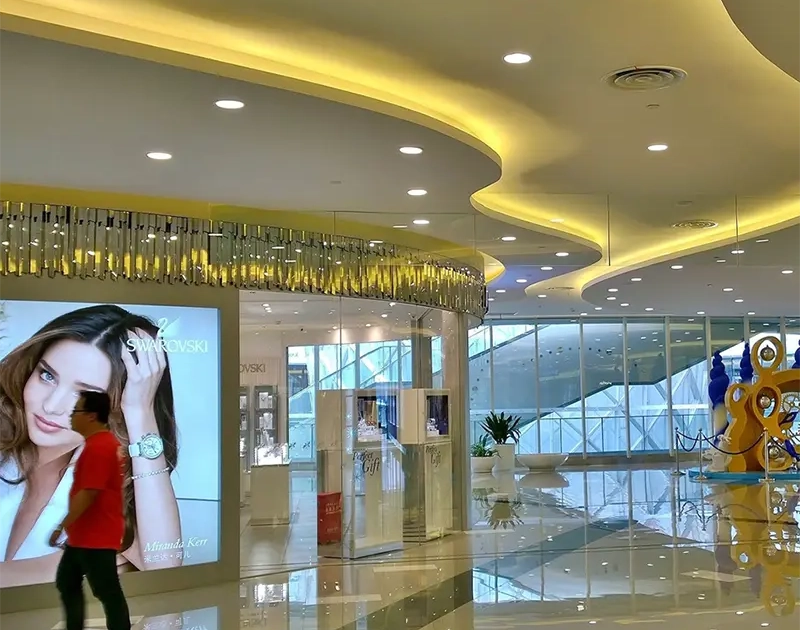
LED strips have revolutionized the way we think about lighting, offering unparalleled flexibility and ease of installation. Whether you’re looking to enhance the ambiance of your kitchen with under-cabinet lighting or add a vibrant touch to your living room, LED strips offer a dynamic solution. These versatile lights, composed of compact yet potent LED modules, provide consistent, energy-efficient illumination, making them a stylish and practical choice for lighting projects of all scales.
Voltage in LED Strips: A Critical Factor
Venturing into LED strip lighting requires a fundamental understanding of voltage as a pivotal aspect of your project. The choice between 5V and 12V LED strips influences not just the physical reach of your lighting but also its performance and energy consumption. Selecting the correct voltage is essential for achieving the desired illumination effect, balancing the brightness, efficiency, and suitability for your specific needs.
The 5V LED Strip Explored
Understanding 5V LED Strips
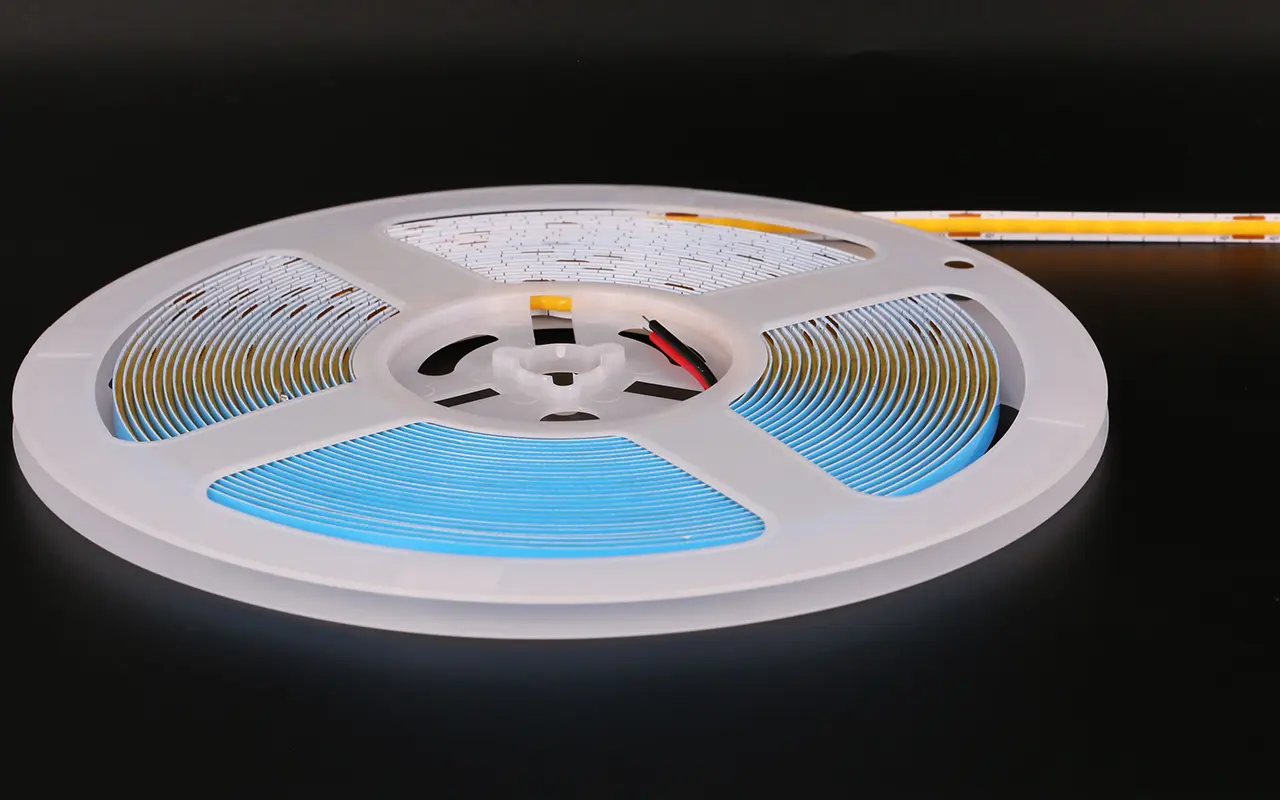
In the intricate world of LED lighting, 5V LED strips are akin to the fine brushstrokes that complete a masterpiece. They are particularly celebrated for their ability to illuminate with precision and clarity, all while maintaining an admirable efficiency in power consumption. This efficiency does not come without its hurdles; the specter of voltage drop looms large, potentially dimming the vibrancy of the strip towards its end. This challenge necessitates meticulous planning and strategic placement to ensure the light remains consistent from start to finish, a crucial consideration for designers and DIY enthusiasts aiming for perfection in their lighting projects.
Optimizing 5V LED Strip Usage
The true beauty of 5V LED strips lies in their versatility and the creative freedom they offer. They are not just components in a lighting project but tools for artistic expression, enabling creators to illuminate the subtle nuances of a space or object. Whether it’s casting a gentle glow on the intricate workings of a gaming setup or weaving an ambient light tapestry across a room, these LED strips can be manipulated to fit the unique contours of any project. Their low power requirement is a boon, allowing for intricate installations without the logistical burden of heavy power supplies, making them particularly appealing for projects where elegance and subtlety in lighting are desired.
The Power of 12V LED Strips
The Attributes of 12V LED Strips
As projects scale up in ambition and size, 12V LED strips stand ready to meet the challenge. These strips are the workhorses of the LED world, combining robustness with flexibility to light up extensive areas with unwavering consistency. Their ability to mitigate the effects of voltage drop across longer distances positions them as the ideal choice for projects that demand a seamless blanket of light. From commercial venues requiring vibrant, uniform illumination to outdoor settings where light must travel far and wide, 12V LED strips deliver reliability and performance, ensuring that the vision of uniform brightness becomes a reality.
Mastery Over 12V LED Strip Installation
The installation of 12V LED strips is an exercise in balancing ambition with practicality. They open up a world of possibilities, enabling grand designs that were previously constrained by the limitations of lower voltage strips. Envision draping an architectural marvel in a cascade of light or transforming a public space into an immersive experience with just the flick of a switch. These feats are made possible by the 12V strip’s proficiency in covering vast areas without losing its luminous integrity. While they necessitate a slightly more complex setup initially, the payoff is the unparalleled ability to bring ambitious lighting projects to life, bridging the gap between the imaginable and the achievable in the realm of LED illumination.
Energy Efficiency and Performance Face-Off
In the arena of LED lighting, the battle between energy efficiency and performance is often won or lost on the field of voltage selection. 5V LED strips emerge as champions of energy conservation, and their low power requirements make them ideal candidates for projects where efficiency takes precedence over scale. Perfect for creating subtle ambiance or highlighting small areas, these strips use power sparingly, ensuring that even the most delicate of lighting designs are both beautiful and economical. They are particularly suited for residential settings, where the goal is often to enhance rather than overwhelm, adding layers of light that invite warmth and comfort without the burden of high energy costs.
On the other side of the spectrum, 12V LED strips are the titans of coverage and consistency, designed to conquer vast spaces with their bright, unwavering light. Despite their higher initial energy draw, these strips are unrivaled in their ability to maintain luminosity across extended lengths, making them the logical choice for ambitious projects that demand both reach and radiance. From illuminating the expansive halls of a commercial venue to casting a glow across an outdoor setting, 12V strips ensure that no corner is left in shadow; their efficiency in larger installations provides a balance between performance and power use that smaller voltage options cannot match.
Voltage Drop and Its Implications
Voltage drop—the LED strip’s Achilles’ heel—can be the undoing of even the most carefully planned lighting design. The 5V LED strips, while exceptional in their precision and efficiency, face their greatest challenge as the length of the strip increases. The dreaded voltage drop can lead to a tapering off of brightness, diminishing the strip’s impact and leaving the final LEDs a shadow of their initial luminosity. This issue demands strategic foresight, requiring designers to plot power injections with care or limit the strip’s length to preserve uniformity of light. Such considerations are especially crucial in interior designs or art installations where the continuity of light plays a critical role in the overall effect.
Contrastingly, 12V LED strips wield their higher voltage like a shield against the effects of voltage drop, allowing them to extend their reach without sacrificing brightness. This resilience makes them the ideal choice for large-scale projects where consistent illumination is non-negotiable. Whether lighting up a commercial enterprise from within or bringing an outdoor landscape to life after dark, 12V strips offer a robust and reliable solution; their ability to provide even, effective lighting over distance makes them indispensable to those seeking to combine aesthetic appeal with practical performance. In this light, the choice of voltage becomes not just a technical decision but a strategic one, guiding the success of lighting projects of all scopes and sizes.
Installation and Maintenance Insights
Their voltage heavily influences the ease of installation and the longevity of LED strips. For 5V LED strips, the simplicity of setup is a notable advantage for shorter applications. However, maintaining brightness over longer distances might require complex power management strategies, including the integration of power injections. Such considerations are vital for ensuring that the lighting remains consistent and vibrant across the entire length of the strip, necessitating a detailed approach to planning and execution.
On the flip side, 12V LED strips offer a more streamlined installation process for larger projects, simplifying the logistics of covering extensive areas without compromising on brightness. Nevertheless, these strips also necessitate careful attention to heat management to prevent potential overheating issues. Ensuring adequate ventilation and conducting regular maintenance checks are crucial steps in preserving the integrity and performance of the strips over time.
By delving into the distinctions between 5V and 12V LED strips regarding their energy efficiency, vulnerability to voltage drop, and the intricacies of their installation and upkeep, you’re better equipped to select the option that aligns seamlessly with the specific demands and objectives of your lighting project.
Price Point Analysis: Getting the Best Bang for Your Buck
Diving deeper into the financial landscape of LED strip lighting reveals a scenario where the allure of low initial costs often masks the broader implications of long-term value. This is particularly true when weighing the merits of 5V against 12V LED strips. On the surface, 5V strips, with their lower energy consumption, present a cost-effective solution for small to medium projects, promising savings on electricity bills without sacrificing the quality of light.
However, the plot thickens when scaling up. For expansive installations—think sprawling commercial spaces or elaborate outdoor lighting designs—12V LED strips begin to assert their dominance. The reason? Their design significantly reduces the need for multiple power injections, a common necessity with lower voltage strips to combat voltage drop over distances. This reduction in power injections not only streamlines the installation process but also mitigates the long-term maintenance headache, potentially saving significant amounts of time and money.
What’s more, the extended reach of 12V strips without a loss in brightness means fewer units and connections are required to achieve the same lighting effect, translating to lower material and labor costs. This efficiency becomes even more pronounced in larger installations, making 12V strips a more economically sound choice in the long run.
Brightness Battles: Which Voltage Shines Brighter?
Brightness, a critical factor in the selection of LED strips, often needs to be understood. The voltage of an LED strip doesn’t directly influence its brightness; rather, it’s the density of LEDs per meter that dictates how luminous a strip will be. Despite this, 12V LED strips come into their own in applications requiring extensive coverage. Their construction allows for uniform light distribution over longer stretches, an attribute that becomes invaluable in large-area illumination.
The phenomenon of voltage drop poses a significant challenge in ensuring consistent brightness across the length of an LED strip. 5V strips, while excellent in shorter applications, often struggle with maintaining uniform luminosity over extended lengths, necessitating complex power management solutions. This introduces not only logistical challenges but also potential cost implications, as additional hardware and labor are required to prevent dimming towards the end of the strip.
Conversely, 12V LED strips exhibit remarkable resilience against voltage drop, effortlessly maintaining their brightness across vast distances. This consistent performance, free from the pitfalls of voltage drop, ensures that lighting designers and DIY enthusiasts can achieve seamless and vibrant illumination across any space, large or small, without the added complication of frequent power injections. The simplicity and reliability of 12V strips in maintaining their luminance make them a preferred choice for projects where consistent, hassle-free brightness is a non-negotiable requirement.
Durability and Longevity: A Voltage Perspective
The debate over the durability and longevity of LED strips often centers around the voltage they operate on. In real-world applications, 12V LED strips have demonstrated remarkable resilience, attributed to their design, which effectively combats voltage drop—a frequent cause of degradation in LED strips. This attribute is crucial for installations where lighting must remain consistent and reliable over long distances, such as outdoor landscapes or lengthy corridors in commercial buildings.
Case Study: A large hotel chain opted for 12V LED strips to illuminate its corridors, recognizing the need for a lighting solution that could withstand the test of time. After several years of continuous operation, the strips have maintained their brightness and performance with minimal maintenance requirements. This durability sharply contrasts with earlier installations of 5V strips in similar settings, which necessitated frequent replacements and repairs.
5V LED strips, while slightly more susceptible to wear due to voltage drop, are by no means delicate. When deployed correctly—accentuating architectural details or in custom lighting projects—they shine without faltering. Their optimal performance in these scenarios underscores the importance of choosing the right voltage for the project at hand.
Safety First: Navigating the Electrical Concerns
The safety of LED strip installations transcends voltage specifications. Both 5V and 12V LED strips are considered low-voltage, which inherently reduces the risk of serious electrical hazards. However, safety in lighting projects is not solely dependent on the voltage but also on the practices employed during installation and maintenance.
User Evaluation: A homeowner shared their experience with installing 5V LED strips in a kitchen backsplash project. By following proper safety protocols, including the use of a GFCI outlet and ensuring all connections were insulated correctly, the project was completed without any safety incidents. This case highlights the importance of adherence to safety guidelines, regardless of the low-voltage advantage.
Similarly, a commercial project utilizing 12V LED strips for outdoor lighting emphasized the necessity of using weather-resistant materials and proper grounding to prevent electrical mishaps. The successful implementation of these safety measures demonstrates that with careful planning and execution, LED strips can be safely integrated into a variety of environments.
Addressing Common Queries: FAQs Unraveled
Can 5V LED strips be used for outdoor lighting projects?
While 5V LED strips are incredibly versatile, their best use is in smaller, detailed projects such as accent lighting indoors. For outdoor lighting, 12V LED strips are more suitable due to their ability to cover longer distances without significant voltage drop, making them ideal for expansive outdoor areas.
Are 12V LED strips more expensive than 5V strips?
Initially, 12V LED strips might come with a higher price tag due to their enhanced capabilities and the need for larger power supplies. However, when considering long-term value, especially for larger projects, 12V strips can be more cost-effective due to their longevity and lower maintenance requirements.
Can I connect a 5V LED strip to a 12V power source?
Connecting a 5V LED strip to a 12V power source is not recommended as it can lead to overheating and potential damage to the LED strip. Always use the appropriate power source that matches the voltage requirements of your LED strip to ensure safe and optimal operation.
How do I decide between 5V and 12V LED strips for my project?
Consider the scope and size of your project. Use 5V LED strips for small-scale, detail-oriented projects requiring precise lighting, like under-cabinet lighting or computer setups. Opt for 12V LED strips for larger installations, such as room lighting or outdoor spaces, where extended lengths and consistent brightness are needed.
Do 12V LED strips require more maintenance than 5V strips?
Not necessarily. While both types of strips are designed for low maintenance, 12V strips offer a straightforward setup, which is especially beneficial for larger projects. Proper installation and occasional checks for heat dissipation can keep maintenance to a minimum for both voltages.
What makes 12V LED strips better suited for extensive installations?
The key advantage of 12V LED strips in large installations is their ability to maintain consistent brightness over longer lengths. This is due to their higher voltage, which effectively combats voltage drop—a common issue in extensive LED strip setups.
How does LED density affect the brightness of LED strips?
LED density, or the number of LEDs per meter, plays a significant role in determining the overall brightness of an LED strip. Higher density means more LEDs, resulting in greater luminosity. Voltage primarily influences the strip’s capacity for length and energy efficiency, not its brightness.
Is it safe to install LED strips in children’s rooms?
Yes, both 5V and 12V LED strips are considered safe for use in children’s rooms, thanks to their low-voltage nature. Ensure that the installation is done correctly and that power supplies are kept out of reach for added safety.
How does voltage drop affect my choice between 5V and 12V LED strips?
Voltage drop can lead to a decrease in brightness towards the end of an LED strip. For projects requiring longer runs without brightness loss, 12V LED strips are preferable as they are better equipped to handle voltage drop over extended distances compared to 5V strips.
Can LED strips be used for both task and ambient lighting?
Absolutely! LED strips are incredibly versatile and can be used for a variety of lighting needs. 5V LED strips are perfect for precise, task-oriented lighting, while 12V LED strips can create uniform, ambient lighting over larger areas, enhancing both functionality and atmosphere in any space.
Conclusion: 5V or 12V LED Strip?
In the luminous world of LED lighting, making the right choice between 5V and 12V LED strips hinges on understanding the specific needs of your project. Both types of LED strips – be it the delicate precision of 5V or the robust endurance of 12V – serve distinct purposes, each with its own set of advantages. For those delving into detailed, smaller-scale projects where energy efficiency and intricate brightness control are paramount, 5V LED strips, like those offered by Unitop, shine the brightest. Their low power consumption and ability to beautifully accentuate niches make them a perfect match for tasks requiring a meticulous touch.
Conversely, for larger-scale installations where consistent illumination across vast distances is a necessity, 12V LED strips stand out as the ideal choice. Their resilience against voltage drop and ability to maintain uniform brightness over extended lengths render them indispensable for commercial setups, outdoor lighting, or any project where reach and reliability cannot be compromised. Brands like Unitop provide 12V LED Strip lights and LED neon flex solutions that cater to these extensive lighting demands, ensuring durability and performance.
As we conclude our exploration into the vibrant world of LED strip lighting, it becomes clear that the key to achieving the perfect lighting solution lies in selecting the right partner as much as the right product. 유니탑, renowned as one of China’s leading manufacturers of LED 스트립 조명 그리고 LED 네온 플렉스, exemplifies the pinnacle of innovation and quality in the LED industry. With a commitment to excellence and a deep understanding of the nuanced demands of LED lighting, Unitop stands ready to illuminate your projects with precision and flair. If you’re left with questions or if your project has unique requirements that demand expert insight, we invite you to reach out to us without delay. Let Unitop be your guiding light to a brilliantly executed lighting project, where every detail shines with purpose and every illumination tells a story. 지금 문의하세요 and take the first step towards transforming your lighting visions into luminous realities with Unitop’s unparalleled expertise and superior LED solutions.

Tom은 현재 다음의 영업 관리자입니다. 유니탑(중국) 유한공사. 그는 LED 조명 업계에서 2005년부터 근무하고 있습니다. 그는 영업 및 마케팅, 공장 관리 분야의 전문가입니다. 보디빌딩을 좋아하고 애플의 열렬한 팬이기도 합니다! 그는 열심히 일하는 사람이며 새로운 것을 배우고 시도하는 것을 좋아합니다.
이메일: tom@unitopledstrip.com WhatsApp: +86-18680307140



댓글을 남겨주세요
토론에 참여하고 싶으신가요?자유롭게 기여해 주세요!