
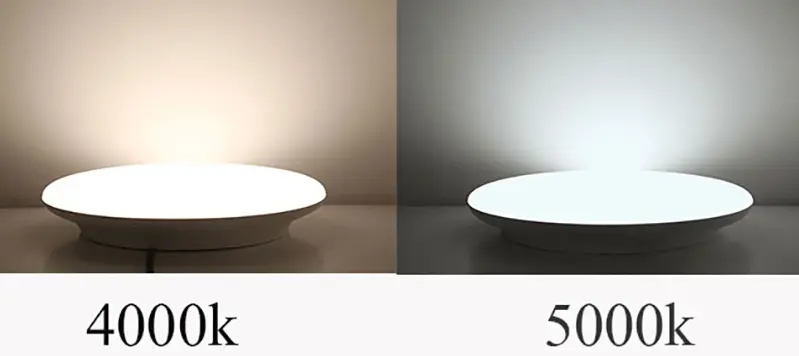
Have you ever wondered why a cozy café has a soft glow while a modern office space shines brightly? The answer often lies in the subtle differences between 4000K and 5000K lighting.
Enter Tom and your go-to LED guru. Tom has been sharing his expert knowledge of the LED industry since 2005 with great passion. When you work with Tom, you’re not just getting information. Tom has almost 20 years of experience that you can enjoy.
But why should you care about the 4000K and 5000K differences? This blog will explain the details of Kelvin ratings, showing how they affect your spaces. From lighting vocab demystification to real-world applications, your LED curiosity is covered.
Eager to enlighten your surroundings and choices? Let’s dive right in!
The significance of understanding 4000K and 5000K
It is important to understand the difference between 4000K and 5000K in lighting. Small details matter. Kelvin temperatures are more than just technical words. They help create atmospheres, affect emotions, and shape how we see space. Explore Kelvin’s world to discover the transformative power of understanding these temperatures. We can change our environment by using the small differences between these two types of lights. This works for homes, offices, and businesses, so they fit their intended use.
A quick overview of light temperature’s impact
The ambiance of the space is subtly but deeply connected to its lighting. Think of the last time you felt overwhelmingly calm in a spa. Chances are, a warmer light akin to the 4000K spectrum crafted that tranquillity. Modern offices are vibrant and alert thanks to 5000K lighting that mimics daylight. This isn’t mere uncertainty; there’s science at play. The temperatures of lighting affect our environment, but they also affect our bodies. They can change our moods and even control our sleep. When we choose lighting that matches our goals for a space, we don’t just make design choices. We also impact how people feel.
Essential Lighting Vocabulary Demystified
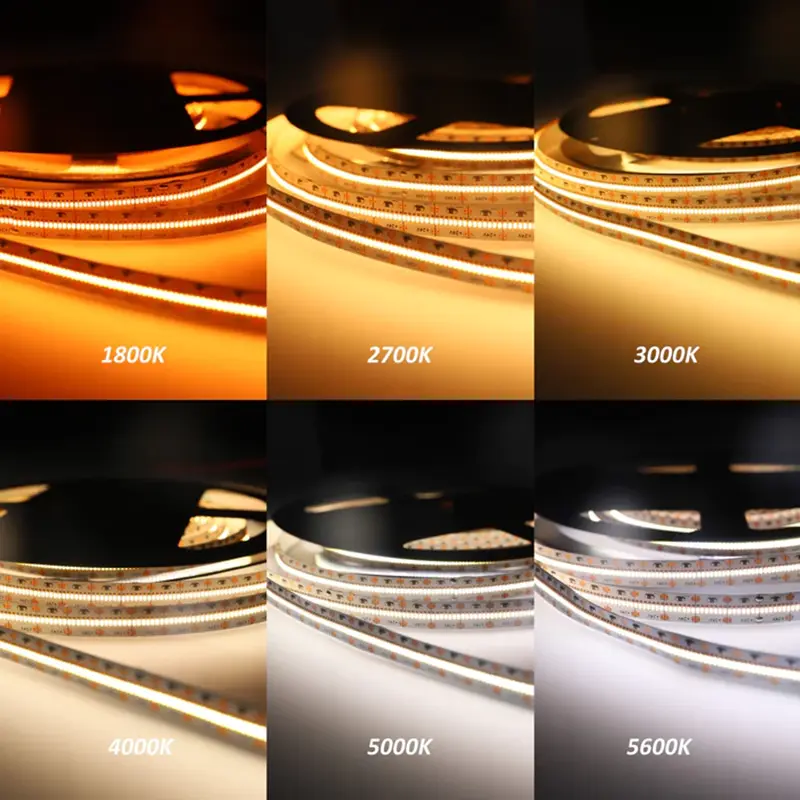
In the world of lighting, there are certain terms that can be confusing to beginners. The jargon is hard to understand, but clarifying it helps you make better decisions.
What is Kelvin (K) and Its Role in Lighting?
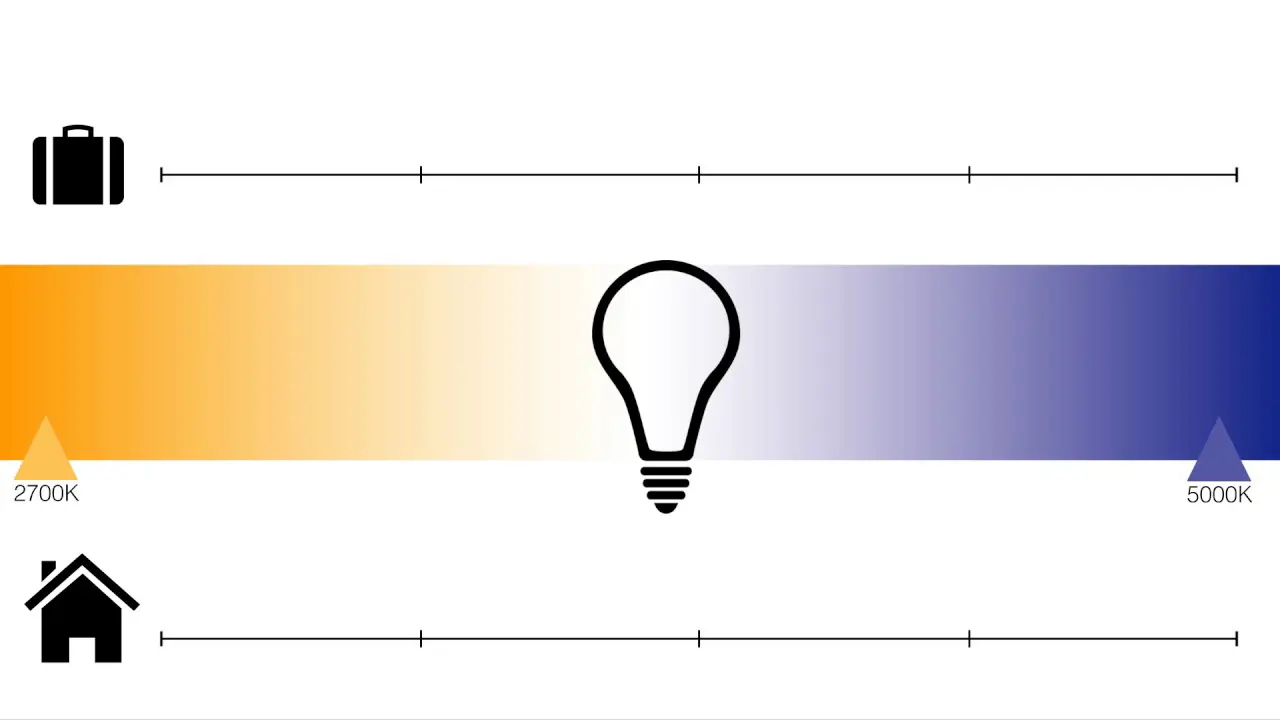
To those unfamiliar, Kelvin might seem an abstract concept. But in lighting, it’s a key player. Kelvin helps us understand if light feels warm or cool, more than its name. The Kelvin rating helps you choose the right lighting for sunset and midday.
Dive into the Kelvin scale and its importance
But why is the Kelvin scale pivotal? The spectrum ranges from soft candlelight to bright daylight, and it affects more than just how things look. It impacts mood, productivity, and even overall well-being. When we get a grip on the Kelvin scale, we don’t just make a room look good – we optimize it for the human experience.
Distinguishing Color Temperature, Lumens, and Wattage
As you stand in the lighting aisle, the information on bulb boxes can be overwhelming. Color temperature, lumens, wattage – each plays a distinct role. While color temperature paints the visual mood, lumens throw light on how light the bulb is. And wattage? It’s all about energy and efficiency.
How each factor plays a role in lighting decisions
The art of lighting isn’t just about picking a bulb; it’s about harmonizing these factors. Need focused, bright lighting for a home office? You’d focus on higher lumens with a neutral Kelvin rating. But for that vintage lounge feel? Lower lumens, with a warm Kelvin value. And always, with an eye on wattage, ensuring your choices are sustainable. To understand these terms, you need to know how to make the most of lighting.
A Comprehensive Examination: 4000K vs 5000K Lights
Diving deep into the realm of lighting, two giants emerge: 4000K and 5000K. Although they may appear similar, these Kelvin ratings provide unique lighting experiences. Let’s unravel their mysteries.
4000K Lighting Uncovered
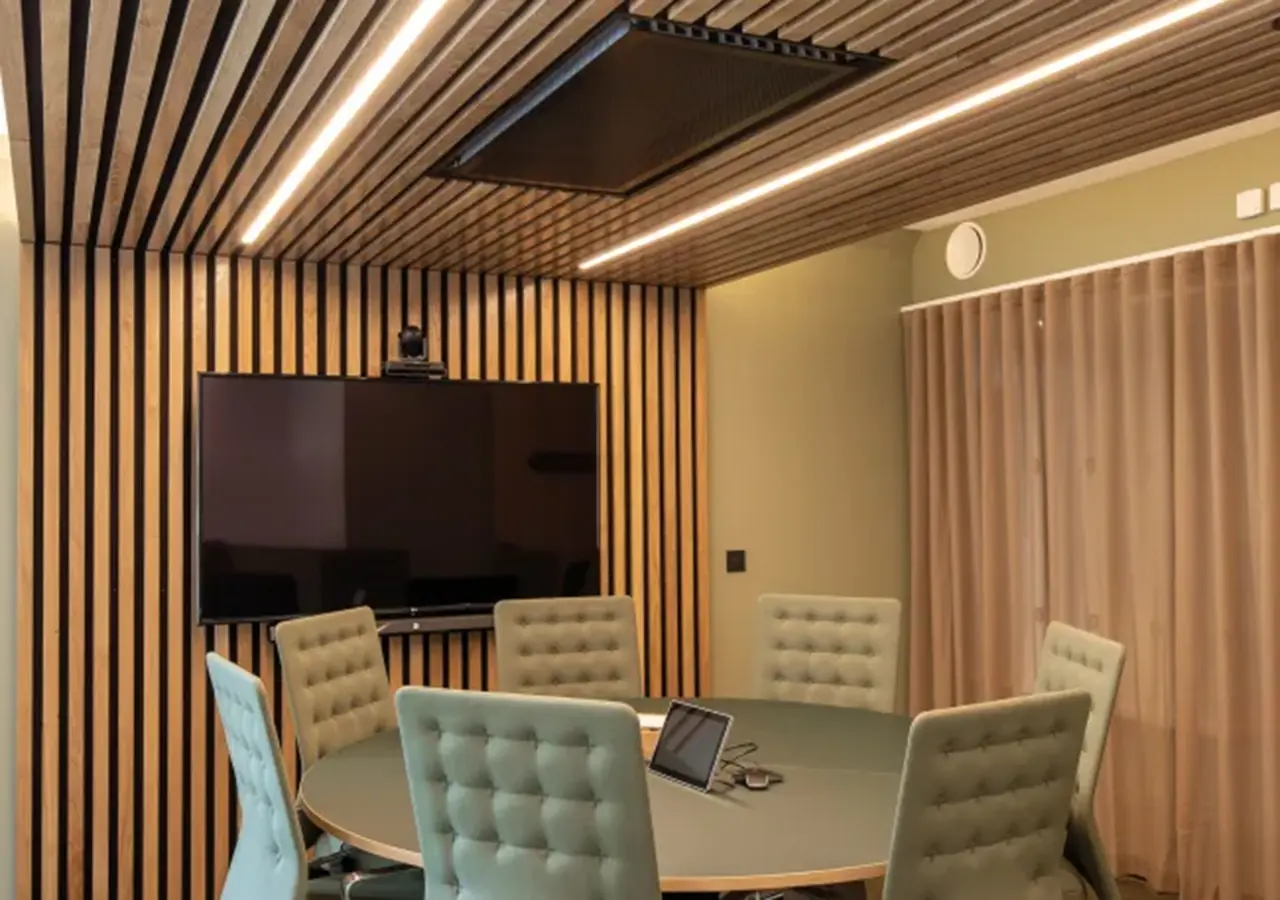
Enter the world of 4000K, where light finds a perfect equilibrium. It’s not the cozy warmth of dim lights or the sterile precision of bright lights. But, 4000K emits a neutral white light that many find suitable and harmonious.
Delving into the ambiance, feel, and best scenarios for use
Imagine a setting where clarity meets comfort, and you’ve envisioned the aura of 4000K. Such lighting makes spaces inviting yet functional. Imagine yourself in a peaceful, bright bedroom, reading your favorite book at night. This is where 4000K finds its stage.
4000K Light Color in Everyday Spaces
4000K isn’t a Kelvin rating; it’s an atmosphere creator. It is often chosen because it can provide grace without causing glare in everyday places. This Kelvin rating makes the environment feel organic, refreshed, and modern.
Practical examples and spaces that shine with 4000K
Picture stores full of stylish clothes and offices where work and beauty come together. Or the art studios where natural feel and accuracy are paramount. These are the arenas where 4000K truly stands out, elevating spaces from the ordinary to the sublime.
The 5000K Lighting Spectrum

Venturing into the crisper side of the lighting spectrum, we find the 5000K lights. These bulbs are the embodiments of pristine clarity. They resemble daylight and bring vividness to everything by carving out precise details.
A look at its brighter, neutral allure and optimal use cases
The 5000K spectrum carries an almost ethereal beauty. It’s like harnessing a slice of the midday sun, where everything stands unambiguous. This quality makes them a coveted choice for areas where precision is vital. Design studios and crafting benefit from clean, bright 5000K lighting for better visibility. It helps discern colors and aids in detailed reading.
When and Where 5000K Makes a Difference
In the dance of lighting, if 4000K is the soothing waltz, then 5000K is the vibrant tango. This lighting doesn’t just illuminate—it accentuates. Bright light fills spaces, making them vibrant and inspiring.
Situations and areas where 5000K is the prime choice
Beyond just clarity, 5000K lighting adds vibrancy to spaces. 5000K lights are essential in workshops, studios, and schools for various reasons. They’re an enhancement, elevating every task to its zenith of potential.
Color Temperatures in Action: Real-world Comparisons
Color temperatures bring environments to life, going beyond technical terms and specifications. By understanding these temperatures, you can create the right atmosphere for any space.
Residential Brilliance: 5000K vs 4000K at Home
Our home is where we feel most connected. The right lighting expresses our feelings and dreams. Lighting is important for creating a calm living room or a focused home office.
Room-by-room breakdown and suggestions
Nappali: 4000K offers a harmonious blend of warmth and clarity. The setting is comfortable and lively, great for family gatherings or movie nights.
Home offices: It requires good lighting to help you stay focused and productive. A lightbulb with a color temperature of 5000K mimics daylight and keeps your mind alert.
Hálószobák: Here, relaxation is key. 4000K offers a tranquil touch, paving the way for a serene retreat after a long day.
Elevating Professional Environments
In the professional realm, first impressions often linger. The ambiance of the space can bolster client relationships and enhance worker morale. The magic often lies in the choice of lighting.
Where this temperature makes a mark
Commercial Hubs: Places like malls, retail outlets, and showrooms thrive on 5000K lighting. Customers can make smarter shopping choices by viewing product details, colors, and textures.
Spaces that truly benefit from a 5000K glow
In laboratories, precision is important. They use 5000K lighting to see even the smallest details for accurate analyses.
Design Studios: For artists and designers, true color representation is invaluable. The neutral daylight feel of 5000K brings out the authenticity of every hue.
Photography Zones: When capturing moments, clarity and true-to-life colors are paramount. Here, 5000K ensures that each shot is a masterpiece in its own right.
The Art of Making an Enlightened Choice
Lighting, in its essence, is both an art and a science. It’s important to understand how beauty and usefulness affect people’s behavior. When you choose between 4000K and 5000K, you’re not picking a bulb. You’re shaping the mood and function of a room.
Factors Driving the 4000K vs 5000K Decision
Every space tells a story, and the lighting plays a starring role in that narrative. Yet, our natural inclination guides us towards a certain light color. When deciding, we can think about practical things that match our preferences.
Understanding mood settings, energy implications, and aesthetics
Mood Settings: They have different temperatures. 4000K is cozy and good for relaxing or casual activities. 5000K is energizing and good for work or tasks.
Energy Implications: Today’s LED technologies ensure both 4000K and 5000K bulbs are energy-efficient. However, the amount of light and time you need may cause small differences in energy expenses.
Aesthetics: Sometimes, it’s about visual harmony. When choosing, consider the main colors in your space. Different light temperatures can change how colors look.
The Try-Before-You-Buy Approach
Lighting is much like a fine wine or a signature scent – it’s deeply personal. And while technical explanations provide guidance, there’s a compelling argument for experiential decision-making.
Gauging personal preferences by testing various bulbs
There’s no substitute for firsthand experience. You get a real sense of their impact by testing both 4000K and 5000K bulbs in situ. Notice the nuances:
How they play off your furniture?
How they influence your mood?
How they affect functional activities like reading or cooking?
To find the right lighting, compare real-life experiences with technical knowledge.
LED Light Features to Contemplate Before Buy
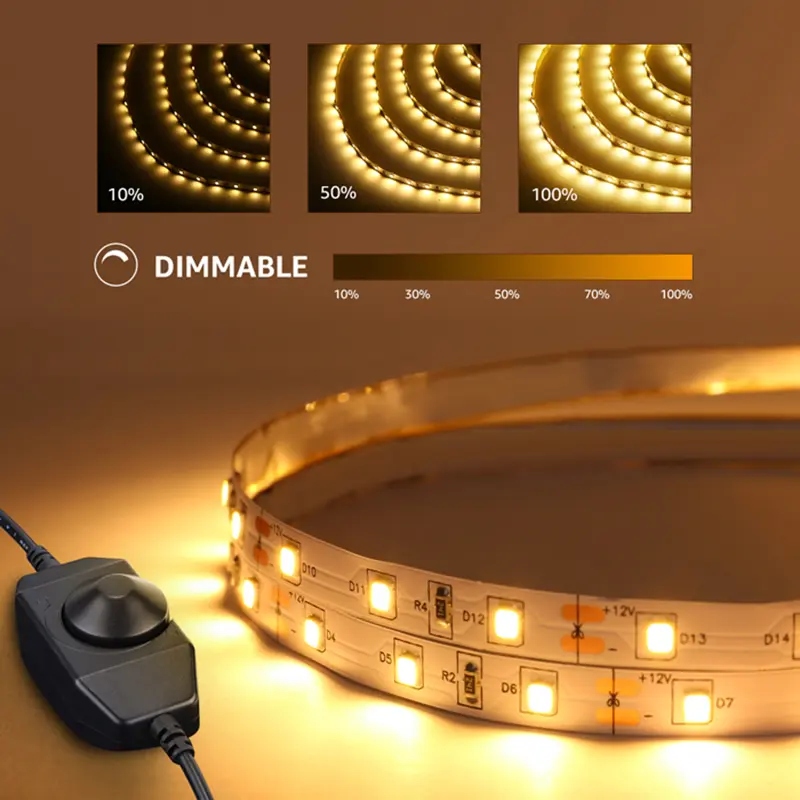
To understand LED lighting, it’s important to explore its many features. These lights go beyond providing light. They show how much technology has advanced. You can customize them and they offer useful features. They help make daily life better and save energy.
Dimmability, Brightness, and Power Capability
Selecting the right LED light isn’t merely about choosing a color temperature. To create a better atmosphere in a space, we need to consider many features. We should meet specific needs and save energy.
Key considerations for user experience and efficiency
Dimmability: This allows homeowners to adjust light levels to suit their mood or task. You can adjust the brightness of a light bulb to create a cozy atmosphere in the evening. You can also increase the brightness for better focus during work.
Fényerő: We measure brightness in lumens. Understanding brightness helps you choose the right light for your space. It can mean the difference between a well-lit room and an overpoweringly bright one.
Power Capability: Wattage indicates energy consumption. LED lights are more energy-efficient. Choose the right wattage to use only what you need.
Shape, Warranty, and Other Features
The temperature and brightness are important, but other factors also affect LED lights’ performance and lifespan.
Extra elements that can sway your choice
Shape: The bulb’s design, whether spiral, traditional, or candle-shaped, affects light dispersion. A spiral bulb, for example, might be ideal for lamps as it emits light more uniformly. At the same time, people might prefer a traditional shape for overhead fixtures.
Garancia: A warranty is more than a safety net. It shows the manufacturer’s confidence in their product. A longer warranty can show that the LED product is good quality and will last a long time.
Others features: LED lighting has other features like motion sensors and smart integrations. These features let you control your lights using an app or voice command. The design enhances user experience and convenience.
FAQs: Dispelling Doubts & Addressing Queries
How does the color temperature of a light source affect our mood and overall ambiance?
Lighting isn’t just about visibility! The color temperature can set different moods, like calm relaxation or focused alertness. It can be 4000 K for a neutral balance, or 5000 K for a daylight-like brightness. It’s the secret recipe to creating that perfect café vibe or office productivity.
Can I mix different temperatures in the same room for a unique feel?
Absolutely! Using different types of light, such as 4000K and 5000K, can make your room feel livelier. Remember, the most important thing is to create the atmosphere and make it work well. Don’t be afraid to try new things!
What’s the best LED color temperature for outdoor lighting scenarios?
A lot of people pick 5000K for outside areas like driveways or patios that need good lighting. It has bright, neutral light that mimics daylight. But, a 4000K might set the perfect evening mood for cozy garden nooks.
How does color temperature affect visual perception in different environments?
Color temperature can significantly affect how we perceive our surroundings. 5000K can make artwork stand out in galleries and ensure accuracy in labs. In contrast, 4000K can make upscale restaurants more elegant, enhancing your dinner experience.
Are there energy consumption differences between 4000K and 5000K lights?
The amount of energy used by a bulb depends more on its technology, like LED, than its color. So, both 4000K and 5000K LEDs typically offer similar energy efficiency.
What should I keep in mind while choosing between 4000K and 5000K for my living space?
Think about the purpose and mood you wish to set. If you’re after a calm, balanced ambiance, 4000K is your buddy. For areas that need to be well-lit and have a pleasant ambiance, 5000K is an excellent option.
How does 5000K compare to 4000K on visual comfort?
5000K offers a daylight-like brightness, enhancing clarity. It’s great for tasks requiring focus. But 4000K emits a softer white light, ideal for creating a calming or laid-back atmosphere.
Is there any impact of these color temperatures on our sleep patterns?
Our blog doesn’t mention it, but studies have found that cold, blue lights can disturb sleep. Warmer lights, on the other hand, help with relaxation. So, 4000K is more suitable for bedroom settings over 5000K.
What is the difference between color temperature and color rendering index (CRI)?
Color temperature, either 4000K or 5000K, indicates light shade. The CRI measures the accuracy of color display. Both play crucial roles in how we perceive our environment.
How does 4000K light differ from the often-mentioned 3000K in terms of ambiance?
3000K is warmer with a more amber hue, often cozy or inviting. 4000K, meanwhile, sits in the middle ground, offering a neutral white light. It’s versatile, making spaces neither warm nor cool but right.
Conclusion: Embarking on a Lit Journey
In the world of lighting, knowledge truly is power. Your spaces can look amazing if you know the distinctions between 4000K and 5000K. Choose wisely to set the right mood, be more productive, or simply enjoy your environment. The journey to perfect lighting begins with a single, enlightened step.
Understanding lighting is a journey, and every trip deserves a trusted guide. Enter Unitop, Kína egyik vezető LED szalagfények és LED neon flex manufacturers. Unitop knows a lot about LED lights and can help make your spaces brighter. They can also answer any questions you still have. If you want the best LED options with clear information, kinyújtani a kezünket to Unitop. They offer high quality products and helpful guidance.
Kapcsolódó cikkek:

Tom jelenleg az értékesítési vezetője a Unitop (Kína) Co., Limited. Ő volt a LED világítás 2005 óta az iparágban. Szakértője az értékesítésnek és marketingnek, valamint a gyárirányításnak. Szereti a testépítést, és őrült Apple rajongó! Keményen dolgozik, szeret tanulni és új dolgokat kipróbálni.
E-mail: tom@unitopledstrip.com WhatsApp: +86-18680307140



Hagyjon egy választ!
Szeretne csatlakozni a beszélgetéshez?Nyugodtan járulj hozzá az alábbiakban!