
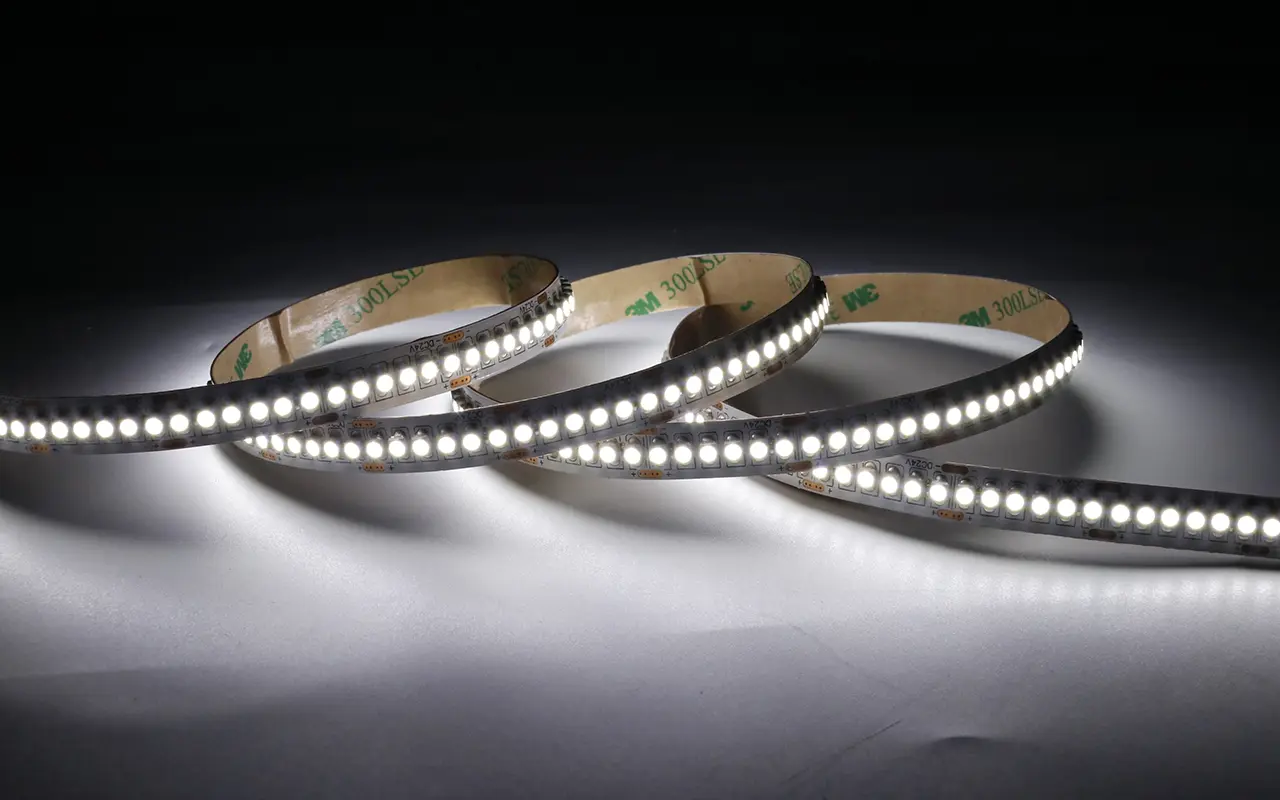
Are your LED strip lights not as bright as you’d like? We’ve got your back! Our expert guide provides easy, effective ways to boost the brightness of your LED strip lights, ensuring you get the luminosity you need.
To brighten LED strip lights, enhance your setup by using higher quality strips with more LEDs and a more powerful supply, and ensure optimal installation to reduce resistance.
Continue with us to explore various proven strategies to increase the brightness of your LED strip lights, including the best products and modifications.
Common Causes of Dim LED Strip Lights
Quality of LED Strips
The brightness of LED strip lights is largely determined by the type and density of the LEDs they employ. Higher-density strips, which pack more LEDs into each foot of the strip, naturally produce more light. This density is measured in LEDs per meter or per foot. A higher count typically means a brighter output, as more light sources are grouped, reducing shadowing and providing a more uniform light distribution. Additionally, the type of LED used plays a crucial role. For instance, SMD 5050 LEDs are larger and can emit more light than their SMD 3528 counterparts. Choosing the right LED type and density is crucial for achieving your space’s desired luminance and effect, whether for accent lighting, task lighting, or ambient glow.
Power Supply Limitations
The choice of power supply is vital for the performance of LED strip lights. A common issue that leads to dim LEDs is the use of an underpowered supply. LED strips require adequate voltage and current to operate optimally; if the power supply cannot meet these demands, the lights will not reach their full brightness potential. It’s essential to select a power supply that can provide enough watts (power) per meter of LED strip, considering both the voltage requirement and the total current draw. For instance, a 12V LED strip with a demand of 1.5 amps per meter would need a power supply that exceeds these specs to ensure no drop in brightness across the strip, especially in longer runs where voltage drop can further diminish light output.
Installation Errors
How LED strips are installed can greatly impact their efficiency and brightness. Common mistakes include overextending the length of a single continuous strip beyond the recommended maximum, which leads to a voltage drop and, consequently, dimmer lights towards the end of the strip. Incorrect placement can also affect performance; for example, installing strips too far from the intended illuminated area can diminish their effect. Moreover, using inadequate or excessively long wiring can increase resistance in the circuit, further reducing the brightness. Ensuring a proper installation involves using appropriate wiring, securing connections, and adhering to guidelines for maximum strip length. Proper planning and testing during installation can prevent these common pitfalls and help maintain your LED lighting setup’s intended brightness and functionality.
Selecting the Best LED Strip Lights
Comparing LED Types
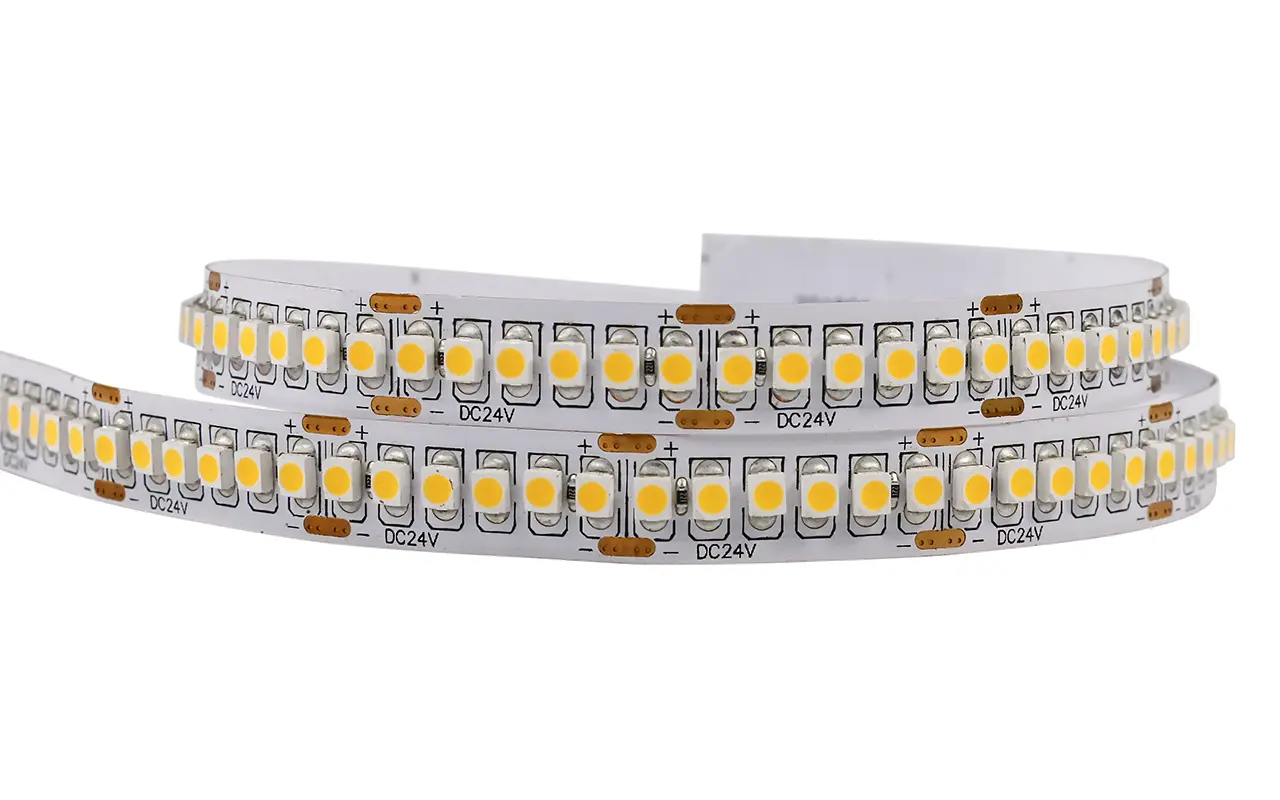
Selecting the best LED strip for your project involves understanding the different types of LED chips available and their specific benefits. Common types include SMD 5050 and SMD 3528—these numbers primarily refer to the dimensions of the LED chips. SMD 5050 chips are larger, typically 5mm by 5mm, and because of their size, they can house three diodes per chip, allowing them to emit a broader spectrum of color and brighter light. On the other hand, SMD 3528 chips are smaller, about 3.5mm by 2.8mm, and usually have only one diode. While they consume less power, they emit less light than their 5050 counterparts.
For applications requiring high brightness and color changing options, SMD 5050 is often the preferred choice. However, suppose energy efficiency and a slimmer profile are more critical for your installation. In that case, SMD 3528 strips might be the better option. Beyond these two, other types like SMD 2835 and SMD 5630 exist, offering various balances between brightness, energy consumption, and size. Each LED type also has a different beam angle, which affects how widely the light is spread across a surface. Understanding these specifications is crucial when tailoring your LED setup to achieve the desired ambiance and functionality.
Importance of LED Color Temperatures
Color temperature is a critical factor in choosing the right LED strip lights, as it defines the color tone of the light emitted and can significantly influence the atmosphere and functionality of a space. Measured in Kelvin (K), color temperature ranges from warm to cool. Warm lights, such as those around 2700K to 3000K, emit a cozy, yellowish glow, perfect for relaxed environments like living rooms or restaurants. They tend to ‘soften’ the area and are flattering to skin tones but are not ideal where detailed tasks are performed.
In contrast, cool white lights, which range from 5000K to 6500K, emit a bluish-white light that resembles daylight. These temperatures are excellent for task lighting and are used in settings like kitchens, bathrooms, or offices where clarity and contrast are needed. The higher Kelvin lights provide an energetic vibe and are believed to help maintain focus, making them suitable for workspaces.
Choosing between warm and cool white depends on functional needs and personal preferences. For instance, retail environments benefit from cooler temperatures as they accurately render colors, which is crucial for showcasing products. Understanding how color temperature impacts perceived brightness and mood is essential for effectively utilizing LED strips to enhance your space’s visual appeal and utility.
Upgrading Your Power Supply for Enhanced Brightness
Calculating Your Needs
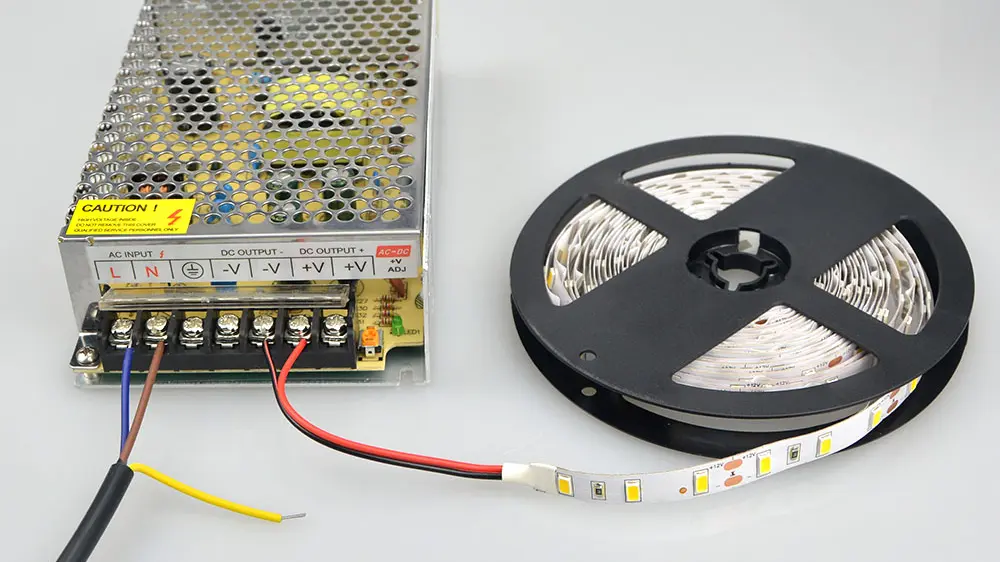
To maximize the effectiveness of your LED strip lights, accurately calculating your power requirements is crucial. This process involves several steps, starting with understanding your LED strips’ voltage and current specifications. Typically, LED strips are rated for 12V or 24V, and their power consumption is expressed in watts per meter or foot. To begin, identify your LED strip’s wattage per unit length from the manufacturer’s specifications. Multiply this figure by the total length of the strip you plan to use to get the total wattage required.
Additionally, it’s important to factor in the potential for voltage drop over long runs, which can cause the LEDs at the far end of the strip to appear dimmer than those closer to the power source. To counteract this, you may need a more robust power supply or consider installing multiple power supplies along the length of the strip. An adequate calculation includes a buffer—typically adding an extra 20% to the calculated wattage—to ensure the power supply can comfortably support slight variations in power demand without overheating or overloading.
Choisir le bon bloc d'alimentation
Selecting the appropriate power supply is pivotal for maintaining the brightness and longevity of your LED strips. A suitable power supply should match but ideally exceed the calculated power needs of your LED setup. When choosing a power supply, consider its wattage rating and ensure it provides at least 20% more power than your total calculated demand to handle any peaks or fluctuations in consumption.
Additionally, ensure the power supply’s voltage matches your LED strip’s requirements—using a 12V power supply for 12V LED strips, for instance. Look for power supplies with high efficiency and reliable overcurrent, overvoltage, and overheating protection features. These features safeguard both the power supply and your LED strips from damage due to electrical anomalies.
For installations where aesthetics and space are concerned, consider the power supply’s size and form factor. Some power supplies are designed to be hidden within wall cavities or in ceiling recesses. In contrast, others might require external mounting and adequate ventilation. For outdoor or humid environments, selecting a power supply with appropriate weatherproof ratings is essential to prevent moisture ingress and ensure safe operation.
In professional settings or complex installations, opting for modular power supplies with adjustable output settings can provide additional flexibility and control, allowing fine-tuning of brightness levels and expanding or altering your LED configurations without replacing the entire power system. These advanced setups help create a tailored lighting solution that can adapt to changing needs and preferences.
Installation Adjustments to Boost Brightness
Wiring Techniques for Optimal Performance
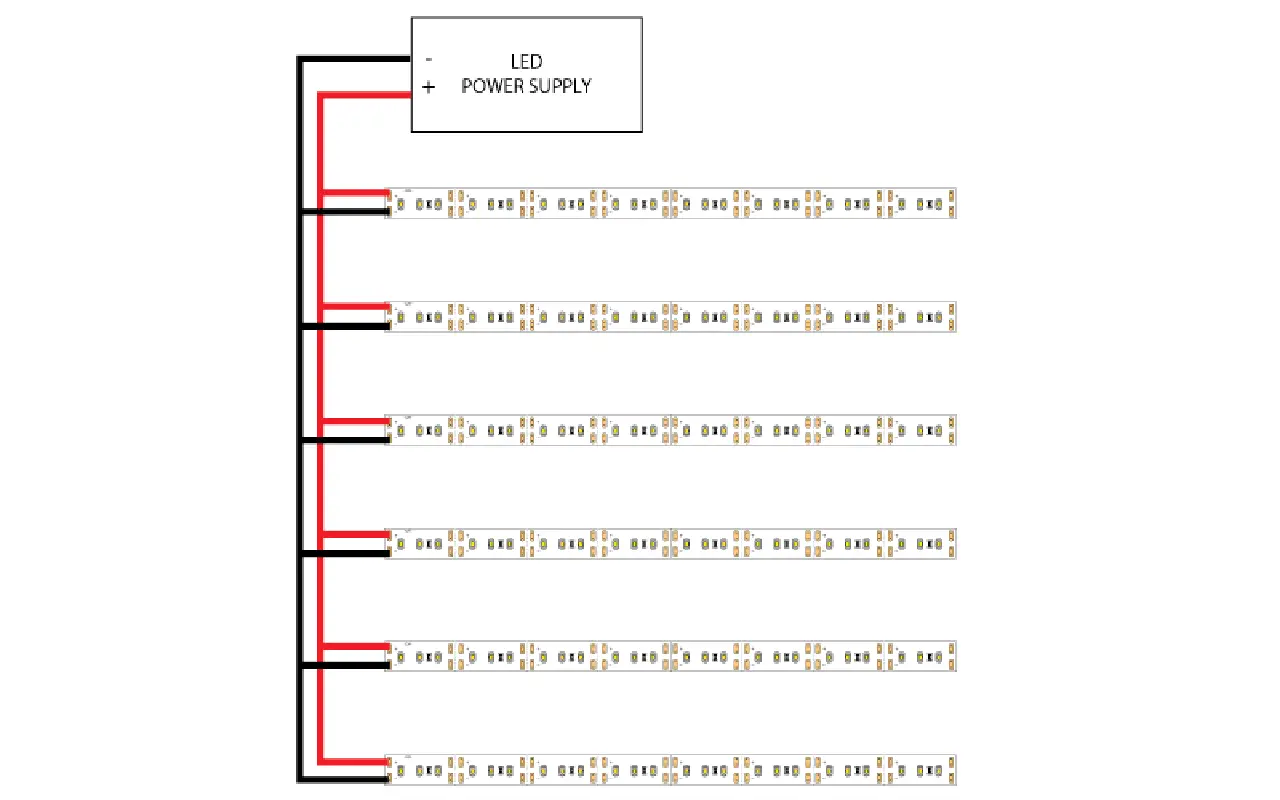
Effective installation is critical for maximizing the performance and brightness of LED strip lights. One of the primary technical challenges in installing LED strips is managing voltage drops, especially in longer runs. Voltage drop occurs when the electrical current degrades as it travels along the length of the wire, leading to dimmer lights at the end of the strip compared to those closer to the power source. To combat this, thicker gauge wires are recommended as they have lower resistance, thus supporting better current flow across longer distances without significant loss.
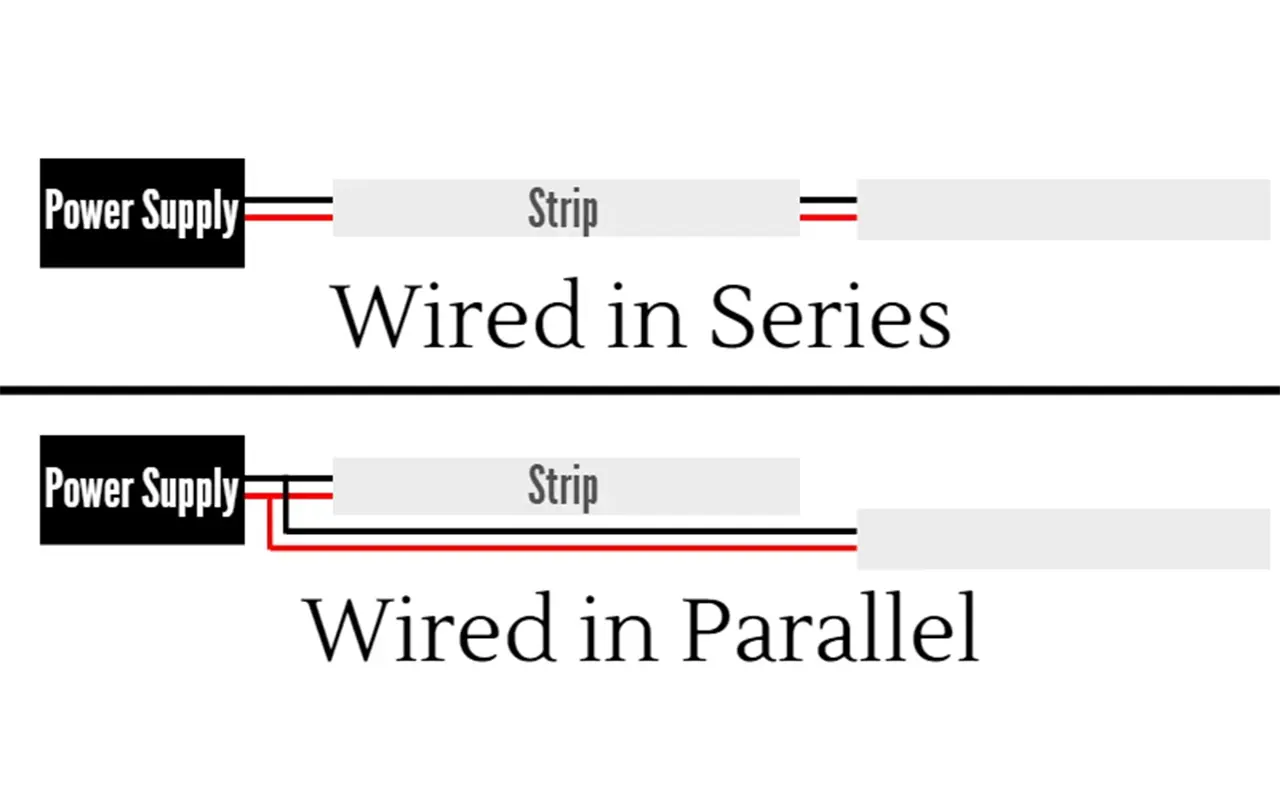
For installations where long wire runs are unavoidable, consider segmenting the LED strips and powering each segment independently from the nearest power source. This technique mitigates the voltage drop and ensures uniform brightness across all sections of the strip. Additionally, securing connections and using quality connectors can prevent potential power losses and faults in the circuit that may impact overall brightness.
Furthermore, using wires with adequate insulation and durability is advantageous, especially in environments where they may be exposed to physical damage or environmental factors. Ensuring that the wiring is up to electrical standards will provide safety and enhance the longevity and efficiency of your LED lighting system.
Strategic LED Placement
Positioning LED strip lights is crucial in maximizing their efficiency and the overall lighting effect. To enhance the brightness and coverage of your LED strips, consider their placement relative to the surfaces and areas you wish to illuminate. Mounting LED strips on or near reflective surfaces, such as white walls, mirrors, or metallic backsplashes, can amplify the light output without additional energy consumption. Reflective surfaces can bounce light back into the room, increasing the overall luminosity and eliminating shadows.
Strategically placing LED strips to take advantage of existing room features can enhance their effectiveness. For instance, installing strips under cabinets or shelves that reflect off countertops or installing them in coves where light can diffuse evenly across the ceiling can create aesthetic appeal and functional lighting solutions. Additionally, ensuring that LED strips are not directly visible minimizes glare and maximizes the ambient light effect.
Incorporating diffusers with LED strips is another strategic placement that can enhance the appearance and brightness of the lights. Diffusers evenly distribute light, reduce hotspots, and soften the light output, making the space feel brighter and more comfortable. They come in various finishes and can be matched to the décor or design theme of the space, seamlessly integrating into the overall aesthetic.
By considering these technical and aesthetic factors in the installation process, you can significantly enhance your LED strip lights’ performance, brightness, and visual impact, creating a well-lit and inviting atmosphere.
Techniques to Sustain and Improve LED Brightness
Maintenance Best Practices
Maintaining the optimal performance of LED strip lights involves regular maintenance routines that extend their lifespan and sustain their brightness. Over time, dust and debris can accumulate on the surface of LED strips, significantly diminishing their light output. To prevent this, it’s essential to incorporate regular cleaning into your maintenance schedule. Use a soft, dry cloth to gently wipe down the surface of the strips. A slightly damp cloth can be used for more stubborn dirt or grime. Still, ensuring that all components are completely dry afterward is crucial to avoid any potential electrical hazards.
In addition to surface cleaning, check for any signs of wear or damage to the LED strips and their connections. Look for any exposed wiring or loose connections that may not only pose safety risks but also affect the function and brightness of the LEDs. Tightening connections and replacing worn parts can prevent future issues and help maintain consistent lighting quality.
Furthermore, it’s beneficial to periodically review the installation environment of your LED strips. Environmental factors such as high humidity, extreme temperatures, or chemical exposure can accelerate wear and tear. If your LED strips are installed in areas prone to such conditions, consider additional protective measures, such as using enclosures or specialized protective coatings to shield the strips and their components from environmental damage.
Troubleshooting Dimness
Troubleshooting dimness in LED strips is critical in maintaining their efficiency and brightness. Start by checking the simplest factors: ensure that the brightness settings (if available) are correctly adjusted and that the power supply adequately supports the strips without fluctuation or insufficient voltage. If these elements are in order, then inspect the LED strips themselves.
Look for any visible LED damage, such as darkened or non-illuminating sections, which could indicate failed LEDs. Replacing individual LEDs or sections of the strip may be necessary if they are defective. Additionally, check the wiring connections between the strips and the power source. Loose or corroded connections can impede electrical flow and diminish brightness. Cleaning connections and ensuring they are secure can often resolve such issues.
Another common issue is voltage drop, particularly in longer runs of LED strips. This can be identified if the brightness diminishes along the length of the strip. To fix this, you may need to revise the wiring layout, such as adding power supplies at different points along the strip or using a higher gauge wire to reduce resistance.
By systematically checking and addressing these common issues, you can often restore and enhance the brightness of your LED strips, ensuring they continue to provide optimal lighting performance. Implementing a regular maintenance and troubleshooting routine will prolong the life of your LED installations and maintain their aesthetic and functional qualities.
Innovative Ways to Make LED Strip Lights Brighter
Using Reflectors and Diffusers
Utilizing reflectors and diffusers is an excellent way to maximize the efficiency and impact of LED strip lights. Reflectors work by redirecting light that might otherwise be wasted. This redirected light can illuminate darker areas more effectively, enhancing the overall brightness of the room. Reflectors are particularly useful when focused light is needed, such as under kitchen cabinets or in display cases. They are designed to reflect light downwards or towards a specific area, minimizing light loss and maximizing functional brightness.
Diffusers, on the other hand, play a slightly different role. They scatter the light emitted from LEDs, creating a more even distribution across a wider area. This not only helps reduce the glare that can sometimes be associated with direct LED lighting but also softens the light, enhancing the ambiance of a space. Diffusers are commonly used in living areas, workplaces, and other settings where a softer light is desirable. They can be particularly beneficial in reducing the appearance of bright spots or LEDs seen through transparent or semi-transparent covers, which can detract from the sleek look of a modern LED installation.
Opting for High Luminous Efficiency LEDs
Choosing LEDs with high luminous efficiency enhances light output while maintaining or reducing power consumption. High-luminous efficiency LEDs produce more light per watt of electricity than standard LEDs, making them a more energy-efficient choice. This is particularly important in large-scale or commercial installations, where the cost of power can accumulate significantly. These high-efficiency LEDs not only help reduce electricity bills but also lower the carbon footprint of a lighting system.
Moreover, LEDs with higher luminous efficiency often have better heat dissipation properties, extending their lifespan and reducing maintenance costs. When selecting LEDs, look for those that offer a higher lumens-per-watt ratio, as this is a direct measure of their efficiency. Manufacturers often specify this ratio in product descriptions, making it easier for consumers to make informed decisions based on the efficiency of different LED models.
Enhancing Environment for Maximum Light Output
Optimal Ambient Conditions
The brightness perceived from LED lighting is greatly influenced by the environment in which they are installed. Adjusting a room’s color scheme and layout can significantly enhance the effectiveness of LED strip lighting. Light colors on walls and ceilings can reflect more light, effectively brightening the area without additional light sources. Conversely, dark colors absorb light, requiring more LEDs or higher brightness levels to achieve the same illumination level.
Strategically placing furniture and decorative elements can also enhance LED lighting efficiency. For example, positioning reflective objects such as mirrors or metallic fixtures near LED lights can amplify light output without additional energy consumption. The overall layout should facilitate an even distribution of light, avoiding shadows and dark spots that could undermine the efficiency of the lighting design.
Using Technology to Your Advantage
Incorporating modern technology into LED lighting systems can significantly enhance their functionality and efficiency. Smart dimmers and controllers allow for the adjustment of brightness levels. They can even set schedules for when the lights should be dimmed or turned off, which conserves energy and extends the life of the LEDs. Smart lighting systems can be integrated with home automation systems and controlled via smartphone apps, offering convenience and advanced functionality.
Pulse-width modulation (PWM) is another technological enhancement that can improve LED lighting. This technique involves rapidly turning the LEDs on and off at a frequency that is imperceptible to the human eye. By adjusting the duty cycle—the proportion of time the LED is on—, PWM allows for precise control over the brightness of the LEDs without changing the voltage applied to them. This method provides smooth dimming capabilities and maintains the color quality of the LEDs, even at low light levels.
FAQs
What is the best way to clean my LED strip lights without damaging them?
To safely clean your LED strip lights, ensure the power is turned off. Use a soft, dry cloth to gently wipe down the surface. For more stubborn dirt, use a damp cloth and immediately dry the area thoroughly to avoid moisture damage. Avoid using harsh chemicals or abrasive materials that could scratch or degrade the LED surfaces.
Can I use any dimmer switch with my LED strip lights?
Not all dimmer switches are compatible with LED strip lights. It’s essential to use a dimmer specifically designed for LED technology to avoid flickering and potential damage. Look for dimmers labeled as LED-compatible and ensure they match your LED strips’ voltage and current requirements.
How do I prevent my LED strip lights from overheating?
Ensure your LED strips are installed in a well-ventilated area to prevent overheating. Avoid enclosing them in tight spaces without adequate airflow. Additionally, using LED strips with built-in heat sinks or installing an external heat sink can help dissipate heat more efficiently.
What causes the brightness of LED strip lights to decrease over time?
The gradual decrease in brightness, known as lumen depreciation, is natural for LED lights. Factors accelerating this process include high operating temperatures, voltage fluctuations, and extended usage hours. Proper installation and maintenance, along with using high-quality LEDs, can help minimize this effect.
How can I extend the length of my LED strip lights without losing brightness?
To maintain brightness across extended lengths, use a higher gauge wire to minimize voltage drop. Alternatively, consider powering the strip from both ends or using a higher voltage LED strip setup with appropriate voltage converters.
Is it possible to connect different types of LED strip lights?
Mixing different types of LED strips is not recommended as they may have different voltage and current requirements, potentially leading to uneven lighting and increased wear. For best results, use the same type of strip throughout your installation.
How do color temperatures affect the perceived brightness of LED lights?
LED lights with cooler color temperatures (e.g., 5000K – 6500K) tend to appear brighter to the human eye compared to warmer tones (e.g., 2700K – 3000K), which emit a cozier, yellowish light. The actual brightness in lumens might be the same. Still, the cooler temperatures provide a daylight-like quality that appears more intense.
Can excessive moisture affect LED strip lights?
Yes, moisture can corrode the metallic parts of LED strips, potentially causing short circuits or failure. If your LED strips are exposed to high humidity or direct water contact, use waterproof LED strips and ensure proper sealing during installation.
Why do my LED strip lights flicker when dimmed?
Flickering can occur if the dimmer is incompatible with the LED strips or the power supply is not adequately matched to the load. Ensure that your dimmer and power supply are suitable for LED use, particularly at lower brightness levels.
What should I do if only part of my LED strip light works?
Check for any visible damage or loose connections at the point where the light stops. This issue often occurs due to a faulty segment or poor connection. Replacing the defective segment or securing the connections usually resolves the problem.
Conclusion
Brightening your LED strip lights involves more than just increasing the power. It requires understanding the underlying factors that affect LED performance, such as power supply adequacy, LED density, and proper installation. By addressing these areas, you can significantly enhance the brightness of your LED lighting, ensuring your spaces are well-lit and inviting. Remember, the right setup increases the brightness and extends the life of your LEDs, making it a worthy investment for any lighting enthusiast.
In wrapping up, enhancing your LED strip lights goes beyond aesthetics to ensure efficiency and functionality. Unitop, a leader in China’s LED market, offers top-quality Bandes lumineuses LED et Flexible à néon LED. Don’t hesitate to contact our expert team for tailored advice or specific lighting needs. Choose Unitop to brighten your space with confidence and quality.

Tom est maintenant le directeur des ventes de Unitop (China) Co., Limited. Il a été dans le Éclairage LED l'industrie depuis 2005. Il est expert en ventes et marketing, et en gestion d'usine. Il aime le bodybuilding, et il est aussi un fan fou d'Apple ! C'est un travailleur acharné qui aime apprendre et essayer de nouvelles choses.
Email : tom@unitopledstrip.com WhatsApp : +86-18680307140



Laisser un commentaire
Rejoindre la discussion?N’hésitez pas à contribuer !