
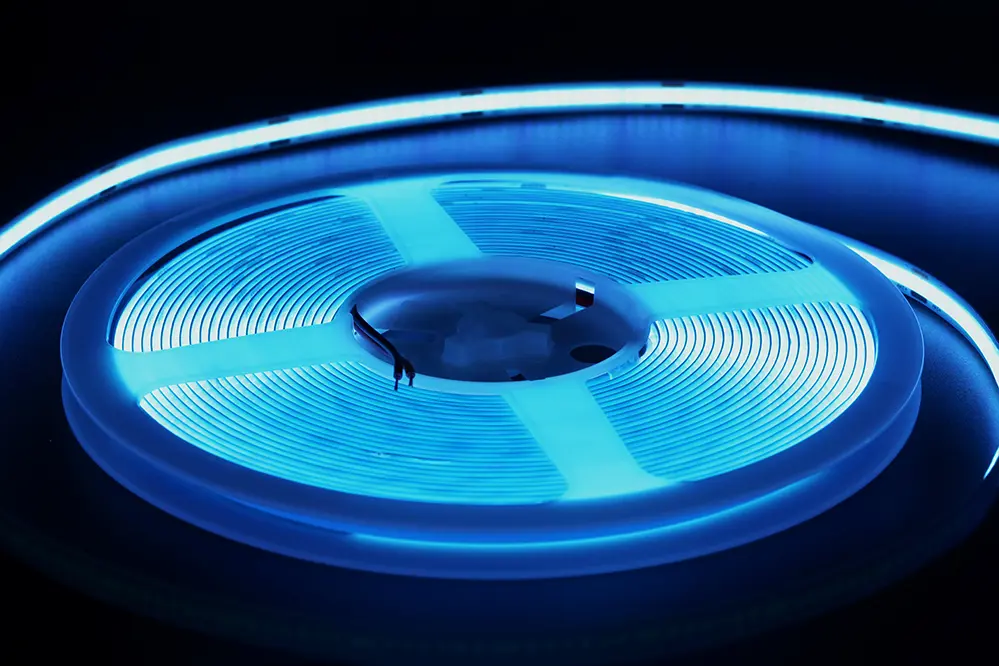
You’ve come to the right place to unravel the mystery of LED strip lights and their health implications. With our in-depth research and expert knowledge, we confidently guide you through the facts, dispelling myths and providing straightforward answers to your pressing questions. Rest assured, this guide illuminates the path to understanding the true impact of LED lighting on health.
LED strip lights, by their nature, are not cancer-causing. They produce light in a spectrum distinct from the UV rays known to increase cancer risk.
Ongoing research is crucial to comprehend their long-term health effects fully. Embark on a journey with us as we further explore the nuances of LED lighting and its health implications. Through detailed analysis and expert commentary, we’ll provide you with comprehensive insights, ensuring you are well-equipped to make informed choices about LED usage in your daily life. Stay with us for a deeper understanding of this vital topic.
Introduction: LED Strip Lights and Health Concerns
In the realm of modern lighting, LED strip lights have become a ubiquitous feature in both residential and commercial settings. Their rise in popularity can be attributed to their energy efficiency, long lifespan, and the vibrant ambiance they create. However, as their usage becomes more widespread, questions have emerged about their safety, particularly concerning the risk of cancer.
LED strip lights work on the principle of electroluminescence, a process where light is emitted from a material when an electric current passes through it. This technology is fundamentally different from traditional incandescent bulbs, which produce light by heating a wire filament, or fluorescent lights, which rely on a chemical reaction involving gas and mercury vapor. Unlike these older technologies, LEDs do not use mercury or emit significant heat, reducing the risk of burns and mercury poisoning. However, the concern with LED lights, especially the blue light they often emit, is the potential for cellular damage and disruption of circadian rhythms, factors that have been associated with cancer.
It’s important to note that while UV radiation from the sun is a well-known carcinogen, the light emitted by LED strip lights is in the visible spectrum and does not contain UV rays. The blue light from LEDs is of lower energy than UV light and is not classified as a carcinogen by major health organizations. That said, overexposure to intense blue light, especially at night, can disrupt the body’s production of melatonin. This hormone regulates sleep cycles and has been associated with the suppression of cancerous growths.
Research into the health impacts of LED lighting is ongoing. Some studies have suggested that prolonged exposure to intense blue light could have detrimental effects, while others emphasize the need for more comprehensive research. For instance, a study published in the journal ‘Environmental Health Perspectives’ highlighted the potential of LED light to disrupt circadian rhythms, which could, in theory, influence cancer risk. However, these studies often focus on high levels of exposure not typically experienced in everyday life.
Light Exposure and Cancer: Understanding the Link
When discussing the potential health risks associated with various light sources, it’s essential to differentiate between the types of light and their respective impacts. The concern about a link between light exposure and cancer has been a topic of scientific interest for some time, particularly with the widespread use of various artificial light sources in our daily lives.
UV radiation, predominantly from the sun, is a well-known risk factor for skin cancer. This type of light has enough energy to cause damage to the DNA in our cells, which can lead to cancer. In contrast, the light emitted from LED strip lights falls within the visible spectrum, which is far less energetic than UV rays. It’s important to note that while all light can, in theory, cause some form of cellular damage due to its energy, the risk is significantly lower with visible light, such as that from LEDs, compared to UV light.
However, a particular concern with LED lights is the emission of blue light. Blue light has a higher energy level within the visible spectrum and, in excessive amounts, has been linked to eye strain and disrupted sleep patterns. Disruption in sleep and circadian rhythms has been associated with various health issues, including an increased risk of cancer. This is because adequate sleep and a regular circadian rhythm play a vital role in the body’s ability to repair DNA damage. While the blue light from LEDs is not a carcinogen like UV light, its impact on sleep patterns could potentially contribute to an increased cancer risk indirectly.
It’s crucial to contextualize these risks. The amount and intensity of blue light emitted by LED strip lights are generally much lower than what would be considered harmful. For most people, the everyday use of LED lighting does not expose them to dangerous levels of blue light. Moreover, many LEDs are now designed to emit warmer light, reducing the amount of blue light exposure.
Examining the Cancer Risk of LED Strip Lights
The growing concerns about the potential health risks of LED strip lights, particularly regarding cancer, necessitate a closer scientific examination. It’s important to understand how the light emitted by these LEDs compares to known carcinogenic light sources, primarily focusing on the spectrum of light and its biological effects.
LED Strip Lights Versus Known Carcinogens
The primary concern with LED strip lights centers around blue light emission. Blue light, a high-energy visible light, is omnipresent in our digital world, emanating from screens, modern lighting, and even the sun. Contrasting this with UV radiation, known for its carcinogenic properties, offers a clearer perspective. UV radiation, particularly UVA and UVB rays, has a higher energy level than visible light. It has been conclusively linked to skin cancer and other health issues due to its ability to damage DNA.
In contrast, LED strip lights emit light primarily in the visible spectrum, with blue light being a significant component. It’s critical to note that while blue light is higher in energy compared to other parts of the visible spectrum, it is significantly lower in energy than UV light. Consequently, the potential for DNA damage, a precursor to cancer, is much less with LED light exposure.
Several studies have investigated the effects of blue light on the body. For example, prolonged exposure to intense blue light has been associated with eye strain and could potentially contribute to age-related macular degeneration. However, these studies do not directly link blue light exposure from LEDs to cancer. Instead, they suggest that overexposure, particularly at night, can disrupt circadian rhythms and melatonin production, indirectly impacting health.
It’s essential to balance these findings with practical usage. The average exposure to blue light from LED strip lights in a home or office setting is generally considered low risk in terms of carcinogenic potential. Moreover, advancements in LED technology have led to the development of LEDs with adjustable color temperatures, allowing users to reduce blue light exposure, especially in the evenings.
In-Depth Analysis of LED Lights and Health Studies
The evolving landscape of artificial lighting, primarily LED technology, has prompted extensive research into its potential health impacts. This includes investigations into whether LED lighting, particularly strip lights, could be linked to cancer and other health conditions.
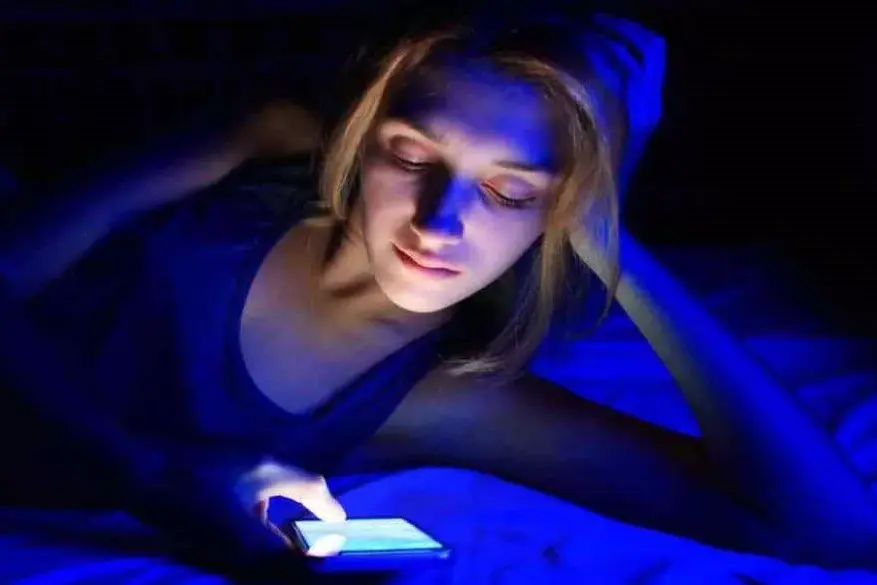
Studies on LED lighting often focus on the type and intensity of light emitted and its interaction with human health. For instance, a common area of research is the impact of long-term exposure to blue light, a significant component of many LED lights. While blue light is not inherently harmful, prolonged exposure, especially at night, can disrupt natural sleep patterns and circadian rhythms, leading to potential health consequences.
However, it’s crucial to distinguish between different types of light exposure. For example, the blue light from LED screens and lights differs significantly from the harmful UV radiation known to cause skin cancer. While UV light has enough energy to damage DNA directly, the energy levels of blue light from LEDs are much lower. They are not classified as carcinogenic by major health organizations.
Recent studies have also explored the possibility of non-visual effects of LED lighting. For example, research published in the ‘Journal of Environmental Management’ discussed the impact of artificial lighting on human physiology beyond vision, considering factors such as endocrine disruption. These studies contribute to a more nuanced understanding of how different light spectra, including those emitted by LEDs, interact with our bodies.
Moreover, advancements in LED technology have led to the development of LEDs with variable color temperatures and reduced blue light emissions, addressing some of the concerns raised by earlier studies. This adaptability allows for the mitigation of potential negative impacts on sleep and circadian rhythms, especially with the use of warmer light settings during the evening.
The Future of LED Technology and Health Implications
The landscape of LED technology is rapidly advancing, bringing forth innovations that not only aim for higher efficiency and better performance but also prioritize health and safety. Growing awareness of the potential health implications of artificial lighting drives this forward momentum in LED technology.
One of the key developments in LED technology is the focus on reducing blue light emissions. Recognizing the concerns about blue light and its impact on sleep and circadian rhythms, manufacturers are now designing LEDs that offer warmer color temperatures, especially for use during evening hours. These advancements help in mitigating the potential disruption of sleep patterns caused by overexposure to blue light.
Another significant improvement is the enhancement of the Color Rendering Index (CRI) in LED lights. A higher CRI means that the light from LEDs more closely mimics natural sunlight, providing a more comfortable and visually appealing environment. This not only improves the aesthetic quality of the light but also reduces strain on the eyes, contributing to a healthier lighting experience.
Efforts are also being made to integrate smart technology into LED lighting systems. Smart LEDs can be programmed to change color temperature throughout the day, mimicking the natural progression of sunlight. This can support the natural circadian rhythm of the human body, improving sleep quality and overall well-being.
Moreover, as research continues to shed light on the health implications of different types of artificial lighting, LED technology is adapting to meet these challenges. Future LED products are likely to incorporate more health-conscious features, such as adjustable brightness and color settings that can be customized to individual preferences and needs.
Concluding:Do LED Lights Cause Cancer?
As we reach the culmination of our exploration into the potential health risks of LED strip lights, particularly their link to cancer, it’s imperative to consolidate our understanding. This comprehensive overview draws from the array of scientific studies, expert insights, and practical considerations discussed throughout this guide.
Reviewing Key Scientific Findings: The bulk of scientific research to date suggests that LED strip lights, in and of themselves, do not pose a direct cancer risk. Unlike UV radiation, known for its carcinogenic properties, the light emitted by LEDs is in the visible spectrum and does not have the same DNA-damaging effects. Studies focusing on blue light exposure have raised concerns regarding sleep disruption and circadian rhythm alterations, but these do not equate to a direct cancer risk.
Addressing Common Misconceptions: Throughout our discussion, we’ve tackled various myths surrounding LED lighting. It’s crucial to reiterate that while LEDs do emit blue light, the levels are not inherently harmful under normal usage conditions. The advancements in LED technology, including the development of lights with adjustable color temperatures, further mitigate potential risks.
Reflecting on the Current Understanding of LED Technology: The field of LED technology is ever-evolving, with ongoing research continuously shedding light on its health implications. As of now, the consensus in the scientific community points towards the safety of LED lights concerning cancer risks, provided they are used responsibly.
Guidance for Safe and Beneficial Use: When incorporating LED strip lights into your life, it’s beneficial to follow best practices. Opt for LEDs with lower blue light emissions for evening use, ensure proper installation to avoid any physical hazards, and consider the overall quality and certification of the products you choose.
Balancing Benefits and Risks: LED lights offer numerous advantages, including energy efficiency, longevity, and versatility. Offsetting these benefits with any potential health risks involves staying informed and making choices that align with your well-being. For instance, using LEDs with a warmer color temperature in living spaces can enhance both comfort and safety.
FAQs
Q: Are LED strip lights safer than traditional bulbs in terms of cancer risk?
A: LED strip lights are generally considered safer than traditional bulbs, like incandescent or fluorescent lights, regarding cancer risk. They don’t emit UV radiation, which is linked to certain types of cancer. However, it’s important to use them responsibly, especially in terms of exposure to blue light.
Q: Can the blue light from LED strip lights affect sleep patterns?
A: Yes, blue light from LED strip lights can impact circadian rhythms and potentially affect sleep patterns. It’s advisable to minimize exposure to blue light, particularly during evening hours, to maintain healthy sleep cycles.
Q: Are there specific types of LED strip lights that are recommended for health safety?
A: When prioritizing health safety, opt for LED strip lights with a lower emission of blue light and those certified by reputable organizations for safety standards. Also, look for LEDs with a high color rendering index (CRI) for a more natural lighting experience.
Q: How often should LED strip lights be replaced for safety reasons?
A: The lifespan of LED strip lights varies based on quality and usage. However, replacing them every few years or when you notice significant dimming or color changes is good practice to ensure they operate safely and efficiently.
Q: Is it safe for children and pets to be around LED strip lights?
A: Generally, LED strip lights are safe for both children and pets, as they emit little heat and no harmful UV radiation. However, it’s crucial to ensure they are installed correctly and out of reach to avoid accidental tampering or damage.
Q: Can LED strip lights cause skin cancer like UV rays?
A: There’s no evidence to suggest that LED strip lights cause skin cancer as UV rays do. LED lights emit deficient levels of UV radiation, which is a key factor in skin cancer development.
Q: Are there environmental concerns associated with using LED strip lights?
A: LED strip lights are more energy-efficient and have a longer lifespan than many traditional light sources, which is beneficial for the environment. However, responsible disposal is essential as they contain components that can be harmful if not handled correctly.
Q: Can the quality of LED strip lights vary, and how does it affect health?
A: Yes, the quality of LED strip lights can vary significantly. Lower-quality LEDs may emit a harsher spectrum of light and fail to meet safety standards, potentially impacting eye health and comfort. It’s advisable to invest in high-quality LEDs from reputable manufacturers.
Q: How can I reduce the potential health risks associated with LED strip lights?
A: About potential health risks, use LED strip lights in moderation, particularly in terms of exposure to blue light. Ensure proper installation, use quality products, and consider using lights with adjustable color temperature for evening use.
Q: Are there specific regulations or standards for LED strip lights to ensure safety?
A: Yes, there are industry standards and regulations that govern the safety and quality of LED strip lights. Look for products that meet these standards and are certified by authoritative bodies to ensure they are safe for use.
Conclusion
In conclusion, the journey through understanding the safety and health implications of LED strip lights reflects our commitment to informed choices and responsible usage.
In this endeavor, Unitop, l'un des principaux fabricants chinois de Bandes lumineuses LED et Flexible à néon LED, stands as a beacon of quality and innovation in the LED industry. With a focus on producing top-tier, safe, and efficient lighting solutions, Unitop exemplifies the blend of technological advancement with health-conscious manufacturing. For those who seek further clarity, have specific questions, or have unique requirements, Unitop welcomes your inquiries. Contactez nous immediately to explore how our expertise and products can illuminate your spaces safely and brilliantly.
Articles connexes

Tom est maintenant le directeur des ventes de Unitop (China) Co., Limited. Il a été dans le Éclairage LED l'industrie depuis 2005. Il est expert en ventes et marketing, et en gestion d'usine. Il aime le bodybuilding, et il est aussi un fan fou d'Apple ! C'est un travailleur acharné qui aime apprendre et essayer de nouvelles choses.
Email : tom@unitopledstrip.com WhatsApp : +86-18680307140



Laisser un commentaire
Rejoindre la discussion?N’hésitez pas à contribuer !