

Many people wonder if neon signs can be left on 24/7 without issues. Whether you’re concerned about energy costs, safety, or maintenance, we have the detailed insights to make the best decision for your neon signs.
Yes, always leaving neon signs on is safe and even recommended by experts. This approach reduces wear on the transformer and ensures longevity while keeping energy costs low. However, some safety measures and maintenance practices should be followed.
Let’s explore why leaving your neon sign on could be the better option and what precautions you should consider. We’ll also answer common questions about neon signs.
Should I Leave My Neon Sign On 24/7?

Neon signs are designed to run continuously, but should you always leave them on? Many experts in the lighting industry argue that keeping neon signs on 24/7 is the best approach for preserving their longevity and performance. Let’s explore why this seemingly counterintuitive practice is beneficial.
Reducing Wear and Tear by Keeping Neon Signs On
First and foremost, turning a neon sign on and off frequently creates stress on its internal components, particularly the transformer. Every time the sign is powered up, it experiences a surge of electricity. This surge can cause wear and tear on the transformer and the electrodes inside the neon tubes, leading to a gradual breakdown of the parts. In contrast, when a neon sign is left on consistently, the electrical flow remains stable, which minimizes this wear and tear.
Energy Efficiency of Neon Signs
Another reason experts recommend leaving neon signs on is their efficiency in energy use. Despite the eye-catching glow that neon signs produce, their power consumption is relatively low. Most modern neon signs use between 60 and 100 watts of electricity, similar to a single incandescent light bulb. For commercial businesses, this low power consumption makes neon signs a great investment for branding, as they can attract attention around the clock without causing a significant spike in energy bills.
Stability of Gases in Neon Signs
Additionally, the continuous operation of neon signs has another unexpected benefit: it helps stabilize the gases inside the tubes. The gases in neon signs, typically neon or argon, are what produce vibrant colors when electrified. When the sign is turned off and on repeatedly, the process of ionizing the gases is interrupted, which can degrade the performance of the sign over time. Continuous operation keeps the gases in a stable state, ensuring a bright and consistent glow.
Real-World Examples of Continuous Neon Use
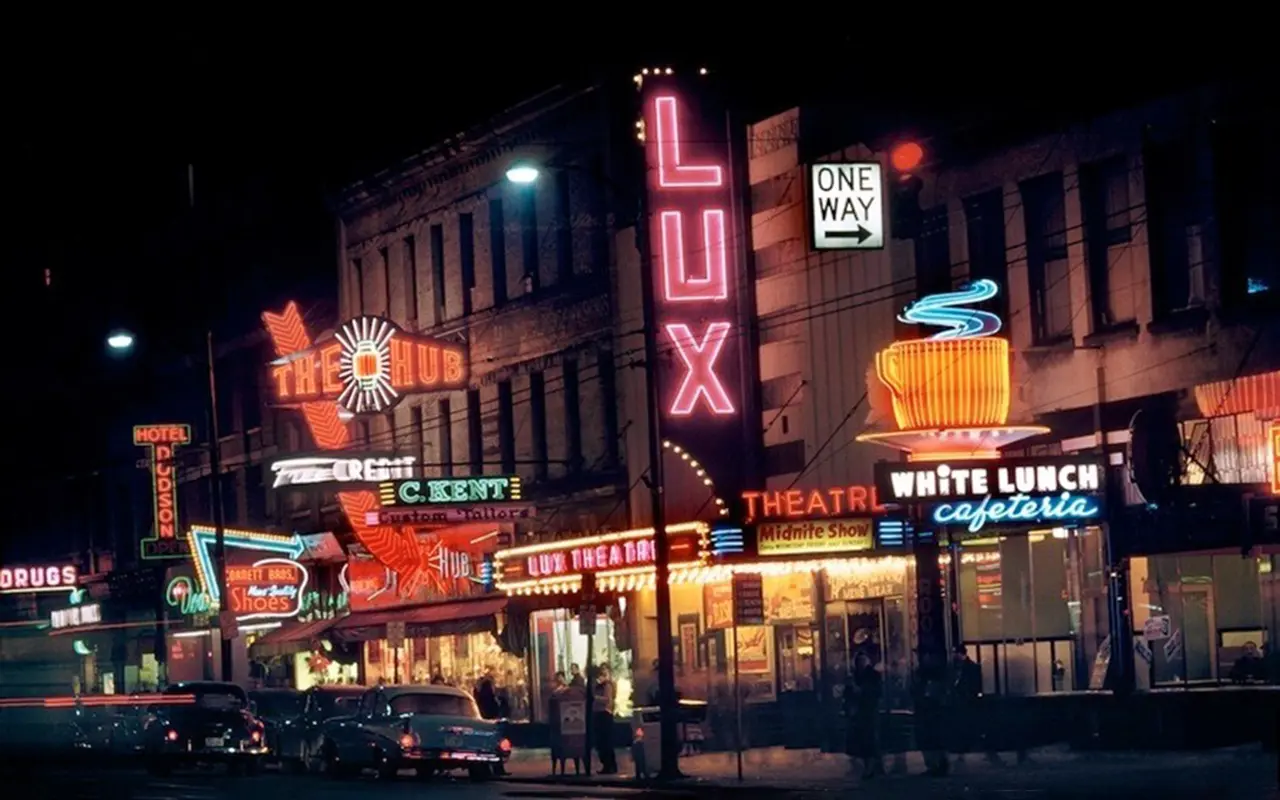
Many businesses, particularly those that operate late hours or around the clock—such as bars, restaurants, and convenience stores—have long used neon signs for their durability and efficiency. By keeping their neon signs on 24/7, they not only ensure visibility but also benefit from the longevity of their signage. The low maintenance required and minimal impact on energy costs make this approach practical and cost-effective for business owners.
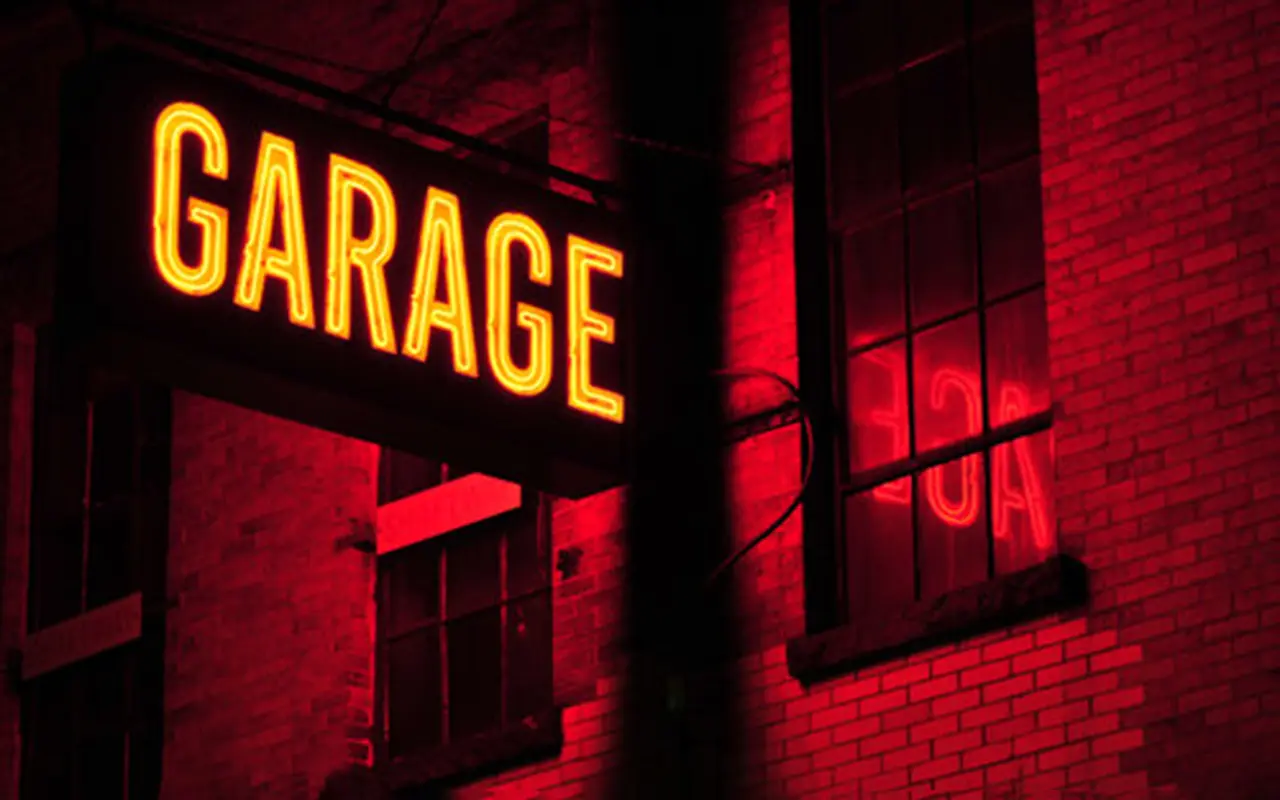
For homes, the same principle applies. Whether your neon sign is an aesthetic feature in a living room or a fun addition to a garage or game room, leaving it on can help prolong its lifespan. The consistent, soft glow can even serve as a nightlight or ambient lighting source, adding to its functional value beyond just decoration.
Do Neon Signs Use a Lot of Electricity?

One of the most common concerns among people considering neon signs is energy consumption. With their bright, steady glow, it’s natural to wonder if they drain a significant amount of electricity. However, neon signs are surprisingly energy-efficient, especially compared to other types of lighting.
Breaking Down Energy Usage in Neon Signs
Contrary to popular belief, neon signs are far from being energy hogs. The power consumption of a typical neon sign ranges from 60 to 100 watts, which is equivalent to what a standard household light bulb uses. For instance, a neon sign that is left on for 12 hours a day will use approximately 0.72 to 1.2 kilowatt-hours (kWh) of electricity. This is a relatively low amount compared to the high-visibility lighting that neon signs provide.
LED Neon Signs—An Even More Efficient Option
For those opting for LED neon signs, the energy efficiency is even greater. LED neon uses only about 15% to 20% of the power that traditional glass tube neon requires. This is because LEDs are designed to be highly efficient in converting electricity into light, with very little energy wasted as heat. LED neon signs are perfect for those who want the aesthetic appeal of neon lighting but with even lower electricity costs.
Cost Efficiency of Running Neon Signs
On average, leaving a neon sign on 24/7 will cost around 20 cents per day. In comparison, running a 75-watt incandescent light bulb for the same duration would cost slightly more, despite offering much less visual impact. For businesses that rely on attracting attention at all hours, this small daily cost is more than offset by the increase in customer visibility and engagement.
For home users, running a neon sign is similarly affordable. Given that neon signs often serve dual purposes—as both decorative elements and low-level lighting sources—many homeowners find that their electricity bills hardly reflect the presence of the sign. This makes neon a practical choice for those looking for stylish yet affordable lighting.
Are Neon Signs Safe to Leave On All the Time?

When it comes to electrical devices, safety is always a concern. Leaving any device running for extended periods can naturally raise questions about potential risks, but neon signs, particularly modern ones using LED technology, are designed with safety in mind. Let’s explore why neon signs are safe for continuous use and the precautions you should take to ensure their safety over time.
LED Neon Signs vs. Traditional Glass Neon Signs
Modern LED neon signs have revolutionized the safety and durability of neon lighting. Unlike traditional glass neon signs, which can heat up and are prone to breakage, LED neon signs are built to be cool to the touch and shatter-resistant. The LED technology used in these signs operates at a much lower voltage, reducing the risk of electrical shocks or fires.
Traditional neon signs, which use glass tubes filled with gases like neon or argon, may generate heat due to the energy conversion that takes place within the tubes. This heat can make the glass fragile and increases the potential risk of burns if touched. However, even with these risks, traditional neon signs have been widely used for decades with relatively few safety incidents—primarily because they were designed to handle continuous use. But when compared to LED neon signs, the latter offers a superior level of safety, especially for home and indoor environments.
Safety Benefits of LED Neon Signs
LED neon signs are typically encased in durable acrylic tubing, which provides added protection against impact. This acrylic material is far less likely to shatter compared to glass, making LED neon signs a much safer option for both residential and commercial use. Additionally, they are designed to emit very little heat, even after long periods of operation, making them safer to touch and more energy-efficient overall.
Beyond their physical construction, the low-voltage electricity used by LED neon signs minimizes the risk of electrical malfunctions. The lower voltage also means less strain on the power system, reducing the chance of a power surge leading to any electrical hazards. This makes LED neon signs a suitable option for businesses, homes, and even children’s rooms, where safety is a priority.
Key Safety Tips for Long-Term Neon Use
While neon signs are generally safe, following a few safety practices will ensure your sign runs smoothly and without incident. These tips are especially important for those leaving neon signs on 24/7:
- Check the Wiring Regularly: Make sure the wiring is in good condition and free of fraying or exposed areas. Damaged wiring can pose electrical risks, so it’s important to inspect it periodically and repair or replace it as needed.
- Keep the Sign in a Well-Ventilated Area: While LED neon signs don’t produce much heat, it’s still a good idea to place them in areas where air can circulate freely. This will further reduce the risk of any potential overheating.
- Avoid Moisture Exposure: Neon signs should always be kept in dry environments. Exposure to moisture can compromise the sign’s electrical components, increasing the risk of short circuits or malfunctions.
- Use the Correct Transformer: Ensure that the transformer powering your neon sign is correctly rated for your specific model. The wrong transformer can lead to overloading or damage, which can increase safety risks.
By taking these precautions, you can confidently leave your neon sign on for extended periods without worrying about safety issues.
Final Tips for Maximizing Neon Sign Longevity
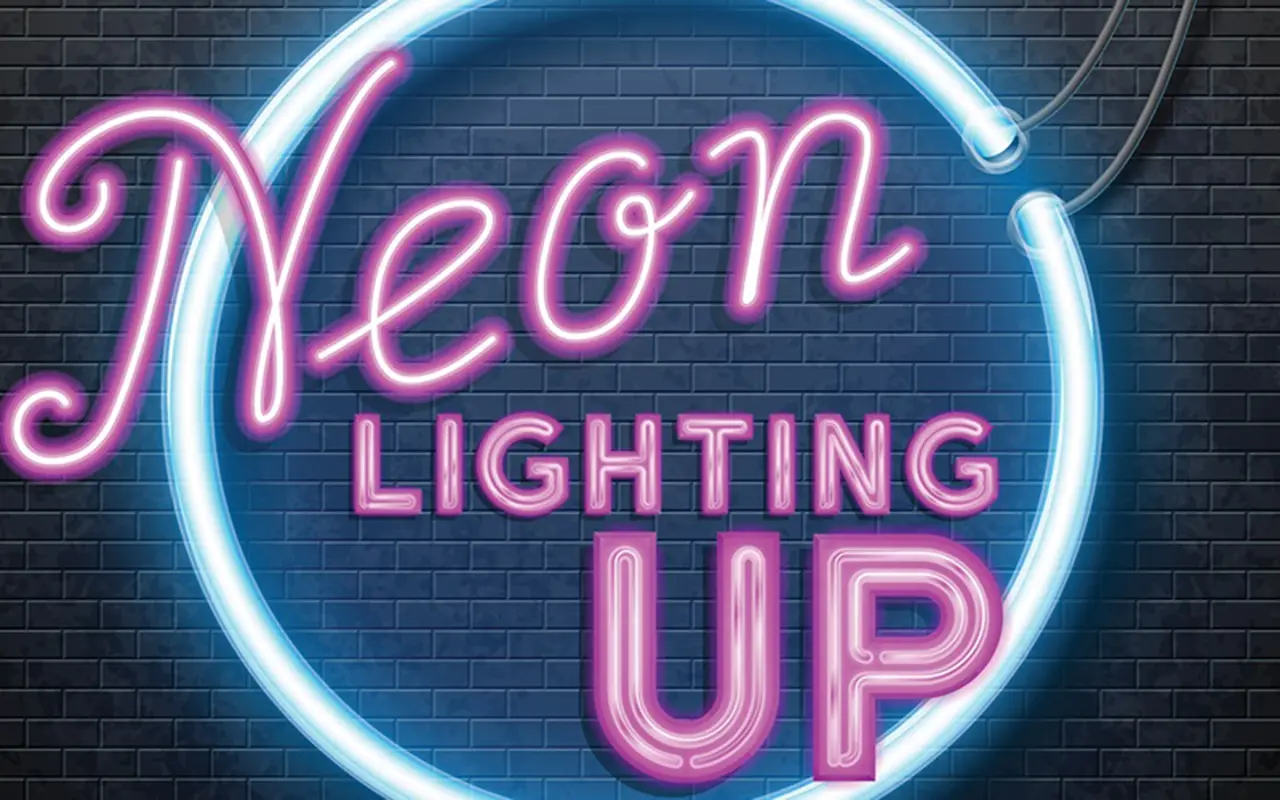
While leaving your neon sign on 24/7 has clear benefits in terms of performance and longevity, there are several additional practices you can follow to further extend the life of your neon sign. Proper care and regular maintenance will ensure that your sign continues to shine brightly for years to come.
Proper Installation is Key
One of the most important steps you can take to prolong the life of your neon sign is to ensure that it is installed correctly. This means using the appropriate voltage and wiring based on the manufacturer’s specifications. An improperly installed sign can lead to electrical malfunctions, which may shorten its lifespan or even cause damage. If you’re unsure about the technical aspects of installation, it’s always best to consult a professional to get the job done right.
Avoid Extreme Environmental Conditions
Neon signs, especially those made with glass tubes, can be sensitive to environmental conditions. For example, exposing the sign to direct sunlight, extreme heat, or freezing temperatures can degrade the materials over time. Moisture is another factor to avoid, as it can cause rust or corrosion in the electrical components, leading to short circuits.
For indoor signs, place them in a stable, temperate area where they won’t be exposed to sudden temperature changes or excess humidity. If your neon sign is placed outdoors, consider protective housing that shields it from the elements while still allowing it to be visible.
Regular Inspections and Maintenance
Just like any electrical device, regular inspections of your neon sign can help you catch potential issues before they become major problems. Pay close attention to the condition of the transformer, wiring, and tubing. If you notice any flickering or dimming in your sign, it could be an early indication that something needs to be repaired or replaced.
Transformer Health: The transformer is the heart of your neon sign. If it starts to show signs of wear, such as buzzing or overheating, it may need to be replaced. A failing transformer can drastically reduce the lifespan of your neon sign.
Wiring Condition: Ensure that all wires remain intact, and free of frays or damage. Loose or broken wires can not only affect the sign’s performance but also pose safety risks.
Cleaning Your Neon Sign Properly
Keeping your neon sign clean is important for maintaining its bright and vibrant appearance. Fortunately, neon signs, particularly LED versions, are easy to clean. You don’t need any special tools or harsh chemicals to get the job done.
- Turn Off the Sign Before Cleaning: Always ensure that your neon sign is turned off and unplugged from the power source before cleaning. This will eliminate any risk of electrical shocks.
- Dust Regularly: Use a soft cloth or a feather duster to remove dust and debris from the surface of your neon sign. For hard-to-reach areas, a nylon brush with soft bristles can be used gently.
- Clean with Care: For more stubborn stains or grime, mix a small amount of ammonia with water (½ cup of each) and dampen a cloth with the solution. Wipe down the sign carefully, making sure not to apply too much pressure to avoid damaging any delicate components.
By following these simple cleaning practices, your neon sign will continue to shine as brightly as the day you installed it.
Maintaining Your Neon Sign for Long-Term Use
By combining proper installation, regular inspections, and good cleaning habits, you can significantly extend the life of your neon sign. A well-maintained neon sign can last for many years, offering a bright, captivating glow that continues to draw attention. Whether it’s for a business or home, proper care will ensure your neon sign stays in top shape, lighting up your space for the long term.
Conclusão
Leaving your neon sign on all the time isn’t just safe—it’s often the best choice for maintaining its longevity. With minimal energy consumption, excellent durability, and vibrant visual appeal, neon signs are a cost-effective and practical solution for both homes and businesses. Just ensure proper installation, and regular maintenance, and you’ll enjoy the bright glow of your neon sign for many years to come.
In conclusion, leaving your neon sign on 24/7 can be both safe and beneficial with the right precautions. If you’re considering upgrading your signage, Unitop is here to help. As one of China’s leading manufacturers of Fitas de LED e LED neon flex, we offer innovative, energy-efficient lighting solutions tailored to your needs. Whether you have questions or are ready to elevate your space with cutting-edge neon lighting, contact us today to discover how our expertise can light the way forward.

Tom é agora o Gerente de Vendas de Unitop (China) Co., Limitada. Ele tem estado no Iluminação LED indústria desde 2005. Ele é um especialista em vendas & marketing, e gestão de fábricas. Ele gosta de musculação, e é também um fã louco da Apple! Ele é um tipo trabalhador e adora aprender e experimentar coisas novas.
Correio eletrónico: tom@unitopledstrip.com WhatsApp: +86-18680307140



Leave a Reply
Quer juntar-se à discussão?Esteja à vontade para contribuir!