
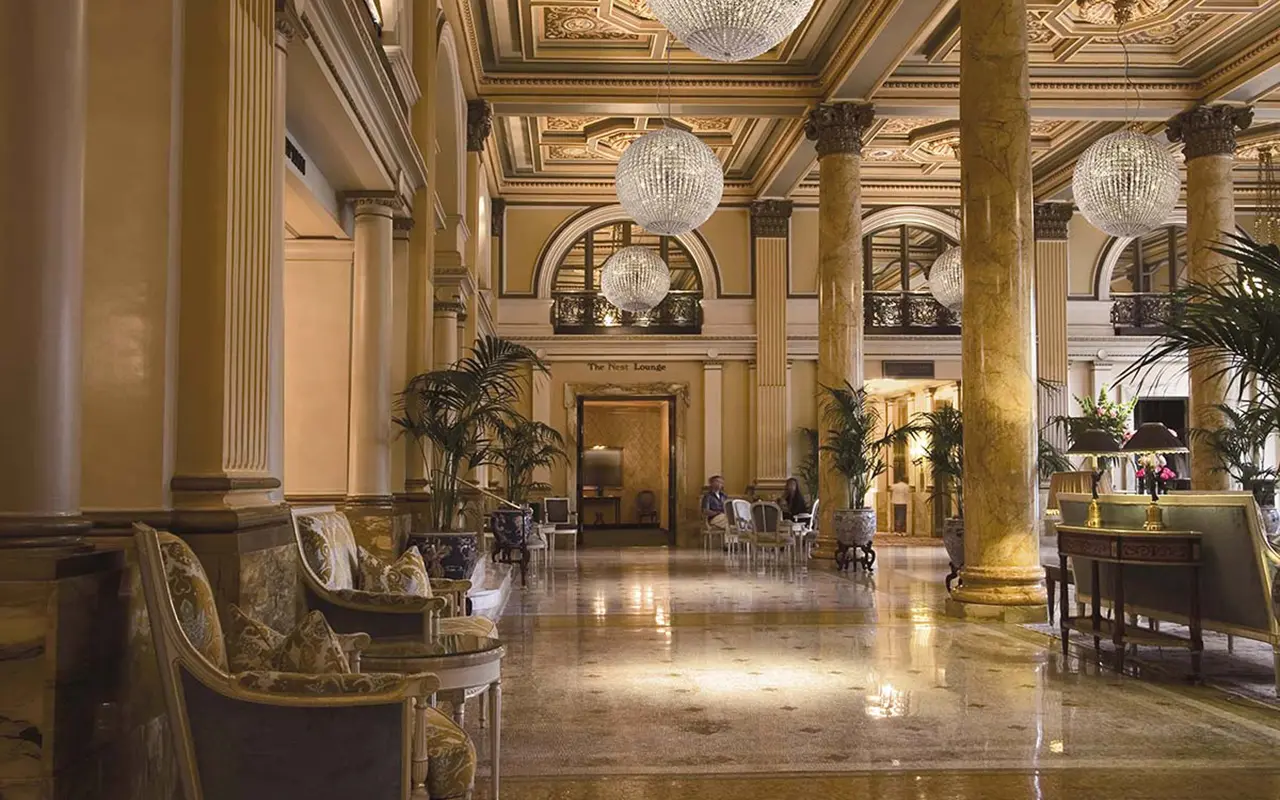
Did you know the right hotel lighting can transform a guest’s experience from mediocre to unforgettable? Hotel lighting isn’t just about brightening up spaces; it’s about creating an ambiance that speaks to your establishment’s comfort, luxury, and elegance. Yet, many hoteliers need to pay more attention to its importance, often leading to challenges such as poorly lit areas, high energy costs, and dissatisfied guests. One major misconception is that more lighting equals better lighting. However, quality trumps quantity when it comes to creating the perfect atmosphere. Poorly designed lighting can make even the most luxurious hotels appear dull and uninviting. Conversely, well-planned lighting enhances the aesthetic appeal, functionality, and overall guest experience, making your hotel stand out in a competitive market.
The significance of hotel lighting extends beyond aesthetics. Effective lighting improves safety, enhances mood, and can even boost productivity. Moreover, energy-efficient lighting solutions contribute to sustainability and cost savings, aligning with the growing demand for eco-friendly hospitality practices. In this article, we’ll cover everything you need to know about hotel lighting. We’ll discuss the different types of lighting, best practices for various hotel areas, the benefits of energy-efficient solutions, and the latest trends in smart lighting. Additionally, we’ll explore case studies of successful hotel lighting transformations to provide real-world insights.
Ready to transform your hotel’s lighting? Let’s delve into this comprehensive guide and discover how to create an illuminating experience that guests will rave about.
Understanding Hotel Lighting
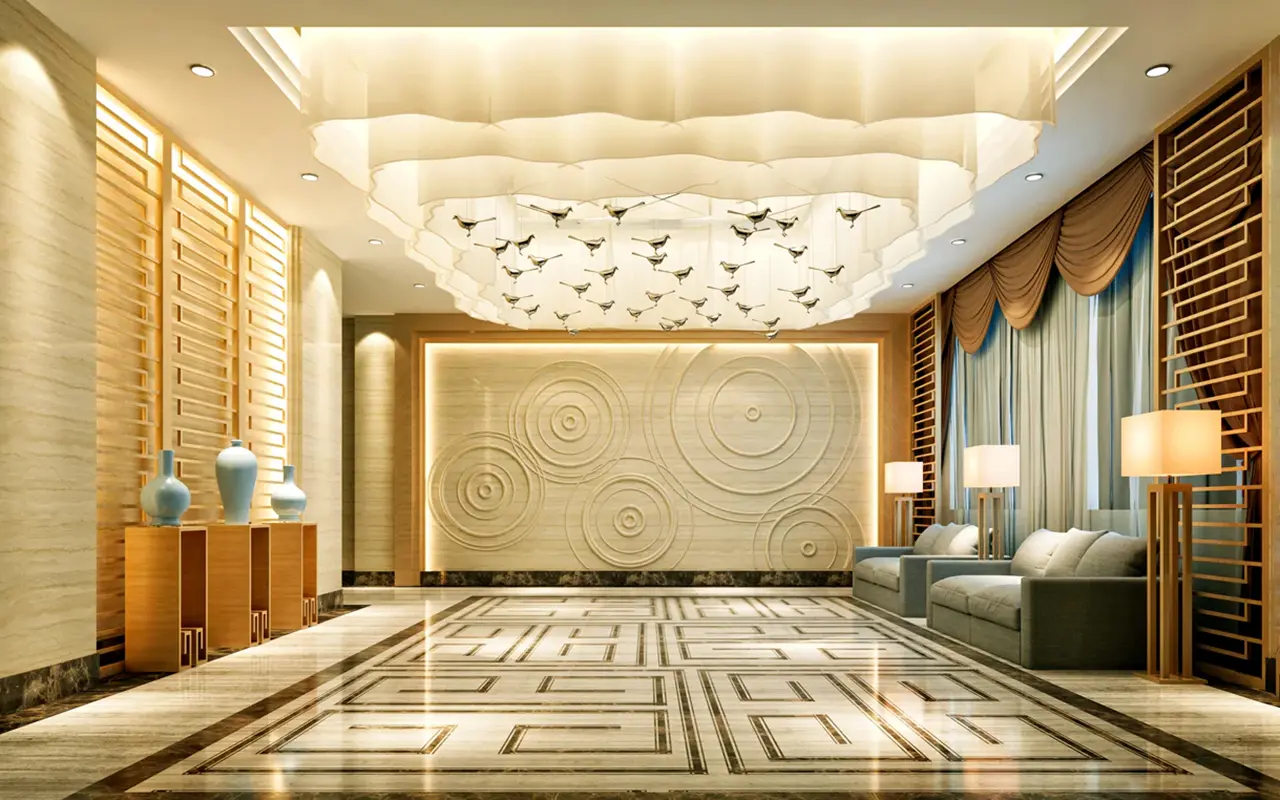
Hotel lighting encompasses all the elements used throughout a hotel, including ambient, task, accent, and decorative lighting. It involves strategic planning to ensure that each hotel area is illuminated effectively to meet functional and aesthetic needs.
Key Components of Effective Hotel Lighting
Effective hotel lighting includes various components such as fixtures, controls, and design principles. Fixtures must be chosen for their style and functionality, while lighting controls allow for the customization of light levels and settings. The design must consider the hotel’s layout, architecture, and guest needs.
How Lighting Influences Ambiance and Mood
Lighting plays a crucial role in setting the mood and ambiance of a hotel. Soft, warm lighting can create a cozy and inviting atmosphere, while bright, cool lighting suits workspaces and meeting areas. The light’s color, temperature, and intensity influence how guests feel and interact with their environment.
The Impact of Hotel Lighting on Guest Experience
Hotel lighting directly affects how guests perceive and enjoy their stay. Warm, welcoming lighting can make guests feel at home, while poorly designed lighting can leave a negative impression. Every lighting decision contributes to the overall experience, from the lobby to the guest rooms.
Understanding the nuances of hotel lighting helps owners make informed decisions that enhance guest satisfaction, improve energy efficiency, and reinforce the hotel’s brand identity. This comprehensive guide covers everything from the basics to advanced lighting solutions, offering crucial insights for any hotel owner.
Types of Hotel Lighting
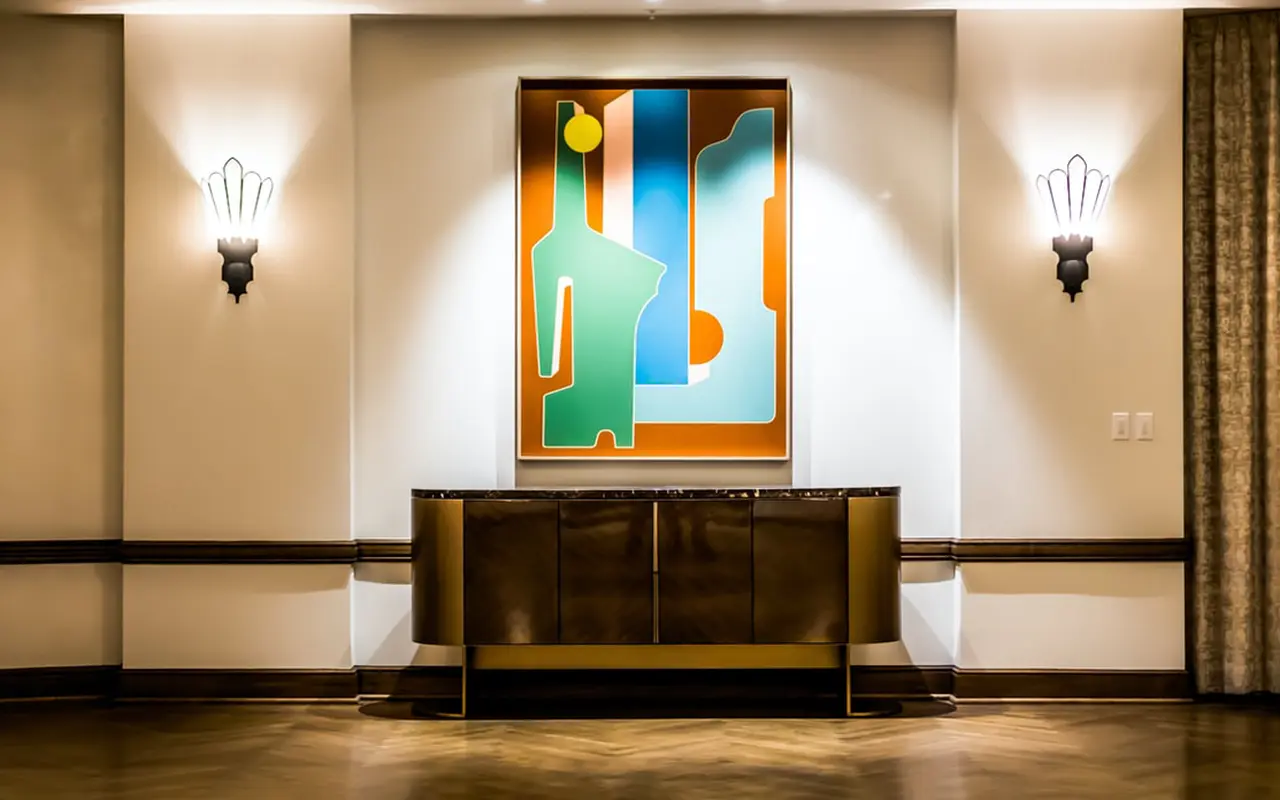
Ambient Lighting: Setting the Overall Mood
Ambient lighting provides general illumination for a room, setting the overall mood and ensuring visibility. It should be soft and even, avoiding harsh shadows and glare.
To achieve effective ambient lighting, use a mix of ceiling lights, wall sconces, and floor lamps. Consider the color temperature and ensure it complements the hotel’s interior design.
Top hotels often use chandeliers in lobbies, recessed lighting in hallways, and strategically placed lamps in guest rooms to create a warm, inviting ambiance.
Task Lighting: Enhancing Functionality
Task lighting focuses on areas where reading, working, or grooming occur. It should be bright enough to reduce eye strain but soft enough to avoid discomfort.
Key areas include desks, bedside tables, bathroom mirrors, and kitchenettes. Proper task lighting in these areas enhances functionality and guest comfort.
Use adjustable desk lamps for workspaces, and install wall-mounted reading lights by the bed. Ensure bathroom lighting around mirrors is bright and even aids in grooming tasks.
Accent Lighting: Highlighting Key Features
Accent lighting highlights architectural features, artwork, or decorative elements, adding depth and interest to a space.
Spotlights, track lighting, and wall-mounted fixtures can highlight key areas, such as artwork, plants, or unique architectural features.
Many luxury hotels use accent lighting to highlight sculptures, paintings, or unique structural elements, creating a visually engaging environment.
Decorative Lighting: Adding Flair and Personality
Decorative lighting serves functional and aesthetic purposes, contributing to the hotel’s unique style and ambiance.
Choose modern, classic, or eclectic fixtures that align with the hotel’s design theme. Ensure that decorative lights also provide adequate illumination.
While decorative lights add personality, they must also serve practical purposes. Combine chandeliers, pendant lights, and artistic lamps to balance form and function.
Natural Lighting: Maximizing Daylight
Natural lighting connects guests with the outdoors, enhances mood, and reduces energy consumption.
Natural light creates a vibrant and inviting atmosphere, improves mood, and supports a healthy circadian rhythm. It also helps in reducing energy costs by minimizing the need for artificial lighting.
Use large windows, skylights, and strategically placed mirrors to maximize natural light. Sheer curtains can diffuse harsh sunlight, creating a soft, pleasant glow.
Design Principles for Hotel Lighting
- Creating a Welcoming Lobby Atmosphere: The lobby is the first point of contact for guests. Use chandeliers, pendant lights, and accent lighting to create a welcoming and luxurious ambiance.
- Enhancing Guest Rooms with Personalized Lighting: Guest rooms should offer versatile lighting options, including bedside lamps, desk lights, and ambient lighting. Personalized controls allow guests to adjust the lighting to their preferences.
- Perfecting Restaurant and Bar Lighting: Restaurant and bar lighting should create a warm and inviting atmosphere. Use dimmable fixtures to adjust lighting levels based on the time of day and desired ambiance.
- Optimizing Conference and Event Spaces with Lighting: Conference rooms require bright, even lighting for meetings and presentations. Dimmable fixtures and advanced control systems allow for versatile lighting adjustments.
- Spa and Wellness Center Lighting: Creating Tranquility: Spa lighting should promote relaxation and tranquility. Soft, diffused lighting with warm color temperatures creates a calming atmosphere.
Lighting by Hotel Area
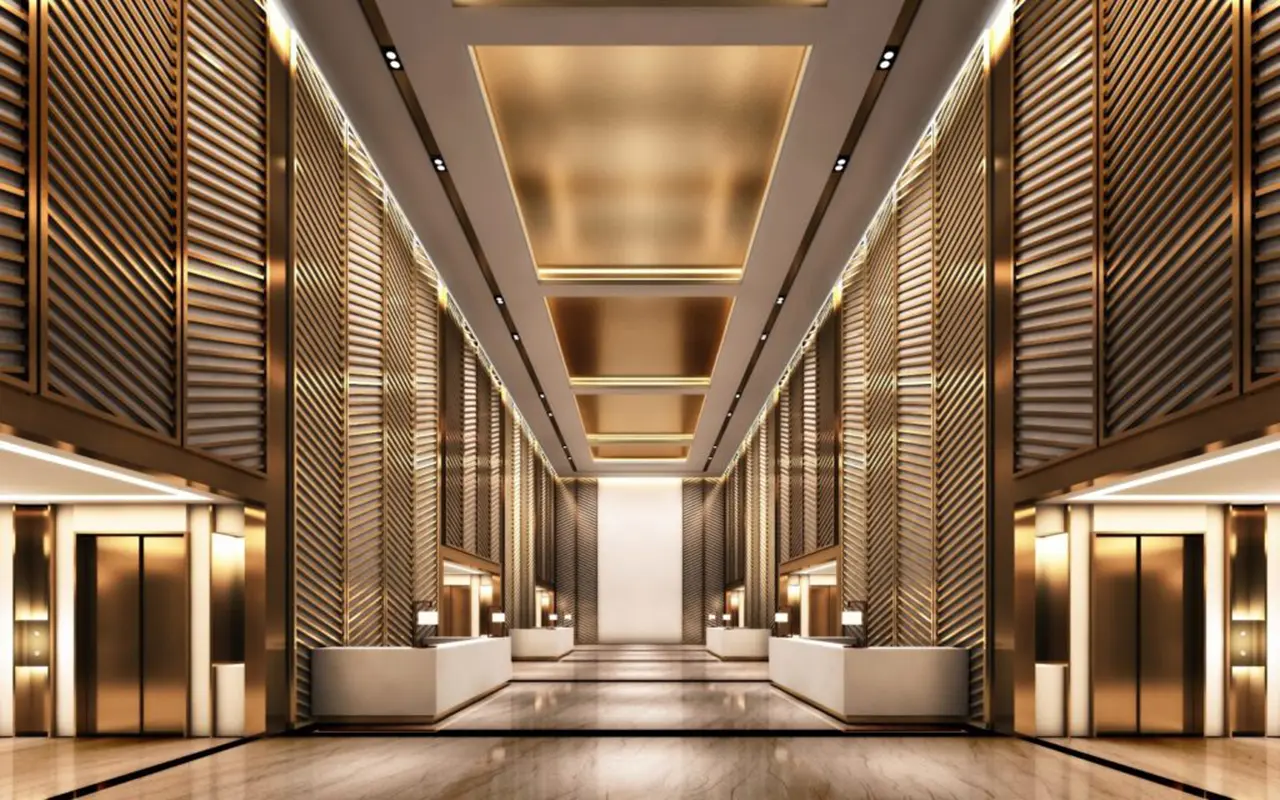
The Entrance: First Impressions Matter
The entrance sets the tone for the guest experience. Use chandeliers, pendant lights, and accent lighting to create a grand and welcoming entrance. A chandelier is a focal point, while pendant lights enhance architectural features. Accent lighting, like wall sconces, highlights decorative elements, ensuring guests feel welcomed and safe.
Bedrooms: Comfort and Relaxation
Bedrooms should offer versatile lighting for various activities. Use bedside lamps, overhead fixtures, and task lighting to create a comfortable and relaxing environment. Adjustable bedside lamps allow reading without disturbing others, while overhead fixtures provide general illumination. Task lighting at desks ensures adequate light for work or reading.
Bathrooms: Functionality and Style
Bathroom lighting should provide adequate illumination for grooming while enhancing the overall aesthetic. Use lights around mirrors and diffused lighting for a spa-like atmosphere. Bright, focused lighting around mirrors is essential for tasks like shaving or applying makeup. Diffused lighting softens the ambiance, creating a relaxing environment.
Corridors and Stairs: Safety and Aesthetics
Corridors and stairs require uniform lighting for safety and aesthetics. Use wall-mounted fixtures and recessed lights to provide even illumination. Proper lighting prevents accidents and ensures guests can navigate the hotel easily. Wall-mounted fixtures add decorative elements while providing consistent light levels.
Restaurant and Bar: Dining Ambiance
Restaurant and bar lighting should create a warm and comfortable dining atmosphere. Use dimmable fixtures and accent lighting to enhance food presentations and create a cozy setting. Soft, warm lighting makes the environment inviting, with dimmable fixtures allowing adjustment for different dining experiences.
Conference Rooms: Professional and Versatile
Conference rooms need versatile lighting for various functions. Use bright, even lighting for meetings and dimmable fixtures for discussions. Adequate lighting ensures productivity and concentration, while dimmable fixtures create a comfortable setting for relaxed discussions or presentations.
Banquet Halls: Elegant and Adaptable
Banquet halls should offer elegant lighting for different events. Use chandeliers and adjustable lighting systems to create various moods. Grand chandeliers provide a focal point, while adjustable systems allow for changes in intensity and color to suit the event.
Hotel Gyms: Motivating and Safe
Hotel gyms require bright, even lighting for safety and motivation. Use cool color temperatures to create an energizing environment. Proper illumination ensures safety and creates a dynamic atmosphere, encouraging guests to stay active.
Spa Areas: Creating Serenity and Luxury
Spa areas should provide a serene and luxurious environment. Use soft, diffused lighting with warm color temperatures to create a calming atmosphere. Soft lighting relaxes the mind and body, while diffused light ensures no harsh shadows or glaring lights, creating a tranquil space.
Safety and Security Lighting
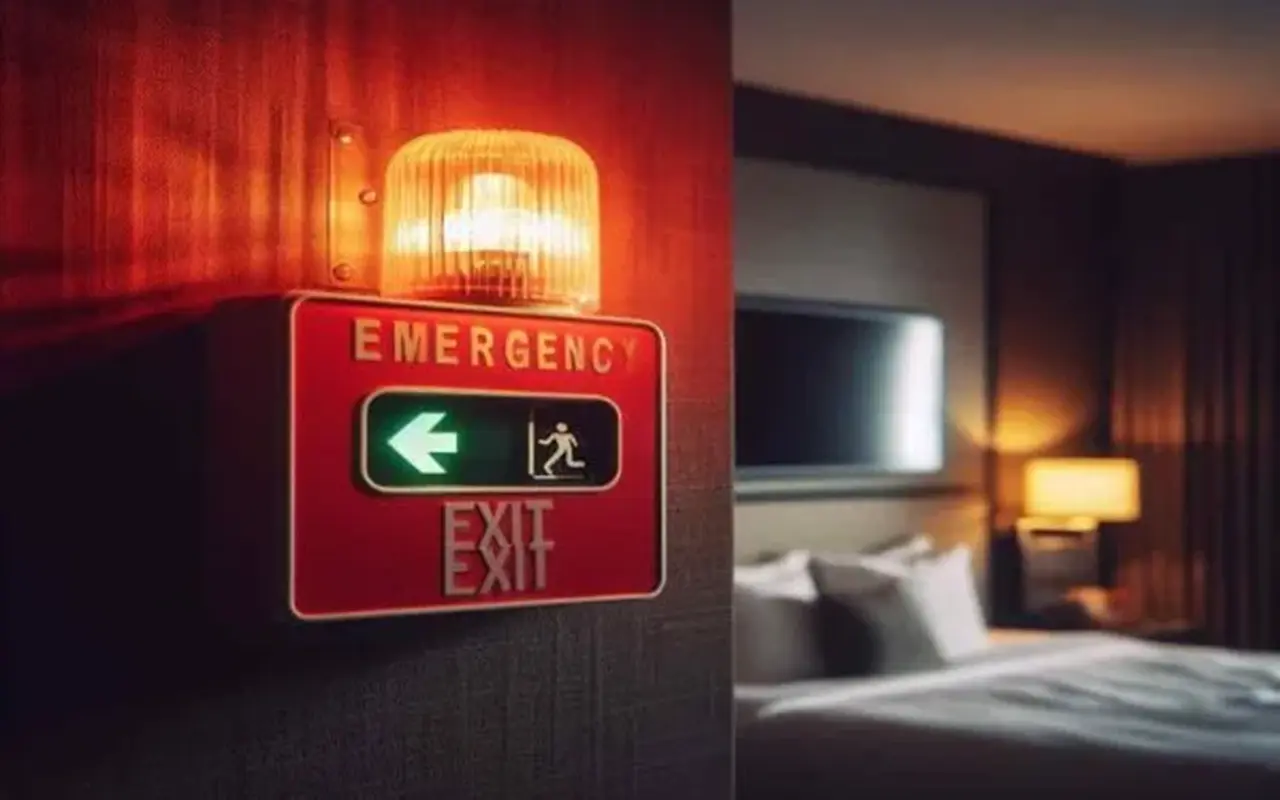
Importance of Safety Lighting in Hotels
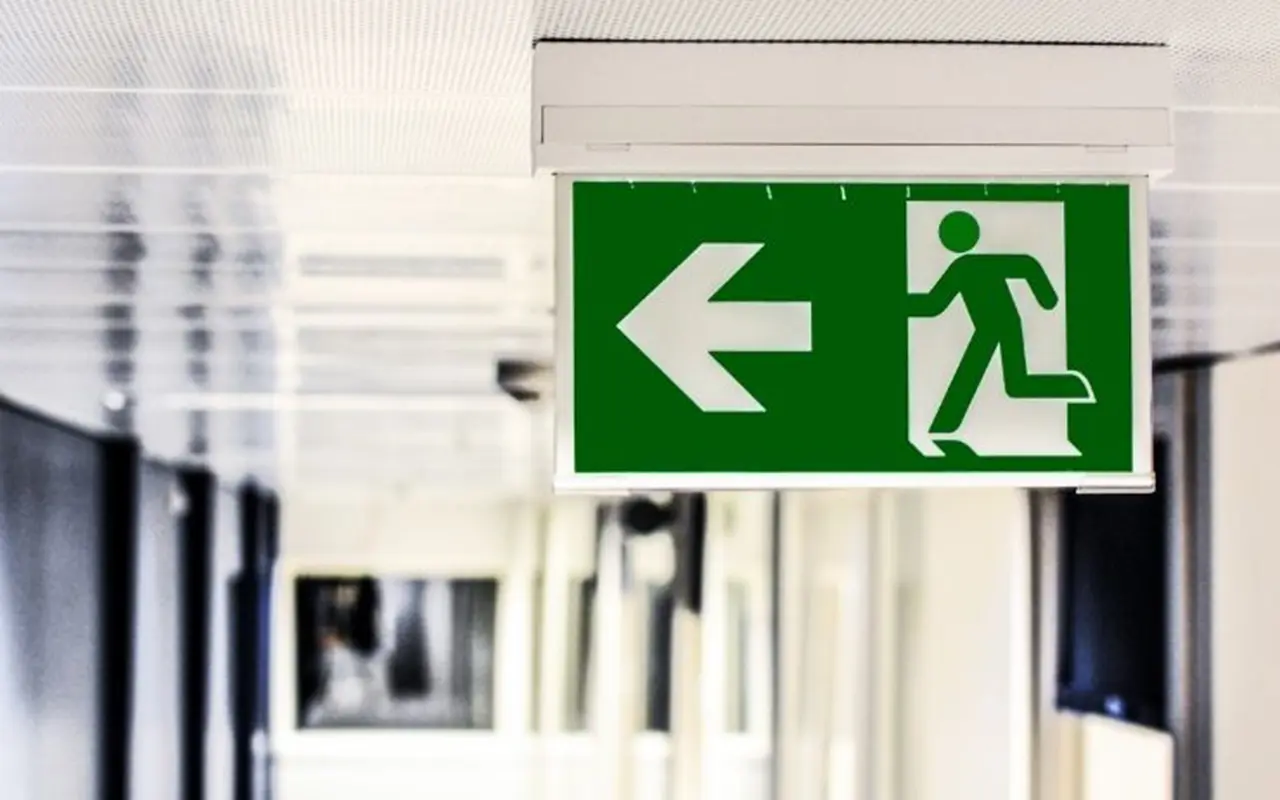
Safety lighting ensures guest safety and security, providing adequate illumination in all areas, including corridors, stairwells, and emergency exits.
Best Practices for Security Lighting
Use bright, even lighting in high-risk areas, such as parking lots and entrances. Motion sensors and timed lighting controls enhance security and energy efficiency.
Properly illuminated pathways, emergency exits, and common areas reduce the risk of accidents and enhance guest safety.
Examples include motion-activated lights in parking areas, illuminated emergency exits, and well-lit stairwells.
Outdoor and Landscape Lighting for Hotels
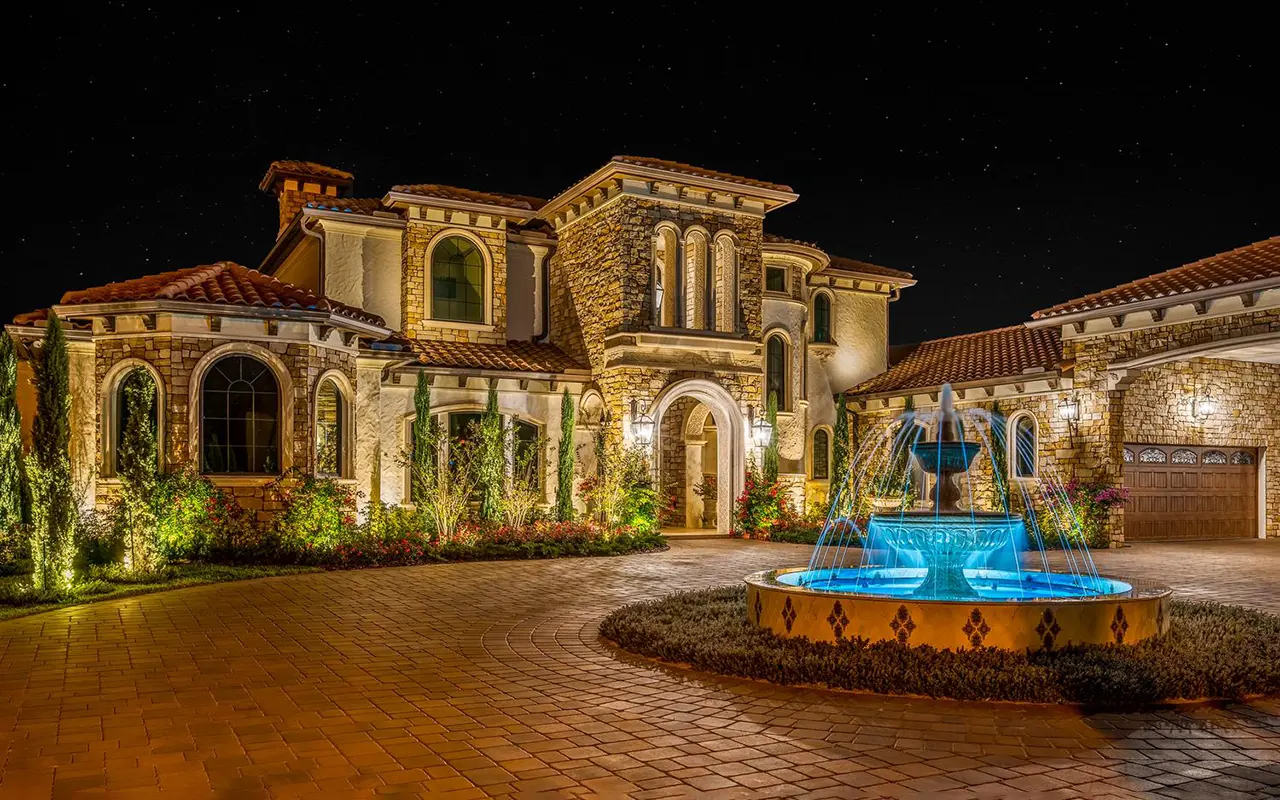
Enhancing Curb Appeal with Exterior Lighting
Exterior lighting highlights the hotel’s architecture and landscaping, creating an inviting entrance. Use uplights, downlights, and accent lighting to enhance curb appeal.
Garden and Pathway Lighting Techniques
Combine different lighting techniques to create depth and interest. Uplight trees and architectural elements, downlight pathways, and use string lights for ambiance.
Use LED fixtures and solar-powered lights to reduce energy consumption and maintenance costs. Smart controls optimize lighting schedules, ensuring efficient energy use.
Certifications and Quality Requirements for Hotel Lighting
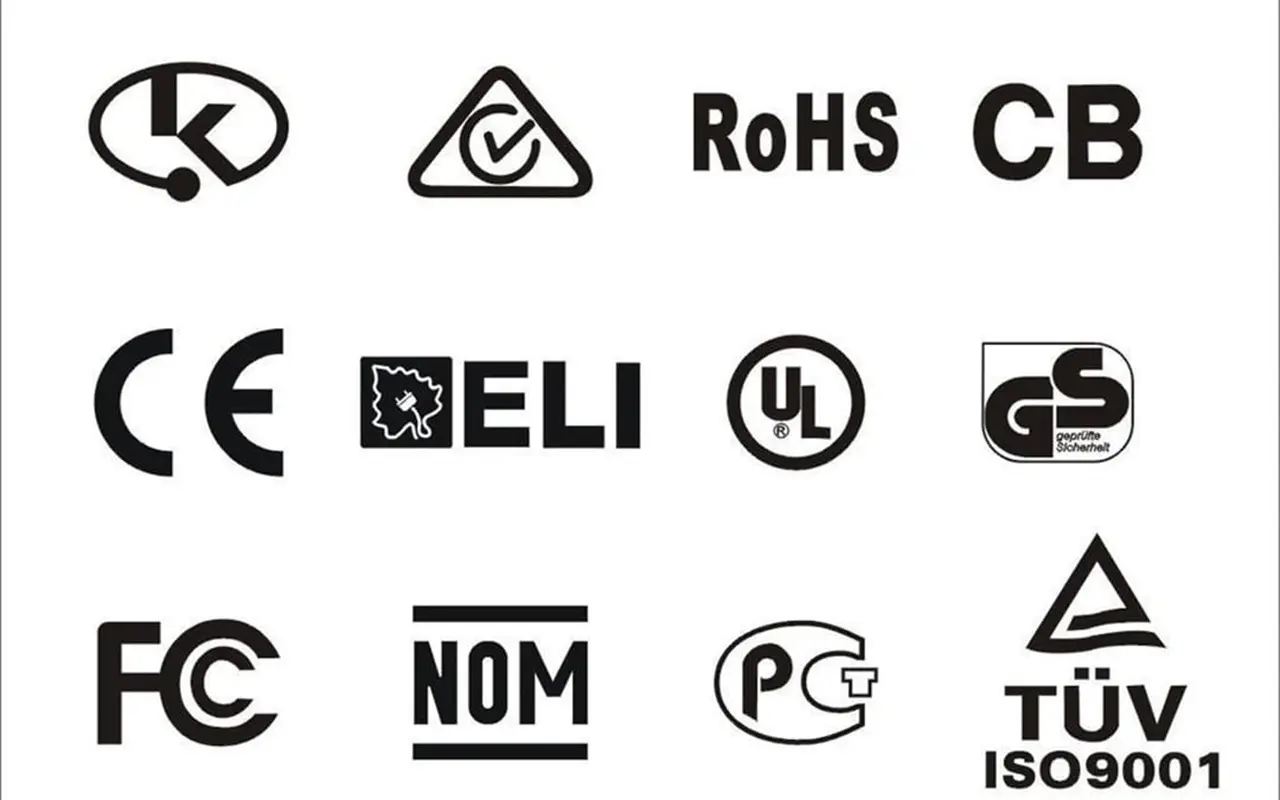
- CE: The CE mark indicates compliance with European safety, health, and environmental protection standards.
- VDE: The VDE mark signifies that a product meets stringent safety and quality standards, providing hotel owners and guests peace of mind.
- UL: The UL mark indicates a product has been tested and certified for safety and suitability in various environments.
- ETL: The ETL mark signifies compliance with North American safety standards, ensuring safe and efficient operation.
- ADA: The ADA mark indicates compliance with accessibility standards, ensuring that lighting fixtures are usable by individuals with disabilities.
- SAA: The SAA mark signifies compliance with Australian and New Zealand safety standards.
- CCC: The CCC mark indicates compliance with Chinese safety standards, ensuring suitability for the Chinese market.
Common Mistakes in Hotel Lighting and How to Avoid Them
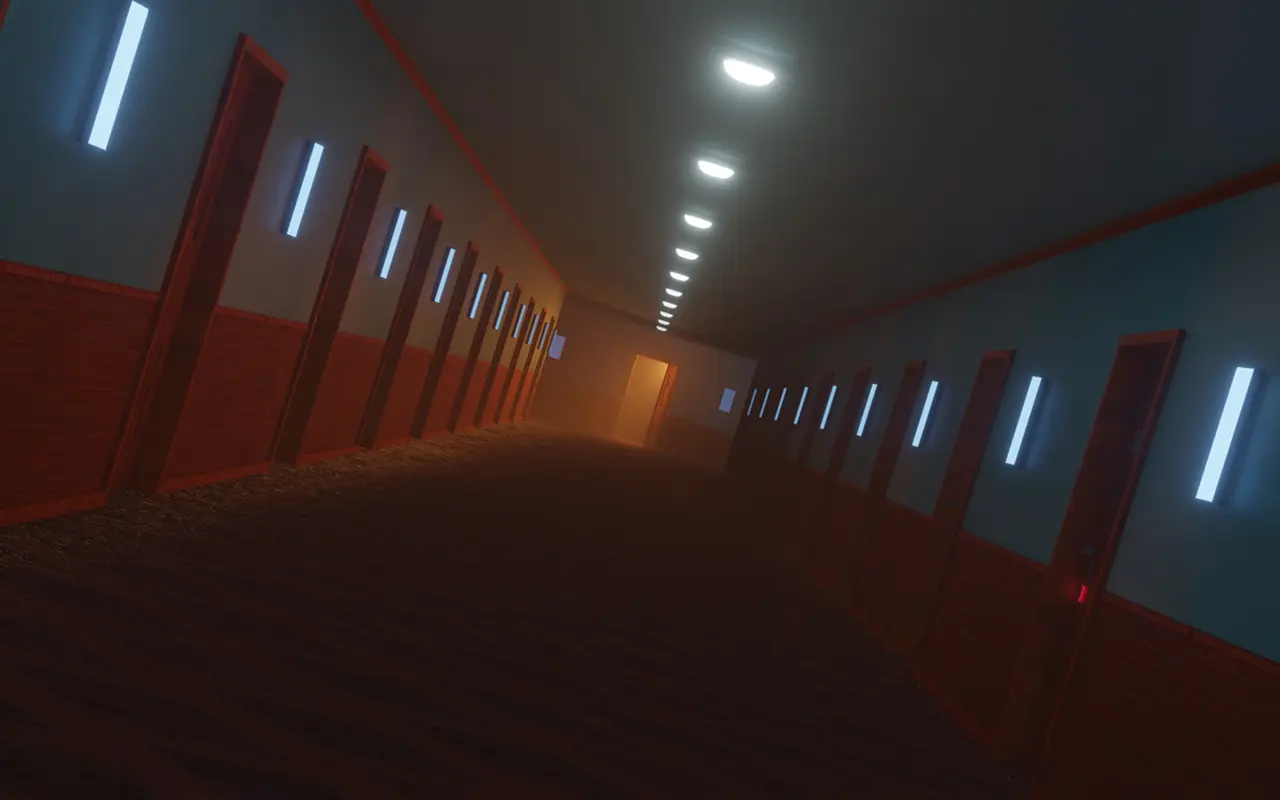
Overlooking the Importance of Lighting Design
Proper lighting design is crucial for functionality and aesthetics. Pay attention to this aspect in the planning stage to ensure all areas are adequately lit, enhancing safety and ambiance.
Ignoring Energy Efficiency
Energy-efficient lighting reduces costs and environmental impact. Implement LED and smart lighting solutions to optimize energy use, benefiting your bottom line and supporting sustainability goals.
LED lighting offers longevity, energy efficiency, and versatility in design. However, the initial investment can be higher than traditional lighting options.
LEDs significantly reduce energy consumption and maintenance costs, resulting in long-term savings. Implementing energy-efficient lighting can lead to substantial cost reductions over time.
Failing to Integrate Smart Solutions
Smart lighting offers convenience, flexibility, and energy savings. Avoid missing out on these benefits by integrating smart solutions into your lighting plan, enhancing the guest experience, and improving operational efficiency.
Smart lighting involves automated systems to control lighting based on occupancy, time of day, and natural light levels. It offers enhanced convenience, energy efficiency, and customization.
Smart lighting systems can be integrated with hotel management software, allowing centralized control and automation. This integration optimizes energy use and enhances the guest experience.
Smart lighting systems provide flexibility, improve energy efficiency, and offer personalized settings for guests. Automated controls ensure optimal lighting conditions at all times.
Technologies include motion sensors, occupancy sensors, and wireless control systems. These innovations enable dynamic lighting adjustments and enhance overall efficiency.
Future Trends in Hotel Lighting
- Innovations in Lighting Technology: Innovations in smart lighting, energy-efficient solutions, and advanced control systems offer enhanced flexibility and improved energy efficiency. Modern technology allows for remote control, automated adjustments, and integration with other smart systems, optimizing energy use and guest comfort.
- The Rise of Human-Centric Lighting: Human-centric lighting aligns with natural circadian rhythms, enhancing well-being and productivity. It adjusts color temperature and intensity based on the time of day, supporting the body’s internal clock and improving sleep quality, mood, and overall health.
- Sustainable and Eco-Friendly Lighting Trends: Sustainable lighting solutions, including LEDs and solar-powered fixtures, reduce energy consumption and environmental impact. Energy-efficient options like LED lighting and solar power support ecological goals and appeal to eco-conscious guests, enhancing the hotel’s reputation.
Najczęściej zadawane pytania
Q: What are the benefits of using LED lighting in hotels?
A: LED lighting offers several hotel benefits, including energy efficiency, long lifespan, and reduced maintenance costs. LEDs also provide versatile design options and can be easily integrated with smart lighting systems, enhancing hotel spaces’ functionality and aesthetics.
Q: How does hotel lighting influence guest experience?
A: Hotel lighting significantly impacts the guest experience by setting the mood and ambiance. Proper lighting can create a welcoming atmosphere, improve comfort, and enhance the overall aesthetic appeal of the hotel, making guests feel more at home and increasing their satisfaction.
Q: What types of lighting are essential for hotel rooms?
A: Essential lighting for hotel rooms includes ambient lighting for general illumination, task lighting for activities like reading and working, and accent lighting to highlight décor and architectural features. Combining these lighting types creates a comfortable and functional environment for guests.
Q: How can hotels enhance energy efficiency through lighting?
A: Hotels can enhance energy efficiency by using LED lighting, implementing smart lighting systems that adjust based on occupancy and natural light levels, and incorporating energy-efficient fixtures. These strategies help reduce energy consumption and lower operational costs.
Q: What is the role of smart lighting in modern hotels?
A: Smart lighting in modern hotels offers automated control over lighting settings, allowing for personalized guest experiences and optimized energy use. Features like motion sensors, occupancy detection, and wireless connectivity enable dynamic adjustments, enhancing convenience and efficiency.
Q: How should hotel lobbies be lit to create a welcoming atmosphere?
A: Hotel lobbies should be lit using a combination of chandeliers, pendant lights, and accent lighting to create a warm and inviting atmosphere. The lighting should highlight architectural features and provide sufficient illumination for guests to navigate the space comfortably.
Q: Why is natural lighting important in hotels?
A: Natural lighting is important in hotels because it enhances the ambiance, improves mood, and connects guests with the outdoor environment. Large windows, skylights, and mirrors can maximize natural light, creating a sense of spaciousness and reducing the need for artificial lighting.
Q: What are the best practices for safety lighting in hotels?
A: Best practices for safety lighting in hotels include ensuring bright and even illumination in high-risk areas like parking lots and entrances, using motion sensors for added security, and maintaining well-lit pathways, stairwells, and emergency exits to reduce the risk of accidents.
Q: How can hotels balance functionality and aesthetics in decorative lighting?
A: Hotels can balance functionality and aesthetics in decorative lighting by choosing fixtures that complement the interior design while providing adequate illumination. Combining chandeliers, pendant lights, and artistic lamps can enhance the hotel’s unique style and ensure practical lighting.
Q: What are some future trends in hotel lighting?
A: Future trends in hotel lighting include innovations in smart lighting technology, the rise of human-centric lighting that aligns with natural circadian rhythms, and sustainable lighting solutions that reduce energy consumption and environmental impact. These trends aim to enhance guest experiences and support sustainability goals.
Wnioski
Hotel lighting is a critical aspect of creating memorable and comfortable guest experiences. Effective lighting design involves understanding different types of lighting, integrating smart solutions, prioritizing energy efficiency, and ensuring safety and functionality across all hotel areas.
Investing in well-designed, energy-efficient, smart lighting solutions enhances the guest experience, reinforces brand identity, and contributes to operational efficiency. By following best practices and staying informed about industry trends, hotel owners can create exceptional lighting environments that set their establishments apart.
Unitopjeden z wiodących chińskich producentów Taśmy LED oraz LED Neon Flex, is dedicated to providing top-quality products and expert guidance. With a wealth of experience and a strong reputation in the LED industry, Unitop stands out for its innovation and commitment to customer satisfaction. If you have any questions or specific requirements, please skontaktuj się z nami immediately. Our team is ready to assist you in finding the perfect LED lighting solution for your needs.

Tom jest obecnie kierownikiem sprzedaży w Unitop (China) Co., Limited. Był w Oświetlenie LED od 2005 roku. Jest ekspertem w dziedzinie sprzedaży i marketingu oraz zarządzania fabryką. Lubi kulturystykę, a także jest szalonym fanem Apple! Jest ciężko pracującym facetem i uwielbia uczyć się i próbować nowych rzeczy.
E-mail: tom@unitopledstrip.com WhatsApp: +86-18680307140



Dodaj komentarz
Chcesz się przyłączyć do dyskusji?Zapraszamy do udziału!