
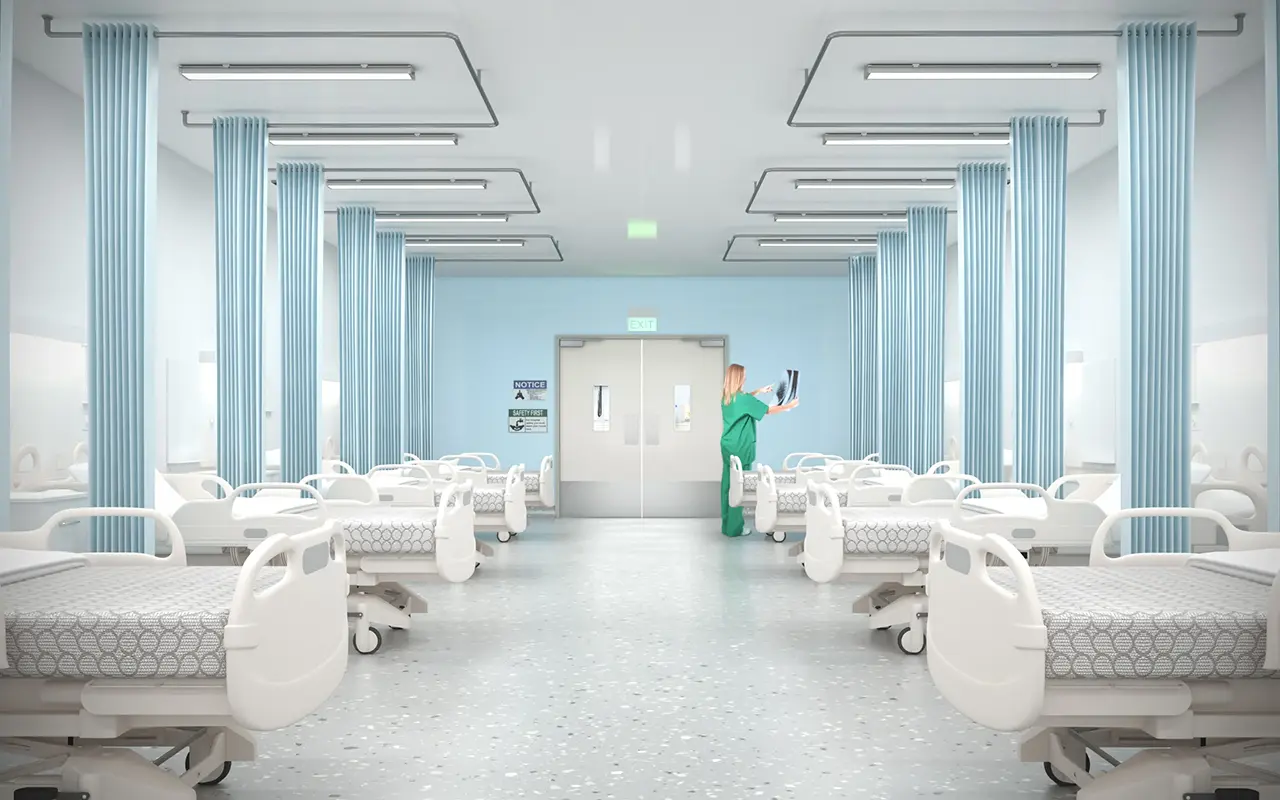
When it comes to hospital lighting, the choice you make impacts more than just visibility. The right lighting can enhance patient recovery, improve staff productivity, and significantly reduce operational costs. Let us guide you through the benefits of choosing LED lights for your healthcare facility, ensuring you make an informed decision that fosters a better environment for everyone involved.
Choosing LED lights for hospitals means embracing energy efficiency, superior lighting quality, and reduced maintenance costs. LEDs offer a durable, cost-effective solution that enhances patient care and staff efficiency, making them the ideal choice for modern healthcare facilities seeking sustainable lighting options.
Dive deeper with us to understand why LED lighting stands out as the prime option for healthcare environments. We’ll explore the multifaceted benefits that LED lights provide, demonstrating how they can transform your facility into a more efficient, welcoming, and caring space.
A Beacon of Energy Efficiency: LEDs in Healthcare
LED lighting is acclaimed for its remarkable energy efficiency, significantly reducing electrical consumption in healthcare facilities, where lights often remain operational around the clock. This reduction translates directly into decreased operational costs, freeing up resources that can be redirected toward patient care, medical equipment upgrades, or further facility enhancements. By adopting LED technology, healthcare institutions not only curtail their energy expenses but also contribute to broader environmental goals, reducing their carbon footprint and supporting global sustainability initiatives.
In the context of healthcare, where every dollar and resource is vital, the energy savings from LEDs are particularly impactful. Hospitals are energy-intensive environments, and lighting can account for a substantial portion of their electricity usage. The shift to LED lighting, therefore, is not just an operational decision but a strategic move towards greater financial stewardship and environmental responsibility.
Comparative Analysis: LED vs. Traditional Lighting
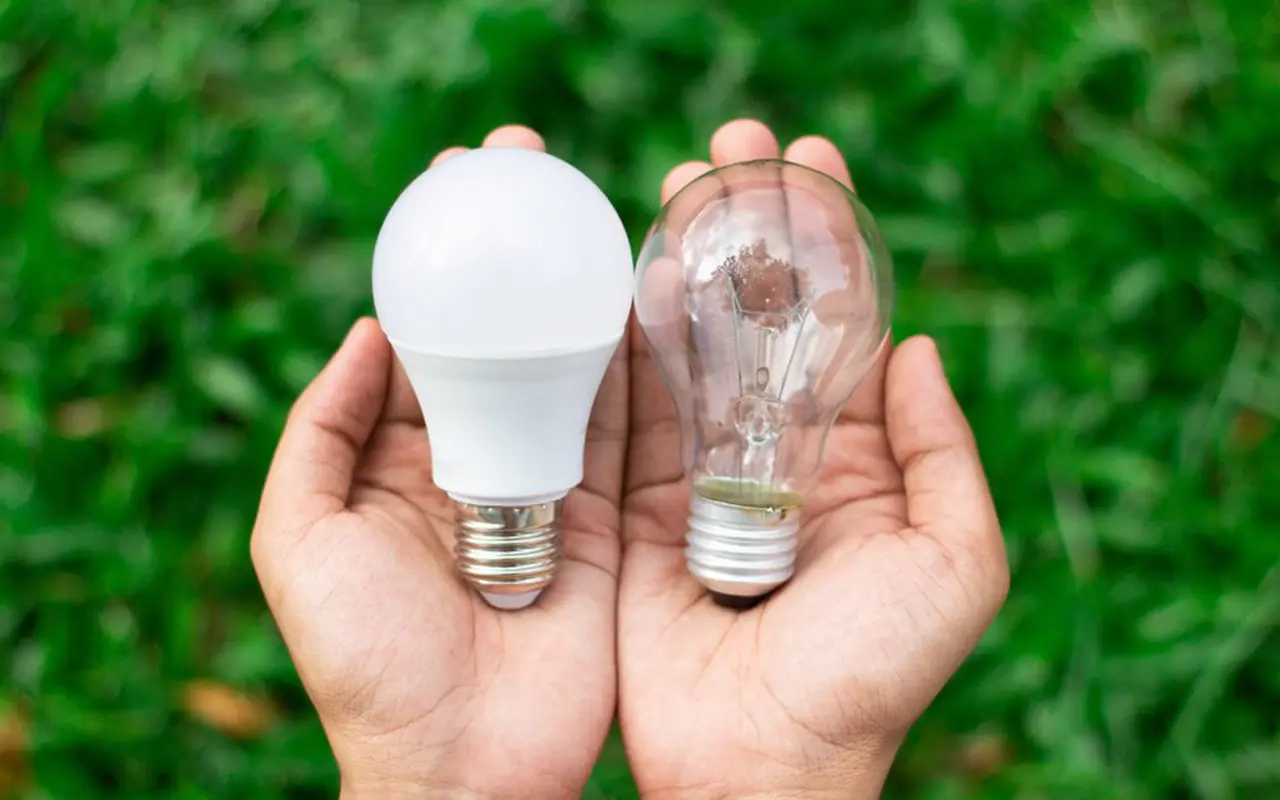
The advantages of LED lighting over traditional lighting sources such as fluorescent and incandescent bulbs are stark and multifaceted. When we compare LEDs to these older technologies, the contrasts in energy consumption, lifespan, and light quality are compelling.
Energy Consumption and Cost Savings: LED lights consume significantly less power than their fluorescent and incandescent counterparts. For hospitals, this translates into marked reductions in energy bills. An LED bulb can use up to 75% less energy than an incandescent bulb and last 25 times longer. This efficiency is beneficial not only for the environment but also for the hospital’s bottom line.
Lifespan: The extended lifespan of LED lighting minimizes the need for frequent replacements, reducing maintenance costs and waste. While traditional light bulbs might need to be replaced every 1,000 to 2,000 hours, LEDs can last up to 50,000 hours or more. This longevity is especially beneficial in healthcare settings, where disruptions in maintenance can impact patient care.
Light Quality: LEDs offer superior light quality, which can be crucial in medical settings where precision and clarity are paramount. Unlike fluorescent lighting, which can have a flickering effect and uneven light distribution, LEDs provide consistent and controllable illumination. This can enhance medical staff visibility during examinations or procedures and improve the overall environment for patients.
Environmental Impact: Beyond energy savings, LEDs have a smaller environmental footprint. They contain no mercury or toxic gases and produce less light pollution. In healthcare facilities, where safety and sanitation are critical, the non-toxic nature of LEDs aligns with the overarching goal of patient health and safety.
In sum, the comparative analysis between LED and traditional lighting underscores the significant advantages of LEDs, particularly in healthcare settings where efficiency, quality, and reliability are non-negotiable. By choosing LED lighting, healthcare facilities can achieve a balance of operational excellence, patient-centric care, and environmental stewardship, underscoring their role as modern, sustainable institutions.
Illuminating Patient Care: The Impact of LED Lighting
LED lighting is not just a tool for illumination; it is a catalyst for enhancing patient care and outcomes. Its ability to replicate natural daylight and support the body’s innate circadian rhythms is revolutionizing the patient experience in healthcare settings. Adequate exposure to natural light is known to have various health benefits, including improved mood, reduced fatigue, and faster recovery times. However, in a hospital setting, where natural light may not be uniformly available, LED lighting steps in as a versatile and effective surrogate.
The spectrum of light emitted by LEDs can be tuned to mimic the natural progression of daylight, helping to maintain the human body’s biological clock. This is particularly beneficial for patients who spend extended periods indoors, as it can help regulate sleep patterns, improve mood, and even enhance the efficacy of certain treatments. For instance, exposure to light with a higher blue spectrum during the day can promote alertness and well-being, while warmer tones in the evening can encourage relaxation and sleep.
Case Studies: LED Success Stories in Healthcare
Across the globe, numerous healthcare facilities have witnessed tangible improvements in patient care and recovery times by integrating LED lighting into their environments. These case studies not only underscore the efficacy of LED technology in healthcare settings but also provide valuable insights for other institutions considering this transition.
Enhanced Recovery Rates: A study conducted in a post-operative ward revealed that patients exposed to an LED lighting system, which simulated natural daylight patterns, experienced less perceived stress and pain, leading to a reduction in medication use and shorter hospital stays.
Improved Sleep Quality: Another research initiative focused on the sleep quality of patients in a critical care unit. The introduction of LED lighting, tailored to support circadian rhythms, resulted in patients having fewer sleep disturbances and a more restorative rest, which is crucial for recovery in such a high-stress environment.
Mood Enhancement: Hospitals that have adopted LED lighting in psychiatric units report observable improvements in patient mood and behavior. Controlled light exposure helps stabilize patients’ daily routines, reduce anxiety, and improve their overall mental health.
Staff Feedback: Beyond patient benefits, these case studies often highlight positive feedback from medical staff. Nurses and doctors report that the optimized lighting reduces eye strain and improves visibility, enabling them to perform their duties more effectively and with greater precision.
Through these real-world applications, it becomes evident that LED lighting is a key component of modern, patient-centered healthcare design. Its benefits extend beyond energy savings, touching the very core of what healthcare aims to achieve—faster healing, better care, and enhanced comfort for patients. As more hospitals and healthcare facilities witness the transformative impact of LED lighting, it is set to become a standard in healthcare infrastructure, paving the way for a brighter, healthier future in patient care.
Supporting Healthcare Staff with Superior Lighting
The significance of lighting in healthcare settings extends far beyond mere visibility; it plays a crucial role in supporting the well-being and efficiency of medical staff. Proper lighting can enhance cognitive function, reduce errors, and improve the overall mood of healthcare professionals, which is vital in high-stress environments like hospitals. LED lighting stands out as an optimal choice for healthcare facilities, providing bright, clear illumination that aids in various medical tasks while minimizing energy consumption.
By ensuring optimal working conditions, LED lighting directly impacts staff alertness and precision. These lighting systems can be tailored to reduce glare and shadows, which are common issues with traditional lighting solutions and can cause eye strain or obscure critical details during patient care or medical procedures. The ability to adjust LED brightness and color temperature to match the time of day or specific tasks further supports staff performance and well-being.
Ergonomic Lighting: Enhancing Staff Performance
Ergonomic lighting goes beyond basic illumination; it involves designing lighting systems that adapt to the specific needs of healthcare environments, enhancing staff performance and patient care. LEDs offer unparalleled flexibility in this regard, with features that allow customization of light intensity, direction, and color temperature.
In areas where precision is paramount, such as surgical suites or examination rooms, LED lighting can be fine-tuned to provide optimal visibility, reducing eye strain and fatigue for medical personnel. In administrative areas or staff break rooms, softer lighting can create a more relaxing atmosphere, helping staff to unwind and recuperate during breaks.
Furthermore, the integration of LEDs with smart lighting systems can enable automatic adjustments based on the time of day or occupancy, ensuring that lighting conditions are always ideal for the task at hand. This not only enhances staff performance but also contributes to energy efficiency by ensuring that lights are used only when and where they are needed.
Sustainability and Maintenance: The Enduring Advantages of LEDs
LED lighting is renowned for its long lifespan and durability, significantly reducing the frequency of bulb replacements and the associated maintenance tasks. This reliability is particularly beneficial in healthcare settings, where uninterrupted service and hygiene are paramount. The longevity of LEDs means that healthcare facilities can invest more time and resources into patient care rather than lighting maintenance.
In addition to their durability, LEDs are energy-efficient and produce less waste, contributing to the environmental sustainability of healthcare facilities. By consuming less power and having a longer lifespan than traditional lighting options, LEDs help hospitals reduce their energy bills and environmental impact.
The Environmental Edge: LEDs’ Reduced Carbon Footprint
The transition to LED lighting in healthcare settings not only supports operational efficiency and patient care but also aligns with broader environmental goals. LEDs use significantly less energy than conventional lighting solutions, which translates into lower greenhouse gas emissions and a reduced carbon footprint for healthcare facilities.
Moreover, LEDs do not contain hazardous materials like mercury, which is found in fluorescent bulbs, reducing the risk of contamination and simplifying disposal processes. The decreased need for frequent replacements also means less manufacturing, packaging, and transportation, further diminishing the environmental impact associated with lighting in healthcare environments.
By adopting LED lighting, healthcare facilities can demonstrate their commitment to sustainability, enhancing their reputation among patients, staff, and the community while contributing to global environmental conservation efforts. This alignment with eco-friendly practices not only benefits the planet but also resonates with the growing public and institutional interest in sustainability, potentially attracting more patients and funding to forward-thinking healthcare providers.
Navigating the Path to LED Integration in Hospitals
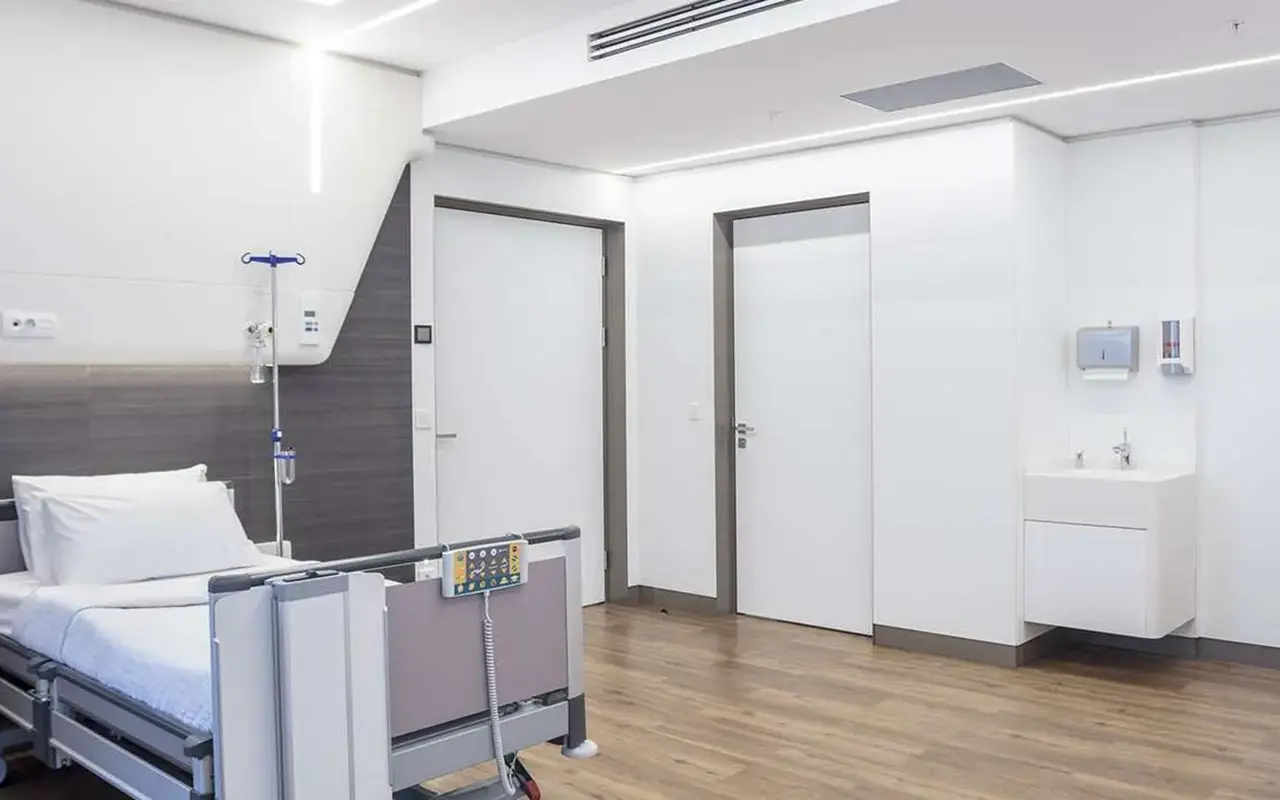
Transitioning to LED lighting represents a significant advancement in hospital infrastructure, offering a blend of operational, financial, and environmental benefits. However, the path to successful LED integration requires meticulous planning and execution. Hospitals embarking on this journey must consider various factors, from assessing current lighting systems to selecting the appropriate LED solutions and managing the installation process. This detailed manual aims to guide healthcare facilities through each critical phase, ensuring a smooth transition that aligns with their specific needs and goals.
The initial step involves a thorough evaluation of the existing lighting infrastructure, identifying areas where improvements can be most beneficial, and understanding the specific requirements of different hospital zones. Subsequently, selecting the right LED products is crucial—considerations include not only the luminosity and color temperature but also compatibility with existing fixtures and the potential for integration with smart lighting systems. The implementation phase must be carefully managed to minimize disruptions, particularly in sensitive areas such as patient rooms and operating theaters. Finally, ongoing assessments are essential to optimize lighting performance and realize the full potential of LED technology in enhancing hospital environments.
Step-by-Step: Implementing LED Lighting
A systematic approach is vital for integrating LED lighting effectively within healthcare settings. Here’s a step-by-step guide to facilitate a seamless transition:
Assessment: Conduct a comprehensive audit of the current lighting setup, noting areas for improvement and identifying specific needs based on room function and user requirements.
Planning: Develop a detailed plan that includes selecting appropriate LED fixtures, scheduling installations to avoid critical hospital operations, and ensuring compliance with health and safety standards.
Selection: Choose high-quality LED products that offer the best performance and energy efficiency. Consider factors like light output, color rendering index (CRI), and controllability.
설치: Coordinate with experienced professionals to install LED lighting, ensuring minimal disruption to hospital activities and adherence to all safety protocols.
Evaluation: Post-installation, evaluate the lighting performance in different areas, gathering feedback from staff and patients to make necessary adjustments and maximize benefits.
By following these steps, hospitals can achieve a successful LED integration, enhancing their environments while capitalizing on the efficiency and sustainability of LED technology.
결론
In conclusion, transitioning to LED lighting in healthcare settings is more than an upgrade; it’s a strategic investment in the future. LED lighting offers unparalleled benefits, from significant energy savings and enhanced patient care to improved staff performance and environmental sustainability. By adopting LED technology, hospitals can create better healing environments, reduce operational costs, and contribute to a greener planet. It’s clear that LED lighting is not just a choice but a necessity for modern healthcare facilities committed to excellence and sustainability. Now is the time for hospitals to embrace LED lighting and illuminate the path to a brighter, healthier future.
Embrace the future of healthcare lighting with 유니탑, a leading manufacturer of LED 스트립 조명 그리고 LED 네온 플렉스 in China. Elevate your facility with our cutting-edge LED solutions, renowned for quality and innovation. If you’re ready to enhance patient care and operational efficiency, 유니탑에 문의 today. Let us illuminate your path to a brighter, more sustainable healthcare environment.

Tom은 현재 다음의 영업 관리자입니다. 유니탑(중국) 유한공사. 그는 LED 조명 업계에서 2005년부터 근무하고 있습니다. 그는 영업 및 마케팅, 공장 관리 분야의 전문가입니다. 보디빌딩을 좋아하고 애플의 열렬한 팬이기도 합니다! 그는 열심히 일하는 사람이며 새로운 것을 배우고 시도하는 것을 좋아합니다.
이메일: tom@unitopledstrip.com WhatsApp: +86-18680307140



댓글을 남겨주세요
토론에 참여하고 싶으신가요?자유롭게 기여해 주세요!