
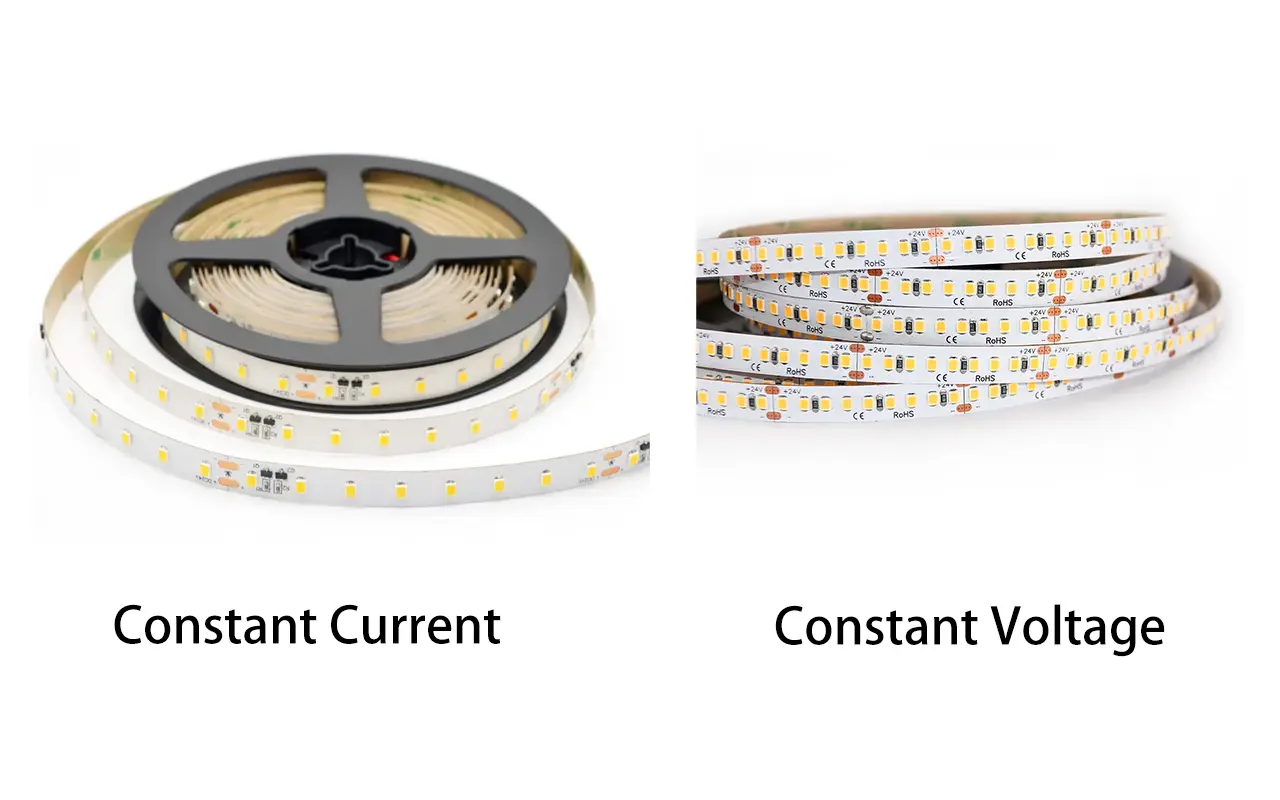
Navigating the choices between constant current and constant voltage LED strips can feel like traversing a labyrinth, especially when you’re aiming for the perfect lighting ambiance for your space. The decision is more complex than one might think; it intricately depends on the unique requirements and nuances of your project. So, how does one sift through the technical jargon to make a choice that aligns with their lighting goals?
Meet Tom, a beacon of knowledge in the LED industry since 2005. His journey through the evolution of LED technology has positioned him as a trusted advisor in the field. Tom’s dedication to demystifying the complexities of LED lighting has guided numerous individuals and businesses toward making enlightened decisions that enhance their environments.
Embarking on this blog post, we aim to dispel the common misconceptions that shroud the topic of constant current versus constant voltage LED strips. Through a deep dive into their distinctions, functionalities, and optimal applications, we’re set to illuminate the path to selecting the ideal LED strip, ensuring your project not only meets but exceeds expectations.
Let’s get started right away! With Tom’s expertise to lead the way, we’re about to unravel the mysteries behind these two powerhouse technologies in the world of LED lighting. Whether you’re a seasoned professional or a curious newcomer, this guide promises to enrich your understanding and equip you with the knowledge to make informed choices.
Deep Dive into LED Strip Basics
How LED Strips Work
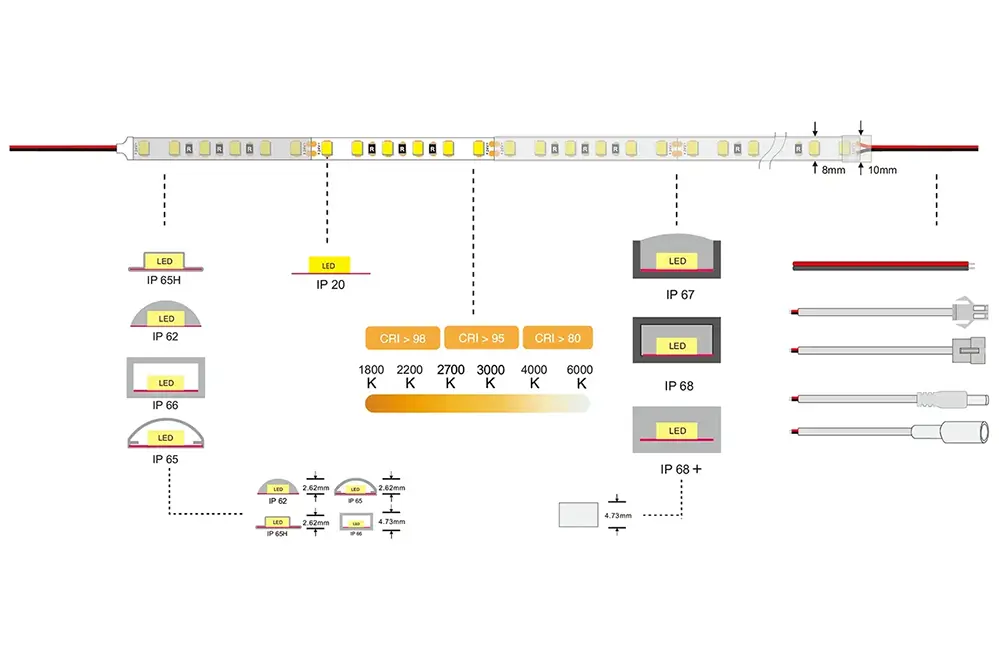
Imagine a strand of pearls, but instead of pearls, you have light-emitting diodes (LEDs) strung along a flexible backbone. This is the essence of an LED strip. Each LED on this strip is powered by direct current (DC), lighting up to provide efficient and effective illumination. The inherent design of these strips allows them to be bent, cut, and adjusted to fit a myriad of spaces, making LED strips the go-to choice for customizable lighting solutions. Their remarkable energy efficiency not only makes them kinder to the environment but also ensures that they are a cost-effective option for lighting up spaces.
Key Applications and Uses
LED strips have transformed the way we light up our world. From adding a warm glow to homes to setting the mood in restaurants and bars, their versatility knows no bounds. They are perfect for under-cabinet lighting in kitchens, highlighting architectural features, or creating an engaging display in retail windows. Moreover, the ability to control their brightness and color adds another layer of adaptability, allowing for creative lighting solutions in entertainment settings and beyond.
Role of Power in Performance
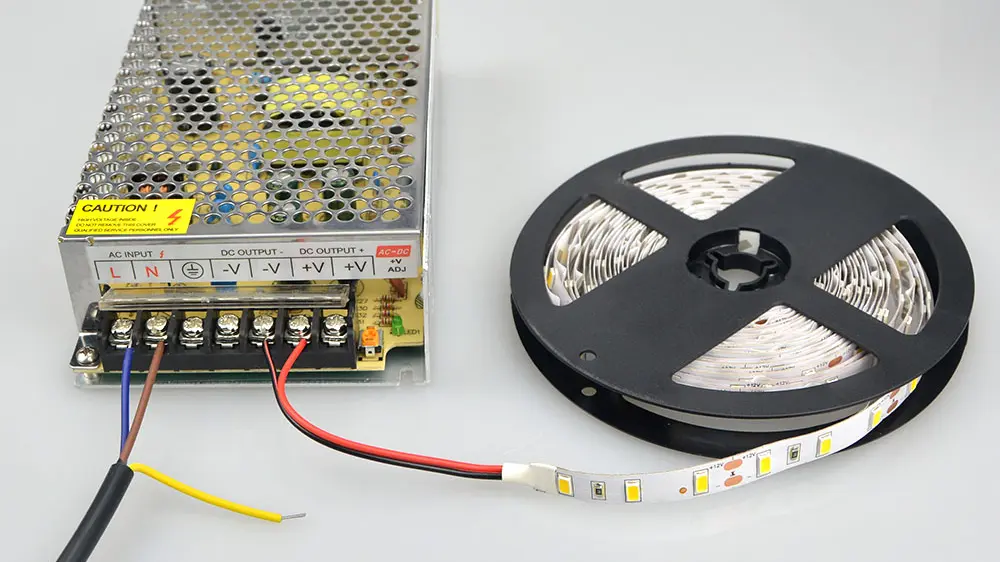
The heart of an LED strip’s performance lies in its power source. Opting for a constant current or constant voltage power supply can make a world of difference in terms of brightness, color fidelity, and the overall lifespan of the strip. Constant current supplies ensure an even distribution of power across the entire length of the strip, eliminating concerns of dimming or color shift in longer installations. On the other hand, constant voltage strips, being less complex and more accessible, are ideal for shorter applications where uniformity is less critical.
Unraveling the Myths of Power Supply
Myth-Busting Common Beliefs
The debate between opting for constant current versus constant voltage LED strips is often chaotic, with misconceptions that can mislead even seasoned lighting enthusiasts. The truth is that the effectiveness, safety, and cost-efficiency of these power supplies are not inherently tied to their type but rather how appropriately they are matched with the project’s specifications. Constant current LED strips are celebrated for their ability to provide a uniform level of brightness across their length, which is a significant advantage. However, this does not necessarily make them a universally safer or more cost-effective solution for every lighting project. It’s vital to assess each project on its merits, considering the specific lighting requirements and environmental conditions, to choose the most suitable power supply option.
The Realities of LED Power Supplies
Understanding the detailed characteristics of constant current and constant voltage LED strips is critical for leveraging their potential fully. Constant voltage strips, with their straightforward, plug-and-play installation process, are particularly appealing for short-range, DIY projects. They offer a high degree of flexibility and are readily available, making them a popular choice among hobbyists and casual users. On the other hand, constant current LED strips stand out in environments where consistent and reliable lighting is crucial. Their design ensures that each LED receives a steady amount of current, making them ideal for professional applications like gallery settings or any area where precise lighting is needed to highlight details without the risk of fading or color shifting. Selecting the right LED power supply involves a thoughtful consideration of the project’s scale, desired lighting impact, and specific installation challenges.
Constant Current LED Strips: A Closer Look
Definition and Benefits
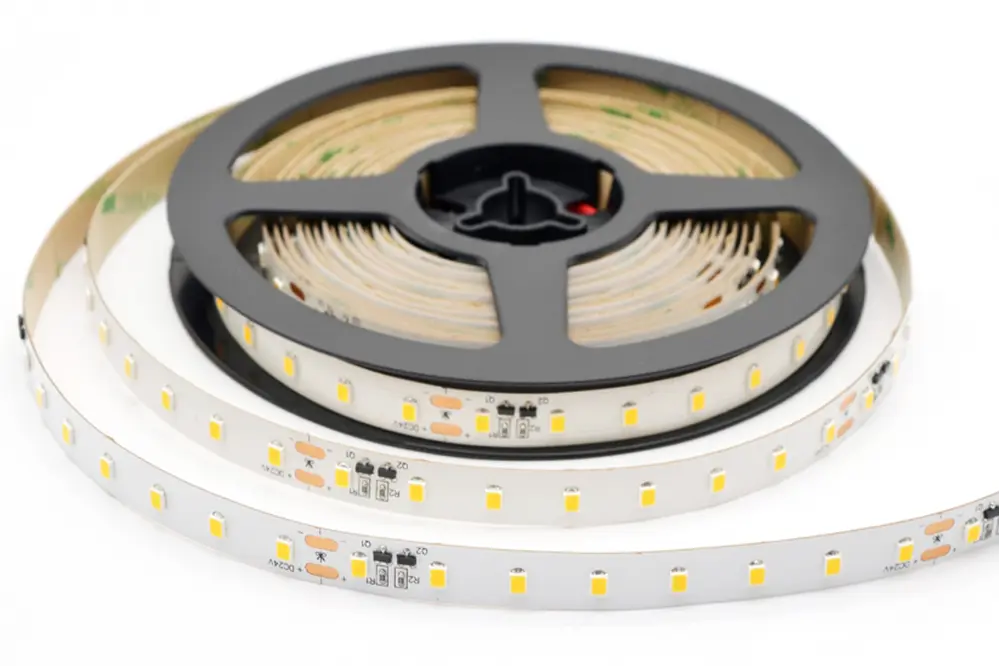
Constant current LED strips are designed with meticulous attention to detail, ensuring each LED across the strip receives an equal amount of current. This uniform distribution prevents the common problem of varying brightness levels and mitigates the risk of overdriving the LEDs—a frequent cause of premature failure. The commitment to consistent current not only enhances the visual uniformity of the lighting but significantly extends the lifespan of the strip, underscoring the efficiency and sustainability of CC LED technology. This approach aligns with modern environmental consciousness, offering a solution that reduces waste and energy consumption without compromising on lighting quality.
Debunking Myths Specific to Constant Current
The perception of high initial costs and complex installation associated with CC LED strips has been a barrier for some. With the long-term perspective considered—factoring in the savings from energy efficiency and the minimized need for frequent replacements—the narrative shifts. The evolution of LED technology has simplified the installation process, with user-friendly drivers and connectors making CC LED strips accessible to a broader audience. This dispels the myth that these strips are reserved for those with extensive technical expertise, opening up possibilities for innovative lighting designs across various applications.
Ideal Applications and Use-Cases
CC LED strips excel in environments where lighting is not merely functional but an integral component of the space’s character and ambiance. Their ability to maintain consistent brightness makes them ideal for highlighting retail merchandise, adding depth to art exhibitions, or creating atmospheric lighting in architectural designs. These applications benefit from the reliability and quality that CC strips provide, making them a favored choice among professionals who refuse to compromise on the integrity of their lighting solutions.
Constant Voltage LED Strips: The Full Picture
Understanding Constant Voltage
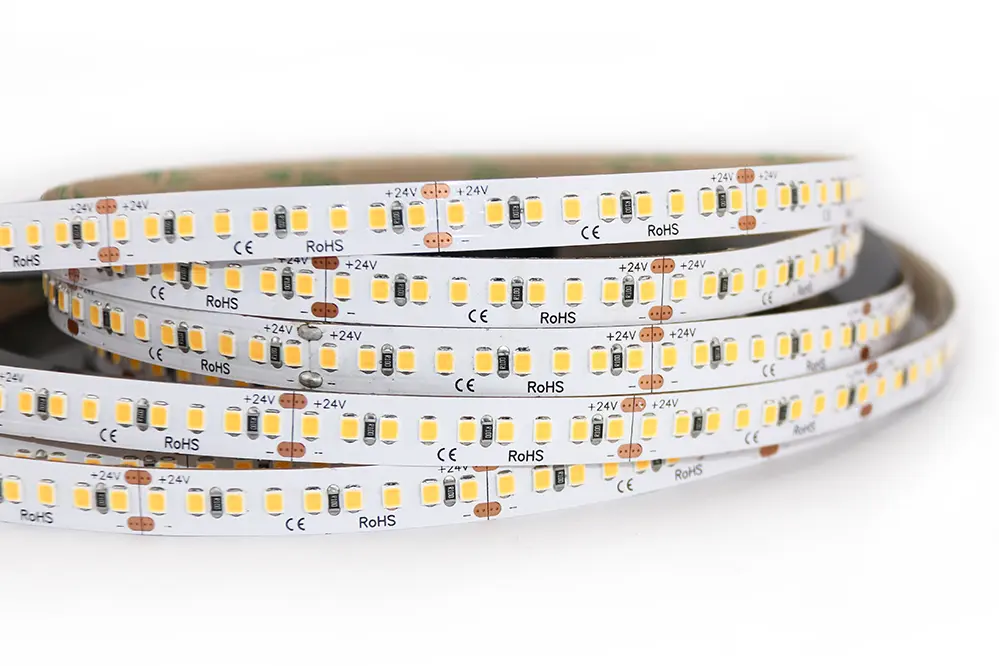
On the other end of the spectrum, CV LED strips offer a gateway to the world of LED lighting with their straightforward design and ease of installation. By operating at a standard voltage, these strips use resistors to regulate the current to each LED, ensuring safe and efficient functionality. This simplicity, however, comes with its challenges, which are particularly noticeable in longer installations where the dreaded voltage drop can cause a tapering off of brightness, affecting the strip’s overall light uniformity.
Correcting Misconceptions
While CV LED strips might initially appear as the more budget-friendly option, especially for short runs where voltage drop is less of a concern, their long-term value in projects requiring consistent and high-quality light output needs careful consideration. Their adaptability and ease of use make them a suitable choice for a variety of lighting needs, yet for installations where enduring quality and uniform illumination are paramount, the benefits of CC LED strips often outweigh the initial savings offered by CV options.
Best use cases and Applications
CV LED strips find their niche in DIY projects and smaller-scale installations, where the emphasis is on simplicity and cost-effectiveness. From enhancing the ambiance of living space with under-cabinet lighting to temporary event setups, CV strips offer a practical solution that balances efficiency with ease of use. However, for projects that demand unwavering brightness and longevity, the superior performance of CC LED strips may present a more fitting solution. Despite these distinctions, the versatility and affordability of CV LED strips ensure their place in the arsenal of lighting options, ready to illuminate a wide range of projects with creativity and flair.
Comparative Analysis: Voltage vs Current
In the realm of LED lighting, the decision between constant voltage (CV) and constant current (CC) LED strips plays a pivotal role in defining the quality and consistency of lighting projects. Understanding the technical nuances of each option is essential for anyone aiming to optimize their lighting solutions to meet specific needs.
Technical Comparison
The distinction between CV and CC LED strips lies in their approach to powering the LEDs. CC LED strips maintain a consistent current across the entire strip, ensuring uniform brightness and mitigating the risk of LED failure due to overdriving. This uniformity is particularly crucial in lengthy installations, where CV strips are prone to voltage drops, resulting in diminished brightness towards the end. CC strips not only guarantee an even distribution of light but also significantly enhance the durability of LEDs by preventing the potential hazards of excessive current.
On the other hand, CV LED strips operate under a set voltage, typically 12V or 24V, utilizing resistors to regulate the current supplied to each LED. This system simplifies the setup process, especially for shorter lengths, offering a more approachable solution for novices or those undertaking smaller-scale projects. However, the straightforward nature of CV LED strips might compromise the uniformity of lighting over longer distances due to voltage drops, leading to inconsistent brightness levels along the strip.
장단점
Understanding the strengths and weaknesses of each type of LED strip is crucial for tailoring your lighting project to meet its intended goals effectively.
Constant Voltage Strips:
장점:
Ease of Use: Celebrated for their user-friendly installation, CV LED strips appeal to DIY enthusiasts with their no-fuss, plug-and-play setup, ideal for quick and uncomplicated lighting tasks.
Cost-Effectiveness: Best suited for shorter applications where uniform brightness across the length is not paramount, CV strips present a cost-efficient solution that minimizes upfront expenses and simplifies the installation process.
단점:
Brightness Variability: The propensity for voltage drop in extended CV installations can lead to inconsistent lighting, reducing their appropriateness for larger-scale projects where consistent light distribution is necessary.
Limited Application Scope: While CV strips are advantageous for transient, small-scale projects, their limitations regarding uniformity and brightness control may not suffice for more rigorous or professional applications that demand precise lighting conditions.
Constant Current Strips:
장점:
Uniform Brightness: CC LED strips excel in delivering consistent light output across vast installations, eliminating the issue of uneven lighting and ensuring a premium lighting atmosphere.
Enhanced Longevity: By regulating the current flow, CC strips considerably lower the risk of damaging the LEDs through overdriving, thus prolonging their lifespan and advocating for environmental sustainability through reduced waste.
단점:
Higher Upfront Cost: The intricate design and the necessity for specialized drivers escalate the initial costs associated with CC LED strips, making them a significant investment.
Installation Complexity: Deploying a CC LED strip setup requires a more in-depth understanding of electrical systems and careful planning, which might pose a challenge for individuals looking for a straightforward DIY option.
Guidance on Selecting the Right LED Strip
Selecting the ideal LED strip for your project is more than just a choice—it’s about bringing your vision to light in the most effective way possible. Whether you’re designing a cozy ambient setup for your home or a dynamic display for a commercial space, understanding the differences between constant voltage (CV) and constant current (CC) LED strips is essential. Let’s delve into how these differences play out in real-world applications, guided by user evaluations and case studies that illuminate the path to making an informed decision.
Factors to Consider Before Choosing
Installation Length: User experiences underscore that for installations extending beyond a few meters, CC LED strips significantly outperform CV strips in maintaining brightness uniformity. A case study in a commercial retail space demonstrated that CC strips provided a consistent lighting experience across the entire length of the display shelves, enhancing product visibility and appeal without the dreaded dimming effect.
Desired Brightness Level: Feedback from residential projects reveals that when a high level of brightness is needed, such as in kitchen under-cabinet lighting, CC LED strips ensure a steady, vibrant light that enhances functionality and aesthetics alike. Homeowners have noted the marked difference in how CC strips preserve the vibrancy of colors and details compared to their CV counterparts.
Uniform Illumination Needs: In environments where precise and uniform illumination is critical, such as art galleries, CC LED strips have been proven to deliver superior performance. Lighting designers have shared their success stories, highlighting how CC strips offer the reliability and consistency needed to showcase artworks in their true light.
Expert Tips and Recommendations
For Extensive or Professional Setups: The consensus among lighting professionals is clear—CC LED strips are the gold standard for projects where lighting cannot falter. Case studies from architectural lighting installations illustrate the seamless integration and impeccable performance of CC strips in creating captivating and uniform lighting effects over extensive areas.
For Shorter or DIY Projects: The simplicity and cost-effectiveness of CV LED strips make them a favorite for smaller-scale projects. DIY enthusiasts often share their positive experiences with CV strips for creating impactful yet straightforward installations, like adding accent lighting to bookshelves or enhancing the ambiance of a room with minimal effort.
Consider Total Investment: Evaluations from long-term installations reveal that the initial higher cost of CC strips can be offset by their longer lifespan and reduced energy consumption, presenting a compelling case for considering total investment over upfront costs.
Seek Professional Advice: User testimonials highlight the benefits of consulting with lighting experts before embarking on more complex projects. Professional guidance has helped many achieve optimal results by selecting the right type of LED strip tailored to the specific needs of the project.
Test Before Committing: Successful lighting projects often begin with a trial run. Users who tested samples of both CV and CC LED strips in their intended environment were better positioned to make an informed choice, ensuring the final installation met all their expectations.
자주 묻는 질문: 자주 묻는 질문과 답변
Can I use a constant voltage LED strip in a professional lighting setup?
While constant voltage (CV) LED strips are versatile and easy to use, for professional setups where uniform brightness and color consistency are crucial, constant current (CC) LED strips might be a better choice. CV strips are best for shorter, simpler installations.
Why are constant current LED strips considered better for longer installations?
Constant current LED strips maintain a consistent current across all LEDs, ensuring uniform brightness even over long distances. This prevents the common issue of brightness drop-off, or “dimming,” towards the end of the strip, making them ideal for extended runs.
What makes constant voltage LED strips a popular choice for DIY projects?
Their simplicity and plug-and-play nature make constant voltage LED strips a favorite among DIY enthusiasts. They’re great for short runs and simple installations where detailed brightness control isn’t necessary.
How does the choice between CC and CV LED strips affect energy efficiency?
Constant current LED strips are generally more energy-efficient because they regulate the current across the strip to prevent overdriving the LEDs, thus conserving energy. Constant voltage strips can be less efficient over more extended runs due to voltage drop.
Is it possible to achieve uniform brightness with constant voltage LED strips?
Achieving uniform brightness with CV strips can be challenging over longer lengths due to voltage drop. For installations where consistent lighting is essential, opting for CC LED strips or ensuring proper voltage supply management with CV strips is advisable.
Can I dim both constant current and constant voltage LED strips?
Yes, both types of LED strips can be dimmed, but the method and ease of dimming may vary. Constant current strips often require specific drivers with dimming capabilities, while constant voltage strips might be more straightforward to dim using compatible controllers.
What are the main cost considerations when choosing between CC and CV LED strips?
Constant current LED strips can have a higher upfront cost due to the need for specialized drivers, but their extended lifespan and energy efficiency can offer better value in the long term. Constant voltage strips might be cheaper initially but could incur additional costs over time if replacements or upgrades are needed.
Are there specific applications where constant current LED strips are the only option?
While not the only option, CC LED strips are highly recommended for applications requiring precise light output control and uniformity, such as in museums, art galleries, and high-end retail displays, where the quality of light can significantly impact the viewer’s experience.
How does installation complexity differ between CC and CV LED strips?
Constant voltage strips are generally easier to install, making them suitable for those with basic electrical knowledge. In contrast, constant current strips require more planning and understanding of electrical systems due to their need for specific drivers.
Can the lifespan of an LED strip be extended by choosing the right power supply?
Absolutely. Opting for a constant current power supply can significantly extend the lifespan of LED strips by ensuring they operate within their optimal current range, thereby reducing wear and tear and preventing premature failure.
결론
Deciding between constant current and constant voltage LED strips is crucial for achieving the best lighting for your project. Understanding each type’s strengths ensures your space is lit efficiently and attractively. It’s important not to let common misconceptions deter you from finding the ideal lighting solution.
유니탑 stands as a beacon in the LED industry, offering premium LED 스트립 조명 그리고 LED 네온 플렉스 that cater to diverse lighting needs. Our commitment to quality and innovation makes us the perfect ally for your lighting endeavors, guiding you toward a successful project outcome.
Should you have any inquiries or require expert guidance on your lighting project, Unitop is here to assist. Our team of seasoned professionals is dedicated to helping you realize your lighting vision, combining industry expertise with top-tier LED solutions to illuminate your space beautifully.

Tom은 현재 다음의 영업 관리자입니다. 유니탑(중국) 유한공사. 그는 LED 조명 업계에서 2005년부터 근무하고 있습니다. 그는 영업 및 마케팅, 공장 관리 분야의 전문가입니다. 보디빌딩을 좋아하고 애플의 열렬한 팬이기도 합니다! 그는 열심히 일하는 사람이며 새로운 것을 배우고 시도하는 것을 좋아합니다.
이메일: tom@unitopledstrip.com WhatsApp: +86-18680307140



댓글을 남겨주세요
토론에 참여하고 싶으신가요?자유롭게 기여해 주세요!