
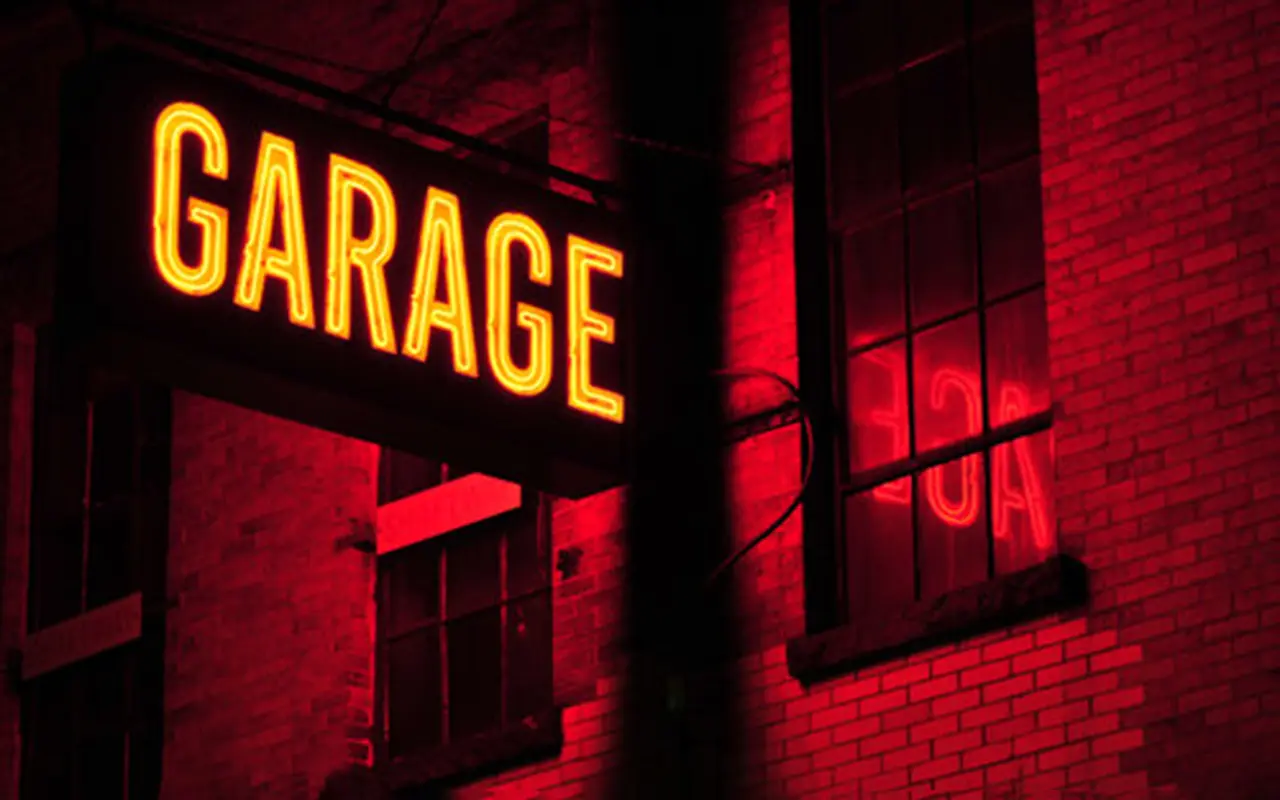
Neon lights may have been iconic, but technology has advanced, and LEDs now offer a superior solution. You’re in the right place if you’re wondering why neon has faded, and LEDs are taking over. We’ve got the answers to explain this shift and how LEDs are shaping the future of lighting.
Neon lights are no longer widely used because LEDs are more energy-efficient, cost-effective, and durable. LEDs consume less electricity, last significantly longer, and offer more design flexibility. Their low maintenance and environmental benefits make them the preferred choice for modern lighting.
Are you curious how LEDs have outpaced neon in efficiency, design, and safety? Keep reading to discover the key differences that have led to this technological shift and why LEDs are now the dominant choice for lighting in various industries.
Why are Neon Lights Not Used Anymore?
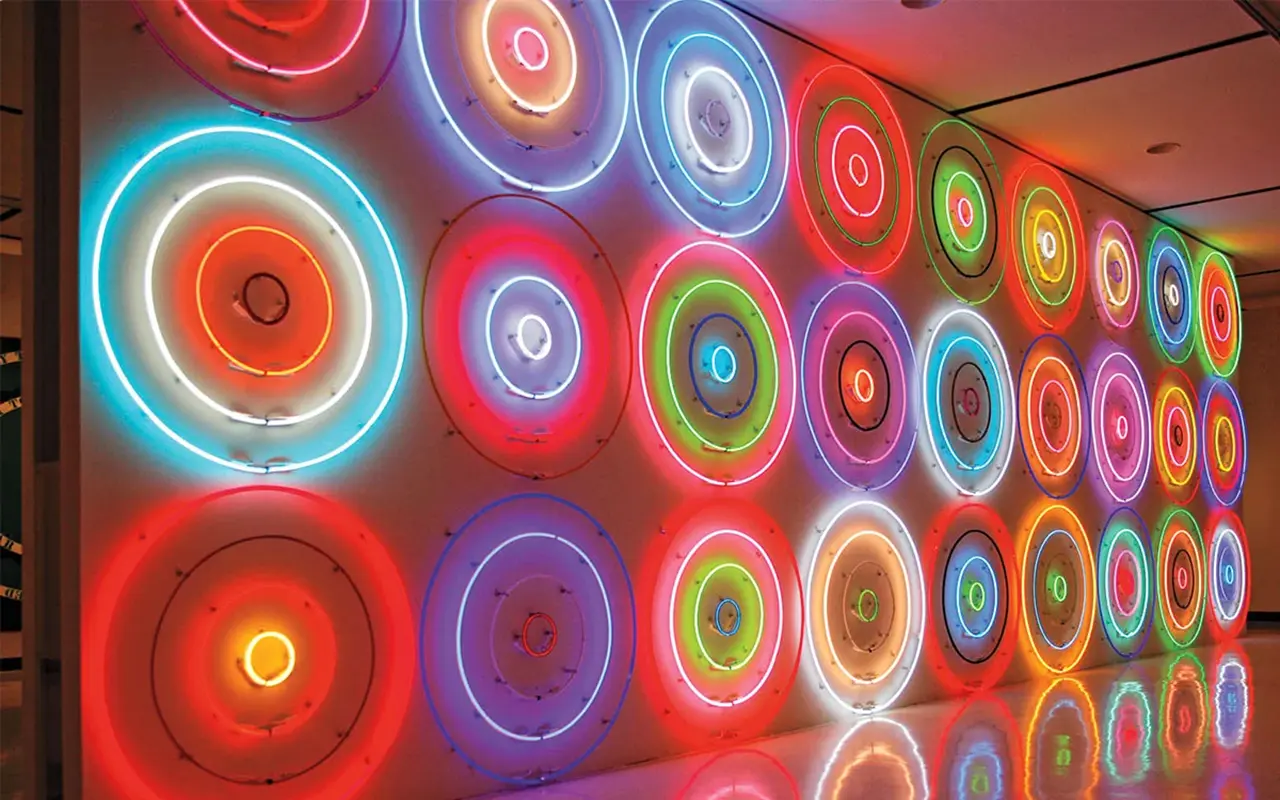
Neon lights, once the signature of bustling city streets and glowing storefronts, have gradually fallen out of favor due to the rise of more efficient and versatile lighting technologies, particularly LEDs. The reasons for this shift are numerous and stem from practical and technological advancements.
One of the main reasons neon lights have been phased out is their inefficiency compared to LEDs. Neon signs require high-voltage transformers and use significantly more power than LED lights. According to industry data, LED lights use up to 80% less energy than neon signs. This makes LEDs more attractive for businesses looking to cut costs and reduce their environmental footprint. Additionally, neon lights are notorious for their fragility. The glass tubes filled with inert gases such as neon or argon are easily damaged, leading to high repair and maintenance costs. In contrast, LEDs are far more durable, offering longer lifespans with fewer maintenance requirements.
LEDs offer design flexibility beyond energy efficiency and durability that neon cannot match. Neon signs are created by bending glass tubes into shapes, making intricate designs more challenging and time-consuming. On the other hand, LEDs come in flexible strips that can be shaped into virtually any design, from complex logos to dynamic, animated displays. This flexibility is why LED lighting has become the go-to choice for modern architects and designers.
While neon retains a nostalgic charm and is still used in niche markets, its energy use, maintenance, and design limitations have relegated it to a more specialized role. LEDs have taken over as the dominant force in the lighting industry, providing businesses with a more cost-effective, sustainable, and versatile option.
The Rise and Decline of Neon Lights

- The Birth of Neon
Neon lighting was first introduced in 1910 by French engineer Georges Claude, who discovered that passing an electrical current through neon gas inside a sealed glass tube produced a bright glow. This discovery revolutionized advertising and urban lighting. In 1923, neon arrived in the U.S., where its vibrant colors transformed cities into glowing hubs, attracting attention like never before. - The Golden Age of Neon
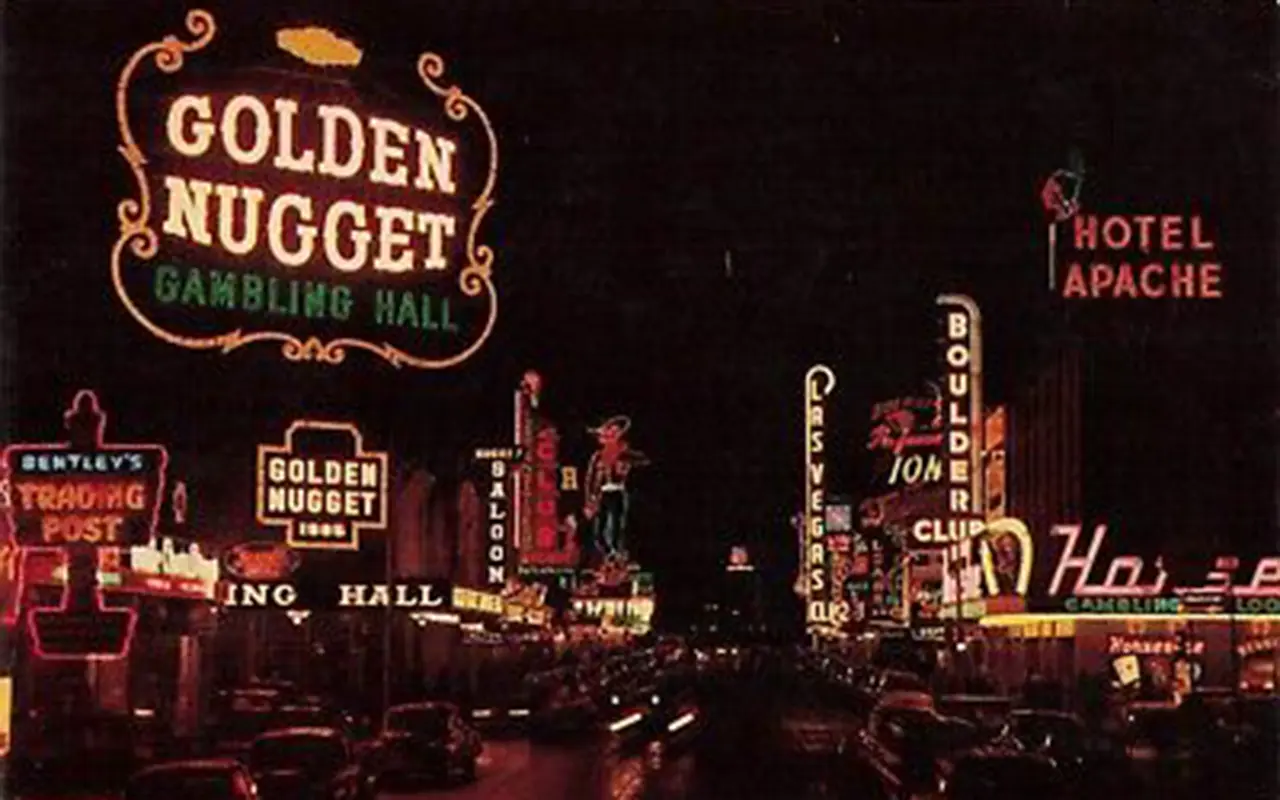
From the 1920s through the 1960s, neon lights illuminated the streets of major cities worldwide, symbolizing progress and modernity. Cities like Las Vegas, New York, and Tokyo became synonymous with neon-lit streets. Famous signs, such as the “Welcome to Fabulous Las Vegas” sign, remain cultural icons of neon’s peak, drawing tourists and locals alike to the dazzling glow of these illuminated marvels. - Neon Today
By the 1960s, neon signs began to lose their dominance as businesses moved toward more cost-effective solutions. The rise of LED technology and concerns over the high maintenance of neon signs contributed to its gradual decline. Today, neon lighting is reserved mainly for artistic purposes and retro-themed businesses, where its nostalgic glow continues to captivate audiences in specialized settings.
LED vs. Neon: Technological Advancements
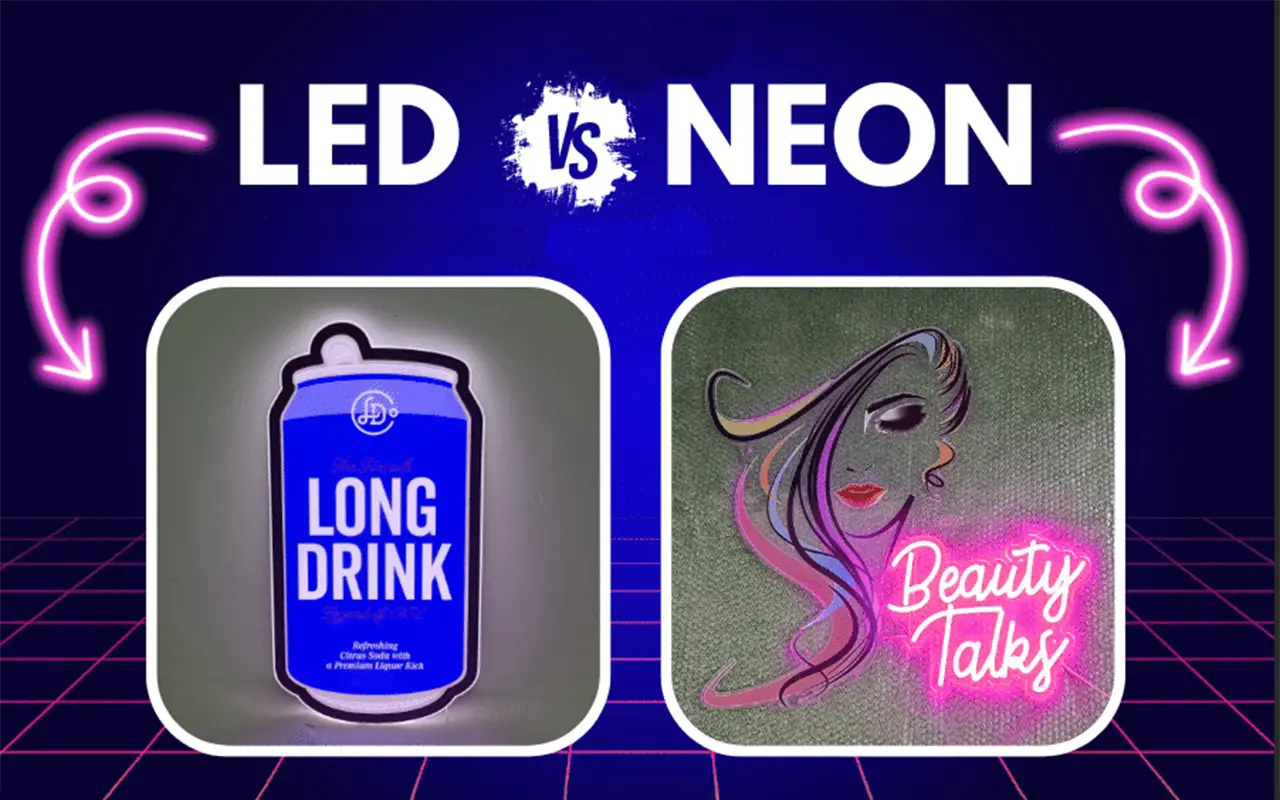
The technological differences between LED and neon lighting are striking and have played a significant role in why LEDs have largely replaced neon signs. One of the most obvious advancements is energy efficiency. Neon lights rely on gas-discharge technology, which requires high voltages and consumes large amounts of electricity. LED technology, by contrast, uses semiconductor light sources, which are far more energy-efficient. LEDs can reduce energy consumption by up to 80% compared to neon. This makes them particularly attractive for businesses with large outdoor displays that run for extended periods.
Another major advantage of LED technology is its lifespan. While a typical neon sign lasts around 15,000 hours, LEDs can continue operating for 50,000 or more. This massive difference translates to fewer replacements and less frequent maintenance, which reduces long-term costs. Neon signs, made from delicate glass tubes, are prone to breaking and leaking gas, leading to expensive repairs. LED lights, being solid-state devices, are much more durable and can withstand harsher conditions, including extreme weather.
Furthermore, LEDs offer superior control over lighting effects. With neon, you’re limited to the color of the gas inside the tube, and any changes require swapping out the tubes entirely. On the other hand, LEDs can be easily programmed to change colors, dim, or brighten, making them ideal for businesses that want to update their displays frequently without major overhauls. This level of adaptability is crucial in today’s fast-paced commercial environments, where brands need flexibility to stay competitive.
Energy Efficiency: Why LEDs Are the Sustainable Choice
One of the most compelling reasons for the transition from neon to LED lighting is the energy efficiency of LEDs. Neon lights consume much more electricity, especially for large installations or signage that stays illuminated for long periods. The high-voltage transformers required to power neon signs also add to energy consumption, making them less appealing in an era when businesses are increasingly focused on sustainability and reducing operational costs.
LEDs, by contrast, are designed with efficiency in mind. These lights use a fraction of neon’s electricity while providing the same if not better, brightness. For instance, a typical neon sign consumes about 15,000 watts of electricity annually, while an equivalent LED sign consumes only 2,500 watts. This difference cuts down on energy bills and reduces the carbon footprint, making LEDs a greener option.
Sustainability is more than just energy savings, though. LEDs have a smaller environmental impact during their production, use fewer raw materials, and don’t contain hazardous gases like neon signs, which can pose a disposal problem. Many governments and environmental organizations are pushing to adopt more energy-efficient technologies. LEDs perfectly align with this global shift toward greener solutions.
Maintenance and Lifespan: LEDs Outlast Neon
Regarding maintenance, neon signs are far more demanding than their LED counterparts. Neon signs are made from glass tubes, which are fragile and susceptible to breakage. Even small impacts or temperature changes can cause these tubes to crack, resulting in gas leaks that require professional repair. The gases inside the neon tubes, such as argon and mercury, can also degrade over time, causing the sign to lose its brightness and require costly refills.
On the other hand, LED lights are deficient maintenance. Built from durable solid-state components, they resist impact, temperature fluctuations, and outdoor conditions. LEDs can last over 50,000 hours, meaning they don’t need to be replaced nearly as often as neon lights. This longevity translates to fewer disruptions, lower labor costs, and a better return on investment for business owners.
Additionally, neon signs often require specialized technicians for repairs and maintenance, but LEDs are much easier to service. A simple bulb or panel replacement is needed to restore an LED display to full functionality. This means less downtime and lower overall business costs, which is a huge advantage in competitive commercial environments.
Design Flexibility: How LEDs Unlock New Creative Possibilities
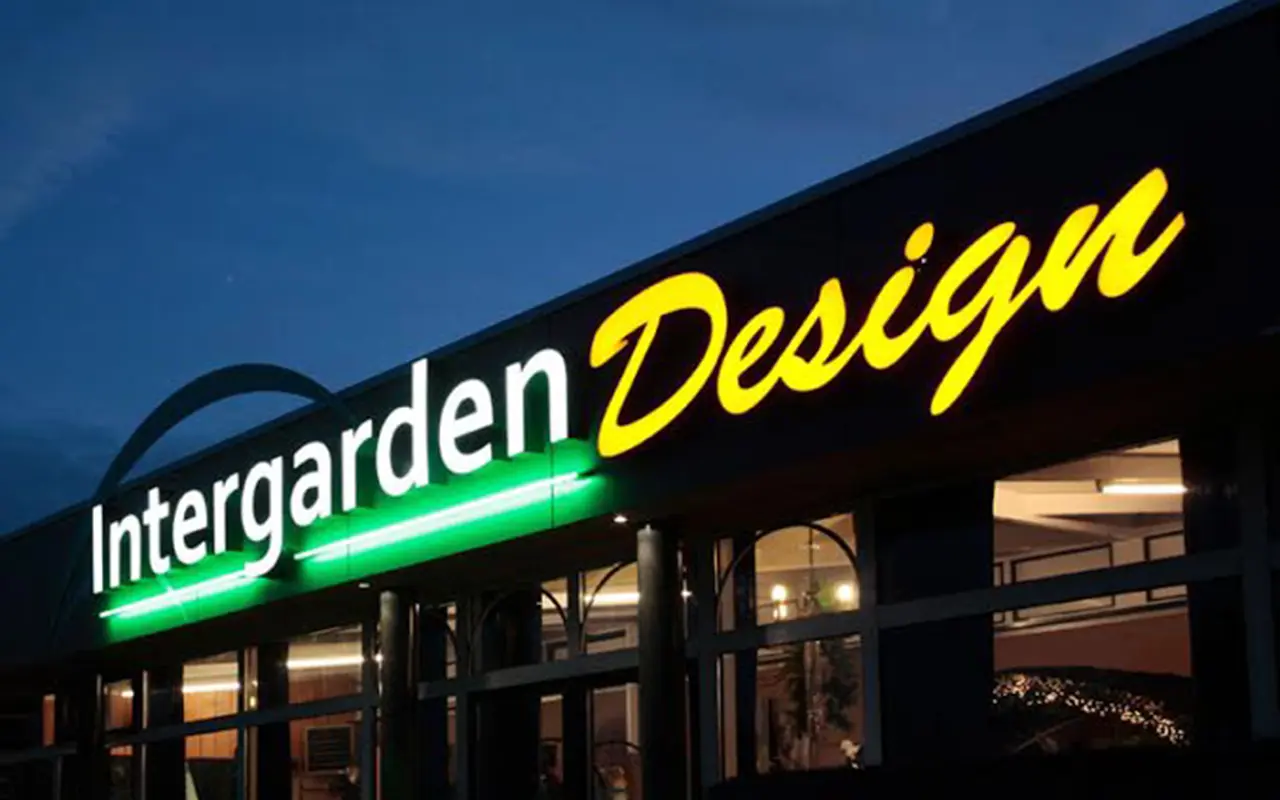
One of the biggest limitations of neon signs is the rigid nature of the glass tubes used to create them. This makes it difficult to craft complex shapes or intricate designs. Neon signs are often limited to simple text or logos, and creating more detailed or animated signs requires significant skill and labor, driving up the cost and time required to produce them.
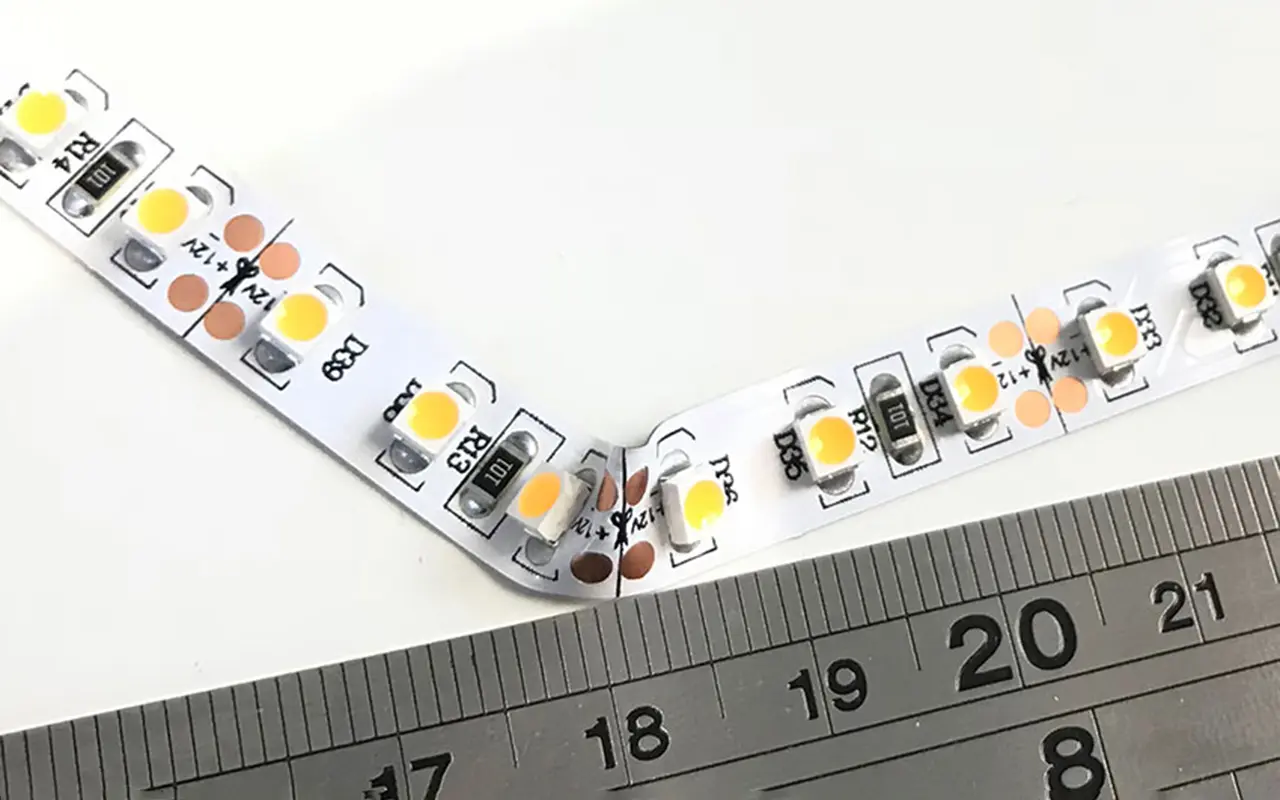
LEDs, however, offer almost limitless design possibilities. Because LED lights come in flexible strips or small individual units, they can be shaped into various forms, from intricate logos to interactive displays. Businesses can easily create dynamic and engaging signage that grabs attention. LEDs can also change colors, flash, or animate with simple programming, making them ideal for modern advertising where brands must stand out.
Modern LED technology allows for integration with digital controls, meaning that businesses can update their signage remotely or automate changes based on time of day or special events. This versatility makes LEDs a functional lighting choice and a tool for creative expression. Whether a small business looking to enhance its storefront or a large corporation aiming to create a cutting-edge digital display, LEDs provide the flexibility needed to bring any vision to life. (Insert image: LED strips in creative lighting display)
Safety and Environmental Considerations: LEDs vs. Neon
Safety is another critical factor when switching from neon to LED lighting. Neon signs require high-voltage transformers, which increase the risk of electrical hazards. These signs also run at much higher temperatures, making them more prone to overheating, especially in confined or poorly ventilated areas. In contrast, LEDs operate on low-voltage systems, significantly reducing the risk of electrical fires or shocks.
Moreover, neon signs contain hazardous materials like mercury, which pose environmental and health risks if the tubes are broken. Proper disposal of neon signs is also a concern, as they require special handling due to the toxic gases inside. LEDs are free from toxic materials, making them safer for users and the environment. They are fully recyclable, and their low energy consumption reduces the environmental impact throughout their lifespan.
LEDs offer a compelling alternative in today’s world, where businesses and individuals are increasingly focused on sustainability and safety. Not only do they eliminate the risk of exposure to dangerous chemicals, but they also help reduce energy use, contributing to a greener planet. For businesses concerned with safety and environmental responsibility, switching to LEDs is easy.
The Nostalgic Appeal of Neon and Its Niche Applications
- Neon’s Retro Charm
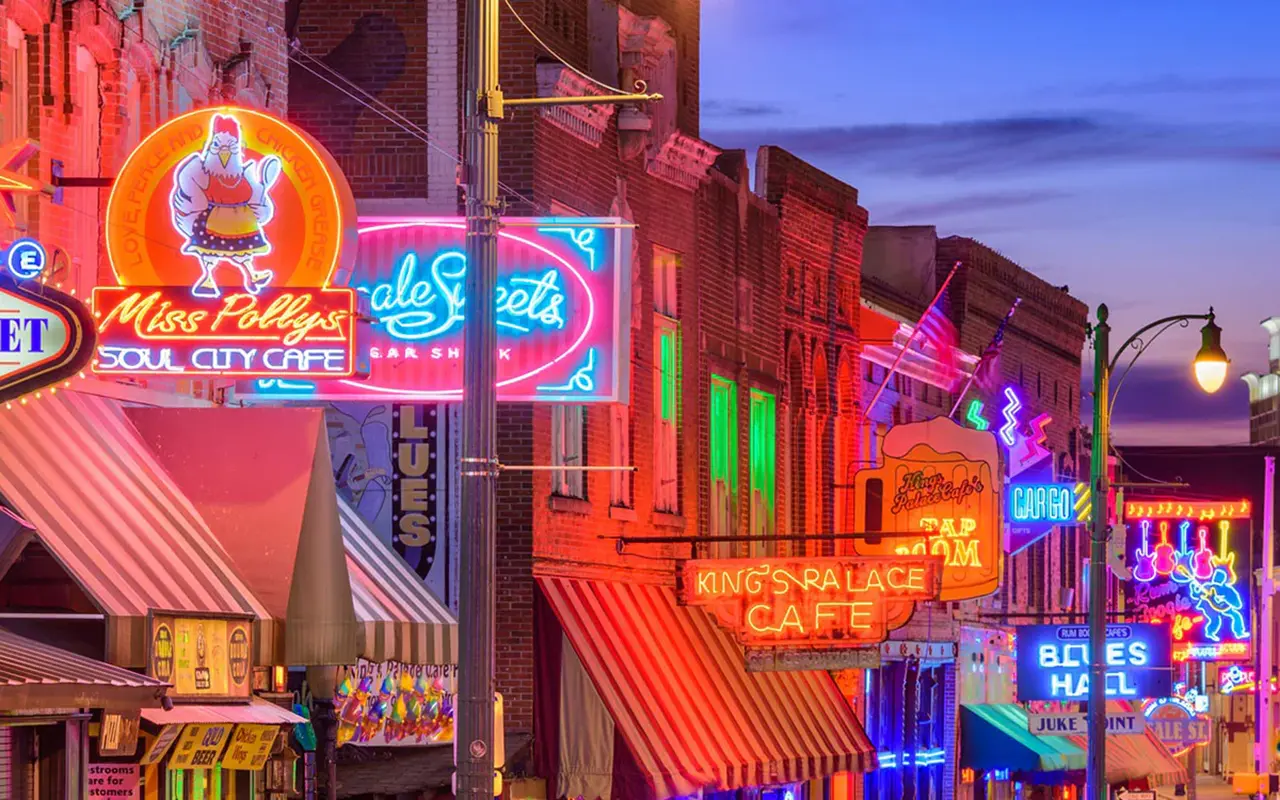
Despite being overtaken by LEDs in most applications, neon lights still hold a special place in the hearts of many. Their soft, nostalgic glow is reminiscent of a bygone era, often evoking memories of classic diners, theaters, and city streets. Neon’s retro charm makes it popular for businesses and venues that want to create a vintage atmosphere. (Insert image: Neon sign in a retro-themed diner) - Neon’s Resurgence in Art
In recent years, neon has seen a revival in art. Artists and designers use neon to craft visually striking pieces that blend the old and new. This artistic use of neon is helping to preserve the medium’s cultural significance while bringing it into modern creative spaces. - Niche Market for Neon
Although LEDs dominate the mainstream market, neon still thrives in niche settings where its unique glow and aesthetic value are highly sought after. Retro-themed businesses, art installations, and boutique hotels often choose neon for its ability to create a distinct atmosphere that LED lighting cannot fully replicate.
Will Neon Ever Make a Comeback?
- Neon’s Role in Art and Culture
Neon signs may only partially disappear, especially in artistic circles and retro-themed venues. Their unique glow, handcrafted nature, and cultural significance make them a cherished part of design history. In certain niche markets, neon will continue to thrive as a symbol of vintage elegance and creativity. - LED’s Continuous Innovation
As LED technology continues to evolve, it is becoming increasingly difficult for neon to compete. Smart lighting, energy-saving features, and digital effects are continually improving, solidifying LEDs as the future of lighting. However, even with these innovations, the nostalgic glow of neon will always have a place in art, culture, and select commercial spaces.
자주 묻는 질문
Q: Why are neon lights being replaced by LED lights?
A: Neon lights are being replaced by LED lights because LEDs are far more energy-efficient, cost-effective, and easier to maintain. LEDs also offer greater design flexibility and a longer lifespan, making them the preferred choice for modern businesses.
Q: Are neon lights more expensive than LED lights?
A: Yes, neon lights tend to be more expensive over time due to higher energy consumption, frequent maintenance needs, and repairs. While neon may have a lower initial cost, LEDs offer better long-term value due to their lower operating costs and longer lifespan.
Q: Do LEDs look like neon signs?
A: LEDs can closely mimic the vibrant glow of neon signs but with more flexibility in design and color options. Modern LED technology allows for a wide range of colors and lighting effects that replicate the classic neon look while being more energy-efficient.
Q: What makes LED lights more energy-efficient than neon lights?
A: LEDs use significantly less electricity than neon lights, up to 80% less in some cases. This energy efficiency reduces power consumption, leading to lower energy bills and a reduced environmental footprint compared to traditional neon lighting.
Q: Can LED lights last longer than neon lights?
A: LED lights can last up to 50,000 hours or more, whereas neon lights typically last around 15,000 hours. This makes LEDs a more durable option, reducing the need for frequent replacements and lowering maintenance costs.
Q: Are there any environmental concerns with neon lights?
A: Neon lights contain gases like mercury and argon, which can harm the environment if not disposed of properly. On the other hand, LEDs do not contain toxic chemicals and are considered more environmentally friendly, making them a safer choice for lighting.
Q: Why are neon lights still used in some places?
A: Neon lights are still used in niche markets and artistic settings due to their nostalgic and vintage appeal. They are often favored for retro-themed spaces, art installations, and boutique signage where their warm glow adds a unique aesthetic.
Q: What are the safety benefits of using LED lights instead of neon?
A: LEDs operate at much lower voltages than neon lights, making them safer indoors and outdoors. This reduces the risk of electric shock and fire hazards, making LEDs safer for homes and businesses.
Q: Can LED signs be customized as easily as neon signs?
A: Yes, LED signs offer even more customization options than neon. LEDs are highly flexible, allowing for dynamic designs, color changes, and brightness adjustments. This versatility makes LEDs ideal for creative displays and advertising.
Q: Will neon lights make a comeback?
A: While LEDs have largely taken over, neon lights remain popular in certain niche markets, particularly in art and retro-themed designs. However, with continuous advancements in LED technology, neon is likely to retain its former dominance in mainstream use.
Conclusion: Why LEDs Have Taken Over Neon
LEDs have outpaced neon lights in energy efficiency, durability, and versatility. While neon still exists in niche markets and artistic settings, LEDs are the choice for modern lighting needs. Their superior technology, cost-effectiveness, and eco-friendly benefits have made LEDs the lighting solution of the future.
In summary, while neon lights may hold a nostalgic place in history, LEDs have taken the lead with their energy efficiency, versatility, and long lifespan. As the lighting industry evolves, Unitop is one of China’s premier manufacturers of high-quality LED 스트립 조명 그리고 LED 네온 플렉스, providing cutting-edge solutions for modern lighting needs. Whether you’re looking for innovative designs or efficient lighting options, 유니탑 has the expertise to deliver. Don’t hesitate to 문의하기 for any questions or specific requirements—we’re ready to illuminate your vision.

Tom은 현재 다음의 영업 관리자입니다. 유니탑(중국) 유한공사. 그는 LED 조명 업계에서 2005년부터 근무하고 있습니다. 그는 영업 및 마케팅, 공장 관리 분야의 전문가입니다. 보디빌딩을 좋아하고 애플의 열렬한 팬이기도 합니다! 그는 열심히 일하는 사람이며 새로운 것을 배우고 시도하는 것을 좋아합니다.
이메일: tom@unitopledstrip.com WhatsApp: +86-18680307140




댓글을 남겨주세요
토론에 참여하고 싶으신가요?자유롭게 기여해 주세요!