
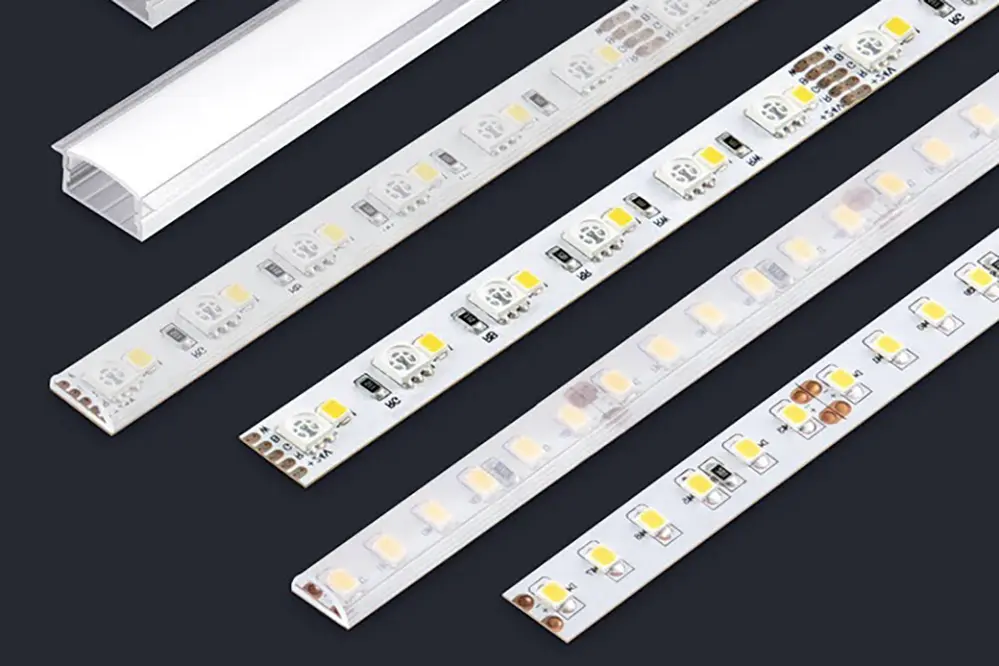
Embark on a journey to truly understand the capabilities of LED lighting with our comprehensive guide. Discover key insights on maximizing their lifespan and enhancing their efficiency to illuminate your space optimally.
LED lights, renowned for their longevity, typically offer a lifespan ranging from 25,000 to 50,000 hours. However, this duration is subject to variations influenced by factors such as usage frequency, environmental conditions, and the inherent quality of the product.
Explore deeper into the realm of LED lighting, where we unravel the factors impacting their longevity. Join us to learn the best practices and techniques to maximize the performance and lifespan of your LED lights.
Comprehensive Guide to LED Lifespan
The Fundamentals of LED Lifespan
Navigating the world of LED lighting can often feel like stepping into a realm of endless possibilities. The magic behind these tiny yet powerful sources of light lies in their construction and operation. Unlike traditional bulbs that rely on fragile filaments or gas-filled tubes, LEDs operate on a solid-state mechanism. This means that when electrical energy courses through their semiconductor material, it gets converted directly into light energy, minimizing waste and enhancing durability.
- The Science Behind LED Durability: The secret sauce to the longevity of LED lights is found in their core – the semiconductor. This tiny yet powerful component is what sets LEDs apart from the pack. When electricity zips through this semiconductor, it lights up, producing that bright, consistent light we’ve all come to rely on. This process, devoid of any physical wear and tear, ensures that LEDs can keep shining bright for years without the everyday setbacks that plague traditional bulbs.
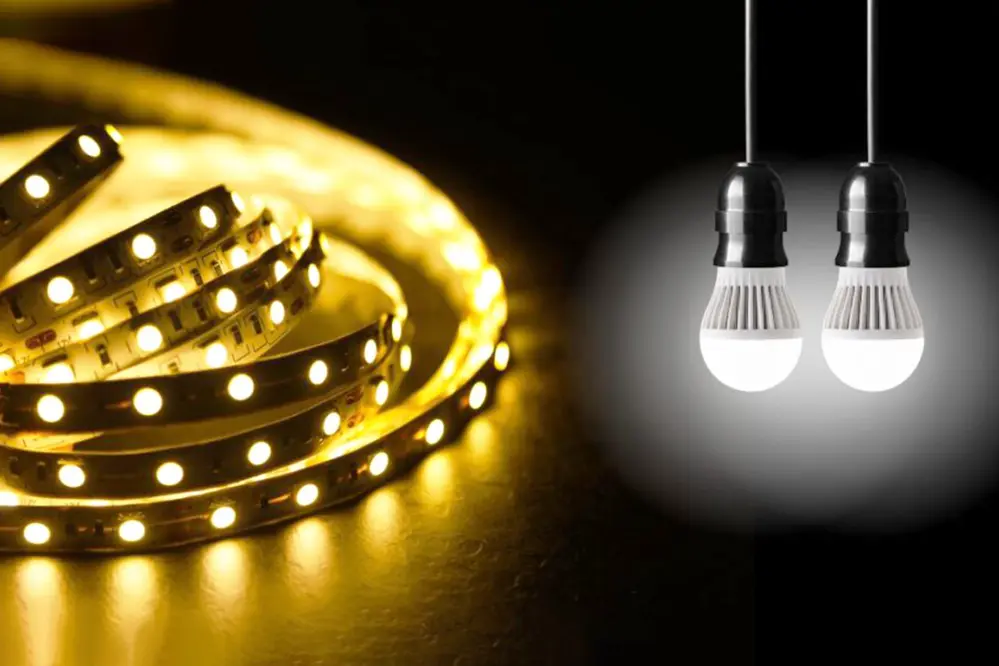
- LED Lifespan vs Traditional Bulbs: In the excellent lighting showdown, LEDs undoubtedly take the crown. Traditional incandescent bulbs, with their fragile filaments, barely make it past the 2,000-hour mark. Fluorescents do a bit better but still pale in comparison to the endurance of an LED. It’s not just about lasting longer; it’s about maintaining efficiency and brightness over tens of thousands of hours, a feat that traditional bulbs can hardly dream of.
Factors Influencing LED Lifespan
The lifespan of LED lights is not solely determined by their usage and construction quality. Several additional factors come into play, shaping their durability and performance over time. Firstly, the electrical environment in which LEDs operate can significantly impact their lifespan. Fluctuations in voltage and current can stress the LED components, potentially shortening their life.
Moreover, the design and material quality of the LED’s circuitry plays a crucial role. High-quality materials and well-designed circuits ensure efficient operation and reduce the likelihood of premature failure. The ambient environment also matters; LEDs used in areas with high humidity or corrosive substances may degrade faster than those in more controlled settings.
Furthermore, the installation and maintenance practices can influence an LED’s longevity. Proper installation that ensures secure and stable connections, along with regular maintenance to keep the LEDs clean and free from obstructions, can extend their effective life. Lastly, the advancements in LED technology and manufacturing processes continually improve their resilience and efficiency, meaning newer models may offer enhanced lifespans compared to older versions.
Taking all these factors into account, it’s evident that the longevity of LED lights is a multifaceted issue, influenced by a combination of technical, environmental, and human factors. Ensuring optimal conditions and choosing high-quality products are key to maximizing the lifespan of LED lighting solutions.
Maximizing LED Performance
When it comes to squeezing every possible hour out of your LED lights, a little know-how can go a long way. Think of your LED bulbs as high-performance cars; with the right care and environment, they can go the distance and then some.
Heat Management Strategies
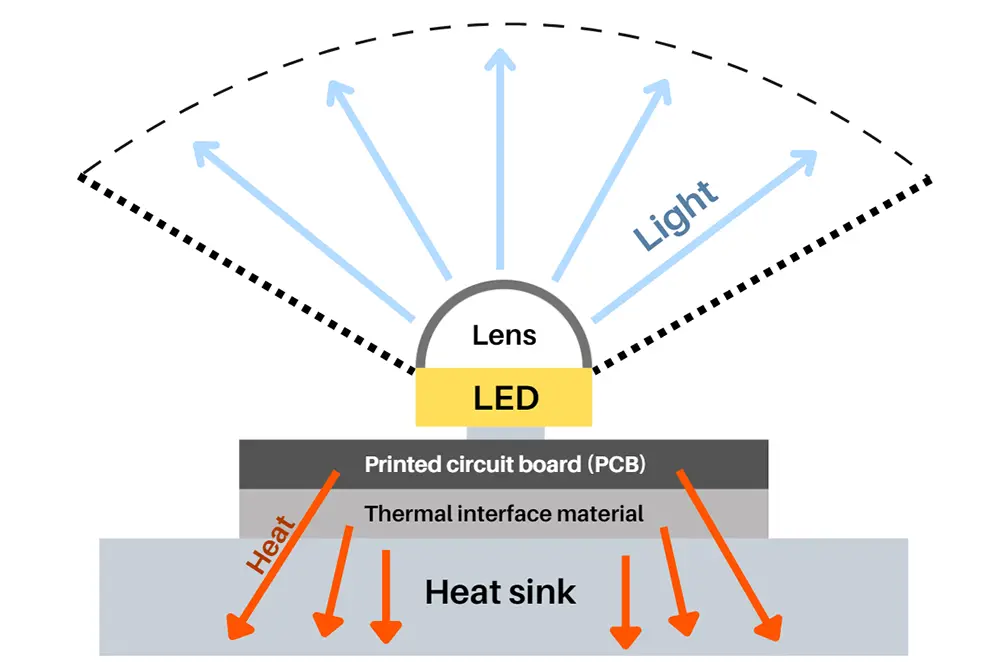
Understanding the impact of heat on LED longevity is crucial. When LEDs are subjected to excessive heat, it not only reduces their efficiency but also significantly shortens their lifespan. Managing heat effectively is therefore essential to ensure the long-term performance and durability of LED lights.
The key to prolonging the life of LEDs lies in effective heat management. This begins with the strategic placement of LED fixtures. Positioning LEDs in areas with good airflow allows for better heat dissipation, preventing the accumulation of heat and ensuring the LEDs operate within their optimal temperature range.
Incorporating heat sinks into LED designs is another critical aspect of heat management. Heat sinks are designed to absorb and dissipate the heat generated by LEDs, maintaining a cooler operating temperature. These components are often made from materials with high thermal conductivity, such as aluminum, which helps to draw heat away from the LED chips efficiently.
Selecting High-Quality LEDs
But it’s not just about keeping things cool. It’s also about starting with the best. Picking high-quality LEDs might feel like splurging at first, but it’s more like an investment. We’re talking about lights that not only last longer but also shine brighter and more consistently. So, do your homework, pick brands that have a track record of excellence, and watch as your LEDs outlast the competition.
Maintenance for Longevity
Now, onto keeping your LEDs in tip-top shape. Regular TLC can make a world of difference.
Imagine your LEDs are like prized houseplants. They don’t ask for much – just a little attention now and then. Dust them off occasionally to keep them shining bright. And just like you wouldn’t water your succulents with a fire hose, be mindful of moisture around your LEDs. A damp cloth for cleaning should do the trick. Also, try to keep them away from extreme temperatures. LEDs might be harsh, but they’re not fans of the sauna or the freezer.
So, what if your LEDs start acting up? Maybe they’re flickering like a disco or dimming unexpectedly. Don’t panic. Often, it’s something simple – a loose connection, a bit of dust, or maybe they’re just feeling the heat. Keep an eye out for these early warning signs and nip them in the bud. Problem-solving can extend the encore of your LED light show.
Economic and Environmental Benefits
When we dive into the realm of LED lighting, we’re not just talking about a simple switch from one bulb type to another; we’re exploring a shift toward sustainability and cost-efficiency. It’s a journey from the immediate to the long-term, from the individual to the global.
When you first pick up an LED bulb, the price tag might make you do a double-take compared to traditional bulbs. But that’s just the initial outlay. Over time, LEDs shine in their ability to reduce energy bills — using up to 90% less energy than incandescent bulbs — and in their reluctance to bow out early, meaning fewer replacements. Imagine, if you will, a world where climbing up a ladder to change a bulb becomes a rare event, not a routine chore. That’s the world LEDs are ushering in.
But it’s not all about the green in your wallet; it’s also about the green of our planet. LEDs are a beacon of hope for eco-conscious individuals. By slashing energy consumption, they reduce the demand for power plants and the subsequent greenhouse gas emissions. Moreover, the absence of mercury in their design is a nod to a safer, more sustainable disposal process, contrasting sharply with the hazardous waste concerns of their fluorescent counterparts.

Understanding LED Metrics
When we talk about LED lights, we’re delving into a world where brightness is no longer measured just by wattage. This shift brings us to the realm of lumens, wattage, and efficiency – the actual indicators of an LED’s performance.
- Lumens, Wattage, and Efficiency: Gone are the days when the wattage of a bulb was the go-to measure of its brightness. With LEDs, it’s all about lumens. Lumens provide a direct measure of the amount of light emitted, offering a clearer understanding of how bright an LED will shine. This shift not only helps in selecting the right LED for your needs but also highlights the efficiency of LEDs in converting electricity into light, not heat, making them a beacon of energy efficiency.
- Decoding LED Specifications: Diving deeper into the world of LEDs, we encounter terms like color temperature and Color Rendering Index (CRI). These specifications are more than just numbers; they guide us in choosing LEDs that not only light up spaces but also enhance the quality of the environment. Understanding these metrics ensures that the LED you pick will offer the warmth or coolness of light you desire and render colors in a way that brings your space to life.
Advanced LED Technologies
As we explore the advancements in LED technology, we find ourselves amidst emerging trends that are reshaping the way we think about lighting.
From LEDs that mimic the flexibility of a ribbon to panels as thin as a leaf, the innovations in LED design are boundless. These advances are not just enhancing the functionality of LEDs but are also elevating their aesthetic appeal, making them a favorite among designers and homeowners alike. This fusion of form and function is opening new avenues for lighting solutions that are as beautiful as they are efficient.
Looking towards the horizon, the future of LED technology shines bright. With ongoing research and development, we can anticipate LEDs that are not only more efficient and long-lasting but also more adaptable to our needs. This evolution promises to solidify LEDs’ standing as the lighting choice of the future, offering solutions that are eco-friendly, cost-effective, and versatile.
Real-World LED Applications
In the real world, LEDs are proving their mettle across a spectrum of environments, showcasing their versatility and efficiency.
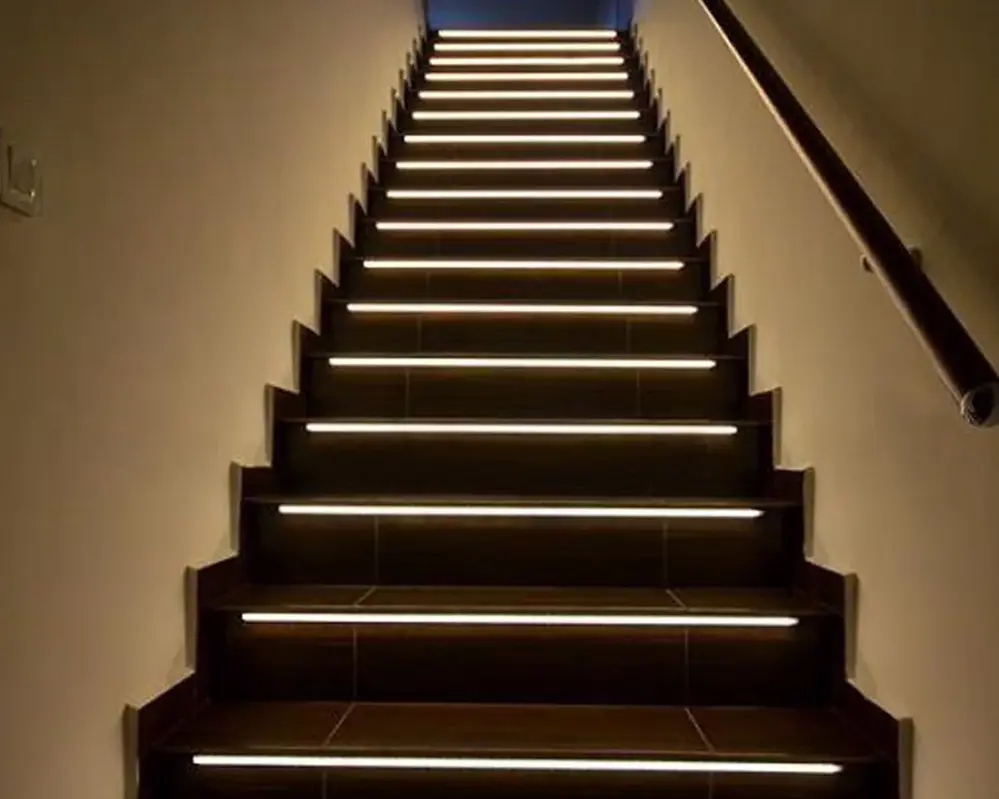
Whether it’s setting the mood in a cozy living room, illuminating a vast industrial warehouse, or lighting up a city street, LEDs are up to the task. Their ability to adapt to various settings while conserving energy makes them an unparalleled choice in the lighting landscape.
Real-world applications of LEDs, for instance, from homes that glow with warmth to industries that thrive on efficiency, offer a testament to their impact. Case studies from around the globe tell tales of reduced energy bills, enhanced atmospheres, and a step forward in sustainable living, underscoring the transformative power of LED lighting.
Domande frequenti
Q: Can LED lights’ lifespan be extended beyond their rated hours?
A: Absolutely! While LEDs already have an impressive lifespan, you can further extend them by ensuring they’re used within recommended temperatures, avoiding frequent on-off cycles, and ensuring proper installation to facilitate heat dissipation.
Q: Do LED lights lose brightness over time?
A: Yes, LED lights do experience a gradual decrease in brightness, known as lumen depreciation. However, this process is slow, and LEDs maintain a significant portion of their brightness throughout their lifespan.
Q: What factors could prematurely shorten an LED light’s lifespan?
A: Factors like excessive heat, constant high voltage, improper installation, and frequent switching can all contribute to reducing an LED light’s lifespan. Ensuring proper use and installation can mitigate these risks.
Q: Are all LED lights created equal in terms of lifespan?
A: No, there’s a variety in the quality and lifespan of LED lights based on the manufacturer and the technology used. High-quality LEDs with efficient heat management systems tend to last longer.
Q: How does the usage environment affect an LED’s lifespan?
A: Environmental conditions such as high temperatures, humidity, and lack of ventilation can negatively impact an LED’s lifespan. Using LEDs in suitable environments according to their specifications is crucial to longevity.
Q: What does L70 or L50 mean in LED lifespan ratings?
A: L70 and L50 are metrics indicating the point at which LED lights maintain 70% or 50% of their initial brightness, respectively. These benchmarks help gauge the effective lifespan of LED lighting.
Q: Are LED lights environmentally friendly compared to traditional bulbs?
A: Yes, LEDs are more energy-efficient, have a longer lifespan, and don’t contain harmful substances like mercury, making them a more eco-friendly lighting option compared to traditional incandescent or fluorescent bulbs.
Q: Can LED lights save money in the long run?
A: Definitely! Despite the higher upfront cost, the long lifespan and lower energy consumption of LEDs can lead to significant savings on electricity bills and replacement costs over time.
Q: Is it true that LED lights don’t burn out like traditional bulbs?
A: Yes, LEDs typically don’t burn out suddenly. Instead, they gradually dim over time, which means you won’t be left in the dark unexpectedly, and you can plan for replacements well in advance.
Q: How can I ensure I’m buying a high-quality LED light?
A: Look for LEDs from reputable manufacturers and check for certifications and ratings like ENERGY STAR. Also, consider the lumens per watt ratio for efficiency and ensure the product specifications match your needs.
Conclusione
Understanding the factors that influence LED lifespan, from environmental conditions to product quality, empowers users to maximize the benefits of their LED lighting, ensuring long-lasting, efficient illumination. By selecting high-quality LEDs, adhering to best practices for installation and maintenance, and staying informed about the latest in LED technology, consumers can enjoy the many advantages of LED lighting, from energy savings to environmental sustainability.
In our exploration of LED longevity and performance, it’s clear that the right knowledge and care can significantly extend the life of your LED lighting, making it a smart, sustainable choice for illuminating any space. For those looking to elevate their LED experience further, Unitop stands out as one of China’s premier manufacturers of Luci a striscia LED e LED al neon flessibile. With a reputation built on innovation, quality, and customer satisfaction, Unitop is your go-to source for cutting-edge LED solutions. If you have any further questions or specific requirements, don’t hesitate to contattateci. Together, let’s illuminate the future with the brilliance of LED technology, expertly crafted by Unitop.

Tom è ora il Direttore Vendite di Unitop (Cina) Co., Limited. È stato nella Illuminazione a LED industria dal 2005. È un esperto di vendite e marketing e di gestione della fabbrica. Gli piace il bodybuilding ed è anche un fan sfegatato di Apple! È un lavoratore instancabile e ama imparare e provare cose nuove.
Email: tom@unitopledstrip.com WhatsApp: +86-18680307140




Lascia un Commento
Vuoi partecipare alla discussione?Sentitevi liberi di contribuire!