
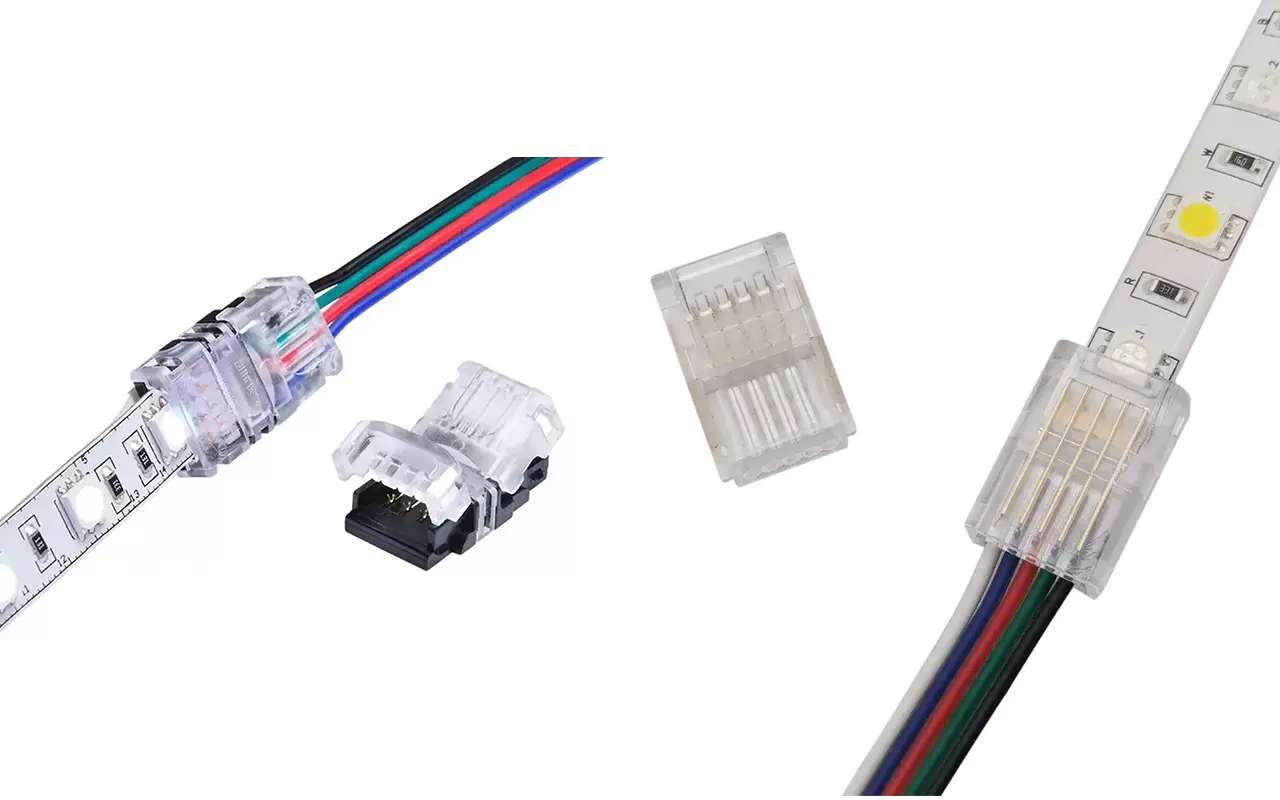
Venturing into LED lighting, the choice between 4 pin and 5 pin LED strips often presents a dilemma. What differentiates these options, and how does it affect your project’s outcome? Understanding their unique advantages is key to enhancing any space’s mood and functionality.
You are introducing Tom, a veteran in LED technology since 2005. With extensive experience, Tom offers deep insights into the practical applications and benefits of diverse LED solutions, guiding you toward the optimal lighting choice for your needs.
This blog post aims to clarify the differences between 4 pin vs. 5 pin LED strips, covering their functionalities, applications, and how they can elevate your lighting designs. From exploring color options to providing installation pointers, we’re here to ensure you make an informed decision.
Ready to illuminate your understanding of LED strips and decide which type best suits your vision? Let’s dive into the vibrant world of LED lighting together!
Diving Into LED Technology
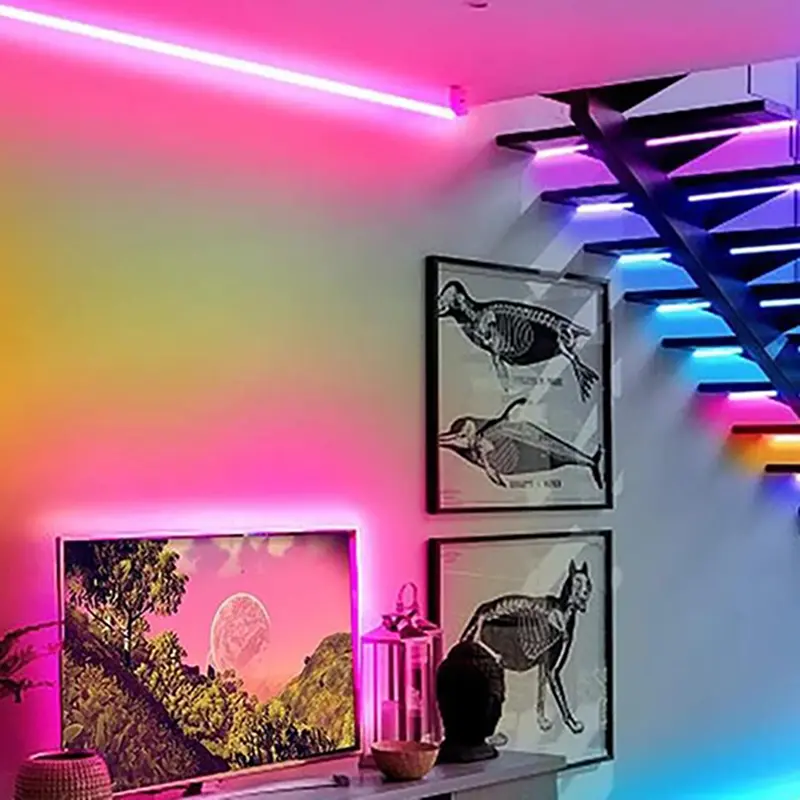
LED technology reshapes lighting with its unmatched efficiency and durability. Using semiconductors, LEDs emit light through electroluminescence, avoiding the inefficiency of heat found in traditional bulbs. This not only saves energy but also extends the lifespan of lighting devices, making LEDs a cornerstone of sustainable lighting.
The Basics of LED Technology and the Evolution of LED Strips
LEDs emit light by passing current through semiconductors, minimizing heat output. This efficiency has transformed LED strips from simple accent lights to versatile, dynamic lighting solutions. Modern LED strips boast a broad color range, adjustable brightness, and smart integration, moving from decorative to primary light sources in numerous settings.
An Exploration of What LED Strips Are and Their Benefits
LED strips, with their diode-filled flexible boards, offer lighting customization for various environments. Their ability to adapt to different spaces makes them ideal for both aesthetic and practical uses, enhanced by smart tech for convenient control and energy savings.
The Significance of Pin Configuration in LED Strips
Understanding the intricacies of pin configuration in LED strips is more than just a technical exercise; it’s pivotal for unlocking the full potential of LED lighting. This aspect of design not only determines the versatility of the LED strip in terms of color and brightness but also dictates how effectively it can be controlled and integrated into various environments.
Understanding the Definition and Functions of Pins in LED Strips
At the most basic level, pins on an LED strip serve as the bridge between the strip itself and the power source or controller that brings it to life. Each pin is tasked with a specific function, typically carrying signals for different colors or serving as a common ground. In the realm of LED strips, particularly those designed for color-changing purposes, the number of pins directly influences the range of colors and effects that can be achieved. For instance, a standard RGB strip requires at least four pins to manage its red, green, and blue components effectively, providing a broad palette of colors through the combination of these primary hues.
A Preliminary Comparison Between 4 Pin and 5 Pin LED Strips
Diving deeper into the comparison between 4 pin (RGB) and 5 pin (RGBW) LED strips unveils a world of difference in terms of lighting quality and functionality. The addition of a white channel in 5 pin RGBW strips is a game-changer, enabling the production of true white light—a feature beyond the reach of traditional RGB strips. This capability not only enhances the strip’s color-blending prowess but also expands its utility across various lighting scenarios. Whether setting a mood with ambient lighting or requiring accurate illumination for tasks, 5 pin RGBW strips offer a level of versatility that adapts seamlessly to both aesthetic and practical needs. This distinction underscores the evolving landscape of LED technology, where advancements in pin configuration open new avenues for creative and functional lighting designs.
Decoding 4 Pin LED Strips
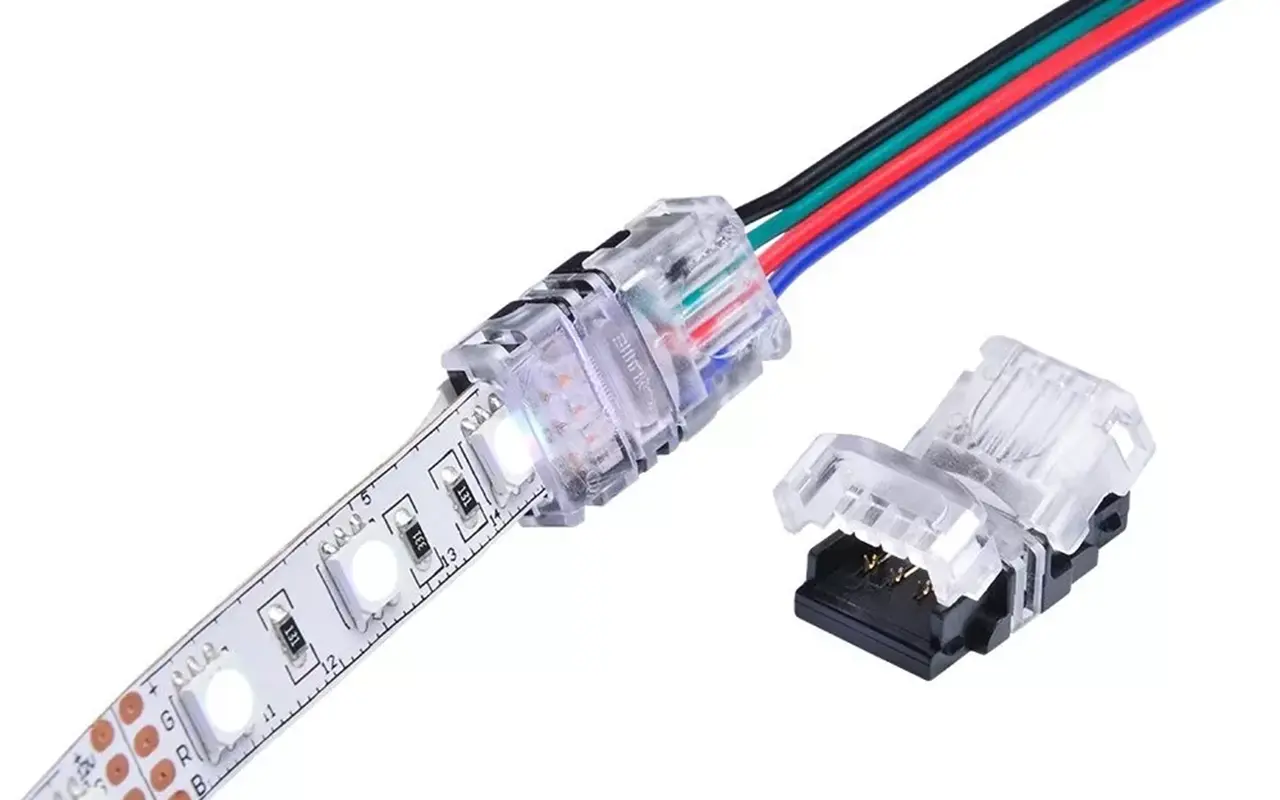
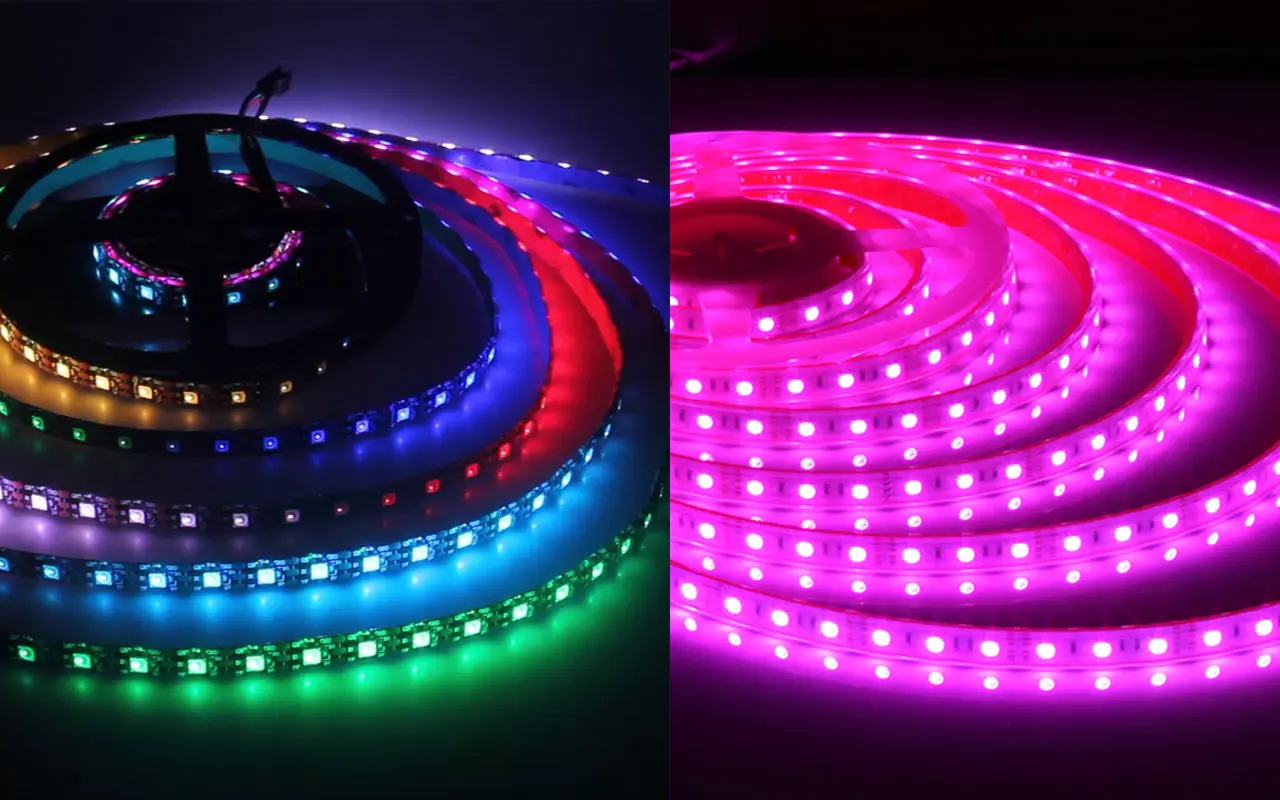
4 pin LED strips, commonly recognized as RGB strips, ingeniously mix Red, Green, and Blue diodes to produce a broad spectrum of colors. These strips have become an integral component in the art of ambiance creation, offering a range of hues that can set the mood from calming to energetic, depending on the desired effect.
Comprehensive Insights Into 4 Pin LED Strips
RGB strips shine in their capacity to blend primary colors to achieve a diverse palette of shades, facilitated by their four-pin configuration, which includes a standard ground wire. This versatility transforms LED strips from mere lighting solutions into dynamic design elements capable of significantly altering the aesthetic and atmosphere of any space. With their straightforward installation and varied color-changing capabilities, 4 pin LED strips are favored among both hobbyists and professionals for their ability to breathe life into interiors and exteriors alike.
Discussing the Common Uses and Applications Where 4 Pin LED Strips Excel
4 pin LED strips are particularly effective in settings that benefit from mood lighting. They’re a hit in entertainment areas, gaming setups, and as accent lighting, where their color variability can sync with different activities or enhance a space’s look. They serve not only to elevate the visual appeal but also functionally, as backlighting for monitors and TVs, to reduce eye strain and immerse users more deeply into their gaming or viewing experiences. This adaptability makes them a go-to choice for adding a personalized touch to leisure and recreational spaces, showcasing their widespread applicability and appeal.
Unveiling 5 Pin LED Strips
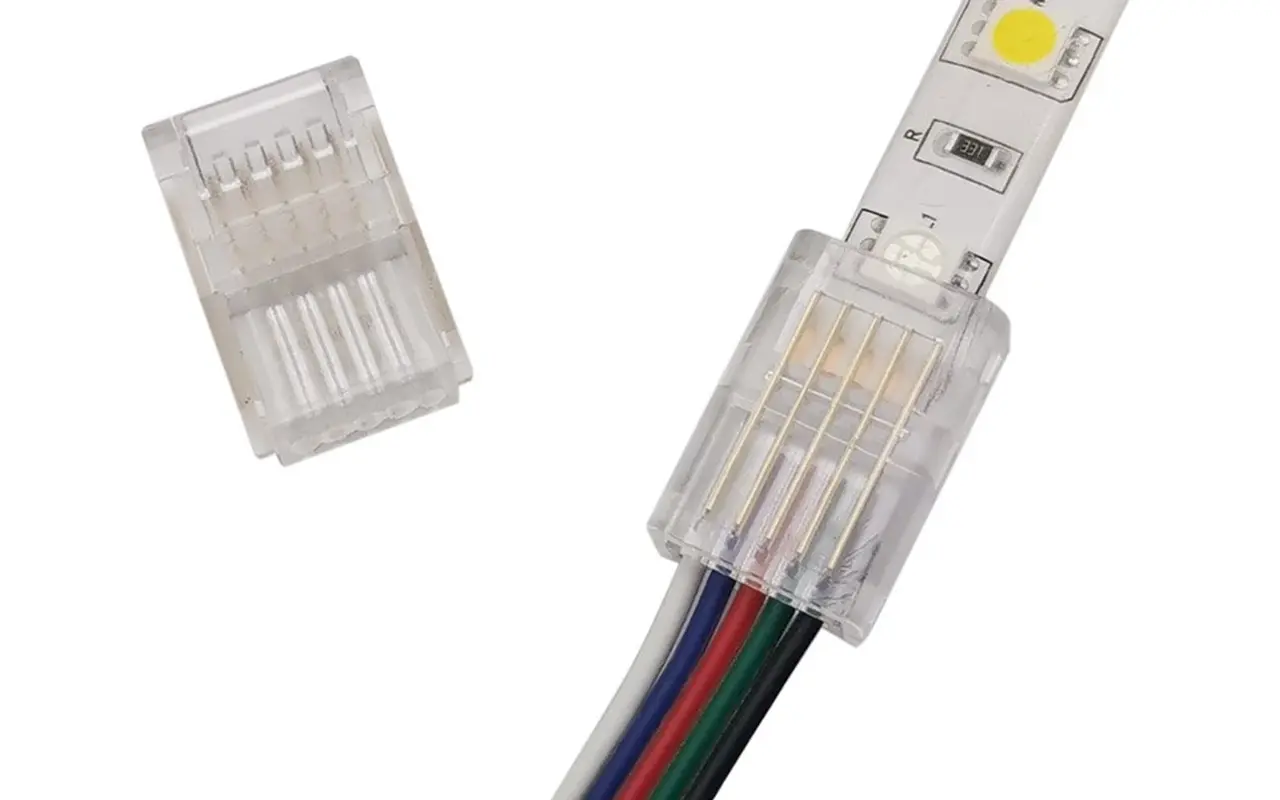
5 pin LED strips, or RGBW strips, add a groundbreaking dimension to LED lighting by blending a white diode with the classic RGB setup. This innovative addition not only allows for the production of genuine white light but also significantly broadens the spectrum of colors available, pushing the boundaries of both the functionality and adaptability of LED strips.
A Detailed Introduction to 5 Pin LED Strips
RGBW strips distinguish themselves through their ability to emit true white light in addition to a wide array of colors. By integrating a white channel, these strips achieve more nuanced color rendering and enhanced brightness control. This feature enables them to meet a broader range of lighting requirements without compromising on color fidelity, making them an exceptionally versatile option for various applications.
Identifying the Ideal Use-Cases for 5 Pin LED Strips
With their unique ability to seamlessly transition between ambient mood lighting and practical task illumination, 5 pin RGBW strips are perfectly suited for areas like kitchens and workspaces, where both general ambiance and specific lighting needs must be met. They’re equally effective for creative lighting projects outdoors and indoors, from accentuating design elements to spotlighting architectural details. The addition of natural white light, alongside vibrant hues, offers limitless possibilities for elevating both the utility and aesthetic appeal of any space, demonstrating the unmatched versatility of 5 pin LED strips in lighting design.
Side-by-Side Comparison: 4 Pin vs 5 Pin
When it comes down to selecting the ideal LED strip for your project, the choice between 4 pin (RGB) and 5 pin (RGBW) models is crucial. This comparison delves into their distinct color capabilities and applications to provide a clearer understanding of which option best suits your needs.
A Meticulous Comparison Across Various Parameters
Color Range and Quality:
4 Pin (RGB): Capable of creating a wide array of colors by mixing red, green, and blue diodes. However, it falls short of producing authentic white light, often resulting in a less natural blend.
5 Pin (RGBW): Stands out by adding a pure white diode to the RGB spectrum, achieving true white light and enhancing color blending for a more natural appearance.
Flexibility and Control:
4 Pin (RGB): Offers great dynamic color-changing capabilities but lacks the efficiency in generating white light, limiting its utility in scenarios requiring precise lighting conditions.
5 Pin (RGBW): Takes flexibility up a notch with the addition of white light control, making it adept for both creating ambiance and providing focused task lighting.
Application Suitability:
4 Pin (RGB): Excelling in producing vibrant, color-changing displays, it’s ideal for areas where creating a lively or dynamic atmosphere is key.
5 Pin (RGBW): Proves to be more versatile, catering not just to mood lighting but also to environments where accurate white light or color rendition is crucial, such as in task lighting or settings demanding high color accuracy.
| Caratteristica | 4 Pin (RGB) | 5 Pin (RGBW) |
|---|---|---|
| Color Range | Wide Spectrum | Wider Spectrum + True White |
| Flessibilità | Good | Better |
| Controllo | Color Changing Only | Color + Precise White Light Control |
| Applicazioni | Decorative, Mood Lighting | More Versatile: Task Lighting, Mood, Accurate Color Rendering |
This side-by-side comparison illustrates that while both 4 pin and 5 pin LED strips offer a wide range of possibilities, the choice ultimately hinges on the specific requirements of your lighting project. Whether prioritizing vibrant color dynamics or the need for genuine white light alongside color options, understanding these key differences will guide you to the LED strip that perfectly matches your vision for ambiance, decoration, or functional illumination.
Navigating Your Choices: 4 Pin or 5 Pin?
The decision between utilizing 4 pin (RGB) and 5 pin (RGBW) LED strips is pivotal in aligning with the specific demands of your project. Delving into user evaluations and case studies reveals how these options perform in real-world applications, offering valuable insights for making an informed choice.
Guidance on Factors to Consider
When weighing your options, it’s essential to pinpoint your project’s primary lighting objectives. Are you looking for dynamic color effects, or does your project necessitate true color representation, including authentic white? Here’s what to keep in mind:
Color Accuracy and Range: User feedback consistently highlights the 5 pin RGBW strips’ superiority in delivering true white light and a more comprehensive color palette, making them ideal for applications where color fidelity is paramount.
Ambiance vs. Functionality: Consider whether the space is primarily for creating an atmosphere or if it serves a dual purpose that includes task lighting. User experiences suggest that while 4 pin RGB strips excel in mood setting, 5 pin RGBW strips offer the added flexibility of providing both ambient and focused illumination.
Tips for Selecting the Right Pin Configuration
Drawing from a variety of user scenarios, here are some tailored recommendations:
Examine the Space: User case studies indicate that evaluating the interplay of natural and artificial lighting, along with the intended ambiance, can guide whether the additional brightness and color contrast of a 5 pin strip are necessary.
Installation Area: In multifunctional spaces like kitchens, where precision in task lighting is as crucial as overall ambiance, users have found the 5 pin strips’ white channel indispensable for clear, focused lighting.
Simplicity vs. Versatility: For users seeking straightforward, vibrant lighting effects, 4 pin RGB strips have proven sufficient and cost-effective. However, for those requiring a blend of colorful and white lighting—often in professional or multifaceted settings—5 pin RGBW strips are the preferred choice for their unmatched versatility.
Reflecting on these considerations, informed by real user experiences and applications, underscores that the ultimate selection between 4 pin and 5 pin LED strips hinges on a balance between desired ambiance, functional lighting needs, and color accuracy requirements. Understanding the distinct advantages each option brings to various settings will ensure your lighting project not only meets but exceeds expectations, beautifully illuminating your space with the right blend of color and clarity.
Expert Installation Tips for LED Strips
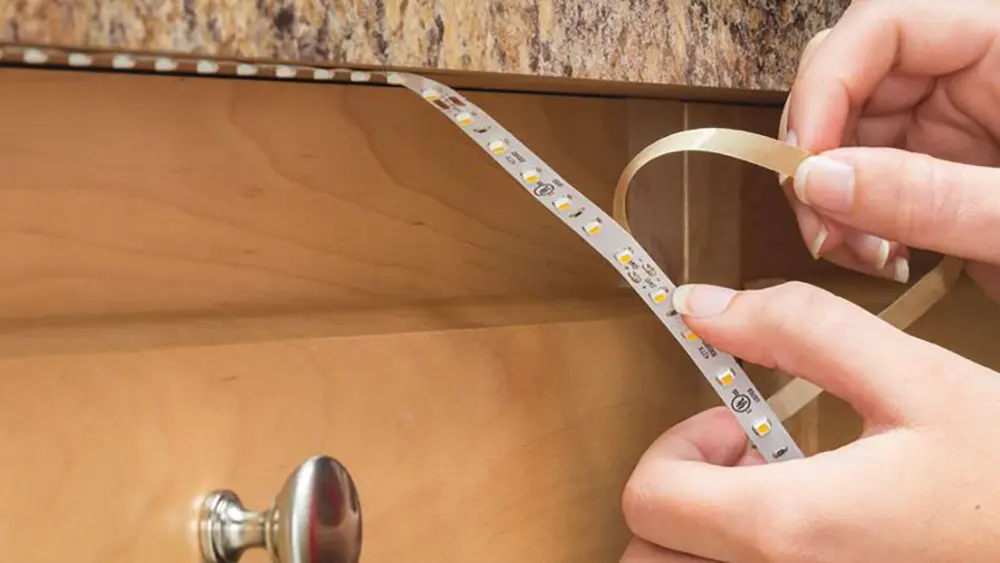
Achieving optimal performance and longevity from your LED strips, be it the vibrant 4 pin RGB or the versatile 5 pin RGBW, hinges on meticulous installation. Drawing from seasoned installers’ wisdom and user testimonials, here are consolidated guidelines for a flawless setup.
Best Practices for Both 4 Pin and 5 Pin LED Strips
Measure Accurately: Prioritize precision in measuring your intended installation space to avoid the pitfalls of excessive or inadequate strip lengths. User case studies emphasize that precise measurement upfront saves time and resources.
Prepare the Surface: The longevity of the adhesive and, by extension, the LED strip relies heavily on surface preparation. Ensure the mounting area is not only clean but also free from moisture and irregularities, guaranteeing optimal adherence.
Understand power Needs: Aligning your power supply with the strip’s specifications is crucial. Overpowering or underpowering your LEDs can lead to issues such as overheating or suboptimal brightness. User feedback often points out the importance of this match for the strip’s efficiency.
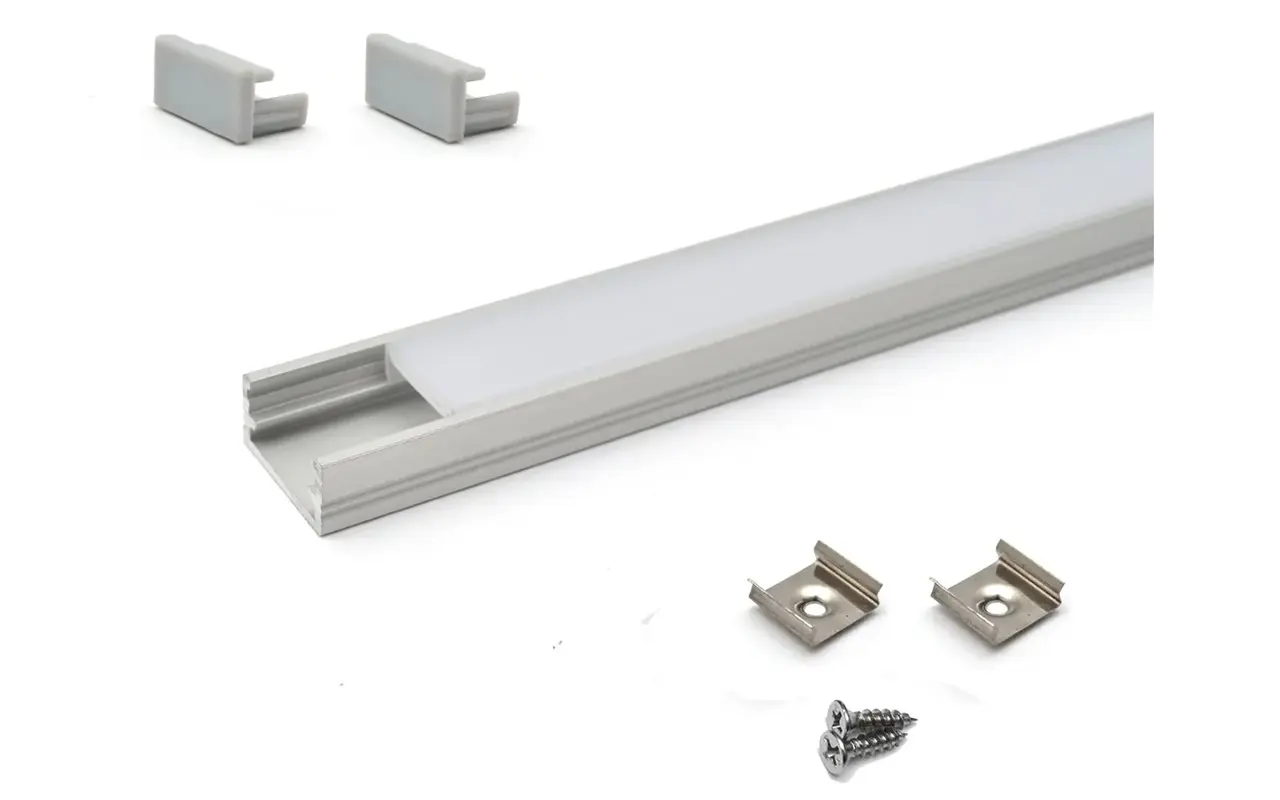
Ensure Secure Installation: Especially in areas susceptible to movement or humidity, reinforcing the strip’s position with mounting clips or an aluminum channel can safeguard against displacement or damage, a tip frequently shared in DIY forums.
Check Compatibility: Compatibility checks between your power supply, controller, and LED strips are non-negotiable for a harmonious setup. Users have shared experiences of malfunctions resolved by ensuring component compatibility, particularly with RGBW strips requiring specific controllers.
Troubleshooting Common Installation Issues
Flickering Lights: A common dilemma faced by users is that flickering often signals inadequate power or loose connections. A thorough check can rectify this issue, ensuring a stable and consistent light output.
Inconsistent Color/Brightness: To combat voltage drop across longer runs, users recommend opting for higher gauge wires or incorporating an amplifier to maintain uniform brightness and color integrity along the strip.
Adhesive Failure: If initial adhesion fails, revisiting the surface prep stage is advised. For more challenging surfaces, turning to mechanical fasteners can provide a reliable solution, as endorsed by several installation guides.
Controller Issues: Securing all connections and verifying controller compatibility can avert potential issues. This is especially pertinent for RGBW strips, where an inappropriate controller selection can hinder performance.
Informed by real-world applications and user insights, these installation tips and troubleshooting strategies underscore the practical aspects of LED strip installation. Whether you’re embracing the color dynamics of 4 pin RGB strips or the nuanced illumination of 5 pin RGBW strips, adhering to these expert recommendations ensures a seamless installation and an enduring lighting solution.
You can also read this article: Risoluzione dei problemi delle strisce LED
The Future Is Bright: LED Strip Trends and Innovations
LED strip lighting continues to illuminate the path toward innovative and adaptive lighting solutions, integrating seamlessly into the fabric of smart home ecosystems. With each leap in technology, LED strips become not just sources of light but pivotal elements in creating personalized and energy-efficient environments.
A Look at Emerging Technologies
In the realm of emerging technologies, LED strips are becoming increasingly intertwined with smart home capabilities and ecological consciousness. Upcoming advancements are set to redefine how we interact with LED strips, offering enhanced control through smartphone apps and voice commands for a truly bespoke lighting atmosphere. Moreover, the push toward sustainability is driving the development of more energy-efficient LED strips, minimizing their environmental footprint without compromising on brilliance or functionality.
Predictions on How Innovations Will Shape the Future of LED Strips
The trajectory of LED strip innovation hints at several promising developments:
Increased Efficiency: Future iterations are expected to be even more energy-efficient, reducing operational costs and fostering a more sustainable approach to lighting.
Improved Color Accuracy: Technological advancements are likely to achieve unparalleled color accuracy and an expanded color palette, catering to environments where precise color rendition is crucial.
Longer Lifespan: With ongoing innovations, the lifespan of LED strips is anticipated to extend significantly, enhancing their cost-effectiveness and appeal.
Seamless Daily Integration: Adaptive lighting technology, adjusting automatically to the user’s activities and time of day, could become a standard feature, optimizing comfort and energy usage.
Interactivity and Responsiveness: Future LED strips might exhibit heightened responsiveness to environmental variables or user inputs, paving the way for interactive and immersive lighting experiences.
As we look toward the horizon, it’s clear that LED strips are evolving into a cornerstone of contemporary lighting, merging cutting-edge efficiency with intelligent design to craft spaces that are not only illuminated but truly alive with possibility.
Your Questions Answered: LED Strip FAQ
Can I use a 5 pin LED strip if my controller only supports 4 pins?
While 5 pin LED strips (RGBW) offer an additional white light channel, they require a compatible controller to utilize all features fully. If your controller only supports 4 pins, you’ll miss out on the white channel. It’s possible to use just the RGB functions, but for full functionality, consider upgrading to a controller that supports 5 pins.
How do I decide between a 4 pin RGB and a 5 pin RGBW LED strip for my project?
The choice largely depends on your project’s lighting needs. Opt for a 4 pin RGB strip for vibrant, color-changing effects. If you need the versatility of both color and true white light, a 5 pin RGBW strip is more suitable, especially in spaces like kitchens or studios where task lighting is also needed.
What makes 5 pin LED strips more versatile than 4 pin strips?
The additional white channel in 5 pin RGBW strips allows for a broader color palette, including pure whites, which are not achievable with 4 pin RGB strips. This versatility makes them ideal for a broader range of applications, from mood lighting to task lighting.
Can LED strips be cut to fit specific areas?
Yes, both 4 pin and 5 pin LED strips can be cut at designated points along the strip to fit specific areas. However, it’s important to ensure that you cut at these marked points to maintain functionality.
Are longer LED strips prone to voltage drop, and how does it affect lighting?
Yes, over long distances, LED strips can experience voltage drop, resulting in dimmer lights towards the end of the strip. This can be mitigated by using a higher gauge power wire or installing amplifiers at intervals to maintain consistent brightness.
Is it necessary to use additional mounting hardware for LED strips?
While the adhesive backing on LED strips works well on smooth surfaces, mounting clips or aluminum channels can provide extra security and heat dissipation, especially in areas with movement or temperature fluctuations.
How does the integration of LED strips with smart home systems enhance usability?
Integrating LED strips with smart home systems allows for remote and voice control of lighting settings, including color, brightness, and patterns. This enhances usability by making it easier to create the desired ambiance and adjust lighting based on activity or time of day.
Do 5 pin LED strips consume more energy than 4 pin strips due to the additional white light channel?
While 5 pin RGBW strips have an additional channel, they don’t necessarily consume more energy than 4 pin RGB strips. The overall energy consumption depends on the total brightness and how the strip is used. Using the white channel alone can sometimes be more energy-efficient than creating white light by mixing RGB colors.
Can I mix and match different types of LED strips in the same installation?
Mixing different types of LED strips in the same installation is possible, but careful planning is required to ensure compatibility, especially regarding power supplies and controllers. It’s also important to consider the aesthetic outcome, as different types of strips may have varying brightness levels and color qualities.
How do advancements in LED technology impact the future of LED strips?
Ongoing advancements in LED technology are making LED strips more efficient, with better color accuracy and longer lifespans. Future strips are expected to offer even more integration with smart home systems and greater environmental sustainability, expanding their applications and usability.
Wrapping Up: The Pin Debate Concluded
Navigating through the nuances of 4 pin vs 5 pin LED strips reveals an apparent dichotomy based on color performance, white light authenticity, and intended use. As LED technology marches forward, the landscape of lighting solutions becomes ever more adaptable and innovative, poised to brighten our environments in increasingly customized ways. Whether you’re looking to enhance a space’s ambiance or need precise illumination for tasks, LED strips present a versatile and efficient choice, catering to the myriad lighting demands of contemporary settings.
At the forefront of this illuminating journey stands Unitop, a leader in the manufacture of Luci a striscia LED e LED al neon flessibile from China. Known for their unwavering commitment to quality, innovation, and customer satisfaction, Unitop exemplifies excellence in the LED industry. Offering a guiding light to both newcomers and seasoned professionals, Unitop aids in navigating the vast possibilities of LED lighting, ensuring every project shines with the optimal blend of color and functionality.
For those embarking on lighting projects or seeking to incorporate the latest in LED innovations into their environments, Unitop offers unparalleled expertise and support. Contatto Unitop for personalized guidance and begin your journey toward creating a luminous masterpiece. With Unitop, step confidently into the future of lighting, where quality and creativity illuminate every step.
Articolo correlato

Tom è ora il Direttore Vendite di Unitop (Cina) Co., Limited. È stato nella Illuminazione a LED industria dal 2005. È un esperto di vendite e marketing e di gestione della fabbrica. Gli piace il bodybuilding ed è anche un fan sfegatato di Apple! È un lavoratore instancabile e ama imparare e provare cose nuove.
Email: tom@unitopledstrip.com WhatsApp: +86-18680307140



Lascia un Commento
Vuoi partecipare alla discussione?Sentitevi liberi di contribuire!