
If you’re wondering whether LED neon lights get hot and how they compare to traditional neon lights, you’ve come to the right place. We’re confident that we can provide you with all the information you need to make an informed decision about your lighting options. Let’s clear up any doubts you might have.
LED neon lights generate minimal heat compared to traditional neon lights. They remain cool to the touch, even after long hours of operation. This makes them safer and more energy-efficient, providing bright illumination without the risks associated with overheating or excessive heat production.
But there’s more to know about how LED neon lights work and why they’re a better choice than traditional neon lights. Please keep reading to discover the key differences, safety benefits, and factors influencing their performance.
How Do LED Neon Lights Generate Light and Heat?
The Science Behind LED Technology and Heat Efficiency
LED neon lights are a marvel of modern technology, designed to produce brilliant light while generating minimal heat. The Light Emitting Diode (LED) technology is at the core of this efficiency. Unlike traditional light sources, which often lose a significant portion of energy as heat, LEDs convert nearly all of the electrical energy they consume directly into light. This is achieved through a semiconductor material, which emits photons—the basic units of light—when an electrical current passes through it.
The semiconductor’s structure plays a crucial role in maintaining the low heat output of LED neon lights. It efficiently manages the flow of electrons, minimizing resistance and thus reducing heat generation. This contrasts with incandescent or fluorescent bulbs, where energy is wasted as heat due to less efficient energy conversion processes. As a result, LED neon lights remain cool to the touch, even after hours of continuous operation, making them an excellent choice for environments where safety and energy efficiency are paramount.
LED Neon Lights vs. Traditional Neon Lights
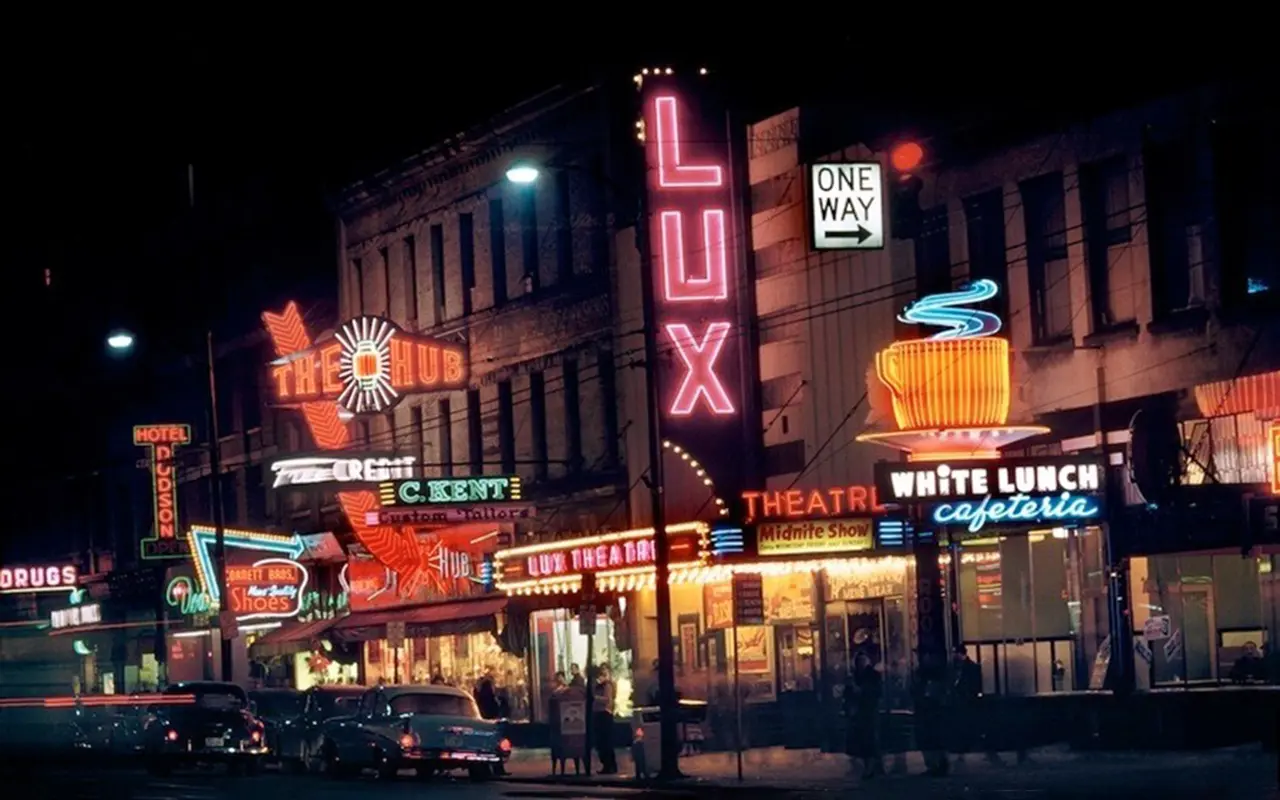
The differences in heat generation are immediately apparent when comparing LED neon lights to traditional neon lights. Traditional neon lights send an electrical current through a gas—typically neon or argon—encased in a glass tube. This electrical discharge excites the gas molecules, causing them to emit light. However, this process is inherently inefficient, as a considerable amount of energy is lost as heat. The glass tubes can become quite warm, sometimes even hot, posing a risk in environments where safety is a concern.
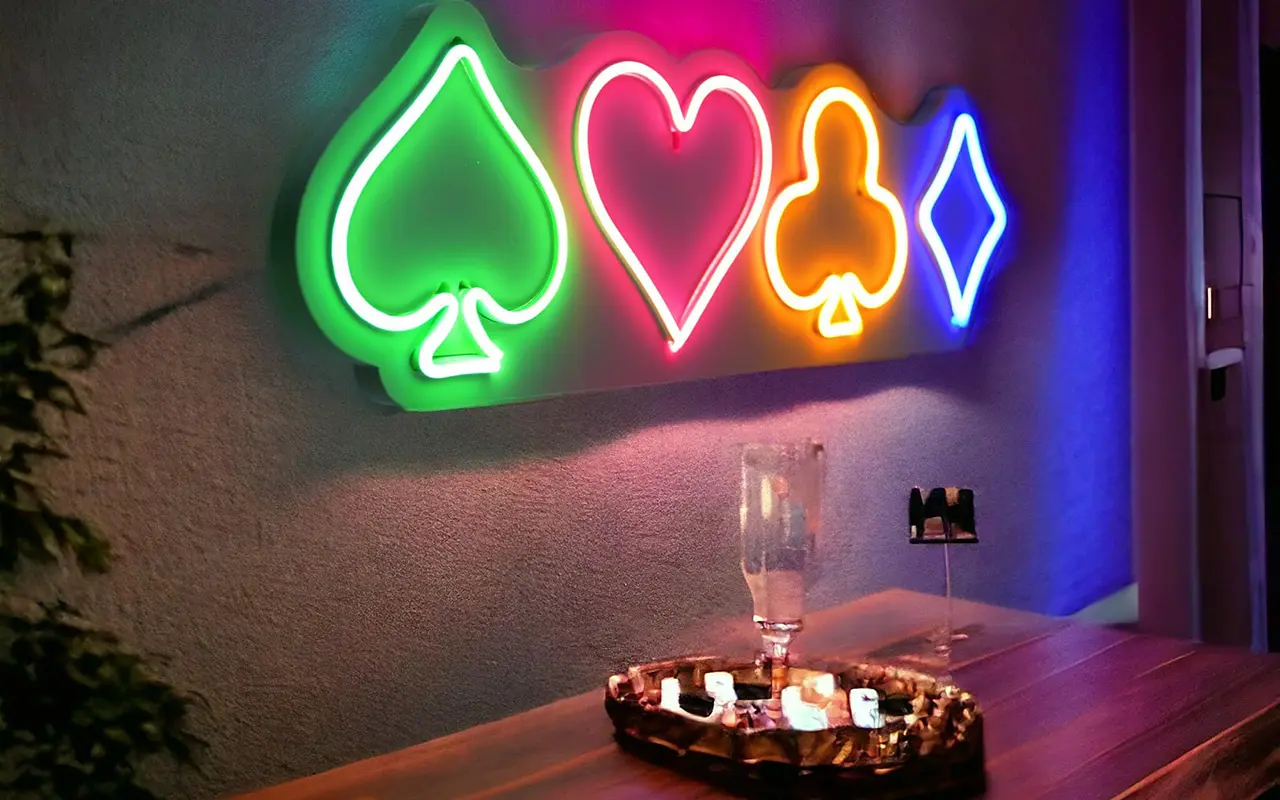
In contrast, LED neon lights use a series of small, energy-efficient diodes that emit light when a current passes through them. These diodes are typically encased in flexible plastic tubing rather than fragile glass, further enhancing safety. The low-voltage operation of LED neon lights ensures that they produce significantly less heat than their traditional counterparts, making them ideal for applications where prolonged operation is required without the risk of overheating.
Why Heat Generation Matters in Lighting Solutions
Understanding the importance of heat generation in lighting solutions is critical for both safety and longevity. Excessive heat poses a safety risk—particularly in environments where lights are left on for extended periods—and can significantly shorten the lighting fixtures’ lifespan. Traditional neon lights, which can become quite warm, are prone to these issues, making them less ideal for certain applications.
LED neon lights mitigate these concerns by maintaining a low operating temperature, even during continuous use. This enhances safety by reducing the risk of burns or fire hazards and ensures that the lights last longer. Over time, the cost savings from reduced energy consumption and fewer replacements make LED neon lights a more economical choice, particularly for businesses or homeowners looking to invest in durable and reliable lighting solutions.
Factors Influencing Heat Levels in LED Neon Lights

Power Supply and Voltage: Key Considerations
LED neon lights’ power supply and voltage play a crucial role in determining their heat levels. LEDs are designed to operate efficiently at low voltages, typically ranging from 12 to 24 volts. This low-voltage operation is one of the reasons why LED neon lights generate so little heat. However, these lights are connected to a power supply that exceeds the recommended voltage. In that case, the excess energy can cause the LEDs to produce more heat than intended, potentially leading to premature wear or even damage.
To avoid this, it’s essential to pair your LED neon lights with the appropriate power supply, as recommended by the manufacturer. This ensures not only optimal performance but also the longevity of the lights. Additionally, a regulated power supply can help prevent voltage fluctuations, which could contribute to unnecessary heat generation. Maintaining a stable and appropriate voltage ensures that your LED neon lights operate safely and efficiently, minimizing the risk of overheating.
The Role of Installation Environment and Ventilation
The environment in which LED neon lights are installed can also significantly impact their heat levels. While these lights are designed to operate coolly, improper installation can lead to heat buildup, especially in poorly ventilated areas. When LED neon lights are installed in confined spaces or areas with inadequate airflow, even their minimal heat output can accumulate, potentially causing the lights to become warmer than usual.
To ensure optimal performance, installing LED neon lights in well-ventilated areas where heat can dissipate naturally is important. This is particularly important in commercial or industrial settings where lights may be on for long periods. Additionally, consider the materials surrounding the installation site. Heat-sensitive materials should be avoided, as even the minimal heat generated by LED neon lights could cause damage over time. By paying attention to the installation environment, you can maintain the cool operation of your LED neon lights and extend their lifespan.
Continuous Use: How It Affects Heat Generation
LED neon lights are designed to handle continuous use without significant heat buildup, making them ideal for applications where lights must remain on for extended periods. However, the duration and conditions of use can still influence the amount of heat these lights generate. For example, using LED neon lights in a space with little to no ventilation or stacking multiple lights in a confined area can gradually increase temperature, even if the individual lights produce minimal heat.
To optimize the performance of LED neon lights during continuous use, it’s important to consider both the duration and the environment. Regular breaks, proper spacing between lights, and ensuring good airflow can help prevent any potential heat buildup. While LED neon lights are far less prone to overheating than traditional neon lights, taking these precautions will help maintain their cool operation and ensure they continue to perform effectively over the long term.
Safety and Longevity of LED Neon Lights

Safe to Touch: Ensuring User Safety
One of the standout features of LED neon lights is their ability to remain cool to the touch, even after prolonged use. This safety feature makes them particularly well-suited for environments where people might come into direct contact with the lights, such as retail spaces, homes, or public venues. Unlike traditional neon lights, which can become hot enough to cause burns, LED neon lights operate at a safe temperature for anyone to touch, minimizing the risk of injury.
This cool operation is not just about comfort—it also significantly enhances the safety of LED neon lights. In environments where children or pets are present or in commercial settings where customers might accidentally brush against the lights, the low heat output of LED neon lights ensures that these interactions remain harmless. Additionally, using flexible, shatter-resistant materials in many LED neon lights further reduces the risk of injury, making them a safer choice overall.
Heat’s Impact on LED Neon Lights Lifespan
Heat is one of the primary factors that can shorten the lifespan of lighting fixtures, including LED neon lights. When light fixtures operate at high temperatures, the components within them—such as the LEDs, wiring, and other electronic parts—can degrade more quickly. This degradation can reduce light output, flickering, or even complete failure of the light over time.
Fortunately, LED neon lights’ low heat output helps mitigate these issues. By operating at cooler temperatures, the internal components of LED neon lights experience less thermal stress, contributing to a longer lifespan. This not only means that the lights will perform consistently for many years but also reduces the need for frequent replacements, making LED neon lights a cost-effective investment for residential and commercial applications.
Troubleshooting Heat-Related Issues
While LED neon lights are designed to operate coolly, there may be instances where they feel warmer than expected. This could be due to several factors, including improper installation, an incorrect power supply, or inadequate ventilation. Suppose your LED neon lights are generating more heat than usual. In that case, addressing the issue promptly is important to prevent potential damage or safety hazards.
Start by checking the power supply to ensure it matches the specifications provided by the manufacturer. A power supply with a higher voltage than recommended can cause the LEDs to overheat. Next, assess the installation environment to ensure that the lights have adequate ventilation and are not enclosed in a way that traps heat. If the issue persists, it may be beneficial to consult with a professional electrician to ensure that the installation is up to standard and that there are no underlying electrical issues. By taking these steps, you can effectively troubleshoot and resolve heat-related concerns, ensuring that your LED neon lights operate safely and efficiently.
Common Myths About LED Neon Lights and Heat

Myth: LED Neon Lights Generate as Much Heat as Traditional Neon
A common misconception is that LED neon lights generate as much heat as traditional neon lights. This myth likely stems from a misunderstanding of how different lighting technologies work. Traditional neon lights generate light by sending an electrical current through a gas, which inherently produces a significant amount of heat. In contrast, LED neon lights use solid-state technology, which is much more efficient in converting electricity into light rather than heat. As a result, LED neon lights are far cooler and safer, making them a superior choice for a wide range of applications.
Myth: LED Neon Lights Are Prone to Overheating
Another persistent myth is that LED neon lights are prone to overheating, especially when used for extended periods. However, this is far from the truth. LED technology is designed to operate efficiently and coolly, even during continuous use. While any light source can potentially overheat if misused or improperly installed, LED neon lights are significantly less likely to encounter this issue compared to traditional neon or incandescent lights. With proper installation and the right power management, overheating is not a concern with LED neon lights.
Myth: Low Heat Means Lower Brightness in LED Neon Lights
Some believe that the low heat output of LED neon lights comes at the cost of brightness. This myth suggests that a fixture must produce much heat to achieve bright light, which is not true for modern LED technology. LED neon lights can produce bright, vibrant light while remaining cool. The efficiency of LEDs allows them to emit high levels of light without wasting energy as heat, making them both bright and energy-efficient. This makes LED neon lights ideal for applications requiring high visibility and low heat.
Choosing the Right LED Neon Lights for Your Needs
Evaluating Heat Levels for Different Applications
When choosing LED neon lights for your specific needs, it’s essential to consider the heat levels of the intended application. For example, suppose you’re installing lights in a small, enclosed space. In that case, selecting lights that produce minimal heat is crucial to avoid any potential overheating issues. LED neon lights are particularly well-suited for such environments because of their low heat output. On the other hand, heat is less of a concern in larger, well-ventilated spaces. However, the benefits of low-energy consumption and long lifespan still make LED neon lights a preferred choice.
Additionally, the nature of the environment—whether it’s a home, business, or outdoor setting—can influence your choice. The weather-resistant nature of LED neon lights, combined with their low heat generation, makes them an excellent option for outdoor installations. For indoor use, particularly in areas accessible to children or pets, the safety aspect of cool operation is paramount. By carefully evaluating the specific needs of your application, you can select the most appropriate LED neon lights that meet your lighting needs and offer safe and efficient performance.
Comparing LED Neon Lights to Traditional Lighting Options
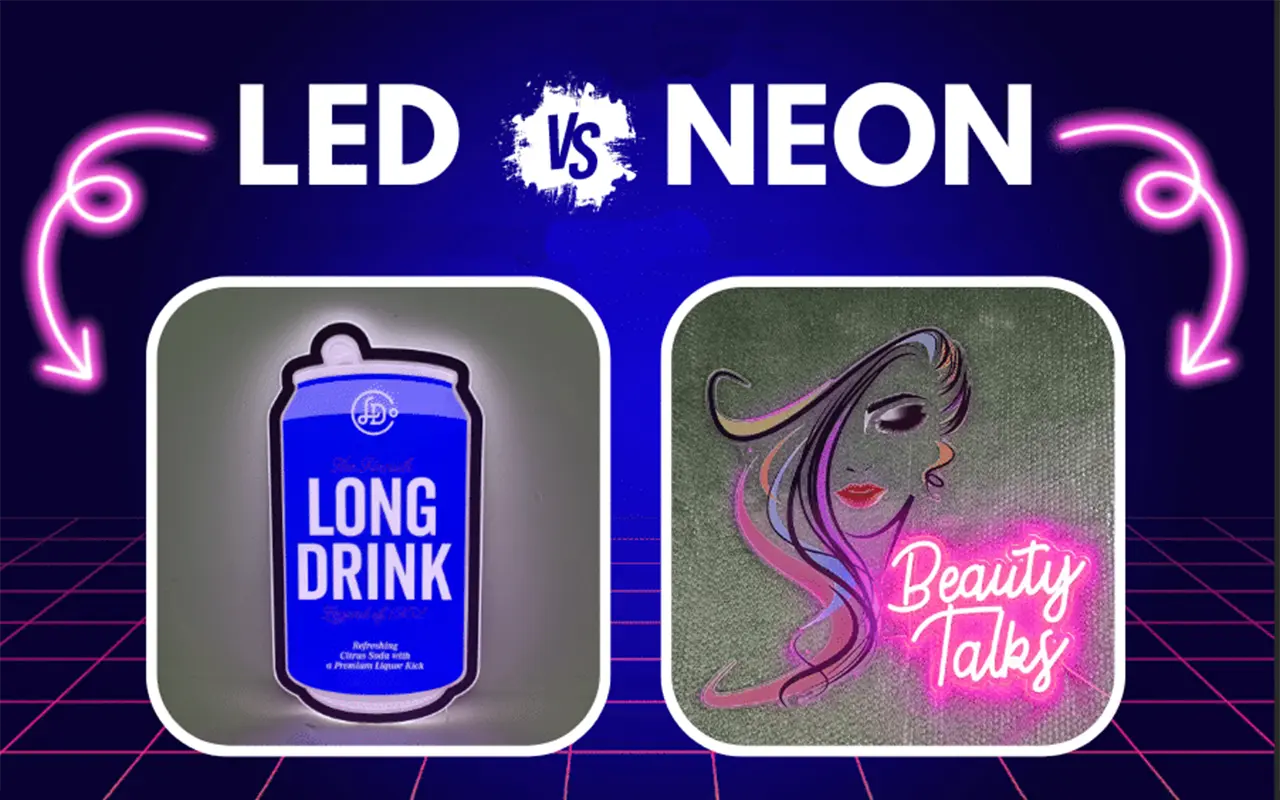
When comparing LED neon lights to traditional lighting options, the advantages of LED technology become abundantly clear. At the same time, iconic and aesthetically pleasing, traditional neon lights have several drawbacks, including higher energy consumption, greater heat output, and the potential for breakage due to fragile glass tubes. In contrast, LED neon lights offer a more modern, durable, and efficient alternative. They use less power, generate less heat, and are often made from flexible materials more resistant to damage.
From an environmental perspective, LED neon lights are also a better choice. Their energy efficiency means lower carbon emissions and many LED products are designed with recyclable materials, reducing their environmental impact. While traditional neon lights might hold nostalgic value, LED neon lights provide a forward-thinking solution that aligns with today’s demands for sustainability and safety.
Best Practices for Installation and Maintenance
Following the best installation and maintenance practices is important to ensure that your LED neon lights perform optimally and maintain their low heat output. Start by carefully reading the manufacturer’s guidelines to ensure you use the correct power supply and voltage. This will prevent any issues related to excess heat generation. During installation, ensure the lights are placed in well-ventilated areas and not enclosed in spaces that could trap heat.
Regular maintenance is also key to keeping your LED neon lights in top condition. This includes periodically cleaning the lights to remove any dust or debris affecting their performance and checking the connections to ensure they remain secure and functional. If you notice any issues, such as unexpected heat or flickering, address them promptly to avoid further problems. By adhering to these best practices, you can extend the lifespan of your LED neon lights and enjoy their cool, bright illumination for years to come.
FAQs
Q: Do LED neon lights emit heat during operation?
A: LED neon lights emit minimal heat compared to traditional neon lights. Their advanced technology allows them to stay cool to the touch, even after extended use, making them a safer and more energy-efficient lighting option.
Q: Are LED neon lights safe to touch after being on for hours?
A: Yes, LED neon lights are safe to touch even after hours of continuous use. Unlike traditional neon lights that can become quite warm, LED neon lights remain cool, making them ideal for various indoor and outdoor settings.
Q: Can LED neon lights overheat if used continuously?
A: LED neon lights are designed for continuous use and do not overheat under normal conditions. Proper installation and ventilation ensure they remain cool and operate safely, even with prolonged use.
Q: How do LED neon lights compare to traditional neon lights regarding heat generation?
A: Traditional neon lights generate heat through gas discharge, which is less energy-efficient. In contrast, LED neon lights use low-voltage electricity, producing significantly less heat, making them a safer and more efficient alternative.
Q: Do LED neon lights require special power sources to avoid overheating?
A: LED neon lights typically require low-voltage power sources. Using the correct power supply recommended by the manufacturer ensures safe operation and prevents unnecessary heat generation.
Q: Can LED neon lights be installed in poorly ventilated areas?
A: While LED neon lights generate minimal heat, installing them in well-ventilated areas is still advisable. Proper ventilation helps maintain their cool operation and prevents any potential increase in temperature.
Q: Are LED neon lights more energy-efficient than traditional neon lights?
A: LED neon lights are more energy-efficient than traditional neon lights. They consume less power, generate less heat, and have a longer lifespan, making them a cost-effective and eco-friendly lighting solution.
Q: Is there a risk of LED neon lights causing a fire?
A: The risk of LED neon lights causing a fire is extremely low. Their minimal heat output and energy-efficient design reduce the likelihood of overheating or electrical issues, making them a safe choice for any environment.
Q: Do LED neon lights lose brightness due to low heat output?
A: LED neon lights do not lose brightness because of their low heat output. They are designed to maintain high luminosity without generating excessive heat, offering bright and vibrant illumination.
Q: Can LED neon lights be used outdoors without heating issues?
A: Yes, LED neon lights are well-suited for outdoor use. Their low heat generation and weather-resistant design make them an excellent choice for outdoor signage and decorations, ensuring reliable performance in various conditions.
Conclusion: Are LED Neon Lights the Cool Choice?
LED neon lights have minimal heat output and are safe, efficient, and versatile for various applications. They remain cool even during prolonged use, making them superior to traditional neon lighting in terms of safety, efficiency, and longevity. LED neon lights are the ideal choice if you’re looking for lighting that combines aesthetic appeal with practical benefits like safety and longevity. Whether for home, business, or outdoor use, they provide bright, vibrant illumination without the heat-related concerns associated with traditional neon lights. With the right installation and care, LED neon lights will meet your needs, offering a modern, energy-efficient lighting solution.
In conclusion, LED neon lights offer a modern, safe, and energy-efficient lighting solution that stays cool even with prolonged use. As one of China’s leading manufacturers of Bandes lumineuses LED et Flexible à néon LED, Unitop takes pride in delivering high-quality products that meet the diverse needs of our global customers. Please nous contacter if you have any further questions or specific lighting requirements. We’re here to help you find the perfect lighting solution for your project, backed by our expertise and commitment to excellence in the LED industry.

Tom est maintenant le directeur des ventes de Unitop (China) Co., Limited. Il a été dans le Éclairage LED l'industrie depuis 2005. Il est expert en ventes et marketing, et en gestion d'usine. Il aime le bodybuilding, et il est aussi un fan fou d'Apple ! C'est un travailleur acharné qui aime apprendre et essayer de nouvelles choses.
Email : tom@unitopledstrip.com WhatsApp : +86-18680307140




Laisser un commentaire
Rejoindre la discussion?N’hésitez pas à contribuer !