
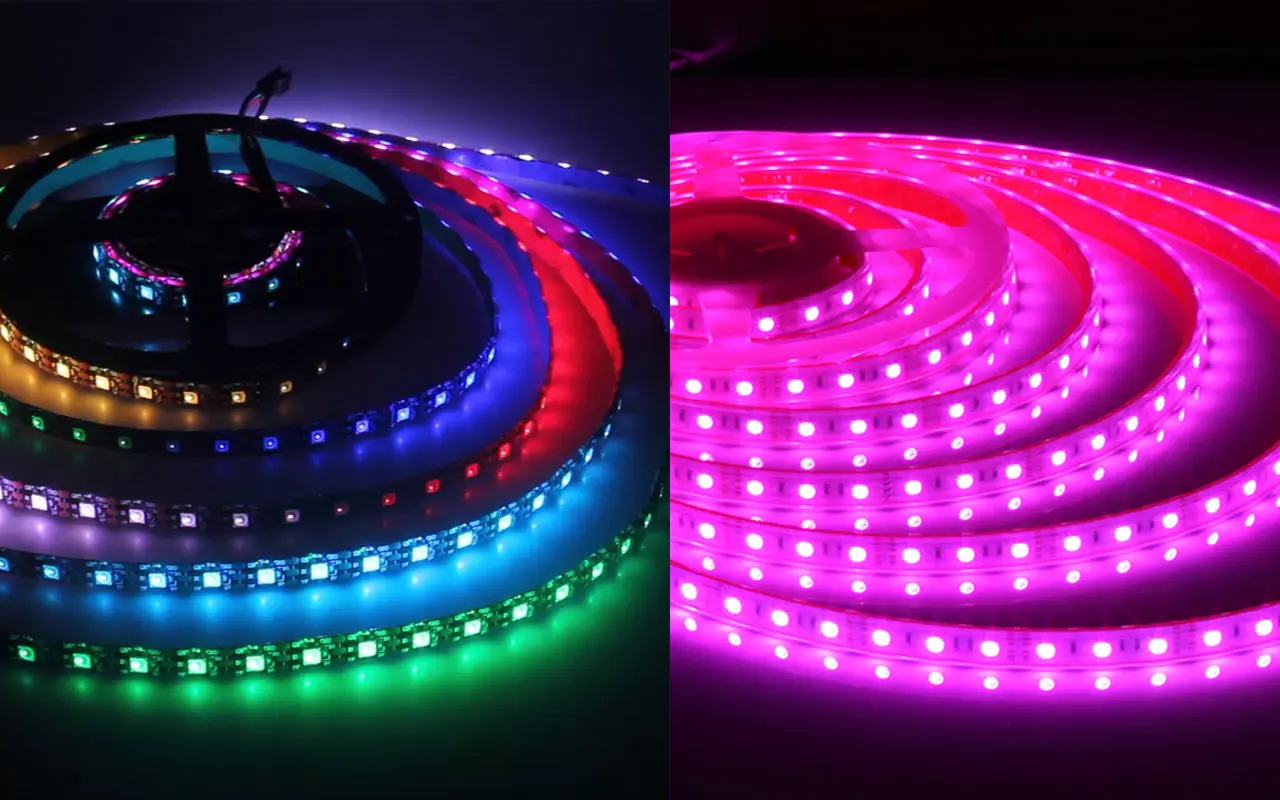
Ever wondered what sets addressable LED strips apart from their non-addressable counterparts? The answer lies in the unique control each offers over lighting, transforming spaces with a mere flick of a switch or a line of code.
I’m Tom, diving deep into the LED industry’s vibrant world since 2005. My journey through the evolving landscape of LED technology has equipped me with insights and expertise that I’m eager to share with you.
In this guide, we’ll explore the nuances between addressable and non-addressable LED strips, delving into their functionalities, applications, and how they can breathe life into any space. From the dazzling displays of addressable LEDs to the consistent glow of non-addressable strips, you’ll discover the perfect lighting solution to match your vision.
So, are you ready to illuminate the shadows of doubt surrounding LED strips? Let’s dive right in and shed light on the best option for your project!
Introduction to LED Strip Lighting
Lighting isn’t just about seeing your way around the house. It’s about creating an ambiance that can transform any space into a sanctuary of comfort and style. LED strip lighting stands at the forefront of this transformation, offering sleek, efficient, and versatile lighting solutions that cater to a wide range of aesthetics and functionalities. Within the realm of LED strips, two main types emerge: addressable and non-addressable. Understanding their core differences is crucial in choosing the right lighting for your project.
Addressable LED Strips Explained
Key Features and Benefits
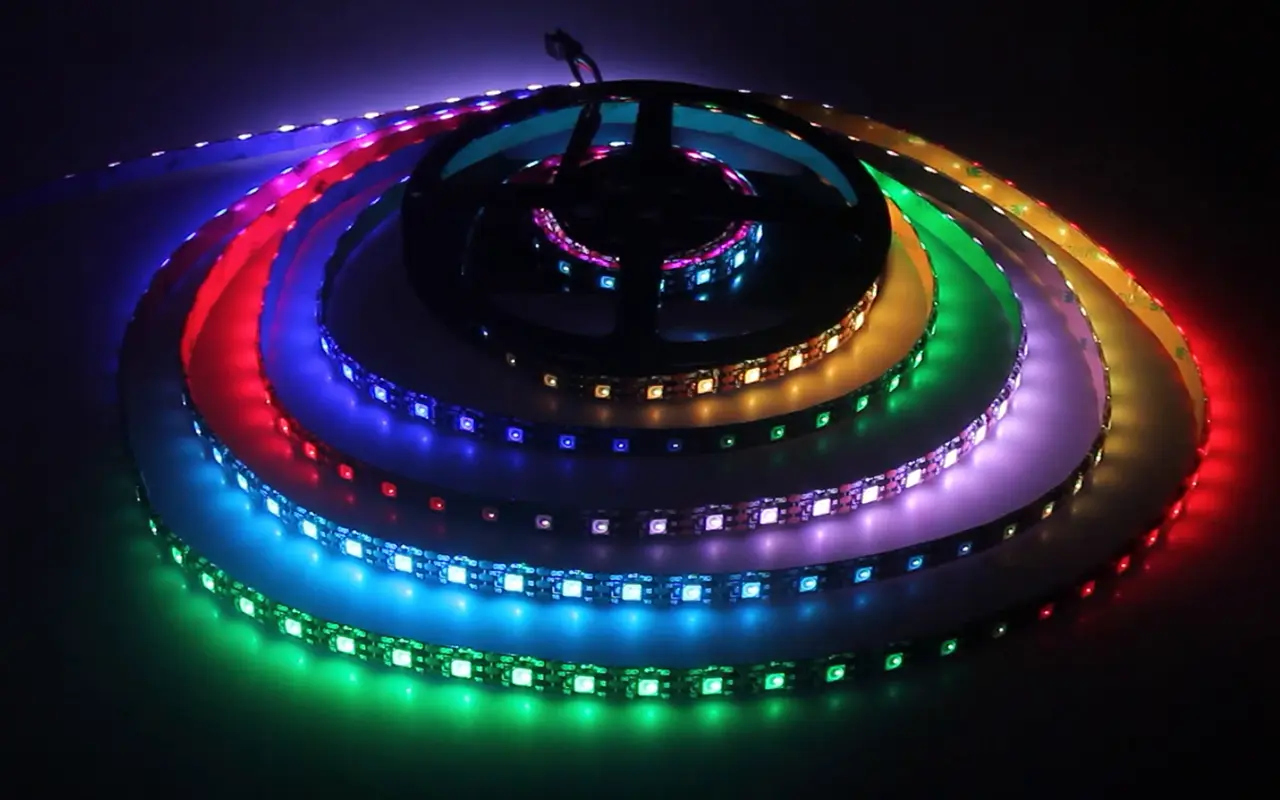
Addressable LED strips, often referred to as digital LED strips, represent a significant evolution in lighting technology. Unlike their non-addressable counterparts, these innovative strips incorporate LEDs that are capable of being controlled independently. This individual LED control is the cornerstone of their functionality, enabling a plethora of creative lighting possibilities.
One of the most captivating features of addressable LED strips is their ability to produce a spectrum of colors from a single diode. Each LED can be programmed to shine in any color of the RGB (Red, Green, Blue) spectrum, allowing for the creation of intricate lighting designs that can dynamically change and flow. This flexibility opens up new dimensions in lighting design, making it possible to animate lights with precision, syncing them to music, video games, or even movies for an immersive experience.
Moreover, addressable LED strips offer unparalleled versatility in mood settings. With the ability to adjust the color temperature and brightness of each LED, they can transform a space to match any mood or occasion. Whether it’s a calming blue hue to relax under after a long day or a vibrant rainbow-chasing effect for a party, these LEDs put the control directly in the user’s hands.
The adaptability of addressable LEDs extends to their practical applications as well. They can serve not only as accent lighting but also as functional illumination. Their brightness levels can be adjusted to suit various needs, from subtle backlighting that reduces eye strain to bright, focused light that enhances workspace functionality.
Creative Applications
The versatility of addressable LED strips has led to their adoption in a wide array of settings, transcending traditional lighting uses. In the realm of gaming, enthusiasts have taken to integrating these LEDs into their setups for a more immersive experience. Gaming PCs and consoles adorned with synchronized, pulsating lights elevate gameplay, making each session visually spectacular.
Similarly, in the commercial sector, bars, clubs, and restaurants utilize addressable LED strips to create dynamic environments that attract and entertain guests. These establishments can easily modify their ambiance to fit a theme, special event, or time of day, thanks to the flexibility of addressable LEDs. The ability to change lighting schemes with ease not only enhances the customer experience but also contributes to branding and atmosphere creation.
Beyond entertainment and commercial applications, addressable LED strips are making waves in home automation. Integrated into smart home ecosystems, they can be programmed to respond to various triggers, such as time of day, motion sensors, or specific events, providing both aesthetic and functional benefits. From waking up to a gentle, sunrise-like glow to receiving notifications through light signals when a doorbell rings or an appliance finishes its cycle, these LEDs enrich the smart home experience.
The application of addressable LED strips in creative projects cannot be understated. Artists and DIY enthusiasts alike harness these lights to bring their imaginative concepts to life, crafting stunning visual displays and interactive installations. Whether it’s for art, entertainment, commercial use, or enhancing the functionality and ambiance of living spaces, addressable LED strips offer a powerful tool for creativity and innovation.
By blending technology with creativity, addressable LED strips have opened up new possibilities for personalized and dynamic lighting solutions, proving that they are indeed the maestros of the lighting world.
Non-Addressable LED Strips Uncovered
Characteristics and Advantages
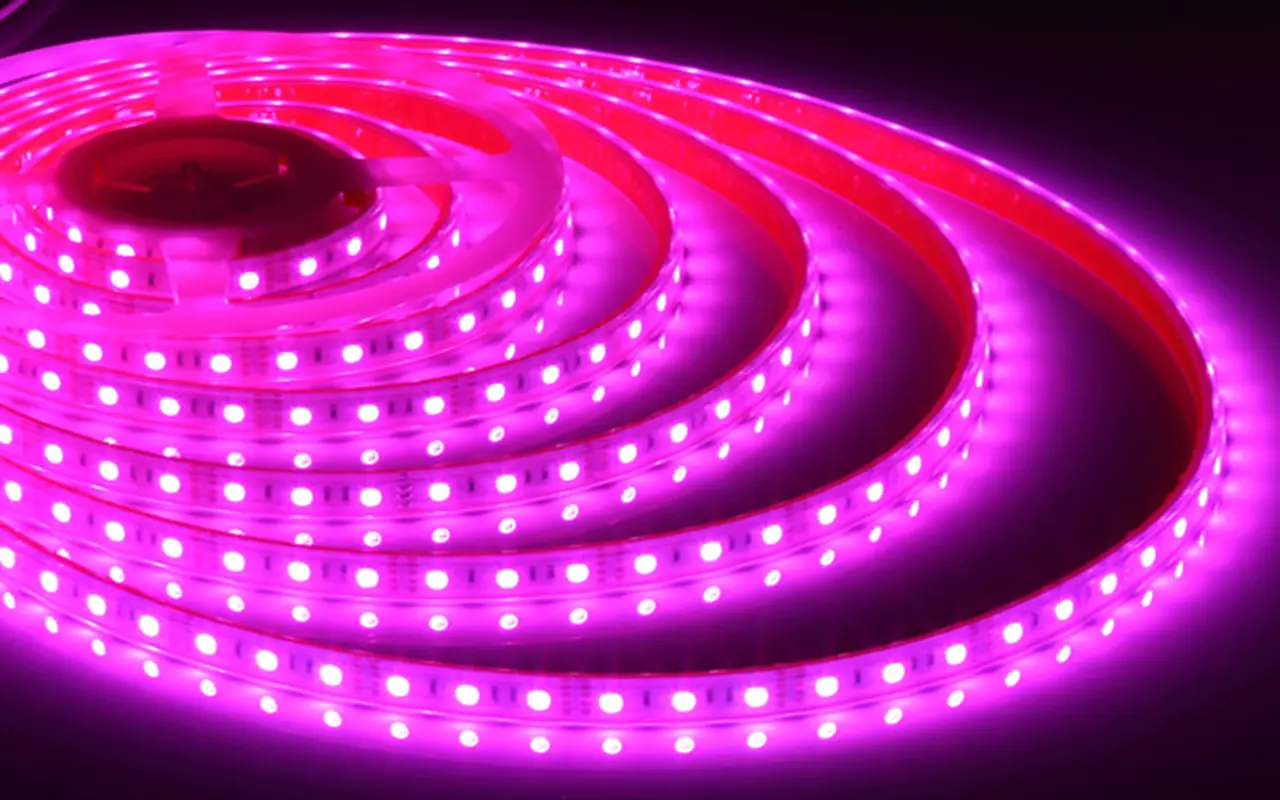
When it comes to lighting solutions that combine efficiency with simplicity, non-addressable LED strips stand out as a go-to option. These strips, characterized by their uniform color output, are akin to the steadfast pillars in the realm of LED lighting. They don’t boast the flashy capabilities of their addressable counterparts; instead, they offer reliability and consistency, shining a single color or white temperature across their entire length.
The beauty of non-addressable LED strips lies in their straightforwardness. With no need for complex programming or additional control systems, they provide an elegant solution for those who value simplicity in their lighting designs. This simplicity also translates to cost-effectiveness, making them an attractive option for both large-scale projects and modest installations alike.
Moreover, non-addressable strips are known for their ease of installation. Without the intricacies associated with individual LED controls, setting them up is a breeze, allowing for quick and effortless integration into a variety of spaces. Their plug-and-play nature is complemented by their versatility, being available in a range of colors and brightness levels to suit different design needs.
Another significant advantage of non-addressable LED strips is their energy efficiency. Designed to provide bright, consistent lighting without the energy drain, they are an environmentally friendly choice for long-term use. This efficiency, combined with their durability, ensures that these LED strips can offer sustained, maintenance-free illumination over extended periods, making them a practical choice for both residential and commercial applications.
Ideal Use Cases
The utility of non-addressable LED strips extends across a spectrum of applications, from adding warmth and depth to home interiors to enhancing the visibility and safety of commercial spaces. Their ability to deliver a continuous, even spread of light makes them particularly well-suited for under-cabinet lighting in kitchens, where they can illuminate workspaces without creating glare or shadows.
Similarly, these LED strips are perfect for accent lighting, capable of highlighting architectural features, artwork, or furniture, thereby enriching the aesthetic appeal of a room. Their uniform light output can also create a calming and welcoming atmosphere, making them ideal for use in bedrooms, living rooms, and other areas where a soothing ambiance is desired.
In commercial settings, non-addressable LED strips serve as an efficient way to guide navigation, outline paths and corridors, or provide safety lighting along stairways and ramps. Their consistent luminosity ensures that these areas are well-lit, enhancing visibility and reducing the risk of accidents.
Outdoor applications are another area where non-addressable LED strips shine. Whether it’s for landscaping lighting, outlining buildings, or lighting up signage, their durability and resistance to environmental factors make them a reliable choice for exterior installations.
In conclusion, non-addressable LED strips, with their straightforward functionality, energy efficiency, and versatility, offer a myriad of possibilities for enhancing spaces with uniform, ambient lighting. From practical applications like safety and task lighting to more aesthetic uses such as accent and ambiance lighting, these LED strips provide a solid foundation for a wide range of lighting designs.
Choosing the Right LED Strip for Your Project
Selecting the perfect LED strip for your project goes beyond just picking out colors and lengths; it’s about understanding the needs of your space and how you can best meet them with the technology available. Let’s dive into the critical factors you should consider to make an informed decision that will bring your vision to life.
Analyzing Lighting Requirements
First and foremost, your project’s lighting requirements are paramount. Consider the purpose of the lighting. Are you looking to create a dynamic, visually stimulating environment with colors that change and move? Addressable LED strips are your best bet, offering the flexibility to program each LED individually for a truly customizable experience.
On the other hand, if your goal is to provide consistent, ambient lighting that enhances the look and feel of a space without the need for complex configurations, non-addressable LED strips are ideal. They provide a steady, uniform glow that can warm up a room, highlight design features, or add necessary visibility in dark spaces.
It’s also essential to think about the intensity and color temperature of the lighting. While both addressable and non-addressable strips can offer a range of colors, the ability to adjust the brightness and hue can significantly impact the ambiance of a room. Consider whether your project will benefit from the capability to change these settings dynamically or if a static setup will suffice.
Installation Ease and Accessories Needed
The installation process and the accessories required for your LED strip can greatly influence your choice. Addressable LED strips, with their advanced capabilities, often require a more involved setup. You might need controllers, compatible software, and a bit of programming knowledge to truly take advantage of their features. This can be an exciting challenge for tech-savvy individuals or those willing to learn, but it might be seen as a hurdle for others.
Conversely, non-addressable LED strips offer simplicity and ease of installation. Many options come with adhesive backing and require minimal setup—usually just a power source and simple connectors. This plug-and-play approach is particularly appealing for quick projects, temporary installations, or for those who prefer a straightforward solution without the extra bells and whistles.
Cost Consideration: Upfront vs Long-Term
Budget considerations are crucial in choosing the right LED strip. Initially, addressable LED strips might seem like a significant investment compared to their non-addressable counterparts. This is due to the added technology that allows for individual LED control, which can offer a wider range of creative possibilities but at a higher cost.
However, it’s important to weigh the initial expense against the long-term value and potential savings. Addressable strips, for example, can be more energy-efficient in scenarios where dynamic lighting is used to create effects or highlight areas selectively, possibly reducing overall energy consumption. They also tend to be more durable and offer more personalized options, which could enhance user satisfaction and reduce the need for replacements or upgrades down the line.
Non-addressable strips, while less costly upfront, offer simplicity and effectiveness in applications where dynamic lighting isn’t necessary. Their ease of installation and maintenance can also contribute to cost savings, especially in larger installations where complexity could increase installation time and expenses.
In conclusion, when choosing the right LED strip for your project, consider the lighting needs of your space, the installation process, and both the upfront and long-term costs. By carefully evaluating these factors, you can select an LED strip that not only meets your immediate needs but also offers lasting value and satisfaction.
Installation and Maintenance
The journey to illuminating your space with LED strips doesn’t end with the selection process. A seamless installation and diligent maintenance are crucial for maximizing their lifespan and performance. Whether you’re inclined towards the customizable allure of addressable LED strips or the straightforward charm of non-addressable ones, understanding the nuances of installation and upkeep can significantly enhance your lighting experience.
Installing Addressable LED Strips
Installing addressable LED strips may initially seem daunting due to their advanced functionality. However, with the right tools and a bit of patience, the process becomes an exciting venture into the world of customizable lighting. The first step is to choose a suitable controller, which acts as the brain of your lighting setup, translating your commands into the dazzling light displays you envision. Compatibility is key here, as the controller must match the specifications of your LED strip, particularly regarding voltage and protocol (e.g., WS2812B, APA102).
Next, you’ll want to carefully plan your design layout. Consider the areas you wish to illuminate and how you can integrate the strips for maximum aesthetic impact. Think about corners, curves, and how you’ll manage wiring to keep your setup neat and tidy. It’s also crucial to ensure that your power supply is adequate for the length of the LED strip you intend to use to avoid overloading your circuit.
Programming the lights is where the magic happens. Whether you’re coding your patterns or using pre-built software, the goal is to tailor the lighting effects to your personal taste or project needs. This step allows you to bring your creative visions to life, from synchronized light shows that enhance your home entertainment to soft, glowing sequences that create a relaxing atmosphere.
Non-Addressable LED Strip Installation
For those seeking a less complex setup, non-addressable LED strips offer simplicity without sacrificing quality. The installation process here focuses on where you want the lighting, how much you need, and securing it in place. Start by identifying the locations that would benefit from enhanced lighting, such as under cabinets, along baseboards, or behind monitors and TVs for a backlighting effect.
Measuring the needed length is critical to ensure your strips fit perfectly without unnecessary waste. Most non-addressable LED strips can be cut at designated points along their length, allowing for a custom fit to your space. Once you’ve cut your strip to size, using the adhesive backing, you can adhere it to the desired surface. For added security, especially in areas where the strip might hang vertically or face downward, consider using mounting clips or additional adhesive to prevent sagging or falling.
Conseils d'entretien
Maintaining LED strips is relatively straightforward but essential for their longevity. Regular cleaning with a dry cloth can prevent dust accumulation, which can diminish brightness over time. For addressable LED strips, software updates are sometimes necessary to ensure compatibility with the latest devices and to introduce new features or bug fixes. Occasionally, you might find the need to reprogram your strips if you’re changing the theme of your space or if you simply desire a fresh look.
It’s also wise to periodically inspect your strips for any signs of wear and tear, especially if they’re located in high-traffic areas. Checking the connections and ensuring the power supply remains stable can prevent many common issues.
In summary, whether you’re setting up addressable or non-addressable LED strips, the installation and maintenance process is crucial for achieving optimal lighting effects and ensuring the durability of your setup. By following these guidelines, you can enjoy vibrant, dynamic lighting that transforms your space.
The Future of LED Strip Lighting
The world of LED strip lighting is rapidly advancing, with innovations that promise to transform the way we illuminate our spaces. As we look towards the future, it’s clear that the trajectory of LED technology is not just about brighter lights but about smarter, more sustainable, and more versatile lighting solutions that cater to the evolving needs and values of users worldwide.
Innovations on the Horizon
The next generation of LED strips is poised to redefine the standards of efficiency, durability, and control. Researchers and manufacturers are focusing on developing LEDs that consume even less energy while delivering superior brightness and color accuracy. This drive towards greater efficiency does not compromise on performance; instead, it opens up new possibilities for creating vibrant, dynamic environments with a significantly reduced carbon footprint.
Moreover, the integration of smart technology into LED strips is rapidly becoming the norm. Imagine LED strips that not only respond to voice commands but also adapt to your daily routines, changing color and brightness to match the time of day, mood, or specific activities. These smart LED strips, equipped with sensors and IoT connectivity, will be able to create immersive experiences, from simulating natural sunlight to enhancing your home entertainment system with reactive lighting.
Durability and longevity are also key focuses of upcoming innovations. New materials and designs are being explored to extend the lifespan of LED strips beyond what’s currently possible. This not only makes them more cost-effective in the long run but also reduces the need for frequent replacements, further minimizing environmental waste.
Another exciting development is in the area of bio-adaptive lighting. Future LED strips could mimic the natural light patterns of the sun, adjusting their color temperature throughout the day to support human circadian rhythms and improve overall well-being. This human-centric approach to lighting design is especially promising for its potential to enhance productivity, mood, and health in both residential and commercial spaces.
Making an Environmentally Friendly Choice
As awareness of environmental issues grows, so does the demand for sustainable lighting solutions. LED strips are already recognized for their energy efficiency compared to traditional lighting options. However, the future of LED lighting goes beyond just saving electricity. It involves a holistic approach to sustainability, from the materials used in manufacturing to the recyclability of the products.
Manufacturers are increasingly focusing on reducing the ecological footprint of LED strips by using eco-friendly materials and designing for end-of-life recyclability. Efforts are being made to eliminate hazardous substances and to ensure that LED strips can be easily disassembled and recycled, reducing electronic waste.
The move towards sustainability is also about empowering users to make greener choices. With more information and options available, consumers can choose LED strips that not only meet their lighting needs but also align with their environmental values. Whether it’s opting for LEDs with a higher Energy Star rating, selecting products made from recycled materials, or supporting brands that prioritize sustainability, every choice contributes to a more sustainable future.
In conclusion, the future of LED strip lighting is bright and promising, with innovations that aim to enhance the functionality, efficiency, and sustainability of lighting solutions. As we move forward, the focus will continue to be on creating products that not only illuminate our spaces but also improve our quality of life and protect our planet.
Conclusion: Enlightening Your Choice
Choosing between addressable and non-addressable LED strips doesn’t have to be daunting. By considering your project’s specific needs, desired effects, and the practicalities of installation and maintenance, you can select the option that best aligns with your vision. Whether you’re drawn to the dynamic possibilities of addressable LEDs or the elegant simplicity of non-addressable strips, the right choice can elevate your space, turning it into a reflection of your unique style and personality.
As we’ve illuminated the path through the dazzling world of LED strip lighting, remember that choosing the right partner is as crucial as selecting the perfect light. Enter Unitop, l'un des principaux fabricants chinois de Bandes lumineuses LED et Flexible à néon LED, renowned for its innovation, quality, and commitment to sustainability. With years of expertise lighting up the industry, Unitop stands ready to transform your lighting dreams into reality. If you have further questions or specific lighting requirements, don’t hesitate to reach out. Contacter Unitop immediately and let’s brighten your world together with professionalism and precision that only we can offer.
Articles connexes

Tom est maintenant le directeur des ventes de Unitop (China) Co., Limited. Il a été dans le Éclairage LED l'industrie depuis 2005. Il est expert en ventes et marketing, et en gestion d'usine. Il aime le bodybuilding, et il est aussi un fan fou d'Apple ! C'est un travailleur acharné qui aime apprendre et essayer de nouvelles choses.
Email : tom@unitopledstrip.com WhatsApp : +86-18680307140



Laisser un commentaire
Rejoindre la discussion?N’hésitez pas à contribuer !