
You’ve seen them transform dull living rooms into spaces worthy of high-end catalogs. But do LED strip lights guzzle electricity, burning a hole through your wallet? It’s time to separate myth from reality.
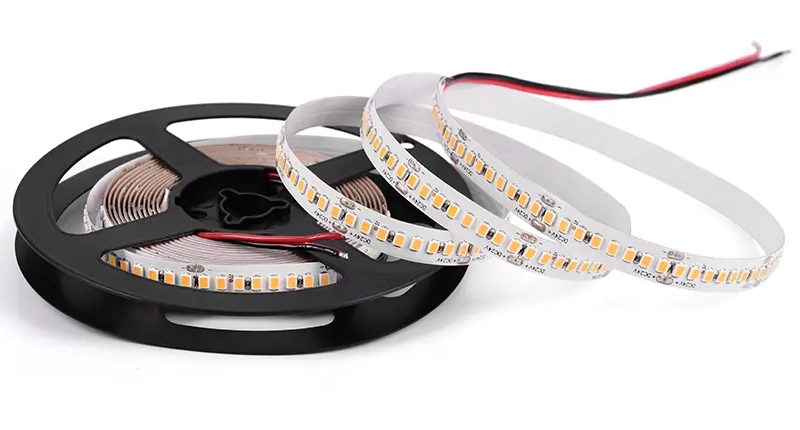
LED strip lights are flexible, adhesive strips embedded with light-emitting diodes. They’re an aesthetic game-changer, popular in both domestic and commercial settings.
In today’s society, it’s important to know how much energy our devices use.
Let’s learn about LED technology, how it uses electricity, how to calculate it, and its impact on your energy bill.
The LED Lighting Revolution
The Rise of LED Technology
LEDs started as simple indicators on your electronic gadgets. No one imagined that they would revolutionize our lighting choices. Today, they’re everywhere—from large-scale commercial applications to your cozy bedroom. LEDs save energy and reduce our carbon footprint, making them heroes of sustainability.
LED Lights vs. Traditional Lights
Incandescent bulbs are the dinosaurs in the world of lighting. They consume excess electricity, emit uncomfortable heat, and die young. Fluorescent lights are better but have drawbacks, like the hazardous mercury they contain. LEDs are superior to older technologies because they have a longer lifespan and use less energy, often less than half.
Qu'est-ce qu'une bande LED ?
Definition of LED (Light Emitting Diodes)
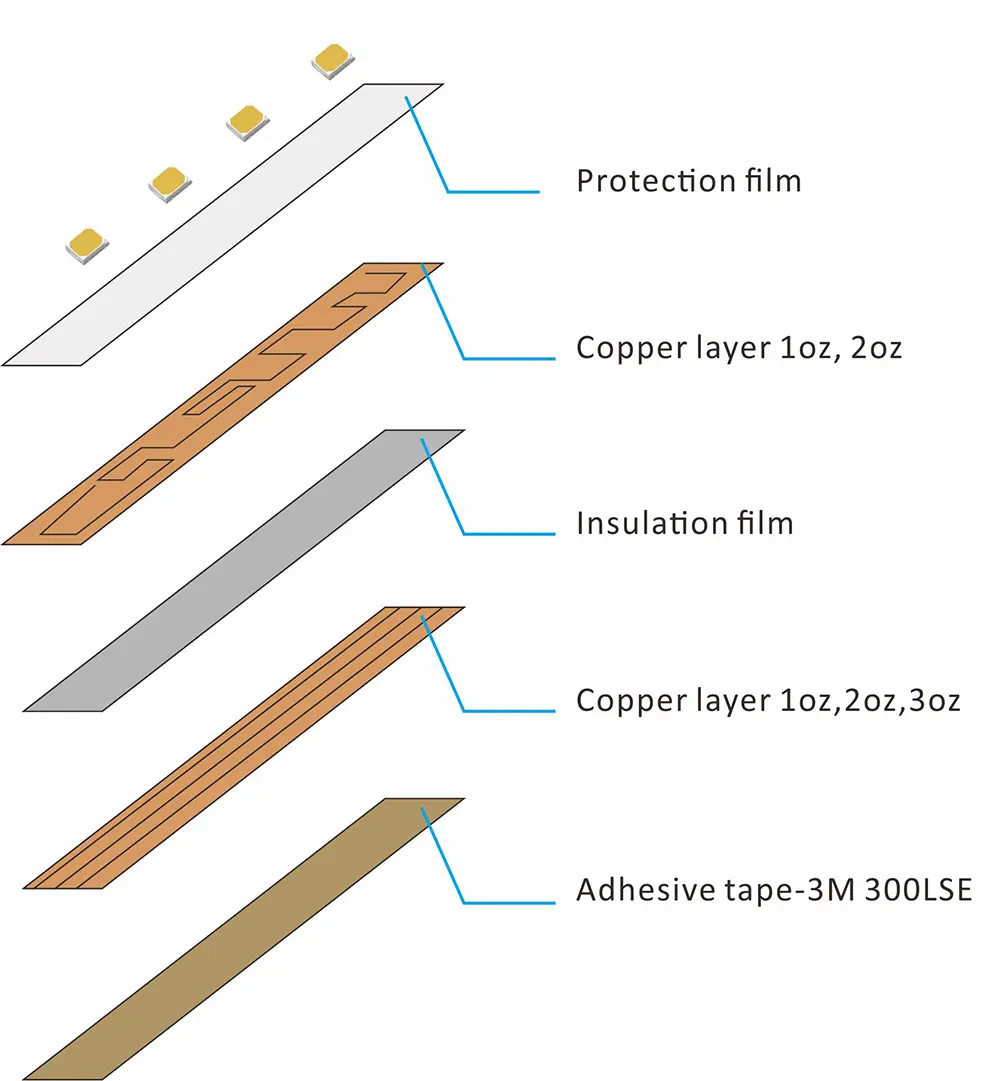
At their core, LEDs are semiconductor devices. When electricity passes through them, they give off light, which is called electroluminescence. LED strip lights go even further by putting many LEDs on a bendable backing. This creates a tape-like lighting solution as versatile as your imagination allows.
Common Uses of LED Strip Lights
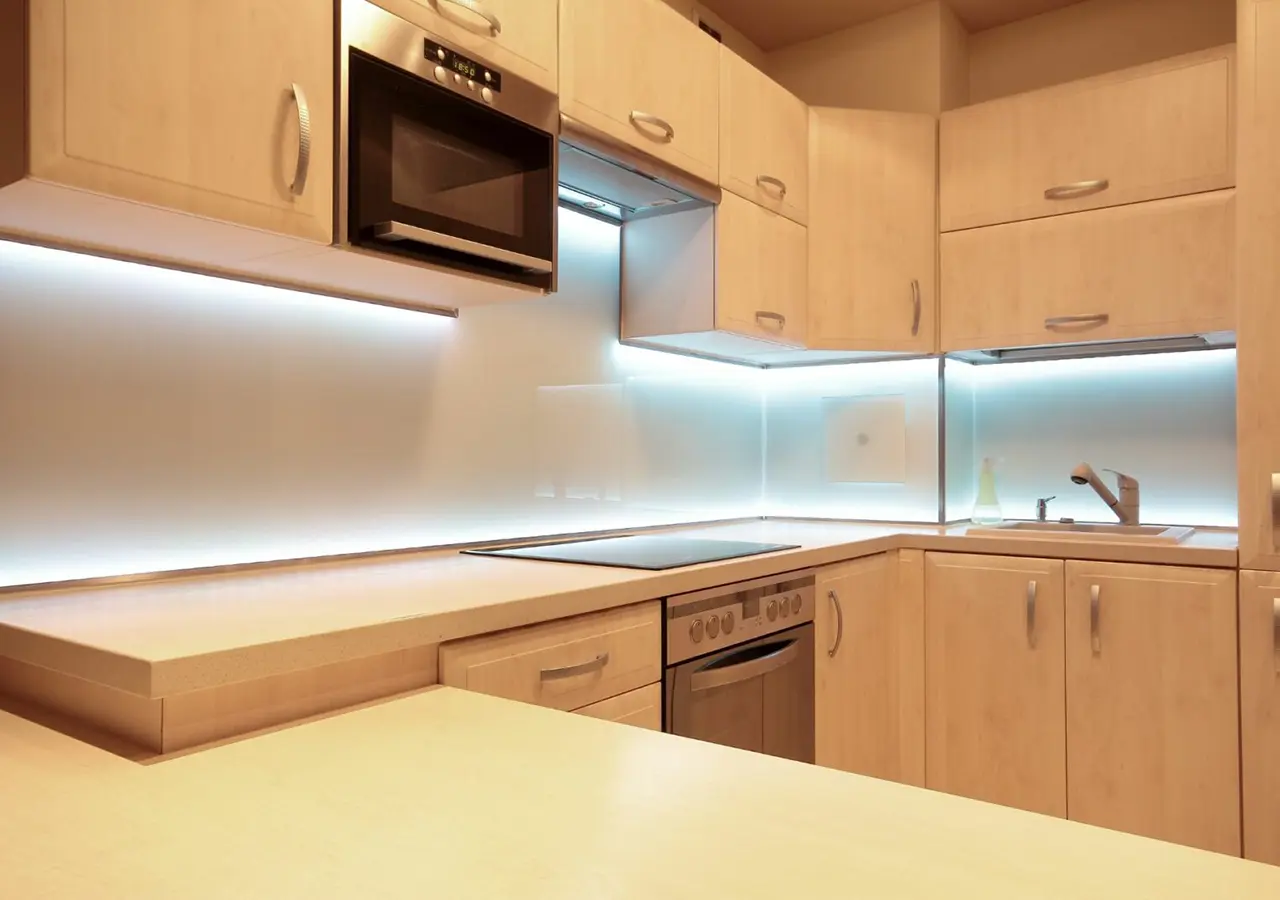
LED strip lights have changed home lighting, making it more artistic and interesting. LED strips can add a unique look to your kitchen or home theater with under-cabinet or mood lighting.
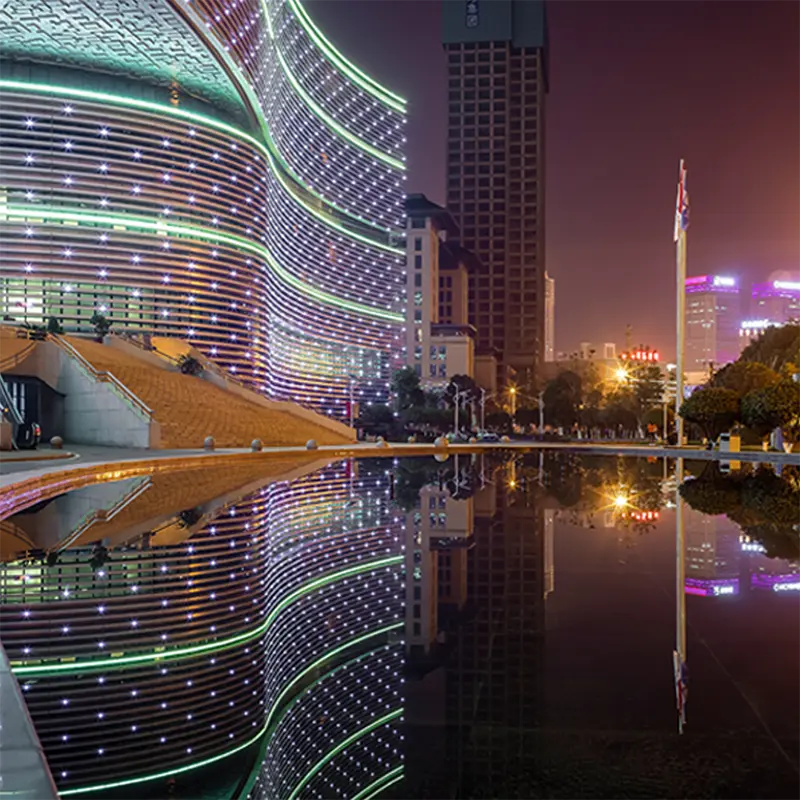
Beyond residential spaces, LED strip lights have established their worth in commercial environments. These strips make buildings and shops look nice without using a lot of electricity.
Understanding Electricity Measurement
Watts, Kilowatts, and You
Electricity isn’t just about ‘on’ or ‘off’; it’s about the rate of energy use. The watt is a small unit. Its bigger sibling, the kilowatt, describes larger electrical systems. Simply put, a kilowatt is equal to 1,000 watts. These units inform us how much power a device needs to operate effectively.
Decoding Your Electricity Bill
To the untrained eye, electricity bills can seem like cryptic puzzles. What you usually see is your energy consumption in kilowatt-hours (kWh). This unit measures the actual energy used over time. In simpler terms, it’s the product of power (measured in kW) and the time (in hours) your devices have been active. The lower the kWh on your bill, the less you pay. To properly budget your electricity usage, you need to know how many watts your LED strip lights use.
Calculating LED Strip Power Consumption
The Science of Light Density and Diode Size
Light density on an LED strip is usually expressed in terms of LEDs per meter. The higher the density, the brighter the illumination, and the more power it consumes. This density factor is intricately linked with diode size. Diodes can range from 3.5mm x 2.8mm (commonly known as 3528) to 5mm x 5mm (known as 5050). Larger diodes are brighter, but they use more electricity. To put it simply, using brighter lights and bigger diodes will probably use more power. When you go shopping, think about what you need. Do you want something bright or energy-efficient?
How Much Electricity Does LED Light Strips Use?
The power draw of an LED strip isn’t a guessing game; there’s a formula to it. Multiply the voltage (V) of the strip by its current in amperes (A) to get the power consumption in watts (W). Many LED strip products will list these specifications. With this formula, you can easily estimate energy usage before buying. If you want to be more precise, you can calculate per meter or foot, depending on how long your strip is.
Give a simple example, our UTFS-BSCOB320-2408 COB LED strip:
Voltage of this strip is: 24VDC
Current of this strip per meter is: 187.5mA
So one meter such strip will be: 24×0.1875=4.5W
One reel with 5 meter such strip will be: 4.5×5=22W
Do LED Strip Lights Make Your Electricity Bill Soar?
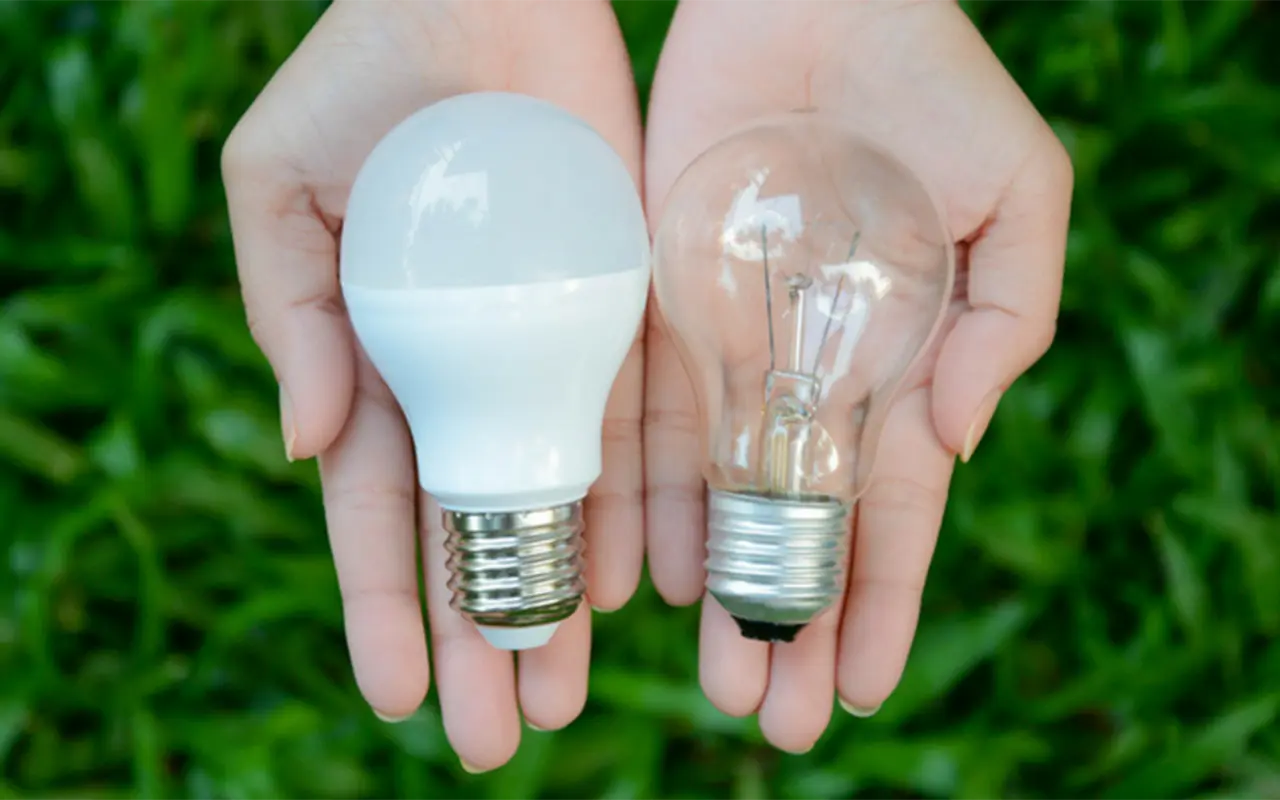
LED Bulbs vs. Strip Lights vs. Incandescent Bulbs
Yes, LED technology is leaps and bounds more energy-efficient than old-school incandescent bulbs. However, within the LED family, there are nuances. LED strip lights usually use less power than incandescent bulbs, but they could still use more energy than single LED bulbs. Strip lights with multiple diodes can have a higher total wattage, especially in big installations.
2023 Trends in LED Electricity Consumption
The tech industry never sleeps, and LED technology is no exception. This year, LED strips have improved and are now about 10% more energy-efficient than before. If your LED strips are a few years old, now is a great time to upgrade. Upgrading could lead to significant savings in the long run.
Factors That Affect LED Strip Electricity Usage
Length of the Strip
It’s straightforward—more length equals more LEDs, which results in higher power consumption. If you’re looking to deck out an extensive area, you must account for this in your energy budget.
LED Density and Size
As mentioned before, strips with more LEDs and bigger diodes use more electricity. Remember to balance brightness and energy efficiency when making your choice, as both are important.
Color and Brightness
While you may not realize it, the color of your LED strip can also impact its energy use. Bright colors like white or yellow typically draw more power than softer ones like blue or green. Therefore, if energy conservation is your priority, opt for LED strips in cooler hues.
The Real Costs: Short-term and Long-term
Upfront Costs vs. Running Costs
LED strip lights may have a higher price at first, but think about the overall cost. LED strip lights boast an impressive lifespan, often exceeding 25,000 hours of usage. Save money on replacements and electricity by using long-lasting, energy-efficient products. So, when calculating the actual cost, factor in these long-term savings. The lower running expenses quickly cancel out the higher upfront cost.
Impact sur l'environnement
LED strip lights are an eco-friendly option for those concerned about climate change and conservation. LED lights are much more energy-efficient than incandescent and fluorescent lights, up to 80%. This efficiency translates to fewer greenhouse gas emissions, significantly reducing your carbon footprint. LED strip lights are a smart and ethical investment for people who care about the environment.
Maximizing Efficiency
Smart Home Integration
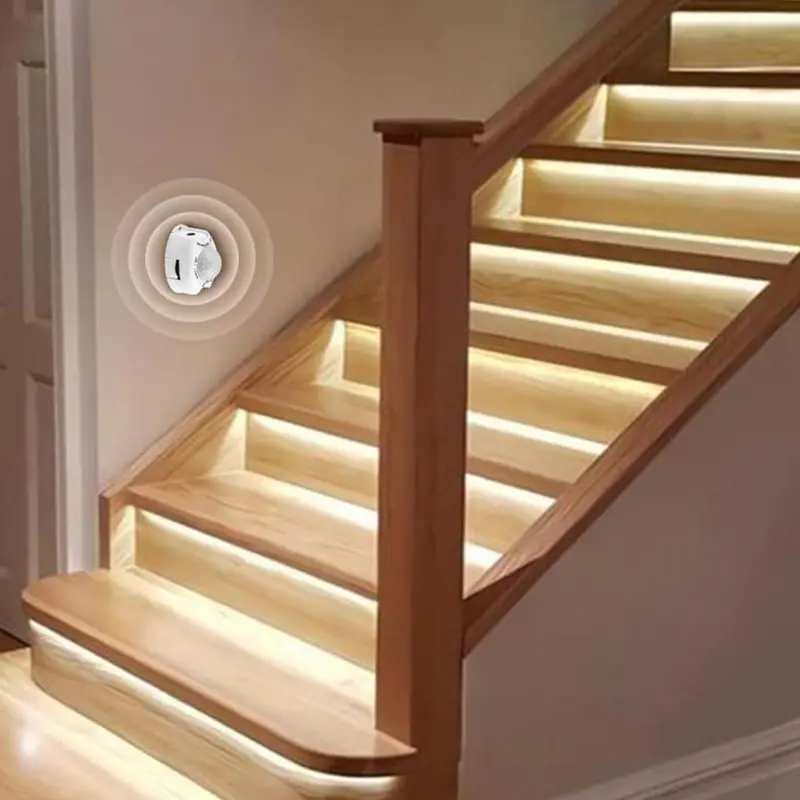
LED strip lights can easily connect to smart home systems, enhancing energy efficiency. You can make them work automatically by using timers, motion sensors, or light levels. This makes things easier and saves electricity by only using lights when necessary. Integrating smart home technology is not just for tech-savvy people. It’s a wise way to save energy.
Tips for Reducing LED Strip Electricity Usage
You don’t need to be an electrical engineer to make the most out of your LED strip lights. Small changes can yield significant savings. To use less energy, add dimmer switches that adjust brightness as needed. To save power, be strategic and use only the strip length that is necessary. Finally, many brands offer energy-efficient models that meet or exceed Energy Star standards. Invest in these models to reduce energy bills while maintaining quality and appearance.
Frequently Asked Questions (FAQ)
Does The Length of LED Strip Lights Affect Power Consumption?
Absolutely, the longer the LED strip light, the higher the energy consumption. If you have a long strip that goes through many rooms, it will use more power than a small accent piece.
How Many Types of LED Light Strips Are There?
LED strip lights are a diverse lot! There are different types of them based on their features, like color and brightness. They also have LED density and can even be water resistant. The common ones include RGB, single-color, and addressable LED strips. Knowing the type helps in determining their power usage.
What Are Lumens and How Do They Matter?
Lumens quantify the amount of visible light emitted by a source. LED strips with higher lumen ratings are usually brighter, but they also use more power. Don’t just go for higher lumens; consider your actual lighting needs.
What’s the Difference Between Constant Voltage and Constant Current LED Strips?
Constant voltage LED strips need a set voltage supply, but can work with different currents. On the other hand, constant current strips require a fixed current level. Constant voltage strips are generally more flexible for DIY installations.
What Is LED Pitch and How Does It Affect My Desired Lighting Effect?
LED pitch is the distance between individual LEDs on the strip. A smaller pitch gives a steady light, good for precise tasks or high-quality displays. However, a smaller pitch may result in higher power consumption.
How Does Color Temperature Influence My Space?
Color temperature is measured in Kelvins (K) and affects the mood of your space. Lower temperatures below 3000K create a warm, cozy light. Higher temperatures above 5000K give a cool, daylight-like effect. Choose based on the ambiance you want, because it’s not related to power consumption.
Are LED Strip Lights Safe to Use?
LED strip lights are safe because they use low voltages, which lowers the chance of electrical shocks. Just ensure you buy from reputable manufacturers and follow the installation guidelines.
Can LED Lights Catch Fire?
The chances are extremely low. LED lights are designed to minimize heat output. But if the installation is bad or the power supply doesn’t match, it might not be safe.
How Long Can You Leave LED Strip Lights On Without a Worry?
Quality LED strip lights can operate for up to 50,000 hours, depending on the manufacturer. So, you could leave them on for years. However, it’s advisable to turn them off when not needed to conserve energy.
Do Connected LED Strips Use More Electricity?
No, connecting more LED strips does not use more power in the same proportion. Make sure you don’t exceed the maximum load capacity of your power supply for safety.
Does LED Strip Lights Use a Lot of Electricity?
No, LED strip lights are energy-efficient and use relatively little electricity compared to traditional lighting options.LED strip lights are favored for their low power consumption, which is significantly less than incandescent or halogen bulbs and slightly better than compact fluorescent lamps (CFLs). They convert more electricity into light, minimizing waste as heat. This efficiency makes them ideal for various applications, from home decoration to commercial settings, providing bright illumination while keeping energy costs low. Their flexibility, combined with energy efficiency, allows for creative lighting solutions without a substantial increase in electricity usage.
Conclusion and Verdict
Bandes lumineuses LED are not electricity guzzlers. They’re an efficient, versatile, and increasingly affordable lighting option.
LED strip lights are a great choice because they are efficient and stylish in our energy-conscious world. The 2023 trends only solidify this. So go ahead and light up your spaces without worrying about your energy bill soaring.
In the changing world of LED lights, knowing your options is important for power and understanding. If you want energy-efficient Bandes lumineuses LED ou Flexible à néon LED, check out Unitop. We are a top manufacturer in China. We have the experience to answer your questions and meet your specific needs. Contactez nous today for the best quality and professional guidance. Don’t hesitate.
Article connexe :

Tom est maintenant le directeur des ventes de Unitop (China) Co., Limited. Il a été dans le Éclairage LED l'industrie depuis 2005. Il est expert en ventes et marketing, et en gestion d'usine. Il aime le bodybuilding, et il est aussi un fan fou d'Apple ! C'est un travailleur acharné qui aime apprendre et essayer de nouvelles choses.
Email : tom@unitopledstrip.com WhatsApp : +86-18680307140



Laisser un commentaire
Rejoindre la discussion?N’hésitez pas à contribuer !