
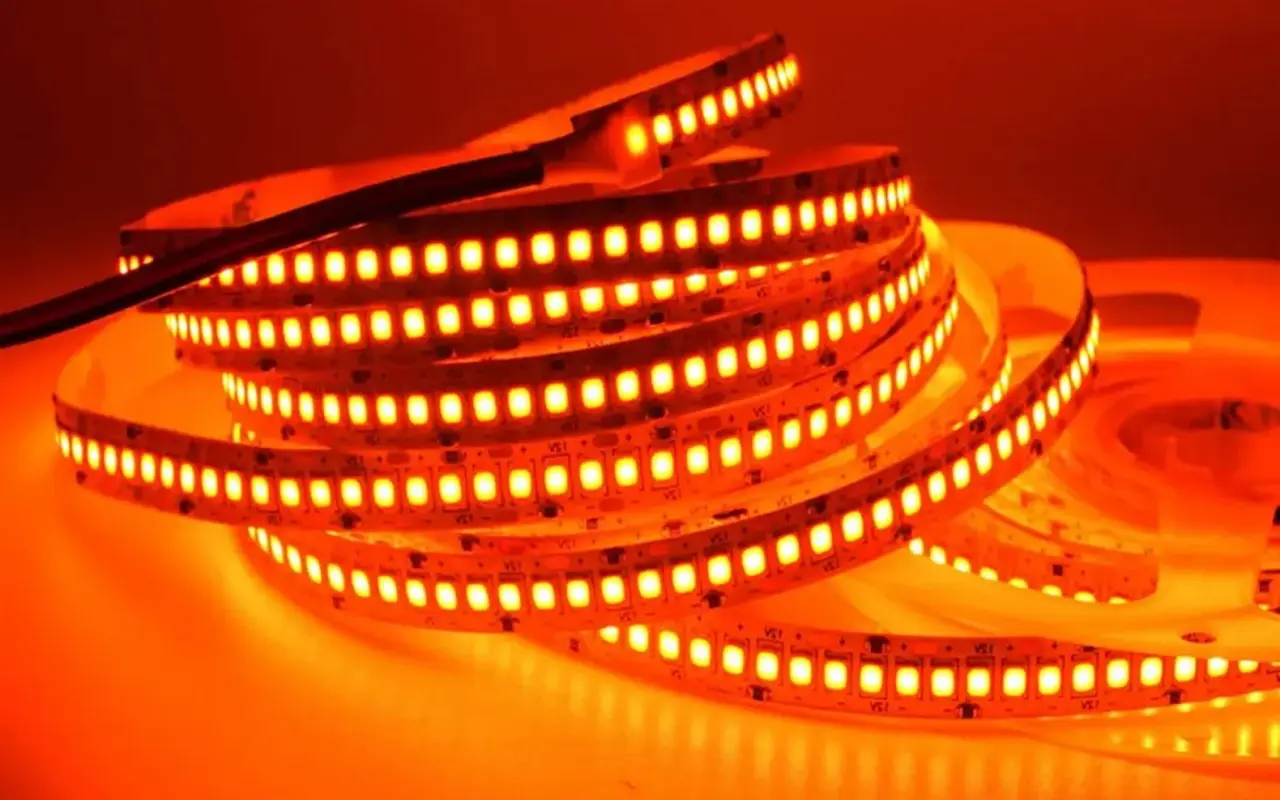
Do you struggle with not sleeping well and feeling tired in the morning? Many people today have trouble sleeping well, which can be frustrating. Have you thought about how the LED light in your bedroom affects your sleep and what color light is best for sleep? It’s time to take a closer look at the role of light in your sleep environment.
For better sleep, use a gentle red or amber LED light. These colors help you relax and match your body’s natural sleep pattern. These warm hues are more than just aesthetic choices; they actively interact with your body’s internal processes to create a conducive environment for rest.
But how does this work, and what’s the science behind these specific color choices? Are there more factors to consider in selecting the right LED light for your bedroom? We’re exploring how the color of LED lights can improve your sleep. This includes biology, room design, and common misconceptions. If you want to sleep better, keep reading to find out how changing your lighting can help.
The Connection Between Sleep and Light
Light is not just for seeing. It is very important for our bodies, especially when we sleep. Our relationship with light affects our sleep in profound ways. Let’s discover how LED light colors affect our sleep, it’s really interesting.
Understanding the Sleep-Wake Cycle
The human body’s sleep-wake cycle is a complex process intricately connected to light. Our internal biological clock, called the circadian rhythm, tells us when we feel awake or tired. How does light fit in? The cells in our eyes that detect light, especially blue light, send signals to the brain. These signals affect the production of melatonin, a hormone that helps with sleep.
Our daily use of screens and artificial lighting exposes us to a lot of blue light, especially at night. When we disrupt our natural sleep rhythms, it becomes hard to fall asleep and messes up our sleep patterns.
To find the best sleep solution, it’s important to know how different LED colors impact sleep. It isn’t just about turning off the lights but choosing the right light.
LED Colors and Their Impact
Different colors of LED lights have varied effects on our ability to sleep. Our response to these colors isn’t merely psychological; it’s physiological.
Blue or White Light: These bright colors inhibit melatonin secretion and promote wakefulness. They mimic daylight, tricking the body into thinking it’s time to be active.
Amber Light: It is a calming color that promotes better sleep by encouraging melatonin secretion. It creates a warm atmosphere that doesn’t stimulate the brain. It’s the gentle nudge toward relaxation that your body appreciates.
Red Light: Recognized as the best calming color for sleep, red light ensures minimal disruption to the circadian rhythm. Night lamps or accent lighting can provide tranquility without affecting melatonin production.
When you pick the right LED colors, your surroundings match your body’s natural processes, promoting a peaceful sleep.
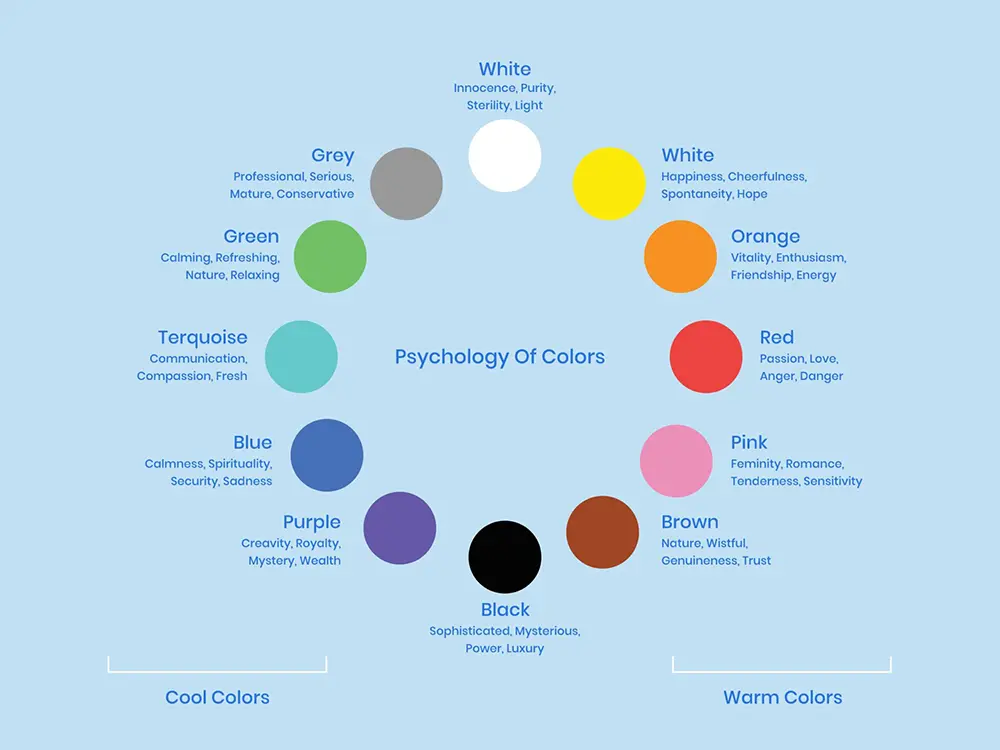
Best LED Color for Sleep: Why Choose Red or Amber?
People favor red and amber lights for their warm, relaxing qualities. Red and amber lights do not disrupt your sleep-wake cycle like blue and green lights.
These colors not only look nice, but also help our bodies in different ways. Have you ever felt calm by a campfire or watching a sunset? Those warm colors have a soothing effect. Adding red or amber LED lights to your bedroom has multiple benefits. It improves sleep quality, reduces eye strain, and syncs your body’s rhythm with nature.
Red and amber lights are great for sleep because they boost melatonin and match our body’s rhythm. They also create a soothing atmosphere. If you want a sleep-friendly space for you or your kids, these colors create a dreamy atmosphere. To get better sleep, it’s important to understand how light affects our sleep.
Selecting the Ideal LED Bulb for Sleep
It’s important to choose the right LED bulb for a sleep-friendly space. It’s not just an afterthought. Let’s find out how to choose the right LED bulb and create the perfect sleep atmosphere.
Types of LED Bulbs
Looking for the perfect sleep-enhancing bulb? It’s more complex than grabbing the first one off the shelf. There’s science behind the selection, and it’s worth your attention.
Color Customization: Consider bulbs that offer color customization, particularly those that emit red and amber hues. These colors are designed to help with sleep, emitting zero blue and green light. These bulbs have adjustable settings so you can customize the light to fit your needs.
Brightness Control: Opting for bulbs with brightness control can further enhance your sleep environment. Dimming the lights as bedtime approaches can signal your body that it’s time to wind down.
Smart Bulbs: Many modern LED bulbs integrate with smart home systems, allowing you to program them according to your sleep routine. The bulbs can mimic sunlight by changing color and dimming at specific times.

Setting the Perfect Sleep Atmosphere
The atmosphere of your bedroom plays a significant role in your sleep quality. Think of it as a symphony, where each element contributes to harmony.
Lights: Soft red or amber lights can create a calming environment conducive to a peaceful night’s sleep. They act as the gentle undertone to your sleep symphony.
Furniture: Coupling these lights with cozy furniture like plush pillows and soft blankets adds comfort.
Room Temperature: A cool room temperature, ideally between 60-67°F, is often best for sleep. It helps your body signal that it’s time to rest.
Consider all these factors to create a bedroom that helps you sleep deeply and restfully.
Buying Guide
When purchasing an LED bulb for sleep, here’s a handy checklist to keep in mind:
Check if the light emits blue or green light; if so, it might not be the best choice.
Consider bulbs with adjustable brightness and hue, providing the flexibility you need.
Look for specialized sleep-friendly bulbs or brands known for quality lighting solutions. Reading customer reviews can be a helpful way to gauge user satisfaction.
Designing a Sleep-Friendly Environment
Your sleep environment is about more than just the correct bulb. We can make your bedroom perfect for sleeping by adding things, using smart technology, and being creative.
More Than Just Bulbs
To create a better atmosphere, you can add blackout curtains to block light. You can also use comfortable furniture for physical comfort. Additionally, a well-planned layout can make the most of the space and flow. With the correct LED light, these factors make a good atmosphere for sleeping. A few strategically placed plants can also enhance air quality and add to the calming effect.
Smart Integration
Combine LED lights and smart home devices to easily control brightness and color. Picture entering your bedroom and the lights slowly dimming to your desired level without any effort. Automation can create a perfect sleep environment without needing manual changes, making it easier and more reliable.
Creative DIY Ideas
Your bedroom should show who you are, and LED lights can be customized in many ways.
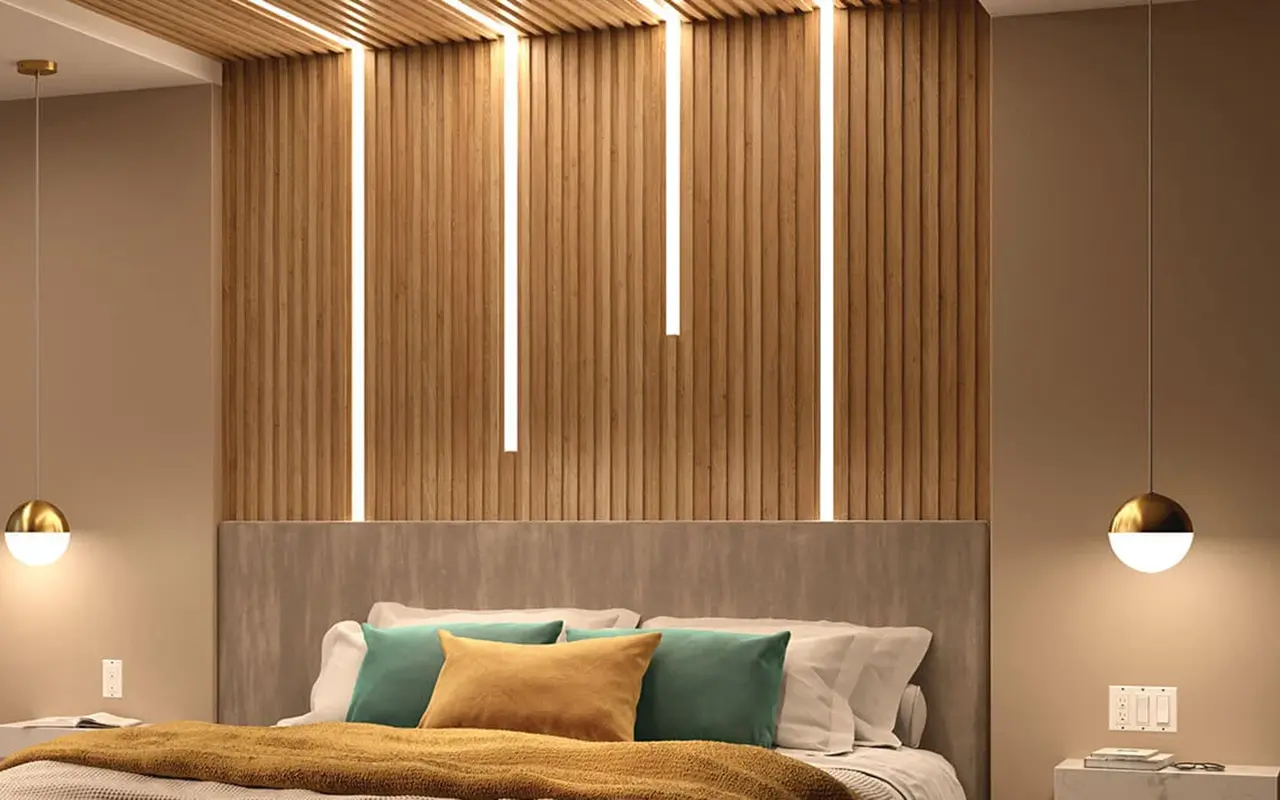
Craft a calming ambiance using LED strips around your bed or on the shelves.
Use lanterns or specially designed lamps with soft, warm hues for accent lighting.
Tailor the lights to your taste and watch how it transforms your sleep experience. Experiment with different placements and combinations, and even integrate them into artworks.
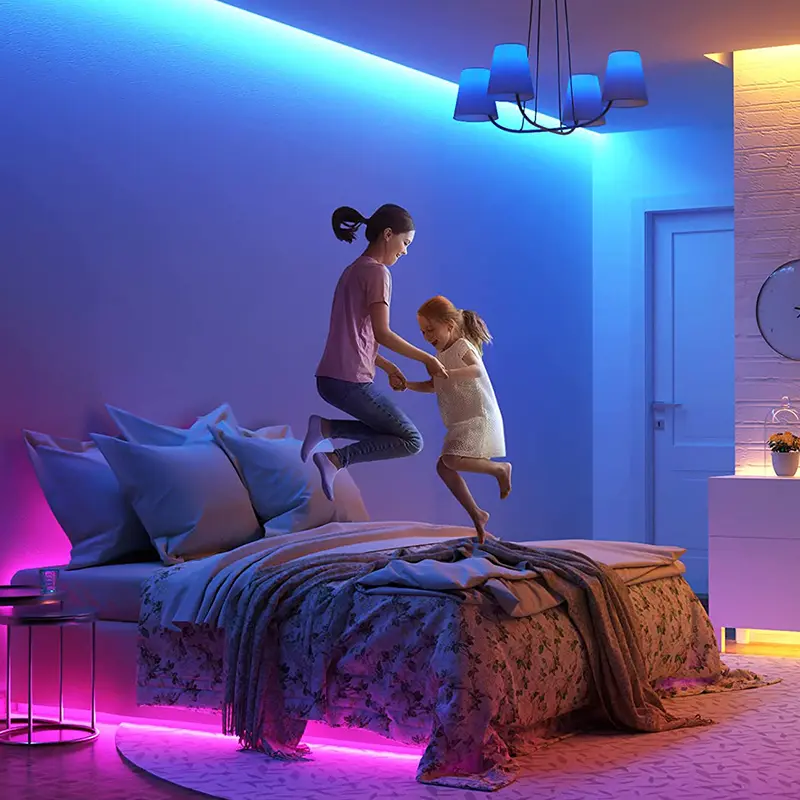
Health and Wellness through Proper Sleep Lighting
When discussing health and wellness, nutrition and exercise often steal the spotlight. Have you thought about how the right lighting for sleep can affect your well-being? Let’s explore how lighting can enhance sleep quality, offer medical advantages, and even change lives through real success stories.
Better Sleep Quality
Good lighting not only creates a mood but also helps you sleep better, which has real benefits.
Improved Alertness: When you enjoy quality sleep, you wake up feeling more alert and concentrated. Your mind is sharp, ready to tackle the day’s challenges.
Restorative Rest: Red and amber LED lighting can offer a more restful sleep by aligning with your body’s natural circadian rhythm. This includes assisting with muscle relaxation, and helping you wake up feeling refreshed.
Mood Enhancement: A good night’s sleep promotes a positive mood, and the correct lighting can contribute to reducing stress and anxiety.
Medical Advantages
Colored LED lights, like red and amber, have therapeutic uses that are worth exploring. They can improve well-being.
Mood and Mental Health Support: Some studies suggest that these colors positively affect mood and mental health, assisting in conditions like Seasonal Affective Disorder (SAD).
Skin Health: Red LED light, in particular, has been shown to promote skin health by stimulating collagen production, an unexpected but welcome benefit.
Holistic Wellness: The calming effects of red and amber lights extend to overall well-being, offering a soothing ambiance that contributes to relaxation and harmony.
Real-Life Success Stories
The power of proper lighting goes beyond theory. Many people have found that using sleep-friendly LED lights can improve their sleep and overall well-being. Their stories, often shared through testimonials and personal blogs, are testaments to the transformative power of proper lighting. Regular people can solve problems by simply changing the lighting in their bedrooms. It’s inspiring and eye-opening.
FAQs and Common Misconceptions
Sleep lighting is a complex topic with many facets to explore. We’ll debunk myths and give tips for special cases, with extra resources for more understanding.
What is the best color night light for sleeping babies?
Soft red or amber night lights are ideal for sleeping babies. These colors promote relaxation without disrupting the baby’s delicate sleep cycle. Some parents also prefer soft pink, which provides a gentle, calming effect.
Is blue LED light a good color to sleep with?
Bright blue LED lights can disrupt sleep by confusing the body’s internal clock. However, softer shades of blue can have a calming effect when used correctly. It’s wise to avoid blue lights before bedtime as a general rule.
How do red and amber lights enhance sleep quality?
Red and amber lights help you relax and match your body’s natural sleep-wake cycle. The warm colors help you sleep peacefully because they don’t affect melatonin production.
Can green LED light be used to promote sleep?
Yes, connecting green light to tranquility promotes a peaceful environment. It is a color often found in nature and can create a serene ambiance conducive to restful sleep.
What are some creative DIY ideas for using LED lights for sleep enhancement?
You can create a calming ambiance using LED strips, lanterns, or lamps tailored to your taste. You can make a night sky projection. You can also make a softly lit reading corner. Both have adjustable brightness. This will help you sleep better.
Are there any medical advantages to using colored LED lighting for sleep?
Researchers have linked colored LED lighting, especially red and amber, to therapeutic uses. Some studies suggest that it can boost your mood and mental health, improving sleep and well-being.
What are some good ways to use LED lights in a sleep-friendly routine?
To improve sleep, use amber lights in the evening and switch to red light bulbs before bed. Combining LED lights with smart home devices can improve the sleep environment.
How can I avoid harmful blue or green light when choosing LED bulbs for sleep?
Look for specialized sleep-friendly bulbs that emit zero blue and green light. Consider product specifications. Look for bulbs with adjustable brightness and hue controls. Make sure they help improve sleep.
Is purple LED light good for sleep?
Purple LED light isn’t typically associated with sleep enhancement. Bright blue light is more disruptive, while red, amber, or soft green are more calming. It might be best to stick to the more recommended hues for sleep.
What LED light color helps you wake up?
Brighter shades like white and bright blue stimulate alertness. Using these colors in the morning can signal to your body that it’s time to wake up. This aligns with your natural wakefulness rhythm.
Debunking Myths
Not all red or amber lights are created equal. To avoid harmful light, it’s important to use bulbs designed for the right wavelengths. To make the best choice, pay attention to details, choose certified products, and ask experts for advice.
Tips for Special Cases
Individual needs vary, and this includes sleep lighting. Here’s how you can cater to those differences:
Children: Consider gentler lights for children’s rooms, as their eyes are more sensitive.
Elderly: Look for options that offer easy control and aren’t too dim, as vision declines with age.
Health Conditions: Certain conditions, like insomnia, may require specific lighting solutions. Consulting with healthcare professionals can help in these cases.
Understanding Specific Colors and Their Effects
In our quest for optimal sleep, color plays a pivotal role. To make informed choices, it’s important to understand how different colors affect sleep. Let’s discover the calmness of red and amber lights. Avoid certain colors. Also, let’s explore other soothing colors that might interest you.
Red and Amber Lights
The warm colors help you sleep and relax. They are inviting and beneficial.
Promoting Relaxation: Red and amber lights are believed to soothe the mind, easing the transition into sleep. This effect is often used in therapy and meditation spaces to enhance calmness.
Aligning with Circadian Rhythm: Unlike other colors, these warm tones align well with the body’s natural sleep-wake cycle, assisting in keeping that rhythm balanced and uninterrupted.
Aesthetic Appeal: Beyond the physiological benefits, these colors add a pleasing ambiance to your bedroom, making it feel cozy and inviting.
Blue and White Lights to Avoid
On the other hand, blue and white lights can disturb sleep. Knowing the reasons can help you make better choices for your sleep space.
Confusing the Biological Clock: These colors send alerting signals to the brain, confusing the body’s internal biological clock and delaying sleep onset.
Inhibiting Melatonin Production: Blue and white light in the evening can inhibit melatonin secretion, the hormone responsible for signaling the body that it’s time to sleep.
Associated with Screen Time: The harmful blue light often comes from electronic devices, emphasizing the need for a screen-free bedroom or utilizing night-mode settings on your gadgets.
Most Relaxing Light Colors
We find other colors with unique benefits expanding beyond red and amber. Here’s a more profound exploration:
Rouge: As discussed, it’s a powerful ally for sleep but also associated with passion and warmth.
Rose: Known for its gentle, calming effect, especially the softer shades that promote feelings of safety and love.
Vert: This natural color is connected to tranquility and is sometimes used in therapy to promote a peaceful environment.
Bleu: While bright blue should be avoided, softer shades can be calming if used appropriately.
Strategies and Healthy Habits for Quality Sleep
Creating a sleep sanctuary requires more than just choosing the right light bulbs. To make your favorite colors more relaxing, try using strategies and healthy habits.
When to Use Specific Colors?
Timing matters, especially when it comes to light.
Amber Throughout the House: Consider using amber lights throughout the living areas in the evening. This eases the transition into the night, setting the stage for relaxation.
Red Light Bulbs Before Bedtime: Switching to red light bulbs a few hours before sleep can signal your body that it’s time to wind down, enhancing overall sleep quality.
Calming Habits and Tips
Pairing your LED lights with additional habits amplifies the effects.
Physical Exercise: A balanced exercise routine during the day supports better sleep.
Regular Sleep Schedules: Consistency in sleep timing reinforces your body’s natural rhythm.
Blue Light-Blocking Glasses: When using electronics in the evening, these glasses can reduce blue light exposure, aligning with your lighting choices.
Final Thoughts
Improving sleep with lighting is a nuanced endeavor that goes beyond merely flipping a switch; it demands a detailed, thoughtful approach. Recognizing the subtleties in lighting choices is crucial—for instance, the calming effects of red and amber LED lights contrast sharply with the potentially disruptive influence of blue and white lights. Integrating these insights into your nightly routine, coupled with maintaining healthy habits, can significantly enhance your sleep quality. Lighting should be considered a pivotal element of your sleep environment, capable of transforming your nightly experience into a tranquil journey towards rejuvenation and wellness. By focusing on the “best light color for sleep” and identifying the “most relaxing light color for sleep,” you can create a serene atmosphere conducive to restful sleep. Embracing the right lighting is not just about facilitating sleep; it’s about embarking on a path to overall well-being, where the choice of light color plays a key role in promoting a peaceful, restorative night’s rest.
Discover the key to better sleep with Unitop. We are a top Bandes lumineuses LED et neon flex manufacturer in China. We design our high-quality products to improve your well-being with perfect lighting. We have so many years of experience. Have questions or unique requirements? Nous contacter today, and let Unitop guide your journey to a peaceful slumber. Your path to refreshing nights begins here.
Article connexe :

Tom est maintenant le directeur des ventes de Unitop (China) Co., Limited. Il a été dans le Éclairage LED l'industrie depuis 2005. Il est expert en ventes et marketing, et en gestion d'usine. Il aime le bodybuilding, et il est aussi un fan fou d'Apple ! C'est un travailleur acharné qui aime apprendre et essayer de nouvelles choses.
Email : tom@unitopledstrip.com WhatsApp : +86-18680307140




Laisser un commentaire
Rejoindre la discussion?N’hésitez pas à contribuer !