
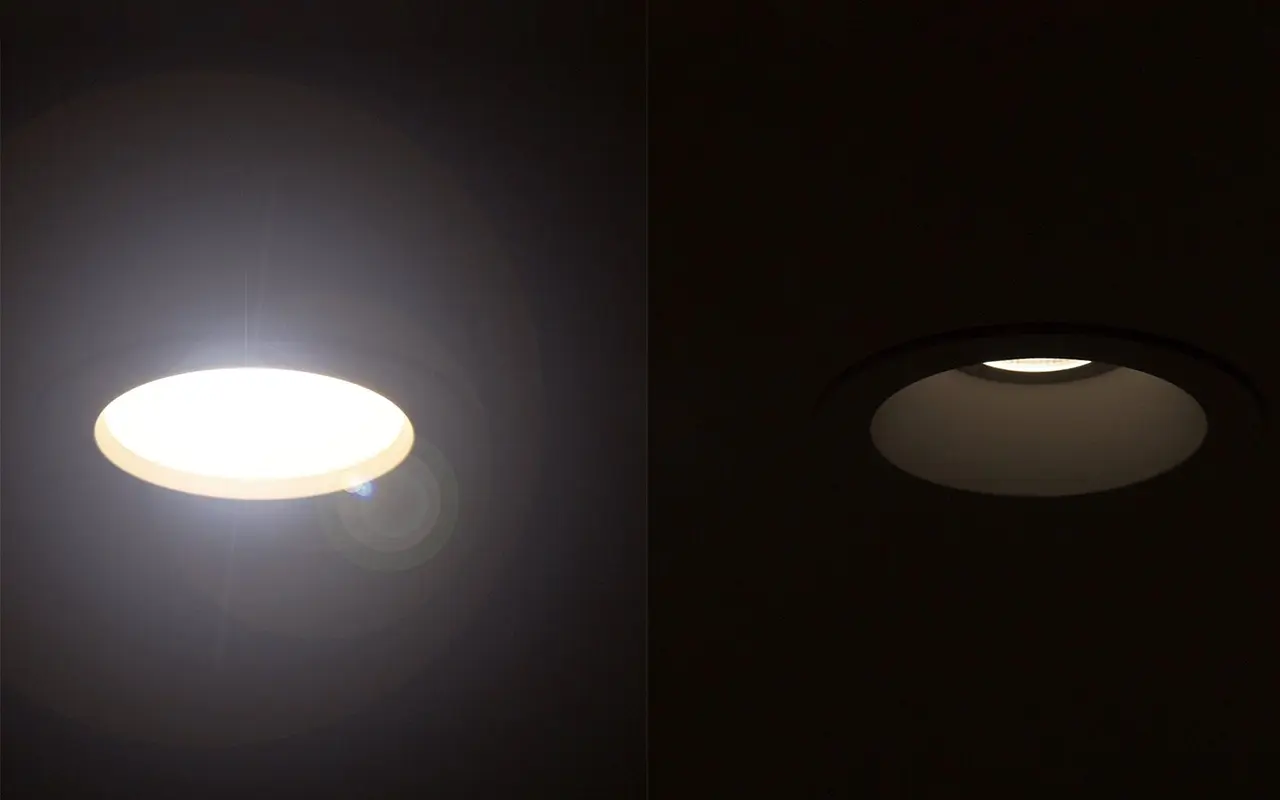
You may have experienced it before – bright light that makes it hard to concentrate or hurts your eyes. Anti-glare lighting can mitigate such disruptions, elevating your visual experience. In this blog, we will talk about lights that reduce glare and why they are important. We will also give you tips on how to reduce glare.
Understanding Glare
Definition and Types of Glare: Direct, Reflected, etc.
Glare isn’t just a small problem – it’s a big one that makes it hard to see. Imagine the bright light from a car’s headlights or the blinding brightness of water. These are types of glare. But did you know that there are categories? When driving at night, the bright lights from an oncoming car make it hard to see. Reflected glare can be sneaky and show up unexpectedly. You’ll see it in the reflections bouncing off your office window or the shiny hood of a car. Understanding the nuances of these glare types enables us to navigate solutions better.
How Glare Affects Our Daily Life?
If you think glare is merely an annoyance, think again. Its influence seeps into daily tasks and its repercussions aren’t just visual. Picture yourself driving home after a long day. Suddenly, the setting sun blinds your vision. Your ability to see clearly is affected, and you may become more stressed, which can lead to mistakes. Or consider the scenario of working long hours in an improperly lit office. The glaring lights can disrupt focus, causing productivity to plummet. Glare affects many parts of our daily lives, even if we don’t realize it.
Common Sources of Glare
The progenitors of glare are as varied as they are numerous. Sunlight gives us life, but it can also cause discomfort when it reflects off water or snow. However, artificial lights like badly placed LED lights can also be to blame. In your home, the shiny wood floor or the glass building walls make glare. Even the screens we’re tethered to—phones, tablets, and computers—are prime culprits. Knowing what contributes to glare is the first step toward effective prevention.
How Glare Affects Our Eyes and Health?
Science Behind the Impact of Glare on Vision
You might wonder, “What’s the big deal about a bit of extra brightness?” But when you get into the science of it, glare isn’t as harmless as you might think. Glare can constrict your pupils as your eyes try to limit the amount of light coming in. The pupils get smaller, which makes it hard to see and causes a halo around lights. In extreme cases, this can escalate to temporary vision loss. When we understand how glare affects our vision, we can learn about its long-term effects.
Negative Health Implications
But glare doesn’t just affect our eyesight; it also has negative effects on our overall health. When your pupils constrict, it can cause eye strain and a dull ache around your eyes. This discomfort can lead to headaches and, eventually, migraines for some individuals. Fighting glare all the time can make you tired. You may feel fatigued and less alert. If you don’t protect your eyes from glare for a long time, it can damage your vision and health.
Measuring LED Glare
How do we quantify glare?
Quantifying glare isn’t guesswork; it’s a precise science. The UGR (Unified Glare Rating) scale is the golden standard. Think of it like a Richter scale but for the intensity of glare. Lower UGR values signify a less glaring experience. If you work in an office and read and write a lot, choose LEDs with a UGR rating below 19. Warehouses and spaces requiring technical drawings need LEDs with a UGR under 16. And for residential settings, a UGR below 14 is ideal. Avoid any light with a UGR over 30. It creates unbearable glare in any setting.
Importance of Glare Index
But why obsess over a glare index? This index is important for evaluating how well your anti-glare solutions work. The guiding factor affects lighting choices and determines which LEDs to use. The optimal glare index can determine if a space is comfortable and productive or not.
Anti-Glare vs. Anti-Reflective: Understanding the Difference
Basics of Anti-Glare Technology
Anti-glare tech is your frontline defense against the incessant attack of disruptive light. At its core, anti-glare technology operates through diffusion. It’s like a martial artist deflecting an attack. Rather than fully absorbing light, it scatters it in different directions, reducing glare and softening it. When doing design work or reading, it’s important to have clear and comfortable vision.
How Anti-Glare Differs From Anti-Reflective?
You might ask, “Why not just use anti-reflective solutions?” While both sound similar, their missions are different. Anti-reflective technology is more of a surface treatment that lowers reflection. Eyeglasses and camera lenses can have problems with reflections. This tool is very helpful for those situations. However, it doesn’t diffuse light, which is crucial for tackling glare. Understanding your environment’s needs will help you pick the right technology.
Components of Anti-Glare Technology
Anti-Glare Filters
Picture an anti-glare filter as a goalie in soccer, blocking light rays to shield your eyes. Screens and lights have layers that block light from outside, making them easier to see.
Diffusers
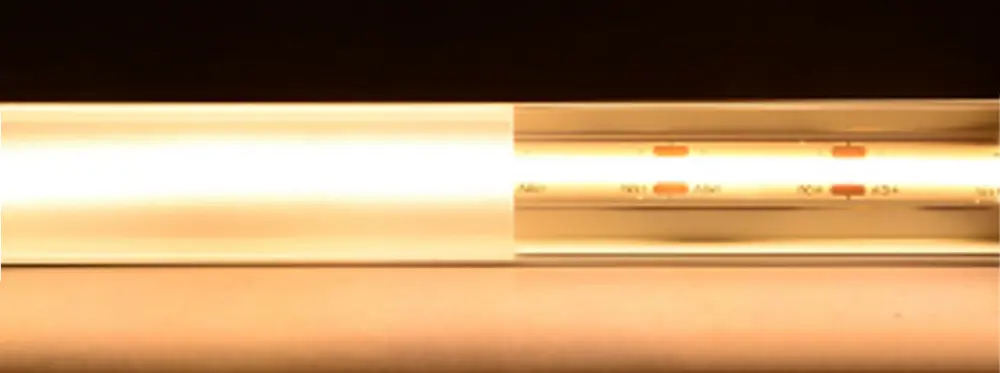
Diffusers are the unsung heroes in the world of anti-glare tech. They are made of materials like frosted glass or plastic and act like a mesh screen in front of a fan. They break up the airflow or flow of light into smaller, less intense units. This reduces intense light that causes glare, making your vision more relaxed and comfortable.
Dimmer
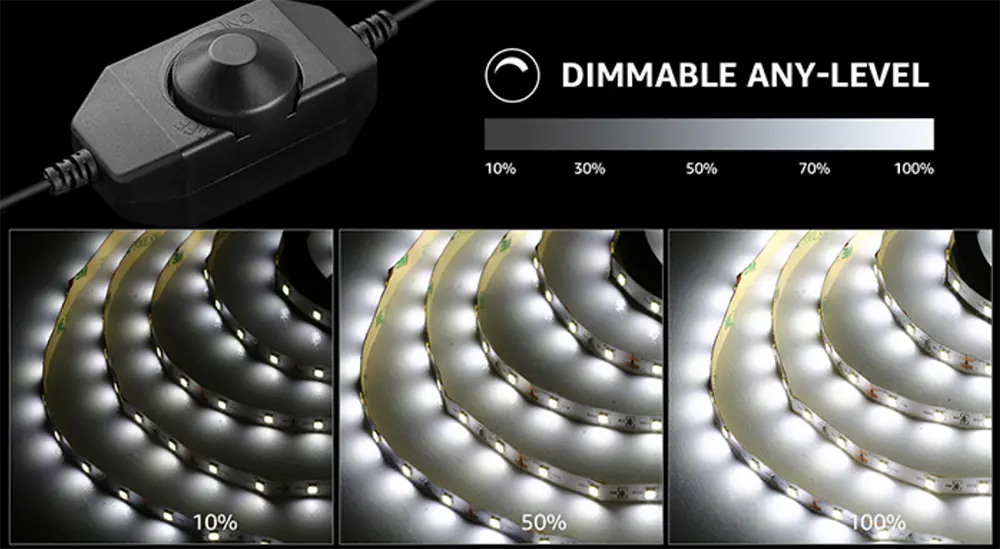
If you’ve ever played with a light switch to adjust the brightness, you’ll like dimmers. These handy devices allow you to customize the intensity of your lighting environment. You’re not just stuck with “on” or “off”; you have a full range of options to match your current needs. Dimmers help reduce glare by adjusting the light to fit the time, task, or personal preference.
No Eye Strain
Let’s face it—eye strain is a modern epidemic. If you spend a lot of time looking at screens or artificial lights, you know it can be irritating. Anti-glare lighting serves as a panacea. Reducing glare makes your eyes focus better, so they feel less tired and more comfortable. It’s like giving your eyes a much-deserved vacation every day.
No Harsh Shadows
Dark shadows can bother anyone’s vision, not just photographers. Anti-glare lighting, through its diffusive properties, eliminates these dark, distracting areas. The result? The visual experience is uniform and comfortable. This makes the environment more inviting and serene.
No UV Rays
Think about this as the SPF of lighting. High-quality anti-glare lighting doesn’t just tackle glare; it filters out harmful ultraviolet rays. You can use artificial lighting without worrying about it harming your eye health.
Aesthetic Advantages
Far from being strictly utilitarian, modern anti-glare lighting solutions marry functionality with style. They come in an array of sleek designs that can elevate your space’s visual appeal. Think of it as beauty and brains rolled into one—a lighting solution that looks good and suits you.
Longer Lifespan
In the age of sustainability, longevity matters. Anti-glare lights last longer than regular lights. They provide comfort for your eyes and save you money. In the long run, they last longer, saving you time and money on replacements.
Special Use Cases for Anti-Glare Lights
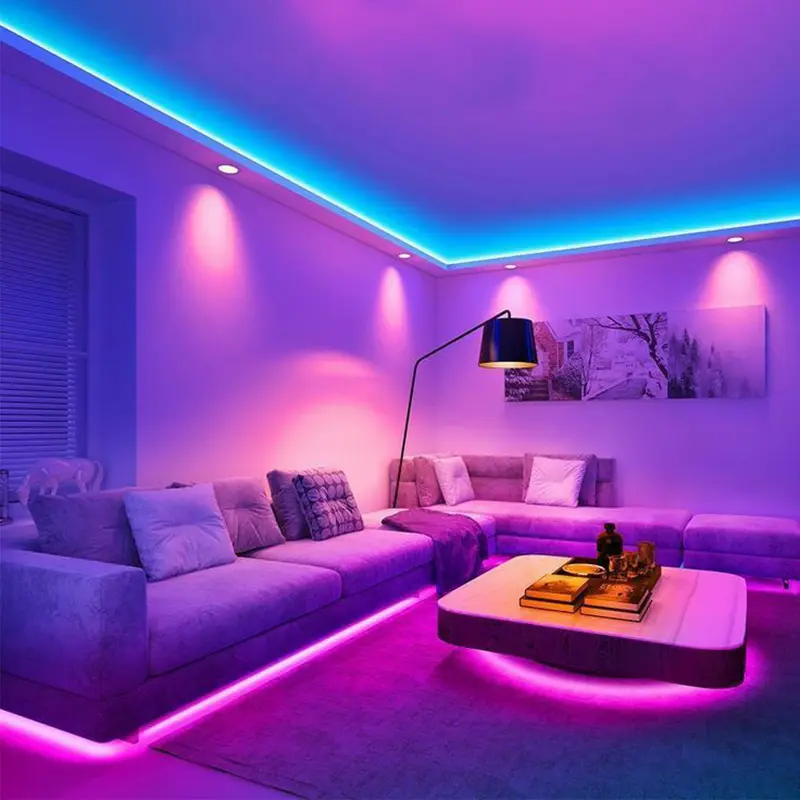
Homes
When you hear “home,” you think of comfort. Anti-glare lighting can make kitchens and bathrooms more comfortable by reducing glare. These spaces often feature shiny surfaces that can amplify glare. Installing anti-glare lights can mitigate this, making your home a residence and sanctuary.
Sports Fields and Stadiums
You know the struggle if you’ve ever missed that game-winning moment due to glare. In sporting environments, controlling glare is a game-changer, quite literally. It’s vital for the performance of athletes and the experience of spectators. High-quality anti-glare lighting ensures that everyone gets the best view of every play.
Offices and Warehouses
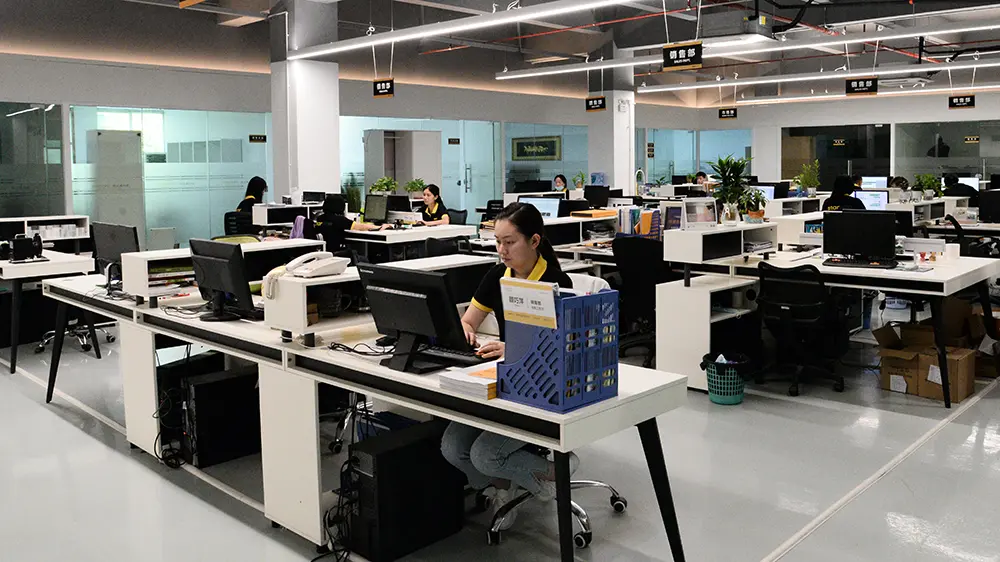
The professional arena isn’t just about productivity; it’s also about well-being. With the proper anti-glare lighting, you can have both. These lights reduce glare, helping employees focus and avoid eye fatigue. It helps them do well at work without hurting their eyes. This turns workspaces into healthy spaces.
Construction Sites
For construction workers, visibility isn’t just about comfort but safety. Anti-glare lighting gives enough light for tasks without harsh shadows or excessive glare. When workers aren’t visually distracted, they can focus on their jobs and reduce accidents. This creates a safer workspace.
How to Choose an Anti-Glare Solution? Factors to Consider
Environment: Indoors vs. Outdoors
The effectiveness of your anti-glare solution will largely hinge on the setting. Outdoor areas have many factors to consider, like the brightness and angle of sunlight. In these situations, we need tough solutions that can adapt to weather and light changes. For indoors, however, you may find that subtler, more aesthetic solutions suffice. To make an informed decision, you need to understand the environmental variables.
Device or Surface Type
One size definitely does not fit all when it comes to glare solutions. Your new 4K TV needs a different kind of anti-glare than your car windshield or office lights. Choose the correct solution for your surface. Use matte finishes for screens and polarized films for windows.
Personal Needs
Consider this the “bespoke tailoring” of anti-glare solutions. Are you someone with a medical eye condition like astigmatism or dry eyes? If so, consult an ophthalmologist for personalized recommendations. Everyone has varying levels of tolerance for glare, so choose based on your own needs.
Practical Ways to Reduce Light Glare
DIY Solutions
Sometimes, a major upgrade is optional to achieve significant improvements.
Homemade Remedies and Hacks
To reduce glare during the day, you can hang sheer curtains. This won’t make your room too dark. By changing the angle and direction of your light sources, you can greatly reduce glare. A minor tweak can sometimes result in significant comfort.
Best Practices in Lighting Setup
Properly placing lights can reduce glare just like professional solutions. Position lights to avoid glare in the eyes and reduce glare from surfaces. To improve the lighting, aim the lights away from shiny surfaces. Also, use diffusers to spread the light evenly.
Professional Solutions
Experts have many choices for people who want quick and useful answers.
Installing Filters
You can add anti-glare filters to your lights to reduce glare instantly. These filters effectively reduce glare on your office windows or computer monitor. They are reliable too.
Using Lens Covers and Louvers
You can add lens covers and louvers to diffuse light. They are extra accessories. In studios or labs, they help control light accurately and are very helpful. You can adjust the lighting to your liking with these elements.
Häufig gestellte Fragen
What Exactly Does the UGR Scale Measure, and Why Should I Care?
The UGR scale measures glare from lights, helping you pick the right lighting. Lower UGR numbers mean less glare. This makes it more visually comfortable in workplaces like offices and warehouses.
How Do I Choose Between Anti-Glare and Anti-Reflective Technologies?
Anti-glare technology scatters light to reduce glare, while anti-reflective technology minimizes reflections. Think about if bright lights or shiny surfaces bother you before making your decision.
Can Anti-Glare Lights Impact My Health Positively?
Anti-glare lighting can reduce eye strain, headaches, and long-term vision issues. These lights filter out harmful UV rays, adding an extra layer of protection for your eyes.
Is Anti-Glare Lighting Energy-Efficient?
Anti-glare lights make seeing easier and last longer, saving energy and money.
What’s the Difference Between Direct and Reflected Glare?
Direct glare comes from the light source. Reflected glare bounces off surfaces, like water, glass, or floors. Both can affect visibility and comfort but may require different anti-glare solutions.
Does Yellow Light Reduce Glare?
Yellow or amber light can reduce glare by filtering out blue light, which is harsh on the eyes. However, they are not a substitute for specialized anti-glare lighting.
How Can I Minimize Glare at Home Without Spending Much?
To reduce glare at home, try adding sheer curtains, moving lights, or using matte finishes on walls.
Can Anti-Glare Solutions Affect Color Perception?
High-quality anti-glare solutions should not significantly alter color perception. However, cheaper or poorly designed solutions might cause some color distortion.
Are There Any DIY Anti-Glare Solutions for Car Windshields?
Yes, you can apply anti-glare films readily available in the market. These films scatter light and reduce direct glare from the sun or oncoming traffic.
What Are the Must-Have Features in Anti-Glare Lighting for Construction Sites?
For construction sites, opt for anti-glare lights with bright but diffused lighting. These should be durable, weather-resistant, and energy-efficient to ensure safety and functionality.
Fazit
We’ve explored how anti-glare lighting is important in our everyday lives. Isn’t it time you considered upgrading your lighting solutions? The comfort of your eyes will thank you for it.
Navigating the world of anti-glare lighting can be complex, but you don’t have to go alone. Unitop, a top LED-Leuchtbänder und LED-Neon-Flex manufacturer in China, is here to light your way. Our expertise in cutting-edge LED technology ensures optimal solutions for every lighting challenge. If you have more questions or specific requirements, don’t hesitate to Nehmen Sie Kontakt mit uns auf. Trust Unitop to brighten your world without the glare.

Tom ist jetzt der Verkaufsleiter von Unitop (China) Co., Limited. Er war in der LED-Beleuchtung Industrie seit 2005. Er ist Experte für Vertrieb und Marketing sowie für Fabrikmanagement. Er mag Bodybuilding und ist außerdem ein verrückter Apple-Fan! Er ist ein fleißiger Kerl und liebt es, neue Dinge zu lernen und auszuprobieren.
E-Mail: tom@unitopledstrip.com WhatsApp: +86-18680307140



Hinterlasse einen Kommentar
An der Diskussion beteiligen?Hinterlasse uns deinen Kommentar!