
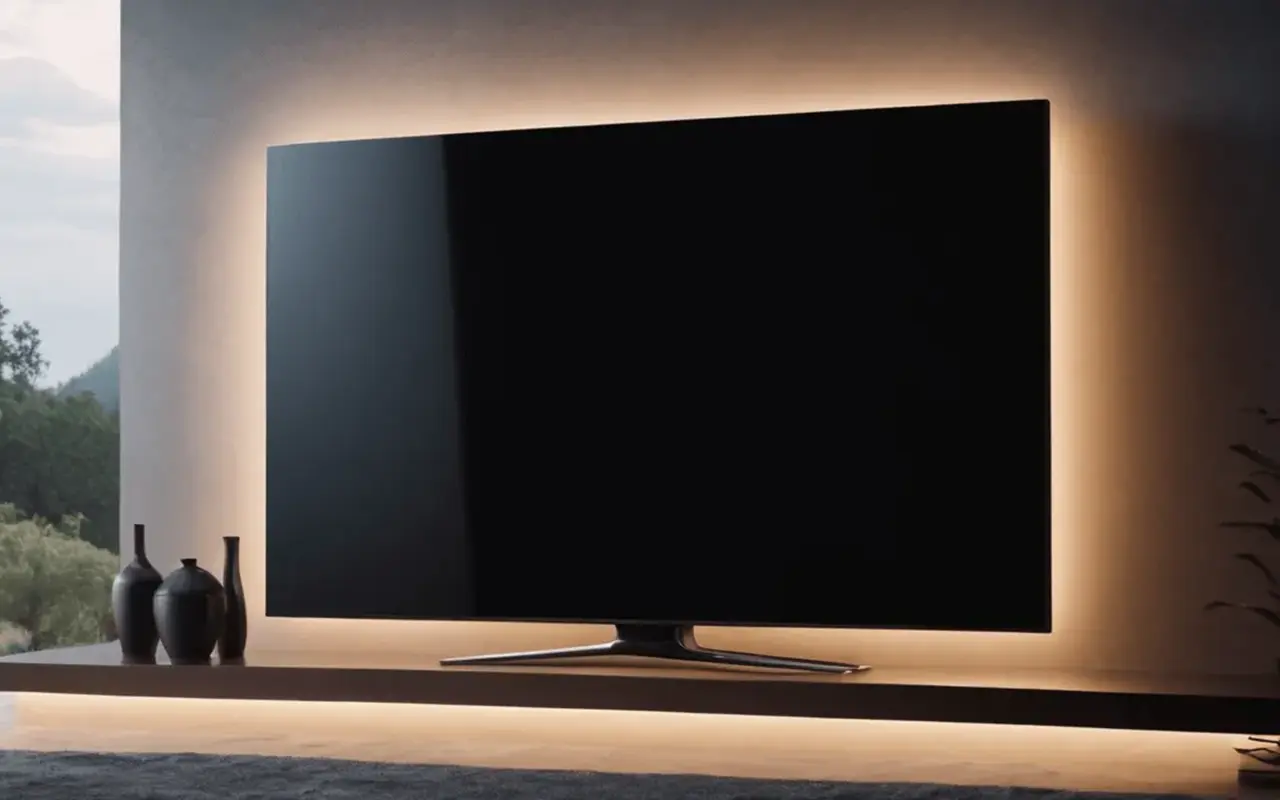
Are you concerned about the safety of using LED strip lights around your TV? Look no further. This guide offers expert insights and essential tips to ensure your setup is safe and effective.
LED strip lights are generally safe for TV use when installed correctly with suitable products. They typically don’t emit harmful radiation or excessive heat that could damage TV screens.
Dive deeper as we cover everything from selecting the right LED strip lights to installation tips and potential risks, ensuring optimal TV and lighting setup.
Are LED Strip Lights Safe for TV Screens?
Understanding Radiation and Heat Emission
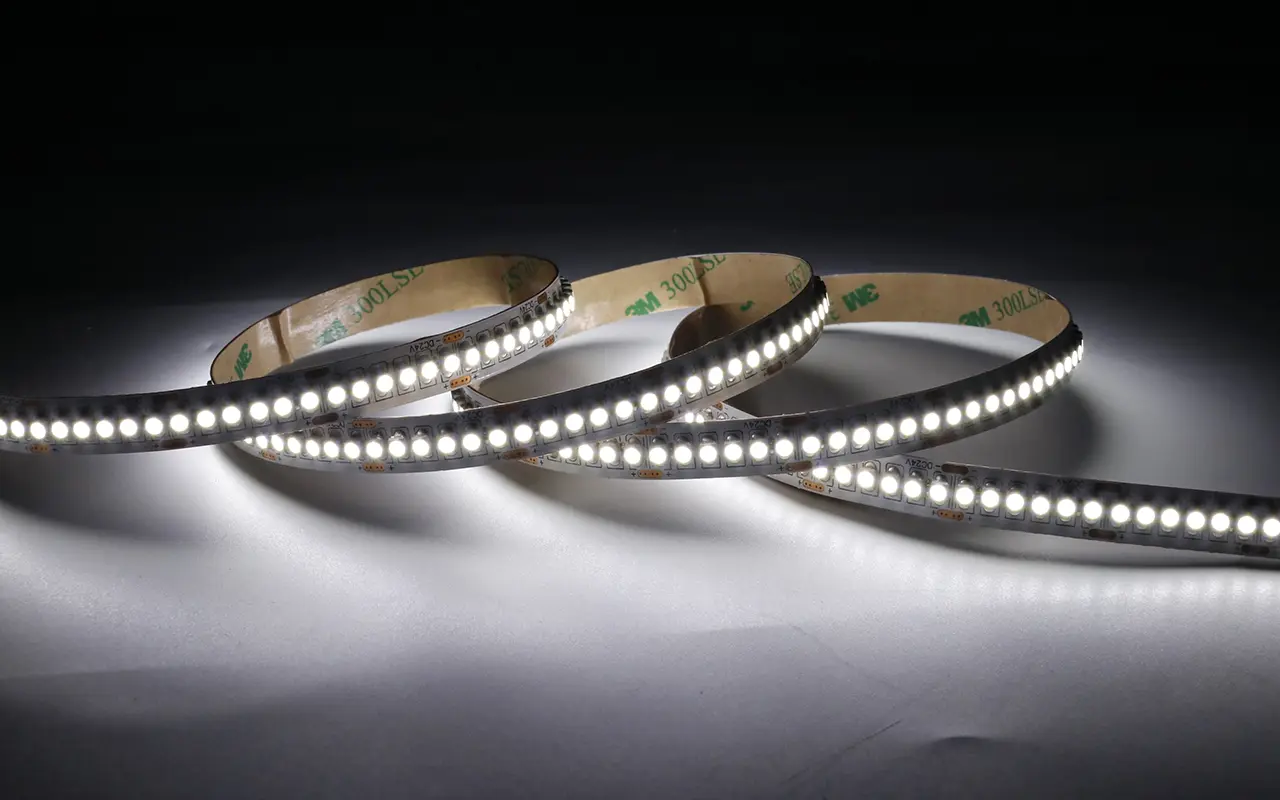
LED strip lights are renowned for their efficiency and safety, particularly regarding radiation and heat emission. These lights utilize energy-efficient LED technology, ensuring that most of the energy is converted into light rather than heat. This is in stark contrast to traditional incandescent bulbs, which can convert over 90% of their energy into heat, posing a risk to sensitive electronics like TVs. LED strip lights emit very little in the way of infrared or ultraviolet radiation, reducing the risk of heat damage to the screen and internal components of the television. This makes LED strip lights an excellent choice for enhancing your home entertainment setup without the fear of overheating your device.
Die Auswahl der richtigen LED-Leuchtbänder
Selecting the appropriate LED strip lights for TV use involves more than picking the brightest option. It’s essential to consider the voltage and energy efficiency of the LED lights to ensure compatibility and safety. Lights that operate at a low voltage (typically 12V) are ideal as they pose minimal risk of electrical hazards and are less likely to cause damage in the event of a wiring fault. Additionally, look for LED strips with quality certifications, such as UL or CE marking, indicating compliance with international safety standards. When purchasing LED strip lights, consider those with adjustable brightness and color settings to tailor the ambiance to your viewing preferences while ensuring that the lighting does not overpower the screen or distract from the viewing experience.
Installation Best Practices
Proper installation is crucial to safely and effectively using LED strip lights around a TV. Begin by planning the layout of the lights, ensuring they do not obstruct any ventilation ports or interface directly with the TV’s electronics. When attaching the lights, use the self-adhesive backing that most LED strip lights come with for a secure fit. Opt for additional mounting brackets in scenarios where the strip needs extra support. Ensuring the LED strips are evenly spaced and fully aligned is important to prevent uneven lighting and potential shadows on the TV screen. Additionally, avoiding covering any ventilation openings is crucial, as proper airflow is essential to prevent overheating of both the LED lights and the television. Regular checks and maintenance can ensure the setup remains safe and functional, providing an optimal viewing experience without risking the integrity of your television.
Comprehensive Installation Guide for LED Strip Lights on TVs
Benötigte Werkzeuge und Materialien
Gathering the right tools and materials before installing LED strip lights on your TV is essential for a smooth and successful setup. Start by selecting high-quality LED strip lights that suit your TV size and lighting preference. Ensure that the power supply matches the voltage requirements of the LED strip lights to avoid any electrical mismatches. Connectors are crucial for extending or adapting the strips to fit your layout. You’ll also need a reliable pair of wire cutters or scissors for cutting the LED strips at designated intervals, as well as cleaning materials such as isopropyl alcohol or a similar gentle cleaning solution to ensure the TV surface is free of dust and grease, which could hinder adhesive performance. For those who prefer a more permanent setup, mounting brackets can provide additional stability and security for the LED strips. This preparatory step ensures that the installation process will be easier and the result will look professional and long-lasting.
Schritt-für-Schritt-Installationsanleitung
Installing LED strip lights on your TV can significantly enhance your viewing experience. Still, it’s important to do it right to avoid any issues:
Surface Preparation: Start by cleaning the back of your TV with a suitable cleaning solution to remove any dust and grease. This ensures the adhesive on the LED strip lights sticks properly and stays secure.
Measuring and Cutting: Measure the area around your TV where you intend to place the LED strips. Most LED strip lights come with cut marks at specific intervals, usually every 1-2 inches, allowing for precise customization. Use your wire cutters or scissors to cut the strips at these marked points to avoid damaging the components.
Applying the LED Strip:
1. Peel off the adhesive backing from the LED strip carefully.
2. Align the strip with the area you’ve cleaned and measured, starting from one corner and following your planned path around the TV.
3. Press the strip gently but firmly to ensure it adheres well without any bubbles or wrinkles.
Electrical Connection: Connect the end of the LED strip to the power supply and any dimming or color-changing controllers you may be using. Ensure all connections are tight and secure to prevent any loose connections that could affect the functionality of the lights.
Final Adjustments: Once all parts are connected and the LED strip is in place, turn on the lights to test their functionality. This is the time to make any necessary adjustments to the positioning or brightness to ensure the lighting is even and achieves the desired effect.
Common Mistakes to Avoid
When installing LED strip lights on your TV, certain common pitfalls can detract from both the aesthetics and functionality of your lighting setup:
Overlapping the Strips: Ensure the LED strips lay flat and do not overlap each other, as this can cause uneven lighting and hot spots. Overlapping can also lead to overheating, which can damage both the LEDs and the surface they are attached to.
Insecure Connections: All electrical connections must be secure to prevent voltage drops or flickering lights. Check that all connector points are tightly fitted and that no wires are loose.
Ignoring Manufacturer’s Instructions: Always follow the manufacturer’s guidelines regarding installing and handling LED strip lights. This includes adhering to the specified cutting points on the strips, using the recommended power supply, and handling the strips carefully to avoid damage.
By following this comprehensive guide, you can ensure that your LED strip lighting installation is safe and enhances your TV viewing experience with minimal risk and maximum aesthetic appeal.
Potential Risks and How to Mitigate Them
Identifying Potential Hazards
LED strip lights offer a versatile and attractive lighting solution. Still, like any electrical device, they come with potential risks if not handled or installed correctly. One of the primary concerns is electrical shorts, which can occur if the LED strips are not correctly connected or if exposed wires come into contact with each other or the metal parts of other devices. This can damage the LED strip itself and pose a fire risk or damage your TV. Another risk involves improper heat dissipation. Even though LED strips generate less heat than traditional bulbs, they still produce some heat. Without proper ventilation or if installed in a cramped space, the heat may build up, potentially damaging the strip and nearby objects such as the TV’s casing or internal components.
Mechanical damage to the LEDs can occur through mishandling during installation, such as excessive bending or compression. This might cause physical breakage of the LEDs or their connections, leading to inconsistent lighting or complete failure of strip sections. Additionally, incorrect installation can permanently damage your TV, especially if the adhesive used on the strips leaves residues or causes chemical reactions with the materials used in the TV’s manufacture.
Sicherheitsvorkehrungen
Adhering to a few key precautions is crucial to mitigate these risks and ensure a safe installation. First, always use the power adapter recommended by the manufacturer. This ensures that the voltage and current supplied to the LED strips are within safe limits and matches the specifications of the LED strip to prevent overheating or electrical overload. Following the manufacturer’s installation instructions meticulously is also vital. These guidelines are designed to ensure safe operation and include tips on handling, positioning, and fixing the LED strips to avoid damage.
It’s essential to verify that all components of the LED lighting system, including the strips, connectors, controllers, and power supplies, are compatible and meet safety standards. Use components approved for use with your specific type of LED strip, and ensure that all parts are from reputable manufacturers who comply with safety regulations. This compatibility check prevents issues such as voltage mismatches or faulty connections that could lead to safety hazards.
Another important safety measure is to check the entire installation for any signs of damage or wear before turning on the power. Inspect the LED strip, connectors, and power supply for any visible signs of damage, such as cracked casings, exposed wires, or loose connections. If any installation part looks wrong, do not power up the system until all issues are resolved.
By identifying potential hazards and taking the appropriate safety precautions, you can enjoy the aesthetic and functional benefits of LED strip lights without compromising the safety of your household or the integrity of your electronic devices.
Fehlersuche bei allgemeinen Problemen
Encountering issues such as flickering or dimming after installing LED strip lights is common. Still, these problems can typically be resolved with a few simple checks. Flickering often results from loose connections or insufficient power supply. First, inspect all connection points along the LED strip, including where the strip meets the power source and any joins between segments. Make sure that each connection is secure and not corroded. Corrosion can disrupt the circuit and cause flickering, which can sometimes be remedied with a quick clean or by replacing the connectors.
Dimming, particularly along parts of the strip further from the power source, may indicate voltage drop, a common issue in longer runs of LED strip lights. To resolve this, you could either shorten the strip or use a higher gauge wire for the connections to reduce resistance. Alternatively, adding a secondary power supply at the opposite end of the strip can help maintain consistent brightness across its length.
If these troubleshooting steps do not resolve the issue, it may be necessary to check the power supply unit (PSU). Ensure that it provides the correct voltage and sufficient current for the total length of the LED strip. A PSU that is not adequately rated can lead to flickering and premature failure of the LED chips. If in doubt, consulting with the manufacturer’s specifications or seeking advice from a professional can prevent further complications.
Enhancing Your Viewing Experience with LED Strip Lighting
Benefits of Using LED Strip Lighting
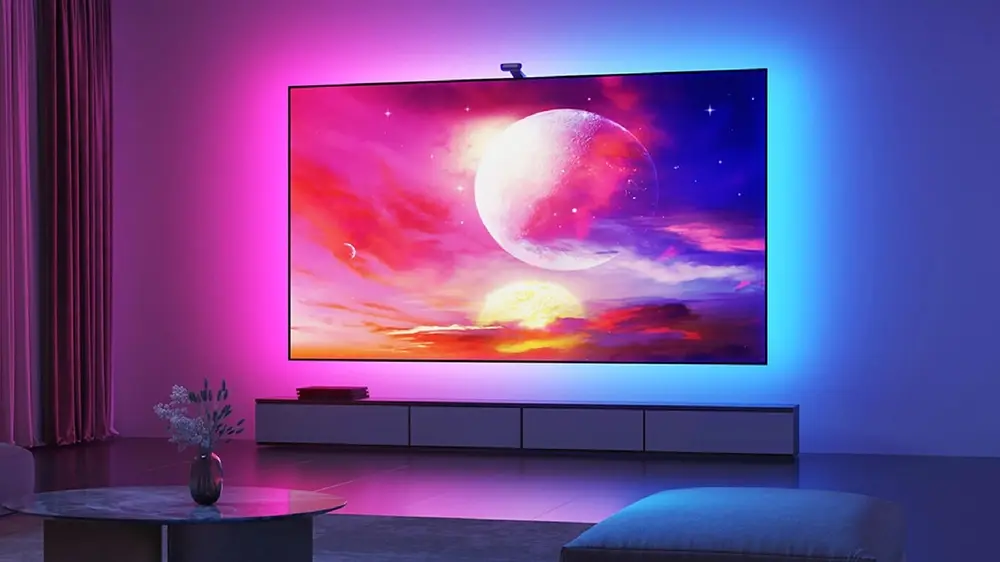
Incorporating LED strip lighting into your home entertainment setup offers several benefits beyond aesthetics. One of the primary advantages is the provision of bias lighting. This type of lighting setup involves placing LED strips behind the TV screen, which adds a subtle glow around the television. This glow enhances the aesthetic appeal of your viewing area and increases the TV screen’s perceived contrast. By lighting the wall behind the screen, bias lighting helps to reduce the strain on your eyes during long viewing sessions, particularly in dark environments.
The consistent light provided by LED strips helps balance the screen’s brightness and the surrounding area, reducing eye strain and making the viewing experience more comfortable. This is especially beneficial during movie marathons or extended gaming sessions. Additionally, LED strip lighting allows for customization of colors and brightness, enabling you to tailor the ambiance according to what you are watching or your preference. Whether you want a cool blue to mimic daylight for a bright, action-packed movie or a warm, soft white for a cozy evening of dramas, LED strip lights can adapt to your needs.
This versatile lighting option also improves the viewing experience by bringing a high-end, cinematic feel to your home setup. The ability to adjust settings like brightness and color temperature means that you can optimize viewing conditions based on the time of day or the content on the screen, further enhancing your ability to immerse yourself in the viewing experience.
Creative Ways to Use LED Strip Lighting
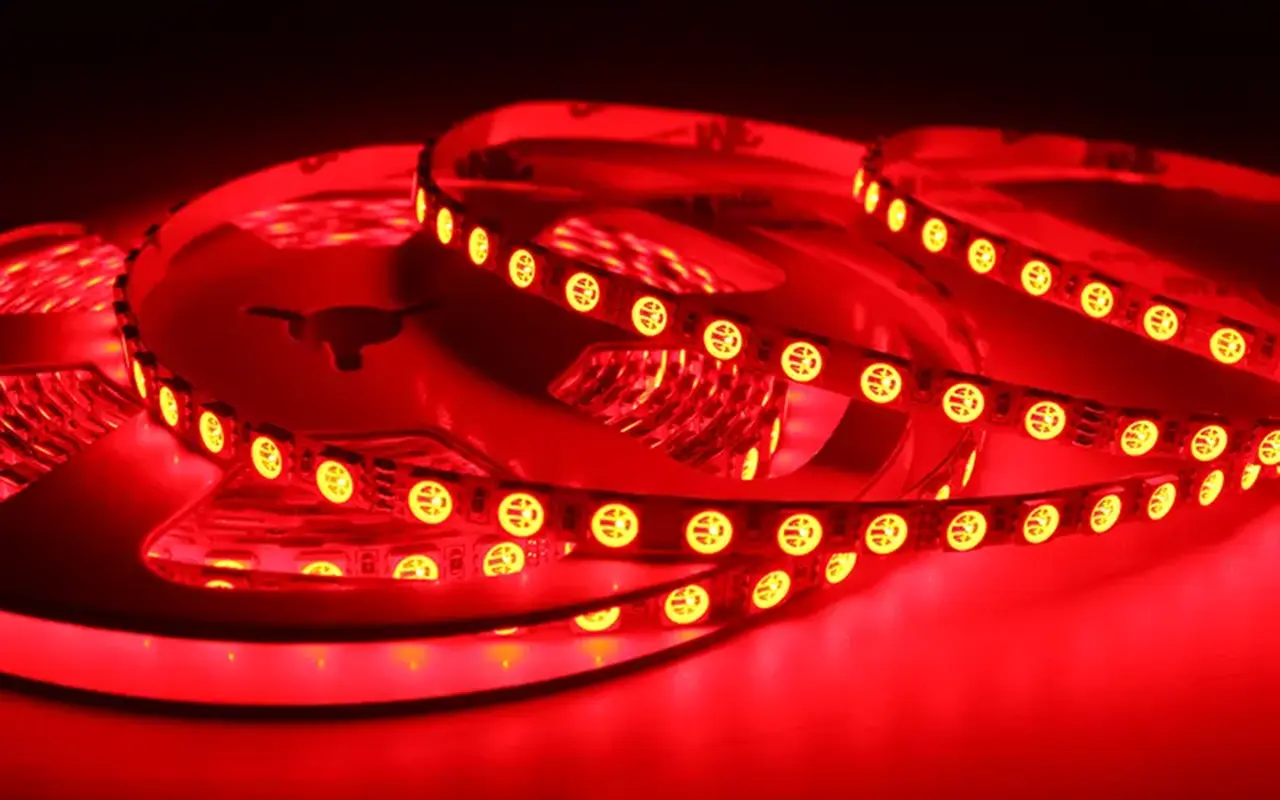
LED strip lighting offers a versatile range of applications beyond simple backlighting for your TV. Experimentation with colors and brightness can create unique atmospheres for different occasions, enhancing your living space’s functionality and aesthetics. For instance, vibrant colors like red or blue can add a dynamic feel during parties or gatherings. At the same time, soft whites or pastels can provide a calming effect, ideal for relaxation or winding down at night.
One exciting aspect of LED strip lights is their ability to be customized to specific lengths and bent around curves, allowing for creative installations in niches, under furniture, or along architectural features. This flexibility makes them perfect for highlighting bookshelves, framing doorways, or accentuating kitchen counters. Additionally, using RGB (Red, Green, Blue) or RGBW (Red, Green, Blue, White) LED strips, you can change the colors according to seasonal themes, special events or even to reflect your mood.
Smart LED strips further enhance this functionality by offering connectivity with apps or voice-controlled devices. This technology enables you to adjust settings with a simple voice command or a smartphone app, providing convenience and accessibility. Whether dimming the lights for a movie night or changing colors for a themed party, smart LED strips adapt to your lifestyle needs, adding charm and functionality to your home.
Integrating Smart Home Technology
Integrating LED strip lighting with smart home technology can transform your living environment into a seamless blend of style and technology. Connecting LED strips to your home automation system lets you control them alongside other smart devices through a unified platform. This integration allows for the automation of lighting based on time of day, presence detection, or even syncing with other home events, like the start of a movie or the activation of security alarms.
For instance, you can program the lights to gradually brighten in the morning to simulate sunrise, helping to wake you up naturally. Conversely, you can set them to dim slowly at night, mimicking the sunset to help prepare your body for sleep. This type of lighting automation enhances convenience and contributes to energy efficiency, as lights can be set to turn off automatically when they’re not needed.
Furthermore, integrating LED strip lights with systems like Google Home, Amazon Alexa, or Apple HomeKit can enable scenario-based actions. For example, saying “movie night” could dim the lights, pull down the blinds, and turn on the TV, all without lifting a finger. Such integrations make managing your home simpler and more enjoyable and add a layer of customization and control that can significantly enhance your living experience.
These smart configurations not only cater to aesthetic preferences but also offer practical solutions that adjust to daily routines, making life easier and more enjoyable. By embracing these technologies, you can create a home environment that is both responsive and adaptive to your needs.
Maintaining Your LED Strip Lights Setup
Routine Maintenance Tips
Maintaining your LED strip lights is essential to ensure their longevity and performance. Regular checks are crucial to identify potential issues early, saving time and money in the long run. Begin by visually inspecting the LED strips every few months for any signs of wear or damage, such as fraying wires, loose connections, or dimming lights. These could be indicators of electrical problems or degradation due to environmental factors.
Cleaning is another important aspect of maintenance. Dust and debris can accumulate on the surface of LED strips, which can obscure the lights and cause a reduction in brightness and color quality. To clean your LED strips, first ensure that the power is off and the strips are cool to the touch. Use a soft, dry cloth to gently wipe down the surface. For more stubborn grime or residue, a slightly damp cloth can be used, but avoid using harsh cleaning agents as they may damage the surface of the LEDs or their adhesive backing.
Additionally, make sure that the LED strips are not exposed to moisture unless they are specifically rated for outdoor use or wet conditions. Moisture can seep into the circuitry and cause short circuits or corrosion. In environments with high humidity, consider using a silicone coating or a moisture barrier to protect your lights.
DIY Troubleshooting Guide
Encountering issues with LED strip lights can be frustrating, but many common problems can be diagnosed and fixed with some basic troubleshooting skills. If you notice that certain sections of your LED strip are not lighting up, the first step is to check for any obvious signs of damage to the strip at these points. Look for cuts or breaks, and ensure that each segment is properly connected.
If the connections look intact, the problem may lie with the power supply. Verify that it is correctly connected and provides the right amount of power. If the power supply is overtaxed and trying to power too many LEDs, it may not be able to maintain consistent lighting across the strips. Consider dividing the strip into shorter segments or upgrading to a more powerful supply.
Color inconsistencies, another common issue, can often be resolved by adjusting the color settings if your LED strip includes RGB capabilities. If adjustments do not fix the issue, check for voltage drop, which can cause colors to appear dimmer at one end of the strip. This is often remedied by reinforcing the power supply or using a higher gauge wire for the connections.
For DIY fixes, ensure that you have the right tools on hand, such as a multimeter to check connections and voltage along the strip. Soldering equipment may be needed to make secure connections, particularly if you are extending or customizing your LED strip setup. Remember, always ensure the power is off when making adjustments to prevent any electrical hazards.
By maintaining and troubleshooting your LED strip lights yourself, you can extend their lifespan and ensure they continue to function efficiently and safely. This hands-on approach not only keeps your lighting in top condition but also provides a deeper understanding of the setup, allowing for more personalized adjustments and enhancements.
Fazit
In conclusion, LED strip lights offer a versatile and energy-efficient lighting solution that enhances both the functionality and aesthetics of any space, especially when used as TV backlighting. By understanding the proper installation techniques and maintenance practices and troubleshooting common issues, users can maximize the lifespan and performance of their LED strips. Integrating these lights with smart home technology not only elevates the convenience and customization of home lighting systems but also improves the overall viewing experience. Whether you’re a DIY enthusiast or simply seeking to improve your home environment, LED strip lights provide a cost-effective and dynamic lighting option that caters to a wide range of needs and preferences.
LED strip lights are an excellent choice for versatile and attractive lighting solutions. Turn to Unitop, a leading manufacturer of LED-Leuchtbänder und LED-Neon-Flex in China, for your lighting needs. Known for quality and innovation, Unitop is ready to assist with any questions or specific requirements you have. Kontaktieren Sie uns today for expert advice and top-quality products to make your lighting project shine. Choose Unitop, where excellence in LED lighting is always a priority.

Tom ist jetzt der Verkaufsleiter von Unitop (China) Co., Limited. Er war in der LED-Beleuchtung Industrie seit 2005. Er ist Experte für Vertrieb und Marketing sowie für Fabrikmanagement. Er mag Bodybuilding und ist außerdem ein verrückter Apple-Fan! Er ist ein fleißiger Kerl und liebt es, neue Dinge zu lernen und auszuprobieren.
E-Mail: tom@unitopledstrip.com WhatsApp: +86-18680307140



Hinterlasse einen Kommentar
An der Diskussion beteiligen?Hinterlasse uns deinen Kommentar!